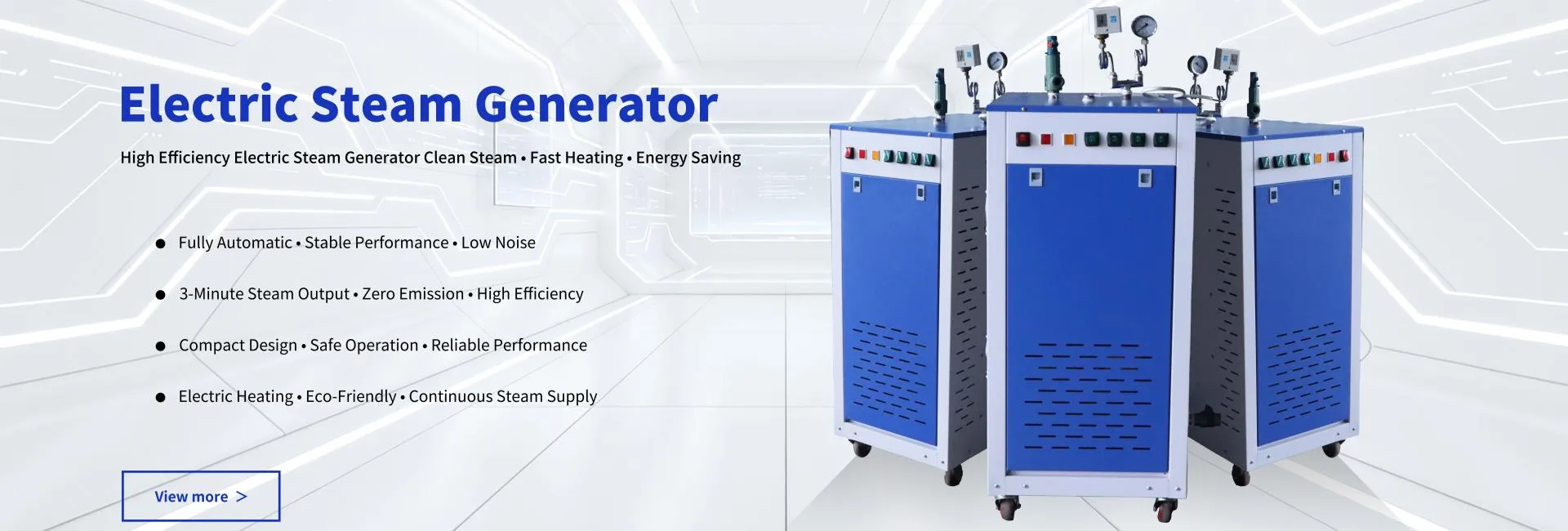
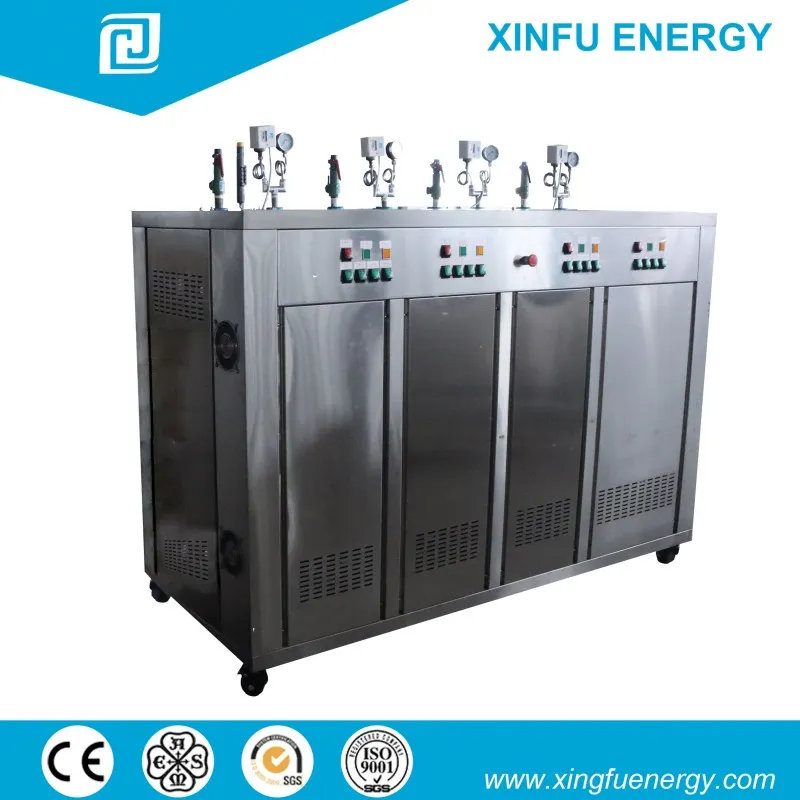
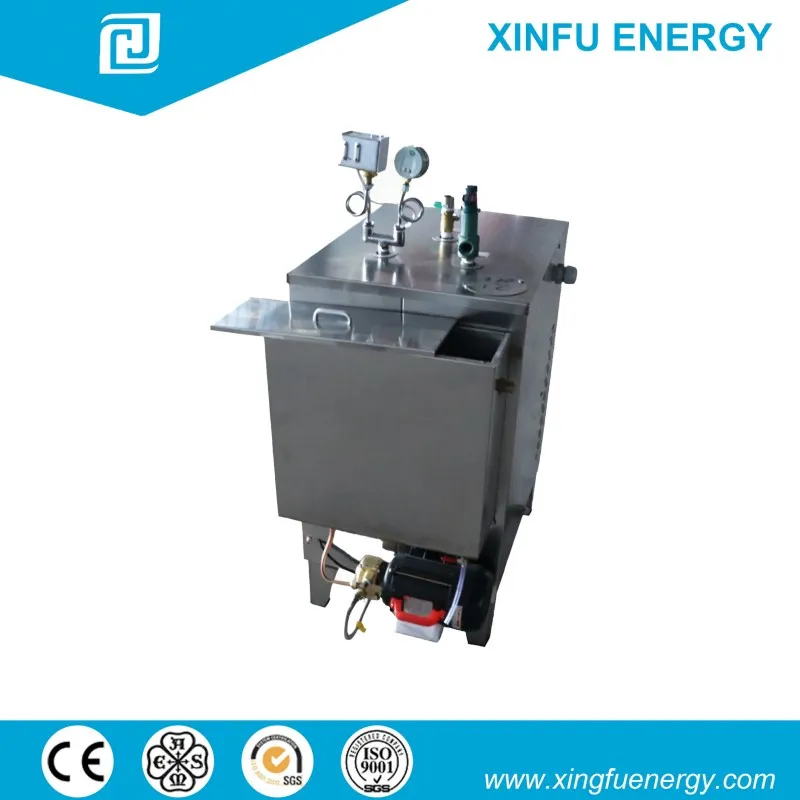
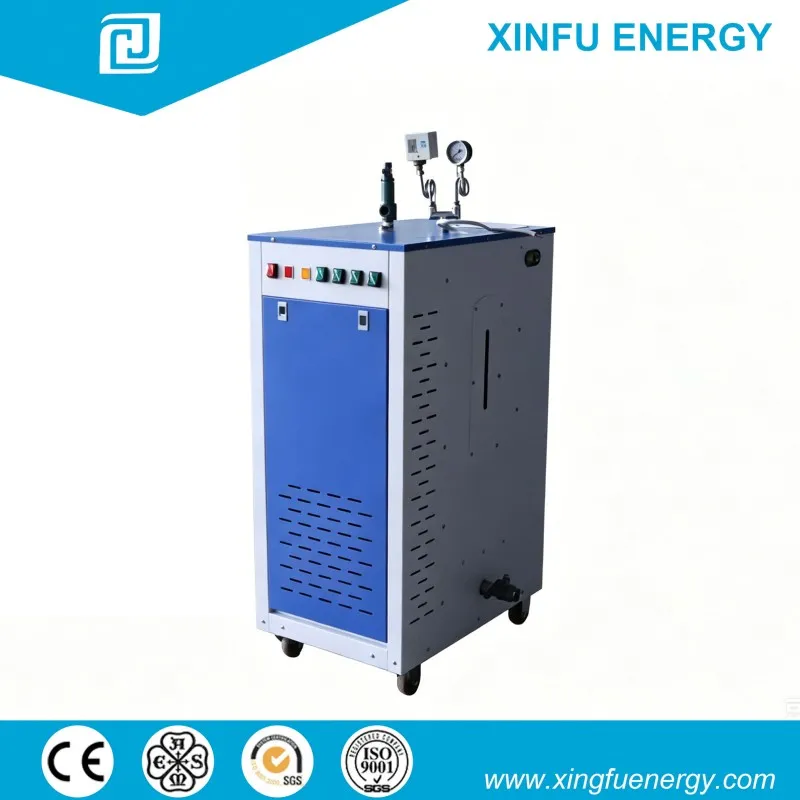
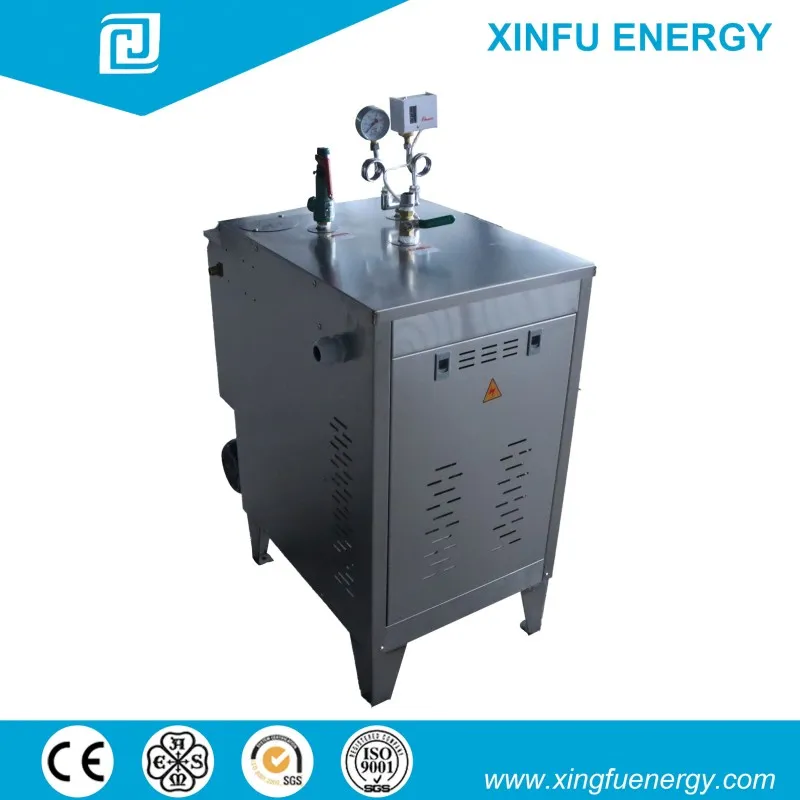
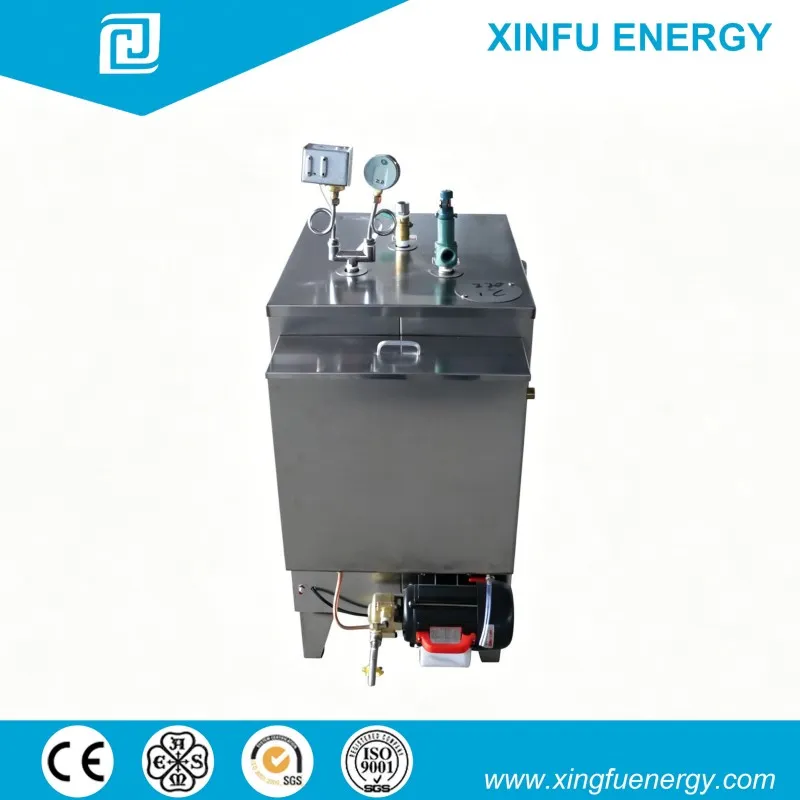
An automatic electric steam boiler is an industrial heating system that generates high-pressure steam using electrical resistance elements, controlled entirely by a digital PLC interface without manual intervention. In 2026, these units are defined by their zero-emission operation, compact footprint, and precise thermal regulation. For procurement managers and engineers, the primary value lies in the elimination of fuel storage, reduced maintenance complexity, and compliance with stringent environmental regulations. This guide details current pricing structures, technical specifications, and selection criteria for modern electric steam generation systems.
What Is an Automatic Electric Steam Boiler?
An automatic electric steam boiler converts electrical energy into thermal energy to produce steam. Unlike traditional fossil-fuel boilers, it uses submerged heating elements or electrode systems immersed in water. The “automatic” designation refers to the integrated control logic that manages water levels, pressure limits, and power modulation without requiring constant operator presence.
These systems are critical in industries where cleanliness, precision, and regulatory compliance are paramount. By removing combustion processes, they eliminate flue gases, ash, and soot, making them ideal for sterile environments such as pharmaceutical manufacturing and food processing.
Core Working Principle
The operation relies on Joule heating. When an electric current passes through the resistive heating elements, heat is generated and transferred directly to the water. As the water temperature rises, it reaches its saturation point and transitions into steam. A sophisticated Pressure Transmitter monitors the vessel’s internal pressure in real-time.
Power Modulation: Modern units use Solid State Relays (SSRs) or Silicon Controlled Rectifiers (SCRs) to adjust power output from 0% to 100%, ensuring stable pressure within ±0.1 bar.
Water Level Control: Capacitive or conductive probes detect water levels, automatically triggering feed pumps to maintain optimal volume.
2026 Market Pricing Analysis for Electric Steam Boilers
Pricing for automatic electric steam boilers in 2026 varies significantly based on capacity, voltage requirements, and automation features. Unlike gas boilers, the cost structure is heavily influenced by the electrical infrastructure required rather than just the vessel size. Below is a detailed breakdown of estimated market prices for standard industrial models.
Capacity (kg/h)
Power Rating (kW)
Voltage Requirement
Estimated Price Range (USD)
Primary Application
50 – 100
36 – 72
380V / 415V 3-Phase
$8,000 – $15,000
Small labs, laundry, pilot plants
200 – 500
144 – 360
380V / 415V 3-Phase
$18,000 – $35,000
Food processing, small hospitals
500 – 1000
360 – 720
480V / 690V 3-Phase
$40,000 – $65,000
Medium manufacturing, chemical dosing
1000 – 2000
720 – 1440
690V / Medium Voltage
$70,000 – $120,000+
Large scale sterilization, district heating
Factors Influencing 2026 Costs
Several dynamic factors impact the final investment cost. Understanding these helps in accurate budgeting and ROI calculation.
Copper and Steel Volatility: Raw material costs for the pressure vessel and heating element conductors fluctuate globally. In 2026, supply chain stabilization has moderated prices, but premium stainless steel grades (316L) command a higher premium.
Control System Complexity: Basic ON/OFF controls are cheaper, but PLC-based systems with IoT connectivity, remote monitoring, and predictive maintenance algorithms add 15-20% to the base cost.
Customization: Units designed for specific industries, such as ASME-certified vessels for the US market or PED-compliant units for Europe, involve higher engineering and certification costs.
Electrical Components: High-quality contactors, SCRs, and transformers from reputable brands increase reliability but also raise the initial purchase price.
Key Technical Specifications and Features
When evaluating an automatic electric steam boiler, technical specifications dictate performance and compatibility with your facility’s infrastructure. In 2026, the standard for high-efficiency units includes several advanced features.
Thermal Efficiency and Energy Conversion
Electric steam boilers boast a thermal efficiency of nearly 99%. Since there is no combustion process, there are no stack losses, radiation losses are minimized through superior insulation, and blowdown losses are managed via automated conductivity controllers. This near-perfect conversion rate means that almost every kilowatt-hour of electricity purchased is converted into usable steam energy.
Pressure and Temperature Control
Precision is a hallmark of electric systems. Advanced models offer pressure stability within a very narrow band. This is crucial for applications like autoclaving, where temperature deviations can compromise sterilization cycles. The relationship between pressure and temperature is strictly governed by thermodynamic laws, and automatic controllers adjust power input instantly to maintain the set point.
Material Construction and Longevity
The longevity of the boiler depends on the materials used in the pressure vessel and heating elements.
Vessel Material: Carbon steel is standard for general industrial use. However, for high-purity steam applications, Stainless Steel 304 or 316L is mandatory to prevent corrosion and contamination.
Heating Elements: Incoloy 800 or Inconel 600 alloys are preferred for their resistance to oxidation and scaling at high temperatures. These materials extend the service life of the elements significantly compared to standard stainless steel.
Insulation: High-density rock wool or ceramic fiber insulation reduces surface temperature to safe levels (<50°C), minimizing heat loss and improving workplace safety.
Advantages of Automatic Electric Steam Boilers
Choosing an electric boiler over gas, oil, or biomass alternatives offers distinct strategic advantages, particularly in regulated or space-constrained environments.
1. Zero Emissions and Environmental Compliance
As global carbon taxes and emission regulations tighten in 2026, electric boilers provide a future-proof solution. They produce no NOx, SOx, CO2, or particulate matter at the point of use. This eliminates the need for expensive flue gas treatment systems, chimneys, and environmental permits associated with combustion boilers.
2. Compact Footprint and Installation Flexibility
Without the need for fuel storage tanks, burner assemblies, or exhaust stacks, electric boilers have a significantly smaller footprint. They can be installed in basements, rooftops, or inside production halls where space is at a premium. The modular design allows for easy integration into existing utility rooms.
3. Low Maintenance Requirements
The absence of moving parts in the heating process (no fans, no fuel pumps, no burners) drastically reduces mechanical wear. Maintenance primarily involves periodic checking of electrical connections, water quality testing, and occasional descaling. This results in lower lifetime operational costs and less downtime.
4. Silent Operation
Electric boilers operate almost silently. There is no combustion noise, fan hum, or fuel pumping sound. This makes them ideal for installations in noise-sensitive areas such as hospitals, schools, and residential districts.
5. Rapid Start-Up and Response
Electric elements heat up quickly, allowing the boiler to reach operating pressure faster than many large fire-tube gas boilers. This rapid response capability is beneficial for facilities with intermittent steam demand, reducing energy waste during idle periods.
Common Industrial Applications
The versatility of automatic electric steam boilers makes them suitable for a wide range of sectors. Each application has specific requirements regarding steam purity, pressure stability, and capacity.
Pharmaceutical and Healthcare
In pharmaceutical manufacturing, steam is used for sterilization of equipment, clean-in-place (CIP) systems, and humidification. Electric boilers generate pure steam free from combustion byproducts, meeting strict Good Manufacturing Practice (GMP) standards. Hospitals utilize them for autoclaves and laundry services, valuing their reliability and silence.
Food and Beverage Processing
Steam is essential for cooking, pasteurization, cleaning, and packaging. Electric boilers provide precise temperature control, which is critical for product consistency. The lack of combustion ensures that no off-flavors or contaminants are introduced into the food production environment.
Chemical and Petrochemical Industries
Process heating, reactor jacket heating, and distillation columns often require stable steam supply. In hazardous areas, electric boilers can be equipped with explosion-proof controls, offering a safer alternative to open-flame combustion sources.
Textile and Garment Manufacturing
Ironing, dyeing, and finishing processes rely heavily on steam. Electric boilers allow for zoned steam distribution, enabling different production lines to operate at varying pressures simultaneously, optimizing energy use across the facility.
Laboratory and Research Facilities
Small-scale electric steam generators are indispensable in laboratories for sterilization, distillation, and experimental heating. Their compact size and precise control make them ideal for benchtop or small room installations.
How to Choose the Right Automatic Electric Steam Boiler
Selecting the correct boiler involves balancing technical requirements with economic constraints. A systematic approach ensures optimal performance and cost-efficiency.
Step 1: Determine Steam Demand Profile
Analyze your facility’s steam consumption. Identify the peak load (maximum kg/h required) and the average load. Consider whether the demand is continuous or intermittent. Oversizing leads to inefficient cycling, while undersizing causes production bottlenecks. It is advisable to add a 10-15% safety margin to the calculated peak demand.
Step 2: Assess Electrical Infrastructure
Verify the available electrical capacity at your site. Large electric boilers require significant power input. Check if your facility has access to three-phase power (380V, 415V, 480V, or 690V). If the required power exceeds the available grid connection, you may need to upgrade your transformer or install multiple smaller units in parallel.
Step 3: Define Steam Purity Requirements
Determine if you need saturated steam for heating or pure steam for direct contact applications. For direct contact (e.g., food, pharma), specify stainless steel construction and high-quality water treatment systems to ensure condensate purity.
Step 4: Evaluate Control and Automation Needs
Decide on the level of automation required. Basic models offer pressure control and safety shut-offs. Advanced models provide PLC integration, MODBUS communication, remote monitoring via IoT, and data logging for compliance reporting. Choose a system that integrates seamlessly with your existing Building Management System (BMS).
Step 5: Consider Water Quality and Treatment
Water quality directly impacts boiler efficiency and lifespan. Hard water causes scaling on heating elements, reducing heat transfer and leading to premature failure. Implement a robust water treatment strategy, including softeners, reverse osmosis (RO), or deionization, depending on the local water hardness and steam purity requirements.
Industry Spotlight: Engineering Excellence in Steam Generation
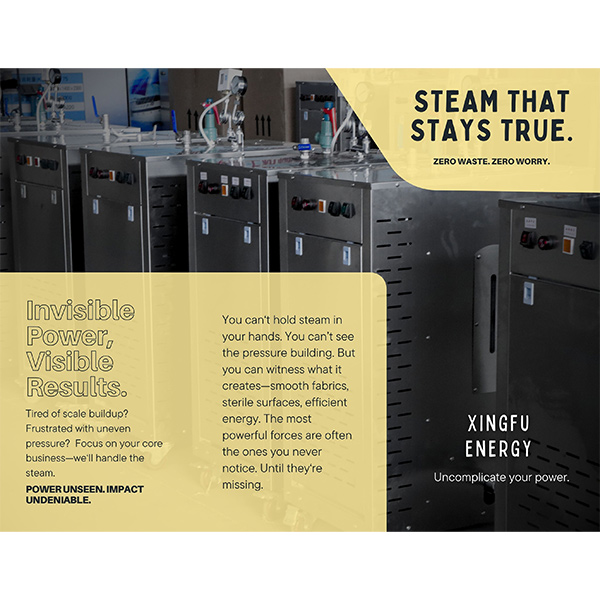
While understanding the theoretical aspects of electric steam generation is crucial, selecting a manufacturer with proven engineering depth and manufacturing capability is equally important. One notable example of industry leadership is Qingdao Xingfu Energy Equipment Ltd., a high-tech enterprise that exemplifies the shift toward precision-manufactured, zero-emission heating solutions.
Founded in 2010 and headquartered in Qingdao, China, Xingfu Energy has evolved into a vertically integrated manufacturer with a strong international footprint. With over 14 years of continuous industry experience, the company specializes in the research, design, and manufacturing of industrial boilers and pressure containers. Their production base spans 70,500 square meters, featuring dedicated workshops and rigorous in-house laboratories that ensure every unit meets international standards such as ISO 9001 and CE certifications.
What sets companies like Xingfu apart in the 2026 market is their commitment to technical expertise and material quality. Employing a team where 21% of staff are technical experts—including 28 specialized engineers—they focus on developing the S-Series automation solutions. These include fully automated electric steam generators and high-power boilers designed for continuous production lines. By utilizing premium stainless steel constructions and achieving zero emissions during operation, their products align perfectly with the modern demands for energy efficiency and environmental safety.
Furthermore, Xingfu’s global reach—exporting to over 30 countries including markets in Europe and Asia—demonstrates the reliability required for cross-border industrial projects. Their approach combines deep manufacturing experience with comprehensive after-sales support, from design-phase consulting to installation assistance. For buyers evaluating suppliers, looking for partners with this level of certified welding expertise (including 65 certified welders) and Class B boiler manufacturing licenses ensures that the theoretical benefits of electric steam are backed by robust, safe, and durable hardware.
Installation and Commissioning Guidelines
Proper installation is critical for safety and performance. While electric boilers are simpler to install than fuel-fired units, adherence to electrical and pressure vessel codes is mandatory.
Location: Install the boiler in a dry, well-ventilated area. Ensure sufficient clearance around the unit for maintenance access.
Electrical Connection: Use certified electricians to connect the power supply. Install appropriate circuit breakers, fuses, and earth leakage protection. Ensure cable sizing matches the current load to prevent overheating.
Water Supply: Connect the feed water line with a non-return valve and isolation valve. Install a water softener or treatment system upstream of the boiler.
Steam Distribution: Insulate all steam pipes to minimize heat loss. Install steam traps, pressure reducing valves (PRVs), and safety valves as per design specifications.
Commissioning: Before full operation, perform a hydrostatic test to check for leaks. Calibrate pressure sensors and safety valves. Test all safety interlocks, including low-water cut-off and over-pressure protection.
Maintenance Best Practices for Longevity
Although electric boilers are low-maintenance, regular care extends their operational life and maintains efficiency.
Daily Checks
Inspect the control panel for any error messages or alarms. Check the water level gauge to ensure proper operation. Listen for unusual noises from pumps or valves. Verify that the pressure remains stable within the set range.
Weekly Maintenance
Perform a bottom blowdown to remove sludge and sediments from the boiler tank. Test the low-water cut-off device manually to ensure it shuts down the heater when water levels are critically low. Check for any visible leaks in piping or fittings.
Monthly Tasks
Inspect electrical connections for tightness and signs of overheating (discoloration). Clean the air filters on the control cabinet if applicable. Test the safety relief valve by lifting the lever slightly to ensure it moves freely (do this with caution and following safety protocols).
Annual Service
Drain the boiler completely and inspect the interior for scaling or corrosion. Clean or replace heating elements if significant scaling is present. Recalibrate pressure transmitters and temperature sensors. Have a certified technician inspect the electrical components, including contactors and SCRs, for wear.
Frequently Asked Questions (FAQ)
How much does it cost to run an electric steam boiler compared to gas?
While electricity per unit of energy is often more expensive than natural gas, electric boilers are nearly 100% efficient, whereas gas boilers typically operate at 85-95% efficiency. Additionally, electric boilers eliminate maintenance costs associated with burners, flues, and fuel handling. In regions with high carbon taxes or where gas infrastructure is absent, electric boilers can be cost-competitive, especially when paired with off-peak electricity tariffs or renewable energy sources.
Can I use an electric steam boiler for humidification?
Yes, electric steam boilers are excellent for humidification. They produce clean, oil-free steam, which is essential for maintaining indoor air quality in hospitals, data centers, and museums. Ensure you use demineralized water to prevent white dust (mineral residue) from being released into the air.
What is the lifespan of an automatic electric steam boiler?
With proper maintenance and water treatment, an electric steam boiler can last 15 to 20 years or more. The pressure vessel is robust, and heating elements can be replaced individually if they fail, extending the overall system life significantly.
Do electric boilers require a chimney or flue?
No. Since there is no combustion process, electric boilers do not produce exhaust gases. Therefore, no chimney, flue, or venting system is required. This simplifies installation and reduces building modification costs.
Is it possible to integrate solar power with an electric steam boiler?
Yes. Electric steam boilers are highly compatible with renewable energy sources. They can be powered directly by solar PV systems, especially when equipped with smart controllers that modulate power usage based on available solar generation. This setup can significantly reduce operational costs and carbon footprint.
What safety certifications should I look for?
Look for boilers that comply with international pressure vessel standards such as ASME (American Society of Mechanical Engineers) Section I or IV, PED (Pressure Equipment Directive) for Europe, or GB standards for China. Electrical components should carry CE, UL, or CSA marks depending on your region.
Comparison: Electric vs. Gas Steam Boilers
To aid in decision-making, here is a direct comparison between automatic electric and traditional gas steam boilers.
Feature
Automatic Electric Boiler
Gas-Fired Boiler
Efficiency
~99%
85-95%
Emissions
Zero at point of use
CO2, NOx, SOx
Installation Space
Compact, no flue needed
Larger, requires flue/chimney
Maintenance
Low (electrical checks, descaling)
High (burner tuning, flue cleaning)
Safety
No fuel storage, no combustion risk
Gas leak risk, combustion hazards
Initial Cost
Lower to Moderate
Moderate to High (with flue/gas line)
Operating Cost
Dependent on electricity rates
Dependent on gas prices
Lifespan
15-20+ years
10-15 years
Future Trends in Electric Steam Generation (2026 and Beyond)
The landscape of industrial steam generation is evolving. Several trends are shaping the market in 2026.
Integration with Smart Grids
Modern electric boilers are becoming grid-responsive assets. They can adjust their power consumption in real-time based on grid frequency and electricity pricing. This demand-response capability allows facilities to participate in energy markets, generating revenue by reducing load during peak times.
Hybrid Systems
Hybrid systems combining electric boilers with heat pumps or solar thermal collectors are gaining traction. These systems optimize energy use by selecting the most cost-effective heat source at any given time, maximizing overall system efficiency.
Advanced Materials
Research into new heating element materials, such as graphene-enhanced coatings, promises even higher heat transfer rates and greater resistance to scaling. These innovations will further improve efficiency and reduce maintenance intervals.
IoT and Predictive Maintenance
Internet of Things (IoT) connectivity is becoming standard. Sensors monitor vibration, temperature, and electrical parameters, sending data to cloud platforms. AI algorithms analyze this data to predict component failures before they occur, scheduling maintenance proactively and preventing unexpected downtime.
Conclusion: Making the Switch to Automatic Electric Steam
The automatic electric steam boiler represents a mature, reliable, and environmentally responsible solution for industrial steam generation. In 2026, the balance of rising fossil fuel costs, stringent environmental regulations, and advancements in electrical efficiency makes electric boilers a compelling choice for a wide range of applications.
For businesses prioritizing operational simplicity, safety, and sustainability, the transition to electric steam offers clear advantages. The elimination of combustion-related maintenance, the compact footprint, and the precision of digital control systems contribute to a lower total cost of ownership over the equipment’s lifecycle.
Who Should Consider This Solution?
Facilities in urban areas with strict emission limits.
Industries requiring high-purity steam such as pharma and food.
Companies with access to competitive electricity rates or renewable energy sources.
Operations with limited space for boiler rooms and fuel storage.
Investing in a high-quality automatic electric steam boiler ensures consistent production, regulatory compliance, and long-term operational savings. As technology continues to advance, these systems will play an increasingly central role in the decarbonization of industrial processes.
To determine the optimal configuration for your specific needs, consider your peak steam demand, available electrical infrastructure, and water quality. Engaging with experienced manufacturers who can provide customized solutions and comprehensive after-sales support is crucial for a successful implementation.
For detailed technical specifications, custom quotes, and expert consultation on integrating automatic electric steam boilers into your facility, explore our comprehensive product range and solutions.