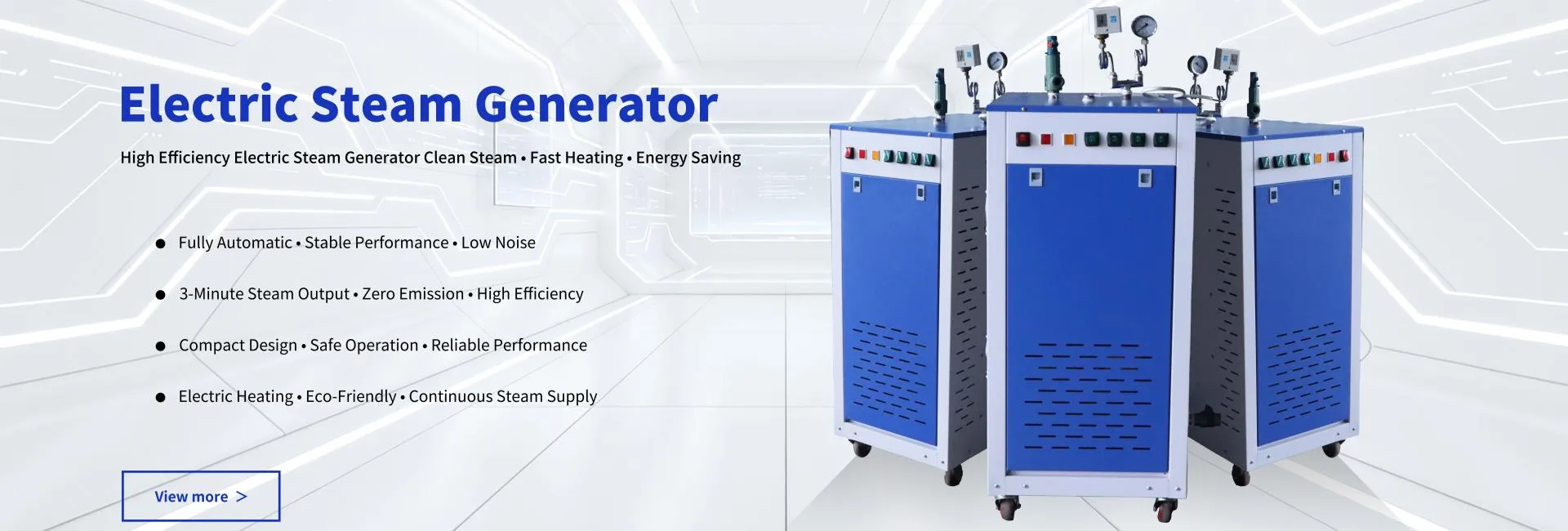
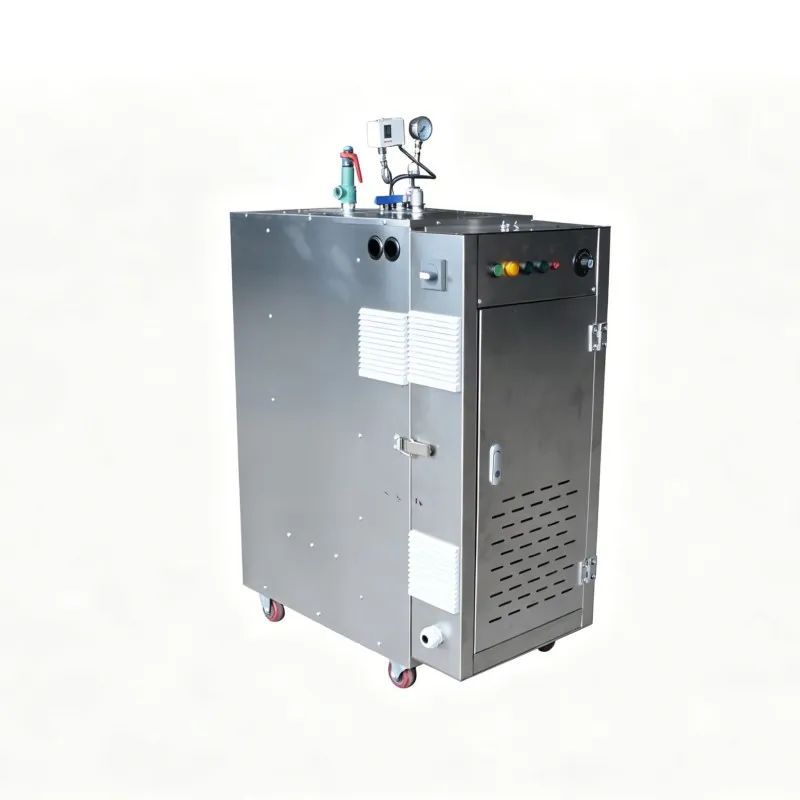
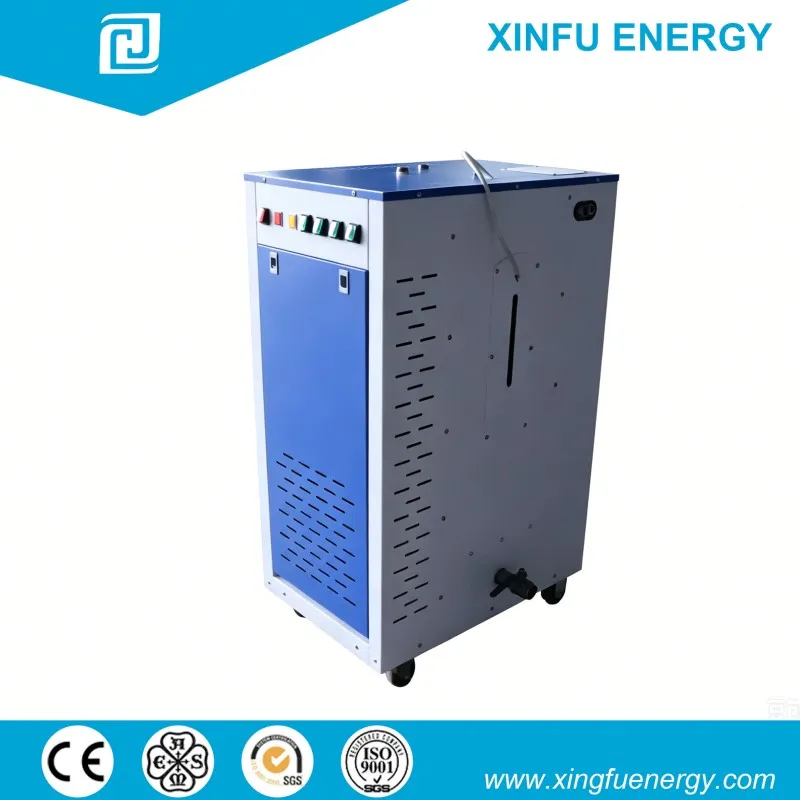
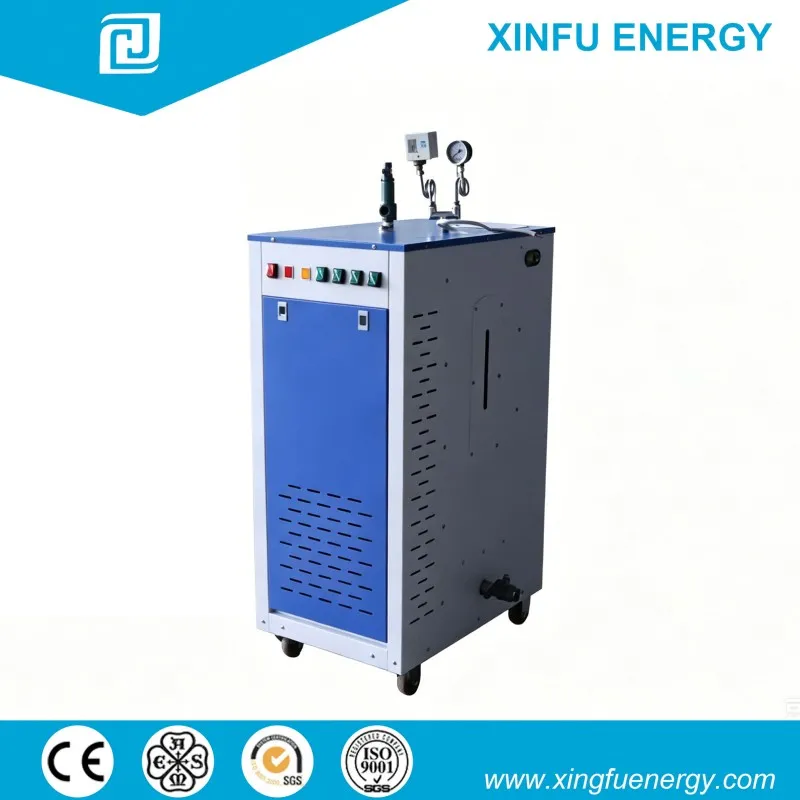
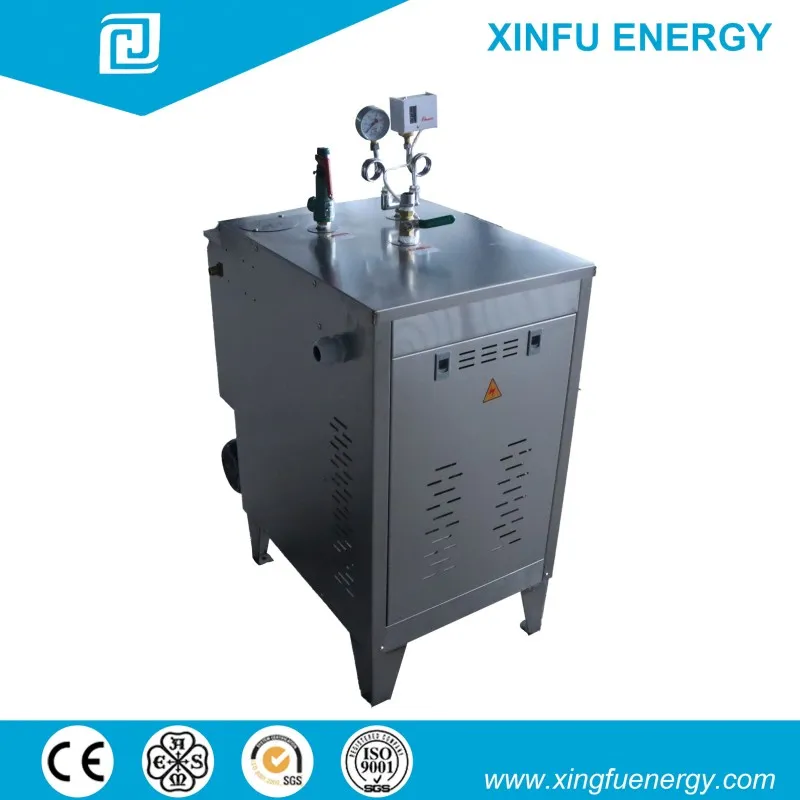
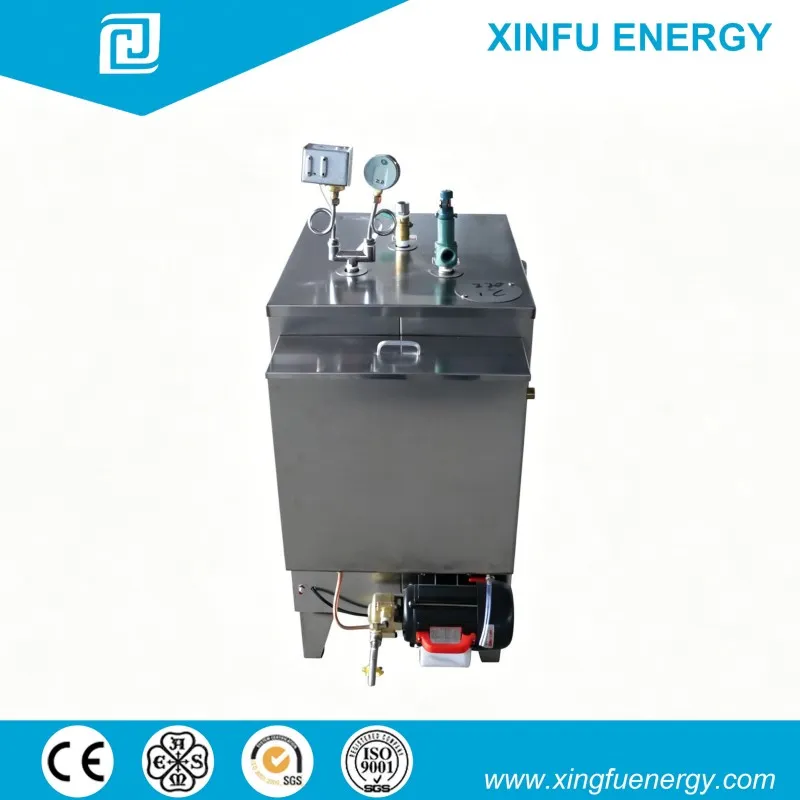
As a premier Electric Steam Boiler Manufacturer, we specialize in designing high-efficiency, zero-emission steam generation systems tailored for industrial applications. Our solutions integrate advanced resistive and electrode heating technologies to deliver precise temperature control, rapid startup times, and modular scalability. By eliminating combustion processes, our electric boilers offer a safer, cleaner alternative for sectors requiring strict environmental compliance, such as pharmaceuticals, food processing, and chemical manufacturing. We provide comprehensive OEM services, allowing businesses to customize pressure ratings, capacity, and control interfaces to match specific operational workflows.
Why Choose an Electric Steam Boiler Manufacturer for Industrial Needs?
The transition from fossil-fuel-based steam generation to electric systems is no longer just an environmental choice; it is an operational imperative for many modern industries. As an experienced Electric Steam Boiler Manufacturer, we observe a significant shift in procurement strategies driven by three core factors: regulatory pressure, operational efficiency, and total cost of ownership (TCO).
Traditional gas or oil-fired boilers require complex exhaust systems, fuel storage infrastructure, and regular emissions testing. In contrast, electric steam boilers convert nearly 100% of the input energy into usable heat. This fundamental difference simplifies facility layout and reduces the engineering burden on plant managers. When partnering with a specialized manufacturer, clients gain access to engineered solutions that optimize this energy conversion through smart controls and high-grade materials.
The Shift Toward Decarbonization in Manufacturing
Global manufacturing standards are tightening. Many regions have implemented carbon taxes or strict NOx and SOx emission limits. Electric boilers produce zero onsite emissions. For facilities aiming for LEED certification or corporate sustainability goals, switching to electric steam is one of the most impactful immediate steps. Our manufacturing process ensures that every unit meets international electrical safety standards, including CE, UL, and ASME certifications where applicable.
Operational Simplicity and Safety
Safety is a critical concern in industrial environments. Without open flames or combustible fuels, the risk profile of electric boilers is significantly lower. There is no need for fuel lines, leak detectors, or explosion-proof ventilation in the boiler room. This allows for installation in tighter spaces, including indoors or even on upper floors of multi-story facilities, provided the structural load is supported. Our engineering team prioritizes these safety features in every OEM design, incorporating multiple redundant safety interlocks and pressure relief mechanisms.
About Qingdao Xingfu Energy Equipment Ltd.
At the heart of our technological offerings is Qingdao Xingfu Energy Equipment Ltd., a high-tech enterprise founded in 2010 and headquartered in Qingdao City, Shandong Province, China. With over 14 years of continuous industry experience, we have established ourselves as a stable and reliable supplier in both domestic and international energy equipment markets. Our vertically integrated manufacturing model covers the entire lifecycle—from research and design to production and certified transportation—ensuring rigorous quality control at every stage.
Our state-of-the-art production base spans 70,500 square meters, including 21,000 square meters of dedicated workshops. What truly sets us apart is our human capital: out of our 228 employees, 78 are technical experts, including 28 specialized engineers. This strong technical backbone, combined with 65 certified welders and skilled craftsmen, allows us to maintain ISO 9001 and CE certifications while holding Class B boiler and Class 1/2 pressure vessel manufacturing licenses.
We specialize in the S-Series automation solutions, which include fully automated electric steam generators, intelligent fast-steam boilers, and high-power units designed for continuous production lines. All our products are constructed using high-grade stainless steel, ensuring durability, hygiene, and zero emissions during operation. Since beginning our export journey in 2012, we have served clients in over 30 countries—including Mongolia, Indonesia, Korea, Malaysia, Poland, and Spain—building a reputation for transparency, quality responsibility, and sustainable technological development.
Core Technologies: How Electric Steam Boilers Work
Understanding the underlying technology is essential for selecting the right equipment. As a leading Electric Steam Boiler Manufacturer, we primarily utilize two distinct heating methods: Resistance Heating and Electrode Heating. Each technology serves different capacity ranges and operational requirements.
Resistance Heating Elements
Resistance boilers operate on a principle similar to domestic kettles but scaled up for industrial use. High-grade alloy heating elements are immersed directly into the water vessel. When electricity passes through these elements, resistance generates heat, which transfers to the water via conduction and convection.
Precision Control: Resistance boilers allow for stepless or stepped power modulation. By using Silicon Controlled Rectifiers (SCRs), we can adjust the power output from 0% to 100% in milliseconds. This ensures stable steam pressure even during fluctuating demand.
Modularity: These units are ideal for modular setups. Multiple smaller resistance boilers can be linked together, providing redundancy. If one unit requires maintenance, the others continue to operate, ensuring uninterrupted production.
Capacity Range: Typically suited for low to medium steam demands, ranging from 50 kW to 2 MW per unit.
Electrode Boilers for High Capacity
For large-scale industrial applications requiring massive steam volumes, electrode boilers are the superior choice. Instead of heating elements, these boilers use the water itself as a resistor. High-voltage electrodes are submerged in the water, and current flows directly between them through the water medium.
High Voltage Compatibility: Electrode boilers can operate at medium voltages (up to 13.8 kV or higher). This eliminates the need for expensive step-down transformers, reducing installation costs and energy losses.
Compact Footprint: Due to the high energy density, electrode boilers are significantly smaller than resistance boilers of equivalent capacity. This is crucial for facilities with limited floor space.
Rapid Response: These systems can reach full operating pressure from a cold start in minutes, making them ideal for peak shaving or backup steam generation.
Key Advantages of Partnering with a Specialized Manufacturer
Not all boiler suppliers are created equal. Choosing a dedicated Electric Steam Boiler Manufacturer offers distinct advantages over generalist HVAC providers. Our focus on electric thermal technology means deeper expertise in electrical integration, control logic, and material science.
Customizable OEM Solutions
Off-the-shelf products rarely fit complex industrial processes perfectly. Our OEM capabilities allow for extensive customization:
Voltage and Phase Configuration: We design units to match local grid specifications, whether it is 480V 3-phase in North America or 400V 50Hz in Europe.
Material Selection: For high-purity steam applications, such as in pharmaceuticals, we offer stainless steel (304 or 316L) vessels and piping to prevent corrosion and contamination.
Control Integration: Our PLC-based control systems can integrate with existing Building Management Systems (BMS) or SCADA networks via Modbus, BACnet, or Ethernet/IP protocols. This enables remote monitoring, data logging, and predictive maintenance.
Physical Dimensions: We can modify the footprint and orientation of inlet/outlet connections to fit into retrofitted spaces or existing piping layouts.
Energy Efficiency and Cost Management
While electricity prices can be higher than natural gas per BTU, the overall system efficiency of electric boilers often results in competitive operational costs. With near-100% thermal efficiency, there is no waste heat lost through flue gases. Furthermore, electric boilers enable strategic energy management:
Peak Shaving: Using thermal storage tanks, boilers can generate steam during off-peak hours when electricity rates are lower. The stored thermal energy is then released during peak production hours.
Demand Response: Our smart controllers can automatically reduce load during grid stress events, potentially earning revenue from utility demand response programs.
Reduced Maintenance Costs: Without burners, fans, fuel pumps, or exhaust stacks, the number of moving parts is minimized. This translates to lower annual maintenance contracts and fewer unexpected breakdowns.
Technical Specifications and Performance Metrics
When evaluating an Electric Steam Boiler Manufacturer, technical transparency is vital. Below is a comparative overview of typical performance metrics for our standard product lines. Note that specific parameters can be adjusted based on OEM requirements.
Feature
Resistance Heating Boiler
Electrode Heating Boiler
Typical Capacity Range
50 kW – 2,000 kW
1 MW – 50+ MW
Operating Voltage
Low Voltage (208V – 600V)
Medium Voltage (2.4kV – 13.8kV+)
Thermal Efficiency
> 99%
> 99%
Steam Pressure Range
Up to 15 bar (217 psi)
Up to 20 bar (290 psi) or higher
Control Precision
±0.5 bar via SCR modulation
±0.5 bar via electrode immersion depth
Startup Time
10-20 minutes (cold start)
5-15 minutes (cold start)
Footprint
Moderate
Compact (High power density)
Best Application
Process heating, humidification, small sterilizers
District heating, large industrial plants, power augmentation
Understanding Steam Quality and Purity
Steam quality is defined by the dryness fraction—the proportion of vapor to liquid water in the steam. High-quality, dry steam is essential for efficient heat transfer. Wet steam can cause water hammer, reduce heating efficiency, and damage equipment. Our boilers incorporate high-efficiency separators and traps to ensure steam dryness exceeds 98%. For sensitive applications like healthcare sterilization or food processing, we offer additional filtration and pure steam generators that meet USP (United States Pharmacopeia) standards.
Industry Applications: Where Electric Steam Excels
Our experience as an Electric Steam Boiler Manufacturer spans diverse sectors. Each industry has unique requirements regarding steam purity, pressure stability, and reliability. Here is how our solutions address specific sector needs.
Pharmaceutical and Healthcare
In pharmaceutical manufacturing, steam is used for sterilization (autoclaves), clean-in-place (CIP) systems, and humidification in cleanrooms. Contamination is unacceptable. Our stainless steel electric boilers produce clean, oil-free steam. The precise pressure control ensures consistent sterilization cycles, which is critical for regulatory compliance (FDA, EMA). The absence of combustion byproducts eliminates the risk of carbon monoxide or nitrogen oxides contaminating the sterile environment.
Food and Beverage Processing
Steam is integral to cooking, pasteurization, and cleaning in the food industry. Electric boilers offer hygienic advantages since there is no risk of fuel leakage into the steam system. Additionally, the rapid response time allows for precise temperature control during cooking processes, improving product consistency. For breweries and distilleries, electric steam provides a consistent heat source for mashing and distillation, enhancing flavor profile control.
Chemical and Petrochemical Industries
Chemical processes often require precise temperature maintenance for reactions. Electric steam boilers provide stable, pulse-free heat delivery. In hazardous areas, electric boilers can be equipped with explosion-proof components and certified for Zone 1 or Zone 2 environments. The modular nature of resistance boilers allows plants to scale steam capacity as production lines expand, without major infrastructure overhaul.
Textile and Laundry Services
Industrial laundries and textile finishing plants rely heavily on steam for pressing, drying, and dyeing. Electric boilers offer quick startup, allowing facilities to begin operations immediately without long pre-heating times. The ability to modulate power output helps manage energy costs during high-demand periods, such as morning startup shifts.
Step-by-Step Guide: Selecting the Right Electric Steam Boiler
Choosing the correct boiler involves more than just picking a capacity rating. As your trusted Electric Steam Boiler Manufacturer, we recommend a systematic approach to selection to ensure optimal performance and ROI.
Step 1: Determine Steam Load Requirements
Calculate the maximum simultaneous steam demand of all connected equipment. Include a safety margin of 10-20% for future expansion or unexpected peaks. Analyze the load profile: is it constant, or does it fluctuate significantly? Fluctuating loads benefit from modular resistance boilers with SCR control.
Step 2: Define Pressure and Temperature Needs
Identify the required steam pressure at the point of use. Remember that pressure drops occur across piping and valves. Specify the boiler outlet pressure slightly higher than the application requirement. Higher pressure steam carries more energy per unit volume, which can reduce pipe sizing costs.
Step 3: Assess Electrical Infrastructure
Verify the available electrical supply. Check voltage, phase, and available amperage. For large loads, determine if medium voltage is available to avoid transformer losses. Consult with your local utility provider regarding connection fees and demand charges. Our engineering team can assist in load calculations and transformer sizing.
Step 4: Evaluate Water Quality
Water quality directly impacts boiler lifespan and efficiency. Hard water causes scaling on heating elements or electrodes, reducing heat transfer and potentially causing failure. Conduct a water analysis. Based on the results, we recommend appropriate water treatment systems, such as reverse osmosis (RO), softeners, or deaerators. For high-purity steam, double-pass RO systems are standard.
Step 5: Consider Space and Installation Constraints
Measure the available floor space and ceiling height. Electric boilers are compact, but accessibility for maintenance is crucial. Ensure there is enough clearance for panel door opening and element replacement. Consider the weight of the unit, especially if installing on an upper floor. Our OEM team can provide custom dimensions to fit tight spaces.
Installation and Commissioning Best Practices
Proper installation is key to longevity and safety. While electric boilers are simpler to install than fuel-fired units, adherence to electrical codes and plumbing standards is mandatory.
Electrical Connections: All connections must be performed by licensed electricians. Use properly sized cables and breakers. Ensure proper grounding to prevent electrical hazards. Install disconnect switches within sight of the boiler for emergency shutdown.
Plumbing Integration: Install isolation valves on both feedwater and steam outlets to allow for maintenance without draining the entire system. Include a blowdown valve for regular sediment removal. Use high-quality gaskets and fittings rated for the operating temperature and pressure.
Control Wiring: Keep low-voltage control wires separate from high-voltage power cables to prevent electromagnetic interference (EMI). Shielded cables are recommended for communication lines connecting to BMS.
Commissioning: Before full operation, perform a hydrostatic test to check for leaks. Verify the operation of all safety devices, including pressure relief valves, low-water cutoffs, and over-temperature sensors. Calibrate pressure transducers and temperature sensors.
Maintenance and Troubleshooting Guidelines
One of the selling points of electric steam boilers is low maintenance. However, “low maintenance” does not mean “no maintenance.” Regular checks ensure efficiency and prevent costly downtime.
Routine Maintenance Tasks
Daily: Check pressure and temperature readings. Inspect for visible leaks. Monitor water level control operation.
Weekly: Perform a bottom blowdown to remove suspended solids and sludge. Test the pressure relief valve manually to ensure it is not stuck.
Monthly: Inspect electrical connections for tightness and signs of overheating (discoloration). Check contactors and relays for wear. Analyze water quality parameters (conductivity, pH, hardness).
Annually: Drain and inspect the vessel interior for scaling or corrosion. Clean or replace heating elements/electrodes if scaling is present. Recalibrate safety instruments. Tighten all terminal connections.
Common Issues and Solutions
Issue: Scaling on Elements/Electrodes Cause: Hard water or inadequate blowdown. Solution: Improve water treatment (softening/RO). Increase blowdown frequency. Descale elements using approved acidic cleaners.
Issue: Tripped Breakers Cause: Short circuit, ground fault, or overloaded circuit. Solution: Inspect wiring for damage. Check for water ingress in electrical panels. Verify load balance across phases.
Issue: Poor Steam Quality (Wet Steam) Cause: High water level, faulty separator, or excessive load. Solution: Adjust water level controller. Inspect and clean steam separator. Reduce load or upgrade boiler capacity.
Frequently Asked Questions (FAQ)
Is an electric steam boiler more expensive to operate than a gas boiler?
The answer depends on local utility rates. While electricity per BTU is often more expensive than natural gas, electric boilers have nearly 100% efficiency, whereas gas boilers typically range from 80-95%. Additionally, electric boilers eliminate maintenance costs associated with burners, fuel handling, and emissions compliance. In regions with high renewable energy penetration or time-of-use pricing, strategic operation can make electric boilers cost-competitive or even cheaper.
Can electric boilers be used for backup power?
Yes, but they require a sufficiently sized generator. Since electric boilers draw significant power, the backup generator must be rated for the boiler’s full load. Alternatively, hybrid systems can be designed where gas boilers take over during power outages, ensuring continuous steam supply.
What is the lifespan of an electric steam boiler?
With proper water treatment and regular maintenance, electric steam boilers can last 20 years or more. The vessel itself is robust, and heating elements can be replaced individually if they fail, extending the system’s overall life. This longevity often outweighs the higher initial capital cost compared to some fossil-fuel alternatives.
Do I need a special permit for an electric boiler?
Permitting requirements vary by jurisdiction. Generally, electric boilers require electrical permits and pressure vessel inspections. However, they often bypass the stringent environmental permits required for combustion equipment, such as air quality permits for NOx/SOx emissions. Always consult with local authorities and your Electric Steam Boiler Manufacturer for specific regulatory guidance.
How does modularity improve reliability?
Modular systems consist of multiple smaller boilers rather than one large unit. If one module fails or needs service, the others continue to operate, providing partial capacity. This “N+1” redundancy ensures that production never stops completely due to a single equipment failure. It also allows the system to run closer to optimal efficiency by matching the number of active modules to the current load.
Future Trends in Electric Steam Generation
As we move further into 2026, the role of the Electric Steam Boiler Manufacturer is evolving alongside energy grid technologies. Several trends are shaping the future of this industry.
Integration with Renewable Energy
Boilers are increasingly being paired with onsite solar PV or wind installations. Smart controllers can prioritize using excess renewable energy for steam generation, storing thermal energy in buffer tanks. This reduces reliance on the grid and lowers carbon footprints further.
AI-Driven Predictive Maintenance
Advanced IoT sensors are enabling predictive maintenance. By analyzing vibration, temperature, and electrical signature data, AI algorithms can predict element failure or scaling buildup before it causes downtime. This shifts maintenance from reactive to proactive, saving money and improving uptime.
Grid Interactive Efficient Buildings (GEB)
Electric boilers are becoming key assets in Grid Interactive Efficient Buildings. They can act as flexible loads, absorbing excess grid capacity during high renewable generation periods and reducing load during peaks. This bidirectional relationship supports grid stability and opens new revenue streams for industrial users.
Conclusion: Partnering for Sustainable Steam Solutions
Selecting the right Electric Steam Boiler Manufacturer is a strategic decision that impacts your operational efficiency, compliance, and sustainability goals. At Qingdao Xingfu Energy Equipment Ltd., our commitment to engineering excellence, customized OEM solutions, and comprehensive support ensures that your steam system is not just a utility, but a competitive advantage.
Whether you need a compact resistance boiler for a pharmaceutical cleanroom or a high-voltage electrode system for a large chemical plant, our expertise guides you from design to commissioning. We prioritize safety, efficiency, and reliability in every unit we produce, backed by a global track record of serving over 30 countries.
Who is this suitable for?
Facility managers looking to reduce carbon emissions and simplify maintenance.
Process engineers requiring precise, stable steam pressure for sensitive applications.
Business owners seeking to leverage time-of-use electricity pricing for cost savings.
Companies aiming for green building certifications and sustainable manufacturing practices.
Ready to optimize your steam generation? Contact our engineering team today to discuss your specific requirements. We provide detailed load assessments, custom quotes, and technical consultations to help you choose the perfect electric steam solution.