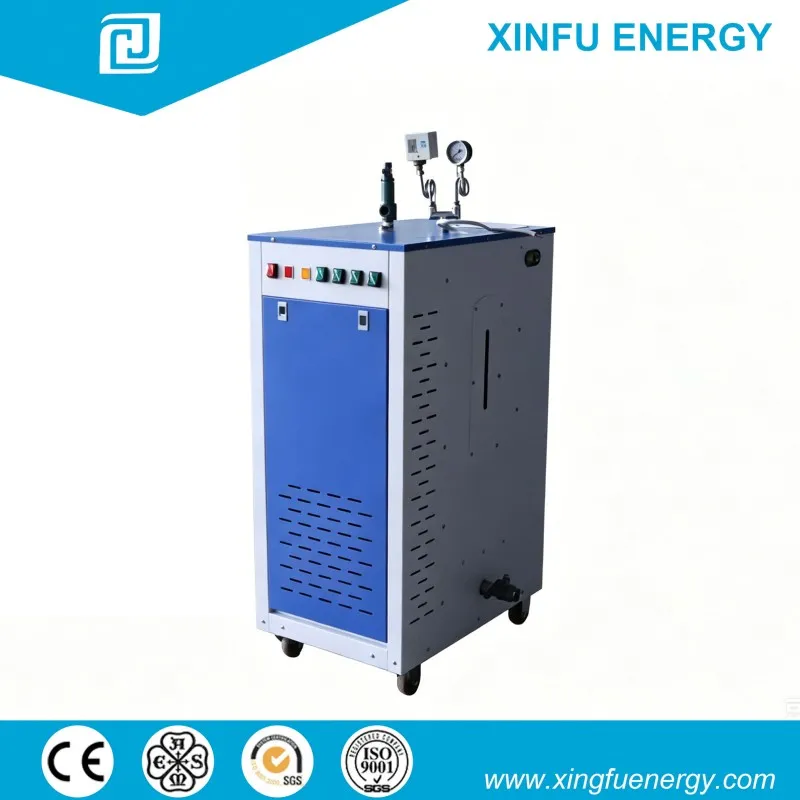
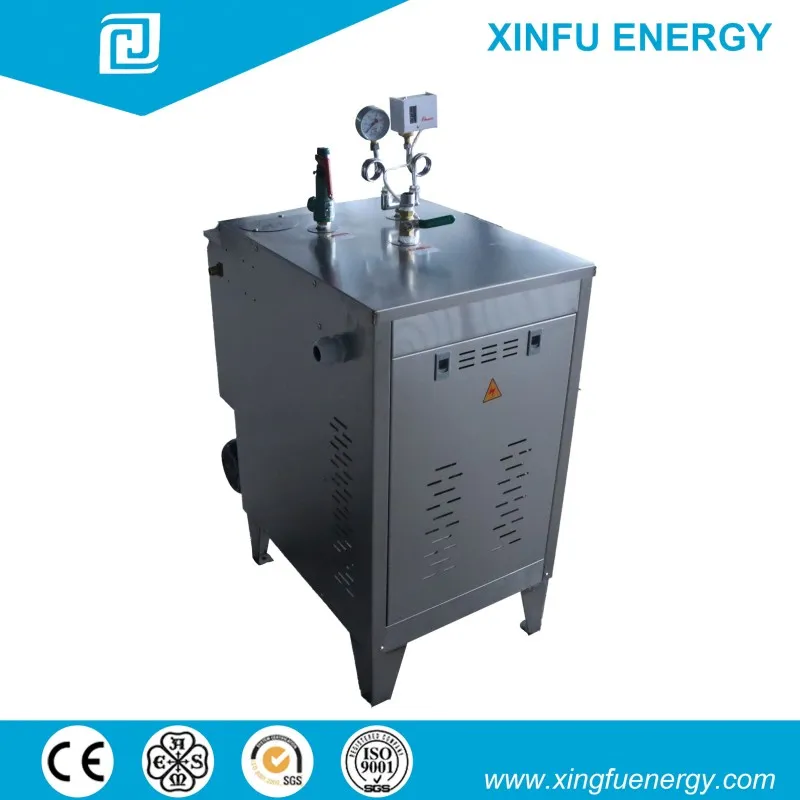
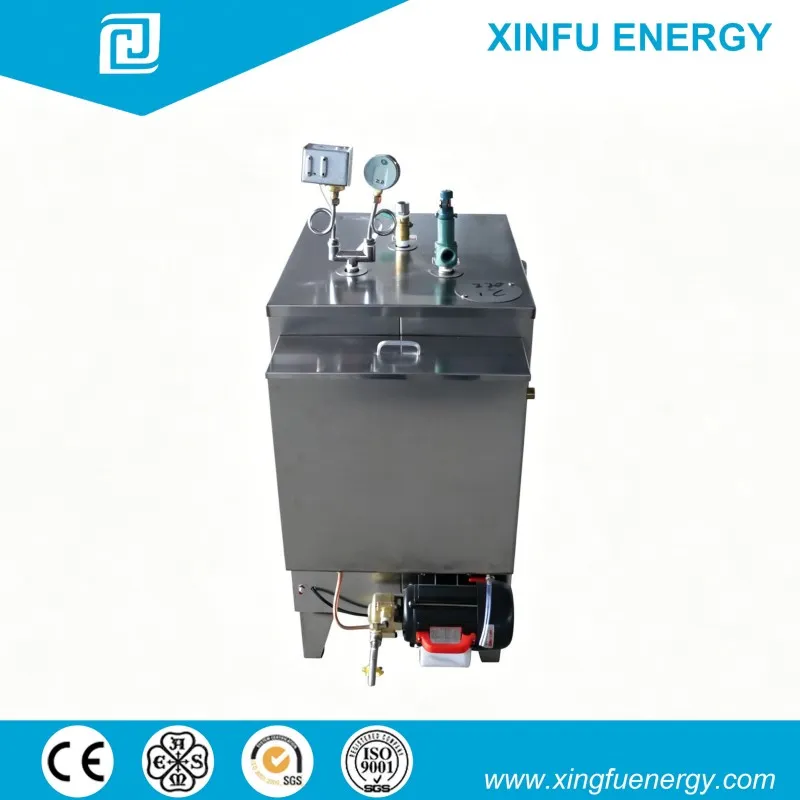
Choosing the right electric steam generator for autoclave isn’t about picking the loudest spec sheet. It’s about matching thermal response, pressure stability, and operational safety to your sterilization cycle—every single time. We’ve seen labs shut down for 72 hours because a generator couldn’t hold 3.5 bar ±0.05 bar during a 121°C gravity displacement cycle. Others replaced three units in two years chasing “low cost” — only to discover their real cost was downtime, validation rework, and compromised sterility assurance.
Why Steam Quality—and Consistency—Matters More Than Raw Output
An autoclave doesn’t need “a lot of steam.” It needs dry, saturated, contaminant-free steam delivered at precise pressure and temperature for defined durations. Wet steam causes incomplete sterilization. Pressure surges trigger safety interlocks. Fluctuating flow rates extend cycle times or force manual intervention. That’s why top-tier healthcare, pharmaceutical, and research facilities now specify steam dryness ≥95%, pressure deviation <±0.03 MPa, and ramp-to-steam time under 4 minutes.
Electric steam generators meet these demands better than fuel-fired alternatives—not because they’re simpler, but because they eliminate combustion variables: no flame instability, no flue gas condensate contamination, no ambient air humidity affecting steam quality. Their thermal inertia is low. Response is immediate. And with stainless steel construction and zero-emission operation, they align with ISO 13485 cleanroom requirements and EU MDR environmental compliance out of the box.
What Actually Breaks Electric Steam Generators in Real Autoclave Duty
Most failures aren’t due to voltage spikes or control logic errors. They stem from three overlooked realities:
Water feed quality mismatch: Hard water scaling inside heating elements cuts efficiency by up to 40% in 6 months. Units without integrated deionization or conductivity-controlled blowdown fail validation audits—not during startup, but in month 18.
Cooling demand underestimation: Continuous-cycle autoclaves reject massive latent heat. If the generator’s cooling circuit can’t dissipate >85% of its rated kW as waste heat, internal temperatures climb, triggering thermal cutouts mid-cycle.
Control integration gaps: An autoclave PLC expects Modbus RTU or Ethernet/IP signals with sub-second update rates. Many “smart” generators ship with BACnet MS/TP or proprietary protocols—requiring costly gateways and custom firmware patches.
We helped a Polish medical device manufacturer replace a legacy unit that failed weekly during Class B vacuum pulsing. Root cause? Its analog 4–20 mA pressure feedback loop had 1.2-second latency—enough to overshoot setpoints during rapid vacuum-to-steam transitions. The fix wasn’t more power. It was deterministic digital I/O, stainless steel solenoid valves rated for 100,000 cycles, and firmware calibrated to EN 285 Annex C test sequences.
Design Decisions That Define Long-Term Reliability
Look past wattage ratings. Ask these five questions before procurement:
Is the heating surface fully immersed—and is it replaceable without cutting pipes?
Does the boiler drum use seamless 316L stainless, not welded 304, to resist chloride pitting from purified water?
Are all pressure sensors and safety valves certified to PED 2014/68/EU and ASME Section IV?
Can the unit operate continuously at 90% load for 72+ hours without derating—or does it throttle output after 4 hours?
Is the control interface validated against IEC 62061 SIL 2 for safety-related functions?
At Qingdao Xingfu Energy Equipment Co., Ltd., every electric steam generator for autoclave undergoes 144 hours of continuous load testing at 110% rated pressure. Each unit ships with traceable material certs, third-party hydrostatic test reports, and a CE Declaration of Conformity signed by an EU-authorized Notified Body. No exceptions. No “certification pending.”
Your Next Step Isn’t Just Buying Equipment—It’s Securing Sterility Assurance
An electric steam generator for autoclave isn’t a utility purchase. It’s part of your sterilization validation dossier. Every pressure fluctuation, every startup delay, every maintenance log entry gets reviewed during FDA pre-approval inspections and EU Notified Body audits. That’s why forward-thinking users engage manufacturers early—in the design phase—not after issuing an RFQ.
Qingdao Xingfu offers engineering support for autoclave integration: steam piping stress analysis, condensate return sizing, PLC communication mapping, and full FAT (Factory Acceptance Test) witnessing. Their S-Series generators are built for this exact role—compact footprint, stainless steel wetted parts, zero emissions, and documented compliance with ISO 9001, CE, and China’s Class B boiler licensing requirements. Over 30 countries rely on them—not for lowest price, but for lowest total cost of ownership across 10-year sterilization lifecycles.
Start where validation starts: with steam you can measure, repeat, and trust. Because when the autoclave door closes, there’s no second chance.