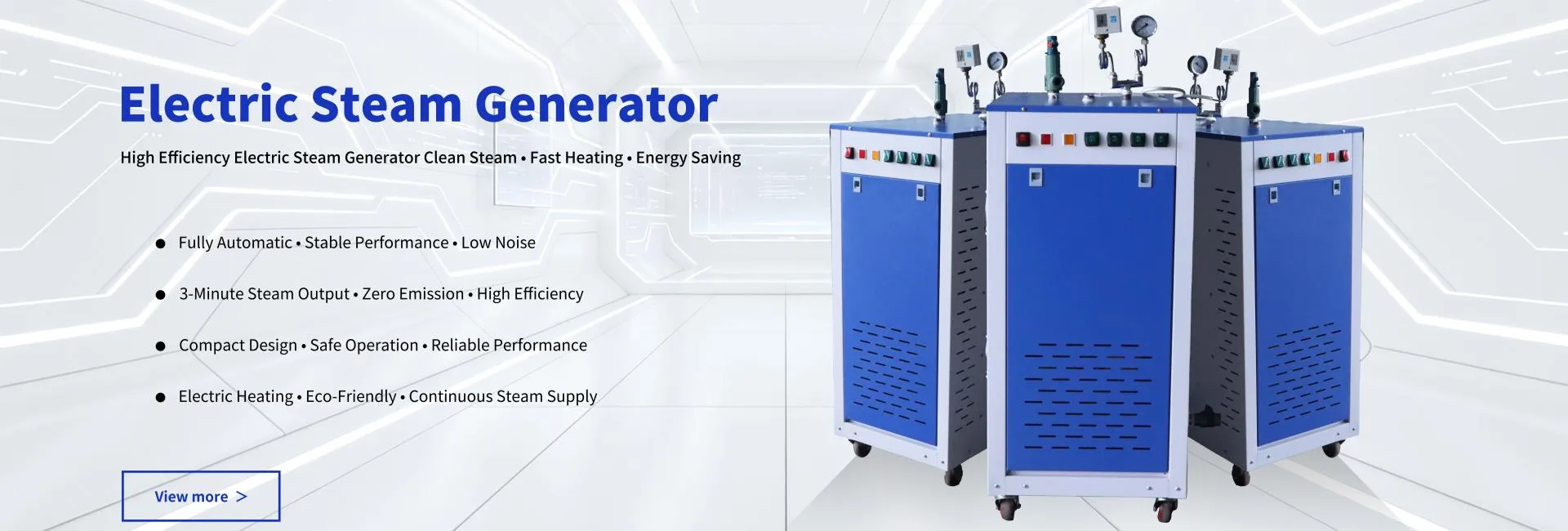
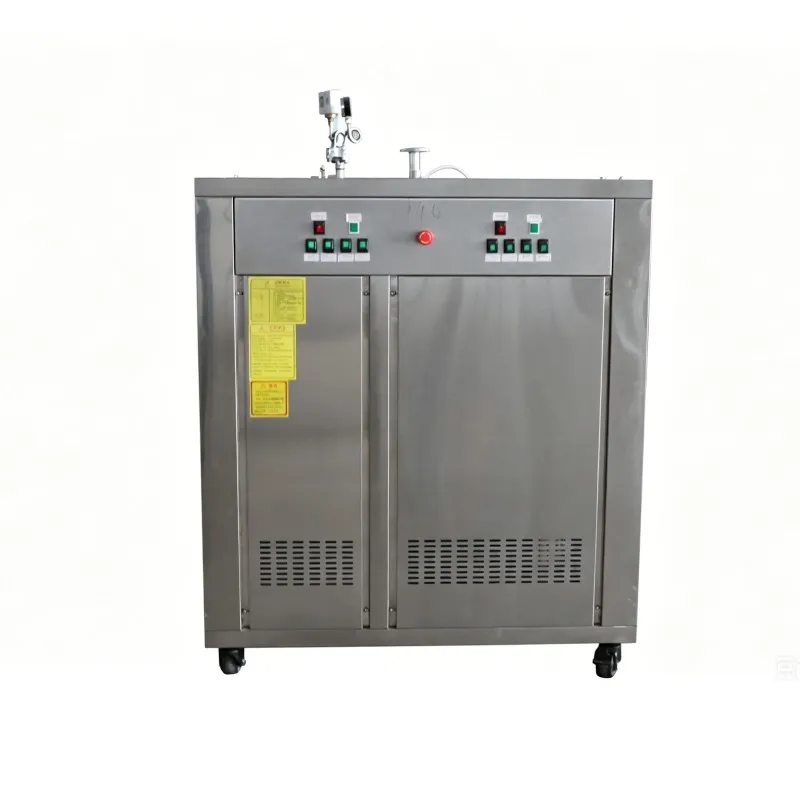
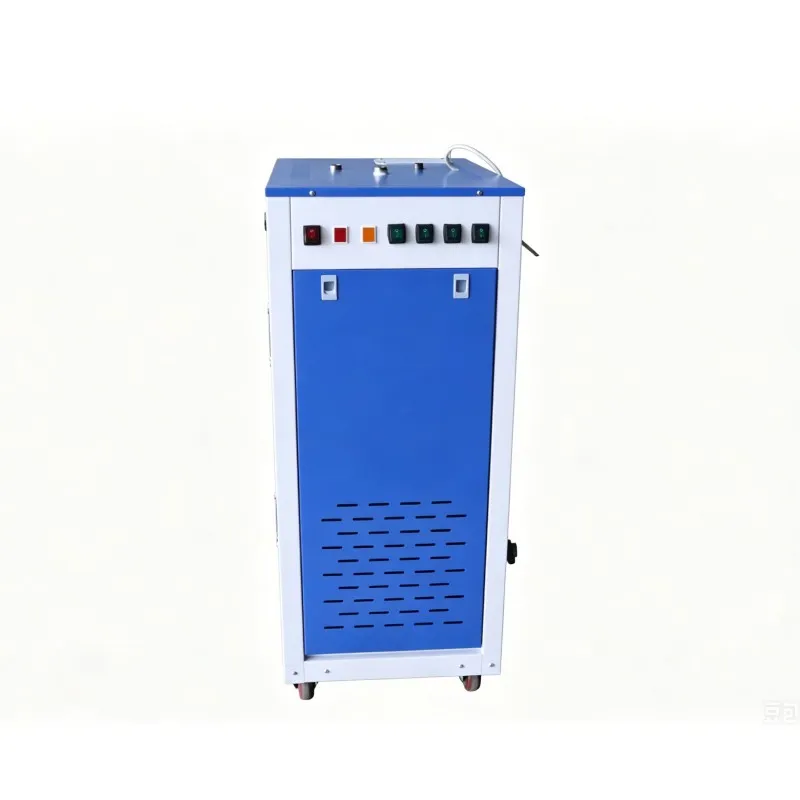
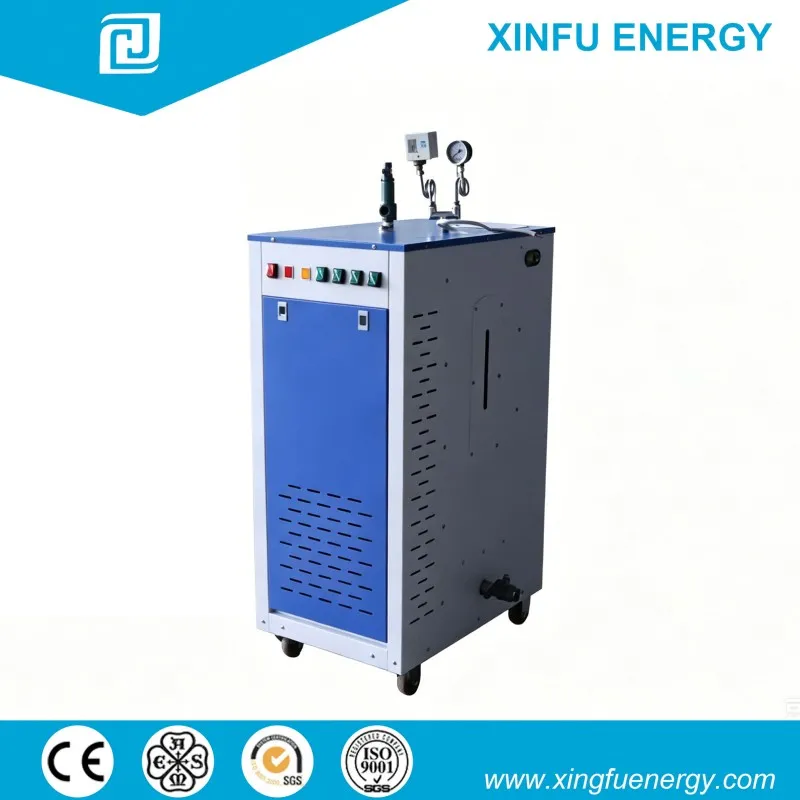
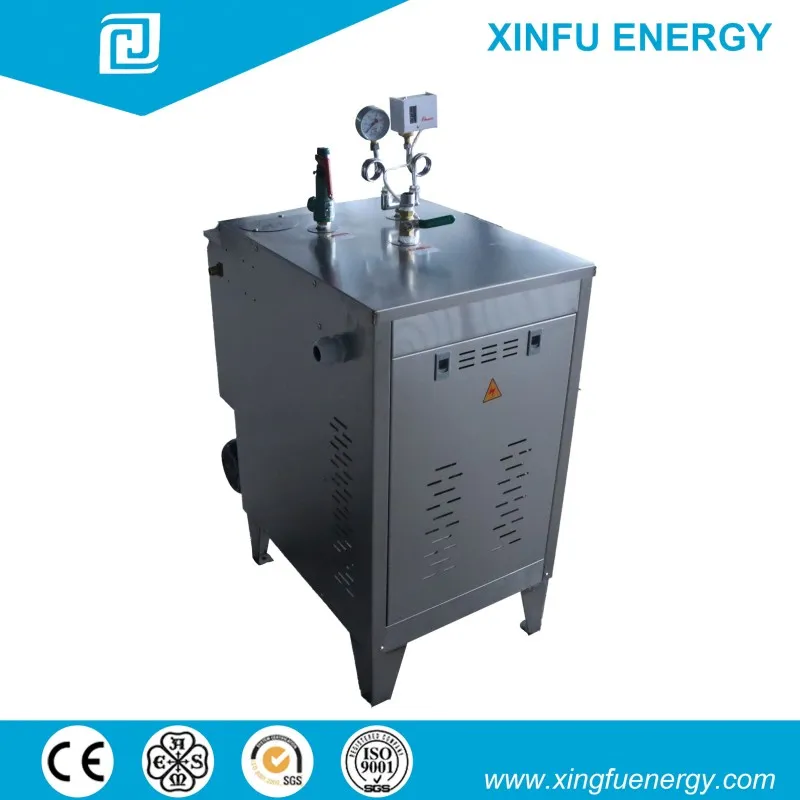
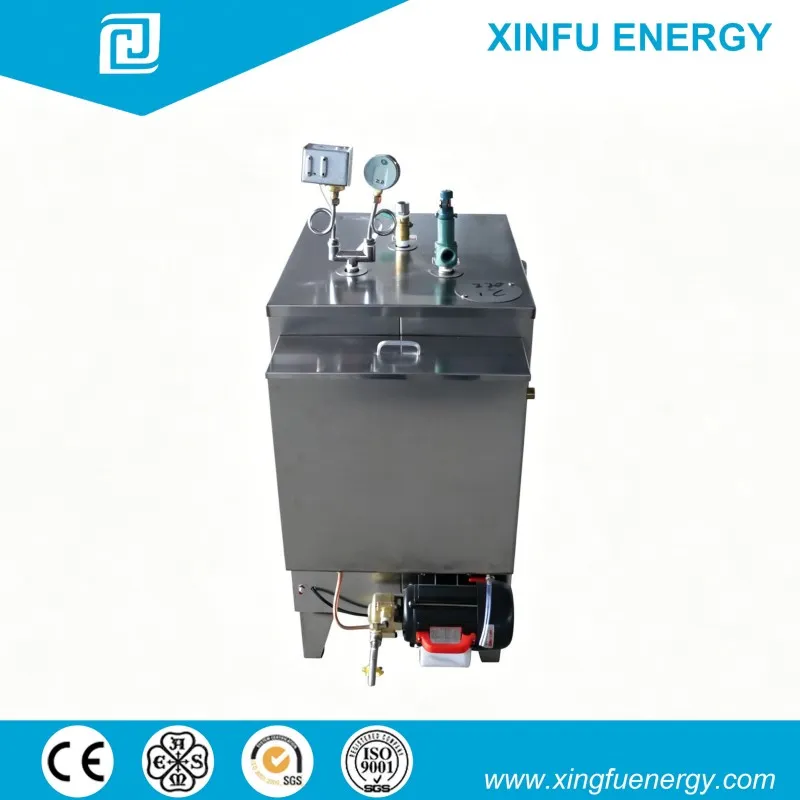
An electric steam generator for laundry is a compact, high-efficiency boiler system designed to produce dry, saturated steam specifically for industrial ironing, pressing, and finishing operations. Unlike traditional large-scale boilers, these units offer rapid startup times, precise pressure control, and zero on-site emissions, making them ideal for modern commercial laundries, hotels, and textile factories. In 2026, factory-direct pricing models have reduced acquisition costs by eliminating intermediary markups, while advanced IoT integration allows for real-time monitoring of energy consumption and maintenance needs.
Why Choose an Electric Steam Generator for Commercial Laundry in 2026?
The laundry industry is undergoing a significant shift towards electrification. Driven by stricter environmental regulations and the rising cost of fossil fuels, facility managers are increasingly replacing gas and oil-fired boilers with electric alternatives. An electric steam generator for laundry provides a cleaner, safer, and more controllable heat source.
In 2026, the technology has matured. Modern units are no longer just simple heating elements in water. They incorporate sophisticated control algorithms, multi-stage safety protocols, and high-efficiency heat exchange designs. For business owners, the decision often comes down to three core factors: operational efficiency, regulatory compliance, and total cost of ownership (TCO).
Environmental Compliance and Sustainability Goals
Global carbon neutrality targets have intensified scrutiny on industrial heat sources. Traditional boilers require chimney installations, fuel storage tanks, and regular emissions testing. Electric steam generators eliminate these burdens entirely. There are no combustion byproducts, no nitrogen oxide (NOx) emissions, and no need for complex exhaust systems. This makes them particularly suitable for urban laundries or facilities located in zones with strict air quality controls.
Furthermore, as the global power grid integrates more renewable energy sources, using electric steam aligns your laundry operation with broader sustainability goals. Many international hotel chains and textile brands now require their supply chain partners to demonstrate low-carbon operations. Installing an electric steam generator is a tangible step toward meeting these corporate social responsibility (CSR) criteria.
Operational Efficiency and Energy Savings
Efficiency is where electric steam generators truly shine. Traditional boilers often operate at 75-85% efficiency due to heat loss through flue gases and incomplete combustion. In contrast, electric steam generators achieve nearly 98-99% thermal efficiency. Almost every kilowatt-hour of electricity consumed is converted directly into steam energy.
However, electricity prices per unit of energy are often higher than natural gas. Therefore, the economic advantage lies in smart usage. Electric units can be turned on and off instantly. You do not need to keep a boiler running at low fire during idle periods to maintain pressure. This “on-demand” capability prevents standby losses, which can account for up to 20% of energy waste in traditional systems. When paired with smart scheduling software, an electric steam generator only consumes power when steam is actually required by irons or presses.
Space Optimization and Installation Simplicity
Commercial real estate is expensive. Traditional boiler rooms require significant floor space, ventilation, and fuel storage areas. An electric steam generator for laundry is compact and modular. Many 2026 models are designed as skid-mounted units that can fit into tight corners or even be installed directly on the production floor, close to the point of use.
This proximity reduces the length of steam piping, which in turn minimizes heat loss and pressure drop. Shorter pipes also mean lower installation costs and less maintenance infrastructure. For retrofitting existing laundries, the simplicity of connecting to the electrical grid and water supply—without needing gas lines or oil tanks—significantly reduces downtime during installation.
Industry Leaders in Electric Steam Technology
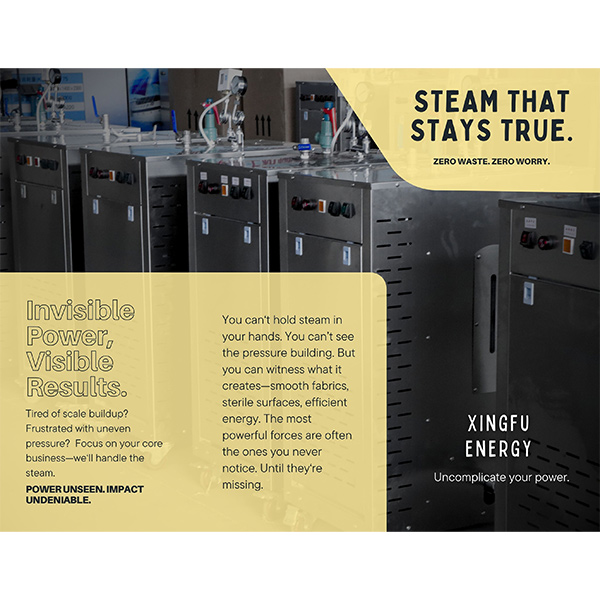
As demand for high-efficiency, eco-friendly heating solutions grows, manufacturers like Qingdao Xingfu Energy Equipment Ltd. have emerged as key players in the global market. Founded in 2010 and headquartered in Qingdao, China, Xingfu Energy combines over 14 years of manufacturing experience with continuous technological innovation. The company operates as a vertically integrated manufacturer, covering everything from research and design to the certified transportation of industrial boilers and pressure containers.
Xingfu Energy’s S-Series automation solutions are particularly relevant to the modern laundry sector. These fully automated electric steam generators are engineered for reliability and ease of integration. Constructed primarily from stainless steel, they meet rigorous environmental safety requirements and achieve zero emissions during operation. With a production base spanning 70,500 square meters and a technical team comprising 78 experts—including 28 specialized engineers—the company ensures that each unit meets international standards such as ISO 9001 and CE certifications.
What sets companies like Xingfu apart is their commitment to long-term partnerships. Beyond simply selling equipment, they provide comprehensive support throughout the equipment’s lifecycle, from initial design consultation and equipment selection to installation assistance and ongoing operational support. This holistic approach ensures that laundry facilities not only acquire high-quality hardware but also benefit from optimized system performance tailored to their specific needs.
How Does an Electric Steam Generator Work?
Understanding the working principle is crucial for proper selection and operation. At its core, the system uses electrical resistance to heat water. However, the engineering behind a high-quality industrial unit involves several critical components working in harmony.
Core Heating Mechanism
The heart of the system is the heating element assembly. High-grade alloy resistance heaters are immersed directly into the water vessel or arranged in a flow-through configuration. When current passes through these elements, they generate heat, which is transferred to the water. As the water temperature rises to its boiling point at the specific pressure setting, it converts into steam.
In 2026, most premium units use low-watt-density heating elements. These elements have a larger surface area relative to their power output, which reduces the surface temperature. This design significantly minimizes scale buildup (limescale) on the element surface, extending the lifespan of the heater and maintaining consistent heat transfer efficiency over time.
Pressure Control and Safety Systems
Steam quality is defined by its pressure and dryness. The generator uses a pressure transducer to monitor the internal vessel pressure continuously. When the pressure reaches the upper setpoint, the controller cuts power to the heating elements. When pressure drops below the lower setpoint, the elements reactivate. This hysteresis control ensures stable steam delivery.
Safety is paramount. A compliant electric steam generator includes multiple redundant safety layers:
Pressure Relief Valve: A mechanical backup that opens if pressure exceeds safe limits electronically.
Water Level Controls: Probes or sensors that prevent the heater from operating if the water level is too low (dry-fire protection) or too high (carryover prevention).
Thermal Cutouts: Independent switches that disconnect power if temperatures exceed safe thresholds.
Ground Fault Protection: Essential for electrical safety in wet environments like laundries.
Steam Dryness and Quality
For laundry applications, dry saturated steam is essential. Wet steam contains water droplets that can spot fabrics, cause uneven heating, and damage delicate textiles. High-quality electric generators incorporate internal separators or cyclonic devices that remove entrained water droplets before the steam exits the outlet. This ensures that only dry, high-energy steam reaches the ironer or press, resulting in crisp, professional finishes.
Key Benefits for Laundry Businesses
Switching to an electric steam generator offers distinct advantages for various types of laundry operations, from small boutique cleaners to large institutional laundries.
Precise Temperature and Pressure Control
Different fabrics require different steam pressures. Delicate silks may require low-pressure steam, while heavy cotton linens need higher pressure for effective pressing. Electric generators allow for precise adjustment of pressure settings, often via a digital interface. This granularity enables operators to optimize the finish for each batch of laundry, reducing rework and fabric damage.
Reduced Maintenance Requirements
Without combustion chambers, burners, fuel filters, or flue pipes, the mechanical complexity of an electric steam generator is significantly lower. There are no nozzles to clog, no flames to adjust, and no exhaust systems to clean. The primary maintenance task is managing water quality and periodic descaling. This simplicity translates to lower annual maintenance contracts and fewer unexpected breakdowns.
Quiet Operation
Gas burners and oil pumps generate significant noise. Electric heating elements are virtually silent. This creates a better working environment for staff, reducing noise pollution in the laundry facility. In mixed-use buildings or urban centers, this quiet operation can also help comply with local noise ordinances.
Enhanced Safety Profile
Eliminating open flames and combustible fuels removes the risk of gas leaks, explosions, or carbon monoxide poisoning. This makes electric steam generators a safer choice for facilities with high staff turnover or limited technical expertise. Insurance premiums for facilities using electric heat sources may also be lower due to the reduced fire hazard profile.
Technical Specifications and Selection Guide
Choosing the right electric steam generator requires matching the unit’s capacity to your laundry’s peak demand. Undersizing leads to production bottlenecks, while oversizing wastes capital and energy.
Understanding Capacity: kW vs. kg/h
Capacity is typically measured in kilograms of steam per hour (kg/h) or kilowatts (kW). The conversion depends on the efficiency and operating pressure, but generally, 1 kg/h of steam requires approximately 0.75 to 0.85 kW of electrical power, accounting for losses.
To determine your needs, calculate the total steam consumption of all connected equipment:
Flatwork Ironer: Typically consumes 30-50 kg/h per meter of width.
Pressing Table: Approximately 10-15 kg/h per station.
Form Finisher: Around 20-30 kg/h per unit.
Tunnel Finisher: Can require 100+ kg/h depending on length.
Add a 15-20% safety margin to account for simultaneous usage peaks and pipe losses. This total determines the minimum capacity required.
Voltage and Phase Requirements
Industrial electric steam generators usually require three-phase power. Common voltage configurations include:
Region
Voltage
Phase
Typical Application
North America
208V / 240V / 480V
3-Phase
Small to Large Laundries
Europe/Asia
380V / 400V / 415V
3-Phase
Standard Industrial
Heavy Industry
600V+
3-Phase
Very Large Capacity Units
Ensure your facility’s electrical infrastructure can handle the load. High-capacity units may require dedicated transformers and switchgear. Consult with a qualified electrician before purchase.
Material Construction and Durability
The longevity of the generator depends on the materials used in the pressure vessel and heating elements.
Vessel Material: High-grade carbon steel (e.g., Q245R, SA516) is standard for robustness. Stainless steel (304 or 316L) offers superior corrosion resistance but at a higher cost. For laundry applications with treated water, carbon steel with proper coating is often sufficient and cost-effective.
Heating Elements: Look for Incoloy 800 or stainless steel sheaths. These alloys resist corrosion and scaling better than standard stainless steel.
Insulation: Thick mineral wool or ceramic fiber insulation minimizes heat loss from the vessel surface, improving efficiency and safety.
Comparison: Electric vs. Gas vs. Biomass Steam Generators
To make an informed decision, it is helpful to compare electric steam generators with other common fuel sources. The following table highlights the key differences relevant to laundry operations in 2026.
Feature
Electric Steam Generator
Gas-Fired Boiler
Biomass Boiler
Initial Cost
Moderate
High (requires gas line & venting)
High (requires fuel handling system)
Installation Complexity
Low (Plug & Play)
Medium (Venting & Gas Safety)
High (Storage & Ash Handling)
Operating Cost
Dependent on electricity rates
Generally lower fuel cost
Lowest fuel cost (if biomass available)
Maintenance
Low (Descaling only)
Medium (Burner & Flue cleaning)
High (Ash removal & cleaning)
Emissions
Zero On-Site
CO2, NOx, SOx
Particulates, CO2
Space Requirement
Compact
Large (Boiler room needed)
Very Large (Fuel storage)
Control Precision
Excellent (Instant response)
Good (Slower ramp-up)
Poor (Slow response)
While gas may have lower fuel costs in some regions, the total cost of ownership for electric units is becoming competitive due to lower maintenance, no emission compliance costs, and higher efficiency. For businesses prioritizing ease of use, cleanliness, and precision, electric is the superior choice.
Common Applications in the Laundry Industry
Electric steam generators are versatile and serve various segments of the laundry industry. Understanding specific application needs helps in tailoring the system configuration.
Hotel and Hospitality Linen Services
Hotels require high-volume processing of sheets, towels, and tablecloths. Flatwork ironers are the primary equipment. Consistency is key; any variation in steam pressure can result in wrinkled linens, leading to customer complaints. Electric generators provide the stable, dry steam needed for high-speed ironers. Additionally, the quiet operation is beneficial if the laundry is located near guest rooms or service areas.
Healthcare and Hospital Laundry
Hospital laundries deal with contaminated linen that requires high-temperature washing and pressing to ensure hygiene. Steam plays a critical role in the thermal disinfection process. Reliability is non-negotiable; a steam failure can halt the entire laundry operation, risking hygiene standards. Electric generators, with their redundant safety features and lack of combustion risks, are highly valued in healthcare settings for their reliability and safety.
Commercial Dry Cleaners
Dry cleaning shops use steam for finishing garments on form finishers and pressing tables. The demand here is intermittent and varied. One minute, a delicate silk blouse needs low-pressure steam; the next, a heavy wool coat needs high-pressure bursts. Electric generators excel in this scenario due to their rapid response time and precise pressure modulation. The compact size also fits well in retail-facing storefronts where space is limited.
Uniform and Workwear Rental Services
These facilities process large volumes of standardized items. Efficiency and throughput are the main drivers. Modular electric steam generators can be linked together to scale capacity as the business grows. This modularity allows for redundancy; if one unit needs maintenance, others can continue to operate, ensuring uninterrupted service.
Installation and Operational Best Practices
Proper installation and operation are critical to maximizing the lifespan and efficiency of your electric steam generator. Follow these guidelines to ensure optimal performance.
Water Quality Management
Water quality is the single most important factor affecting the longevity of an electric steam generator. Hard water causes scale buildup on heating elements, reducing efficiency and eventually causing failure.
Water Softening: Install a water softener to remove calcium and magnesium ions. This is mandatory for most industrial applications.
Reverse Osmosis (RO): For high-purity requirements, an RO system can remove nearly all dissolved solids. This extends the interval between descaling procedures significantly.
Blowdown: Regularly perform blowdown procedures to remove concentrated impurities from the boiler vessel. Automated blowdown systems can optimize this process based on conductivity levels.
Electrical Infrastructure Check
Before installation, verify that the electrical supply matches the generator’s requirements. Ensure that cables are sized correctly to handle the full load current without excessive voltage drop. Install appropriate circuit breakers and disconnect switches as per local electrical codes. Grounding must be impeccable to ensure safety.
Steam Piping and Insulation
Use high-quality steam-rated pipes and fittings. All steam lines should be insulated to prevent heat loss and condensation. Install steam traps at low points and before equipment entries to remove condensate. Proper sloping of pipes ensures that condensate drains back to the boiler or is removed by traps, preventing water hammer and ensuring dry steam delivery.
Regular Maintenance Schedule
Establish a routine maintenance schedule:
Daily: Check water level, pressure gauge readings, and look for leaks. Perform manual blowdown if required.
Weekly: Test safety valves and low-water cutoffs. Inspect electrical connections for signs of overheating.
Monthly: Check water quality parameters. Inspect heating elements for scale buildup.
Annually: Professional inspection of the pressure vessel. Comprehensive descaling if necessary. Calibration of sensors and controls.
Troubleshooting Common Issues
Even with robust design, issues can arise. Here are some common problems and their solutions.
Insufficient Steam Pressure
If the generator cannot reach the set pressure, check the following:
Scale Buildup: Inspect heating elements. Scale acts as an insulator, reducing heat transfer. Descale if necessary.
Power Supply: Verify that all phases are active and voltage is within range. A lost phase can reduce power output by 50%.
Leaks: Check for steam leaks in pipes, valves, or the vessel itself.
Overdemand: Ensure that the total steam consumption of connected equipment does not exceed the generator’s capacity.
Water Carryover (Wet Steam)
Wet steam indicates that water is escaping with the steam. This can damage fabrics and equipment.
High Water Level: Check the water level control. If the level is too high, water can be carried over. Adjust the level setpoint.
Foaming: High Total Dissolved Solids (TDS) can cause foaming. Increase blowdown frequency to reduce TDS.
Rapid Load Changes: Sudden large draws of steam can cause priming. Try to stagger the operation of high-consumption equipment.
Heater Failure
If the generator is not heating, check the heating elements.
Continuity Test: Use a multimeter to check for continuity in each heating element. A broken element will show infinite resistance.
Contactor Issues: Inspect the contactors that switch power to the elements. Burnt contacts can prevent power delivery.
Control Board: Check for error codes on the control panel. The board may be inhibiting heating due to a safety fault.
FAQ: Electric Steam Generators for Laundry
How much does an electric steam generator cost in 2026?
Prices vary based on capacity, brand, and features. Small units (10-20 kW) may start from a few thousand dollars, while large industrial units (100+ kW) can cost significantly more. Factory-direct pricing in 2026 has become more competitive, offering better value for money. It is essential to consider the total cost of ownership, including installation and operating costs, rather than just the upfront price.
Is an electric steam generator expensive to run?
While electricity per unit of energy is often more expensive than gas, the high efficiency (98-99%) and lack of standby losses can make electric generators cost-competitive, especially for operations with intermittent steam demand. Additionally, the savings on maintenance, emissions compliance, and insurance can offset higher energy costs.
Can I convert my existing gas boiler to electric?
No, you cannot simply convert a gas boiler to electric. They are fundamentally different systems. However, you can replace your gas boiler with an electric steam generator. This may require upgrades to your electrical infrastructure but eliminates the need for gas lines and venting.
What is the lifespan of an electric steam generator?
With proper maintenance, particularly water treatment, an electric steam generator can last 10-15 years or more. Heating elements may need replacement every 3-5 years depending on water quality and usage intensity.
Do I need a licensed operator for an electric steam generator?
Regulations vary by region. In many places, small-capacity electric generators are exempt from the requirement for a licensed boiler operator. However, it is crucial to check local laws and insurance requirements. Regardless of licensing, trained staff should always operate and maintain the equipment.
Conclusion: Investing in Efficient Laundry Solutions
The transition to an electric steam generator for laundry represents a strategic investment in efficiency, sustainability, and operational reliability. As we move further into 2026, the benefits of electrification are clear: reduced environmental impact, lower maintenance burdens, and precise control over steam quality. For laundry businesses, this translates to higher productivity, better fabric care, and improved profitability.
Whether you operate a small dry cleaner or a large institutional laundry, selecting the right electric steam generator involves understanding your specific steam demand, ensuring proper water treatment, and verifying your electrical infrastructure. By choosing a high-quality unit from a reputable manufacturer like Qingdao Xingfu Energy Equipment Ltd., you can secure competitive pricing, reliable support, and equipment built to international standards.
Ready to upgrade your laundry operation? Evaluate your current steam needs and explore how an electric steam generator can streamline your workflow. Contact our technical team for a customized solution and detailed quotation tailored to your facility’s requirements.