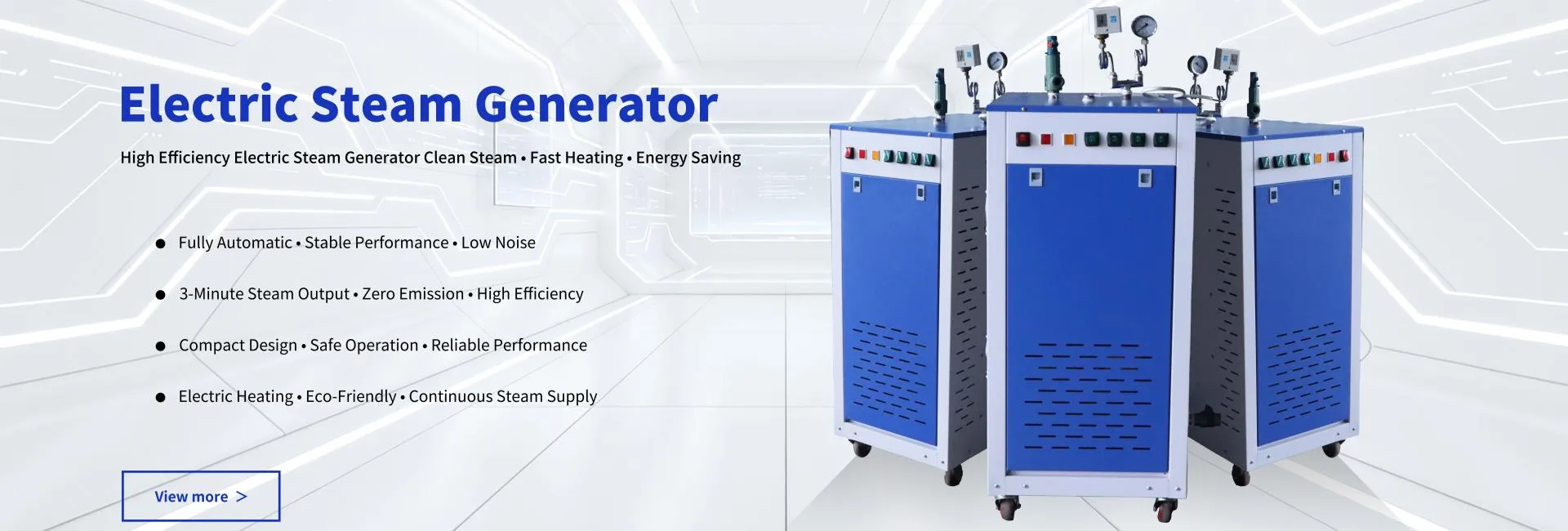
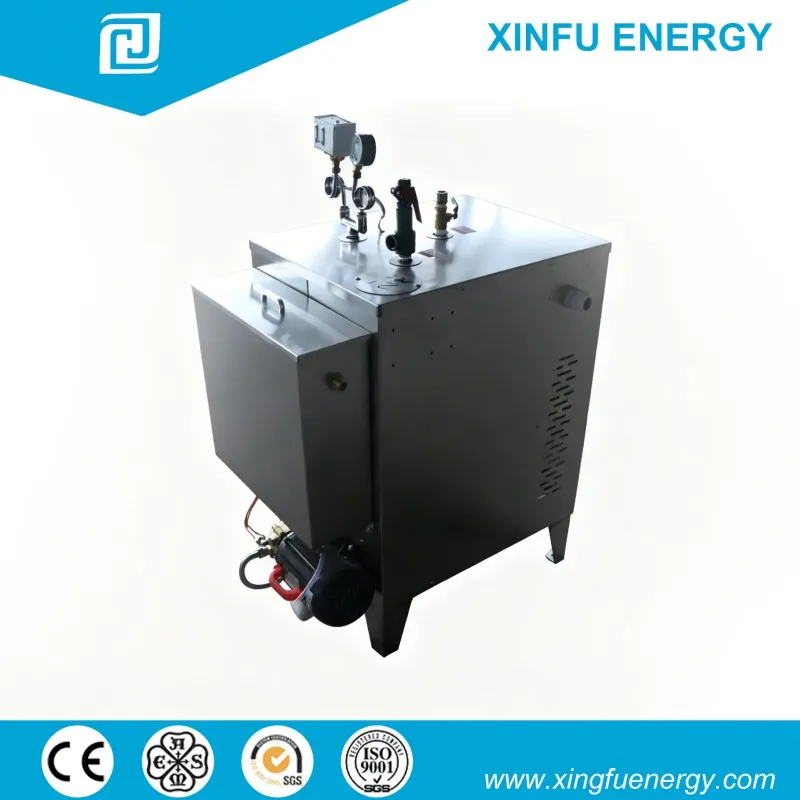
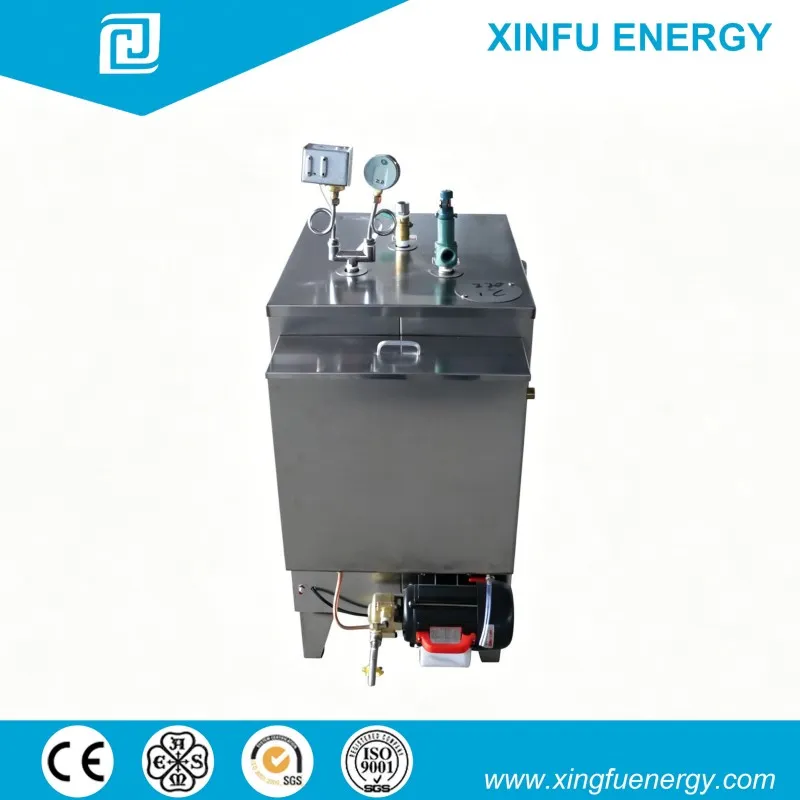
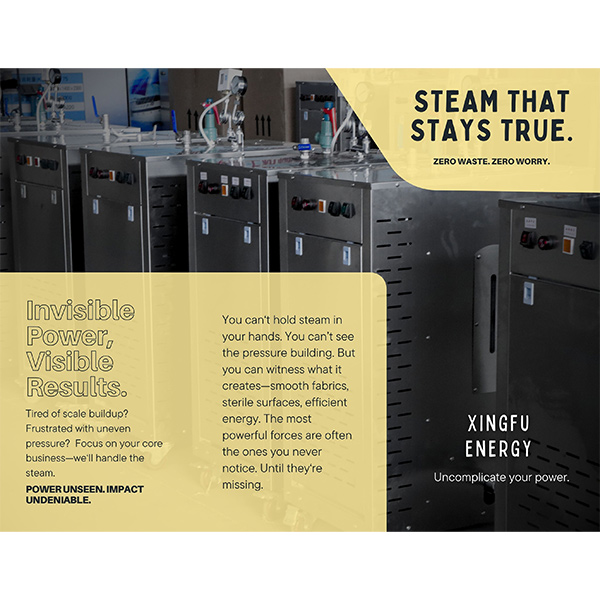
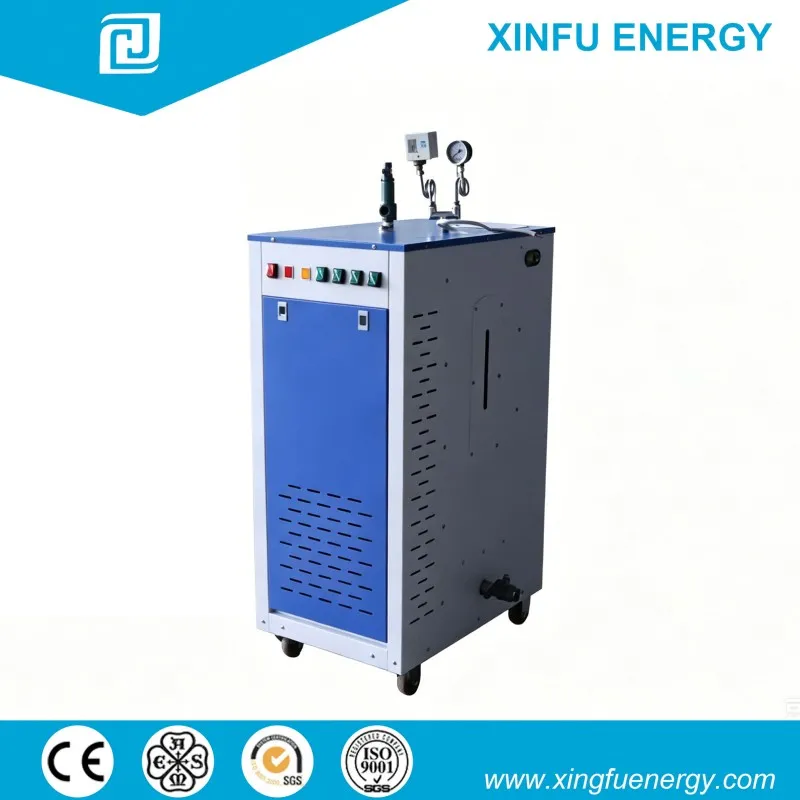
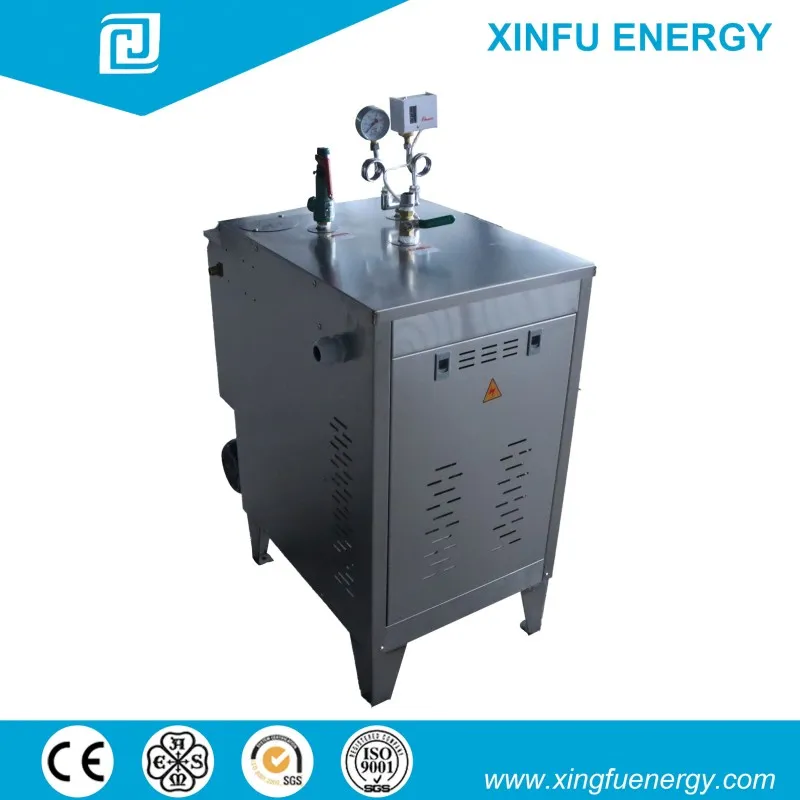
An industrial electric boiler for food processing is a specialized thermal energy system designed to generate high-purity steam or hot water using electrical resistance or electrode heating elements. Unlike fossil fuel-based systems, these boilers eliminate combustion byproducts, ensuring zero contamination of food products and compliance with strict hygiene standards such as HACCP and FDA regulations. In 2026, the total cost of ownership for electric boilers in the food industry has become increasingly competitive due to rising carbon taxes on gas and oil, alongside advancements in high-efficiency heating technologies. This guide provides a comprehensive analysis of pricing structures, technical specifications, supplier selection criteria, and operational best practices for integrating electric steam generation into modern food manufacturing facilities.
Why Industrial Electric Boilers Are Critical for Food Processing in 2026
The food processing industry operates under some of the most stringent regulatory frameworks globally. Steam is not merely a utility; it is a direct contact medium in many applications, including sterilization, pasteurization, cooking, and cleaning. The shift toward industrial electric boilers is driven by three primary factors: hygiene integrity, operational precision, and sustainability mandates.
Hygiene and Food Safety Compliance
Traditional gas or oil-fired boilers require complex flue systems and carry the risk of carbon monoxide leaks or soot particulate contamination. In contrast, electric boilers produce steam through pure electrical energy conversion. There are no combustion chambers, no exhaust gases, and no risk of fuel residue entering the steam loop. This “clean steam” capability is essential for:
Direct Steam Injection (DSI): Where steam mixes directly with food products like soups, sauces, and beverages.
CIP (Clean-in-Place) Systems: High-temperature steam used to sanitize pipelines and tanks without chemical residues.
Packaging Sterilization: Ensuring that packaging materials are free from microbial contaminants before filling.
In 2026, auditors and quality assurance managers prioritize equipment that minimizes cross-contamination risks. Electric boilers inherently meet these requirements by isolating the heat source from the water medium via high-grade stainless steel or titanium elements, depending on the design.
Precision Control for Product Consistency
Food quality relies heavily on consistent thermal processing. Variations in temperature can alter texture, flavor, and nutritional value. Electric boilers offer superior modulation capabilities compared to fossil fuel alternatives. Modern units utilize Solid State Relays (SSRs) or Silicon Controlled Rectifiers (SCRs) to adjust power output in increments as small as 1%. This allows for:
Instant response to load changes.
Maintenance of stable steam pressure within ±0.1 bar.
Precise temperature control for sensitive processes like chocolate tempering or dairy pasteurization.
This level of control reduces product waste and ensures batch-to-batch consistency, a key metric for brand reputation in the competitive food market.
Sustainability and Carbon Neutrality Goals
With global carbon pricing mechanisms tightening in 2026, many food manufacturers are transitioning away from natural gas. Electric boilers produce zero onsite emissions. When paired with renewable energy sources such as solar PV or wind power, they enable truly carbon-neutral processing. Furthermore, the absence of flue gases simplifies building ventilation requirements and reduces the facility’s overall environmental footprint.
How Industrial Electric Boilers Work: Technical Principles
Understanding the underlying technology is crucial for selecting the right equipment. Industrial electric boilers for food processing generally fall into two categories: Resistance Heating and Electrode Boilers. Each has distinct operational characteristics suited to different scales and applications.
Resistance Heating Elements
Resistance boilers function similarly to large-scale kettles. Electrical current passes through high-resistance alloy elements (typically Incoloy or Stainless Steel 316L), which heat up and transfer thermal energy to the surrounding water. The heated water turns into steam, which is then separated from the water phase and distributed to the process.
Key Features:
Voltage Range: Typically operates at low to medium voltages (400V – 690V).
Steam Purity: Very high, as the heating element is physically separated from the water by a sheath.
Scalability: Ideal for capacities ranging from 50 kW to 2 MW.
Maintenance: Elements may require periodic cleaning if feedwater quality is not optimized, but replacement is straightforward.
This technology is the most common choice for small to mid-sized food processing plants, bakeries, and breweries where moderate steam pressures (up to 10 bar) are sufficient.
Electrode Boilers
Electrode boilers operate on a different principle. Instead of using a separate heating element, the water itself acts as the electrical conductor. High-voltage electricity (typically 6 kV to 35 kV) is passed directly through the water between electrodes. The resistance of the water generates heat instantly, causing rapid steam formation.
Key Features:
Voltage Range: Medium to high voltage (6 kV – 35 kV).
Capacity: Suitable for large industrial applications, from 2 MW to over 50 MW.
Efficiency: Near 100% efficiency with minimal thermal loss.
Footprint: Compact design relative to output capacity.
Electrode boilers are ideal for large-scale food processing complexes, such as multi-line cannery operations or large dairy processing centers, where high-volume steam is required continuously. However, they require highly conductive water and sophisticated control systems to manage current distribution.
2026 Price Guide: Cost Analysis and Budgeting
Pricing for industrial electric boilers varies significantly based on capacity, voltage requirements, material construction, and integration features. In 2026, the market has stabilized following supply chain adjustments, but raw material costs for stainless steel and copper remain influential factors. Below is a detailed breakdown of expected costs.
Capital Expenditure (CAPEX) Estimates
The upfront cost includes the boiler unit, control panel, feedwater system, and installation. Note that electric boilers often have lower installation costs than gas boilers because they do not require flues, fuel storage tanks, or complex ventilation systems.
Boiler Capacity
Type
Estimated Unit Price (USD)
Installation & Auxiliaries (USD)
Total Initial Investment (USD)
100 kW – 300 kW
Resistance
$15,000 – $35,000
$5,000 – $10,000
$20,000 – $45,000
500 kW – 1 MW
Resistance
$40,000 – $80,000
$10,000 – $20,000
$50,000 – $100,000
1 MW – 5 MW
Resistance / Low Voltage Electrode
$90,000 – $250,000
$20,000 – $50,000
$110,000 – $300,000
5 MW – 20 MW
High Voltage Electrode
$300,000 – $1,200,000
$50,000 – $150,000
$350,000 – $1,350,000
Note: Prices are indicative averages for 2026. Custom configurations, such as sanitary stainless steel cladding for food-grade environments, may increase costs by 15-20%.
Operational Expenditure (OPEX) Comparison
While electricity prices per kWh are generally higher than natural gas per therm, the efficiency of electric boilers offsets this difference. Gas boilers typically operate at 80-85% efficiency due to stack losses, whereas electric boilers operate at 98-99% efficiency.
Cost Calculation Example:
To generate 1 ton of steam:
Gas Boiler: Requires approx. 75-80 therms of gas. At $1.50/therm, cost is ~$112-120.
Electric Boiler: Requires approx. 700 kWh. At $0.12/kWh, cost is ~$84.
In regions with favorable industrial electricity rates or time-of-use tariffs, electric boilers can be cheaper to operate. Additionally, when factoring in maintenance (no burner servicing, no flue cleaning) and carbon taxes, the Total Cost of Ownership (TCO) for electric systems is increasingly favorable.
Hidden Costs to Consider
Electrical Infrastructure Upgrade: If your facility lacks sufficient transformer capacity, upgrading the grid connection can be a significant one-time cost.
Water Treatment: Electric boilers, especially electrode types, require high-purity feedwater to prevent scaling and ensure conductivity stability. Reverse Osmosis (RO) or deionization systems may be necessary.
Control Integration: Advanced PLC integration with existing SCADA systems may require additional programming fees.
Key Applications in Food Processing
Industrial electric boilers are versatile and support a wide range of thermal processes in the food sector. Their ability to provide clean, dry, and precisely controlled steam makes them suitable for critical stages of production.
1. Pasteurization and Sterilization
Dairy, juice, and beverage industries rely on pasteurization to kill pathogens. Electric boilers provide the consistent hot water or steam needed for plate heat exchangers. In canning operations, retorts use high-pressure steam to sterilize sealed containers. The rapid pressure recovery of electric boilers ensures that retort cycles are not delayed, maximizing throughput.
2. Cooking and Blanching
Vegetable blanching and meat cooking often utilize direct steam injection or steam-jacketed kettles. Electric boilers allow for precise temperature ramping, which is crucial for preserving texture and color in vegetables. For example, in pea or bean processing, inconsistent steam can lead to overcooking or undercooking, affecting product quality.
3. Cleaning and Sanitization (CIP)
Clean-in-Place systems require hot water and steam to remove fats, proteins, and sugars from processing lines. Electric boilers can quickly generate the high-temperature water (80-90°C) needed for effective sanitization. The absence of combustion byproducts ensures that no off-flavors are introduced into the cleaning cycle, which is vital for allergen management.
4. Humidification and Proofing
In bakeries, proofing rooms require precise humidity and temperature control to allow dough to rise correctly. Electric steam generators provide clean moisture without adding minerals or contaminants to the air, preventing crust formation on dough surfaces and ensuring uniform product volume.
5. Distillation and Extraction
For the production of essential oils, flavors, and alcoholic beverages, steam distillation is a common method. Electric boilers offer the fine control needed to manage extraction rates, preserving delicate aromatic compounds that might be degraded by the temperature fluctuations of fossil fuel boilers.
Supplier Selection Guide: How to Choose the Right Partner
Selecting a supplier for an industrial electric boiler is a strategic decision. In 2026, the market is populated with numerous manufacturers, but few specialize in the specific hygiene and regulatory needs of the food industry. Use the following criteria to evaluate potential partners.
1. Industry-Specific Experience
Not all boiler manufacturers understand food safety. Look for suppliers who have a proven track record in the food and beverage sector. Ask for case studies involving similar processes (e.g., dairy, brewing, or ready-meals). A supplier with industry experience will understand the importance of sanitary fittings, quick-drain designs, and material certifications.
2. Certification and Compliance
Ensure the supplier’s equipment meets international standards. Key certifications to look for include:
ASME Section I or IV: For pressure vessel integrity (US standard).
PED (Pressure Equipment Directive): For European markets.
CE Marking: Indicating conformity with health, safety, and environmental protection standards.
UL/CSA: For electrical safety compliance in North America.
ISO 9001: Quality management certification.
Additionally, verify that materials in contact with water/steam are food-grade (e.g., Stainless Steel 316L) and that the supplier provides material traceability documentation.
3. Technical Support and Service Network
Downtime in food processing can lead to significant product spoilage. Evaluate the supplier’s after-sales support structure. Do they offer 24/7 remote diagnostics? Is there a local service team capable of rapid response? Check the availability of spare parts, particularly heating elements and control modules, which are wear items.
4. Customization Capabilities
Every food plant is unique. A good supplier should offer customization options such as:
Sanitary cladding and finish (e.g., Ra < 0.8 µm).
Integration with existing PLC/SCADA systems via Modbus, Profibus, or Ethernet/IP.
Compact footprints for retrofitting into existing facilities.
Noise reduction enclosures for plants in urban areas.
5. Energy Efficiency Features
Ask about features that enhance efficiency, such as:
Variable Frequency Drives (VFDs) for feedwater pumps.
Advanced blowdown control systems to minimize water and heat loss.
Heat recovery options for condensate return.
Case Study: Engineering Excellence with Qingdao Xingfu Energy Equipment
To illustrate how theoretical selection criteria translate into real-world performance, we examine Qingdao Xingfu Energy Equipment Ltd., a high-tech manufacturer that has established itself as a reliable partner for global food processors since its founding in 2010. Headquartered in Qingdao, China, Xingfu exemplifies the vertical integration and technical depth required for modern steam solutions.
Manufacturing Depth and Quality Control Unlike assemblers who rely on outsourced components, Xingfu operates a 70,500-square-meter production base with dedicated workshops for boiler manufacturing. This infrastructure supports a workforce of 228 employees, including 78 technical experts and 65 certified welders. This high ratio of skilled technical personnel (over 34% of the workforce) ensures that every unit—from the S-Series compact automation solutions to high-power continuous production boilers—is built to rigorous internal and international standards. All products undergo testing in proprietary laboratories, holding Class B boiler and Class 1/2 pressure container manufacturing licenses, along with ISO 9001 and CE certifications.
Specialization in Clean Steam Technology Xingfu’s core competency lies in producing electric steam generators and boilers that meet the zero-emission and hygiene demands of the food industry. Their equipment utilizes high-grade stainless steel construction, ensuring that steam purity is maintained for direct food contact applications. The company’s R&D focus on intelligent steam boilers with fast-start capabilities addresses the need for rapid response times in batch processing, while their high-power units support the continuous loads of large-scale dairy and beverage plants.
Global Reach and Lifecycle Support With exports reaching over 30 countries—including Poland, Spain, Malaysia, and Indonesia—since 2012, Xingfu has demonstrated the ability to adapt to diverse regulatory environments. Their business model emphasizes long-term partnerships, offering support from the initial design phase through to installation, test runs, and ongoing operation. This end-to-end service model reduces the risk for food processors looking to transition from fossil fuels to electric steam, providing a single point of accountability for equipment development, certified transportation, and technical integration.
Technical Specifications and Selection Parameters
When requesting quotes or configuring a system, you must define specific technical parameters. Providing accurate data ensures the supplier recommends the correct size and type of boiler.
Steam Pressure and Temperature
Determine the maximum pressure required by your application. Most food processing tasks operate between 3 bar and 10 bar. Higher pressures allow for smaller pipe sizes and higher temperatures but require thicker vessel walls and more rigorous safety checks.
Intermittent Load: Peaks and troughs (e.g., batch cooking).
Start-up Load: High initial demand to heat up cold equipment.
Electric boilers excel in handling fluctuating loads due to their fast response time. However, sizing the boiler to handle peak demand without excessive oversizing is crucial for cost efficiency.
Power Supply Availability
Verify the available electrical infrastructure:
Voltage: 400V, 480V, 690V, 6kV, 11kV, etc.
Phase: 3-phase power is standard for industrial units.
Amperage: Ensure switchgear and transformers can handle the load.
If high-voltage power is not available, installing a step-up transformer may be necessary, which adds to the CAPEX.
Hardness: Must be very low (< 0.02 mmol/l) to prevent scaling.
Conductivity: Critical for electrode boilers; must be within a specific range.
Silica and Iron: Should be minimized to prevent deposition on elements.
Invest in a robust water treatment system. The cost of water treatment is negligible compared to the cost of replacing scaled heating elements or repairing a damaged vessel.
Installation and Maintenance Best Practices
Proper installation and maintenance are essential for maximizing the lifespan and efficiency of your industrial electric boiler.
Installation Guidelines
Location: Place the boiler close to the point of use to minimize steam line losses. Ensure adequate clearance for maintenance access.
Ventilation: Although no combustion air is needed, the boiler room must be ventilated to dissipate heat from the control panel and motor.
Piping: Use food-grade stainless steel piping for steam lines. Install proper traps, separators, and pressure reducing valves.
Electrical Connection: All connections must be performed by certified electricians in accordance with local codes. Ensure proper grounding.
Maintenance Schedule
Electric boilers require less maintenance than fuel-fired units, but regular checks are still necessary.
Daily: Check pressure gauges, temperature readings, and water levels. Inspect for leaks.
Weekly: Test safety valves and low-water cutoffs. Check electrical connections for tightness.
Monthly: Inspect heating elements for scaling or damage. Clean strainers and filters.
Annually: Perform a thorough internal inspection of the vessel. Calibrate sensors and controls. Test all safety interlocks.
Common Issues and Troubleshooting
Issue
Possible Cause
Solution
Low Steam Output
Scaling on elements; Low voltage
Clean elements; Check power supply
High Conductivity Alarm
Poor feedwater quality; Excessive blowdown needed
Check water treatment; Increase blowdown frequency
Contactor Failure
Loose connections; Overloading
Tighten connections; Verify load calculations
Leaking Gaskets
Thermal cycling; Age
Replace gaskets; Check torque on flanges
FAQ: Frequently Asked Questions
Is an electric boiler cheaper to run than a gas boiler?
It depends on local energy prices. While electricity per unit of energy is often more expensive than gas, the near-100% efficiency of electric boilers and lower maintenance costs can make them competitive. In regions with high carbon taxes or cheap renewable energy, electric boilers are often cheaper to operate.
Can I use an electric boiler for direct steam injection?
Yes, electric boilers are ideal for direct steam injection because they produce clean, contaminant-free steam. Ensure that the boiler materials are food-grade (e.g., Stainless Steel 316L) and that the water treatment system maintains high purity.
What is the lifespan of an industrial electric boiler?
With proper maintenance and water treatment, an industrial electric boiler can last 15-20 years or more. Heating elements may need replacement every 3-5 years depending on water quality and usage intensity.
Do electric boilers require a flue or chimney?
No. Since there is no combustion, no flue gases are produced. This eliminates the need for a chimney, flue liner, or complex ventilation systems, simplifying installation and reducing building costs.
How fast can an electric boiler reach full pressure?
Electric boilers have a very fast start-up time. Depending on the size and insulation, they can reach operating pressure in 15-30 minutes, significantly faster than large fire-tube gas boilers which may take hours.
Conclusion: Making the Switch to Electric Steam
The adoption of industrial electric boilers for food processing represents a strategic move towards cleaner, more efficient, and safer manufacturing. In 2026, the technology has matured to offer reliable, high-capacity solutions that meet the rigorous demands of the food industry. From ensuring product purity to reducing carbon footprints, the benefits extend beyond simple heat generation.
For food processors, the decision to switch involves evaluating both immediate capital costs and long-term operational savings. By focusing on suppliers with specific industry expertise, prioritizing water quality, and leveraging the precise control capabilities of electric systems, manufacturers can enhance product quality while meeting sustainability goals.
If you are considering upgrading your thermal energy system, it is essential to conduct a detailed audit of your steam load profile and electrical infrastructure. Engaging with a specialized supplier early in the planning process can help optimize system design and ensure seamless integration.
Ready to explore how an industrial electric boiler can transform your food processing operations? Contact our technical team today for a customized consultation and detailed quotation tailored to your facility’s needs.