A portable electric steam generator is a compact, self-contained industrial unit designed to produce high-quality saturated or superheated steam using electrical resistance heating elements. Unlike traditional fossil-fuel boilers, these systems offer zero onsite emissions, rapid startup times, and precise temperature control, making them ideal for mobile cleaning, laboratory sterilization, and small-scale manufacturing processes. In 2026, the market prioritizes energy efficiency, smart IoT integration, and modular scalability. This guide provides a comprehensive analysis of pricing structures, technical specifications, and supplier selection criteria to help industrial buyers make informed procurement decisions.
What Is a Portable Electric Steam Generator?
A portable electric steam generator differs fundamentally from conventional stationary boilers. It is engineered for mobility and flexibility, often mounted on wheels or skids for easy relocation within a facility or transport between job sites. The core mechanism involves passing an electric current through high-resistance heating elements submerged in water. This process generates heat directly, converting water into steam with nearly 100% thermal efficiency at the point of use.
The term “portable” in an industrial context does not imply handheld size but rather refers to units that are compact enough to be moved by a forklift or small crane. Typical capacities range from 5 kW to 100 kW, producing steam pressures between 3 bar and 10 bar (43–145 psi). These units are particularly valued in environments where gas lines are unavailable, ventilation is limited, or strict environmental regulations prohibit combustion-based heating.
Key Components and Working Principle
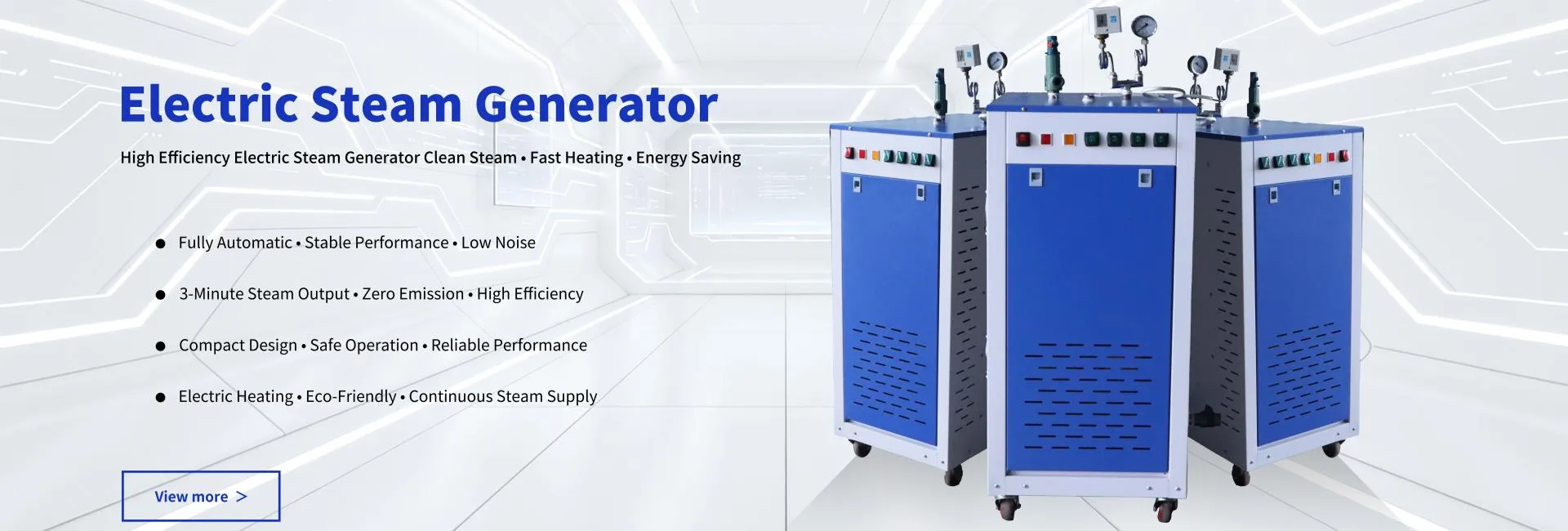
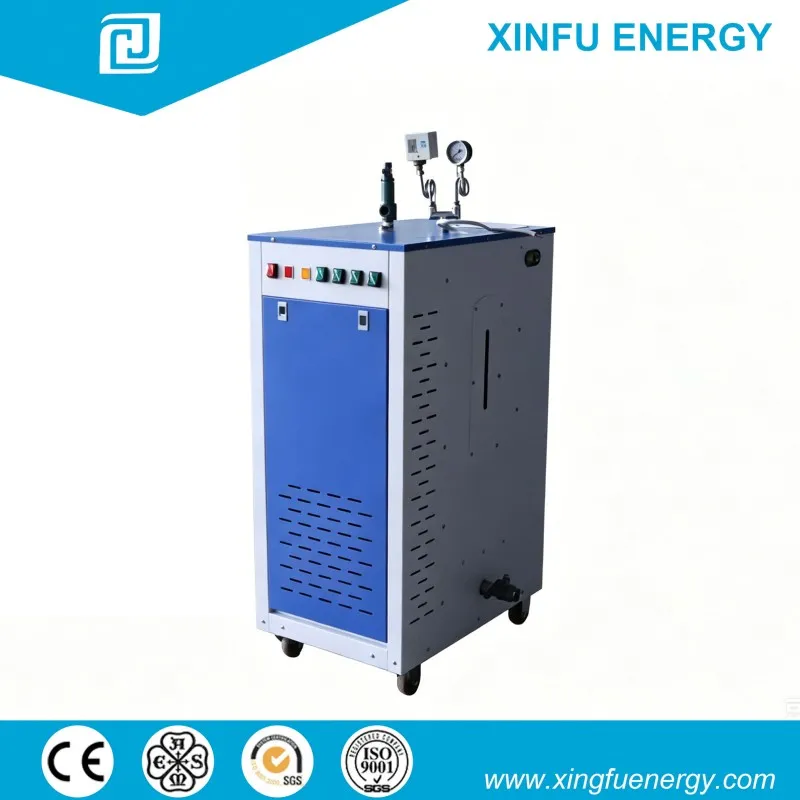
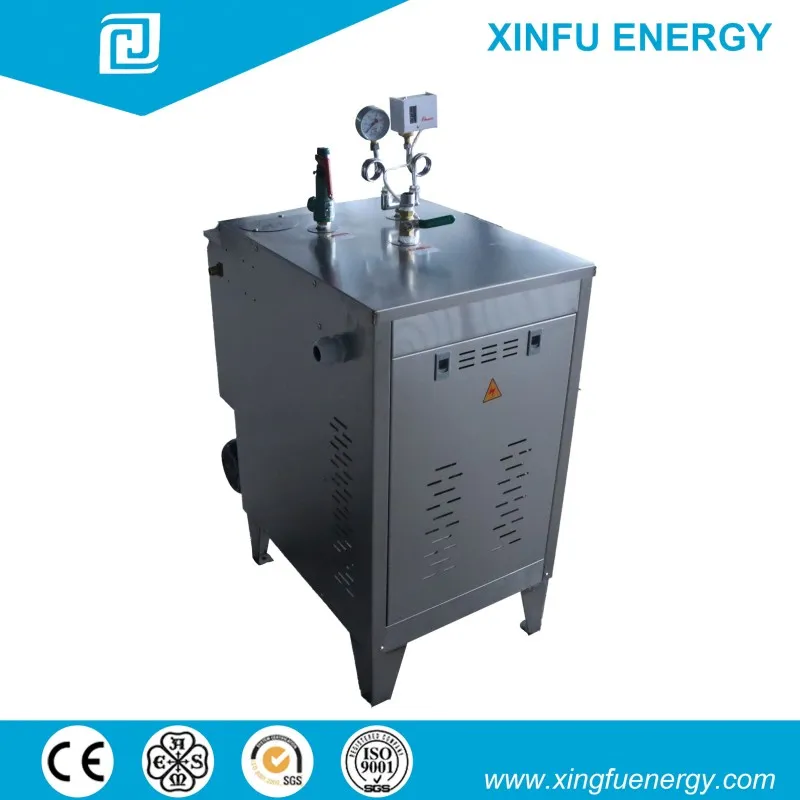
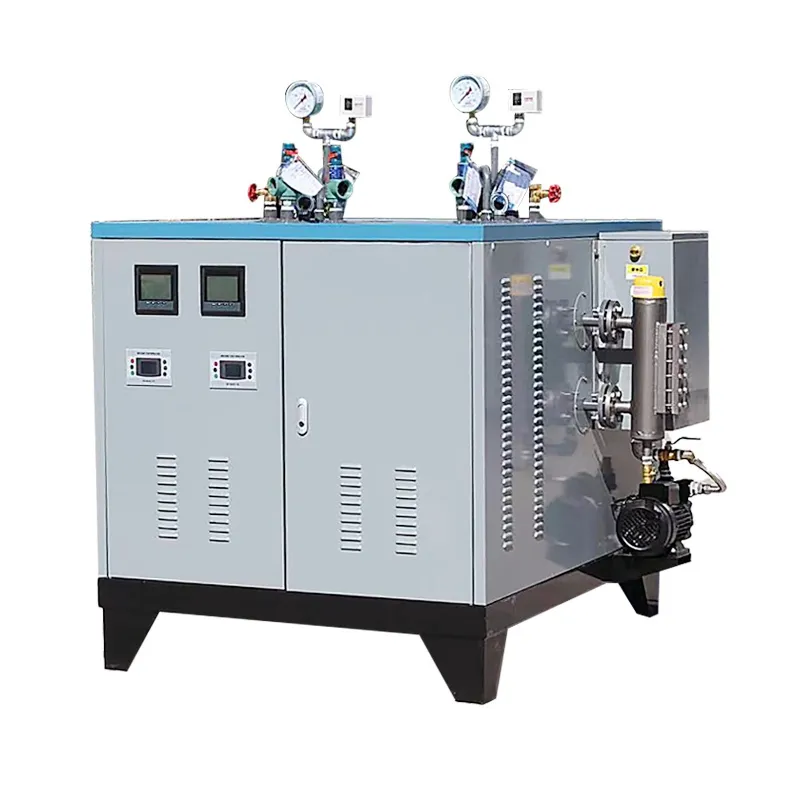
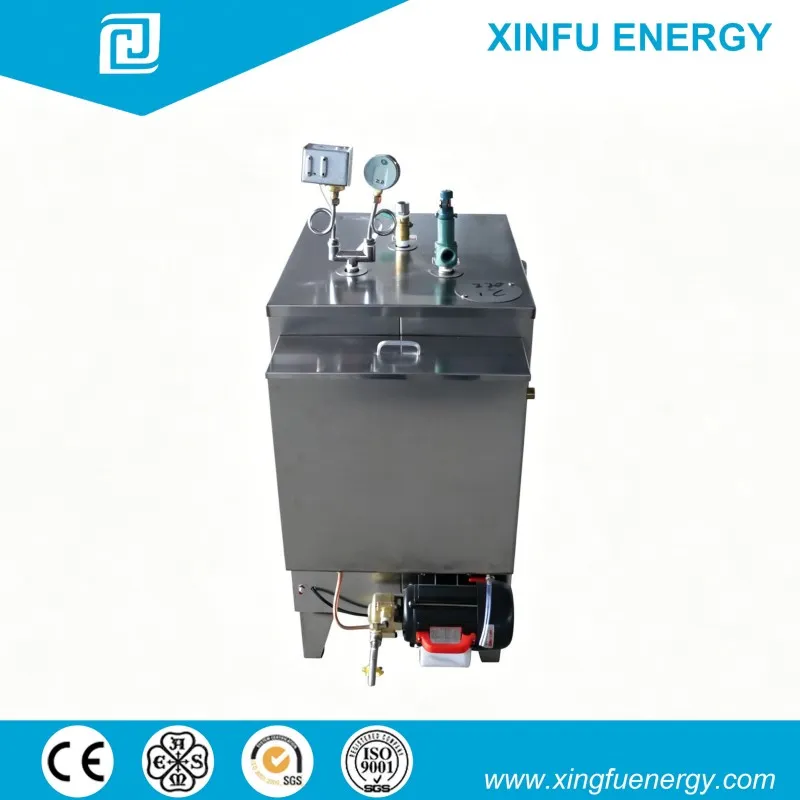
Understanding the internal architecture is crucial for maintenance and operational safety. A standard portable electric steam generator consists of several critical subsystems:
- Pressure Vessel: Constructed from high-grade stainless steel (often SS304 or SS316L) to resist corrosion and withstand high pressure. The design must comply with ASME or PED standards.
- Heating Elements: Typically made of Incoloy or stainless steel sheaths containing magnesium oxide insulation and nickel-chromium resistance wire. These elements are immersed directly in the water.
- Control Panel: Modern 2026 models feature PLC-based controllers with touchscreen interfaces, allowing for precise pressure and temperature setpoints.
- Feedwater System: Includes a high-pressure pump, check valves, and often an integrated water softener or reverse osmosis (RO) pre-treatment unit to prevent scale buildup.
- Safety Devices: Essential components include pressure relief valves, low-water cutoffs, over-temperature sensors, and earth leakage protection.
The operation is straightforward: water enters the vessel, the heating elements activate based on demand signals from the pressure transducer, and steam is generated almost instantly. Because there is no combustion chamber, there is no warm-up period required for flame stabilization, allowing for “steam-on-demand” functionality.
Why Choose Electric Over Gas or Oil in 2026?
The shift toward electrification in industrial heating is driven by regulatory pressure, operational efficiency, and total cost of ownership (TCO) considerations. While natural gas has historically been cheaper per unit of energy, the operational advantages of electric steam generators often outweigh the fuel cost differential in specific applications.
Environmental Compliance and Zero Emissions
In 2026, carbon taxation and strict local air quality regulations have made fossil-fuel boilers increasingly expensive to operate and permit. A portable electric steam generator produces zero onsite emissions—no NOx, SOx, or particulate matter. This eliminates the need for flue gas analysis, chimney installation, and complex ventilation systems. For facilities operating in urban areas or indoors, such as food processing plants or hospitals, this compliance advantage is decisive.
Energy Efficiency and Heat Transfer
Electric heating elements convert nearly 100% of electrical energy into heat within the water. In contrast, gas boilers typically achieve 85–95% efficiency due to heat loss through exhaust gases. Furthermore, electric generators do not suffer from standby losses associated with keeping a pilot light or maintaining a hot firebox. When paired with proper insulation, the system only consumes energy when steam is actively being drawn.
Operational Simplicity and Maintenance
Without burners, fuel pumps, or combustion air fans, the mechanical complexity of an electric steam generator is significantly lower. This translates to reduced maintenance costs. There are no nozzles to clog, no flame sensors to fail, and no annual combustion tuning required. The primary maintenance task remains water quality management, which is critical for all steam systems but easier to monitor in closed-loop electric systems.
| Feature | Portable Electric Steam Generator | Traditional Gas/Oil Boiler |
| Onsite Emissions | Zero | High (NOx, CO2, Particulates) |
| Thermal Efficiency | ~99% | 85–95% |
| Startup Time | Minutes (Cold Start) | 30–60 Minutes |
| Installation Complexity | Low (Power + Water) | High (Gas Line + Venting + Permits) |
| Maintenance Frequency | Low (Water Quality Focus) | High (Burner Tuning + Mechanical) |
| Noise Level | Low (Pump only) | High (Burner Fan + Combustion) |
Industrial Applications for Portable Electric Steam
The versatility of portable electric steam generators allows them to serve a wide array of industries. Their mobility makes them ideal for temporary projects, seasonal peaks, or as backup systems during main boiler maintenance.
Food and Beverage Processing
In the food industry, steam is used for cooking, blanching, sterilization, and cleaning. Portable electric units are preferred because they eliminate the risk of fuel contamination. They are commonly used for:
- CIP (Clean-in-Place) Systems: Providing high-temperature steam for sanitizing tanks and pipelines without chemical residues.
- Small-Batch Cooking: Ideal for artisanal breweries, distilleries, and specialty food producers who require precise temperature control for consistent product quality.
- Packaging Sterilization: Ensuring aseptic conditions for filling lines.
Healthcare and Laboratory Sterilization
Hospitals and laboratories require pure, clean steam for autoclaves and sterilizers. Electric generators can be configured with high-purity feedwater systems to produce steam free from contaminants. The portability allows these units to be deployed in temporary clinics, field hospitals, or research facilities where permanent infrastructure is lacking.
Construction and Concrete Curing
In cold weather construction, steam is used to cure concrete rapidly, ensuring strength development without freezing. Portable electric generators can be moved along the construction site, providing localized heating for forms and pipes. This is particularly useful in remote locations where gas supply is unavailable.
Textile and Garment Industry
Steam irons and pressing machines in garment factories require a steady supply of dry steam. Portable electric units provide consistent pressure, preventing water spitting that can damage fabrics. Their compact size allows them to be placed close to the production line, reducing heat loss in long steam pipes.
HVAC and Humidification
For large commercial buildings or data centers, portable electric steam generators can serve as supplemental humidifiers during dry winter months. Clean steam injection helps maintain optimal humidity levels, protecting sensitive electronic equipment and improving indoor air quality.
2026 Pricing Guide: What Determines Cost?
Pricing for portable electric steam generators varies significantly based on capacity, features, and certification requirements. In 2026, buyers should expect a range from $3,000 for basic small-capacity units to over $25,000 for high-end, fully automated industrial systems.
Price Ranges by Capacity
- Small Capacity (5–10 kW): $3,000 – $6,000. Suitable for small labs, sample preparation, or single-point cleaning. Often single-phase power.
- Medium Capacity (15–30 kW): $7,000 – $12,000. Ideal for small food processing lines, multiple ironing stations, or moderate curing applications. Typically three-phase power.
- Large Capacity (40–100 kW): $13,000 – $25,000+. Used for industrial sterilization, large-scale HVAC humidification, or process heating. Requires robust electrical infrastructure.
Note: These prices are indicative base costs. Customizations, such as stainless steel construction, advanced PLC controls, or integrated water treatment, will increase the final price.
Factors Influencing Price
Several technical and commercial factors drive the cost variation:
- Material Grade: Carbon steel vessels are cheaper but prone to corrosion. Stainless steel (SS304/316) commands a premium but offers longer life and hygiene benefits.
- Control System: Basic on/off controls are inexpensive. Advanced PID controllers with remote monitoring capabilities add cost but improve efficiency and usability.
- Certifications: Units certified to ASME Section I or VIII, PED (European Pressure Equipment Directive), or CE standards undergo rigorous testing, increasing manufacturing costs but ensuring global compliance.
- Integrated Features: Built-in water softeners, deaerators, or blowdown heat recovery systems add to the upfront cost but reduce operational expenses.
- Brand and Support: Established manufacturers with global service networks may charge more, but they offer better warranty terms and spare parts availability.
How to Choose the Right Supplier
Selecting a reliable supplier is as critical as choosing the right equipment. In the B2B industrial sector, the relationship extends beyond the initial purchase to include installation support, maintenance, and spare parts supply.
Evaluate Technical Expertise
A competent supplier should demonstrate deep engineering knowledge. They should be able to answer detailed questions about heating element design, vessel fabrication methods, and control logic. Ask for case studies or references from similar industries. A supplier who understands your specific application can recommend the optimal configuration, preventing oversizing or undersizing.
Check Certifications and Compliance
Ensure the manufacturer holds relevant quality certifications, such as ISO 9001. More importantly, the steam generator itself must carry the necessary pressure vessel certifications for your region. For export to Europe, CE/PED marking is mandatory. For the US, ASME stamping is highly recommended. Non-compliant equipment poses significant safety and legal risks.
Industry Spotlight: Qingdao Xingfu Energy Equipment Ltd.
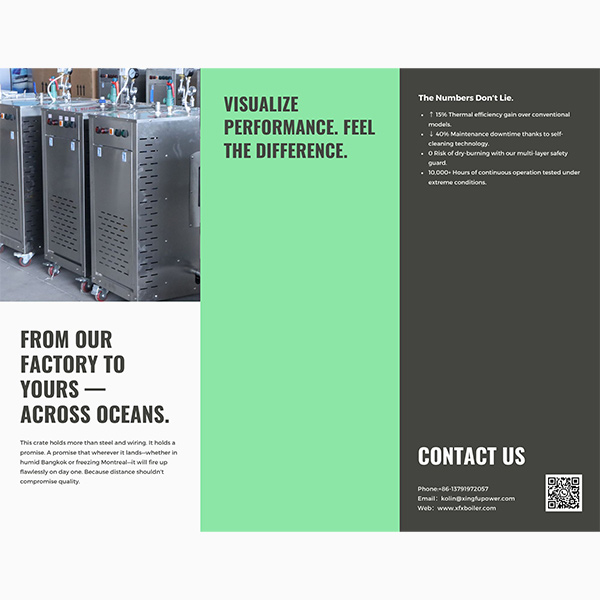
When evaluating potential partners, it is beneficial to look at established manufacturers that combine vertical integration with international compliance. Qingdao Xingfu Energy Equipment Ltd., founded in 2010 and headquartered in Shandong Province, China, exemplifies this standard. As a high-tech enterprise with over 14 years of industry experience, Xingfu has secured a stable position among domestic and international energy equipment suppliers.
Xingfu operates as a vertically integrated manufacturer, covering the complete cycle from R&D and design to manufacturing and certified transportation. With a production base spanning 70,500 square meters and a workforce where 21% are technical experts, the company ensures rigorous quality control at every stage. Their key business focus includes the production of electric steam generators and steam boilers, notably their compact S-Series automation solutions. These units are fully automated, constructed from stainless steel, and designed to meet strict environmental safety requirements with zero emissions.
The company’s commitment to quality is evidenced by its Class B boiler manufacturing license, Class 1 and 2 container licenses, and ISO 9001 and CE certifications. Since beginning exports in 2012, Xingfu has supplied equipment to over 30 countries, including markets in Europe and Asia, building a reputation for reliability and technological maturity. For buyers seeking a partner that offers not just equipment but also design-phase consulting, installation assistance, and long-term operational support, Xingfu represents a strong candidate in the 2026 market landscape.
Assess After-Sales Support
Steam generators require regular maintenance. Investigate the supplier’s support structure:
- Is there a local service team or authorized distributor?
- What is the lead time for spare parts, especially heating elements and control boards?
- Do they offer remote diagnostic support via IoT connectivity?
- Is comprehensive documentation, including wiring diagrams and maintenance manuals, provided in your language?
Review Warranty Terms
Standard warranties typically cover manufacturing defects for 12–24 months. However, pay attention to exclusions. Heating elements are often considered consumables and may have a shorter warranty period. Clarify what is covered under “normal wear and tear” versus “defective materials.”
Technical Specifications Checklist
When requesting quotes, provide suppliers with a detailed specification sheet to ensure accurate pricing and performance matching. Key parameters include:
| Parameter | Description/Requirement |
| Steam Output | Required kg/hr or lbs/hr at operating pressure. |
| Operating Pressure | Maximum working pressure (e.g., 7 bar, 10 bar). |
| Power Supply | Voltage (e.g., 220V, 380V, 480V), Phase (1 or 3), Frequency (50/60 Hz). |
| Steam Quality | Dryness fraction required (e.g., >95% for sterilization). |
| Feedwater Quality | Hardness, conductivity, and pH limits. Specify if pre-treatment is needed. |
| Dimensions | Maximum footprint and height constraints for installation site. |
| Control Interface | Local HMI, remote PLC integration, or IoT connectivity requirements. |
Installation and Operational Best Practices
Proper installation and operation are vital for safety and longevity. Even portable units require professional setup.
Electrical Infrastructure
Electric steam generators are high-power devices. Ensure your facility’s electrical panel can handle the load. For units above 10 kW, three-phase power is standard. Install appropriate circuit breakers, contactors, and overload protection as specified by the manufacturer. Grounding must be impeccable to prevent electrical hazards.
Water Quality Management
Water quality is the single most important factor in the lifespan of an electric steam generator. Hard water leads to scale formation on heating elements, reducing efficiency and causing premature failure. High dissolved solids can cause foaming and carryover, leading to wet steam and potential damage to downstream equipment.
- Use Softened Water: Install a water softener to remove calcium and magnesium.
- Monitor Conductivity: Regularly test feedwater conductivity. Automatic blowdown systems can help maintain optimal total dissolved solids (TDS) levels.
- Avoid Chemical Additives: Unless specifically approved by the manufacturer, avoid adding chemicals to the feedwater, as they can corrode seals and gaskets.
Routine Maintenance Schedule
Establish a preventive maintenance routine:
- Daily: Check pressure gauge accuracy, inspect for leaks, and verify safety valve operation.
- Weekly: Perform manual blowdown to remove sediment. Check water level controls.
- Monthly: Inspect heating elements for scale buildup. Clean or replace if necessary. Test all safety interlocks.
- Annually: Conduct a thorough internal inspection of the pressure vessel. Recalibrate pressure transducers and safety valves. Replace gaskets and seals as needed.
Common Mistakes to Avoid
Buyers and operators often make costly errors when deploying portable electric steam generators. Being aware of these pitfalls can save time and money.
Oversizing or Undersizing
Oversizing leads to frequent cycling, which stresses electrical components and reduces efficiency. Undersizing results in inability to meet peak demand, causing pressure drops and process interruptions. Accurately calculate your maximum steam load, including startup surges, before selecting a unit.
Ignoring Feedwater Treatment
Neglecting water treatment is the fastest way to destroy a steam generator. Scale acts as an insulator, causing heating elements to overheat and burn out. Always invest in adequate pre-treatment equipment.
Poor Piping Design
Even with a portable unit, the steam distribution piping must be correctly designed. Include proper traps, separators, and insulation. Poor piping leads to condensate accumulation, water hammer, and wet steam, compromising the quality of the end application.
Lack of Safety Training
Steam is a high-energy fluid. Operators must be trained in safe handling procedures, emergency shutdown protocols, and lockout/tagout practices. Never bypass safety interlocks or disable pressure relief valves.
Frequently Asked Questions (FAQ)
How much electricity does a portable electric steam generator consume?
Consumption depends on the steam demand. Since efficiency is near 100%, you can estimate consumption by converting steam output to energy. Approximately 1 kg of steam requires about 0.7–0.8 kWh of electricity, depending on feedwater temperature and operating pressure. Modern units with modulating controls adjust power input to match demand, saving energy during partial loads.
Can I use a portable electric steam generator outdoors?
Yes, but it requires a weatherproof enclosure or housing. Standard indoor units are not designed for rain or extreme temperatures. If outdoor installation is necessary, consult the manufacturer for IP-rated control panels and insulated vessel jackets to prevent heat loss and freezing.
What is the lifespan of heating elements?
With proper water quality, heating elements can last 2–5 years. Hard water or frequent dry-firing can significantly shorten this lifespan. Regular inspection and cleaning can extend their service life.
Is a permit required for installation?
Regulations vary by location. In many jurisdictions, pressure vessels above a certain size or pressure threshold require registration and inspection by local authorities. Always check with your local building department or insurance provider before installation.
How fast can a portable electric steam generator start up?
Unlike gas boilers, electric generators can produce steam within minutes of a cold start. Some small units can reach operating pressure in under 10 minutes. This rapid response makes them ideal for intermittent applications.
Can these generators produce superheated steam?
Most standard portable electric steam generators produce saturated steam. Superheated steam requires additional heating stages after evaporation, which is complex and rarely found in portable units. If superheated steam is required, specialized industrial designs are necessary.
Future Trends in Electric Steam Generation
As we move further into 2026, several trends are shaping the evolution of portable electric steam technology:
- IoT and Predictive Maintenance: Smart sensors monitor vibration, temperature, and electrical parameters in real-time. AI algorithms predict component failures before they occur, minimizing downtime.
- Modular Design: Manufacturers are offering modular units that can be linked together. This allows users to scale capacity by adding more modules as demand grows, rather than replacing the entire system.
- Enhanced Energy Recovery: Integrated heat exchangers capture waste heat from blowdown water to preheat incoming feedwater, improving overall system efficiency.
- Green Energy Integration: With the rise of onsite solar and wind power, electric steam generators are becoming key components in renewable energy microgrids, storing excess electrical energy as thermal energy in steam.
Conclusion: Making the Right Investment
A portable electric steam generator represents a strategic investment for modern industrial operations. Its benefits—zero emissions, high efficiency, low maintenance, and operational flexibility—align perfectly with the sustainability and agility demands of 2026. Whether for food processing, healthcare sterilization, or construction curing, these units provide reliable, high-quality steam without the complexities of fossil fuel systems.
When selecting a supplier, prioritize technical expertise, certification compliance, and after-sales support. Accurate sizing and rigorous water quality management are essential for maximizing the lifespan and performance of your equipment. By avoiding common pitfalls and adhering to best practices, you can ensure a safe, efficient, and cost-effective steam solution.
Ready to optimize your industrial heating process? Evaluate your specific steam requirements, consider the total cost of ownership, and choose a partner who understands your industry’s unique challenges.
→ Explore our full range of portable electric steam generators and request a customized technical proposal today.