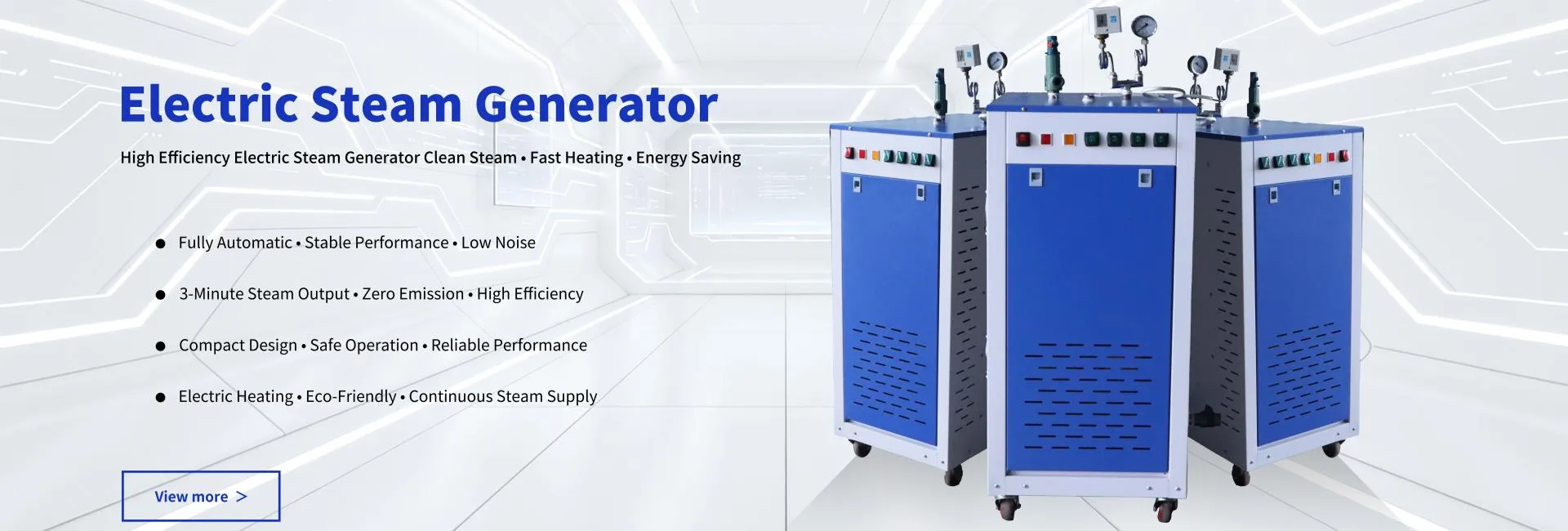
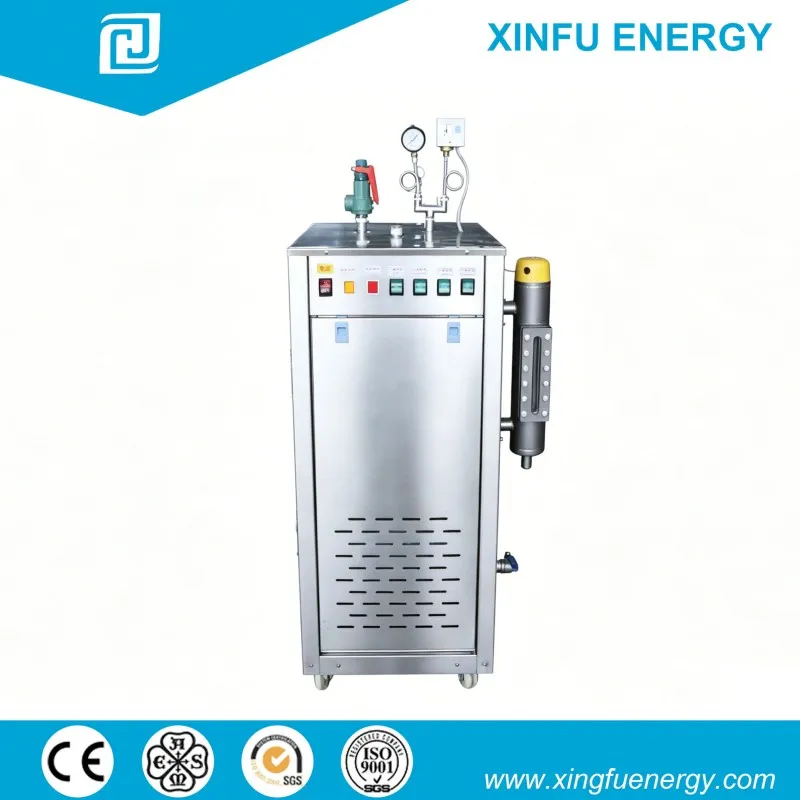
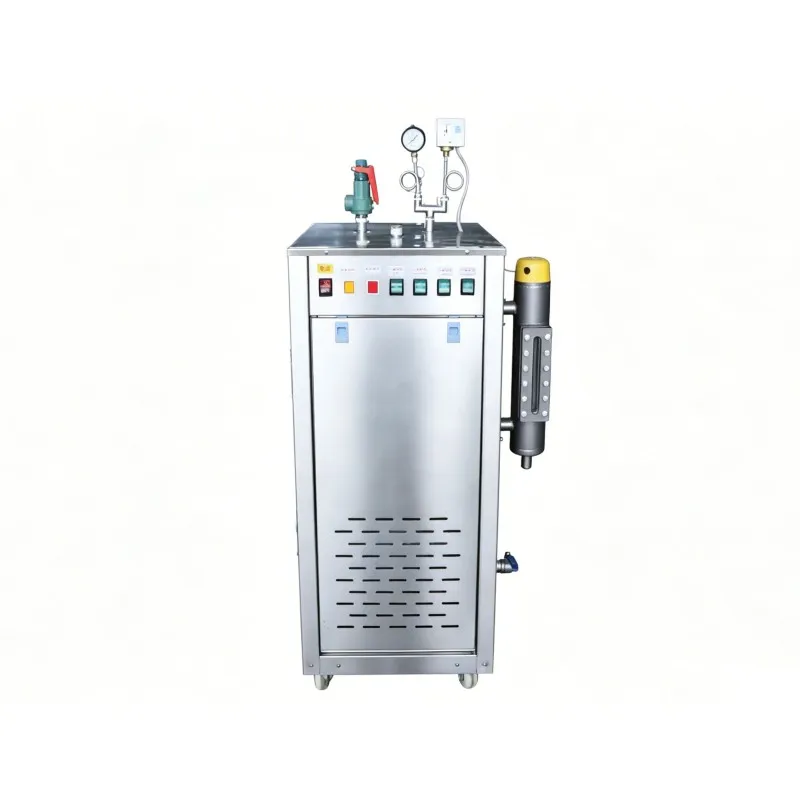
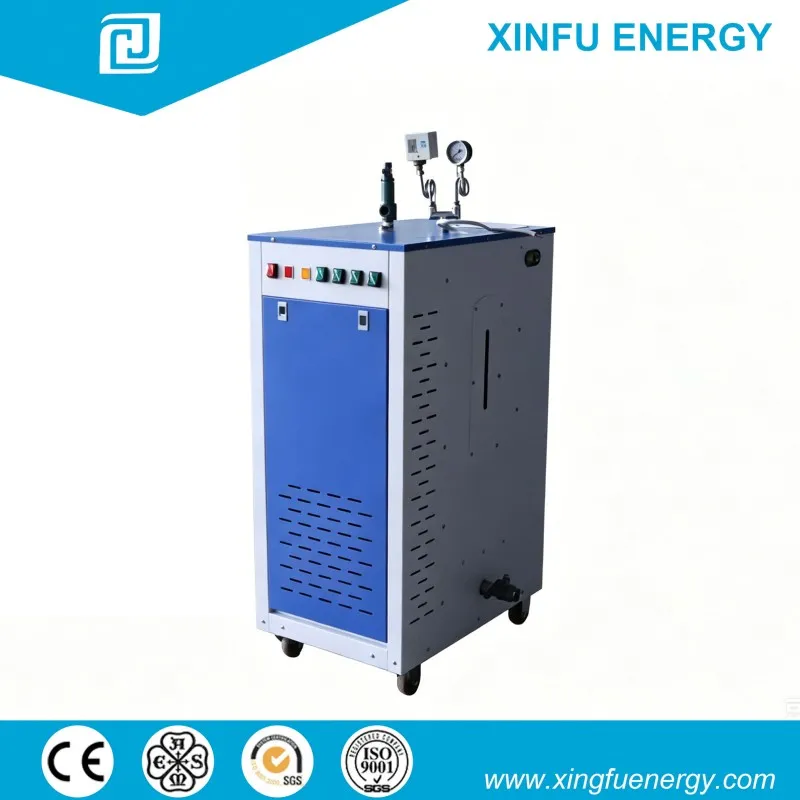
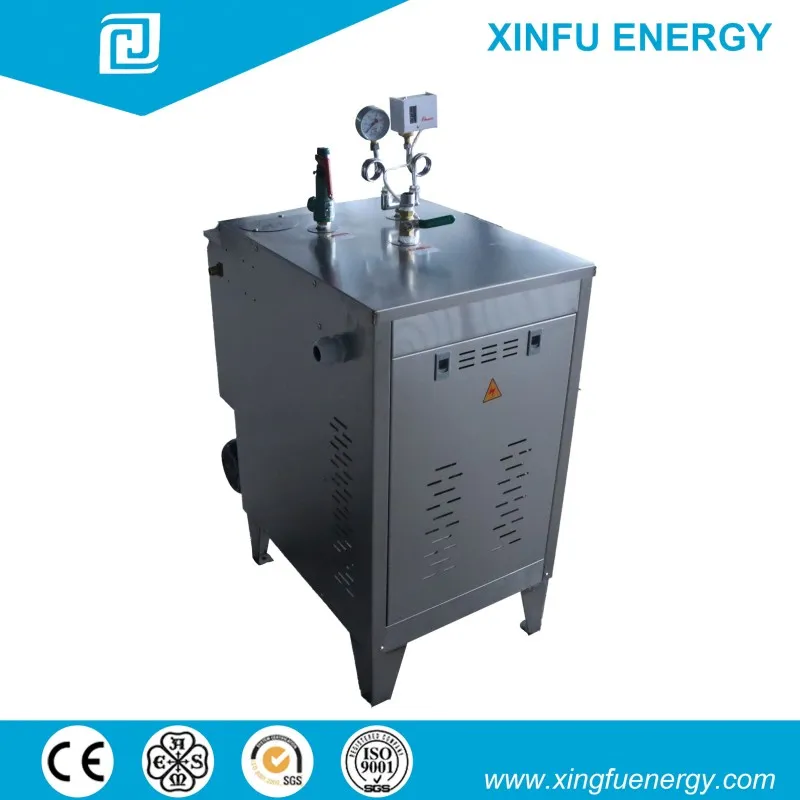
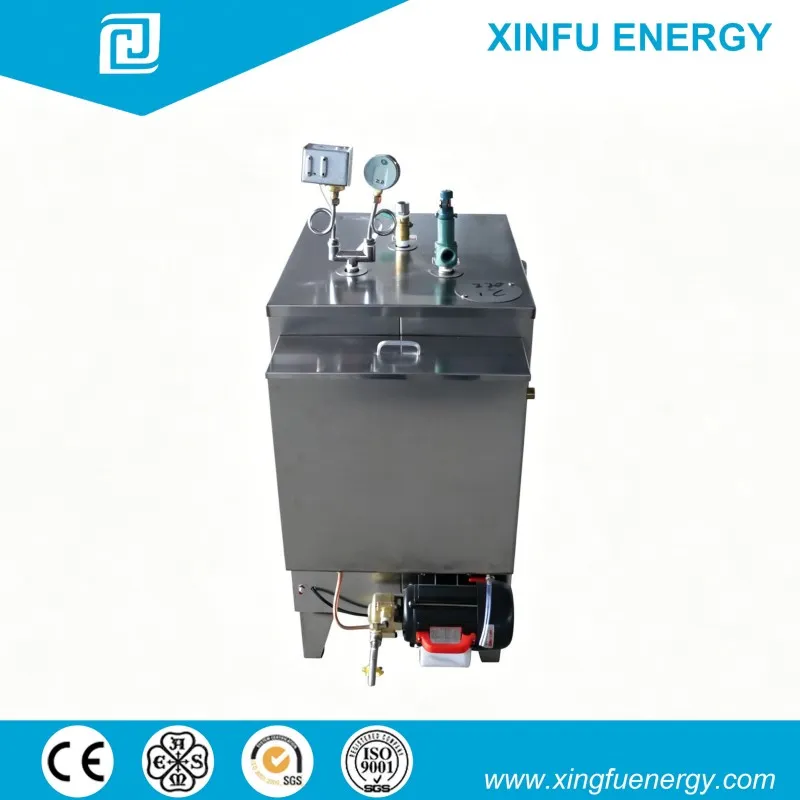
An Electric Heating Steam Boiler is an industrial pressure vessel that generates steam by converting electrical energy into thermal energy via high-efficiency resistance heating elements. Unlike fossil fuel boilers, these systems produce zero onsite emissions, require no combustion air, and offer thermal efficiencies exceeding 98%. In 2026, they are the preferred solution for industries prioritizing sustainability, precise process control, and low maintenance, such as pharmaceuticals, food processing, and chemical manufacturing.
What Is an Electric Heating Steam Boiler? Core Definition & Working Principle
An electric steam boiler is a closed vessel designed to heat water into steam using electricity as the primary energy source. The core mechanism involves submerging electric heating elements (typically made of stainless steel or Incoloy) directly into the water or utilizing electrode technology where the water itself acts as a conductor.
When current passes through the heating elements, resistance generates heat. This heat is transferred directly to the water, raising its temperature until it reaches the saturation point and converts to steam. The generated steam is then collected in the upper part of the boiler shell and discharged through a main steam valve to the application point.
Key Components of an Electric Steam Generator
Heating Elements: The heart of the system. High-grade alloys ensure longevity and resistance to scaling. In 2026 models, modular element designs allow for staged power input, matching steam demand precisely.
Pressure Vessel: Constructed from carbon steel or stainless steel, certified to ASME or PED standards to withstand operating pressures safely.
Control Panel: Modern units feature PLC-based controllers with HMI (Human-Machine Interface) screens, enabling remote monitoring, fault diagnostics, and automatic load adjustment.
Water Level Control: Critical safety components, including probe-type sensors or magnetic level gauges, ensure the heating elements remain submerged to prevent dry-firing.
Safety Valves: Pressure relief valves and fusible plugs provide redundant protection against over-pressure scenarios.
Why Choose Electric Steam Boilers in 2026? Strategic Advantages
The shift toward electrification in industrial heating is accelerating. For facility managers and process engineers, the decision to switch from gas or oil to electric steam generation is driven by three pillars: regulatory compliance, operational efficiency, and total cost of ownership (TCO).
1. Zero Onsite Emissions and Sustainability Compliance
As global carbon regulations tighten in 2026, many jurisdictions impose strict limits on NOx, SOx, and particulate matter. Electric boilers produce zero onsite emissions. There is no flue gas, no chimney required, and no carbon footprint at the point of use. This makes them ideal for:
Urban factories with strict environmental zoning.
Indoor installations where ventilation for combustion gases is problematic.
Companies aiming for LEED certification or net-zero operational goals.
2. Superior Thermal Efficiency (>98%)
Traditional fuel-fired boilers lose significant energy through stack losses (hot exhaust gases). Electric boilers convert nearly all input energy into heat. With efficiency rates consistently above 98%, the energy cost per kilogram of steam is predictable and often lower when factoring in the elimination of fuel storage, handling, and combustion air preprocessing.
3. Minimal Maintenance and Operational Simplicity
Without burners, fuel pumps, air fans, or complex flue systems, the mechanical complexity of an electric boiler is drastically reduced. There are no annual combustion tuning requirements. Maintenance primarily focuses on water quality management and periodic inspection of heating elements and controls. This results in higher uptime and lower labor costs for facility teams.
4. Precise Process Control and Rapid Response
Electric heating elements can modulate power output almost instantly. Modern SCR (Silicon Controlled Rectifier) power controllers allow for stepless modulation from 0% to 100% power. This ensures stable steam pressure even during fluctuating load conditions, which is critical for sensitive applications like sterilization or chemical reactions.
Technical Specifications: What to Expect in 2026 Models
When evaluating an electric heating steam boiler, understanding the technical parameters is essential for proper sizing and integration. Below are the standard specifications found in contemporary industrial units.
Parameter
Standard Range / Specification
Notes
Capacity
50 kg/h to 2000+ kg/h
Modular units can be paralleled for higher capacities.
Operating Pressure
0.7 MPa to 1.0 MPa (7-10 bar)
Custom designs available up to 2.0 MPa.
Steam Temperature
170°C – 184°C
Dependent on operating pressure.
Thermal Efficiency
> 98%
Near-total energy conversion.
Voltage Supply
380V, 400V, 415V, 480V, 690V
3-phase AC is standard for industrial units.
Heating Element Material
Incoloy 800, Stainless Steel 316L
Selected based on water chemistry.
Control System
PLC + Touch Screen HMI
Supports Modbus RTU/TCP, Profibus.
Noise Level
< 65 dB(A)
Significantly quieter than gas boilers.
Understanding Voltage and Power Requirements
Electric boilers are high-power devices. A typical 100 kW boiler requires a robust electrical infrastructure. In 2026, most industrial facilities utilize 3-phase power supplies. It is crucial to verify the available amperage and transformer capacity before installation. For large-scale operations requiring several megawatts of steam power, dedicated substations or medium-voltage (MV) electrode boilers may be necessary.
Applications: Where Electric Steam Boilers Excel
While electric boilers are versatile, their economic and technical advantages are most pronounced in specific industries. Understanding these applications helps in determining if this technology aligns with your operational needs.
1. Pharmaceutical and Healthcare
Purity is paramount. Electric boilers can be configured with stainless steel vessels and high-purity water feeds to generate clean steam for sterilization (autoclaves), humidification, and cleaning-in-place (CIP) systems. The absence of combustion byproducts eliminates the risk of contaminating sterile environments.
2. Food and Beverage Processing
From bakery ovens to meat processing and dairy pasteurization, electric steam provides consistent, dry steam. The precise temperature control ensures product quality consistency. Furthermore, the compact footprint allows installation close to point-of-use, reducing heat loss in distribution pipes.
3. Chemical and Laboratory Industries
Chemical processes often require exact temperature profiles. The rapid modulation capability of electric boilers allows for tight process control. Additionally, in environments where flammable vapors are present, electric boilers (with appropriate explosion-proof certifications) eliminate the ignition risk associated with open flames or hot exhaust surfaces.
4. Textile and Garment Manufacturing
Ironing, pressing, and dyeing processes rely heavily on steam. Electric boilers offer quick startup times, allowing factories to generate steam only when needed, reducing energy waste during idle periods. The quiet operation also contributes to a better working environment.
5. Concrete Curing and Construction Materials
Accelerated curing of concrete products requires controlled humidity and heat. Electric steam generators provide a clean, moisture-rich environment without the soot or ash associated with coal or oil boilers, ensuring the surface quality of precast concrete remains pristine.
Electric vs. Gas Steam Boilers: A Detailed Comparison for 2026
Choosing between electric and fossil fuel boilers is a strategic decision. The following table highlights the key differences to aid in your procurement analysis.
Feature
Electric Steam Boiler
Gas/Fuel Steam Boiler
Initial Investment
Lower (No fuel storage, no flue, simpler install)
Higher (Requires burner, flue, gas line, ventilation)
Installation Complexity
Simple. Plug-and-play with water/electric connections.
Complex. Requires gas certification, exhaust routing.
Operating Cost
Dependent on electricity rates. Higher per kWh but higher efficiency.
Dependent on gas/oil prices. Generally cheaper fuel, but lower efficiency.
While electricity per unit of energy is often more expensive than natural gas, the Total Cost of Ownership (TCO) tells a different story. When you factor in:
Elimination of annual combustion efficiency testing fees.
No need for fuel storage tanks or pipeline extensions.
Reduced insurance premiums due to lower fire/explosion risk.
Higher uptime due to fewer mechanical failures.
Potential government grants for electrification and carbon reduction.
In many 2026 scenarios, especially for small to medium-sized steam demands (<1 ton/hour), electric boilers offer a faster ROI and lower long-term operational risk.
How to Choose the Right Electric Steam Boiler Manufacturer
Selecting the right partner is as critical as selecting the right technology. A reliable manufacturer ensures not just a product, but a sustainable steam solution. Here are the key criteria to evaluate.
ASME (American Society of Mechanical Engineers): Global gold standard for pressure vessels.
PED (Pressure Equipment Directive): Mandatory for European markets.
CE Marking: Indicates conformity with health, safety, and environmental protection standards.
ISO 9001: Quality management system certification.
A manufacturer that transparently provides these certifications demonstrates a commitment to safety and quality.
2. Component Quality and Sourcing
The longevity of an electric boiler depends on its components. Ask about the brand and origin of:
Contactors and Relays: Should be from reputable brands (e.g., Schneider, Siemens, ABB) to handle high cycling loads.
PLC Controllers: Industry-standard controllers ensure easier troubleshooting and parts availability.
Heating Elements: Look for elements with high surface area loads to reduce scaling and extend life.
3. Customization Capability
Off-the-shelf solutions rarely fit perfect industrial needs. A competent manufacturer should offer customization in:
Voltage and phase configurations.
Control logic integration with existing plant SCADA systems.
Material selection (e.g., stainless steel for food grade).
Physical dimensions to fit constrained spaces.
4. After-Sales Support and Spare Parts
Steam is often critical to production. Downtime is costly. Evaluate the manufacturer’s support structure:
Do they provide detailed wiring diagrams and manuals in English?
Is there a local service network or responsive remote support team?
Are spare parts (elements, contactors, sensors) readily available and standardized?
Industry Spotlight: Qingdao Xingfu Energy Equipment Ltd.
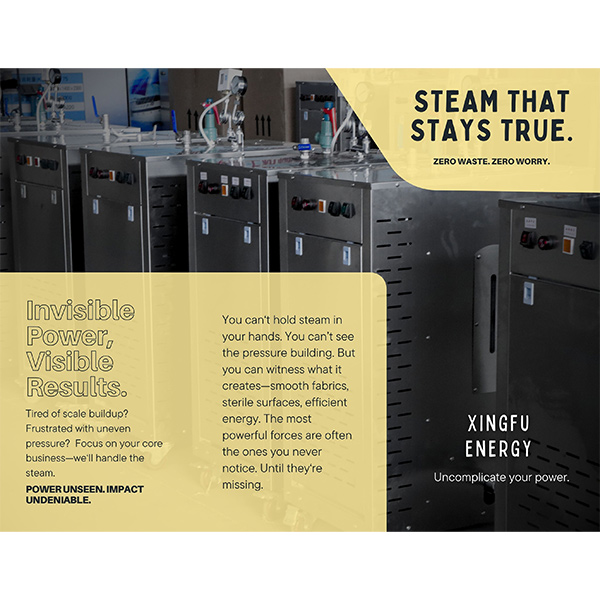
To illustrate what a top-tier manufacturer looks like in practice, we examine Qingdao Xingfu Energy Equipment Ltd., a high-tech enterprise that has become a benchmark for quality and innovation in the electric boiler sector since its founding in 2010.
Headquartered in Qingdao, Shandong Province, Xingfu Energy combines over 14 years of manufacturing experience with continuous R&D. As a vertically integrated manufacturer, they manage the entire lifecycle—from design and production to certified transportation—ensuring strict quality control at every stage. Their 70,500 square meter production base includes dedicated workshops and internal laboratories, staffed by a highly skilled team where technical experts and certified welders make up a significant portion of the workforce.
The S-Series Automation Solution
Xingfu’s core competency lies in its electric steam generators and boilers, particularly their S-Series automation solutions. These units are engineered to meet the rigorous demands of 2026 industrial standards:
Fully Automated Operation: Intelligent controls allow for fast steam generation and seamless integration with existing engineering systems.
High-Power Continuous Production: Designed for heavy-duty industrial lines, ensuring consistent steam supply without fluctuation.
Purpose-Built Hygiene: All products are constructed using high-grade stainless steel, meeting environmental safety requirements and achieving zero emissions during operation.
Global Reach and Certified Quality
With exports reaching over 30 countries—including markets in Europe (Poland, Spain), Asia (Korea, Indonesia, Malaysia), and beyond—Xingfu Energy has validated its reputation internationally. Holding Class B boiler manufacturing licenses, Class 1 and 2 container certifications, and ISO 9001/CE accreditations, the company adheres to a philosophy of “quality responsibility and transparency.” For buyers, partnering with a manufacturer like Xingfu means accessing not just hardware, but comprehensive technical support from the design phase through to installation and long-term operation.
Installation and Commissioning: Best Practices
Proper installation is vital for performance and safety. While electric boilers are simpler to install than fuel-fired ones, several engineering considerations must be addressed.
Electrical Infrastructure Check
Before delivery, confirm that your facility’s electrical panel has sufficient capacity. Calculate the full load amperage (FLA) of the boiler and ensure the breaker size and cable gauge meet local electrical codes. Consider the impact of starting currents, although electric boilers typically have soft-start capabilities or staged element activation to minimize grid shock.
Water Quality Management
Water quality is the single biggest factor affecting boiler life. Hard water leads to scale formation on heating elements, insulating them and causing overheating and failure.
Hardness: Should be < 0.02 mmol/L. Use water softeners if necessary.
Conductivity: Monitor closely to manage blowdown frequency.
pH Level: Maintain between 10-12 to prevent corrosion.
Investing in a proper water treatment system (softener + reverse osmosis if needed) is non-negotiable for maximizing element lifespan.
Placement and Ventilation
Although no combustion air is needed, the boiler room must be ventilated to dissipate heat generated by the control panel and the vessel surface. Ensure adequate clearance around the unit for maintenance access, particularly for removing and replacing heating elements.
Maintenance Guide: Ensuring Long-Term Reliability
Electric steam boilers are low-maintenance, but “low” does not mean “none.” A proactive maintenance schedule prevents unexpected shutdowns.
Daily Checks
Inspect the water level gauge to ensure proper operation.
Check for any unusual noises or vibrations.
Verify steam pressure stability.
Look for water leaks around pipes and valves.
Weekly/Monthly Maintenance
Blowdown: Perform bottom blowdown to remove sludge and sediment. Frequency depends on water quality and usage.
Control Test: Manually test low-water cutoffs and pressure switches to ensure they trip correctly.
Visual Inspection: Check electrical connections for signs of overheating or loose terminals.
Annual Overhaul
Element Inspection: Remove heating elements and inspect for scale buildup or corrosion. Clean or replace as needed.
Vessel Inspection: Open the manhole and inspect the internal shell for corrosion or pitting.
Safety Valve Calibration: Have safety valves tested and certified by a qualified technician.
Electrical Tightening: Retorque all power connections, as thermal cycling can loosen them over time.
Common Mistakes to Avoid When Buying Electric Steam Boilers
Even experienced buyers can make errors that lead to inefficiency or premature failure. Avoid these pitfalls:
1. Undersizing the Boiler
Calculating steam demand incorrectly leads to a boiler that runs at 100% capacity continuously, leaving no reserve for peak loads. Always include a safety margin (typically 10-20%) in your capacity calculation. Consider future expansion plans as well.
2. Ignoring Water Treatment
Assuming tap water is sufficient is a costly mistake. Poor water quality destroys heating elements rapidly. Always install appropriate water treatment upstream of the boiler.
3. Overlooking Electrical Upgrade Costs
While the boiler itself might be affordable, upgrading the facility’s electrical infrastructure (transformers, switchgear) can be expensive. Conduct a thorough electrical audit before purchase to avoid budget surprises.
4. Choosing Based on Price Alone
The cheapest option often uses inferior components (e.g., generic contactors, thin-gauge steel). In industrial settings, reliability outweighs initial savings. Focus on value, component quality, and manufacturer reputation.
2026 Industrial Price Guide: What Influences Cost?
Pricing for electric heating steam boilers varies based on capacity, features, and customization. While specific quotes depend on individual project requirements, understanding the cost drivers helps in budgeting.
Key Cost Drivers
Capacity (kW/kg/h): Larger units cost more, but the cost per kg of steam capacity generally decreases with size due to economies of scale.
Pressure Rating: Higher pressure vessels require thicker walls and more rigorous testing, increasing cost.
Material Grade: Stainless steel vessels and elements command a premium over carbon steel but are essential for hygiene-critical industries.
Control Sophistication: Advanced PLC systems with remote IoT connectivity add to the initial cost but offer long-term operational benefits.
Certifications: Units built to ASME or PED standards involve higher manufacturing and documentation costs.
General Price Trends in 2026
Due to advancements in manufacturing automation and supply chain stabilization, the base cost of electric boilers has stabilized. However, the trend toward smarter, connected devices means that mid-range models now come with features previously reserved for high-end units. Buyers should expect to pay for value-added services such as commissioning support and extended warranties rather than just hardware.
Note: For accurate pricing, it is recommended to request a detailed quotation based on your specific steam load, pressure requirements, and electrical supply constraints.
Frequently Asked Questions (FAQ)
How much electricity does an electric steam boiler consume?
Consumption is directly related to steam output. Approximately 0.7 kWh of electricity is required to generate 1 kg of steam from cold water, depending on inlet water temperature and efficiency. A 100 kW boiler running at full load consumes 100 kWh per hour.
Can I use an electric boiler as a backup to my gas boiler?
Yes, this is a common hybrid strategy. The electric boiler can handle base loads or serve as a backup during gas maintenance or outages. This setup enhances energy security and allows for fuel switching based on real-time energy prices.
Do electric steam boilers require a chimney?
No. Since there is no combustion, there are no exhaust gases. This eliminates the need for a chimney, flue, or complex ventilation systems, significantly reducing installation complexity and cost.
How long do heating elements last?
With proper water treatment and regular maintenance, heating elements can last 3-5 years or more. Scaling is the primary enemy of element life. Regular inspection and cleaning can extend their lifespan significantly.
Is it safe to install an electric boiler indoors?
Yes, it is very safe. Without combustion, there is no risk of carbon monoxide poisoning or oxygen depletion. They are ideal for indoor installations, provided the room has adequate ventilation for heat dissipation and meets electrical safety codes.
What is the startup time for an electric steam boiler?
Electric boilers have rapid startup times. Depending on the size and initial water temperature, they can generate usable steam within 15-30 minutes. This is much faster than large fire-tube gas boilers, which may take hours to warm up.
Conclusion: Making the Smart Switch to Electric Steam
In 2026, the Electric Heating Steam Boiler represents more than just a heating appliance; it is a strategic asset for modern industrial operations. Its combination of high efficiency, zero emissions, and low maintenance aligns perfectly with the evolving demands of sustainability, regulatory compliance, and operational excellence.
For industries such as pharmaceuticals, food processing, and precision manufacturing, the benefits of clean, precise, and reliable steam outweigh the traditional preference for fossil fuels. By eliminating combustion complexities and focusing on electrical efficiency, businesses can reduce their carbon footprint while enhancing process control.
Who Should Consider This Solution?
Facilities facing strict environmental regulations or carbon taxes.
Plants requiring high-purity steam for hygiene-sensitive processes.
Operations looking to reduce maintenance burdens and improve uptime.
New constructions where installing gas lines or flues is impractical or costly.
Choosing the right manufacturer ensures that your investment delivers long-term value. Prioritize partners who offer robust certifications, high-quality components, and comprehensive after-sales support.
Ready to optimize your steam generation system? Evaluate your specific steam load and electrical infrastructure today. For detailed technical specifications, custom sizing assistance, and a personalized quote, explore our comprehensive range of industrial electric steam solutions.