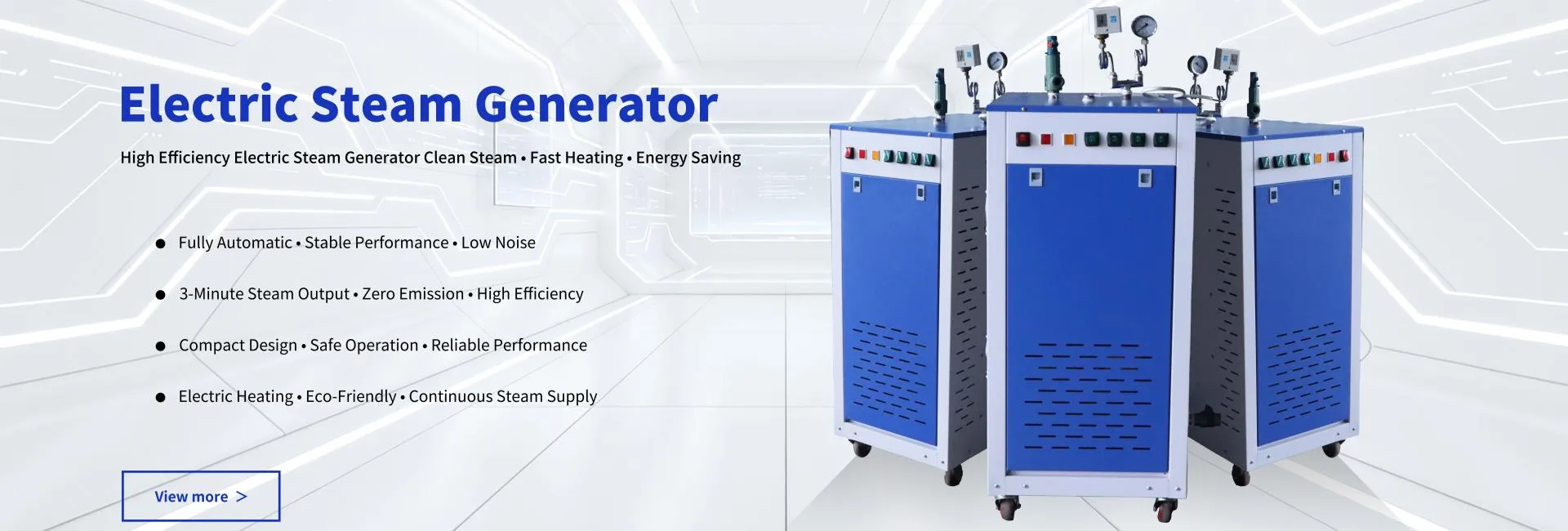
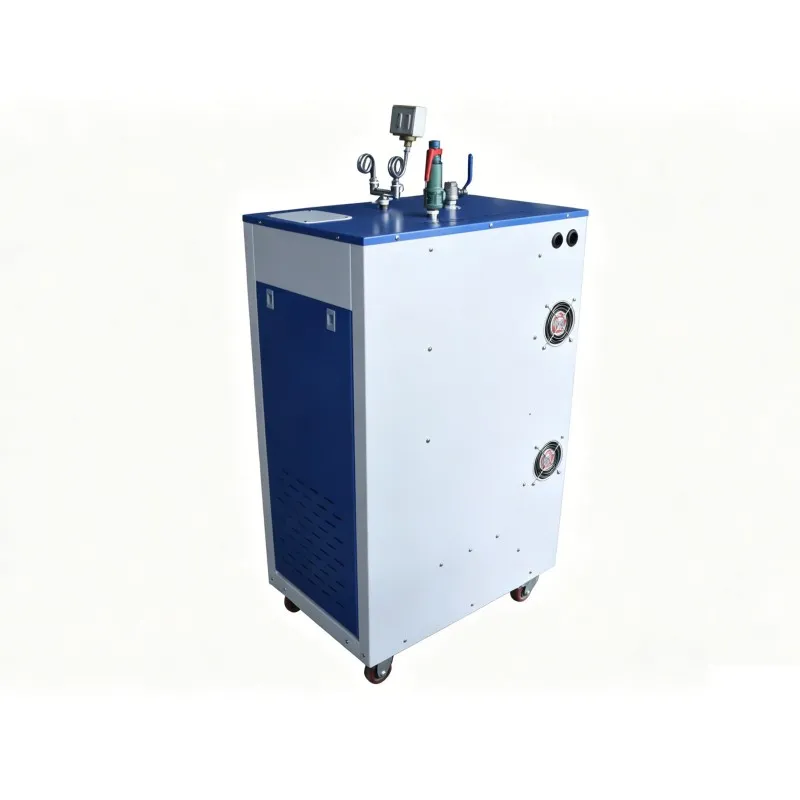
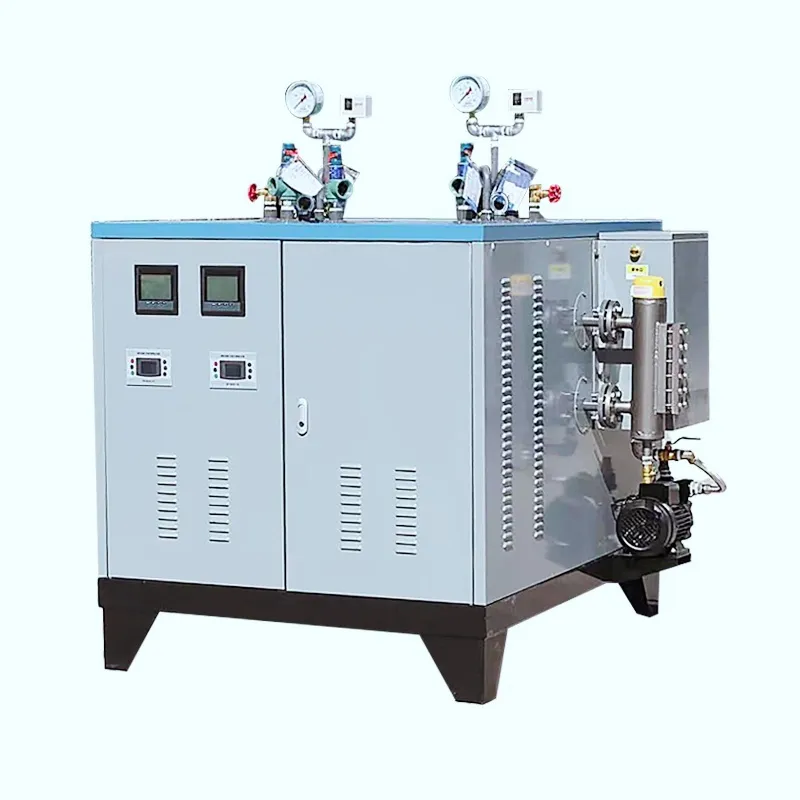
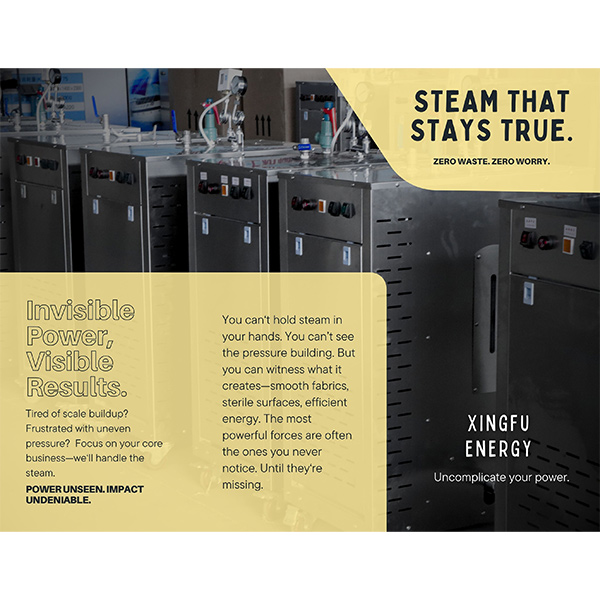
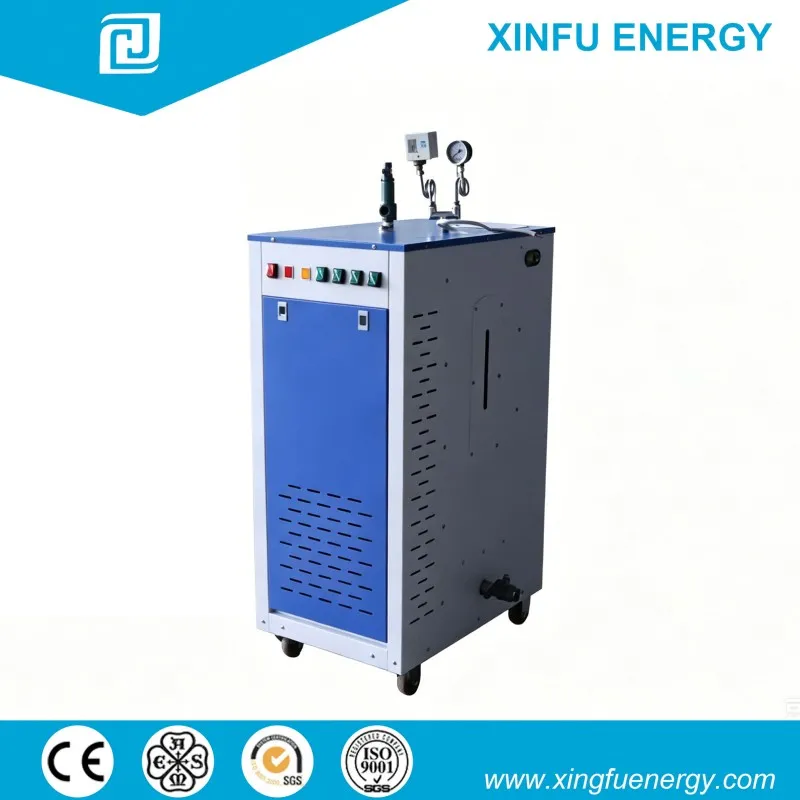
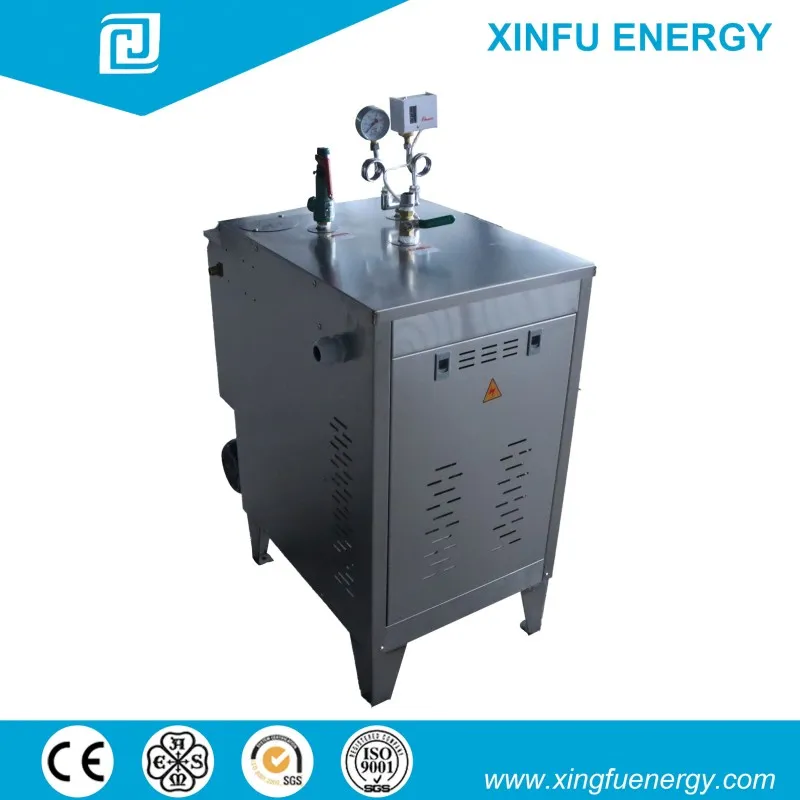
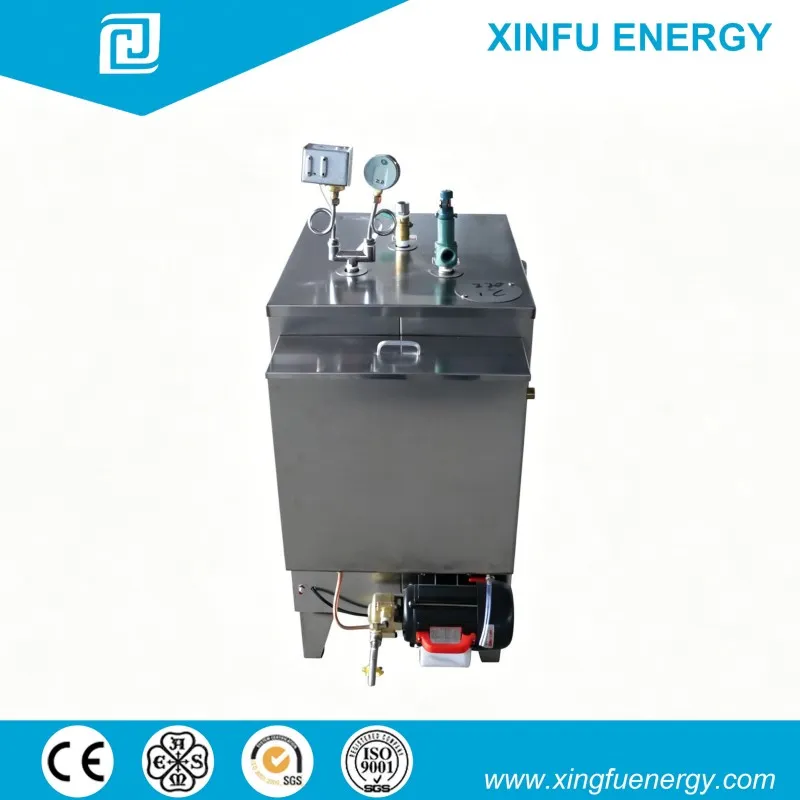
Electric Steam Generator Corp stands as a premier industrial manufacturer and supplier of high-efficiency electric steam generation systems. Specializing in clean, compact, and precise thermal energy solutions, the company serves critical sectors including pharmaceuticals, food processing, healthcare, and advanced manufacturing. Unlike traditional fossil-fuel boilers, our electric steam generators utilize resistive or electrode heating elements to produce dry, saturated steam with 98-99% thermal efficiency. This technology eliminates combustion emissions, reduces footprint by up to 70%, and offers instant steam-on-demand capabilities. For facilities prioritizing regulatory compliance, operational safety, and minimal maintenance, partnering with a dedicated electric steam generator corp provides a strategic advantage in modernizing industrial utility infrastructure.
Why Choose an Electric Steam Generator Corp for Industrial Applications?
The shift from fossil-fuel boilers to electric steam generation is not merely a trend; it is a fundamental restructuring of industrial energy management. As an established electric steam generator corp, we observe a decisive move among facility managers and process engineers toward electrification. This transition is driven by three core pillars: environmental compliance, operational precision, and total cost of ownership (TCO) optimization.
Traditional gas or oil-fired boilers require complex exhaust systems, fuel storage infrastructure, and rigorous emission monitoring. In contrast, electric steam generators operate without combustion. This means zero NOx, SOx, or CO2 emissions at the point of use. For industries operating in regions with strict air quality regulations, such as California, the EU, or urban industrial zones in Asia, this technology is often the only viable path to expansion without costly permit hurdles.
Operational Efficiency and Energy Conversion
The primary technical advantage of working with a specialized electric steam generator corp lies in energy conversion efficiency. Traditional boilers typically operate at 80-85% efficiency due to heat loss through flue gases and radiation. Electric resistance heating elements, however, convert nearly 100% of electrical energy into heat. When accounting for system losses, our units consistently achieve 98-99% net efficiency.
Direct Energy Transfer: Electrical energy is directly converted to thermal energy within the water vessel, minimizing intermediate loss.
No Standby Losses: Modern control systems allow for rapid cycling, reducing energy waste during low-load periods.
Heat Recovery Integration: Excess heat from other processes can sometimes be integrated, though the primary input remains electricity.
This efficiency translates directly to lower operational costs in facilities where steam demand is intermittent or variable. The ability to modulate power input precisely matches steam output to real-time process requirements, eliminating the “short-cycling” inefficiencies common in oversized fossil-fuel boilers.
Spatial and Infrastructure Advantages
Industrial real estate is expensive. A conventional boiler room requires significant square footage for the boiler itself, fuel tanks, ventilation, and safety clearances. An electric steam generator corp designs systems that are inherently compact. Without the need for burners, flues, or fuel lines, these units can be installed in tight spaces, including mezzanines, production floors, or retrofitted utility closets.
This compactness also simplifies installation. There is no need for gas line extensions, oil delivery access, or complex chimney structures. The primary infrastructure requirement is a robust electrical supply, which is often already present in modern industrial facilities. This reduces initial capital expenditure (CapEx) related to civil works and plumbing modifications.
About Qingdao Xingfu Energy Equipment Ltd.: Engineering Excellence in Steam Generation
At the forefront of this technological shift is Qingdao Xingfu Energy Equipment Ltd., a high-tech enterprise founded in 2010 and headquartered in Qingdao, China. With over 14 years of continuous industry experience, Xingfu has evolved from a domestic leader into a globally recognized supplier, exporting to more than 30 countries including markets in Europe, Asia, and beyond. As a vertically integrated manufacturer, Xingfu controls the entire lifecycle of its products—from research and design to manufacturing, testing, and certified transportation.
Xingfu’s core competency lies in its robust engineering capabilities. The company operates a massive 70,500-square-meter production base, featuring 21,000 square meters of dedicated workshops. What truly sets Xingfu apart is its human capital: out of 228 employees, 78 are technical experts, including 28 specialized engineers. This deep bench of talent ensures that every electric steam generator and boiler is designed with precision, meeting stringent international standards such as ISO 9001 and CE certifications. Holding Class B boiler and Class 1/2 pressure container manufacturing licenses, Xingfu guarantees that its S-Series automation solutions and high-power electric boilers are not only efficient but also rigorously tested for safety and reliability.
By combining traditional manufacturing prowess with continuous innovation, Qingdao Xingfu Energy Equipment delivers purpose-built solutions for textile, industrial heating, and continuous production lines. Their commitment to zero-emission operations and stainless steel construction aligns perfectly with the modern industry’s demand for sustainability and hygiene.
Core Technologies: How Electric Steam Generators Work
Understanding the underlying technology is crucial for selecting the right partner. As a leading electric steam generator corp, we deploy two primary heating technologies: Resistance Heating and Electrode Boilers. Each serves distinct operational profiles and capacity requirements.
Resistance Heating Elements
Resistance heating is the most common method for small to medium-capacity steam generation. It operates on principles similar to a large-scale electric kettle. High-resistance alloy elements, typically made from Incoloy or Stainless Steel 316L, are immersed in the water. When current passes through these elements, they generate heat, which transfers to the surrounding water via convection.
Key Characteristics:
Voltage Range: Typically operates at standard industrial voltages (208V, 480V, 600V).
Capacity: Ideal for outputs ranging from 5 kW to 500 kW (approx. 15 lbs/hr to 1,500 lbs/hr).
Control Precision: Offers excellent modulation capabilities, often down to 10% of full load.
Maintenance: Elements may require periodic cleaning or replacement depending on water quality.
This technology is preferred in applications requiring high-purity steam, such as pharmaceutical sterilization or laboratory use, because the heating elements do not introduce contaminants into the water. The separation between the electrical circuit and the steam output is absolute, ensuring safety and purity.
Electrode Boilers (High Voltage)
For large-scale industrial applications, electrode boilers represent the pinnacle of electric steam technology. Instead of using resistive elements, electrode boilers pass electrical current directly through the water itself. The water acts as the resistor. This method is highly efficient and scalable to massive capacities.
Key Characteristics:
Voltage Range: Operates at medium to high voltages (2.4 kV to 15 kV or higher).
Capacity: Suitable for outputs from 500 kW to multi-megawatt ranges.
Footprint: Extremely compact relative to power output.
Water Conductivity: Requires precise control of water conductivity to regulate power input.
Electrode boilers are ideal for district heating, large hospital complexes, or heavy industrial processes requiring tons of steam per hour. As an electric steam generator corp, we engineer these systems with advanced conductivity controls to ensure stable operation and prevent electrical faults. The absence of heating elements eliminates a common failure point, resulting in longer service intervals and higher reliability for continuous operations.
Industry-Specific Applications and Solutions
Different industries have unique steam requirements regarding pressure, purity, and flow stability. A generic supplier may offer a one-size-fits-all approach, but a specialized electric steam generator corp tailors solutions to specific process needs. Below, we detail how our systems integrate into key sectors.
Pharmaceutical and Biotechnology
In pharma, steam is used for sterilization (autoclaves), clean-in-place (CIP) systems, and humidification. The critical factor here is steam purity. Contaminants in steam can compromise sterile barriers or contaminate product batches. Our electric steam generators for this sector feature:
316L Stainless Steel Construction: Prevents corrosion and metal leaching.
Double-Walled Heat Exchangers: For pure steam generation, ensuring no cross-contamination from feed water.
Validatable Controls: Systems designed to meet FDA and GMP documentation requirements, including data logging for temperature and pressure.
The precise control of electric systems allows for rapid pressurization and depressurization cycles, essential for efficient autoclave operations. This reduces cycle times and increases throughput in sterilization departments.
Food and Beverage Processing
Steam is integral to cooking, pasteurization, cleaning, and packaging in the food industry. Here, the focus is on consistency and hygiene. Electric steam generators provide instant steam, allowing for precise temperature control during cooking processes. This prevents over-cooking and ensures product quality.
Furthermore, the lack of combustion eliminates the risk of flue gas contamination in case of heat exchanger failure. For beverage companies, electric steam is used for bottle sterilization and tank cleaning. The compact nature of our units allows them to be placed close to the point of use, reducing heat loss in distribution pipes and improving energy efficiency.
Healthcare and Hospitals
Hospitals require steam for sterilizing surgical instruments, laundry services, and humidification. Reliability is non-negotiable. An electric steam generator corp provides redundant systems that can seamlessly switch over in case of maintenance or minor faults. The quiet operation of electric boilers is also a significant benefit in healthcare environments, reducing noise pollution compared to roaring gas burners.
Additionally, hospitals are under increasing pressure to reduce their carbon footprint. Electrifying steam generation is a direct step toward sustainability goals, especially when paired with renewable energy sources like solar or wind.
Manufacturing and Industrial Processes
From textile drying to chemical processing, industrial manufacturing relies on steam for heat transfer. Electric steam generators offer rapid response times, which is crucial for processes with fluctuating demand. For example, in a platen press operation, steam is needed in bursts. Electric systems can ramp up instantly, whereas gas boilers may struggle to maintain pressure without significant overshoot.
In chemical processing, the precise temperature control afforded by electric modulation ensures reaction consistency. Safety is also enhanced, as there is no risk of gas leaks or flameouts in hazardous environments.
Technical Specifications and Selection Criteria
Selecting the right electric steam generator requires a detailed analysis of your facility’s needs. As an experienced electric steam generator corp, we guide clients through a rigorous selection process based on key technical parameters.
Key Parameters for Evaluation
Parameter
Description
Impact on Selection
Steam Output (kg/hr or lbs/hr)
The maximum amount of steam the unit can produce.
Determines the size and number of units required. Must account for peak demand plus a safety margin.
Operating Pressure (bar or psi)
The pressure at which steam is delivered.
Higher pressures require thicker vessel walls and higher ratings. Common ranges: 7 bar, 10 bar, 15 bar.
Power Supply (Voltage/Phase)
The electrical input available at the site.
Determines whether resistance (low voltage) or electrode (high voltage) technology is feasible. 3-phase power is standard.
Feedwater Quality
The purity and hardness of the input water.
Critical for longevity. Hard water causes scaling. TDS (Total Dissolved Solids) limits apply, especially for electrode boilers.
Modulation Range
The ability to adjust output from 0-100%.
Wider modulation ranges improve efficiency in variable load applications. Look for 10-100% capability.
Calculating Your Steam Requirements
Accurate sizing is essential. Oversizing leads to inefficiency and increased wear; undersizing causes process interruptions. To determine the correct capacity:
Identify All Steam Users: List every piece of equipment using steam (autoclaves, heat exchangers, humidifiers).
Determine Peak Demand: Calculate the simultaneous steam usage during the busiest operational period. Do not simply sum the nameplate ratings; apply a diversity factor if appropriate.
Account for Losses: Include estimated losses from steam traps, uninsulated pipes, and flash steam.
Add a Safety Margin: Typically, a 10-15% margin is added to accommodate future expansion or unexpected peaks.
Our engineering team assists in this calculation, ensuring that the proposed electric steam generator corp solution matches your actual operational profile rather than just theoretical maximums.
Advantages Over Traditional Fossil-Fuel Boilers
When evaluating suppliers, it is important to understand why an electric steam generator corp offers a superior value proposition for many modern facilities. The comparison extends beyond simple fuel costs.
Environmental Compliance and Sustainability
With global carbon taxes and emissions trading schemes expanding, the cost of burning fossil fuels is rising. Electric steam generators produce zero onsite emissions. This simplifies regulatory compliance and enhances corporate sustainability reporting. For companies aiming for LEED certification or Net-Zero status, electrification of thermal processes is a critical step.
Maintenance and Lifecycle Costs
Traditional boilers have numerous moving parts: burners, fans, fuel pumps, and complex valve trains. Electric generators have fewer moving parts. The primary maintenance tasks involve:
Blowdown: Regular removal of concentrated solids to prevent scaling.
Element Inspection: Checking heating elements for scale buildup or wear.
Control System Checks: Ensuring sensors and relays function correctly.
This simplified maintenance regime reduces downtime and lowers annual service contracts. There are no annual combustion efficiency tests or flue gas analyses required, further reducing administrative and operational burdens.
Safety Enhancements
Eliminating combustible fuels removes significant safety risks. There is no risk of gas leaks, oil spills, or explosion hazards associated with fuel storage. This can lead to lower insurance premiums for facilities. Additionally, electric systems often incorporate multiple layers of electrical safety, including ground fault protection, phase monitoring, and over-temperature cutoffs.
Installation and Integration Guidelines
Proper installation is critical for performance and longevity. As a responsible electric steam generator corp, we emphasize the following best practices during the deployment phase.
Electrical Infrastructure Requirements
Ensure your facility’s electrical panel has sufficient capacity for the generator’s load. Consider the starting current (inrush) if multiple units are installed. Soft starters or variable frequency drives (VFDs) can mitigate inrush currents. Dedicated circuits with appropriate breaker sizes and disconnect switches are mandatory. Always adhere to local electrical codes (e.g., NEC in the US, IEC internationally).
Water Treatment and Feedwater Systems
Water quality is the single biggest factor affecting the lifespan of an electric steam generator. Hard water leads to scale formation on heating elements, reducing efficiency and causing overheating. We recommend:
Reverse Osmosis (RO): For high-purity applications.
Water Softeners: To remove calcium and magnesium ions.
Deaeration: To remove dissolved oxygen, which causes corrosion.
Regular testing of feedwater conductivity, pH, and hardness is essential. Automated blowdown systems can help maintain optimal water chemistry within the vessel.
Piping and Distribution
Steam piping must be properly sized to minimize pressure drop. Insulation is critical to prevent heat loss and condensation. Install steam traps at all low points and before any equipment to remove condensate. Proper venting is required to remove air from the system during startup, ensuring efficient heat transfer.
Common Challenges and Troubleshooting
Even with robust design, operational issues can arise. Understanding common challenges helps in maintaining optimal performance.
Scaling and Element Failure
Symptom: Reduced steam output, higher energy consumption, or tripped breakers. Cause: Mineral buildup on heating elements due to poor water quality. Solution: Implement rigorous water treatment. Perform regular acid cleaning if scale forms. Replace damaged elements promptly.
Control Instability
Symptom: Pressure fluctuations or hunting. Cause: Incorrect PID tuning or faulty pressure sensors. Solution: Recalibrate control loops. Check sensor connections and replace if defective. Ensure the modulation range is set correctly for the load.
High Conductivity Alarms (Electrode Boilers)
Symptom: System shutdown due to high conductivity. Cause: Excessive dissolved solids in the water. Solution: Increase blowdown frequency. Check feedwater quality. Inspect conductivity probes for fouling.
Frequently Asked Questions (FAQ)
How does the operating cost of an electric steam generator compare to gas?
While electricity per BTU is often more expensive than natural gas, the higher efficiency (99% vs. 80%) and lower maintenance costs of electric systems can narrow the gap. In regions with high gas prices or carbon taxes, electric can be competitive. Furthermore, when considering total cost of ownership (including installation, permits, and maintenance), electric systems often offer better long-term value.
Can electric steam generators be used for backup power?
Yes, but they require a substantial electrical supply. If connected to a generator set, the genset must be sized to handle the high electrical load. Due to the high power demand, electric steam generators are typically primary sources rather than backup, unless the facility has robust onsite power generation.
What is the typical lifespan of an electric steam generator?
With proper maintenance and water treatment, electric steam generators can last 15-20 years or more. Heating elements may need replacement every 3-5 years depending on usage and water quality. The pressure vessel itself is durable and long-lasting.
Is special training required for operators?
Operators need basic training on water quality monitoring, blowdown procedures, and control panel operation. However, the absence of combustion systems simplifies the skill set required compared to gas boiler operators. No specialized burner certification is needed.
How do electric generators handle varying load demands?
Modern electric steam generators use solid-state relays or SCRs (Silicon Controlled Rectifiers) to modulate power input rapidly. This allows them to match steam output to demand almost instantly, maintaining stable pressure without the lag associated with fossil-fuel boilers.
Maintenance Best Practices for Longevity
To maximize the return on investment from your electric steam generator corp partnership, adhere to a structured maintenance schedule.
Daily Tasks
Check pressure and temperature gauges for normal readings.
Inspect for leaks in piping and valves.
Verify feedwater tank levels and quality indicators.
Weekly Tasks
Perform manual blowdown to remove suspended solids.
Test safety valves to ensure they are not stuck.
Check electrical connections for signs of overheating or looseness.
Monthly Tasks
Test low-water cutoffs and other safety controls.
Analyze feedwater and boiler water chemistry.
Inspect heating elements for visible scale or damage (if accessible).
Annual Tasks
Professional inspection of the pressure vessel as per local regulations.
Calibration of all sensors and transmitters.
Comprehensive electrical system review by a qualified electrician.
Future Trends in Electric Steam Generation
The landscape of industrial steam is evolving. As an forward-thinking electric steam generator corp, we are integrating several emerging trends into our product roadmap.
Integration with Renewable Energy
As solar and wind capacity grows, the grid is becoming greener. Electric steam generators can act as flexible loads, absorbing excess renewable energy during peak production times. Smart controls can schedule high-energy steam generation tasks during off-peak hours or when renewable availability is high, reducing costs and carbon footprint.
IoT and Predictive Maintenance
Internet of Things (IoT) sensors are enabling real-time monitoring of steam generators. Data on voltage, current, water conductivity, and pressure is streamed to cloud platforms. AI algorithms analyze this data to predict failures before they occur. For example, a gradual increase in current draw might indicate scaling on elements, prompting pre-emptive cleaning. This shifts maintenance from reactive to predictive, minimizing downtime.
Hybrid Systems
Some facilities are adopting hybrid systems that combine electric generators with traditional boilers. The electric unit handles base load and precise control needs, while the fossil-fuel boiler provides backup or handles extreme peaks. This optimizes both cost and reliability, offering a transitional path for facilities not yet ready for full electrification.
Conclusion: Partnering for Sustainable Steam Solutions
Choosing the right partner for your industrial steam needs is a strategic decision. An Electric Steam Generator Corp offers more than just hardware; it provides expertise in energy efficiency, regulatory compliance, and process optimization. By transitioning to electric steam generation, facilities can achieve higher purity, greater reliability, and a smaller environmental footprint.
Whether you are in pharmaceuticals, food processing, or heavy manufacturing, the benefits of electric steam are clear. The technology is mature, efficient, and aligned with the future of industrial energy. Do not let outdated boiler systems hinder your operational excellence.
Ready to optimize your steam system?
Contact our engineering team today for a customized assessment. We will analyze your current steam usage, evaluate your electrical infrastructure, and propose a tailored electric steam generation solution that meets your specific process requirements and sustainability goals.