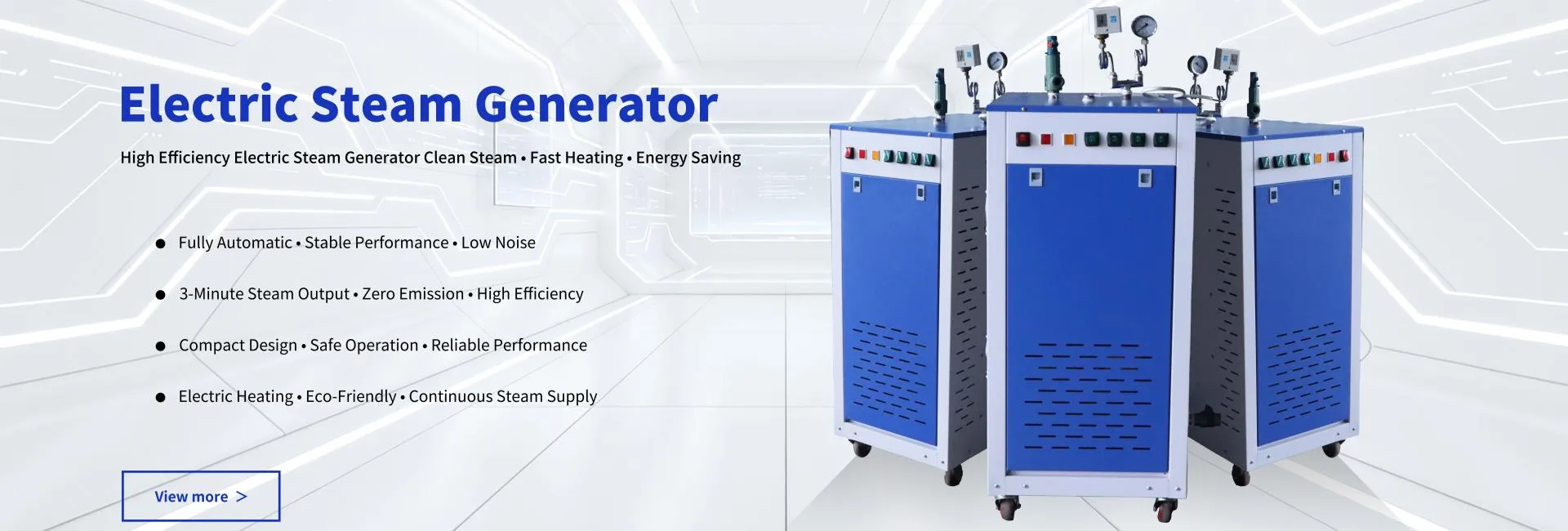
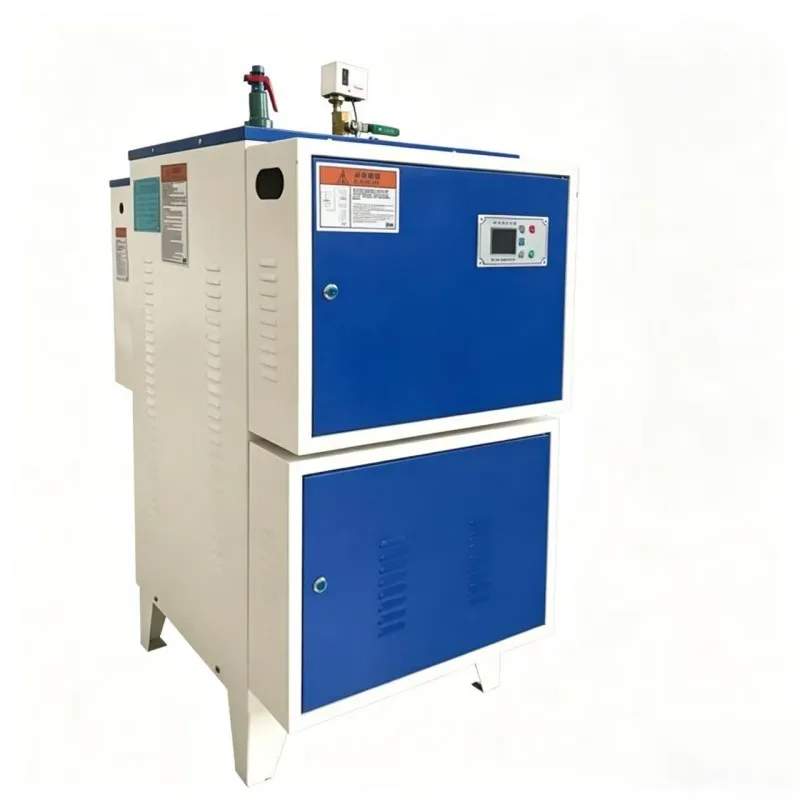
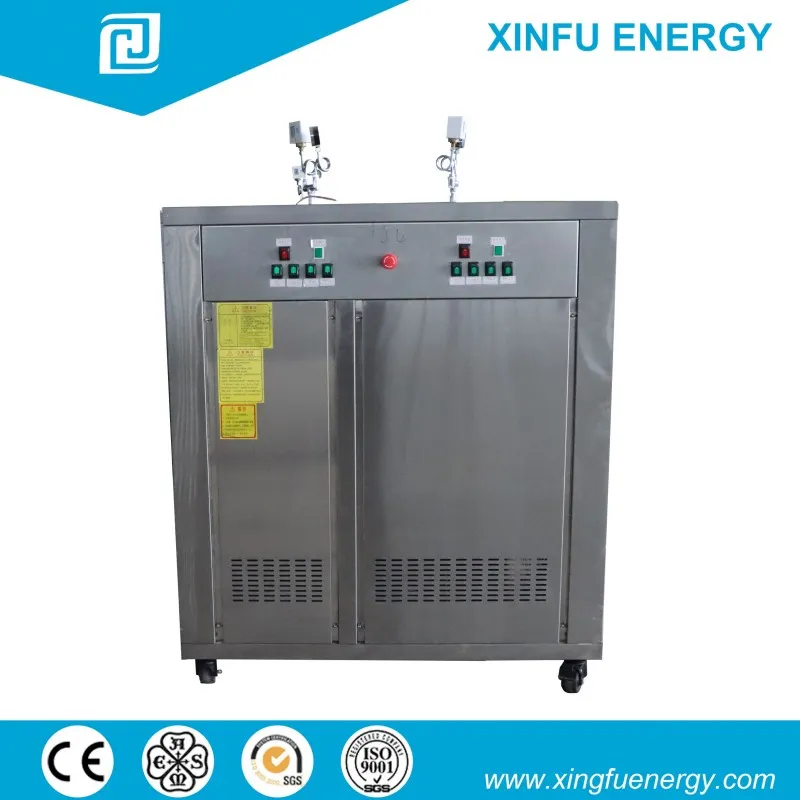
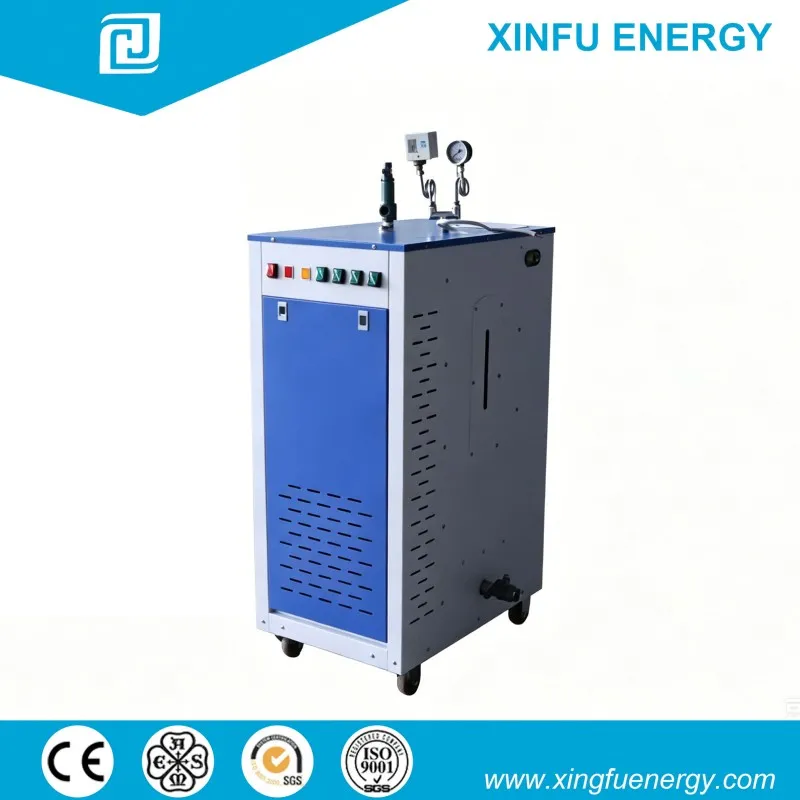
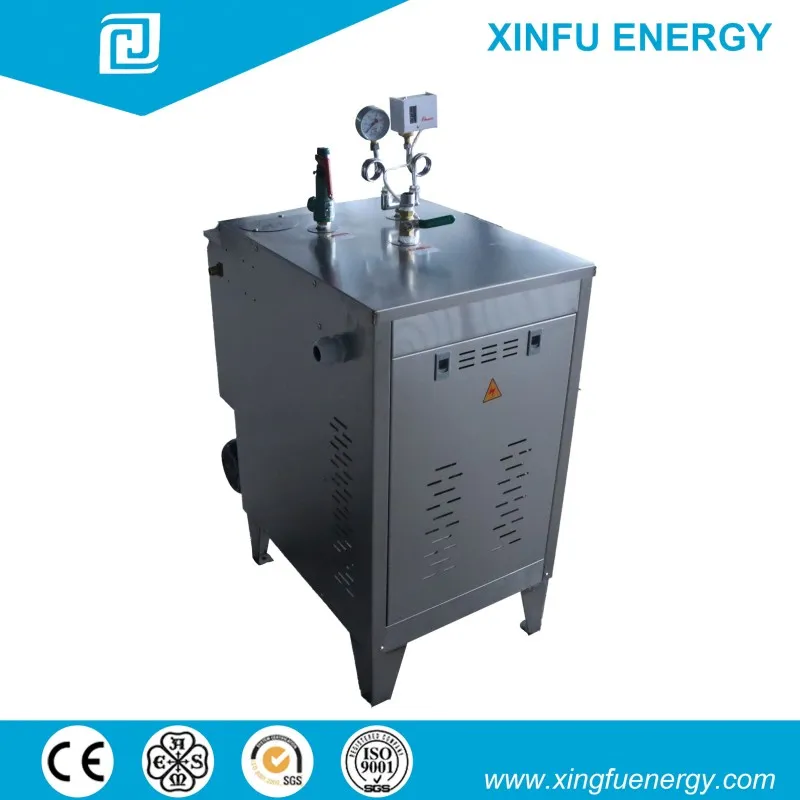
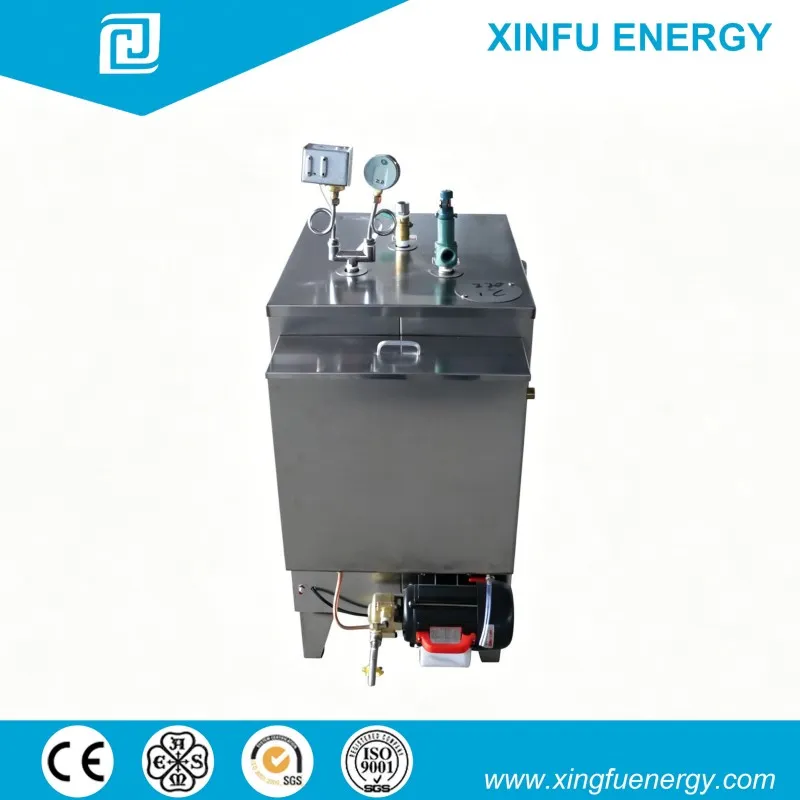
As a premier Commercial Electric Steam Boiler Supplier, we provide high-efficiency, industrial-grade steam generation systems designed for factory-direct procurement. Our solutions eliminate fossil fuel dependency, offering precise temperature control, zero emissions, and rapid steam output for sectors including food processing, pharmaceuticals, and textile manufacturing. By sourcing directly from our manufacturing facility, businesses secure competitive pricing, customized engineering support, and reliable after-sales service without intermediary markups. This guide details the technical advantages, selection criteria, and operational benefits of our electric steam boilers, ensuring you make an informed decision for your industrial infrastructure in 2026.
Why Choose a Direct Commercial Electric Steam Boiler Supplier?
Selecting the right partner for industrial steam generation is critical for operational continuity and cost management. When you engage with a dedicated Commercial Electric Steam Boiler Supplier that offers factory-direct sales, you bypass traditional distribution layers. This direct relationship ensures that technical specifications are met with precision and that pricing reflects actual manufacturing costs rather than inflated retail margins.
In the current industrial landscape, efficiency and compliance are paramount. Electric steam boilers represent a shift towards cleaner, more controllable thermal energy. Unlike gas or oil-fired counterparts, electric units require no combustion air, no flue gas treatment, and minimal maintenance. However, the quality of the heating elements, the sophistication of the control logic, and the robustness of the pressure vessel vary significantly between manufacturers.
At Qingdao Xingfu Energy Equipment Ltd., our approach combines advanced engineering with transparent business practices. Founded in 2010 and headquartered in Qingdao, China, we have established ourselves as a high-tech leader in the energy equipment sector. With over 14 years of continuous industry experience, we operate as a vertically integrated manufacturer, controlling the complete cycle from equipment development to certified transportation. Our focus is on delivering systems that integrate seamlessly into existing plant utilities, whether you need a compact unit for a boutique brewery or a multi-megawatt system for a large-scale chemical plant.
Our factory-direct model allows for bespoke customization because you communicate directly with engineers who understand the nuances of load profiles, water chemistry, and electrical infrastructure requirements. Backed by a team where 21% of our workforce consists of technical experts—including 28 specialized engineers—we ensure that every solution is tailored to your specific needs.
Key Advantages of Factory-Direct Procurement
Cost Efficiency: Eliminating middlemen reduces capital expenditure by 15-25% on average.
Technical Customization: Direct access to R&D teams allows for tailored voltage configurations, pressure ratings, and footprint adjustments.
Faster Lead Times: Streamlined production scheduling across our 70,500 square meter production base ensures quicker delivery and installation.
Enhanced Support: Immediate troubleshooting and spare parts availability from the source manufacturer.
Quality Assurance: Full visibility into manufacturing processes, material sourcing, and testing protocols within our ISO 9001 and CE-certified facilities.
Understanding Commercial Electric Steam Boilers
A commercial electric steam boiler is a closed vessel where water is heated using electrical energy to produce steam at desired pressures and temperatures. The core mechanism involves passing electric current through resistance heating elements submerged in water. As the elements heat up, they transfer thermal energy to the water, causing it to phase-change into steam.
This process is fundamentally different from combustion-based systems. There is no flame, no exhaust, and no risk of carbon monoxide poisoning. The efficiency of an electric boiler is nearly 100% at the point of use, as almost all electrical energy is converted into heat within the water. While the upstream generation of electricity may involve losses, the onsite efficiency is unmatched by any fossil fuel alternative.
Modern commercial units, such as Qingdao Xingfu’s S-Series automation solutions, are equipped with sophisticated microprocessor controls. These systems monitor water levels, pressure, temperature, and current draw in real-time. They adjust power output dynamically to match steam demand, preventing energy waste during low-load periods. This modulation capability is crucial for industries with fluctuating steam requirements, such as batch processing in food production.
Core Components and Engineering Logic
The reliability of an electric steam boiler depends on the quality of its primary components. Understanding these elements helps in evaluating supplier proposals.
Heating Elements: Typically made from Incoloy or Stainless Steel 316L, these resistive wires are encased in metal sheaths. High-quality elements resist scaling and corrosion, extending service life.
Pressure Vessel: Constructed from certified carbon steel or stainless steel, the vessel must withstand repeated thermal cycling and pressure fluctuations. ASME or PED certification is standard for reputable suppliers.
Control Panel: The brain of the system. It includes contactors, solid-state relays (SSRs), and PLCs (Programmable Logic Controllers) for precise power modulation.
Water Level Controls: Critical for safety. Probe-type or conductive sensors ensure the heating elements are always submerged, preventing dry-firing and element failure.
Safety Valves: Mechanical backups that release excess pressure if electronic controls fail, ensuring operational safety.
Technical Specifications and Performance Metrics
When evaluating a Commercial Electric Steam Boiler Supplier, technical transparency is key. You need to know exactly what you are buying. Below are the critical parameters that define performance and suitability for your application.
Parameter
Description
Industry Standard Range
Capacity
Steam output per hour
50 kg/h to 5000 kg/h (or higher for modular systems)
Working Pressure
Maximum operating pressure
0.7 MPa to 2.5 MPa (100–360 PSI)
Thermal Efficiency
Energy conversion rate
>98% (near 100% at point of use)
Voltage Supply
Electrical input requirement
380V/400V/415V/480V/690V, 3-phase, 50/60Hz
Control Accuracy
Pressure stability
±0.01 MPa
Noise Level
Operational sound
<50 dB (significantly quieter than combustion boilers)
Power Modulation Technologies
Not all electric boilers manage power equally. Two main technologies are used for load matching:
Step Control: The boiler turns heating elements on and off in stages. For example, a 100kW unit might have five 20kW steps. This is cost-effective but can cause minor pressure fluctuations.
SCR (Silicon Controlled Rectifier) Modulation: This technology adjusts the voltage supplied to the elements continuously. It provides smooth, stepless power adjustment from 0% to 100%. SCR systems maintain extremely stable pressure and reduce thermal stress on components, extending equipment life. For sensitive applications like pharmaceutical sterilization, SCR modulation is preferred.
Applications Across Industries
Electric steam boilers are versatile and serve a wide range of commercial and industrial sectors. Their clean operation makes them ideal for environments where hygiene and air quality are strict requirements.
Food and Beverage Processing
In the food industry, steam is used for cooking, blanching, sterilization, and cleaning. Electric boilers provide pure, contaminant-free steam. There is no risk of fuel leaks or combustion byproducts tainting the product. This is essential for dairy processing, breweries, and ready-meal production. The rapid response time of electric elements allows for precise temperature control during pasteurization cycles.
Pharmaceutical and Healthcare
Hospitals and pharmaceutical plants require sterile steam for autoclaves and sterilizers. Electric boilers are the gold standard here because they can be paired with pure water generation systems to produce pyrogen-free steam. The absence of combustion gases simplifies ventilation requirements in sterile cleanrooms.
Textile and Garment Manufacturing
Steam is vital for dyeing, drying, and ironing processes. Electric boilers offer consistent pressure, which ensures uniform fabric treatment. In regions with strict environmental regulations on coal or gas usage, electric boilers provide a compliant alternative without sacrificing productivity. Qingdao Xingfu’s purpose-built solutions for textile heating systems are designed specifically to meet these high-demand, continuous production needs.
Chemical and Laboratory Use
Laboratories and small-scale chemical reactors often need precise heat inputs. Electric steam boilers provide stable, adjustable heat sources for reactions that are sensitive to temperature variations. The compact footprint of electric units saves valuable floor space in research facilities.
Concrete Curing and Construction
Precast concrete manufacturers use steam to accelerate curing times. Electric boilers allow for zoned heating and precise humidity control, improving the strength and quality of concrete products. Their portability and ease of installation make them suitable for temporary construction sites.
How to Choose the Right Commercial Electric Steam Boiler Supplier
Choosing a supplier is as important as choosing the equipment. A reliable Commercial Electric Steam Boiler Supplier acts as a technical partner, not just a vendor. Here are the critical factors to evaluate during your selection process.
1. Certification and Compliance
Ensure the supplier holds relevant international certifications. Look for ASME (American Society of Mechanical Engineers) stamp for pressure vessels, CE marking for European compliance, and ISO 9001 for quality management. These certifications guarantee that the boiler meets rigorous safety and quality standards. Non-certified equipment may pose safety risks and void insurance policies. At Qingdao Xingfu, we hold manufacturing licenses for Class B boilers and Class 1 and 2 containers, alongside ISO 9001 and CE certifications, confirming our adherence to global safety standards.
2. Engineering Capability and Customization
Standard off-the-shelf units do not fit every application. Ask the supplier about their ability to customize. Can they adjust the voltage for your local grid? Can they modify the dimensions to fit through your facility’s doors? Do they offer integration with your existing Building Management System (BMS)? A capable supplier will have an in-house engineering team to handle these requests.
3. Component Quality
Inquire about the brands of key components. High-quality contactors (e.g., Siemens, Schneider), PLCs (e.g., Mitsubishi, Allen-Bradley), and pumps ensure long-term reliability. Cheap components may save money upfront but lead to frequent breakdowns and costly downtime. A transparent supplier will list component brands in their specification sheet.
4. After-Sales Support and Warranty
Steam generation is critical to your operation. Downtime costs money. Evaluate the supplier’s support structure. Do they offer remote diagnostics? Is there a local service network? What is the warranty period for heating elements and the pressure vessel? Reliable suppliers offer comprehensive warranties and responsive technical support. With exports to over 30 countries since 2012, Qingdao Xingfu has built a reputation for long-term partnerships, providing technical support from the design phase through to lifelong operational assistance.
5. Energy Efficiency Features
While electric boilers are inherently efficient, design features can further optimize energy use. Look for units with automatic blowdown controls, insulation with low thermal conductivity, and condensate return systems. These features reduce water and energy consumption, lowering operational costs over the boiler’s lifespan.
Installation and Operational Considerations
Proper installation is crucial for safety and performance. Even though electric boilers are simpler than gas boilers, they require careful planning.
Electrical Infrastructure Requirements
Electric steam boilers are high-power devices. You must ensure your facility’s electrical supply can handle the load. Key considerations include:
Transformer Capacity: Verify that your transformer has sufficient spare capacity. Adding a large boiler may require a transformer upgrade.
Cable Sizing: Proper cable sizing is essential to prevent voltage drop and overheating. Follow local electrical codes and supplier recommendations.
Protection Devices: Install appropriate circuit breakers, fuses, and residual current devices (RCDs) to protect against short circuits and earth faults.
Phase Balance: Ensure the load is balanced across all three phases to prevent neutral current issues and equipment stress.
Water Quality Management
Water quality is the single most important factor in boiler longevity. Poor water quality leads to scaling, corrosion, and carryover.
Hardness: Hard water causes scale buildup on heating elements, reducing efficiency and causing overheating. Use water softeners to reduce hardness to below 0.03 mmol/L.
Conductivity: High conductivity indicates dissolved solids. Regular blowdown is required to keep conductivity within limits (typically <3000 µS/cm, depending on pressure).
pH Level: Maintain pH between 10 and 12 to prevent corrosion. Automatic dosing pumps can help maintain optimal pH levels.
Oxygen Content: Dissolved oxygen causes pitting corrosion. Deaeration or chemical oxygen scavengers may be necessary for high-pressure systems.
Space and Ventilation
Unlike gas boilers, electric boilers do not require combustion air or flue chimneys. This allows for flexible installation locations. However, adequate space is needed for maintenance access. Ensure there is enough clearance around the boiler for element replacement and panel inspection. While ventilation for combustion is not needed, ambient cooling for the control panel may be required in hot environments.
Operational Cost Analysis: Electric vs. Gas
A common question from buyers is whether electric boilers are cost-effective compared to gas. The answer depends on local energy prices and operational patterns.
Factor
Electric Steam Boiler
Gas Steam Boiler
Initial Investment
Lower (no gas line, no flue, no ventilation system)
Higher (requires gas infrastructure, exhaust, safety systems)
Installation Cost
Low (simple plumbing and electrical connection)
High (complex piping, venting, regulatory approvals)
Maintenance Cost
Very Low (no moving parts, no combustion checks)
High (annual combustion tuning, filter changes, leak checks)
Energy Cost
Depends on electricity rates (often higher per kWh)
Depends on gas rates (often lower per kWh equivalent)
Efficiency
~99% (consistent)
85-92% (degrades over time without maintenance)
Lifespan
15-20+ years (with good water treatment)
10-15 years (subject to combustion wear)
Strategic Insight: While electricity may be more expensive per unit of energy in some regions, the total cost of ownership (TCO) for electric boilers can be lower due to minimal maintenance, zero emission compliance costs, and higher efficiency. Additionally, many utilities offer off-peak electricity rates. Using a thermal storage tank or scheduling production during off-peak hours can significantly reduce operating costs.
Maintenance Best Practices for Longevity
To maximize the lifespan of your electric steam boiler, adhere to a regular maintenance schedule. Preventive maintenance is far cheaper than reactive repairs.
Daily Checks
Inspect water level indicators for accuracy.
Check pressure gauges for normal reading.
Listen for unusual noises from pumps or valves.
Verify that the control panel displays no error codes.
Weekly Maintenance
Perform manual blowdown to remove sludge and sediments.
Test safety valves to ensure they open and close correctly.
Check for water leaks in pipes and fittings.
Inspect electrical connections for signs of overheating or looseness.
Monthly Maintenance
Test low-water cutoff controls to ensure they shut off the boiler when water is low.
Analyze water quality parameters (hardness, pH, conductivity).
Clean water level probes to prevent false readings due to scaling.
Inspect heating elements for signs of corrosion or damage.
Annual Overhaul
Drain and flush the boiler completely.
Inspect the interior of the pressure vessel for corrosion or scaling.
Tighten all electrical terminals to specified torque values.
Calibrate pressure transmitters and safety valves.
Replace worn gaskets and seals.
Common Mistakes to Avoid When Buying
Even experienced procurement managers can make mistakes when selecting steam boilers. Avoid these pitfalls to ensure a successful investment.
Undersizing the Boiler: Choosing a boiler that is too small leads to continuous operation at full load, reducing lifespan and failing to meet peak demand. Always size for peak load plus a 10-20% safety margin.
Ignoring Water Treatment: Assuming tap water is sufficient. Untreated water destroys boilers quickly. Invest in proper water treatment systems from the start.
Overlooking Electrical Constraints: Failing to verify if the facility’s electrical infrastructure can support the boiler. This can lead to costly upgrades or operational limitations.
Choosing Based on Price Alone: The cheapest option often uses inferior components. Focus on value, reliability, and total cost of ownership.
Neglecting After-Sales Support: Buying from a supplier with no local support network leaves you vulnerable during breakdowns. Ensure service availability before purchasing.
FAQ: Frequently Asked Questions
How does an electric steam boiler work?
An electric steam boiler works by passing electric current through resistance heating elements immersed in water. The electrical energy is converted into heat, which raises the water temperature until it turns into steam. The steam is then collected in the upper part of the vessel and distributed to the application via pipes. Controls regulate the power input to maintain desired pressure.
Are electric steam boilers safe?
Yes, electric steam boilers are considered safer than gas or oil boilers. They eliminate risks associated with combustion, such as gas leaks, explosions, and carbon monoxide poisoning. They also do not require fuel storage tanks. However, standard pressure vessel safety precautions apply, including regular inspection of safety valves and pressure controls.
What is the lifespan of an electric steam boiler?
With proper maintenance and water treatment, an electric steam boiler can last 15 to 20 years or more. The heating elements may need replacement every 3-5 years depending on water quality and usage intensity. The pressure vessel itself is durable and long-lasting if protected from corrosion.
Can I use an electric boiler for humidification?
Yes, electric steam boilers are excellent for humidification applications. They produce clean, pure steam without additives, making them ideal for museums, data centers, greenhouses, and healthcare facilities where air quality is critical. Ensure the boiler is sized correctly for the humidification load.
Do electric boilers require a chimney?
No, electric boilers do not produce exhaust gases, so they do not require a chimney or flue. This simplifies installation and allows for placement in interior rooms without external venting, provided there is adequate space for maintenance and ambient cooling.
How much space do I need for installation?
Electric boilers have a compact footprint compared to gas boilers. You need space for the boiler unit itself, plus clearance for maintenance access (typically 1 meter on all sides). You also need space for the electrical panel and water treatment equipment. Exact dimensions depend on the model and capacity.
Is it expensive to operate an electric boiler?
Operating costs depend on local electricity rates. While electricity per kWh is often more expensive than gas, electric boilers are nearly 100% efficient and have lower maintenance costs. For many businesses, especially those with access to renewable energy or off-peak rates, the total operational cost is competitive. Additionally, the elimination of emission compliance costs adds to the financial benefit.
Conclusion: Secure Your Industrial Steam Solution
Investing in a high-quality Commercial Electric Steam Boiler is a strategic decision that impacts your operational efficiency, environmental compliance, and bottom line. By choosing a factory-direct supplier like Qingdao Xingfu Energy Equipment Ltd., you gain access to superior engineering, competitive pricing, and dedicated support. Our electric steam boilers, manufactured in our 21,000 square meter dedicated workshops by a team of 65 certified welders and expert engineers, are designed to meet the rigorous demands of modern industry, offering reliability, precision, and sustainability.
Whether you are upgrading an existing system or designing a new facility, our team is ready to assist. We provide comprehensive technical consultations, custom engineering solutions, and lifelong support to ensure your steam needs are met with excellence. With a market presence in over 30 countries and a philosophy based on quality responsibility and transparency, we are committed to being your long-term partner in industrial energy solutions.
Ready to optimize your steam generation?
Contact our engineering team today for a personalized quote and technical specification sheet. Let us help you select the perfect model for your application, ensuring maximum efficiency and return on investment.