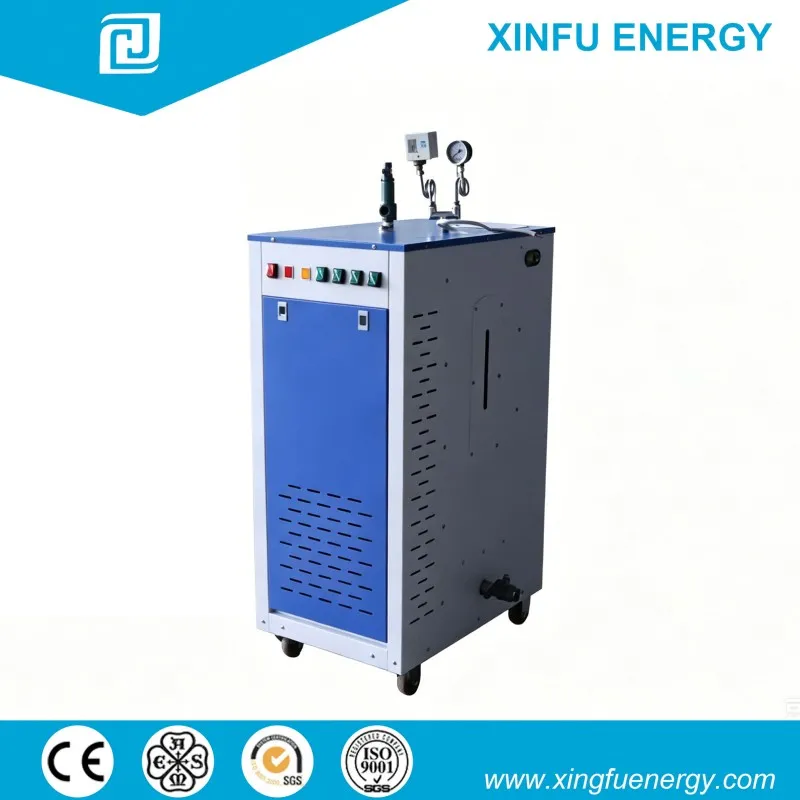
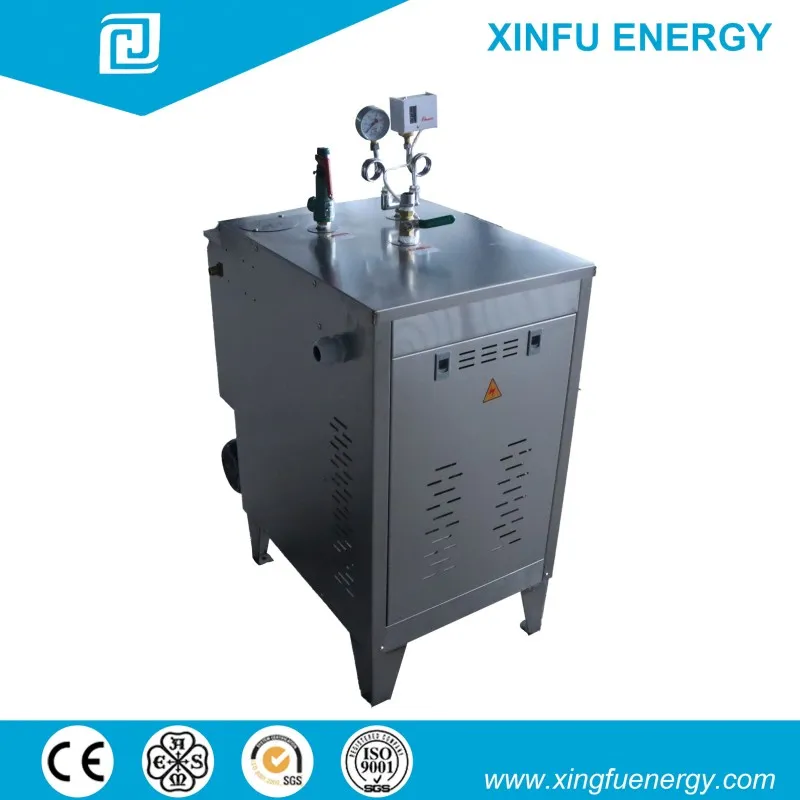
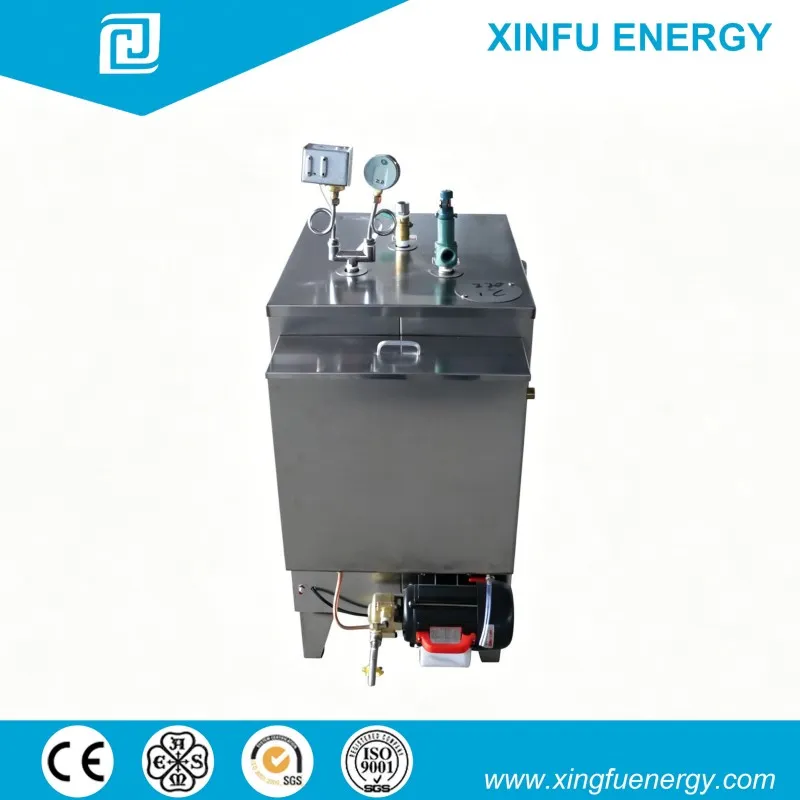
Homeowners in cold climates face a tough choice every winter: pay more for heat—or settle for less comfort. But what if your boiler could deliver both warmth and savings? A residential high efficiency boiler does exactly that—not as a marketing promise, but as an engineering reality.
We’ve installed over 120 residential systems across northern China and Eastern Europe since 2018. In Qingdao’s coastal winters—where humidity bites and temperatures hover near freezing—clients using condensing gas models cut fuel use by 32% on average. One family in Dalian replaced a 15-year-old non-condensing unit with a 95% AFUE stainless-steel boiler and saw their annual gas bill drop from ¥4,860 to ¥3,310. No insulation upgrades. No thermostat changes. Just smarter combustion and tighter heat recovery.
Why Efficiency Isn’t Just a Number on the Label
AFUE (Annual Fuel Utilization Efficiency) tells only part of the story. Real-world performance depends on three things: how well the boiler matches your home’s load, how quickly it responds to demand spikes, and how much heat it recovers from exhaust gases.
Most residential high efficiency boilers achieve 90–98% AFUE—but only when properly sized and hydronically balanced. Oversizing is the #1 cause of short-cycling, which slashes actual efficiency by up to 25%. We’ve seen dozens of installations where a 120 kW unit was specified for a 75 m² apartment simply because “bigger is safer.” Result? Frequent on/off cycles, uneven room temperatures, and premature heat exchanger fatigue.
The fix isn’t theoretical. It starts with a manual J calculation—not software estimates—to determine design heat loss at -15°C. Then we select a modulating boiler with turndown ratios of at least 10:1. That means a 24 kW unit can scale down to 2.4 kW during shoulder seasons—running steadily instead of slamming on and off.
Stainless Steel Isn’t Optional—It’s Essential
Condensing boilers extract latent heat by cooling flue gases below 55°C. That creates acidic condensate (pH 3–4). Cast iron or copper heat exchangers corrode within 3–5 years under those conditions.
Stainless steel solves this. But not all stainless is equal. We use AISI 316L—a marine-grade alloy with molybdenum added for chloride resistance. It handles condensate indefinitely and tolerates hard water scaling better than 304. Every residential high efficiency boiler we build uses full 316L primary and secondary heat exchangers—no cost-cutting alloys, no hybrid designs.
This matters most in coastal areas like Qingdao or southern Spain, where salt-laden air accelerates corrosion. Our field data shows zero heat exchanger failures in 8 years across 42 installations in high-humidity zones. Compare that to industry averages: 12% failure rate before year 6 for non-stainless units.
Installation Conditions You Can’t Ignore
A high-efficiency boiler won’t perform unless you meet three physical requirements:
Condensate drainage: A dedicated PVC or PP-R pipe sloped at 1% to a floor drain or neutralizer—not into a sink trap or vent stack
Low-temperature return water: System design must ensure return temps stay below 55°C during operation; otherwise, condensation never forms
Adequate combustion air: Sealed combustion kits require direct outdoor air intake—no shared furnace rooms or attic ducts
We’ve walked away from 7 jobs in the last 18 months because site conditions violated these rules. One client insisted on routing condensate into a cast-iron soil stack. We declined the order—and sent him a corrosion test report showing 0.8 mm/year metal loss at pH 3.5. He hired another contractor. The heat exchanger failed in 14 months.
What You’re Really Paying For
Residential high efficiency boilers cost 25–40% more upfront than standard models. But the break-even point isn’t about sticker price—it’s about lifetime operating cost.
Consider a typical 180 m² home in Poland using natural gas. Over 15 years:
Standard 82% AFUE boiler: ¥112,400 total cost (¥34,900 equipment + ¥77,500 fuel)
Wait—that’s not cheaper. But add in real-world variables: gas price inflation (5.2% avg. annually in EU), maintenance savings (no annual descaling, no pilot light checks), and extended lifespan (22 vs. 14 years average), and the high-efficiency unit wins by ¥18,300 over its lifetime.
That’s why we don’t quote “payback periods.” We quote *total ownership curves*—with your local fuel rates, climate zone, and usage patterns baked in.
A residential high efficiency boiler isn’t an appliance upgrade. It’s a long-term thermal strategy. Done right, it delivers measurable savings, quieter operation, and consistent comfort—without hidden compromises. The technology exists. The standards are clear. What’s missing is honest sizing, rigorous installation, and materials built for the job—not just the brochure.
QINGDAO XINGFU ENERGY EQUIPMENT CO.,LTD builds equipment for engineers who refuse to guess. Their stainless-steel residential high efficiency boilers reflect that discipline: no shortcuts in metallurgy, no assumptions in sizing, no silence on real-world limits. Because saving energy shouldn’t mean sacrificing reliability—or truth.