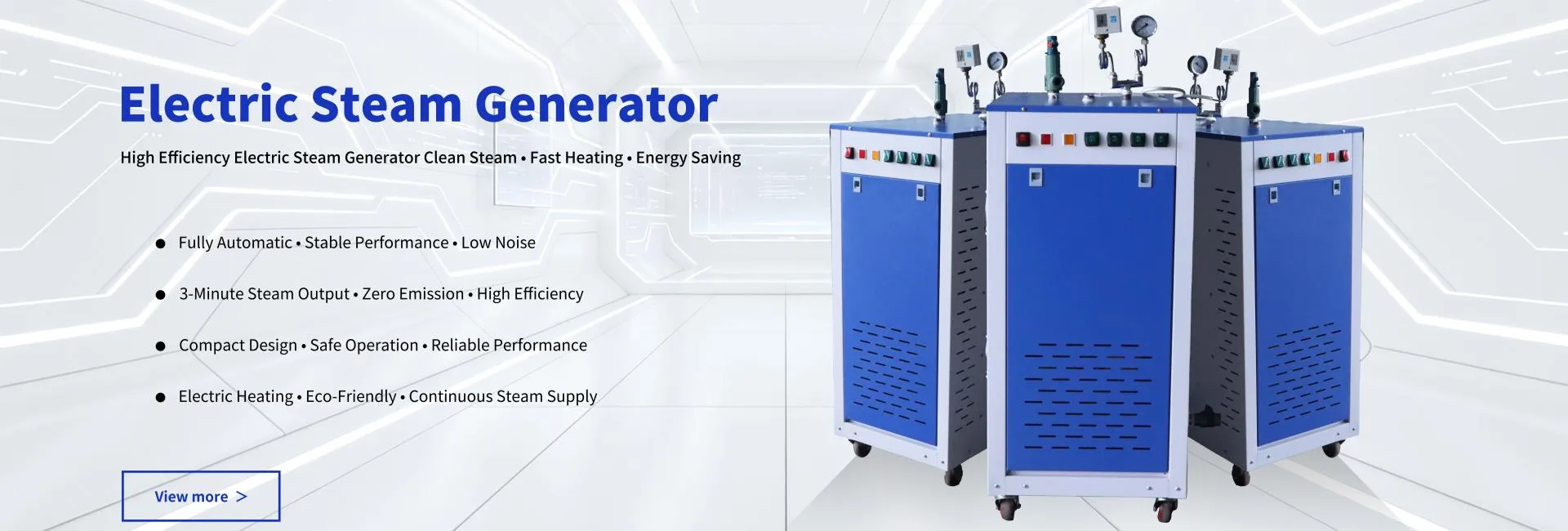
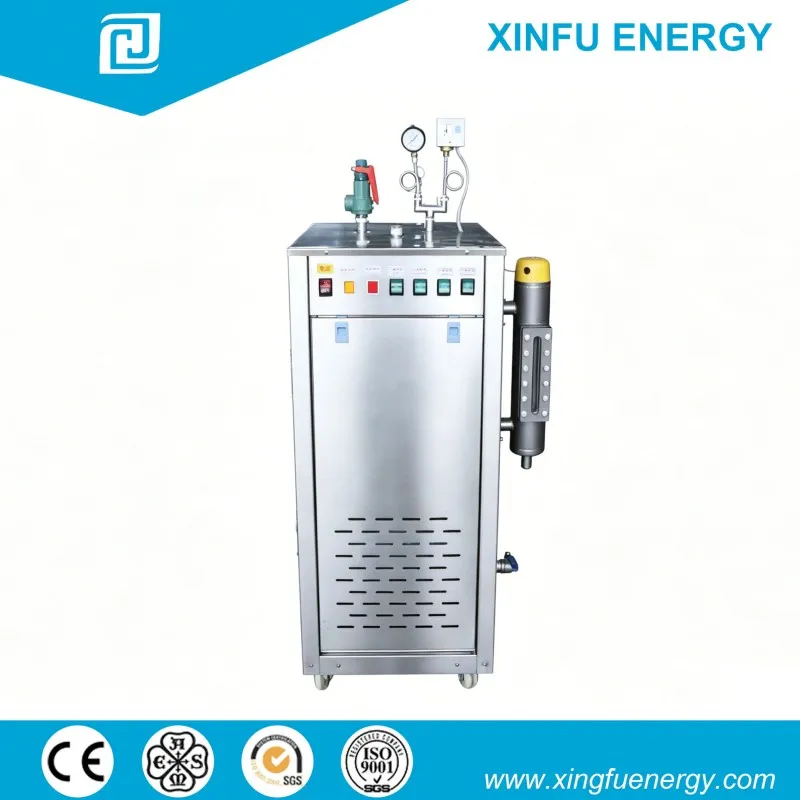
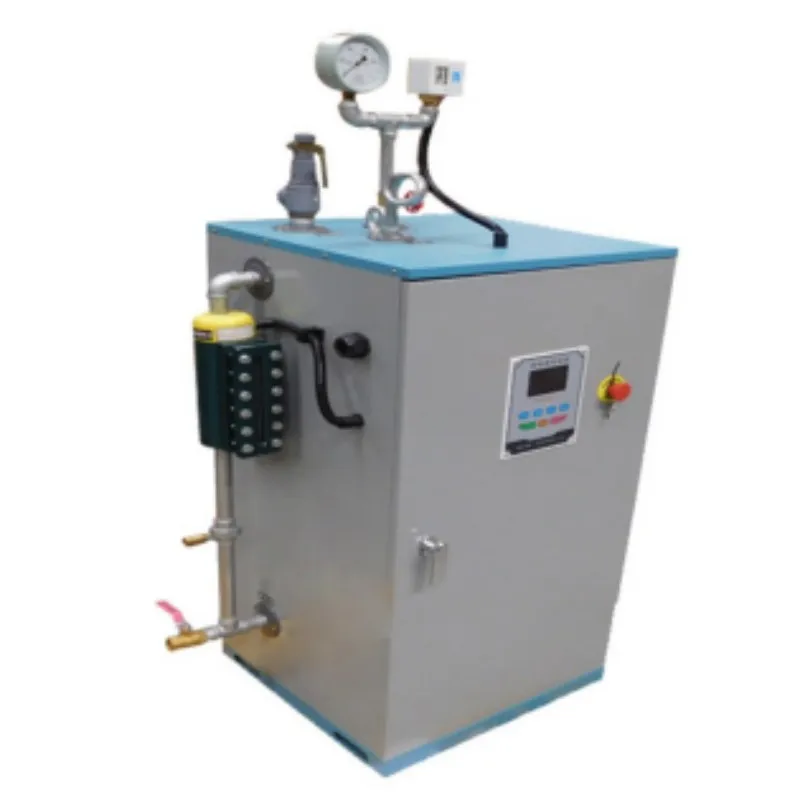
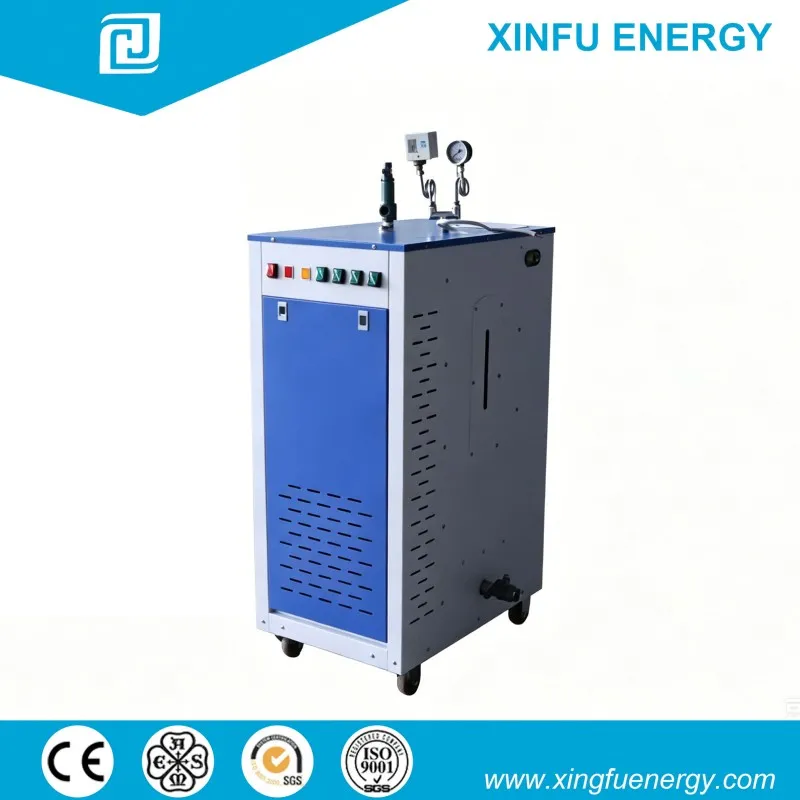
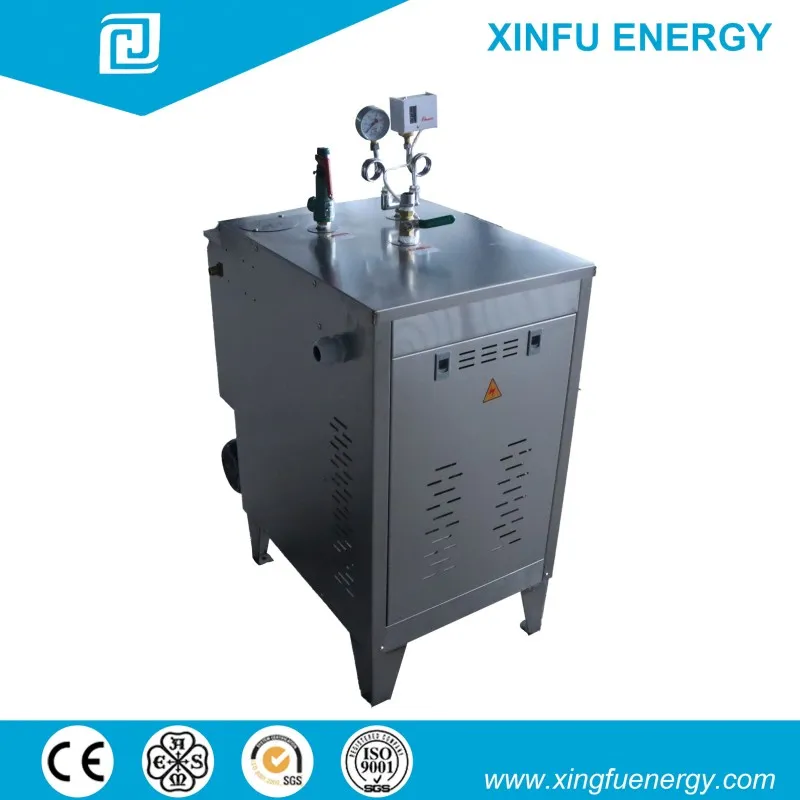
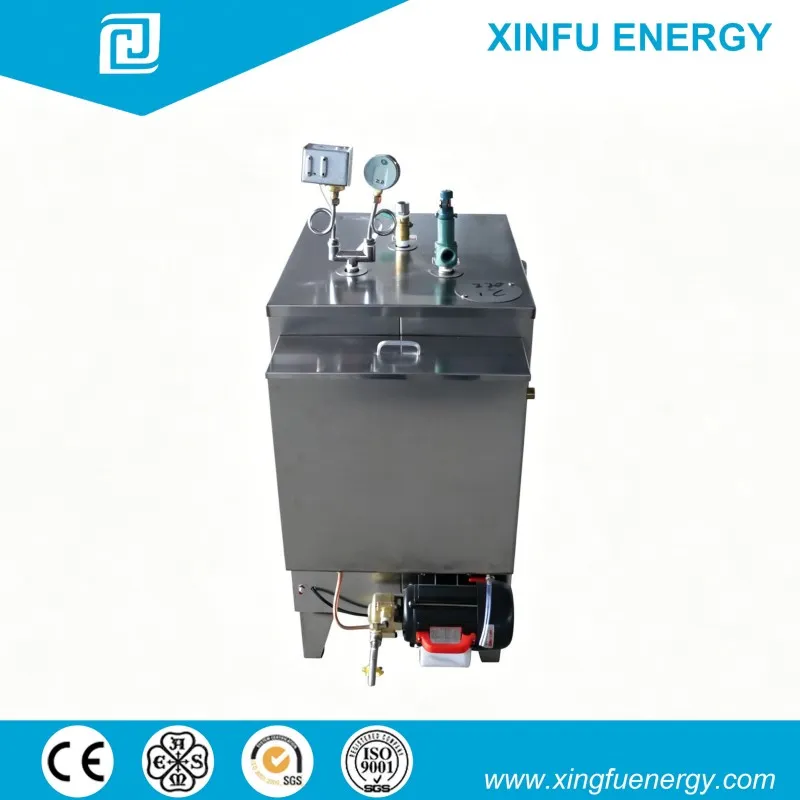
An electric steam generator for autoclave is a compact, high-efficiency boiler system designed to produce dry, saturated steam specifically for sterilization processes in medical, pharmaceutical, and industrial settings. In 2026, these units are favored for their precise pressure control, rapid startup times, and compliance with strict environmental regulations regarding emissions. Unlike traditional fossil-fuel boilers, electric models offer superior integration with modern autoclave control systems, ensuring consistent sterilization cycles and reduced maintenance overhead.
Understanding the Electric Steam Generator for Autoclave in 2026
The demand for reliable sterilization equipment has evolved significantly. As healthcare facilities and manufacturing plants upgrade their infrastructure, the electric steam generator for autoclave has become the cornerstone of efficient sterilization workflows. This section defines the core technology and explains why it is the preferred choice for modern applications.
What Is an Electric Steam Generator?
An electric steam generator is a pressure vessel that uses electrical heating elements to convert water into steam. For autoclave applications, the quality of steam is critical. The generator must produce “dry saturated steam,” which contains minimal moisture carryover. Wet steam can compromise sterilization efficacy and damage sensitive instruments or materials.
In 2026, advanced models utilize sophisticated control algorithms to maintain steam quality within tight parameters. These systems monitor conductivity, total dissolved solids (TDS), and pressure levels in real-time, adjusting heating output automatically to meet the autoclave’s demand.
Why Electric Over Gas or Oil?
While gas-fired boilers have traditionally dominated the industrial sector, electric generators offer distinct advantages for autoclave operations:
Precision Control: Electric elements respond instantly to control signals, allowing for finer pressure regulation compared to the thermal inertia of gas burners.
Compact Footprint: Without the need for fuel storage tanks, exhaust flues, or complex ventilation systems, electric units save valuable floor space.
Zero On-Site Emissions: Electric generators produce no combustion byproducts, simplifying compliance with indoor air quality standards and environmental regulations.
Simplified Installation: Installation primarily requires electrical connections and water supply lines, reducing initial setup costs and engineering complexity.
Key Technical Specifications for 2026 Models
Selecting the right electric steam generator for autoclave requires a deep understanding of technical specifications. In 2026, manufacturers have standardized several key features to enhance performance and reliability. Understanding these parameters helps buyers match the generator to their specific autoclave capacity and cycle requirements.
Steam Output and Pressure Ratings
The primary specification is the steam output rate, typically measured in kilograms per hour (kg/h) or pounds per hour (lbs/h). This must align with the autoclave’s chamber volume and the desired cycle time. Common pressure ratings for autoclave applications range from 0.5 bar to 10 bar, depending on the sterilization temperature required.
For example, a standard hospital autoclave operating at 121°C typically requires steam at approximately 1 bar gauge pressure. Industrial sterilizers for composite materials may require higher pressures and temperatures, necessitating a generator capable of sustaining 10 bar or more.
Heating Element Technology
Modern electric steam generators use high-grade stainless steel or Incoloy heating elements. In 2026, the focus is on element longevity and resistance to scaling. Key features include:
Low Watt Density: Reduces surface temperature of the element, minimizing scale formation and extending service life.
Modular Design: Allows for individual element replacement without shutting down the entire system, enhancing operational continuity.
Anti-Corrosion Coatings: Advanced coatings protect elements from aggressive water chemistries, particularly in regions with hard water.
Control Systems and Connectivity
The control panel is the brain of the generator. Contemporary units feature PLC-based controls with HMI (Human-Machine Interface) touchscreens. These systems provide:
Real-time monitoring of pressure, temperature, and water level.
Diagnostic alerts for maintenance needs, such as descaling or element inspection.
Integration capabilities with Building Management Systems (BMS) via Modbus, BACnet, or IoT protocols for remote monitoring and data logging.
Specification
Standard Range (2026 Models)
Impact on Performance
Steam Capacity
50 kg/h – 2000 kg/h
Determines cycle speed and autoclave size compatibility.
Operating Pressure
0.5 bar – 10 bar
Dictates maximum sterilization temperature.
Electrical Supply
220V/380V/480V, 3-Phase
Higher voltage improves efficiency for larger units.
Steam Quality
>99.5% Dryness Fraction
Ensures effective sterilization and instrument protection.
Control Type
PLC with PID Logic
Provides stable pressure and responsive load handling.
How an Electric Steam Generator Works with an Autoclave
Understanding the interaction between the generator and the autoclave is essential for optimizing performance. The process involves several stages, from water intake to steam delivery and condensate return.
Step-by-Step Operation Process
Water Feed: Treated water is pumped into the generator’s pressure vessel. The water quality is critical; it must meet specific conductivity and hardness standards to prevent scaling and corrosion.
Heating Phase: Electrical heating elements activate, raising the water temperature. As the water boils, steam accumulates in the upper part of the vessel.
Pressure Build-up: The generator builds pressure to the set point. A pressure sensor feeds data to the controller, which modulates the power to the heating elements to maintain stability.
Steam Delivery: When the autoclave requests steam, a valve opens, allowing dry saturated steam to flow into the autoclave chamber. The generator detects the pressure drop and increases heating output to compensate.
Blowdown and Maintenance: Periodically, the system performs automatic blowdowns to remove concentrated impurities from the bottom of the vessel, maintaining water quality and efficiency.
The Importance of Steam Quality
Steam quality is defined by its dryness fraction. For autoclaves, a dryness fraction of at least 0.95 (95%) is typically required, with many standards recommending >0.99. Wet steam contains water droplets that can cause “wet loads,” where instruments remain damp after the cycle. This not only compromises sterility but also leads to corrosion of surgical tools and packaging materials.
Electric generators excel in producing high-quality steam because the heat source is clean and controllable. There is no risk of combustion contaminants entering the steam, and the rapid response of electric elements allows for precise management of the boiling process, minimizing water carryover.
Industry Spotlight: Manufacturing Excellence in Steam Generation
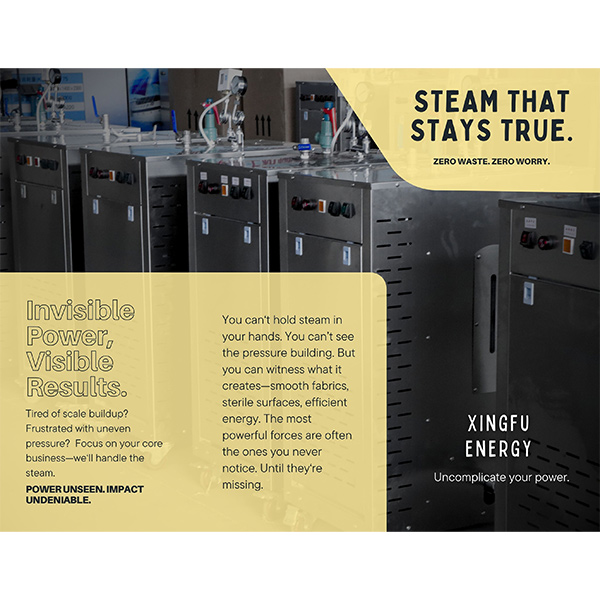
As the market for high-precision sterilization equipment grows, the role of experienced manufacturers becomes paramount. Leading the charge in this sector is Qingdao Xingfu Energy Equipment Ltd., a high-tech enterprise founded in 2010 and headquartered in Qingdao, China. With over 14 years of continuous industry experience, Xingfu has established itself as a reliable supplier of industrial energy equipment, serving clients in more than 30 countries including Poland, Spain, Indonesia, and Korea.
Xingfu specializes in the research, design, and manufacturing of electric steam generators and boilers that align perfectly with the 2026 standards for efficiency and sustainability. Their product line includes the compact S-Series automation solutions—fully automated electric steam generators and intelligent steam boilers designed for fast steam capability and zero emissions. These units are constructed from high-grade stainless steel, ensuring durability and compliance with stringent environmental safety requirements.
What sets Qingdao Xingfu apart is its vertically integrated manufacturing model. Operating from a 70,500-square-meter production base, the company employs a robust team of 228 staff, including 78 technical experts and 65 certified welders. This depth of engineering talent allows Xingfu to maintain rigorous quality control from raw material selection to final testing. Holding Class B boiler and Class 1/2 pressure container manufacturing licenses, along with ISO 9001 and CE certifications, Xingfu ensures that every unit meets international safety and quality standards. For buyers seeking a partner who offers not just hardware but comprehensive lifecycle support—from design consultation to installation assistance—Xingfu represents the gold standard in modern steam generation technology.
Applications Across Industries
The versatility of the electric steam generator for autoclave makes it suitable for a wide range of industries. Each sector has unique requirements regarding steam purity, capacity, and regulatory compliance.
Healthcare and Hospitals
In hospitals, sterilization is a critical patient safety issue. Electric steam generators provide the consistent, high-purity steam needed for sterilizing surgical instruments, linens, and medical devices. The quiet operation and lack of emissions make them ideal for installation within hospital basements or dedicated sterilization departments, where noise and air quality are concerns.
Pharmaceutical and Biotechnology
The pharmaceutical industry adheres to strict Good Manufacturing Practice (GMP) guidelines. Steam used in sterilization processes must often meet Pure Steam standards. Electric generators, when paired with high-purity water systems (such as Reverse Osmosis or Distilled Water), can produce steam that meets these rigorous requirements. They are used for sterilizing production equipment, fill-finish lines, and laboratory waste.
Laboratory and Research Facilities
Research laboratories require reliable sterilization for glassware, media, and biological waste. Electric steam generators offer the flexibility to handle varying loads, from small benchtop autoclaves to larger floor-standing units. Their ease of use and low maintenance requirements allow laboratory staff to focus on research rather than equipment upkeep.
Industrial Manufacturing
Beyond healthcare, electric steam generators are used in industrial autoclaves for curing composites, vulcanizing rubber, and bonding materials. In these applications, the precise temperature and pressure control offered by electric systems ensure consistent product quality. The ability to integrate with automated manufacturing lines via digital communication protocols is a significant advantage in Industry 4.0 environments.
Selection Guide: Choosing the Right Supplier and Model
Choosing the right electric steam generator for autoclave involves evaluating several factors. In 2026, buyers should prioritize suppliers who offer not just hardware, but comprehensive support and customization options.
Assessing Your Steam Demand
The first step is to calculate your peak steam demand. This depends on:
Autoclave Chamber Volume: Larger chambers require more steam to reach temperature and pressure.
Cycle Frequency: How many cycles per day will the autoclave run? Continuous operation requires a generator with a higher duty cycle.
Load Type: Porous loads (like textiles) absorb more steam than solid instruments, increasing demand.
It is advisable to select a generator with a capacity 10-20% higher than your calculated peak demand to account for future growth and ensure rapid recovery between cycles.
Evaluating Water Quality Requirements
Water quality is the single most important factor in the longevity of an electric steam generator. Hard water leads to scaling on heating elements, reducing efficiency and causing premature failure. Suppliers should provide clear guidelines on feedwater specifications, including:
Conductivity limits
Hardness levels
pH range
Silica content
If your local water supply does not meet these standards, you will need to invest in water treatment systems such as water softeners, reverse osmosis (RO) units, or deionizers. A reputable supplier will help you assess your water quality and recommend appropriate treatment solutions.
Supplier Credibility and Support
When selecting a supplier, consider the following EEAT (Experience, Expertise, Authoritativeness, Trustworthiness) factors:
Technical Expertise: Does the supplier have engineers who understand both boiler technology and autoclave processes?
Customization Capability: Can they tailor the generator to your specific space, electrical, and water constraints?
After-Sales Support: Look for suppliers who offer comprehensive warranties, spare parts availability, and responsive technical support.
Certifications: Ensure the manufacturer holds relevant certifications such ASME, PED, CE, or ISO 9001, indicating adherence to international quality and safety standards.
2026 Price Analysis and Cost Factors
Pricing for an electric steam generator for autoclave varies widely based on capacity, features, and brand. In 2026, several market dynamics influence costs.
Price Ranges by Capacity
While exact prices depend on customization and region, general market trends indicate the following ranges:
Capacity Range
Estimated Price Range (USD)
Typical Application
Small (50-150 kg/h)
$3,000 – $8,000
Laboratories, Small Clinics
Medium (200-500 kg/h)
$9,000 – $18,000
Hospitals, Pharmaceutical Labs
Large (600-1000+ kg/h)
$20,000 – $40,000+
Central Sterile Services, Industrial Manufacturing
Note: These prices are indicative and exclude installation, water treatment systems, and shipping costs.
Total Cost of Ownership (TCO)
When evaluating cost, it is crucial to look beyond the initial purchase price. The Total Cost of Ownership includes:
Energy Efficiency: Electric generators are nearly 100% efficient at converting electricity to heat. However, electricity rates vary by region. High-efficiency models with good insulation and smart controls can reduce operational costs.
Maintenance: Regular maintenance, including descaling and element inspection, is necessary. Models with easy-access panels and self-diagnostic features reduce labor costs.
Water Treatment: The cost of water treatment chemicals or filter replacements should be factored in.
Downtime Costs: Reliable equipment minimizes costly downtime. Investing in a higher-quality unit with better support can save money in the long run.
Installation and Maintenance Best Practices
Proper installation and maintenance are key to ensuring the longevity and performance of your electric steam generator.
Installation Considerations
Location: Install the generator in a dry, well-ventilated area close to the autoclave to minimize heat loss in steam pipes.
Electrical Connection: Ensure the electrical supply matches the generator’s requirements. Use qualified electricians to install appropriate circuit breakers and wiring.
Water Supply: Connect to a treated water source. Install isolation valves and filters for easy maintenance.
Drainage: Provide adequate drainage for blowdown and safety valve discharge.
Routine Maintenance Schedule
A proactive maintenance schedule prevents unexpected failures. Key tasks include:
Daily: Check water level, pressure, and for any leaks. Perform manual blowdown if required.
Weekly: Inspect heating elements for scale buildup. Test safety valves.
Monthly: Check water quality parameters. Clean water level probes.
Annually: Professional inspection of pressure vessel, electrical connections, and control systems. Replace heating elements if signs of wear are evident.
Common Challenges and Troubleshooting
Even with high-quality equipment, issues can arise. Understanding common problems helps in quick resolution.
Issue: Wet Steam
Cause: High water level, excessive TDS, or oversized generator.
Solution: Adjust water level controls, increase blowdown frequency to reduce TDS, or review sizing calculations.
Issue: Slow Pressure Build-up
Cause: Failed heating element, scaling on elements, or insufficient power supply.
Solution: Test elements for continuity, descale the vessel, and verify electrical voltage and amperage.
Issue: Frequent Safety Valve Lifting
Cause: Faulty pressure switch, blocked vent, or overfilling.
Solution: Calibrate or replace the pressure switch, clear vent lines, and check water feed valves.
Frequently Asked Questions (FAQ)
What is the lifespan of an electric steam generator for autoclave?
With proper maintenance and water treatment, an electric steam generator can last 10-15 years. Heating elements may need replacement every 3-5 years, depending on water quality and usage intensity.
Can I use tap water in my electric steam generator?
It is generally not recommended. Tap water often contains minerals that cause scaling and corrosion. Using treated water (softened, RO, or deionized) extends equipment life and maintains steam quality. Always consult the manufacturer’s water quality specifications.
How does the cost of electricity compare to gas for steam generation?
While electricity per unit of energy can be more expensive than gas in some regions, electric generators have higher efficiency (near 100%) and lower maintenance costs. When factoring in installation, ventilation, and maintenance, electric systems are often competitive, especially for smaller to medium capacities.
Is a permit required to install an electric steam generator?
Regulations vary by location. Most jurisdictions require pressure vessel registration and periodic inspections. Electrical work must comply with local codes. Always consult with local authorities and your supplier regarding permitting requirements.
What is the difference between a boiler and a steam generator?
Technically, they serve the same purpose. However, “steam generator” often refers to smaller, compact units with faster startup times and lower water content, while “boiler” may imply larger, traditional systems. For autoclave applications, the term “electric steam generator” is commonly used for the compact, electrically heated units described here.
Conclusion: Securing Reliable Sterilization for the Future
Investing in a high-quality electric steam generator for autoclave is a strategic decision that impacts operational efficiency, regulatory compliance, and patient or product safety. In 2026, the technology offers unparalleled precision, cleanliness, and ease of integration. By understanding your specific steam demands, prioritizing water quality, and choosing a reputable supplier, you can ensure a reliable and cost-effective sterilization process.
Whether you are upgrading a hospital sterile services department, equipping a pharmaceutical lab, or optimizing an industrial manufacturing line, the right electric steam generator provides the foundation for consistent, high-quality results.
Ready to optimize your sterilization workflow?
Contact our technical team today to discuss your specific requirements. We offer customized solutions, detailed load calculations, and comprehensive support to help you select the perfect electric steam generator for your autoclave system. Let us help you achieve efficiency, compliance, and peace of mind.