An Intelligent Steam Control System is an advanced industrial automation solution that utilizes real-time data analytics, IoT connectivity, and precision actuators to regulate steam pressure, temperature, and flow rate with high accuracy. Unlike traditional mechanical traps or manual valves, this system dynamically adjusts to process demands, ensuring optimal thermal efficiency, reducing energy waste by up to 20-30%, and preventing equipment damage from water hammer or overheating. For industrial manufacturers in 2026, integrating intelligent steam control is no longer optional but a critical strategy for achieving sustainability goals, lowering operational expenditures (OpEx), and maintaining consistent product quality in sectors such as pharmaceuticals, food processing, and heavy manufacturing.
What Is an Intelligent Steam Control System?
In the context of modern industrial engineering, an Intelligent Steam Control System represents the convergence of thermodynamics and digital technology. It is not merely a valve; it is a closed-loop feedback mechanism designed to manage the phase change and energy transfer of steam within a process.
Traditional steam systems often rely on fixed-orifice traps or pneumatically actuated valves with limited responsiveness. These legacy setups struggle to adapt to fluctuating load conditions, leading to significant energy losses through “steam blowing” (live steam escaping) or inadequate heating due to condensate backup.
By contrast, an intelligent system employs sensors to monitor critical parameters such as:
Steam Pressure: Maintaining stable PSI/bar levels to ensure consistent heat transfer coefficients.
Temperature: Monitoring supply and return line temperatures to detect superheat or subcooling issues.
Flow Rate: Measuring mass flow to calculate exact energy usage per unit of production.
Condensate Level: Detecting the presence of condensate to prevent water hammer and ensure dry steam delivery.
The core intelligence lies in the controller’s algorithm. It processes this sensor data in milliseconds, sending corrective signals to high-precision control valves. This ensures that the steam supplied matches the exact thermal demand of the process at any given moment, eliminating the inefficiencies inherent in static systems.
Key Components of the Architecture
To understand how these systems deliver value, one must look at the hardware and software integration. A robust intelligent steam control architecture typically includes:
Smart Control Valves: Equipped with positioners that provide precise modulation (often 0-100% open) rather than simple on/off action.
IoT-Enabled Sensors: Digital transmitters that communicate via protocols like Modbus, HART, or MQTT to the central controller.
Edge Computing Controller: A local processing unit that executes control logic (PID loops) and handles immediate safety shutdowns without relying on cloud latency.
Cloud Dashboard & Analytics Platform: A remote interface for long-term trend analysis, predictive maintenance alerts, and energy reporting.
How Does an Intelligent Steam Control System Work?
The operational logic of an intelligent steam control system follows a continuous cycle of measurement, comparison, and adjustment. This process ensures that the steam system operates at its peak efficiency point, known as the “design condition,” even when external variables change.
Step-by-Step Operational Workflow
Data Acquisition: High-frequency sensors collect real-time data on steam pressure, temperature, and flow. In advanced 2026 models, acoustic sensors may also listen for the specific frequency signatures of leaking traps or cavitation.
Setpoint Comparison: The controller compares the actual measured values against the predefined setpoints required for the specific manufacturing process (e.g., sterilization at 121°C).
Algorithmic Processing: Using Proportional-Integral-Derivative (PID) algorithms or AI-driven predictive models, the system calculates the necessary adjustment. It anticipates load changes rather than just reacting to them.
Actuation: The controller sends a signal to the smart valve actuator. The valve modulates its opening degree to increase or decrease steam flow precisely.
Feedback Loop: The sensors immediately detect the result of the valve adjustment. If the target is not met, the cycle repeats within milliseconds. If the target is met, the system holds the position while monitoring for drift.
Data Logging & Optimization: All operational data is logged for historical analysis. Machine learning models analyze this data over time to suggest further optimizations, such as adjusting startup ramps to reduce thermal stress.
This dynamic response capability is what differentiates an Intelligent Steam Control System from conventional methods. It transforms steam from a static utility into a responsive, managed resource.
Core Benefits for Industrial Manufacturers
Adopting intelligent steam control is a strategic decision driven by both economic and operational imperatives. In 2026, with rising energy costs and stricter environmental regulations, the return on investment (ROI) for these systems is faster than ever.
1. Significant Energy Cost Reduction
Steam generation is energy-intensive. Inefficient systems can waste 15-30% of generated steam through leaks, poor insulation, and improper trapping. Intelligent control minimizes this waste by:
Preventing live steam blow-through by ensuring traps and valves only open when condensate is present or heat is demanded.
Optimizing boiler load by providing stable, predictable steam demand, allowing boilers to run at higher efficiency points.
Identifying and alerting operators to minor leaks or insulation failures before they become major energy drains.
2. Enhanced Product Quality and Consistency
In industries like food and beverage, pharmaceuticals, and textiles, temperature stability is critical. Fluctuations in steam pressure lead to temperature variations, which can result in:
Variable drying rates in paper or textile production, affecting material integrity.
Uneven cooking or pasteurization, impacting taste and shelf life.
An intelligent system maintains temperature within tight tolerances (e.g., ±0.5°C), ensuring every batch meets quality standards. This reduces rework, scrap, and customer complaints.
3. Predictive Maintenance and Reduced Downtime
Unexpected equipment failure is a major cost driver. Traditional maintenance is either reactive (fixing after breakage) or preventive (fixing on a schedule, regardless of condition). Intelligent steam control enables predictive maintenance.
By analyzing vibration, temperature trends, and valve cycle counts, the system can predict component failure. For example, it might detect that a control valve is sticking slightly or that a trap is passing steam intermittently. Maintenance teams receive alerts to address these issues during planned shutdowns, avoiding costly unplanned downtime.
4. Compliance and Sustainability Reporting
Regulatory bodies worldwide are tightening emissions standards. An intelligent system provides accurate, auditable data on energy consumption and carbon footprint. This simplifies compliance reporting and supports corporate sustainability initiatives (ESG). Manufacturers can demonstrate concrete steps taken to reduce their environmental impact, enhancing brand reputation.
Comparison: Intelligent vs. Traditional Steam Control
To clearly illustrate the advantages, the following table contrasts intelligent steam control systems with traditional mechanical approaches.
Feature
Traditional Mechanical System
Intelligent Steam Control System
Control Method
Fixed orifice, thermostatic, or manual valves
Dynamic, sensor-driven modulation with PID/AI logic
Response Time
Slow; reacts only after significant deviation
Milliseconds; proactive adjustment to load changes
Energy Efficiency
Low to Moderate; prone to steam loss and condensate backup
High; optimizes flow to match exact demand, minimizing waste
Maintenance Strategy
Reactive or scheduled preventive maintenance
Predictive maintenance based on real-time health data
Data Visibility
None or local gauge reading only
Full remote visibility, historical trending, and analytics
Installation Complexity
Simple, low initial cost
Moderate; requires integration but offers higher long-term ROI
Lifespan Impact
Higher wear due to water hammer and thermal shock
Extended equipment life due to smooth, controlled operation
This comparison highlights why industrial manufacturers are shifting towards intelligent solutions. While the initial investment may be higher, the lifecycle costs are significantly lower due to energy savings and reduced maintenance.
Key Application Scenarios in Industry
The versatility of an Intelligent Steam Control System allows it to be deployed across various industrial sectors. Each application has unique requirements, but the core benefit of precision and efficiency remains constant.
Pharmaceutical and Biotechnology
Sterilization is a critical process in pharma. Autoclaves and clean-in-place (CIP) systems require precise steam delivery to achieve validated sterilization cycles. Any deviation can invalidate a batch, leading to massive financial losses. Intelligent control ensures rapid heat-up times, stable hold temperatures, and efficient cooling phases, all while maintaining detailed logs for regulatory compliance (FDA, EMA).
Food and Beverage Processing
From pasteurization to cooking and drying, steam is ubiquitous in food processing. Consistency is key to product quality. For example, in a brewery, precise steam control during the mashing and boiling stages affects enzyme activity and hop utilization. In food canning, accurate temperature control ensures safety without overcooking. Intelligent systems help maintain recipe consistency across different production runs and shifts.
Pulp and Paper Manufacturing
The paper industry is one of the largest industrial steam users. Steam is used for drying paper webs on large dryer cans. Variations in steam pressure can cause moisture profile inconsistencies, leading to paper breaks or quality defects. Intelligent control manages steam groups effectively, optimizing heat transfer and reducing steam consumption per ton of paper produced.
Chemical and Petrochemical Processing
Heat exchangers and reactors in chemical plants require strict temperature control to manage reaction rates and safety. Overheating can lead to runaway reactions, while underheating reduces yield. Intelligent steam control provides the fine-tuned regulation needed for these sensitive processes, enhancing both safety and productivity.
Hospital and Healthcare Facilities
Hospitals use steam for sterilization of surgical instruments and laundry, as well as for humidification and heating. Reliability is paramount. Intelligent systems ensure that sterilizers are always ready and operating efficiently, reducing the risk of instrument shortages due to delayed cycles. Additionally, energy savings in large healthcare facilities contribute significantly to operational budgets.
Selection Guide: Choosing the Right System
Selecting the appropriate Intelligent Steam Control System requires a careful assessment of your facility’s specific needs. Not all systems are created equal, and a mismatched solution can fail to deliver expected benefits.
1. Assess Your Process Requirements
Begin by defining the critical parameters of your application. What is the required temperature range? How fast does the load change? What is the maximum allowable pressure drop? Understanding these dynamics helps in selecting a system with the right response speed and control range.
2. Evaluate Connectivity and Integration
Consider your existing infrastructure. Does the system support standard communication protocols (Modbus TCP/IP, BACnet, OPC UA)? Can it integrate seamlessly with your current Distributed Control System (DCS) or Supervisory Control and Data Acquisition (SCADA) platform? Ease of integration reduces implementation time and cost.
3. Look for Scalability
Choose a solution that can grow with your business. Can you easily add more control points or sensors in the future? Is the software platform capable of handling increased data volume? A scalable system protects your investment against future expansion needs.
4. Prioritize User Interface and Analytics
The value of data lies in its accessibility. The system should offer an intuitive dashboard that provides actionable insights. Look for features like customizable alerts, easy-to-read trends, and automated reporting. The easier it is for your team to interpret the data, the faster you can realize efficiency gains.
5. Verify Vendor Support and Expertise
Implementation and ongoing support are crucial. Choose a vendor with proven experience in your industry. They should offer comprehensive training, technical support, and regular software updates. A strong partnership ensures long-term success and maximizes the system’s potential.
The Role of Integrated Manufacturing: Qingdao Xingfu Energy Equipment Ltd.
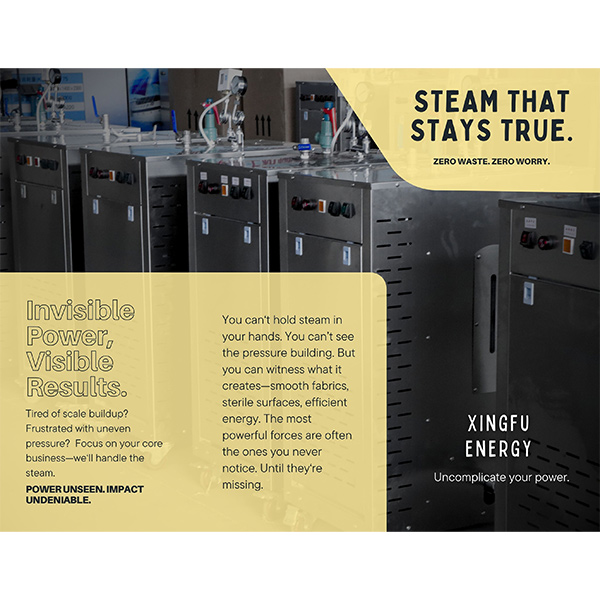
While intelligent control algorithms provide the “brain” for steam management, the physical generation and delivery of steam require robust, high-quality hardware. This is where experienced manufacturers like Qingdao Xingfu Energy Equipment Ltd. play a pivotal role. Founded in 2010 and headquartered in Qingdao, China, Xingfu has evolved into a high-tech leader in industrial energy equipment, bridging the gap between traditional manufacturing and modern automation.
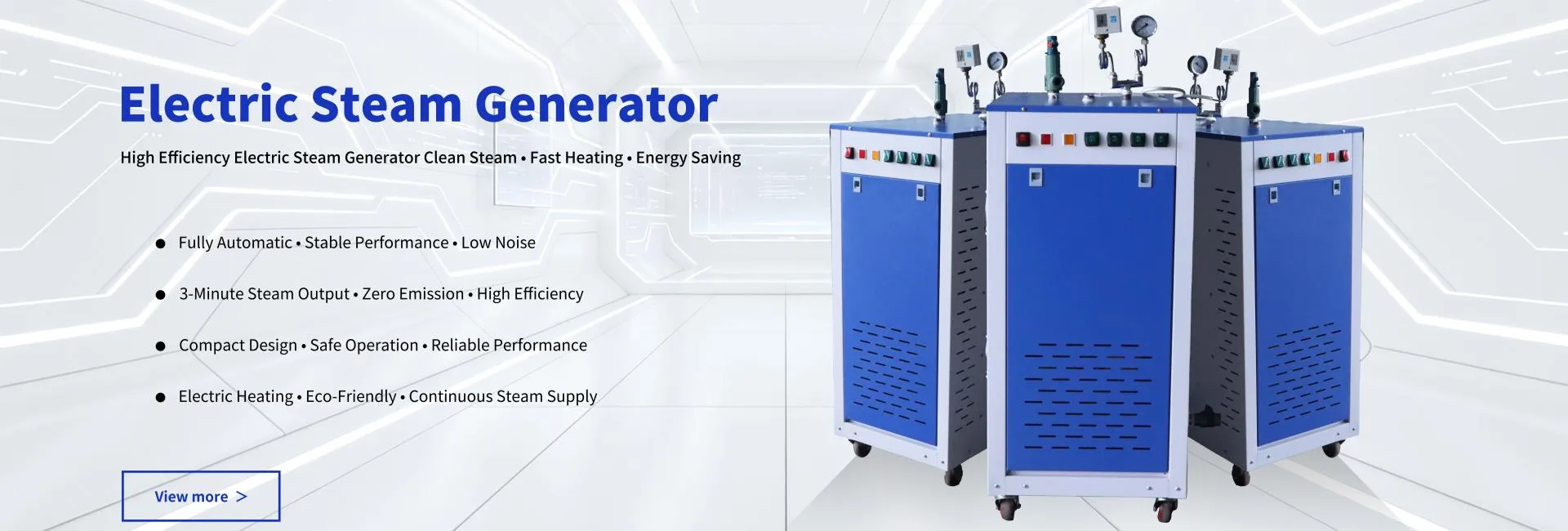
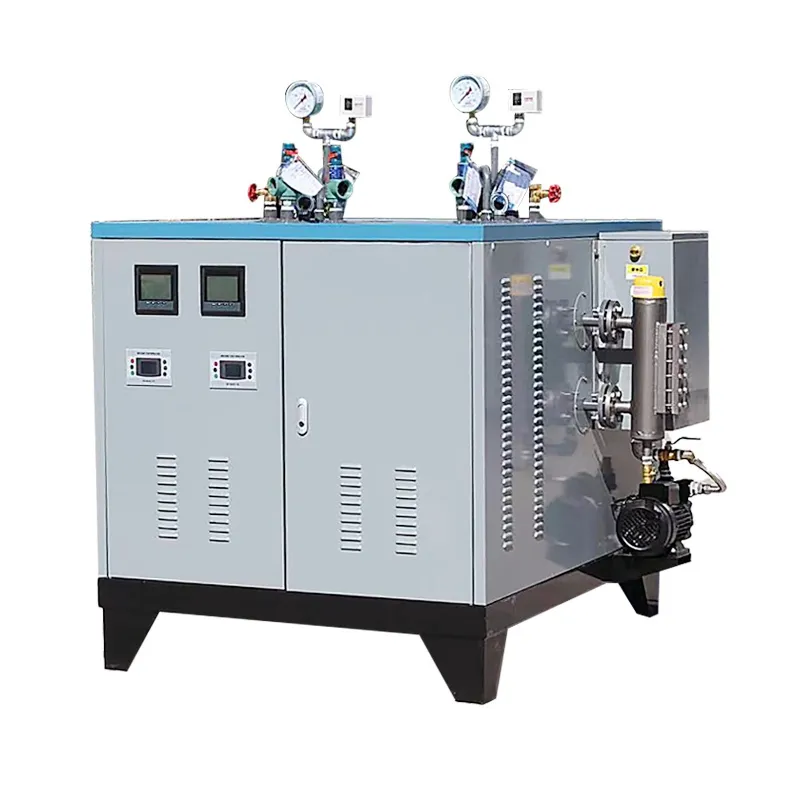
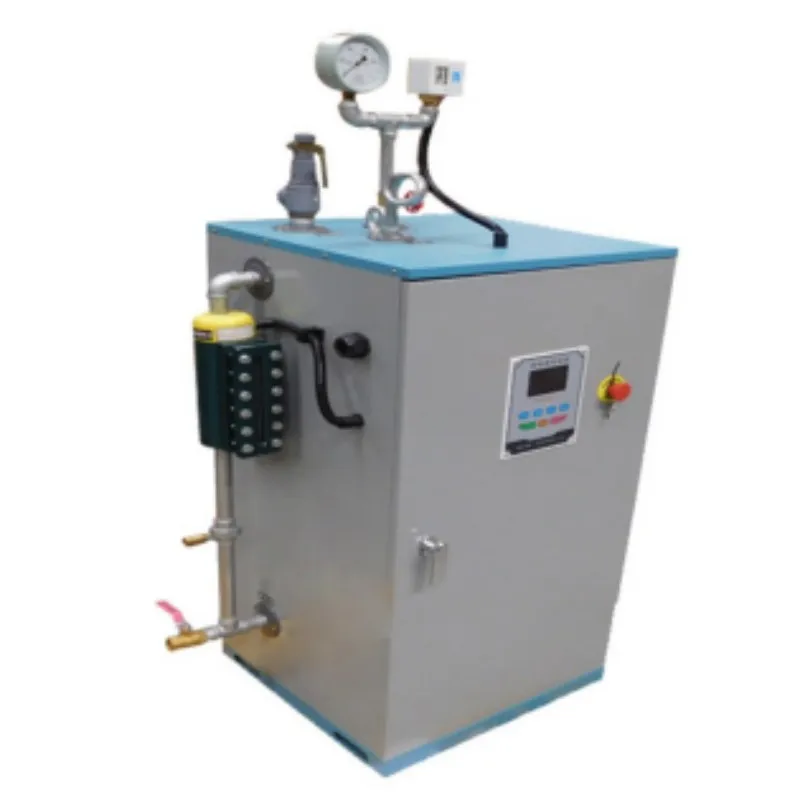
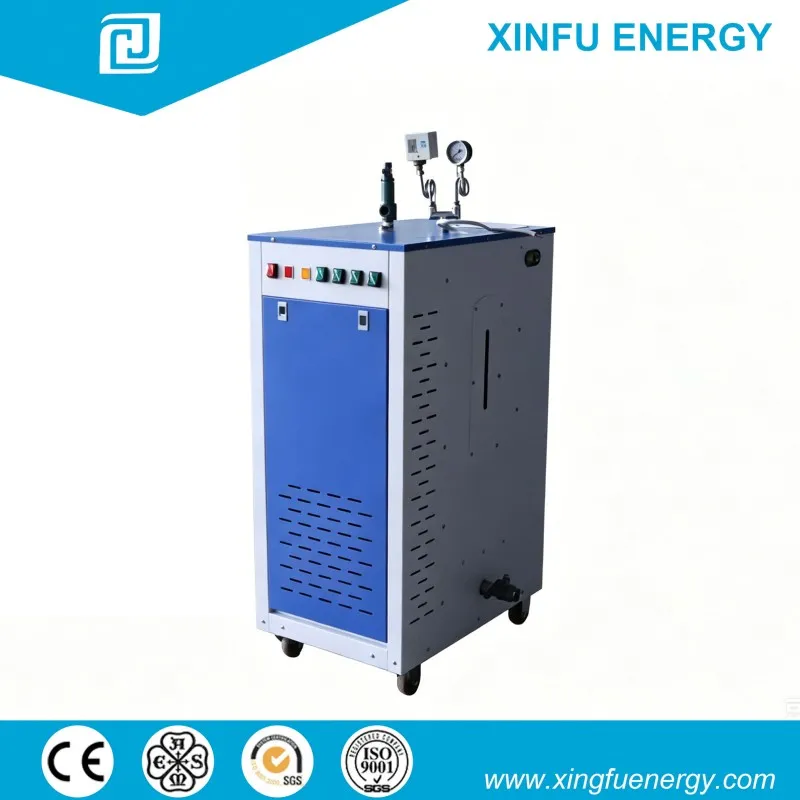
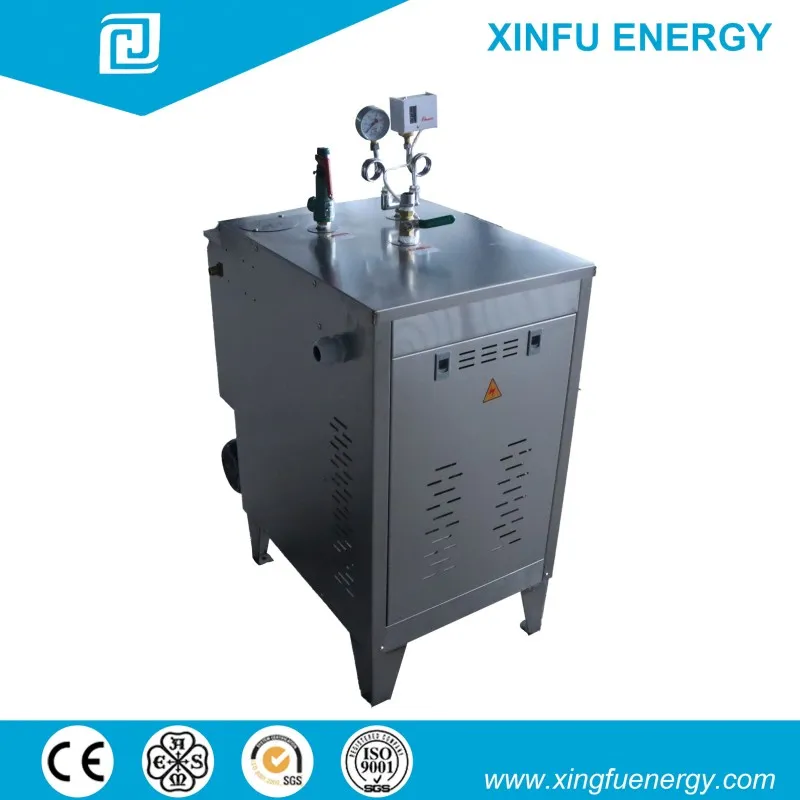
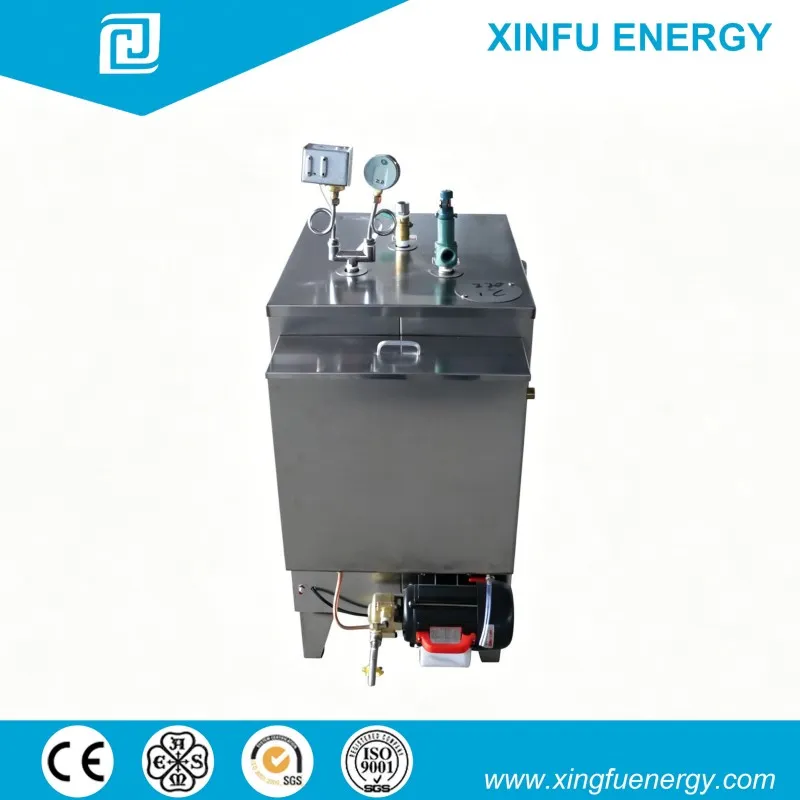
Xingfu specializes in the research, design, and manufacturing of electric steam generators and boilers that are inherently compatible with intelligent control systems. Their S-Series automation solutions, including fully automated electric steam generators and intelligent steam boilers with fast steam capabilities, are designed to work seamlessly with the IoT-enabled sensors and controllers described earlier. By focusing on stainless steel construction and zero-emission operations, Xingfu ensures that the hardware foundation of the steam system meets the rigorous environmental and efficiency standards demanded by 2026 regulations.
What sets Xingfu apart is its vertically integrated approach. With a 70,500-square-meter production base and a team where 21% of employees are technical experts, the company controls the entire lifecycle from development to certified transportation. This depth of engineering expertise allows them to provide not just equipment, but complete energy solutions. Whether for textile heating, biomass gasification, or high-power continuous production lines, Xingfu’s products are rigorously tested in their own laboratories to meet ISO 9001 and CE certifications. For global manufacturers looking to implement intelligent steam control, partnering with a supplier that understands both the mechanical intricacies of steam generation and the digital requirements of modern automation—such as Xingfu, which exports to over 30 countries—is essential for a successful, hassle-free integration.
Common Implementation Challenges and Solutions
While the benefits are clear, implementing an intelligent steam control system can present challenges. Being aware of these pitfalls allows for smoother deployment.
Challenge 1: Legacy Infrastructure Compatibility
Many factories have older piping and equipment that may not be compatible with modern sensors and valves. Solution: Conduct a thorough audit before installation. Use adapters or retrofit kits where necessary. In some cases, replacing old traps and valves is more cost-effective in the long run than trying to integrate them.
Challenge 2: Data Overload
Intelligent systems generate vast amounts of data. Without proper management, this can overwhelm operators. Solution: Focus on Key Performance Indicators (KPIs). Configure the system to highlight exceptions and anomalies rather than displaying raw data streams. Use analytics tools to summarize information into actionable insights.
Challenge 3: Staff Resistance and Skill Gaps
Operators accustomed to manual controls may resist adopting new technology. Solution: Invest in comprehensive training. Demonstrate the benefits of the system in terms of ease of use and job security (by reducing emergency repairs). Involve staff in the implementation process to gain their buy-in.
Challenge 4: Cybersecurity Concerns
Connecting industrial systems to networks introduces cybersecurity risks. Solution: Implement robust security measures, including firewalls, encrypted communication, and regular software patches. Follow industry best practices for Industrial Internet of Things (IIoT) security.
Maintenance Best Practices for Long-Term Reliability
To ensure your Intelligent Steam Control System continues to perform optimally, adhere to these maintenance best practices:
Regular Sensor Calibration: Sensors can drift over time. Schedule periodic calibration to ensure accuracy. Many intelligent systems can self-diagnose sensor drift, but manual verification is still recommended annually.
Valve Inspection: Check control valves for signs of wear, leakage, or sticking. Clean valve seats and actuators as needed. Lubricate moving parts according to the manufacturer’s recommendations.
Software Updates: Keep the system firmware and software up to date. Updates often include performance improvements, bug fixes, and new features.
Data Review: Regularly review system data and reports. Look for trends that indicate potential issues, such as gradual increases in energy consumption or frequent valve adjustments.
Professional Audits: Consider annual audits by qualified professionals. They can identify inefficiencies and recommend optimizations that may not be apparent to internal staff.
Frequently Asked Questions (FAQ)
How much energy can an Intelligent Steam Control System save?
While savings vary based on the current state of the system, industrial manufacturers typically see energy reductions between 15% and 30%. In poorly maintained legacy systems, savings can be even higher. The exact ROI depends on steam costs, usage volume, and the extent of the upgrades.
Is it difficult to integrate with existing PLCs or SCADA systems?
Most modern intelligent steam control systems are designed with interoperability in mind. They support standard industrial communication protocols like Modbus, Profibus, and Ethernet/IP. Integration complexity depends on the age and type of your existing control system, but reputable vendors provide support to ensure seamless connectivity.
Can these systems prevent water hammer?
Yes, indirectly and directly. By ensuring proper condensate removal and controlling the rate of steam flow, intelligent systems reduce the conditions that cause water hammer. Some advanced systems can detect the acoustic signature of water hammer and adjust valve positions to mitigate it, protecting pipes and equipment.
What is the typical lifespan of the components?
High-quality smart valves and sensors are built for industrial environments and typically last 10-15 years or more, depending on operating conditions. Regular maintenance significantly extends lifespan. The software platform is continuously updated, ensuring long-term usability without hardware obsolescence.
Do I need specialized staff to operate the system?
Basic operation is user-friendly and requires minimal training. However, having staff with a understanding of steam systems and data analytics will help you maximize the system’s potential. Vendors usually provide comprehensive training programs to upskill your team.
How does the system handle power failures?
Intelligent control valves are often equipped with fail-safe mechanisms (e.g., spring-return to closed or open position) to ensure safety during power loss. The controller may have battery backup to save data and perform a graceful shutdown. Upon power restoration, the system automatically resumes operation based on predefined settings.
Conclusion: The Future of Steam Management
The transition to an Intelligent Steam Control System is a definitive step toward modern, efficient, and sustainable industrial manufacturing. In 2026, the combination of rising energy costs, environmental regulations, and the need for operational excellence makes this technology indispensable.
By leveraging real-time data, predictive analytics, and precise control, manufacturers can unlock significant cost savings, improve product quality, and extend equipment life. The shift from reactive to proactive management empowers teams to focus on optimization rather than troubleshooting.
For industrial leaders, the question is no longer whether to adopt intelligent steam control, but how quickly it can be implemented to stay competitive. The technology is mature, the ROI is proven, and the environmental benefits are undeniable.
Ready to Optimize Your Steam System?
If you are looking to reduce energy costs, enhance process stability, and future-proof your manufacturing operations, an intelligent steam control solution is the key. Evaluate your current system, identify inefficiencies, and consider a phased implementation approach.
For detailed technical specifications, case studies, and a customized consultation on how an Intelligent Steam Control System can benefit your specific application, explore our comprehensive resources.