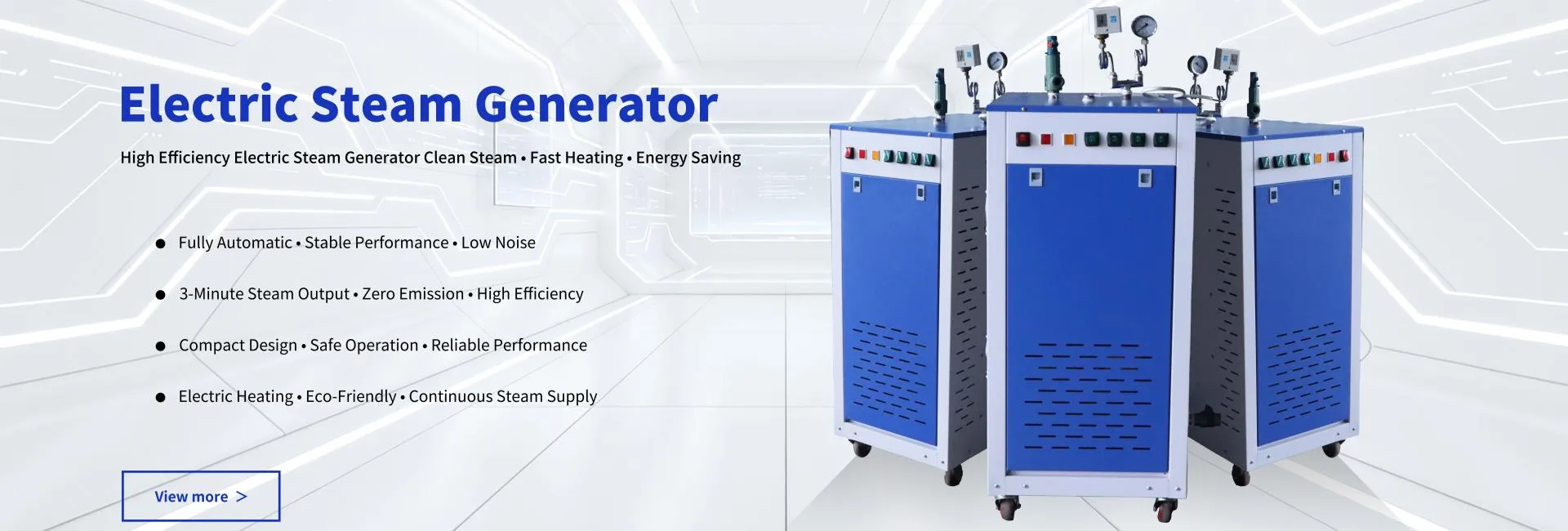
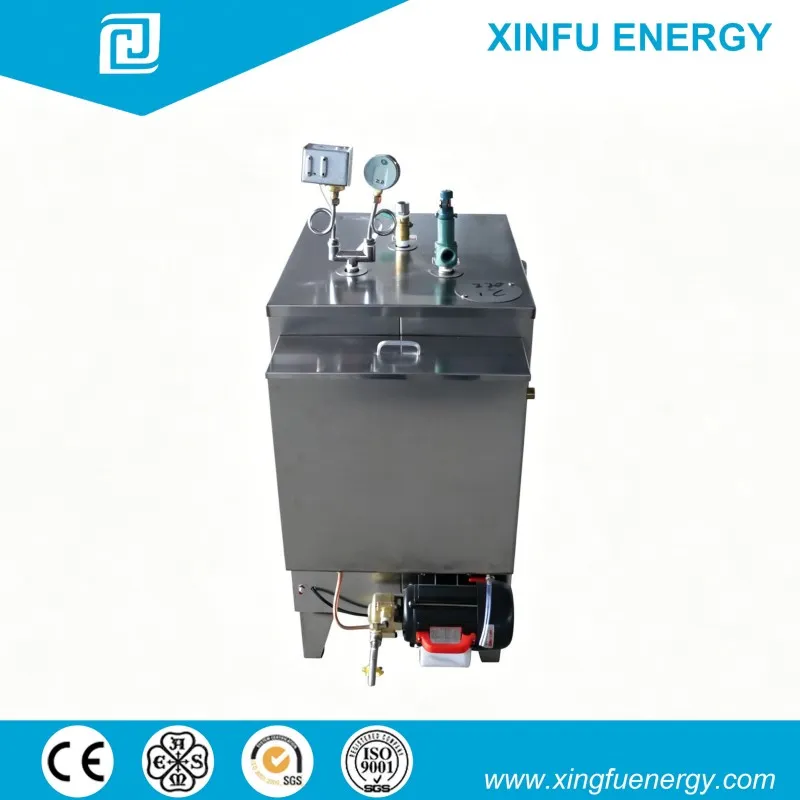
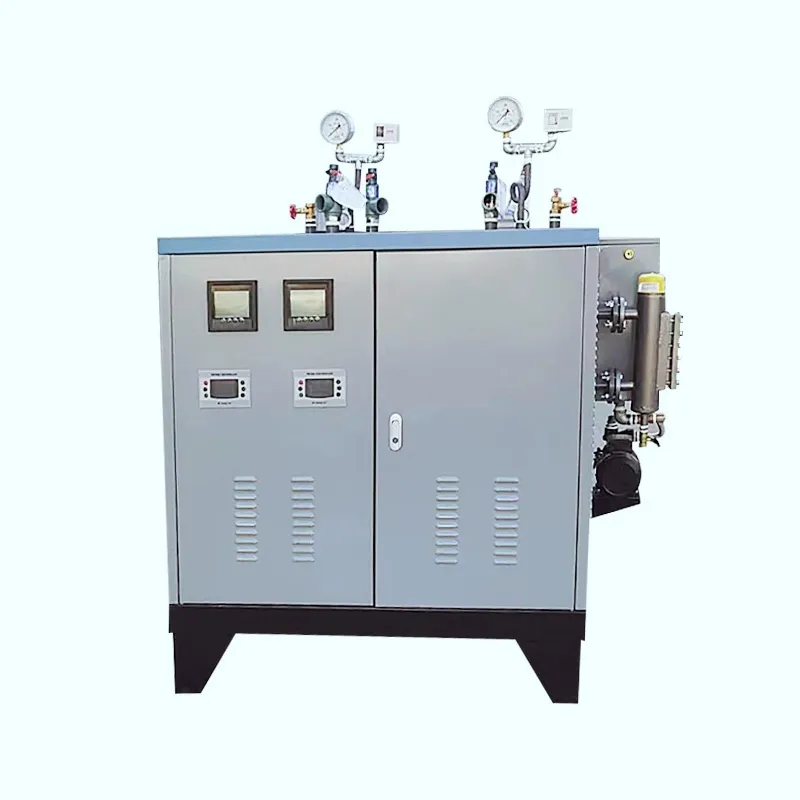
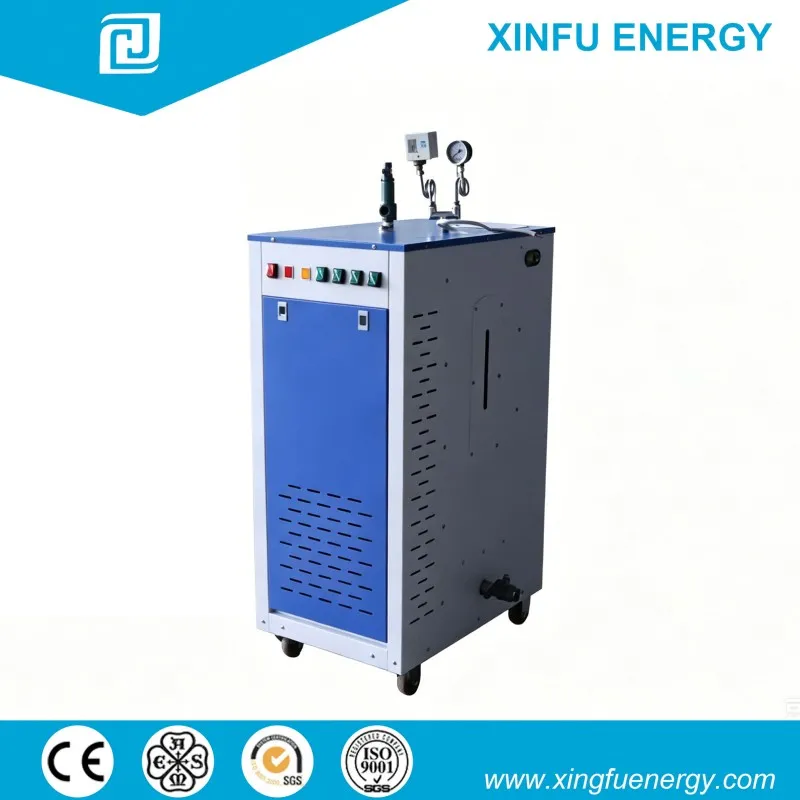
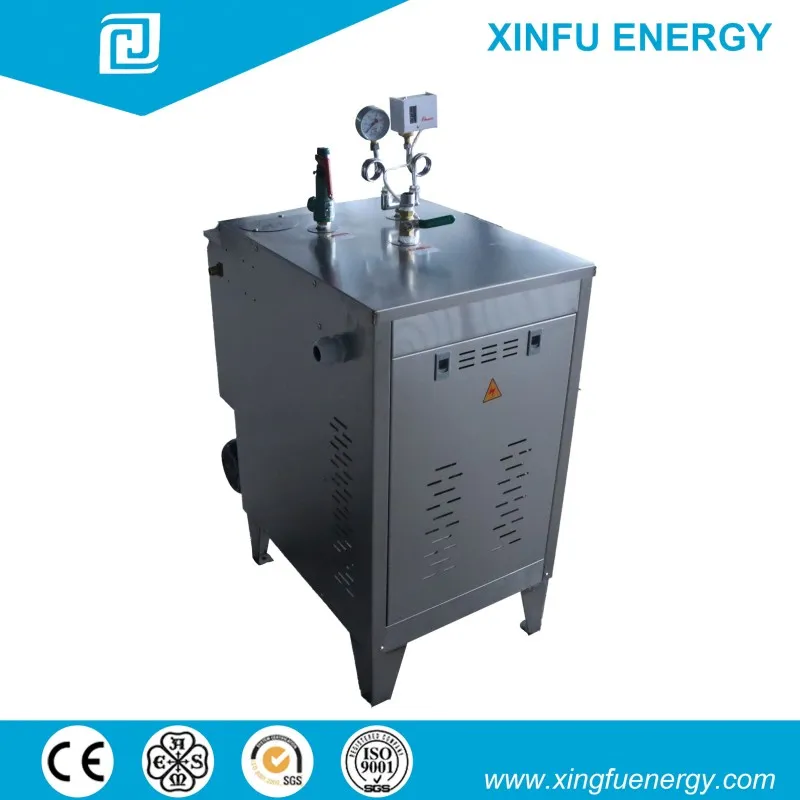
A small electric steam generator is a compact, high-efficiency boiler system designed to produce saturated steam for industrial, commercial, and laboratory applications. As a direct OEM manufacturer, we provide customizable solutions ranging from 3kW to 50kW capacity, ensuring precise temperature control, rapid startup, and compliance with international safety standards. Our units are engineered for low maintenance, energy efficiency, and seamless integration into existing production lines, offering competitive pricing for bulk orders and specialized OEM configurations.
Understanding the Small Electric Steam Generator Market in 2026
The demand for compact steam solutions has evolved significantly by 2026. Industries are shifting away from traditional fossil-fuel boilers due to stringent environmental regulations and the need for operational flexibility. A small electric steam generator serves as a critical utility component in sectors where space is limited, and precision is paramount. Unlike large-scale industrial boilers, these units offer modular scalability, allowing businesses to expand capacity incrementally without massive infrastructure overhaul.
For procurement managers and engineering leads, understanding the core value proposition is essential. These generators convert electrical energy into thermal energy with nearly 98% efficiency, minimizing waste. The absence of combustion means no exhaust gases, no fuel storage requirements, and significantly reduced insurance premiums. This shift represents not just a technological upgrade but a strategic operational improvement for modern manufacturing facilities.
Core Definition and Operational Principle
A small electric steam generator operates on the principle of resistive heating or electrode heating, depending on the model. Water is fed into a pressure vessel containing high-grade heating elements. When electricity passes through these elements, heat is generated, transferring directly to the water. As the water temperature rises above its boiling point under pressure, it transforms into steam.
Resistive Heating: Uses metal alloy elements (such as Incoloy) immersed in water. Ideal for smaller capacities and standard water quality.
Electrode Heating: Uses the water itself as a resistor. Best for high-capacity compact units and varying water conductivity levels.
The generated steam is then separated from water droplets via an internal separator and delivered through the outlet valve at a consistent pressure and dryness fraction. This process is controlled by advanced PLC systems that monitor pressure, water level, and temperature in real-time, ensuring safe and stable operation.
Key Technical Specifications and Performance Metrics
When evaluating a small electric steam generator, technical specifications dictate suitability for specific applications. As an OEM manufacturer, we customize these parameters to meet exact client requirements. Below are the standard performance metrics that define quality and efficiency in 2026.
Higher pressure allows for higher temperature steam, crucial for sterilization.
Steam Dryness
> 98%
Ensures efficient heat transfer and prevents water hammer in pipelines.
Thermal Efficiency
> 98%
Directly correlates to operational cost savings and energy consumption.
Startup Time
5 – 15 minutes
Reduces idle time and improves workflow continuity compared to gas boilers.
Noise Level
< 60 dB
Essential for indoor installations in food processing or pharmaceutical labs.
Material Quality and Durability
The longevity of a steam generator depends heavily on the materials used in its construction. Our OEM units utilize high-grade stainless steel (SS304 or SS316L) for the pressure vessel and piping. SS316L is particularly recommended for applications involving high chloride content in feedwater or strict hygiene requirements, such as in the pharmaceutical industry.
The heating elements are crafted from corrosion-resistant alloys designed to withstand continuous thermal cycling. Inferior materials lead to scale buildup and premature failure, increasing maintenance costs. By prioritizing material integrity, we ensure that our generators maintain performance stability over extended operational periods, reducing the total cost of ownership.
Why Choose Electric Over Gas or Oil Steam Generators?
The decision between electric and fossil-fuel-based steam generation is a pivotal strategic choice. In 2026, the trend strongly favors electric systems for small to medium-scale applications. This preference is driven by regulatory pressures, operational efficiency, and safety considerations.
Environmental Compliance and Sustainability
Global carbon emission standards have tightened considerably. Electric steam generators produce zero onsite emissions, eliminating the need for complex flue gas treatment systems. For companies aiming to achieve carbon neutrality or comply with green building certifications, electric steam is the only viable option. It aligns seamlessly with renewable energy sources, such as solar or wind, allowing facilities to further reduce their carbon footprint.
Operational Safety and Simplicity
Safety is a paramount concern in industrial environments. Electric generators eliminate the risks associated with fuel storage, leakage, and combustion. There is no risk of gas explosions or carbon monoxide poisoning. Furthermore, the mechanical simplicity of electric units means fewer moving parts, resulting in lower maintenance requirements and higher reliability.
No Fuel Storage: Eliminates the need for tanks, pumps, and supply lines.
No Ventilation Requirements: Unlike gas boilers, electric units do not require extensive ventilation for exhaust gases.
Automated Control: Advanced PLC systems provide automatic shutdown in case of low water level or overpressure, enhancing operational safety.
Cost Efficiency Analysis
While electricity prices vary by region, the overall cost efficiency of electric steam generators often surpasses that of gas or oil when considering total operational expenses. The high thermal efficiency (>98%) means almost all input energy is converted to useful steam. In contrast, gas boilers typically operate at 85-90% efficiency due to heat loss through exhaust. Additionally, the reduced maintenance and insurance costs contribute to a favorable return on investment.
Feature
Electric Steam Generator
Gas/Oil Steam Boiler
Initial Investment
Moderate
High (includes fuel infrastructure)
Installation Complexity
Low (plug-and-play)
High (requires ventilation, fuel lines)
Maintenance Cost
Low
High (burner cleaning, filter replacement)
Emissions
Zero
CO2, NOx, SOx
Lifespan
10-15 years
10-15 years
Primary Industrial Applications
Small electric steam generators are versatile tools used across a wide array of industries. Their compact size and precise control make them ideal for applications where space is constrained and process consistency is critical.
Food and Beverage Processing
In the food industry, steam is used for cooking, blanching, sterilization, and cleaning. Electric steam generators provide clean, odorless steam that does not contaminate food products. They are commonly used in:
Commercial Kitchens: For steaming vegetables, meats, and grains.
Breweries: For mashing and sterilization of brewing equipment.
Dairy Processing: For pasteurization and CIP (Clean-in-Place) systems.
The ability to precisely control steam pressure ensures consistent product quality, which is vital for brand reputation and regulatory compliance in food safety.
Pharmaceutical and Healthcare
Sterilization is a critical process in pharmaceutical manufacturing and healthcare facilities. Electric steam generators produce high-purity steam required for autoclaves and sterilizers. The absence of combustion byproducts ensures that the steam meets strict purity standards, preventing contamination of sensitive medical instruments and pharmaceutical products.
Hospitals and clinics also use these units for laundry services and humidification systems, where reliable and clean steam is essential for hygiene and patient comfort.
Textile and Garment Industry
Steam is integral to ironing, pressing, and dyeing processes in the textile industry. Small electric steam generators provide the consistent steam supply needed for professional garment finishing. Their compact size allows them to be installed directly near pressing stations, reducing pipe length and heat loss.
The rapid startup capability enables factories to respond quickly to production demands, improving overall efficiency. Additionally, the precise temperature control helps prevent fabric damage, ensuring high-quality finished products.
Laboratory and Research Facilities
Research laboratories require precise and reliable steam sources for various experiments and sterilization procedures. Electric steam generators offer the stability and control necessary for sensitive scientific applications. Their quiet operation and lack of emissions make them suitable for indoor laboratory environments.
OEM Manufacturing Capabilities and Customization: The Qingdao Xingfu Advantage
As a dedicated OEM manufacturer, we understand that one size does not fit all. However, true customization requires more than just assembly—it demands deep engineering expertise and robust manufacturing infrastructure. This is where Qingdao Xingfu Energy Equipment Ltd. distinguishes itself in the global market.
Founded in 2010 and headquartered in Qingdao City, Shandong Province, Qingdao Xingfu has grown into a high-tech leader in industrial energy equipment. With over 14 years of continuous industry experience, the company combines traditional manufacturing capabilities with relentless technological innovation. Operating from a massive 70,500-square-meter production base—including 21,000 square meters of dedicated workshops—Xingfu offers a vertically integrated manufacturing cycle. This ensures complete control over quality, from initial R&D and design to certified transportation.
Engineering Excellence and Technical Expertise
At the heart of our operation is a highly skilled workforce. Of our 228 employees, 78 are technical experts, including 28 specialized engineers who drive solution development. Our production team includes 136 skilled workers, 65 of whom are certified welders. This depth of talent allows us to handle complex customizations, such as our S-Series automation solutions, which include fully automated electric steam generators and intelligent steam boilers designed for fast steam capabilities.
Our commitment to quality is validated by rigorous internal testing and international certifications. Holding manufacturing licenses for Class B boilers and Class 1 & 2 pressure containers, along with ISO 9001 and CE certifications, we ensure that every unit meets the highest safety and quality standards required by the European Union and global markets.
Custom Voltage and Frequency
We support a wide range of voltage and frequency configurations to meet global standards. Whether you require 220V/50Hz for European markets or 480V/60Hz for North American operations, our engineering team can configure the electrical components accordingly. This ensures seamless integration into local power grids without the need for additional transformers.
Control System Integration
Our generators can be equipped with advanced control systems that interface with existing plant automation networks. We offer PLC-based controls with Modbus or Profibus communication protocols, enabling remote monitoring and data logging. This feature is particularly valuable for industries focused on Industry 4.0 initiatives, where data-driven decision-making is essential.
Physical Dimensions and Mounting
Space constraints often dictate equipment design. We offer custom casing designs and mounting options, including wall-mounted, floor-standing, and skid-mounted configurations. Our engineers work closely with clients to optimize the footprint of the unit, ensuring it fits perfectly into the designated installation area.
Step-by-Step Installation and Commissioning Guide
Proper installation is crucial for the safe and efficient operation of a small electric steam generator. While our units are designed for ease of setup, following a structured installation process ensures optimal performance and longevity.
Step 1: Site Preparation
Ensure the installation site is level, dry, and well-ventilated. Although electric generators do not produce exhaust gases, adequate airflow is necessary to dissipate heat from the electrical components. Verify that the floor can support the weight of the unit, especially when filled with water.
Step 2: Water Supply Connection
Connect the water inlet to a reliable source of softened water. Hard water can lead to scale buildup, reducing efficiency and damaging heating elements. Install a water softener if the hardness exceeds recommended levels. Ensure the water pressure is within the specified range for the automatic fill valve.
Step 3: Electrical Connection
Engage a qualified electrician to connect the power supply. Ensure the cable size matches the current rating of the generator. Install appropriate circuit breakers and residual current devices (RCDs) for safety. Verify that the grounding is secure and compliant with local electrical codes.
Step 4: Steam Outlet Piping
Connect the steam outlet to the application using high-quality steam-rated pipes and fittings. Install a pressure relief valve and a stop valve near the generator. Insulate the steam pipes to minimize heat loss and prevent condensation. Ensure proper slope in the piping to facilitate condensate drainage.
Step 5: Initial Startup and Testing
Fill the vessel with water and check for leaks. Power on the unit and set the desired pressure. Monitor the startup sequence, ensuring that the heating elements engage and the pressure rises steadily. Test the safety valves and low-water cutoff mechanisms to verify their functionality. Once confirmed, the unit is ready for regular operation.
Maintenance Best Practices for Longevity
Regular maintenance is essential to keep your small electric steam generator operating at peak efficiency. Neglecting maintenance can lead to decreased performance, increased energy consumption, and premature failure.
Daily Checks
Water Level: Verify that the water level is within the normal range.
Pressure Gauge: Check that the pressure reading is stable and accurate.
Leaks: Inspect pipes and connections for any signs of leakage.
Weekly Maintenance
Blowdown: Perform a bottom blowdown to remove sediment and impurities from the tank. This prevents scale buildup and maintains water quality.
Safety Valve: Manually lift the safety valve lever to ensure it moves freely and resets correctly.
Monthly Inspection
Heating Elements: Inspect heating elements for signs of scaling or corrosion. Clean if necessary.
Electrical Connections: Tighten any loose electrical terminals to prevent arcing and overheating.
Control Panel: Check for any error codes or abnormal indicators on the control panel.
Annual Service
Schedule a comprehensive annual service with a qualified technician. This should include a thorough inspection of the pressure vessel, calibration of sensors, and testing of all safety devices. Replace any worn-out components proactively to avoid unexpected downtime.
Common Troubleshooting Issues
Even with robust design, issues may arise. Understanding common problems and their solutions can help minimize downtime.
Issue: Unit Does Not Start
Possible Causes: Power supply failure, tripped circuit breaker, or low water level.
Solution: Check the power supply and reset the circuit breaker. Ensure the water level is sufficient and the fill valve is functioning.
Issue: Low Steam Pressure
Possible Causes: Scale buildup on heating elements, faulty pressure sensor, or excessive steam demand.
Solution: Clean the heating elements, calibrate or replace the pressure sensor, and evaluate if the unit capacity matches the demand.
Issue: Water Leakage
Possible Causes: Loose connections, damaged gaskets, or corroded pipes.
Solution: Tighten connections, replace damaged gaskets, and inspect pipes for corrosion. Replace any compromised components.
Frequently Asked Questions (FAQ)
What is the typical lifespan of a small electric steam generator?
With proper maintenance and water treatment, a high-quality small electric steam generator can last between 10 to 15 years. The lifespan largely depends on the quality of the feedwater and the frequency of maintenance.
Do I need a water softener for my electric steam generator?
Yes, it is highly recommended. Hard water causes scale buildup on heating elements, which reduces efficiency and can lead to premature failure. A water softener extends the life of the unit and maintains optimal performance.
Can I connect multiple small generators in parallel?
Yes, modular design allows for parallel connection. This provides redundancy and scalability. If one unit requires maintenance, the others can continue to supply steam, ensuring uninterrupted operation.
How much does a small electric steam generator cost?
The price varies based on capacity, features, and customization. As an OEM manufacturer, we offer competitive pricing for bulk orders. Contact us for a detailed quote tailored to your specific requirements.
Is special training required to operate these units?
Basic operation is straightforward and automated. However, personnel should be trained on safety protocols, routine maintenance, and troubleshooting procedures to ensure safe and efficient use.
Selection Guide: How to Choose the Right Model
Selecting the right small electric steam generator involves assessing your specific needs. Consider the following factors to make an informed decision.
1. Determine Steam Demand
Calculate the maximum steam consumption of your application in kg/h. Choose a unit with a capacity slightly higher than your peak demand to account for fluctuations and future expansion.
2. Assess Pressure Requirements
Identify the operating pressure required for your process. Ensure the generator can deliver steam at this pressure consistently. Higher pressure applications may require thicker vessel walls and specialized components.
3. Evaluate Water Quality
Analyze the quality of your available water source. If hardness is high, invest in a robust water treatment system. This protects the generator and ensures efficient operation.
4. Consider Space Constraints
Measure the available installation space. Choose a model with a footprint that fits comfortably, allowing for adequate clearance for maintenance and ventilation.
5. Review Regulatory Compliance
Ensure the unit complies with local safety and environmental regulations. Look for certifications such as ASME, CE, or ISO, which indicate adherence to international standards.
Conclusion: Partnering for Efficient Steam Solutions
In the evolving industrial landscape of 2026, the small electric steam generator stands out as a superior choice for efficiency, safety, and sustainability. Its ability to deliver precise, clean steam with minimal environmental impact makes it indispensable for food processing, pharmaceuticals, textiles, and more.
Choosing the right partner is just as important as choosing the right equipment. With exports to over 30 countries—including Mongolia, Indonesia, Korea, Malaysia, Poland, and Spain—Qingdao Xingfu Energy Equipment Ltd. has established a reputation for reliability and technological maturity. Since beginning our export journey in 2012, we have adhered to principles of long-term partnership, providing technical support during design, equipment selection consulting, and assistance throughout the entire operational lifecycle.
Investing in a high-quality electric steam generator from Qingdao Xingfu is not just about purchasing equipment; it is about securing a reliable partner committed to your long-term success. With our expertise in engineering, modern production infrastructure, and a philosophy rooted in quality responsibility and transparency, we ensure that every unit meets the highest standards of performance and durability.
Whether you are upgrading existing systems or designing new facilities, our team is ready to assist you in selecting the ideal model. We provide comprehensive support from consultation to installation and beyond.
Ready to optimize your steam production? Contact our engineering team today for a personalized consultation and competitive OEM pricing. Discover how our tailored solutions can enhance your productivity and sustainability.