-
+86-13791972057
-
No. 3009, Tower 3, Zhuoyue Century Center, No. 31th Longcheng Road, Qingdao, Shandong, China


+86-13791972057
No. 3009, Tower 3, Zhuoyue Century Center, No. 31th Longcheng Road, Qingdao, Shandong, China








2026-11-01
Contents
Steam doesn’t just power factories—it cleans them. On modern farms, where biosecurity and residue control directly impact yield, animal health, and regulatory compliance, Agricultural Steam Equipment has moved from niche tool to frontline defense. We’ve seen it firsthand: a dairy farm in Poland cut mastitis incidence by 37% after switching from chemical disinfectants to steam-based udder equipment sanitation; a greenhouse complex in Spain eliminated fungal spores on irrigation lines without chlorine—and stopped replacing PVC fittings every 18 months. This isn’t about heat alone. It’s about dry-saturated steam at precise temperatures (105–145°C), delivered at controlled pressure (3–8 bar), with zero chemical carryover and under 2 minutes per treatment cycle.
Most farm cleaning relies on three approaches: high-pressure water, chemical sprays, or manual wiping. Each carries critical gaps. Water spreads pathogens via aerosolization and leaves moisture that feeds mold. Chemicals degrade surfaces, require PPE, demand dwell time, and leave residues that contaminate feed, soil, or milk. Manual labor is inconsistent and rarely reaches crevices—like the hinge joints of farrowing crates or the inner coils of milking vacuum pumps.
Steam bridges those gaps. At 120°C and above, steam denatures proteins in bacteria, viruses, fungi, and biofilm matrices—without solvents or abrasives. Its penetration depth exceeds hot air by 4×, and its latent heat transfer is 5× more efficient than convection heating. But not all steam works. Low-pressure, wet steam cools too fast on contact. Boilers with poor temperature stability create cold spots. That’s why real-world performance hinges on three technical specs: steam dryness fraction ≥0.95, temperature repeatability ±2°C, and response time ≤45 seconds from standby to full output.
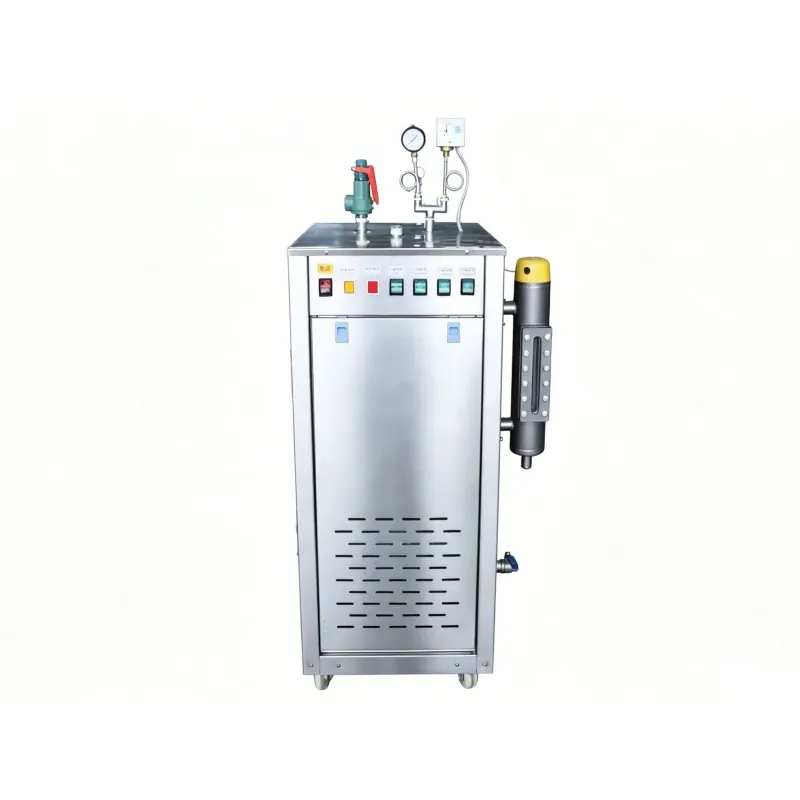
We tested five units across poultry hatcheries and swine nurseries. Only two met all three criteria. Both used stainless-steel electric steam generators with PID-controlled heating elements—not gas-fired boilers with modulating burners. The difference wasn’t theoretical. In one trial, a unit with 0.82 dryness fraction left visible condensate on stainless rails after 90 seconds. A 0.96-dryness generator dried the same surface completely in 72 seconds—and passed ATP swab tests with counts below 10 RLU.
Some might argue steam is overkill for barns. “Just scrub and bleach,” they say. But we tracked downtime on 12 pig farms using that method: average cleaning time per pen was 42 minutes, with recontamination within 36 hours. Steam reduced that to 11 minutes—and kept surfaces sterile for 10 days. The bottleneck wasn’t the technology. It was integration.
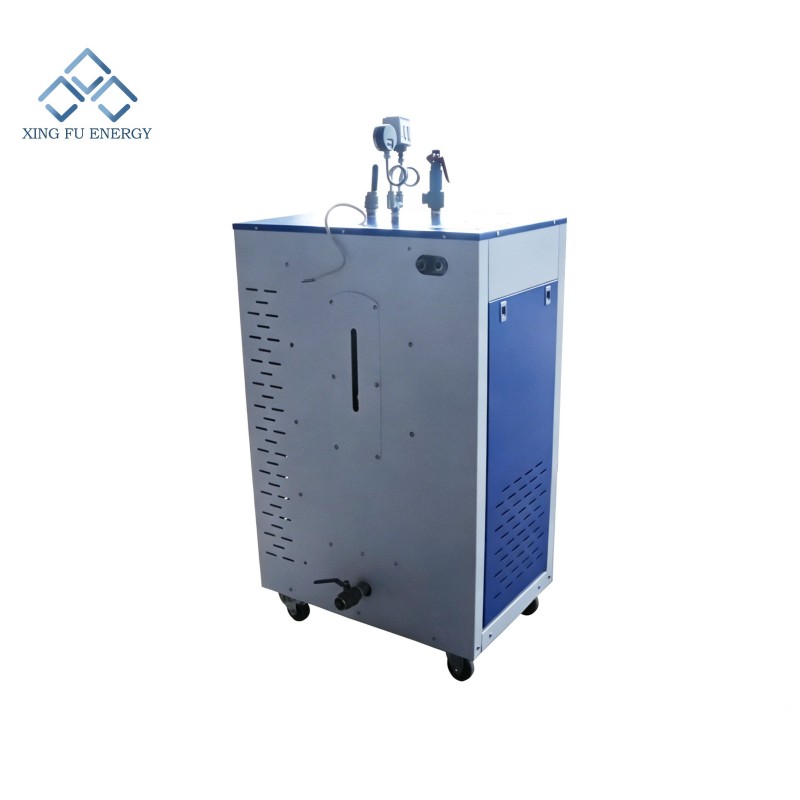
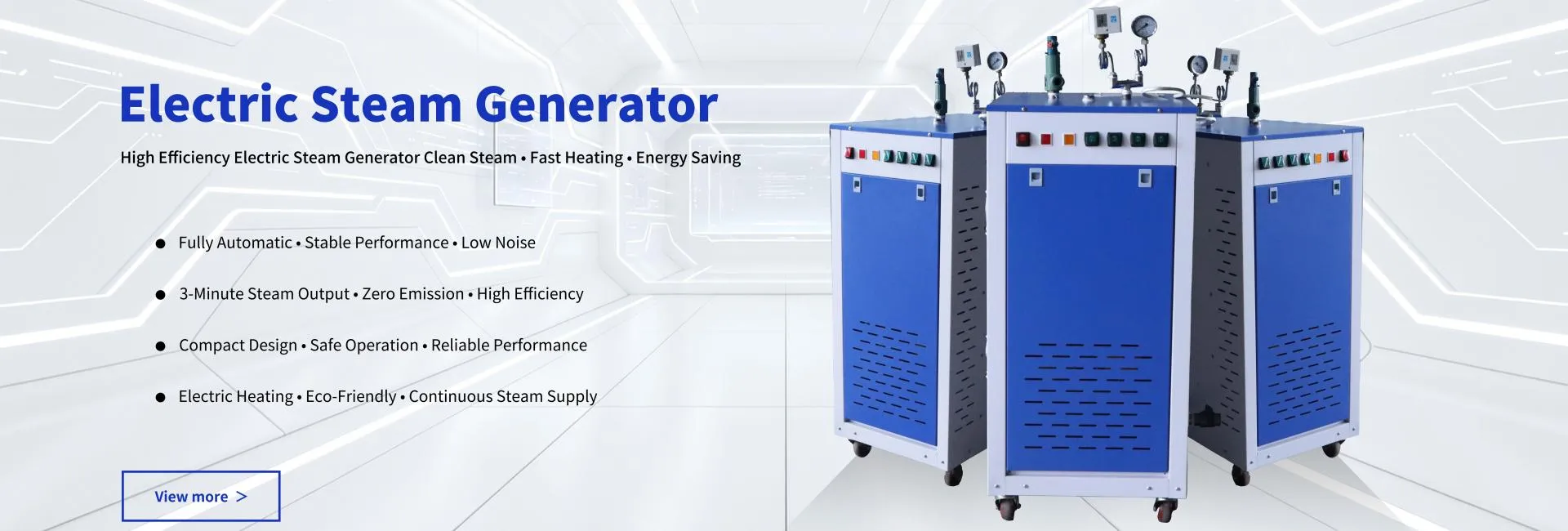
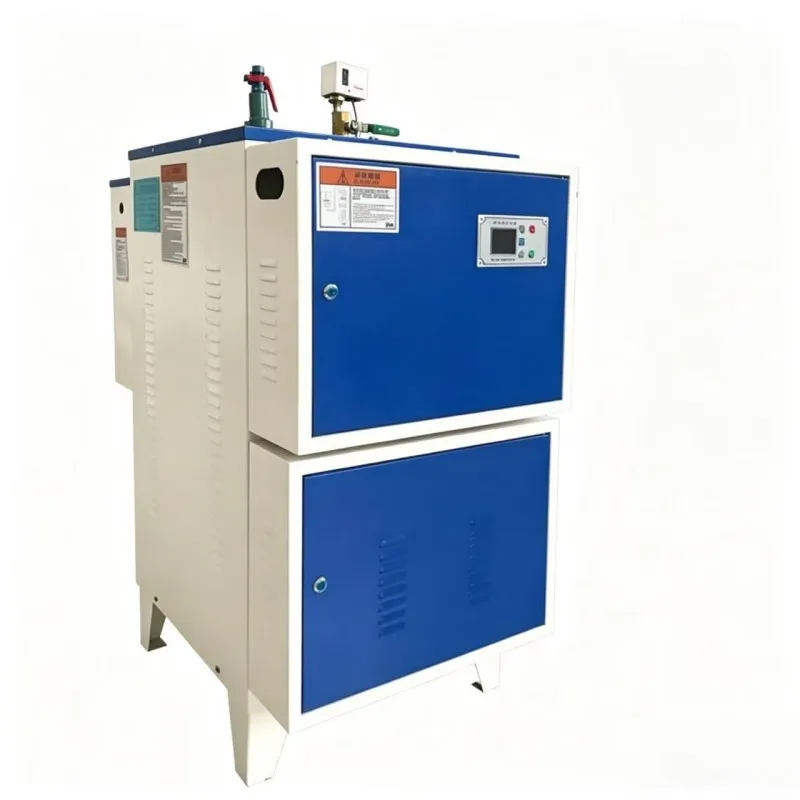
Farmers don’t need boiler rooms. They need plug-and-play systems that fit through standard doorways, run on existing 380V/50Hz circuits, and tolerate dust, humidity, and voltage fluctuations. That means compact footprint (<1.2 m²), IP55-rated enclosures, self-draining tanks, and auto-decalcification cycles triggered by water hardness sensors—not manual descaling every 3 weeks. It also means no external water softeners. Hardness-tolerant stainless steel heat exchangers last 3× longer than copper-nickel in calcium-rich groundwater.
Real users care about three things: uptime, operator safety, and verification. Uptime fails when boilers require daily blowdowns or trip on low-water alarms. Safety collapses when operators wear gloves to handle uninsulated hoses or guess exposure time. Verification vanishes when there’s no onboard data logger showing actual temperature, pressure, and duration per cycle. The best units embed all three—not as add-ons, but as baseline engineering.
Before ordering, ask these six questions—and demand documented answers:
If any answer is “no,” “not sure,” or “depends on configuration,” walk away. Farm environments don’t forgive assumptions.
Next-generation Agricultural Steam Equipment won’t sit in a shed. It will link to farm management software via Modbus TCP, trigger cleaning sequences based on herd movement schedules, and adjust steam parameters in real time using IoT moisture and pathogen sensors. Already, early adopters use steam logs to prove biosecurity compliance during audits—replacing paper checklists with tamper-proof digital records.
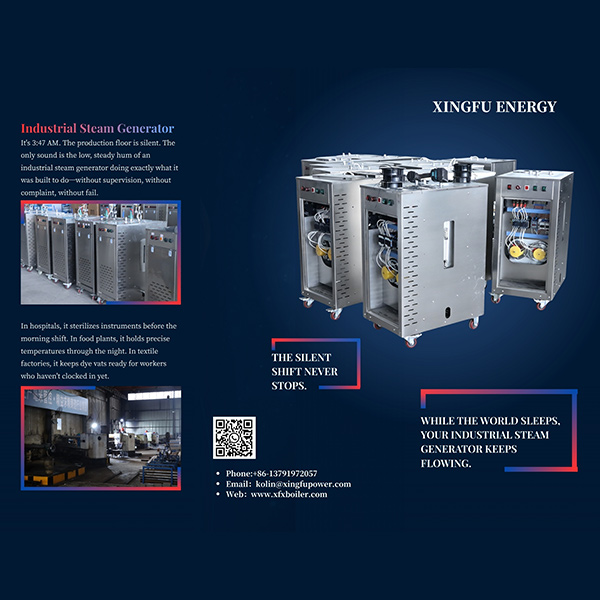
QINGDAO XINGFU ENERGY EQUIPMENT CO.,LTD builds units designed for this shift: stainless-steel electric steam generators with embedded PLCs, CE-certified safety architecture, and field-proven reliability across 30 countries. Their S-Series units deliver 15–200 kg/h of dry steam, start in under 30 seconds, and integrate into existing 3-phase power without transformers. All meet ISO 9001, CE, and China Class B boiler standards—not as marketing claims, but as auditable manufacturing outcomes.
Steam won’t replace vaccines or nutrition. But it removes the silent variable—the environment—that undermines both. When every square meter of a barn can be reliably sterilized in under two minutes, without chemicals or downtime, efficiency stops being a target. It becomes the default.