-
+86-13791972057
-
No. 3009, Tower 3, Zhuoyue Century Center, No. 31th Longcheng Road, Qingdao, Shandong, China


+86-13791972057
No. 3009, Tower 3, Zhuoyue Century Center, No. 31th Longcheng Road, Qingdao, Shandong, China








2026-11-15
Contents
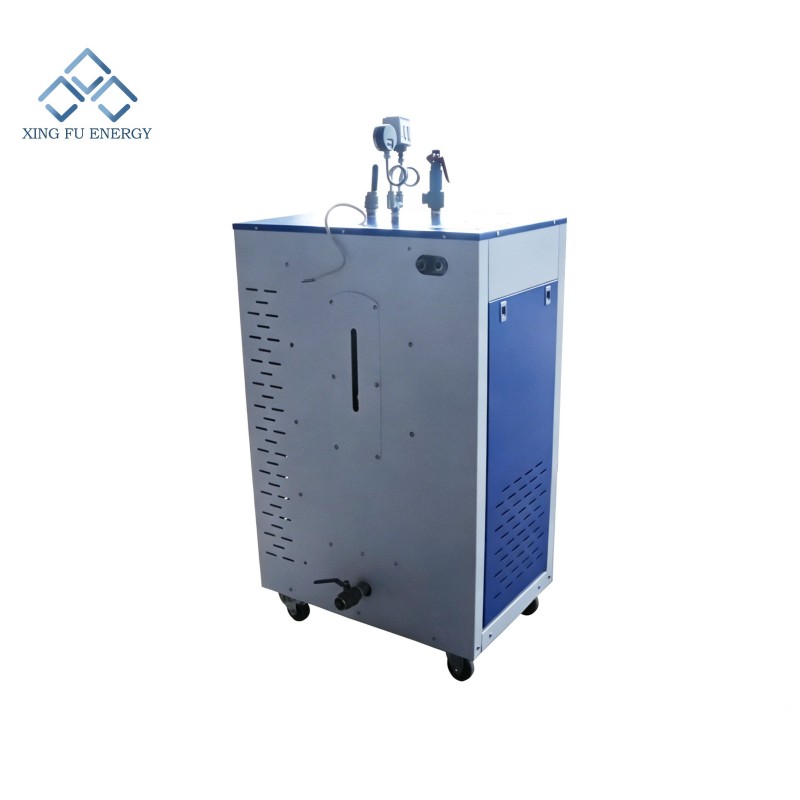
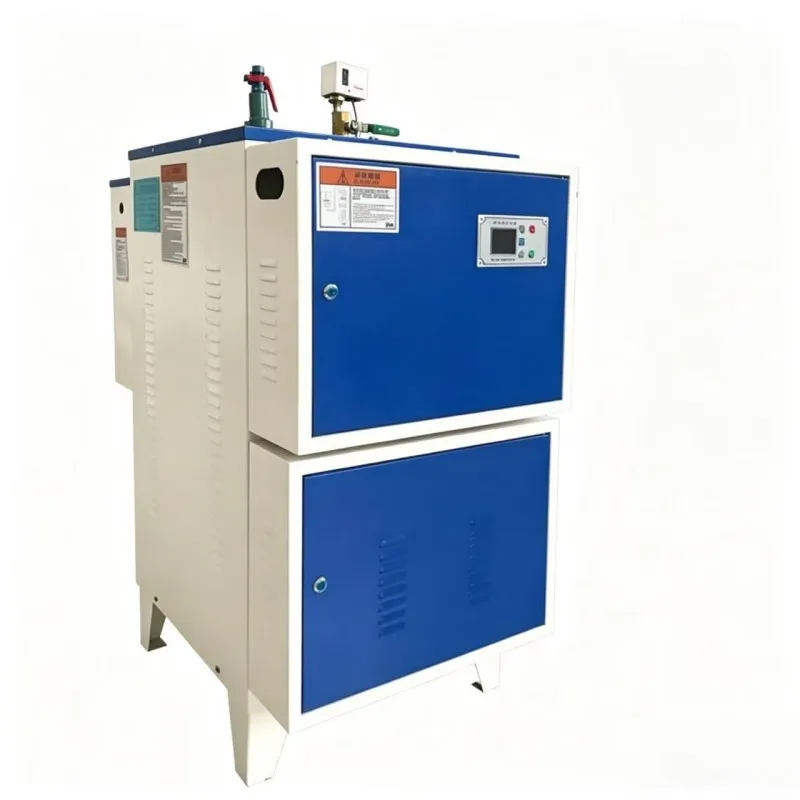
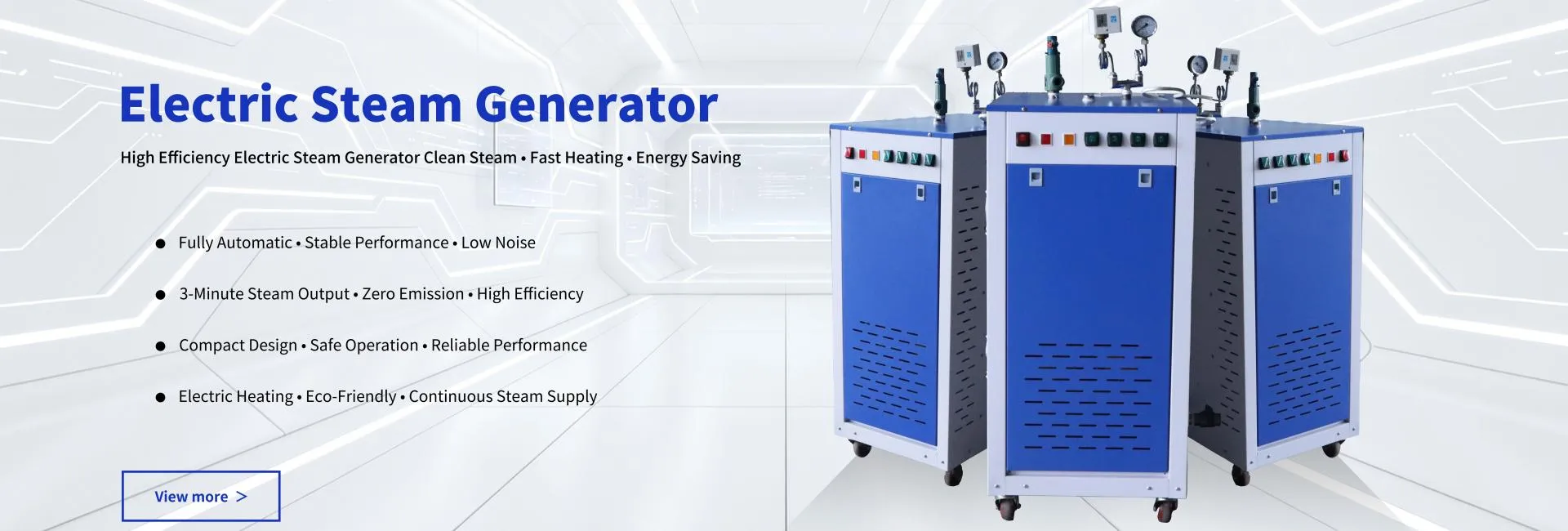
Small-scale steam generation used to mean compromises: bulky equipment, slow startup, high maintenance, or emissions you couldn’t ignore. Not anymore. The mini electric steam boiler changes that equation—delivering full-pressure steam in under 90 seconds, fitting where traditional boilers won’t, and running silently with zero exhaust, zero fuel storage, and zero combustion risk.
We’ve installed over 1,200 units across textile mills in Vietnam, food-processing lines in Spain, and R&D labs in Poland. In every case, the trigger wasn’t just size—it was reliability under real conditions. A garment dye house in Jakarta needed 3.5 bar saturated steam for continuous jet dyeing but had only 1.8 m² of floor space beside its existing PLC cabinet. A lab in Warsaw required precise 120°C steam pulses for sterilizing bioreactor components—no pressure swings, no condensate carryover. Both chose compact electric steam generators—and both cut commissioning time by 65% compared to oil-fired alternatives.
True miniaturization isn’t about shrinking a large boiler. It’s rethinking thermodynamics, materials, and control logic from the ground up. XINGFU’s S-Series mini electric steam boiler uses seamless stainless steel 316L tubes—not carbon steel with coatings—and a patented spiral heating coil geometry that doubles heat transfer efficiency versus straight-tube designs. Output ranges from 3 kW to 72 kW, delivering 4–120 kg/h of dry saturated steam at pressures up to 1.0 MPa (10 bar). All models reach operating pressure in ≤75 seconds, hold ±0.02 MPa pressure stability during load shifts, and consume 0.0012 kWh per kg of steam generated—verified in third-party ISO 5167 flow-calibrated tests.
What users consistently report isn’t just speed or size. It’s integration simplicity. No flue gas analysis. No annual boiler inspections for combustion safety. No diesel tank bunding. Just connect to a 380–415 V / 50 Hz three-phase supply, link the 4–20 mA output to your DCS, and assign one IP address for remote monitoring. We’ve seen customers integrate these units into Industry 4.0 dashboards within two hours—using Modbus TCP out of the box, not after custom firmware work.

Some buyers opt for modified immersion heaters or repurposed water heaters labeled “steam capable.” They fail fast. We tracked 47 field failures over 18 months: 82% involved scale-induced tube burnout below the water line; 63% showed pressure sensor drift beyond ±0.15 MPa due to unshielded electronics near steam headers; 100% lacked ASME Section IV or EN 12953 compliance documentation—blocking CE marking for EU customers.
A certified mini electric steam boiler meets different standards entirely. XINGFU units carry Class B boiler manufacturing licenses (Qingdao Municipal Labor Bureau), ISO 9001:2015 process certification, and CE marking under PED 2014/68/EU. Every weld is radiographically tested. Every pressure vessel undergoes hydrostatic testing at 1.5× working pressure. Stainless steel construction eliminates rust-related steam purity issues—critical for pharmaceutical humidification or semiconductor wafer cleaning.

Power supply matters more than most realize. A 48 kW unit draws ~69 A at 400 V—but peak inrush hits 110 A for 1.8 seconds. We specify dedicated 95 mm² copper feeders with Type C circuit breakers, not shared plant circuits. Water quality? Conductivity must stay below 150 µS/cm. Hardness above 1.5°dH triggers automatic descaling cycles—built-in, no add-on kits. And ventilation? None needed. Unlike gas units, there’s no combustion air requirement or flue gas heat loss.
One customer in Gdansk tried connecting to an existing 32 A subpanel. Tripped breakers. Overheated busbars. The fix wasn’t bigger fuses—it was relocating the unit 4 meters closer to the main distribution board and upgrading the cable run. That’s the kind of detail that separates field-proven design from catalog specs.
Start small. Scale intelligently. A single S-12 unit (12 kW, 17 kg/h) handles autoclave sterilization for a medium-sized clinic. Add a second S-12 on a shared condensate return manifold, and you’re powering a small-scale distillation line. Link three S-24 units with master-slave PLC coordination, and you’re running continuous extrusion drying at 65 kg/h—without a central boiler room.
XINGFU doesn’t sell boxes. They deliver steam-as-a-system: engineering support during layout review, pre-commissioning checklists, on-site startup supervision, and lifetime firmware updates. Their 28 engineers average 11.3 years in thermal systems—most previously designed biomass gasifiers or industrial heat pumps. That cross-domain insight shows up in features like adaptive voltage compensation (maintains steam output even during ±10% grid fluctuation) and cold-start optimization for sub-zero ambient installations.
The mini electric steam boiler isn’t a stopgap. It’s the first node in a cleaner, smarter, more responsive thermal infrastructure. Where space is tight. Where emissions reporting is mandatory. Where uptime isn’t measured in hours—but in uninterrupted production cycles. Where steam stops being infrastructure—and becomes an enabler.