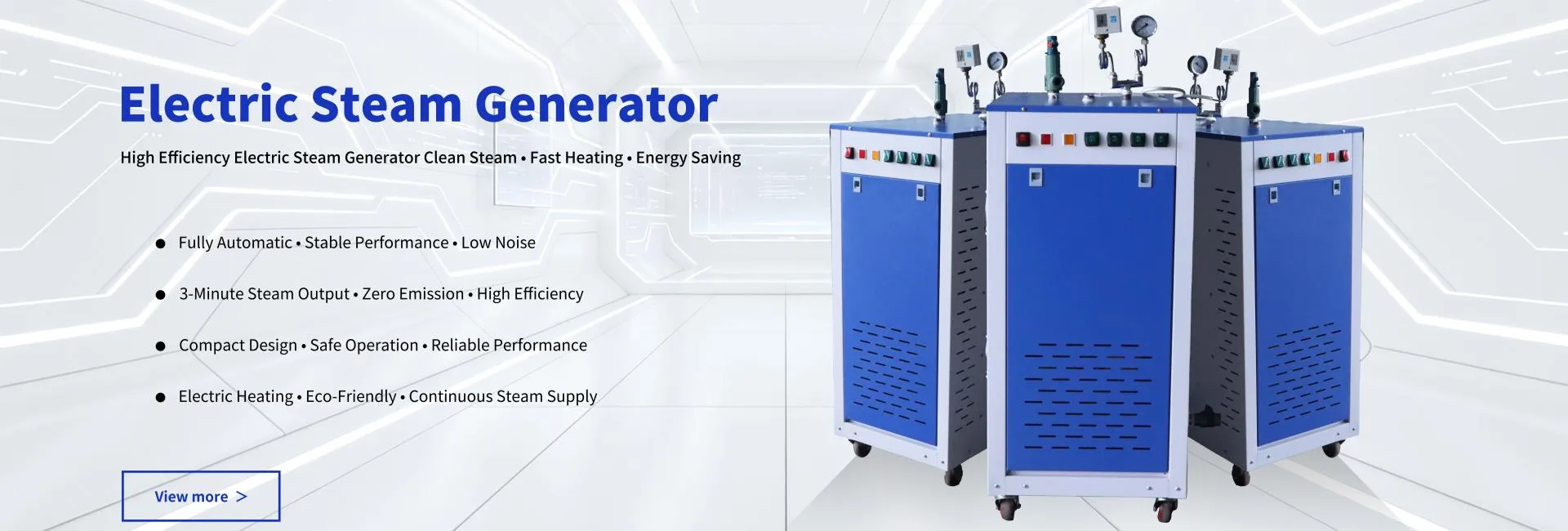
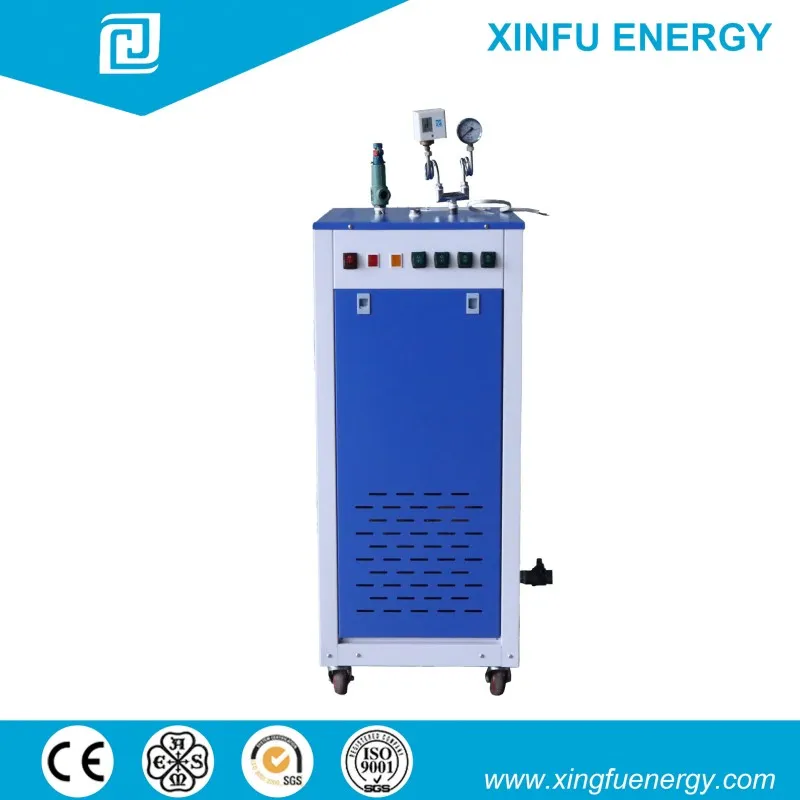
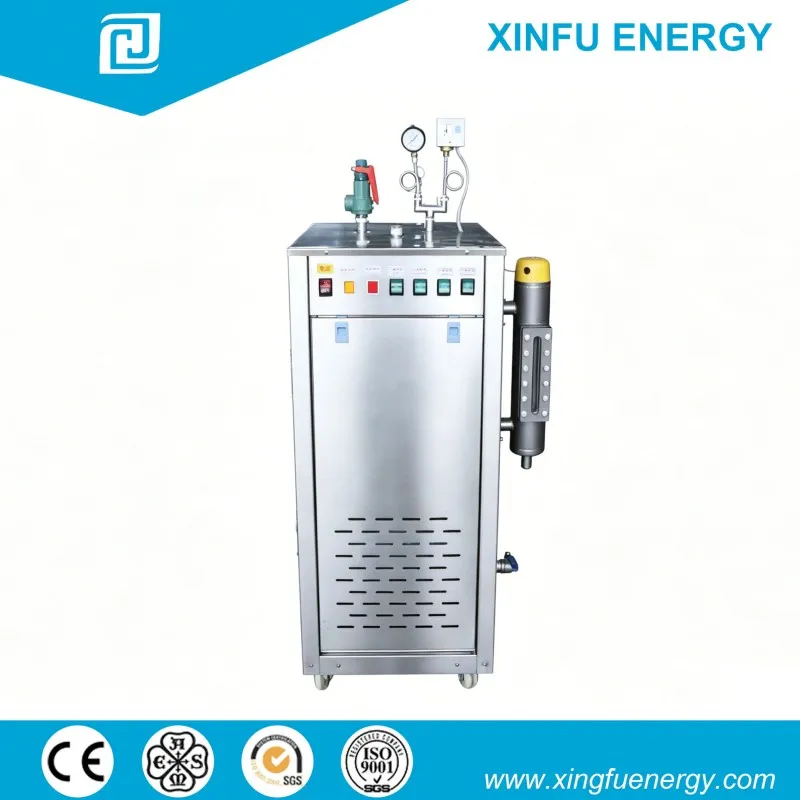
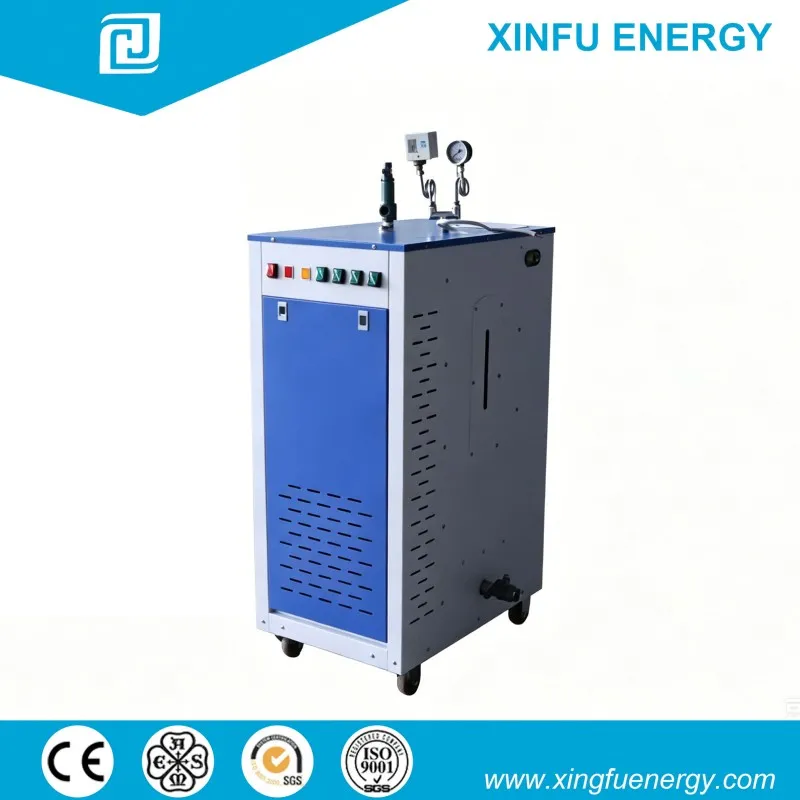
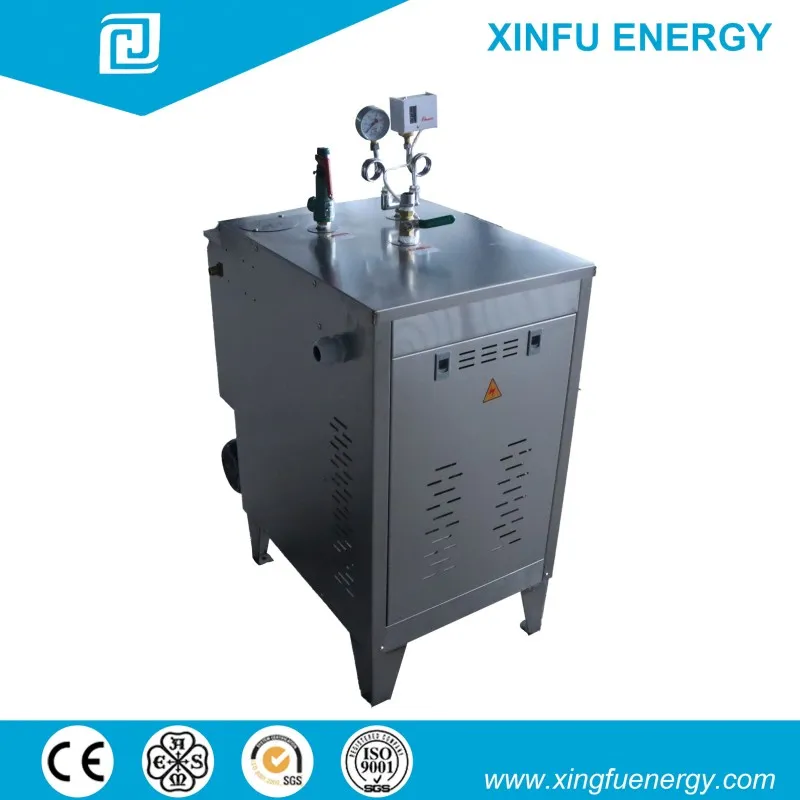
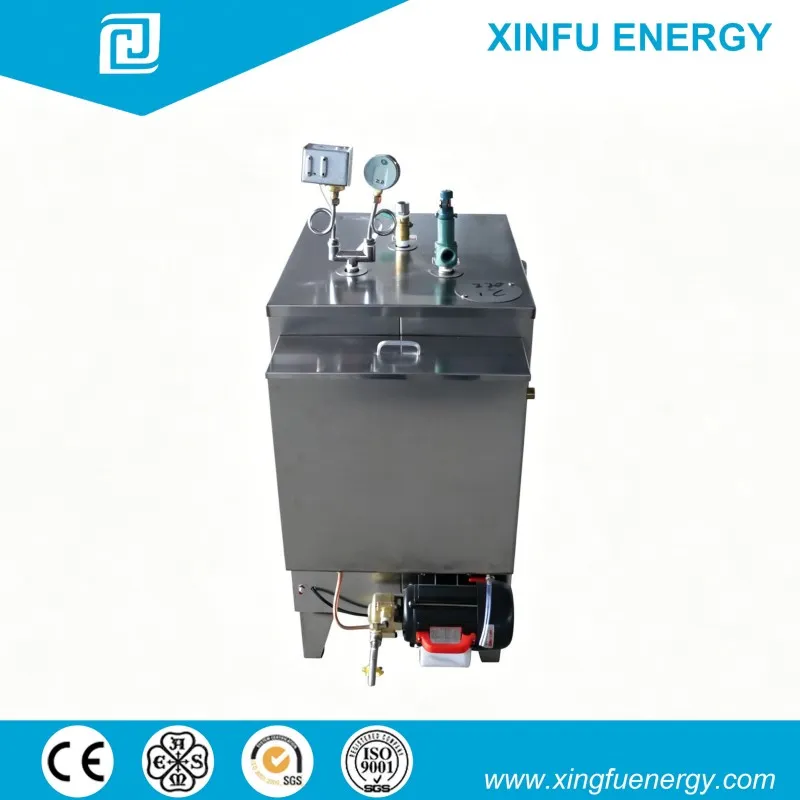
A Commercial Electric Steam Generator is an industrial-grade boiler system that utilizes high-efficiency electric heating elements to produce saturated or superheated steam on demand. Unlike traditional fossil-fuel boilers, these units offer zero onsite emissions, precise temperature control, and rapid startup times, making them ideal for food processing, pharmaceutical sterilization, and textile manufacturing. In 2026, factory-direct pricing models have reduced acquisition costs by eliminating intermediary markups, while advanced IoT integration allows for predictive maintenance and energy optimization. This guide details technical specifications, selection criteria, and current market pricing for businesses seeking reliable, compliant, and cost-effective steam solutions.
What Is a Commercial Electric Steam Generator?
A commercial electric steam generator is a pressure vessel equipped with electric resistance heating elements or electrode systems designed to convert water into steam efficiently. These systems are engineered for continuous or intermittent industrial use, providing a stable steam supply for process heating, humidification, or cleaning applications.
The core distinction between residential units and commercial industrial generators lies in their construction quality, safety certifications, and output capacity. Industrial units typically range from 50 kW to 2000 kW, operating at pressures between 3 bar and 10 bar (43–145 psi). They are built to adhere to strict international standards such as ASME Section VIII for pressure vessels and IEC standards for electrical safety.
Core Working Principle
The operation relies on Joule heating. When an electric current passes through the heating elements submerged in water, electrical energy is converted directly into thermal energy. This heat raises the water temperature to its boiling point, generating steam. The process is controlled by a PLC (Programmable Logic Controller) that monitors water levels, pressure, and temperature in real-time.
Water Intake: Treated water enters the vessel via a feed pump.
Heating Phase: Electric elements activate based on demand signals.
Distribution: Steam is delivered to application points through insulated piping.
Control Loop: Sensors adjust power input to maintain set pressure and temperature.
Why Choose Electric Over Gas or Oil in 2026?
The shift toward electric steam generation in 2026 is driven by regulatory pressures, operational efficiency, and total cost of ownership (TCO) considerations. While natural gas has historically been cheaper per unit of energy, the hidden costs of compliance, maintenance, and infrastructure are changing the equation.
Environmental Compliance and Sustainability
Global carbon neutrality goals have tightened regulations on industrial emissions. Electric steam generators produce zero onsite emissions. There is no combustion, meaning no NOx, SOx, or particulate matter is released. For facilities in urban areas or regions with strict air quality mandates, electric systems eliminate the need for expensive scrubbers or emission permits.
Operational Efficiency and Energy Conversion
Electric boilers boast thermal efficiencies exceeding 98%, compared to 80-85% for typical gas boilers. Since there is no flue gas loss or incomplete combustion, nearly all electrical energy is transferred to the water. Furthermore, electric units do not require standby fuel consumption; they only draw power when steam is demanded, reducing idle energy waste.
Safety and Installation Simplicity
Without fuel storage tanks, gas lines, or exhaust chimneys, the installation footprint is significantly smaller. The absence of open flames or combustible fuels reduces fire hazards and insurance premiums. Maintenance is simplified as there are no burners to tune, no fuel filters to replace, and no soot buildup to clean.
Feature
Electric Steam Generator
Gas/Oil Steam Boiler
Thermal Efficiency
98-99%
80-85%
Emissions
Zero Onsite
NOx, CO2, SOx
Installation Space
Compact, No Chimney
Large, Requires Venting
Maintenance Frequency
Low (Annual Check)
High (Burner Tuning, Cleaning)
Startup Time
Fast (Minutes)
Slow (Pre-heating Required)
Lifespan
15-20 Years
10-15 Years
Key Technical Specifications for Industrial Buyers
When evaluating a commercial electric steam generator, understanding the technical parameters is crucial for matching the equipment to your process requirements. Incorrect sizing or specification can lead to inefficiencies or process failures.
Power Rating and Steam Output
Power is measured in kilowatts (kW) or megawatts (MW). Steam output is typically measured in kilograms per hour (kg/h) or pounds per hour (lbs/hr). A general rule of thumb is that approximately 0.75 kW is required to generate 1 kg of steam per hour, accounting for thermal losses and feedwater temperature.
Small Scale (50-150 kW): Suitable for laundries, small kitchens, and laboratory use.
Medium Scale (200-600 kW): Ideal for food processing lines, medium-sized textile mills, and hospitals.
Large Scale (750-2000+ kW): Used in heavy industrial applications, large-scale sterilization, and district heating.
Operating Pressure and Temperature
Pressure determines the temperature of the saturated steam. Higher pressure allows for higher temperatures, which is critical for sterilization and certain chemical processes.
Low Pressure (3-5 bar): Common for heating applications and humidification.
Medium Pressure (6-10 bar): Standard for food processing and general industrial use.
High Pressure (>10 bar): Required for autoclaves and specific industrial curing processes.
Material Construction and Durability
The longevity of the generator depends heavily on the materials used in the pressure vessel and heating elements.
Vessel Material: High-grade carbon steel (e.g., Q245R, SA516 Gr.70) is standard for larger units. Stainless steel (304 or 316L) is preferred for food, pharmaceutical, and high-purity applications due to its corrosion resistance.
Heating Elements: Incoloy 800 or stainless steel sheathed elements are common. For high-purity water, ceramic or quartz elements may be used to prevent contamination.
Insulation: High-density rock wool or glass wool insulation minimizes heat loss and ensures surface temperatures remain safe for personnel.
Industry Spotlight: Engineering Excellence in Steam Generation
Selecting the right manufacturer is as critical as selecting the right specifications. Leading the charge in this sector is Qingdao Xingfu Energy Equipment Ltd., a high-tech enterprise founded in 2010 and headquartered in Qingdao, China. With over 14 years of continuous industry experience, Xingfu has established itself as a vertically integrated manufacturer, controlling the entire lifecycle from research and design to manufacturing and certified transportation.
Xingfu’s primary focus aligns perfectly with the modern demand for efficient, eco-friendly steam solutions. Their product line features the compact S-Series automation solutions, including fully automated electric steam generators and intelligent steam boilers capable of rapid steam production. These units are constructed primarily from stainless steel, ensuring durability and meeting stringent environmental safety requirements with zero operational emissions.
What sets Xingfu apart is its robust technical infrastructure. The company operates a 70,500-square-meter production base, including 21,000 square meters of dedicated workshops. Their workforce includes 228 employees, with a significant emphasis on technical expertise: 78 technical experts (including 28 engineers) and 136 skilled workers (including 65 certified welders). This depth of engineering talent ensures that every unit meets rigorous internal regulations and international standards, backed by ISO 9001 and CE certifications.
Since beginning exports in 2012, Xingfu has supplied equipment to more than 30 countries, including markets in Europe, Asia, and beyond. Their philosophy centers on long-term partnerships, offering comprehensive support from the initial design phase through installation, testing, and ongoing operation. For buyers in 2026, partnering with an experienced manufacturer like Xingfu ensures not just a piece of equipment, but a reliable, compliant, and optimized steam solution.
2026 Industrial Price Analysis: Factory Direct vs. Distributor
Pricing for commercial electric steam generators in 2026 varies based on capacity, material grade, automation level, and certification requirements. Buying factory direct offers significant cost advantages by removing distributor margins, which can range from 20% to 40%.
Price Ranges by Capacity (Estimated FOB)
The following table provides estimated factory-direct pricing ranges for standard configurations. Note that customizations, such as exotic alloys or specialized control systems, will affect final costs.
Capacity (kW)
Steam Output (kg/h)
Price Range (USD)
Typical Application
50 – 100 kW
70 – 140 kg/h
$3,500 – $6,500
Small Laundry, Lab
150 – 300 kW
210 – 420 kg/h
$7,000 – $12,000
Food Processing, Hospital
400 – 600 kW
560 – 840 kg/h
$13,000 – $18,000
Textile, Medium Manufacturing
750 – 1000 kW
1,050 – 1,400 kg/h
$19,000 – $28,000
Large Sterilization, Industrial
1200 – 2000 kW
1,680 – 2,800 kg/h
$30,000 – $45,000+
Heavy Industry, District Heating
Factors Influencing Cost
Certifications: Units certified with ASME, CE, PED, or UL commands higher engineering and testing costs but are mandatory for many markets.
Control System: Basic PLC systems are cost-effective. Advanced IoT-enabled controllers with remote monitoring and AI optimization add to the initial cost but reduce long-term operational expenses.
Material Grade: Stainless steel vessels cost 30-50% more than carbon steel but offer superior longevity in corrosive environments.
Customization: Specific voltage requirements (e.g., 480V vs. 600V), custom piping layouts, or integrated water treatment systems increase the price.
Industrial Applications of Electric Steam Generators
Electric steam generators are versatile and serve a wide array of industries. Their ability to provide clean, dry, and precisely controlled steam makes them indispensable in sectors where hygiene and precision are paramount.
Food and Beverage Processing
In the food industry, steam is used for cooking, blanching, sterilization, and cleaning. Electric generators ensure that no combustion byproducts contaminate the food product. They are particularly valuable in dairy processing, brewery pasteurization, and ready-meal production.
Hygiene: Stainless steel construction meets FDA and EHEDG standards.
Precision: Exact temperature control prevents overcooking or nutrient loss.
Cleaning: High-pressure steam is effective for CIP (Clean-in-Place) systems.
Pharmaceutical and Healthcare
Sterilization is critical in pharmaceutical manufacturing and healthcare settings. Autoclaves and sterilizers require high-quality, dry steam at specific pressures. Electric generators provide the consistency needed for validation protocols.
Purity: Pure steam generation options prevent endotoxin contamination.
Reliability: Redundant heating elements ensure continuous operation during critical cycles.
Steam is essential for dyeing, finishing, and ironing in the textile sector. Electric generators offer rapid response times, allowing for quick adjustments during different stages of fabric processing.
Humidification: Maintains optimal humidity levels to prevent static and fiber breakage.
Ironing: Provides consistent steam pressure for professional garment finishing.
Dyeing: Uniform heat distribution ensures even color uptake.
Concrete Curing and Construction
In precast concrete manufacturing, steam curing accelerates the hardening process, increasing production throughput. Electric generators allow for precise temperature ramps, preventing thermal shock and cracking in concrete products.
How to Select the Right Commercial Electric Steam Generator
Choosing the correct unit involves balancing technical requirements with budgetary constraints. A systematic approach ensures you invest in a system that meets your current needs while allowing for future scalability.
Step 1: Calculate Steam Demand
Determine your peak and average steam consumption. List all equipment that will use steam and their respective requirements in kg/h. Add a safety margin of 15-20% to account for peak loads and future expansion.
Step 2: Determine Pressure and Temperature Needs
Identify the maximum pressure required by your most demanding application. It is often more efficient to generate steam at a higher pressure and reduce it at the point of use rather than generating at low pressure for all applications.
Step 3: Assess Water Quality
Water quality significantly impacts the lifespan of heating elements and the vessel. Hard water leads to scaling, which insulates elements and causes overheating. If your water hardness exceeds 50 ppm, a water softener or reverse osmosis (RO) system is mandatory.
Step 4: Evaluate Electrical Infrastructure
Ensure your facility has the necessary electrical capacity. Large generators may require 3-phase power (400V, 480V, or 600V). Upgrading electrical service can be costly, so verify availability before purchasing.
Step 5: Check Regulatory Requirements
Verify local codes regarding pressure vessels and electrical installations. Some regions require specific certifications like ASME U-Stamp or CRN. Non-compliant units cannot be legally operated and may void insurance policies.
Installation and Commissioning Best Practices
Proper installation is critical for safety and performance. Even the best equipment will fail if installed incorrectly. Follow these guidelines to ensure a smooth commissioning process.
Site Preparation
The installation site must be level, dry, and well-ventilated. Ensure there is adequate space around the unit for maintenance access. The floor must be capable of supporting the weight of the unit when filled with water.
Water Treatment Integration
Install water treatment systems upstream of the generator. This includes softeners, filters, and deaerators if necessary. Regularly test feedwater for hardness, conductivity, and pH levels. Poor water quality is the leading cause of premature failure in electric steam generators.
Electrical Connections
All electrical connections must be performed by licensed electricians in accordance with local codes. Use properly sized cables and breakers. Ensure proper grounding to prevent electrical hazards. Install a disconnect switch within sight of the unit for emergency shutdowns.
Piping and Insulation
Use schedule 40 or higher steel piping for steam lines. Install steam traps at low points and ends of lines to remove condensate. Insulate all steam pipes to minimize heat loss and protect personnel from burns. Use flexible connectors near the generator to absorb vibration and thermal expansion.
Maintenance Guide for Long-Term Reliability
Regular maintenance extends the life of your electric steam generator and maintains efficiency. A proactive maintenance schedule prevents unexpected downtime and costly repairs.
Daily Checks
Inspect water level indicators and controls.
Check for leaks in piping and valves.
Monitor pressure and temperature gauges for abnormal readings.
Blow down the bottom drain valve to remove sediment (if applicable).
Weekly Maintenance
Test safety valves to ensure they operate freely.
Inspect electrical connections for signs of overheating or loose terminals.
Check water quality parameters (hardness, conductivity).
Verify the operation of the feed pump.
Monthly/Quarterly Maintenance
Inspect heating elements for scale buildup. Clean or replace if necessary.
Calibrate pressure switches and temperature sensors.
Check the condition of contactors and relays in the control panel.
Inspect insulation for damage or moisture ingress.
Annual Overhaul
Perform a thorough internal inspection of the pressure vessel.
Hydrostatic test the vessel if required by local regulations.
Replace gaskets and seals that show signs of wear.
Update firmware in the PLC control system.
Conduct a comprehensive safety audit.
Common Mistakes to Avoid When Buying
Avoiding common pitfalls can save time, money, and operational headaches. Many buyers make errors in sizing, water treatment, or vendor selection.
Undersizing the Unit
Buying a unit that barely meets average demand leaves no room for peak loads. This causes the generator to run continuously at maximum capacity, accelerating wear and potentially failing to meet process requirements during high-demand periods. Always size for peak load plus a safety margin.
Neglecting Water Treatment
Assuming tap water is sufficient is a critical error. Untreated water causes scaling, which reduces heat transfer efficiency and leads to element burnout. Investing in a proper water treatment system is cheaper than replacing heating elements or the entire vessel.
Ignoring Total Cost of Ownership
Focusing solely on the purchase price ignores ongoing operational costs. A cheaper unit with lower efficiency or poor durability will cost more in the long run. Consider energy efficiency, maintenance requirements, and expected lifespan when evaluating options.
Overlooking Certification Requirements
Purchasing a unit without the necessary certifications for your region can lead to legal issues and insurance invalidation. Always verify that the manufacturer provides the required documentation (ASME, CE, etc.) before purchase.
FAQ: Frequently Asked Questions
How much electricity does a commercial electric steam generator consume?
Consumption depends on the steam demand. Generally, it takes about 0.75 kWh to produce 1 kg of steam. For example, a 100 kW unit running at full load consumes 100 kWh per hour. Actual consumption varies based on insulation, feedwater temperature, and steam pressure.
Can I use an electric steam generator for humidification?
Yes, electric steam generators are excellent for humidification because they produce clean, sterile steam. However, ensure the unit is designed for humidification applications, which may require specific controls and distribution systems to prevent condensation issues.
What is the lifespan of an electric steam generator?
With proper maintenance and water treatment, an electric steam generator can last 15-20 years. Heating elements may need replacement every 3-5 years depending on water quality and usage intensity. The pressure vessel itself typically has a longer lifespan if inspected regularly.
Is it expensive to operate compared to gas?
While electricity per unit of energy is often more expensive than natural gas, the higher efficiency (98% vs. 80%) and lower maintenance costs of electric units can narrow the gap. In regions with high carbon taxes or where gas infrastructure is lacking, electric operation can be more cost-effective. Additionally, off-peak electricity rates can significantly reduce operating costs.
Do I need a boiler operator license?
Regulations vary by location. Many jurisdictions exempt low-pressure electric boilers from requiring a licensed operator, especially if they are fully automatic. However, high-pressure units or those above a certain capacity may still require licensed personnel. Check with your local authority having jurisdiction (AHJ).
How fast can an electric steam generator start up?
Electric steam generators have rapid startup times, typically reaching operating pressure within 15-30 minutes from a cold start. This is significantly faster than gas or oil boilers, which may take hours to warm up. This feature allows for on-demand steam generation, reducing idle energy consumption.
Future Trends in Electric Steam Generation
The industry is evolving with technology. In 2026 and beyond, several trends are shaping the market for commercial electric steam generators.
IoT and Smart Controls
Integration with Internet of Things (IoT) platforms allows for remote monitoring and control. Operators can track performance metrics, receive alerts for maintenance needs, and optimize energy usage from anywhere. Predictive analytics can forecast component failures before they occur, minimizing downtime.
Modular Design
Modular systems allow users to install multiple smaller units instead of one large boiler. This provides redundancy; if one unit fails, others can continue to operate. It also allows for better load matching, improving efficiency during partial load conditions.
Hybrid Systems
Some facilities are adopting hybrid systems that combine electric generators with renewable energy sources like solar or wind. Excess renewable energy can be used to generate steam, further reducing carbon footprint and operating costs.
Conclusion: Making the Right Investment for Your Business
Investing in a Commercial Electric Steam Generator is a strategic decision that impacts operational efficiency, compliance, and sustainability. In 2026, the technology offers a mature, reliable, and environmentally friendly alternative to traditional fossil-fuel boilers. By choosing factory-direct options from established manufacturers like Qingdao Xingfu Energy Equipment, businesses can secure competitive pricing without compromising on quality or support.
Key takeaways for buyers include:
Prioritize Water Quality: Invest in robust water treatment to protect your asset.
Size Correctly: Account for peak loads and future growth.
Verify Certifications: Ensure compliance with local safety and environmental regulations.
Consider TCO: Look beyond the purchase price to efficiency and maintenance costs.
Whether you are in food processing, pharmaceuticals, or manufacturing, an electric steam generator provides the precision and reliability needed for modern industrial processes. By understanding the technical specifications and market dynamics outlined in this guide, you are well-equipped to make an informed purchasing decision.
For detailed technical specifications, custom quotes, or consultation on selecting the right model for your specific application, explore our related products and technical solutions. Our engineering team is ready to assist you in optimizing your steam system for maximum performance and value.