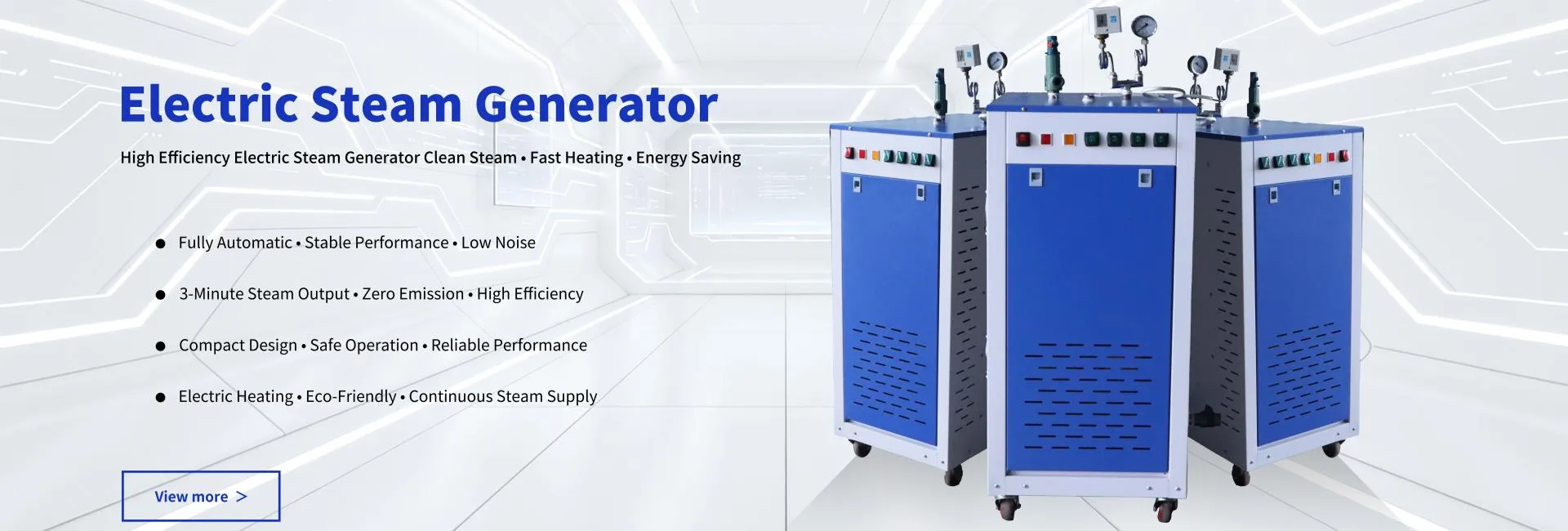
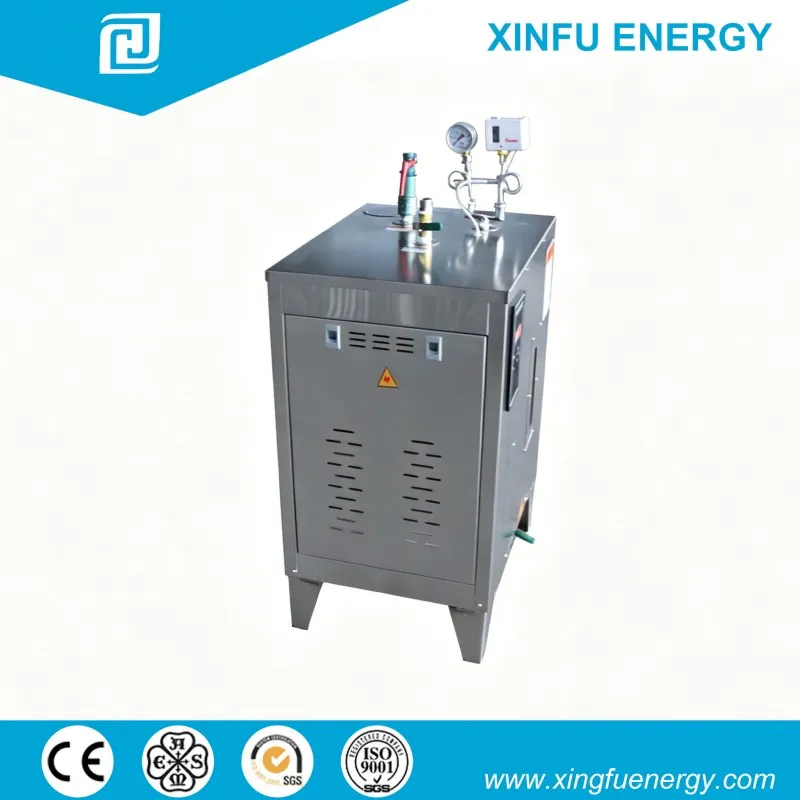
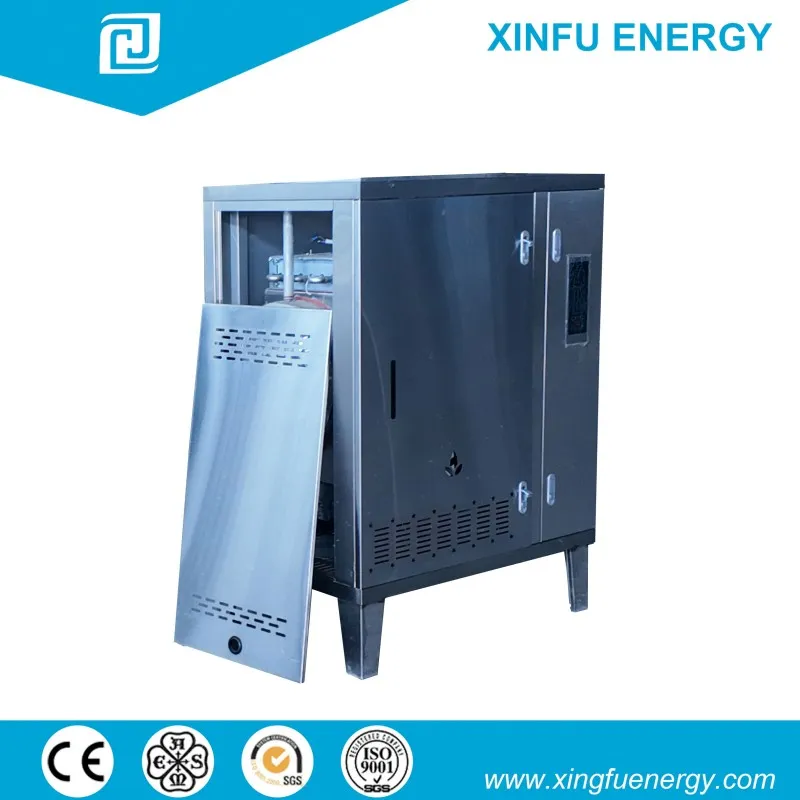
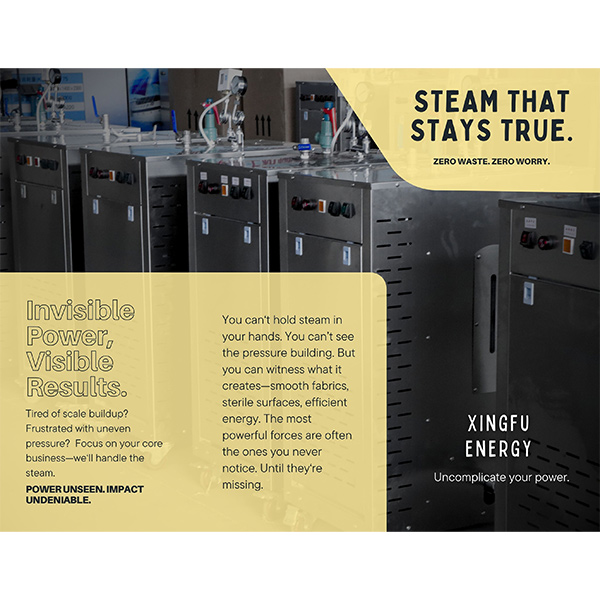
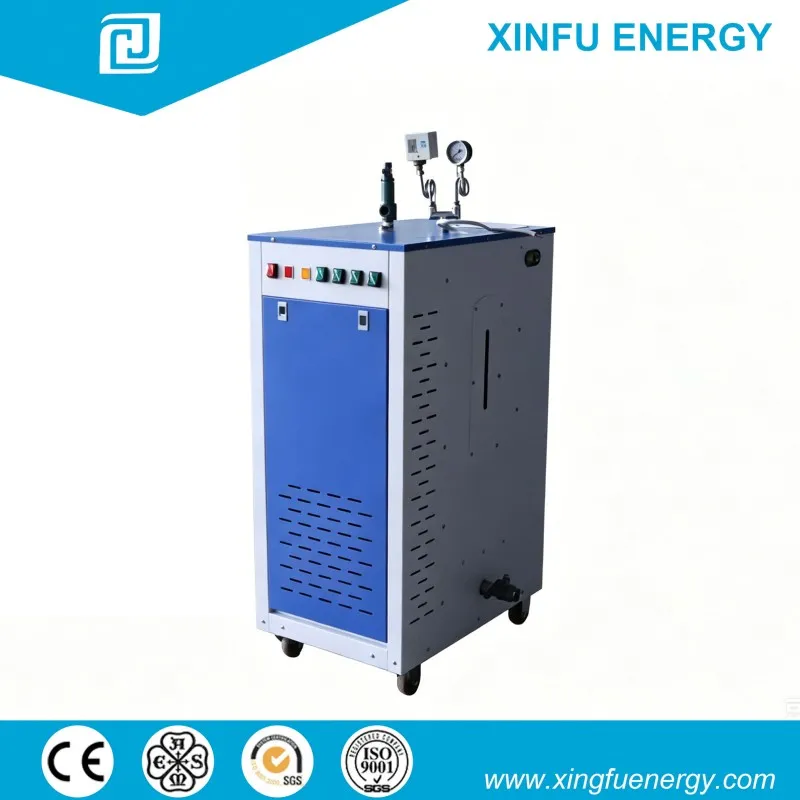
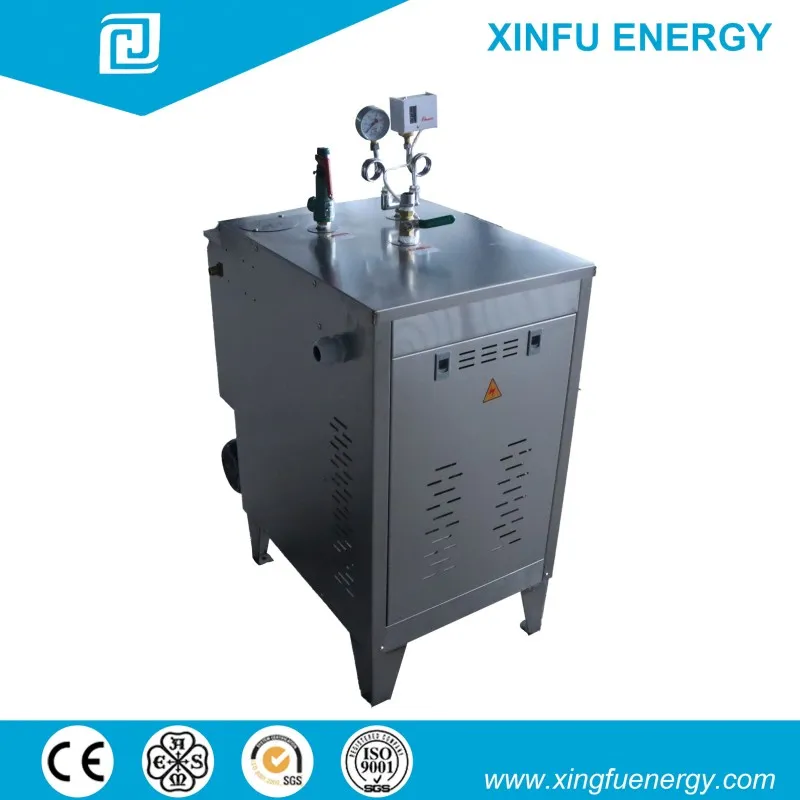
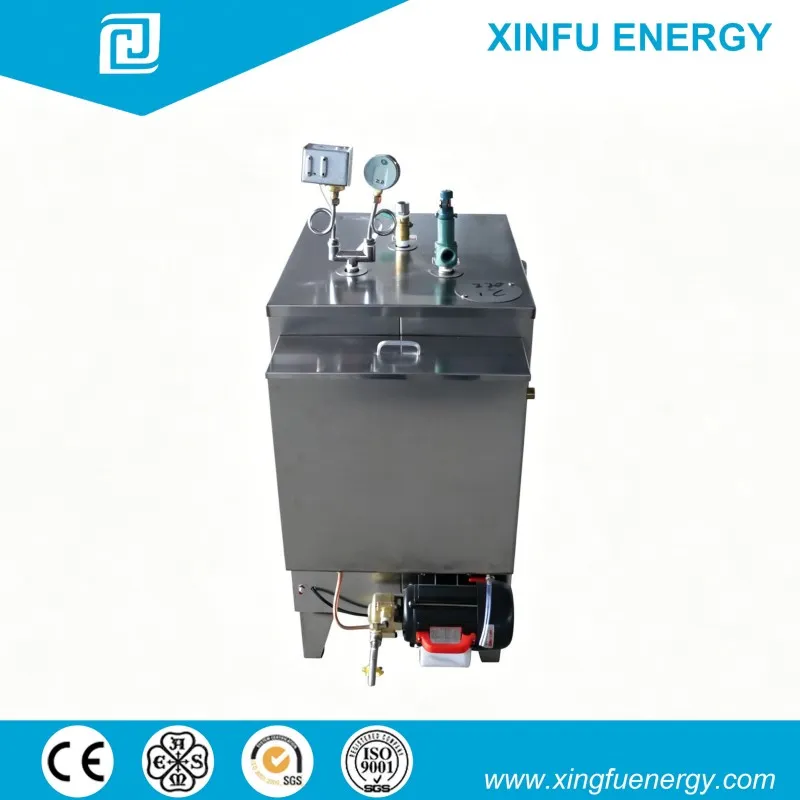
A Compact Electric Steam Generator is a high-efficiency, space-saving industrial boiler system designed to produce saturated steam on demand using electrical heating elements. Unlike traditional fossil-fuel boilers, these units offer zero onsite emissions, rapid startup times (often under 5 minutes), and precise pressure control. In 2026, they are the preferred solution for industries requiring clean, dry steam in confined spaces, such as pharmaceuticals, food processing, and laboratory applications. Factory-direct supply models now allow buyers to bypass intermediaries, securing competitive pricing and customized technical support directly from manufacturers.
What Is a Compact Electric Steam Generator?
A compact electric steam generator is a specialized thermal energy device that converts water into steam using electricity as the primary energy source. The term “compact” refers to its engineered footprint, which is significantly smaller than conventional fire-tube or water-tube boilers of equivalent capacity. This reduction in size is achieved through advanced heat exchange technologies, integrated control systems, and modular design principles.
In industrial settings, these generators serve as critical utilities for processes requiring consistent thermal energy. They eliminate the need for fuel storage tanks, exhaust chimneys, and complex ventilation systems associated with gas or oil-fired boilers. The core component is typically a stainless steel pressure vessel containing high-grade electric heating elements. When energized, these elements transfer heat directly to the water, generating steam rapidly and efficiently.
Core Working Principle
The operational logic of an electric steam generator is straightforward yet highly engineered for safety and efficiency. Water enters the pressure vessel through a feedwater system. Inside the vessel, electric heating elements—usually made of Incoloy or stainless steel—are submerged in the water. As electricity passes through these resistive elements, heat is generated and transferred to the water via conduction and convection.
Heating Phase: The control system monitors water temperature and pressure. Elements activate in stages to prevent electrical surges and ensure uniform heating.
Steam Generation: As water reaches its boiling point, it transitions into steam. The design ensures high steam quality, often exceeding 98% dryness fraction.
Separation and Delivery: Internal separators remove entrained water droplets, ensuring only dry steam exits the outlet valve. This is crucial for applications sensitive to moisture, such as sterilization.
Pressure Regulation: Pressure sensors provide real-time feedback to the PLC (Programmable Logic Controller). If pressure exceeds the setpoint, the system reduces power to the elements or pauses heating until pressure stabilizes.
This direct heating method results in thermal efficiencies approaching 98-99%, as there are no flue gas losses or combustion inefficiencies. For facilities aiming to reduce their carbon footprint or operate in areas with strict emission regulations, this technology represents a pivotal shift in industrial heating infrastructure.
Key Features Defining 2026 Models
The landscape of electric steam generation has evolved significantly by 2026. Modern compact units are not merely heaters; they are intelligent thermal management systems. Manufacturers have integrated IoT capabilities, advanced materials, and modular architectures to meet the demanding requirements of Industry 4.0.
1. Intelligent Control Systems (IoT & PLC)
Current models feature sophisticated PLC-based control panels with HMI (Human-Machine Interface) touchscreens. These systems allow operators to monitor pressure, water level, temperature, and power consumption in real-time. Many 2026 units come equipped with IoT modules that enable remote monitoring via smartphones or central control rooms. This connectivity facilitates predictive maintenance, alerting engineers to potential issues like scale buildup or element degradation before they cause downtime.
2. Modular Scalability
Instead of installing one massive boiler, modern facilities prefer multiple compact units operating in parallel. This modular approach offers redundancy; if one unit requires maintenance, others continue to supply steam, ensuring uninterrupted production. It also allows for load matching, where the number of active units adjusts dynamically based on steam demand, optimizing energy usage during partial load conditions.
3. Enhanced Safety Mechanisms
Safety is paramount in pressure vessel operations. Contemporary compact electric steam generators include multiple layers of protection:
Dual Water Level Controls: Combining probe-type and magnetic float switches to prevent dry firing.
Pressure Relief Valves: Mechanical backups that release excess pressure if electronic controls fail.
Over-Temperature Protection: Independent thermal cut-offs that disconnect power if water temperatures exceed safe limits.
Leak Detection: Sensors that detect water leakage in the electrical compartment, triggering an immediate shutdown.
4. High-Efficiency Heating Elements
The longevity and efficiency of the generator depend heavily on the heating elements. Premium 2026 models use Finned Electric Heating Elements or Immersion Heaters made from corrosion-resistant alloys like Incoloy 800 or 316L Stainless Steel. These materials withstand high temperatures and resist scaling, extending the service life of the unit and maintaining consistent heat transfer rates over time.
Why Choose Electric Over Gas or Oil? (Comparative Analysis)
When selecting a steam source, decision-makers often weigh electric options against traditional fossil fuel boilers. While gas and oil have historically been cheaper per unit of energy, the total cost of ownership (TCO) narrative is shifting due to environmental regulations, maintenance costs, and installation complexities.
Feature
Compact Electric Steam Generator
Gas/Oil Fired Boiler
Initial Installation Cost
Lower. No fuel lines, chimneys, or ventilation systems required.
Higher. Requires fuel storage, exhaust systems, and compliance with fire codes.
Space Requirement
Minimal. Footprint is up to 70% smaller than equivalent gas boilers.
Large. Needs significant clearance for combustion air and maintenance access.
Emissions
Zero onsite emissions. Ideal for green buildings and strict environmental zones.
Produces CO2, NOx, and SOx. May require scrubbers or carbon offsets.
Thermal Efficiency
98-99%. Almost all electrical energy is converted to heat.
80-85%. Significant energy loss through flue gases and radiation.
Maintenance
Low. No burners, no soot, no fuel filters. Primarily water quality management.
High. Regular cleaning of burners, heat exchangers, and flue paths.
Startup Time
Fast. Ready to produce steam in 3-5 minutes.
Slow. Can take 15-30 minutes to reach operating pressure.
Operational Noise
Silent. Only minor noise from pumps and valves.
Noisy. Combustion fans and burners generate significant sound.
This comparison highlights why electric generators are increasingly favored in urban environments, indoor facilities, and industries prioritizing sustainability. The absence of combustion simplifies regulatory approval and reduces insurance premiums in many jurisdictions.
Top Industrial Applications in 2026
The versatility of compact electric steam generators makes them suitable for a wide array of industries. Their ability to provide clean, dry, and precisely controlled steam is particularly valuable in sectors where product purity and process stability are non-negotiable.
Pharmaceutical and Biotechnology
In pharmaceutical manufacturing, steam is used for sterilization, humidification, and cleaning-in-place (CIP) systems. Electric generators produce pure steam without the risk of combustion byproducts contaminating the process. This is critical for adhering to Good Manufacturing Practices (GMP) and FDA regulations. The rapid response time allows for precise cycle control in autoclaves and sterilizers, ensuring validatory compliance.
Food and Beverage Processing
From pasteurization to cooking and cleaning, steam is a workhorse in the food industry. Electric steam generators offer hygienic advantages, as there is no risk of fuel leaks or soot contamination. They are ideal for small to medium-sized breweries, dairy plants, and packaged food facilities. The compact size allows installation directly on production floors, minimizing heat loss from long pipe runs.
Hospital and Healthcare Sterilization
Hospitals require reliable steam for sterilizing surgical instruments and linens. Electric generators provide a quiet, emission-free solution that can be installed within the facility, avoiding the need for external boiler houses. The reliability of electric systems ensures that critical sterilization cycles are not interrupted by fuel supply issues.
Laboratory and Research Facilities
Research labs often require small amounts of high-purity steam for experiments and equipment sterilization. Compact electric units are perfect for this scale, offering precise pressure and temperature control. Their quiet operation does not disrupt sensitive laboratory environments, and the lack of emissions maintains indoor air quality.
Textile and Garment Industry
Steam pressing and dyeing processes benefit from the consistent pressure provided by electric generators. The ability to modulate power output helps maintain steady steam supply during fluctuating demand, improving product quality and reducing energy waste. Additionally, the clean steam prevents staining or discoloration of fabrics.
Industry Leader Spotlight: Qingdao Xingfu Energy Equipment Ltd.
As the demand for high-quality, compliant electric steam solutions grows, selecting a manufacturer with deep engineering expertise and robust production capabilities is essential. Qingdao Xingfu Energy Equipment Ltd., established in 2010 and headquartered in Qingdao, China, has emerged as a leading high-tech supplier in this sector. With over 14 years of continuous industry experience, the company combines traditional manufacturing prowess with continuous technological innovation to serve clients in more than 30 countries, including markets in Europe, Asia, and beyond.
Xingfu Energy specializes in the research, design, and manufacturing of industrial boilers and pressure vessels, with a key focus on their S-Series automation solutions. This series includes fully automated compact electric steam generators, intelligent steam boilers with fast-start capabilities, and high-power units designed for continuous production lines. All products are constructed from premium stainless steel, meeting stringent environmental safety requirements and achieving zero emissions during operation.
What sets Qingdao Xingfu apart is its vertically integrated manufacturing model. Operating from a 70,500-square-meter production base with 21,000 square meters of dedicated workshops, the company controls the entire lifecycle from equipment development to certified transportation. The workforce includes 228 employees, with a strong emphasis on technical expertise: 78 technical experts (including 28 engineers) and 136 skilled workers (including 65 certified welders). This high ratio of technical personnel ensures that every unit undergoes rigorous testing in internal laboratories, adhering to ISO 9001 and CE certifications, as well as holding Class B boiler and Class 1/2 container manufacturing licenses.
For international buyers, Xingfu Energy offers more than just hardware; they provide a partnership model that includes technical support during the design phase, equipment selection consulting, and assistance with installation and test runs. This comprehensive approach ensures that the compact electric steam generators integrate seamlessly into existing engineering systems, maximizing energy efficiency and reliability.
How to Choose the Right Compact Electric Steam Generator
Selecting the appropriate unit involves balancing technical specifications with operational needs. A mismatched system can lead to inefficiencies, premature wear, or inadequate process performance. Here is a structured approach to sizing and selection.
1. Determine Steam Demand (kg/h)
The primary specification is the steam output capacity, measured in kilograms per hour (kg/h) or pounds per hour (lbs/h). Calculate the peak steam demand of your application. Consider simultaneous usage of multiple devices. It is advisable to add a safety margin of 10-20% to account for future expansion or unexpected peaks.
2. Define Operating Pressure (Bar/PSI)
Different applications require different steam pressures. For example, sterilization typically requires higher pressures (e.g., 3-10 bar), while humidification may operate at lower pressures (e.g., 0.5-2 bar). Ensure the generator’s maximum working pressure exceeds your highest required operating pressure.
3. Assess Power Supply Availability
Electric steam generators are power-intensive. Verify the available electrical infrastructure at your site. Common configurations include:
Single-Phase (220-240V): Suitable for very small units (up to 10-15 kW).
Three-Phase (380-480V): Standard for most industrial compact units (15 kW to 100+ kW).
High Voltage (600V+): Required for larger industrial installations.
Ensure your transformer and switchgear can handle the load. Remember that electric boilers often draw significant current, so proper cable sizing and breaker protection are essential.
4. Water Quality Requirements
Water quality directly impacts the lifespan and efficiency of the generator. Hard water leads to scaling on heating elements, reducing heat transfer and causing overheating. Most manufacturers specify a maximum hardness level (e.g., < 0.03 mmol/L). If your local water supply exceeds this, you must install a water softener or reverse osmosis (RO) system upstream. Conduct a water analysis before purchase to determine the necessary pre-treatment.
5. Space and Installation Constraints
Measure the available installation area. Consider not just the unit’s footprint, but also clearance for maintenance access, pipe connections, and electrical panels. Compact designs are beneficial, but adequate airflow around the control panel is necessary to prevent overheating of electronic components.
Installation and Commissioning Guidelines
Proper installation is critical for safe and efficient operation. While compact electric steam generators are easier to install than fossil fuel boilers, professional execution is still required.
Step-by-Step Installation Process
Site Preparation: Ensure the floor is level and capable of supporting the unit’s weight when filled with water. Install a drain nearby for blowdown and relief valve discharge.
Positioning: Place the generator in the designated location. Use vibration dampeners if necessary to minimize noise transmission.
Water Connection: Connect the feedwater line using recommended piping materials (e.g., stainless steel or PPR). Install a check valve to prevent backflow and a shut-off valve for maintenance.
Steam Outlet: Connect the steam outlet to your distribution network. Use high-quality steam traps and insulation to minimize heat loss and condensate formation.
Electrical Connection: This must be performed by a licensed electrician. Connect the power supply to the terminal box, ensuring correct phase sequence and grounding. Install a dedicated circuit breaker with appropriate amperage rating.
Blowdown Line: Connect the blowdown valve to a safe discharge point. This line will carry hot water and sediment, so use heat-resistant piping.
Commissioning Checks
Before full operation, perform the following checks:
Verify all electrical connections are tight and properly insulated.
Check for water leaks in all piping connections.
Test the safety valves and pressure switches to ensure they function correctly.
Fill the vessel with water and check the water level indicators.
Perform a initial low-power test run to monitor heating element performance and control logic.
Maintenance Best Practices for Longevity
While electric steam generators require less maintenance than combustion boilers, regular upkeep is essential to maintain efficiency and prevent failures. A proactive maintenance schedule can extend the unit’s life to 10-15 years or more.
Daily Maintenance
Visual Inspection: Check for leaks, unusual noises, or error codes on the display.
Water Level Check: Ensure the water level is within the normal operating range.
Pressure Gauge: Verify that the pressure reading matches the setpoint.
Weekly Maintenance
Blowdown: Perform a bottom blowdown to remove sediment and sludge from the tank. This prevents scaling on heating elements.
Safety Valve Test: Manually lift the safety valve lever to ensure it moves freely and reseats properly.
Monthly Maintenance
Water Quality Test: Test the feedwater and boiler water for hardness, pH, and conductivity. Adjust water treatment as needed.
Electrical Inspection: Check terminal connections for signs of overheating or loosening. Tighten if necessary.
Control Panel: Clean the control panel and vents to prevent dust accumulation.
Annual Maintenance
Internal Inspection: Drain the tank and inspect the interior for scale or corrosion. Clean heating elements if scaled.
Component Replacement: Replace contactors, relays, or seals showing signs of wear.
Calibration: Calibrate pressure transmitters and temperature sensors to ensure accuracy.
Professional Service: Engage a certified technician for a comprehensive system audit.
2026 Price Guide and Factory Direct Supply Benefits
Pricing for compact electric steam generators varies based on capacity, features, and brand. In 2026, the market has become more transparent, with many manufacturers offering factory-direct sales channels. This model eliminates distributor markups, providing better value for buyers.
Estimated Price Ranges (FOB/CIF)
Note: Prices are indicative and subject to raw material costs, customization, and shipping terms.
Capacity (kW)
Steam Output (kg/h)
Estimated Price Range (USD)
Typical Application
12 – 18 kW
15 – 25 kg/h
$1,500 – $2,500
Small labs, humidification
24 – 36 kW
30 – 50 kg/h
$2,800 – $4,000
Small food processing, clinics
48 – 72 kW
60 – 100 kg/h
$4,500 – $6,500
Medium breweries, textile shops
90 – 108 kW
120 – 150 kg/h
$7,000 – $9,500
Larger industrial processes
144 kW+
200+ kg/h
$10,000+
Heavy industrial, multi-unit setups
Advantages of Factory Direct Supply
Purchasing directly from the manufacturer offers several strategic advantages:
Cost Efficiency: Removing intermediaries reduces the final price by 15-30%.
Customization: Factories can tailor voltage, pressure ratings, and control interfaces to specific project needs.
Technical Support: Direct access to engineering teams ensures faster resolution of technical queries and better after-sales support.
Warranty Clarity: Direct warranties are often more comprehensive and easier to claim than third-party guarantees.
Spare Parts Availability: Manufacturers maintain stock of critical spares, reducing downtime during repairs.
Common Mistakes to Avoid
Even with advanced technology, user errors can compromise performance. Avoid these common pitfalls:
Ignoring Water Treatment: Skipping water softening leads to rapid scaling, reducing efficiency and burning out elements. This is the number one cause of premature failure.
Oversizing or Undersizing: An oversized unit cycles too frequently, causing wear on contactors. An undersized unit cannot meet demand, leading to process delays. Accurate load calculation is essential.
Poor Insulation: Failing to insulate steam pipes results in significant energy loss and condensate formation, which can damage equipment downstream.
Neglecting Blowdown: Regular blowdown is crucial for removing solids. Skipping this step allows sludge to accumulate, insulating heating elements and causing overheating.
Incorrect Electrical Sizing: Using undersized cables or breakers can lead to voltage drops, tripping, or fire hazards. Always follow the manufacturer’s electrical diagrams.
Frequently Asked Questions (FAQ)
How much electricity does a compact electric steam generator consume?
Consumption depends on the unit’s power rating and duty cycle. A 36 kW unit running at full load consumes 36 kWh per hour. However, modern units modulate power based on demand, so actual consumption is often lower. High thermal efficiency (98-99%) means almost all consumed electricity is converted to useful steam.
Can I use tap water directly?
It is not recommended. Tap water often contains minerals (hardness) that cause scaling. Most manufacturers require treated water with hardness below 0.03 mmol/L. Installing a water softener or RO system is standard practice to protect the heating elements and ensure longevity.
Is an electric steam generator safe for indoor installation?
Yes, it is one of the safest options for indoor use. Since there is no combustion, there are no exhaust gases, carbon monoxide risks, or open flames. Proper ventilation for heat dissipation is still required, but no chimney or flue is needed.
What is the lifespan of an electric steam generator?
With proper maintenance and water treatment, a high-quality electric steam generator can last 10 to 15 years. Heating elements may need replacement every 3-5 years depending on water quality and usage intensity.
How fast can it produce steam?
Compact electric generators are known for rapid startup. Most units can produce usable steam within 3 to 5 minutes from a cold start. This is significantly faster than gas or oil boilers, which may take 15-30 minutes to warm up.
Do I need a licensed operator?
Regulations vary by country and region. In many jurisdictions, small electric boilers below a certain pressure and capacity threshold do not require a licensed boiler operator. However, local safety codes should always be consulted. Regardless of legal requirements, trained personnel should handle operation and maintenance.
Conclusion: Investing in Efficient Steam Solutions
The Compact Electric Steam Generator represents a smart investment for modern industrial and commercial facilities in 2026. Its combination of high efficiency, zero emissions, compact footprint, and low maintenance makes it superior to traditional fossil fuel boilers for many applications. By choosing factory-direct supply from reputable manufacturers like Qingdao Xingfu Energy Equipment Ltd., buyers can secure competitive pricing and tailored technical support, ensuring a seamless integration into their operations.
Whether you are in pharmaceuticals, food processing, or healthcare, transitioning to electric steam generation aligns with sustainability goals and operational excellence. Careful selection based on capacity, water quality, and electrical infrastructure will maximize returns and reliability.
To explore specific models, request a customized quote, or discuss your technical requirements, contact our engineering team today. We provide comprehensive solutions from sizing to installation support.