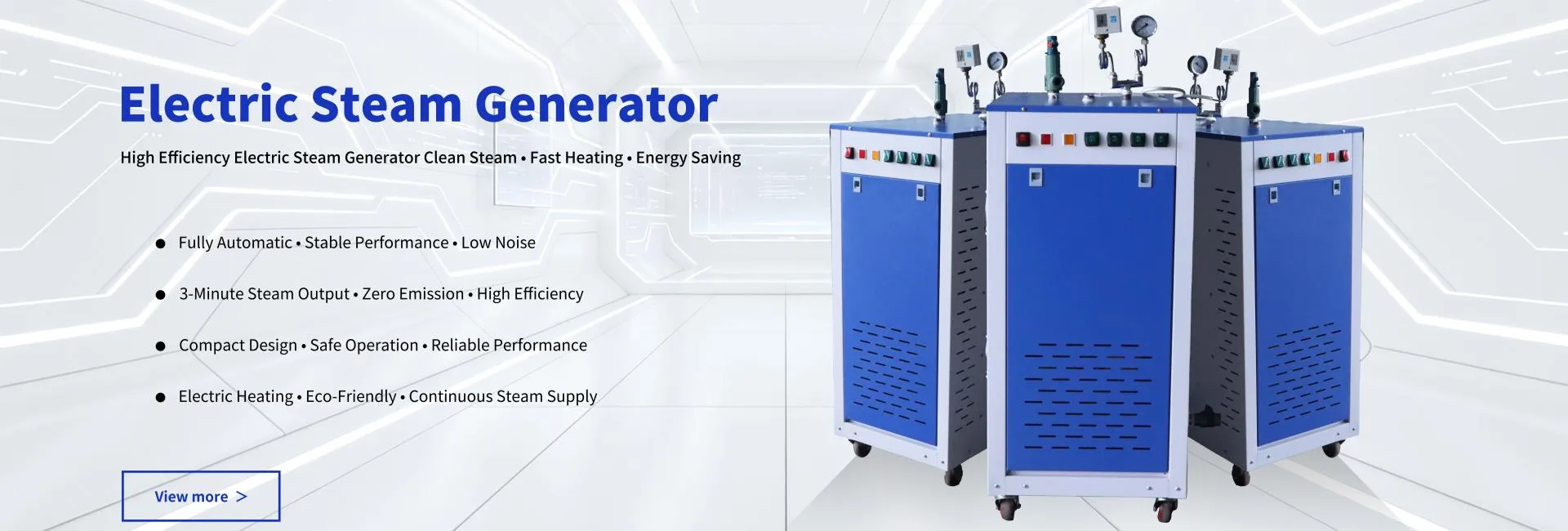
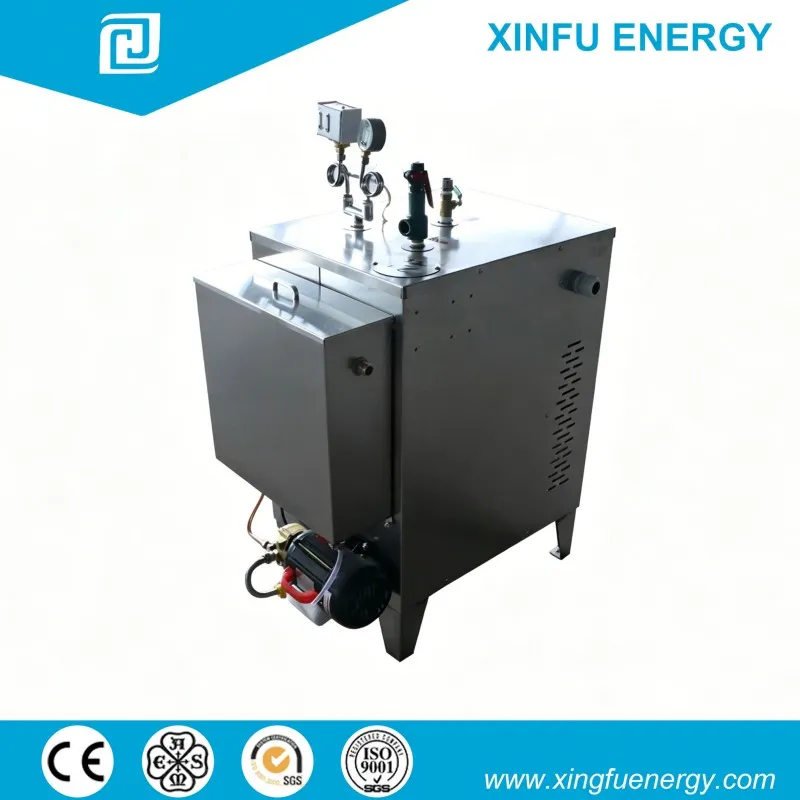
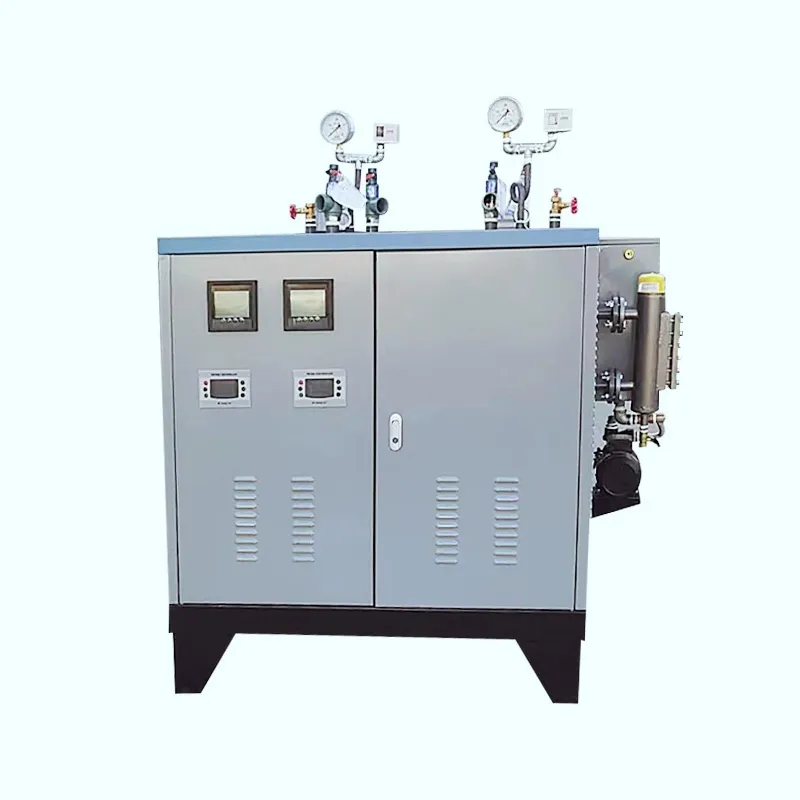
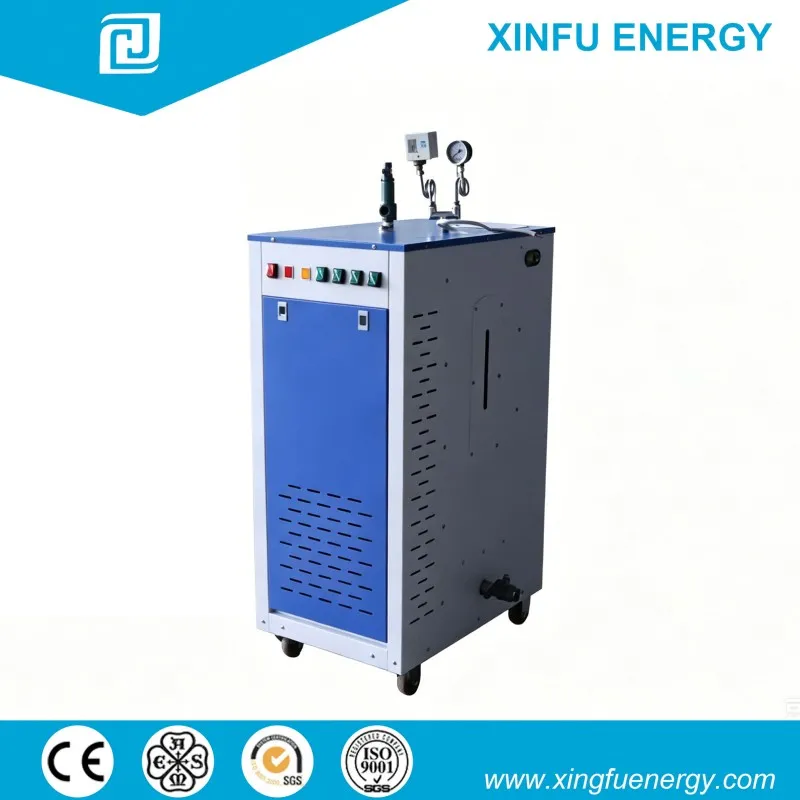
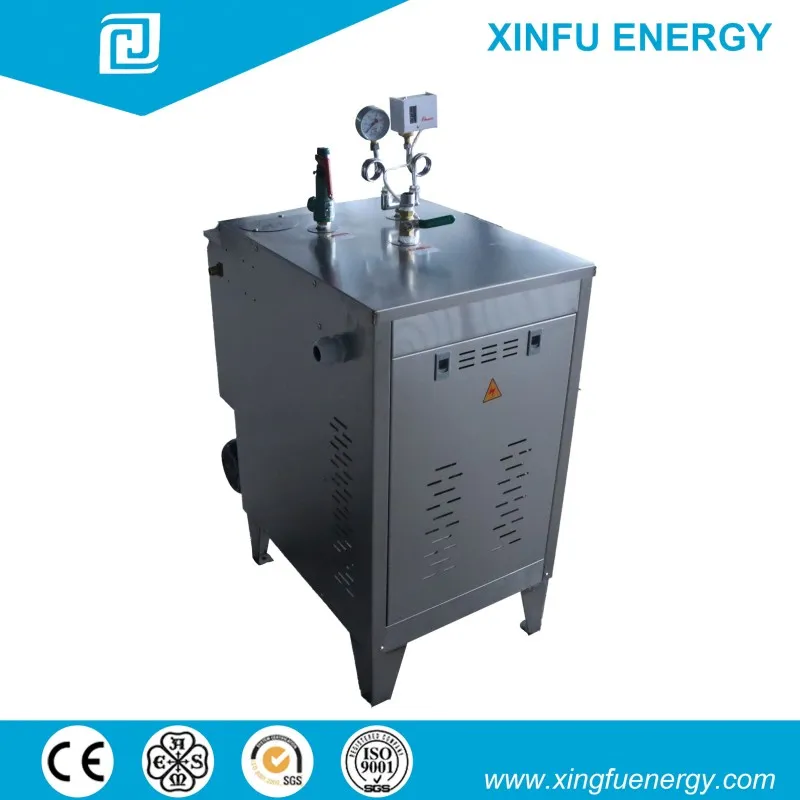
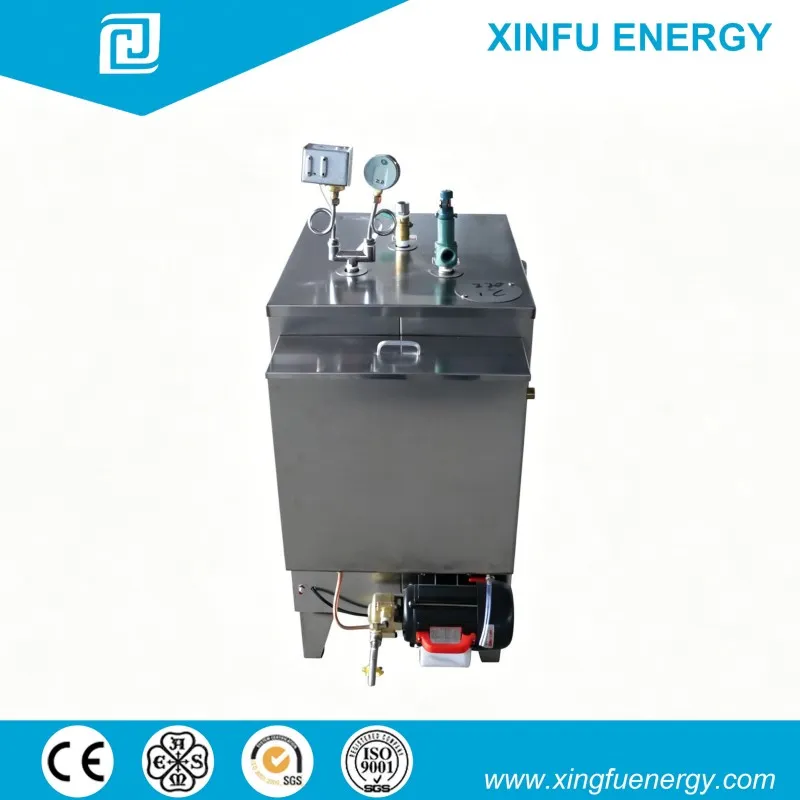
An Electric Steam Generator for Textile Industry is a compact, high-efficiency boiler system designed to produce saturated steam for dyeing, finishing, and pressing processes. Unlike traditional fossil-fuel boilers, these units utilize electric heating elements to convert water into steam with nearly 100% thermal efficiency, offering precise temperature control and zero onsite emissions. For 2026, factory-direct pricing models allow textile manufacturers to bypass intermediaries, reducing capital expenditure by 15-20% while ensuring compliance with stringent environmental regulations. This guide details technical specifications, cost structures, and selection criteria for optimizing textile production lines.
Why the Textile Industry is Shifting to Electric Steam Generators in 2026
The global textile manufacturing landscape is undergoing a significant transformation driven by environmental regulations and the need for operational precision. In 2026, the demand for an Electric Steam Generator for Textile Industry applications has surged due to three primary factors: regulatory compliance, energy efficiency, and process control.
Traditional coal and gas boilers are increasingly restricted in major textile hubs such as Vietnam, Bangladesh, India, and China. Governments are enforcing stricter carbon emission limits, making fossil-fuel-based steam generation economically viable only with expensive scrubbing systems. Electric steam generators eliminate onsite combustion, resulting in zero NOx, SOx, or particulate matter emissions. This allows textile factories to operate in urban industrial zones without facing shutdowns or heavy fines.
Beyond compliance, the quality of steam directly impacts fabric quality. Textile processes like dyeing require stable steam pressure and dryness fractions. Fluctuations in steam supply can lead to uneven dyeing, fabric shrinkage, or hand-feel inconsistencies. Electric generators offer rapid response times, adjusting steam output within seconds to match load demands. This precision reduces waste and improves the first-pass yield in dyeing operations.
Regulatory Compliance: Meets 2026 global environmental standards without additional filtration equipment.
Operational Precision: Maintains steam pressure stability within ±0.1 bar, crucial for high-quality dyeing.
Space Efficiency: Compact footprint allows installation close to point-of-use, reducing heat loss in piping.
Low Maintenance: No burners, fuel lines, or exhaust systems to maintain, reducing downtime.
Core Applications of Electric Steam Generators in Textile Manufacturing
Understanding the specific steam requirements for different textile stages is essential for sizing and selecting the right equipment. An Electric Steam Generator for Textile Industry is not a one-size-fits-all solution; it must be matched to the thermal load of specific machinery.
1. Dyeing and Coloration Processes
Dyeing is the most steam-intensive process in textile manufacturing. Jet dyeing machines, beam dyeers, and jiggers require saturated steam to heat water baths to temperatures between 90°C and 130°C. The consistency of steam pressure determines the uniformity of color absorption.
Electric steam generators excel here because they can modulate power output instantly. When a dyeing machine injects cold water or fabric, the temperature drops. An electric system detects this pressure drop and increases heating element activation immediately, preventing temperature fluctuations that cause “barre” effects or uneven shading. For 2026 models, advanced PID controllers ensure that steam delivery matches the exact thermal demand of the dye cycle.
2. Fabric Finishing and Setting
Finishing processes, including heat setting for synthetic fibers like polyester and nylon, require high-temperature steam or thermal oil. While some high-temp setting uses thermal oil, steam is critical for mercerization, sanforizing, and drying ranges. Steam provides uniform heat transfer across wide fabric widths.
In calendering and pressing, dry steam is essential. Wet steam can leave water spots on finished fabrics, leading to rejection. Modern electric generators incorporate high-efficiency separators and traps to ensure a steam dryness fraction of over 98%. This ensures that the heat transferred to the fabric is purely latent heat, maximizing energy efficiency and product quality.
3. Printing and Curing
Textile printing, particularly rotary and screen printing, requires steam for fixation of dyes and pigments. Steam curing activates the chemical bonds between the dye and the fiber. The speed of the printing line dictates the steam demand. Electric generators can be linked directly to the line speed controller, adjusting steam production in real-time. This synchronization prevents energy waste during line stoppages or slow-downs.
4. Ironing and Garment Steaming
In the garment manufacturing stage, final pressing and steaming remove wrinkles and set the shape of the clothing. Small-scale, decentralized electric steam generators are often installed directly at pressing stations. This eliminates long steam pipelines, reducing heat loss and condensation issues. For large laundry and finishing units, centralized electric systems provide consistent high-pressure steam for industrial ironers.
Technical Working Principle and Key Components
To evaluate the reliability of an Electric Steam Generator for Textile Industry, buyers must understand its internal architecture. Unlike conventional boilers that rely on combustion chambers, electric generators use resistive heating elements immersed in water or flowing through a heat exchanger.
Heating Element Technology
The core component is the electric heating element. In 2026, high-grade stainless steel (Incoloy 800 or 316L) elements are standard for textile applications due to their resistance to corrosion and scaling. These elements are designed to minimize surface temperature, reducing the formation of scale on the element surface. Scale acts as an insulator, reducing heat transfer efficiency and eventually causing element failure.
Some advanced models use film heating technology or induction heating. Film heaters offer extremely fast heat-up times, ideal for intermittent operations. Induction heating eliminates direct contact between the element and water, virtually eliminating scaling issues and extending maintenance intervals significantly. However, resistive immersion remains the most cost-effective solution for continuous textile operations.
Control Systems and Automation
Modern electric steam generators are equipped with PLC (Programmable Logic Controller) systems. These controllers manage power modulation, water level, pressure, and safety interlocks. For textile applications, the ability to interface with factory SCADA systems is crucial. This allows central monitoring of steam consumption across multiple machines, enabling data-driven energy management.
Key control features include:
PID Temperature Control: Adjusts power output proportionally to maintain set pressure.
Soft Start: Gradually increases current to prevent grid spikes and extend element life.
Remote Monitoring: IoT connectivity for real-time diagnostics and predictive maintenance alerts.
Multi-Stage Power Control: Activates heating elements in stages to match load demand precisely.
Water Treatment Integration
Water quality is the single most important factor in the longevity of an electric steam generator. Hard water leads to rapid scaling, which insulates heating elements and causes overheating. Most industrial electric generators require softened water with a hardness of less than 0.03 mmol/L. Integrated automatic blowdown systems help remove concentrated impurities from the tank, maintaining water quality and efficiency.
2026 Price Analysis: Factory Direct vs. Distributor Models
One of the most common queries for procurement managers is the cost structure. In 2026, the pricing for an Electric Steam Generator for Textile Industry varies based on capacity, voltage, and automation level. Buying factory direct offers significant advantages in both price and customization.
Cost Breakdown by Capacity
The following table provides an estimated price range for standard industrial electric steam generators. Note that these are factory-direct estimates and exclude shipping, installation, and local taxes. Prices fluctuate based on raw material costs (copper, stainless steel) and electrical component brands (Siemens, Schneider, ABB).
Capacity (kg/h)
Power (kW)
Estimated Factory Direct Price (USD)
Typical Application
50 – 100 kg/h
36 – 72 kW
$3,500 – $5,500
Small pressing stations, lab dyeing
200 – 300 kg/h
144 – 216 kW
$6,000 – $9,000
Small dyeing machines, sample rooms
500 – 700 kg/h
360 – 500 kW
$11,000 – $16,000
Medium dyeing lines, finishing ranges
1000 – 1500 kg/h
720 – 1080 kW
$20,000 – $28,000
Large industrial dyeing, central supply
2000+ kg/h
1440+ kW
$35,000+
Full factory central steam supply
Why Factory Direct Matters in 2026
Purchasing directly from the manufacturer eliminates the distributor margin, which typically adds 15-30% to the final cost. More importantly, factory direct engagement allows for customization. Textile factories often have unique spatial constraints or specific electrical infrastructure requirements (e.g., 415V, 480V, or 690V inputs). Manufacturers can tailor the cabinet size, element configuration, and control logic to fit these needs.
Additionally, factory direct purchases often include better after-sales support packages. Instead of relying on a third-party distributor for spare parts, buyers can source original components directly, reducing downtime during maintenance. In 2026, many manufacturers also offer remote commissioning services, reducing the need for expensive international travel for engineers.
Spotlight on Manufacturing Excellence: Qingdao Xingfu Energy Equipment Ltd.
When discussing factory-direct advantages, it is essential to highlight what defines a reliable manufacturing partner in this sector. Qingdao Xingfu Energy Equipment Ltd., established in 2010 and headquartered in Shandong Province, China, exemplifies the vertically integrated model that benefits textile manufacturers. As a high-tech enterprise with over 14 years of industry experience, Xingfu has evolved from a domestic supplier to a global exporter serving more than 30 countries, including key textile markets in Southeast Asia and Europe.
Xingfu’s relevance to the textile industry lies in its specialized S-Series automation solutions. These fully automated electric steam generators are engineered specifically for continuous production lines, utilizing high-grade stainless steel to meet strict environmental safety requirements and achieve zero emissions. With a massive 70,500 square meter production base and 21,000 square meters of dedicated workshops, the company maintains rigorous control over every stage of development—from design to certified transportation.
What sets Xingfu apart is its technical depth. Of its 228 employees, 78 are technical experts, including 28 engineers who focus on integrating smart controls and improving energy efficiency. This expertise ensures that their electric steam boilers not only meet international standards (ISO 9001 and CE certified) but also hold Class B boiler and Class 1/2 pressure vessel manufacturing licenses. For textile buyers, this means accessing equipment that is not just assembled, but engineered for reliability, with comprehensive support ranging from initial design consultation to long-term operational assistance.
Electric vs. Gas Steam Generators: A Comparative Analysis
When deciding on a steam source, textile manufacturers often compare electric options with traditional natural gas or LPG boilers. The choice depends on local energy prices, environmental regulations, and operational priorities.
Feature
Electric Steam Generator
Gas/Fuel Steam Boiler
Thermal Efficiency
98-99%
85-92%
Emissions
Zero onsite emissions
CO2, NOx, SOx emissions
Installation Cost
Low (no chimney, no fuel tank)
High (chimney, ventilation, fuel storage)
Maintenance
Low (no burner maintenance)
High (annual burner service, cleaning)
Response Time
Fast (seconds)
Slow (minutes for combustion stabilization)
Operating Cost
Dependent on electricity rates
Dependent on gas/oil prices
Safety
High (no flame, no fuel leak risk)
Moderate (combustion risks)
Lifespan
10-15 years
10-15 years
While electricity per unit of energy is often more expensive than natural gas in many regions, the total cost of ownership (TCO) for electric generators can be lower. This is due to higher efficiency, lower maintenance costs, and the absence of regulatory compliance costs associated with emissions. Furthermore, in regions with time-of-use electricity tariffs, operators can schedule high-energy processes during off-peak hours to reduce costs.
How to Choose the Right Electric Steam Generator for Your Textile Factory
Selecting the correct Electric Steam Generator for Textile Industry involves several critical engineering considerations. Incorrect sizing leads to either energy waste or production bottlenecks.
1. Calculate Peak Steam Demand
Do not size the generator based on average consumption. You must calculate the peak simultaneous demand of all connected equipment. For example, if you have three dyeing machines, they may not all be in the heating phase at the same time. However, you must account for worst-case scenarios. Add a 10-15% safety margin to your calculated peak load to accommodate future expansion or unexpected surges.
2. Evaluate Electrical Infrastructure
Electric steam generators are high-power devices. A 500 kg/h unit requires approximately 360 kW of power. You must verify that your factory’s transformer has sufficient capacity. If not, you may need to upgrade your electrical infrastructure, which can be a significant capital expense. Consider modular systems where multiple smaller units are used instead of one large unit. This allows for staggered startup, reducing peak electrical demand.
3. Water Quality Assessment
Test your source water for hardness, conductivity, and silica content. High silica levels can cause hard scaling that is difficult to remove. If your water quality is poor, invest in a robust water treatment system (reverse osmosis or ion exchange) before the steam generator. The cost of water treatment is negligible compared to the cost of replacing heating elements or dealing with downtime.
4. Control and Integration Requirements
Determine if you need standalone operation or integration with your factory’s central control system. For modern smart factories, choose a generator with Modbus RTU/TCP or Profibus communication protocols. This allows you to monitor steam usage, efficiency, and fault logs from a central dashboard, facilitating predictive maintenance and energy auditing.
Installation and Maintenance Best Practices
Proper installation and regular maintenance are vital to ensuring the longevity and efficiency of your electric steam generator. Even the best equipment will fail if neglected.
Installation Guidelines
Location: Install the generator as close as possible to the point of use to minimize heat loss in pipes. Ensure the room is well-ventilated, although no combustion air is needed, heat dissipation is required.
Piping: Use insulated steam pipes to prevent condensation. Install steam traps at regular intervals and at the end of lines to remove condensate efficiently.
Electrical: Ensure all connections are tight and torqued to specification. Loose connections cause arcing and overheating. Use appropriate cable sizes to minimize voltage drop.
Safety Valves: Install safety valves and pressure gauges as per local regulations. Regularly test the safety valve to ensure it opens at the set pressure.
Maintenance Schedule
Daily: Check water level, pressure, and any error codes on the display. Perform a manual blowdown if the system does not have an automatic one, to remove sediment.
Weekly: Inspect for leaks in pipes and fittings. Check the condition of the water softener and regenerate resin if necessary.
Monthly: Inspect electrical connections for signs of overheating. Clean the control panel filters. Test the low-water cutoff and pressure switches.
Annually: Open the vessel to inspect for scaling or corrosion. Clean heating elements if scaled. Calibrate pressure gauges and safety valves. Replace gaskets and seals if worn.
Common Mistakes to Avoid When Purchasing and Operating
Many textile manufacturers make avoidable errors when transitioning to electric steam. Being aware of these pitfalls can save time and money.
Mistake 1: Ignoring Water Quality. Assuming tap water is sufficient. Without proper softening, scaling will destroy heating elements within months. Always install a water softener.
Mistake 2: Oversizing the Unit. Buying a unit much larger than needed “for future use.” Electric generators are efficient, but an oversized unit will cycle on and off frequently, causing thermal stress on components. Modular systems are a better approach for scalability.
Mistake 3: Poor Pipe Insulation. Failing to insulate steam lines properly. This leads to significant energy loss and wet steam at the point of use, affecting fabric quality.
Mistake 4: Neglecting Electrical Maintenance. Unlike gas boilers, the primary wear item is the electrical connection and element. Regular torque checks and insulation resistance tests are critical.
Frequently Asked Questions (FAQ)
What is the typical lifespan of an electric steam generator?
With proper maintenance and good water quality, an electric steam generator can last 10 to 15 years. Heating elements may need replacement every 3-5 years depending on usage and water quality.
Can I use an electric steam generator for high-pressure dyeing?
Yes. Electric steam generators can be designed to operate at pressures up to 10 bar or higher, which is sufficient for most high-temperature dyeing processes (up to 130-140°C). Specify your required pressure when ordering.
How much does it cost to operate per hour?
Operating cost depends on your local electricity rate. Generally, it takes about 0.75 kWh to produce 1 kg of steam from cold water. Multiply your steam consumption (kg/h) by 0.75 and then by your electricity price per kWh to estimate hourly cost.
Is special certification required for electric steam generators?
Yes. Like all pressure vessels, they must comply with local pressure vessel regulations (e.g., ASME in the US, PED in Europe, GB in China). Ensure the manufacturer provides the necessary certification documents for installation and inspection.
Can I retrofit my existing gas boiler system to electric?
In many cases, yes. Electric generators can be connected to existing steam distribution pipes. However, you must ensure the existing pipes and traps are in good condition. You will also need to decommission the gas supply and burner system safely.
Conclusion: Strategic Advantages for Textile Manufacturers
The adoption of an Electric Steam Generator for Textile Industry represents a strategic shift towards sustainable, high-precision manufacturing. In 2026, the combination of environmental regulatory pressure and the need for superior fabric quality makes electric steam a compelling choice. While the upfront cost of electrical infrastructure may be a consideration, the long-term benefits of low maintenance, zero emissions, and precise process control offer a strong return on investment.
For textile factory owners and procurement managers, the key to success lies in proper sizing, rigorous water treatment, and choosing a reliable factory-direct partner. By eliminating intermediaries, you gain not only cost savings but also technical support tailored to your specific production needs. Partnering with experienced manufacturers like Qingdao Xingfu Energy Equipment ensures access to certified, high-efficiency solutions backed by deep engineering expertise and global service networks.
If you are looking to upgrade your steam infrastructure or transition from fossil fuels, evaluating your current steam demand and electrical capacity is the first step. Consider modular solutions for flexibility and ensure your supplier provides comprehensive after-sales support.
Ready to optimize your textile production with efficient, eco-friendly steam solutions? Contact our engineering team today for a customized quote and technical consultation.