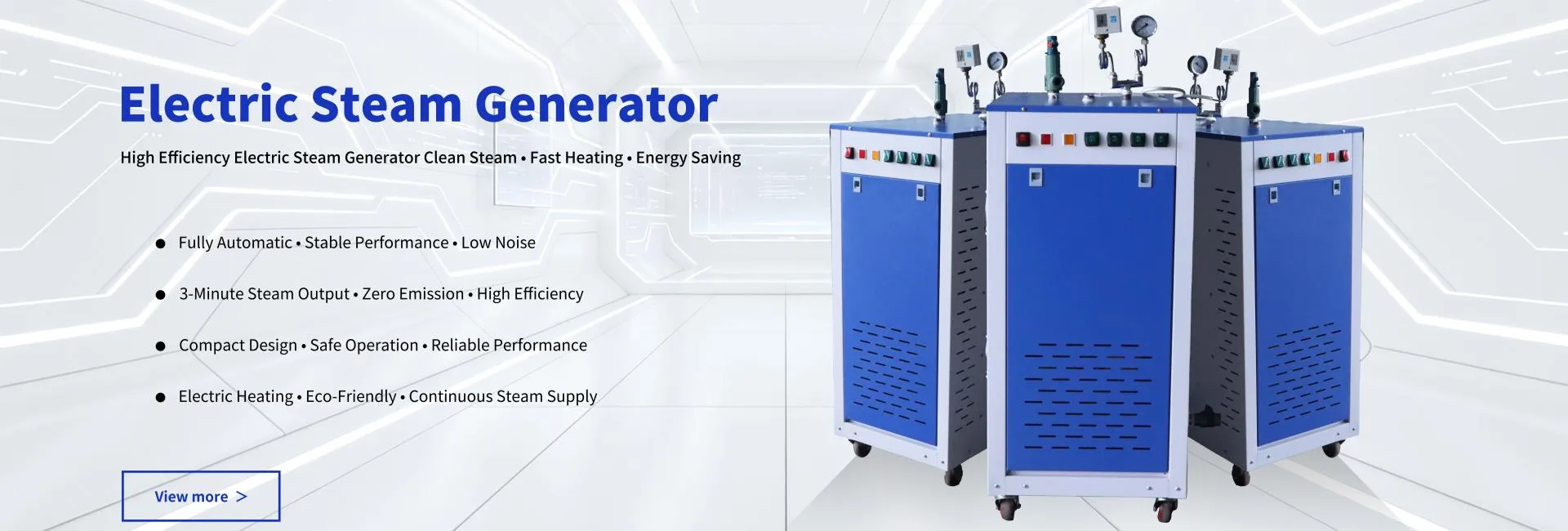
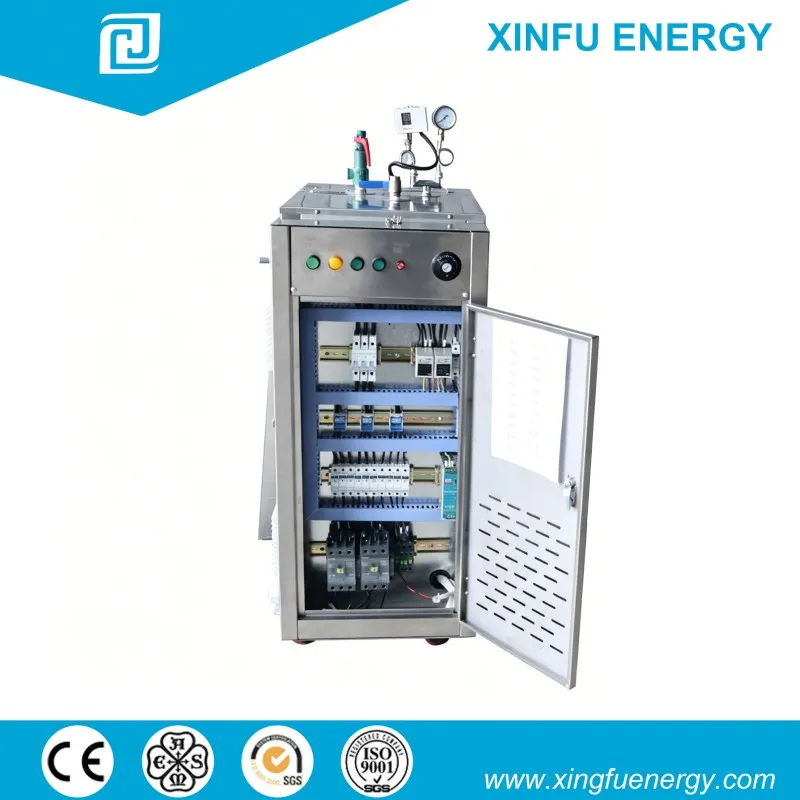
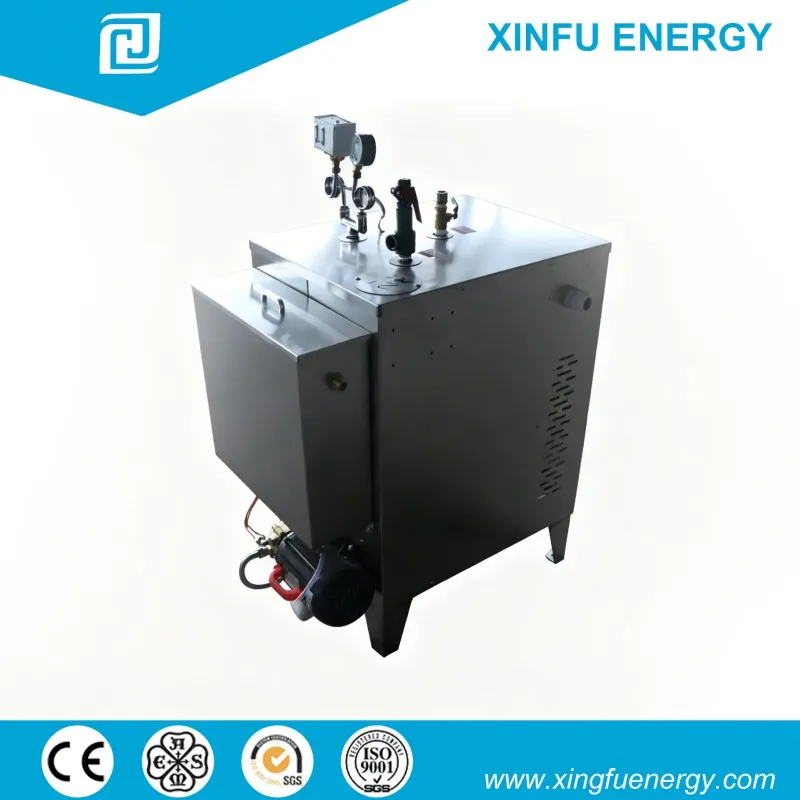
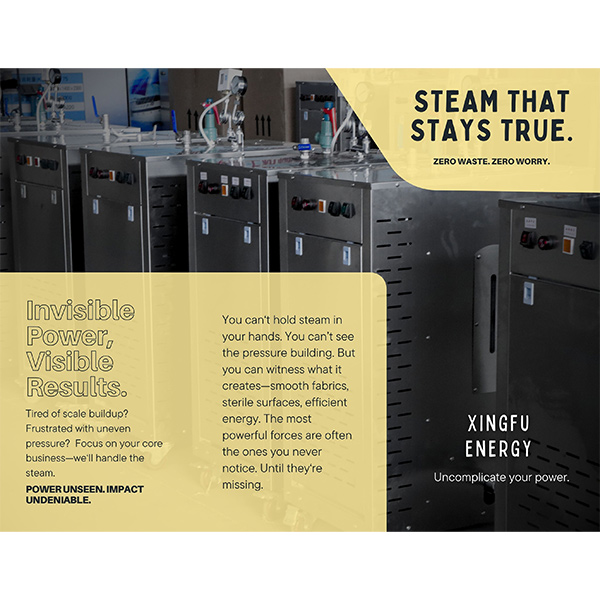
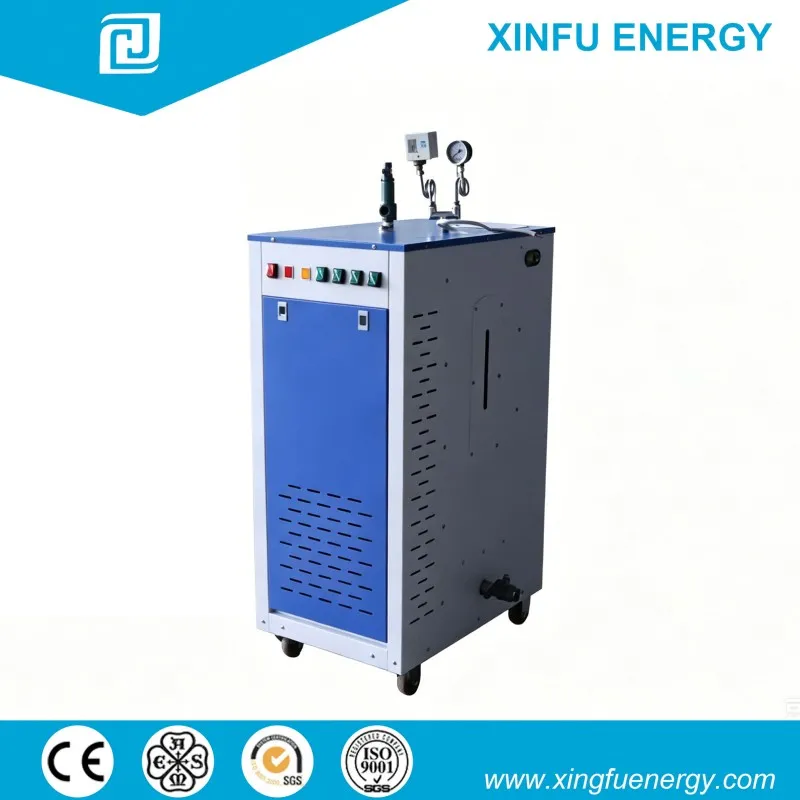
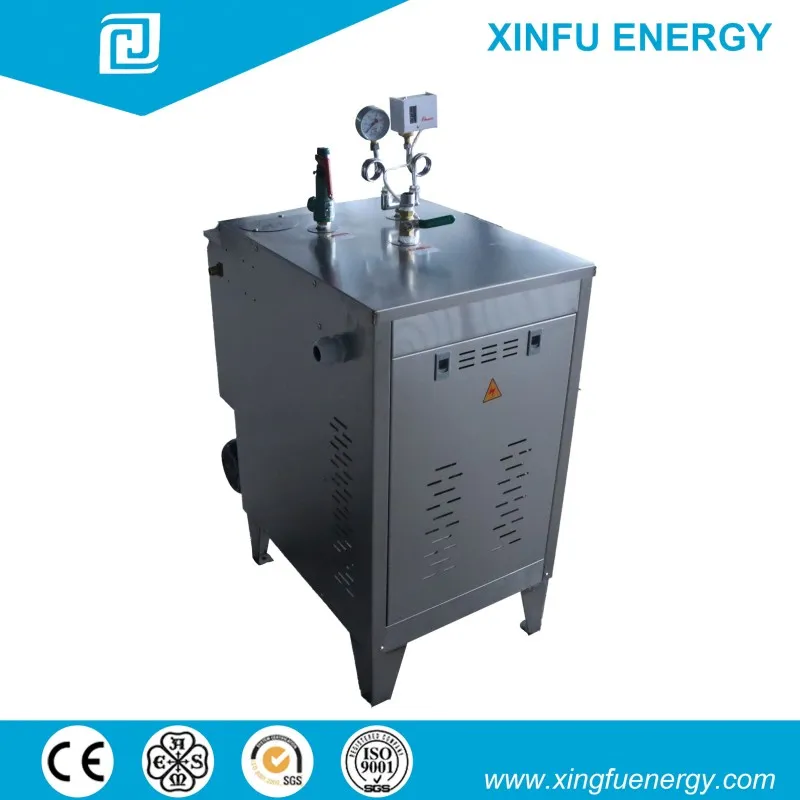
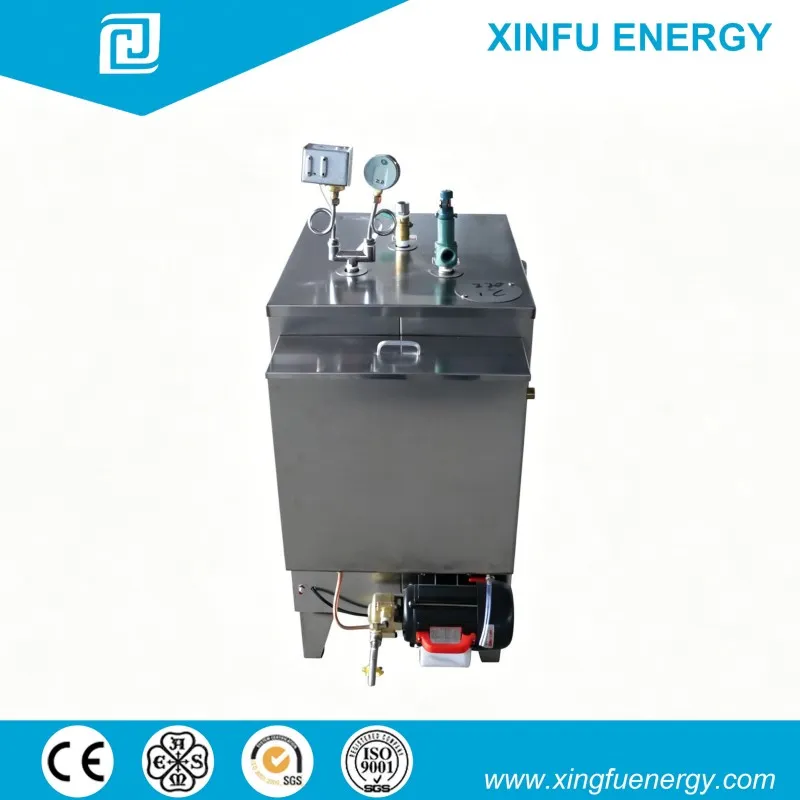
An electric steam generator is an industrial boiler system that utilizes electrical resistance heating elements to convert water into high-quality steam without combustion. Unlike traditional fossil-fuel boilers, these systems offer zero onsite emissions, precise pressure control, and compact footprints, making them ideal for industries requiring strict environmental compliance and operational hygiene. As a specialized manufacturer, we provide high-efficiency, OEM-customizable electric steam solutions designed for sectors ranging from food processing and pharmaceuticals to textile manufacturing and chemical processing. This guide details the technical architecture, selection criteria, and operational advantages of modern electric steam generation technology.
What Is an Electric Steam Generator and How Does It Work?
An electric steam generator is a pressure vessel equipped with electric heating elements that transfer thermal energy directly to water. The core principle relies on Joule heating, where an electric current passes through a resistive material, generating heat. This heat is transferred to the water, raising its temperature until it reaches the saturation point and phase-changes into steam.
The process is distinct from fire-tube or water-tube boilers that burn coal, gas, or oil. Because there is no combustion chamber, flue gas, or ash residue, the system design is significantly simpler and cleaner. The generated steam is typically dry saturated steam, which is essential for applications requiring consistent heat transfer coefficients.
Core Working Principles
The operation of an electric steam generator follows a closed-loop thermodynamic cycle. Understanding this mechanism is crucial for optimizing efficiency and maintenance schedules.
Water Intake and Pre-treatment: Feedwater enters the system through a specialized inlet. Given the sensitivity of heating elements to scale formation, water quality is paramount. Most systems integrate or require external water softening and deaeration units to remove dissolved solids and oxygen.
Electrical Heating: High-grade alloy heating elements, often made of Incoloy or stainless steel, are submerged in the water or positioned in flow-through chambers. When energized, these elements raise the water temperature rapidly.
Steam Separation: As water boils, steam bubbles rise. Internal baffles and separators ensure that only dry steam exits the outlet, preventing water hammer and ensuring consistent steam quality (typically >98% dryness).
Pressure Regulation: A pressure sensor monitors the vessel’s internal pressure. When the set point is reached, the controller modulates or cuts off power to the heating elements. When pressure drops, the elements re-engage. This on-off or proportional control maintains stable pressure without the inertia associated with fuel-fired boilers.
Safety Interlocks: Multiple safety layers, including low-water cutoffs, over-pressure relief valves, and over-temperature sensors, ensure the system shuts down safely if any parameter deviates from safe operating limits.
Key Advantages of Electric Steam Generators Over Fuel-Fired Boilers
Transitioning to electric steam generation offers strategic operational benefits, particularly in regions with stringent environmental regulations or where space is limited. The decision to switch is often driven by total cost of ownership (TCO) analysis rather than just upfront capital expenditure.
1. Environmental Compliance and Zero Emissions
Electric steam generators produce zero onsite emissions. There are no NOx, SOx, or particulate matter emissions because there is no combustion process. This makes them the preferred choice for:
Urban facilities where air quality permits are difficult to obtain.
Indoor installations where ventilation for exhaust gases is impractical.
Industries targeting carbon neutrality or LEED certification goals.
While the upstream electricity generation may involve carbon emissions, the onsite operational footprint is completely clean. In regions with a high mix of renewable energy sources, the overall carbon footprint is significantly lower than that of natural gas or oil boilers.
2. High Thermal Efficiency
Traditional boilers lose significant energy through flue gas exhaust and radiation. Electric steam generators achieve thermal efficiencies of up to 98-99%. Nearly all the electrical energy consumed is converted into heat within the water. There are no stack losses, as there is no chimney or flue. This high efficiency translates to predictable energy costs and reduced waste.
3. Compact Footprint and Installation Flexibility
Without the need for fuel storage tanks, burner assemblies, or complex flue systems, electric steam generators are remarkably compact. They can be installed in tight spaces, basements, or even on upper floors of buildings, provided the structural load capacity is sufficient. This flexibility reduces civil engineering costs and allows for decentralized steam production closer to the point of use, minimizing distribution losses.
4. Precision Control and Rapid Response
Electric heating elements respond almost instantly to control signals. Unlike gas burners that require purge cycles and flame stabilization, electric elements can modulate power output within seconds. This allows for precise pressure and temperature control, which is critical for sensitive processes such as pharmaceutical sterilization or laboratory applications.
5. Low Maintenance Requirements
The absence of moving parts like fans, fuel pumps, and burners reduces mechanical wear. Maintenance primarily focuses on water quality management and periodic inspection of heating elements and electrical connections. There are no annual combustion tuning requirements or flue cleaning schedules, reducing long-term service costs.
About Qingdao Xingfu Energy Equipment: Engineering Excellence Since 2010
At Qingdao Xingfu Energy Equipment Ltd., we combine over 14 years of manufacturing experience with continuous innovation to deliver superior industrial energy solutions. Headquartered in Qingdao City, Shandong Province, China, our company has established itself as a reliable supplier in both domestic and international markets since our founding in 2010.
Our state-of-the-art production base spans 70,500 square meters, including 21,000 square meters of dedicated workshops. We pride ourselves on our vertically integrated manufacturing capabilities, covering everything from research and design to certified transportation. Our workforce includes 228 employees, with a strong emphasis on technical expertise: 78 technical experts (including 28 engineers) and 136 skilled workers (including 65 certified welders) ensure that every unit meets rigorous quality standards.
We hold Class B boiler and Class 1 & 2 pressure container manufacturing licenses, along with ISO 9001 and CE certifications, confirming our adherence to international safety and quality requirements. Our product line features the compact S-Series automation solutions, including fully automated electric steam generators and intelligent steam boilers designed for fast steam capability and continuous production lines. With exports to over 30 countries—including Mongolia, Indonesia, Korea, Poland, and Spain—we are committed to providing transparent, long-term partnerships supported by comprehensive technical consulting and after-sales service.
Technical Specifications and Component Architecture
As a manufacturer, we engineer our electric steam generators with robust components designed for longevity and reliability in industrial environments. Understanding the technical architecture helps buyers evaluate quality and suitability.
Heating Elements: The Heart of the System
The heating element is the most critical component. We utilize high-grade alloys such as Incoloy 800 or Stainless Steel 316L, depending on the water chemistry and application. These materials offer superior resistance to corrosion and scaling.
Surface Load Design: Optimized surface load (W/cm²) ensures that the element surface temperature does not exceed limits that would accelerate scaling or cause burnout. Lower surface loads extend element life significantly.
Configuration: Elements are arranged in bundles that can be individually controlled. This allows for step-loading, where only the necessary number of elements are active based on steam demand, improving part-load efficiency.
Replaceability: Our designs feature flanged or plug-in element configurations that allow for easy replacement without draining the entire vessel, minimizing downtime during maintenance.
Control Systems and Automation
Modern electric steam generators are governed by advanced PLC (Programmable Logic Controller) or microprocessor-based control panels. These systems provide:
PID Control: Proportional-Integral-Derivative control algorithms maintain pressure within a narrow band, reducing cycling and extending component life.
HMI Interface: Human-Machine Interfaces allow operators to monitor real-time data, including pressure, temperature, current draw, and fault logs.
Remote Connectivity: Optional IoT modules enable remote monitoring and diagnostics, allowing predictive maintenance and immediate alerting of anomalies.
Load Balancing: For three-phase systems, the controller ensures balanced current draw across all phases to prevent grid instability.
Vessel Construction and Standards
The pressure vessel is constructed from high-quality carbon steel or stainless steel, adhering to international standards such as ASME Section VIII, PED (Pressure Equipment Directive), or GB standards. Key features include:
Insulation: High-density mineral wool or ceramic fiber insulation minimizes heat loss from the vessel shell, enhancing overall system efficiency and workplace safety.
Cladding: Stainless steel or aluminum cladding protects the insulation and provides a clean, professional aesthetic suitable for hygienic environments.
Industrial Applications of Electric Steam Generators
Electric steam generators are versatile and serve a wide array of industries. Their ability to provide clean, dry, and precisely controlled steam makes them indispensable in specific sectors.
Food and Beverage Processing
In the food industry, hygiene is paramount. Electric steam generators produce steam without combustion byproducts, eliminating the risk of contaminating food products with soot or exhaust gases. Applications include:
Cooking and Blanching: Direct steam injection for rapid heating of vegetables and meats.
Sterilization: Autoclaving packaging materials and equipment.
Cleaning: CIP (Clean-in-Place) systems use hot water and steam for sanitizing pipelines and tanks.
Pharmaceutical and Healthcare
Pharmaceutical manufacturing requires pure steam for sterilization and humidification. Electric generators are ideal because they can be paired with high-purity water systems (RO/DI) to produce pyrogen-free steam. Applications include:
Autoclaves: Sterilizing medical instruments and surgical tools.
Humidification: Maintaining strict humidity levels in cleanrooms to prevent static discharge and ensure product stability.
Process Heating: Jacketed kettles and reactors for drug formulation.
Textile and Garment Industry
Steam is essential for ironing, pressing, and dyeing processes. Electric steam generators offer quick startup times, allowing factories to generate steam only when needed, reducing energy waste during idle periods. The precise pressure control ensures consistent fabric quality and prevents damage to delicate materials.
Chemical and Laboratory Research
Laboratories and small-scale chemical plants require small amounts of high-quality steam for reactions, distillation, and equipment cleaning. The compact size and quiet operation of electric generators make them suitable for indoor laboratory settings where noise and fumes from traditional boilers are unacceptable.
Concrete Curing and Construction
In precast concrete manufacturing, steam curing accelerates the hardening process. Electric steam generators provide a clean heat source that does not introduce carbon dioxide into the curing environment, which could affect the concrete’s surface quality. Their portability allows them to be moved between curing chambers as needed.
How to Choose the Right Electric Steam Generator: A Buyer’s Guide
Selecting the appropriate electric steam generator involves balancing technical requirements, operational constraints, and budget. Below is a structured approach to making an informed decision.
Step 1: Determine Steam Demand
Calculate the maximum steam requirement in kilograms per hour (kg/h) or pounds per hour (lbs/h). Consider both peak load and average load. It is advisable to size the generator with a 10-20% safety margin above the peak demand to accommodate future expansion or unexpected surges.
Step 2: Define Pressure and Temperature Requirements
Identify the required working pressure (e.g., 7 bar, 10 bar, 15 bar). Higher pressures allow for smaller distribution pipes and higher temperatures, but they also require thicker vessel walls and higher-rated components. Ensure the generator’s rating exceeds your maximum operational pressure.
Step 3: Assess Electrical Infrastructure
Electric steam generators are high-power devices. Verify the available electrical supply:
Voltage: Common industrial voltages include 380V, 400V, 415V, 480V, and 600V.
Phase: Three-phase power is standard for industrial units to balance the load.
Capacity: Ensure the facility’s transformer and switchgear can handle the additional load. For large units, soft starters or variable frequency drives (VFDs) may be necessary to limit inrush current.
Step 4: Evaluate Water Quality
Water quality directly impacts maintenance frequency and element life. Hard water leads to scaling, which insulates heating elements and causes overheating. Conduct a water analysis to determine hardness, TDS (Total Dissolved Solids), and silica content. Based on the results, select appropriate pre-treatment equipment such as water softeners, reverse osmosis (RO) systems, or dosing pumps.
Step 5: Consider Space and Installation Constraints
Measure the available installation space, including clearance for maintenance access. Check floor loading capacity, especially for larger units filled with water. Ensure adequate ventilation for the electrical panel, although no combustion air is needed.
Comparison: Electric Steam Generators vs. Gas/Oil Boilers
To aid in decision-making, the following table compares electric steam generators with traditional fuel-fired boilers across key operational metrics.
Feature
Electric Steam Generator
Gas/Oil Boiler
Initial Cost
Lower (No fuel storage, simpler installation)
Higher (Burner, flue, fuel tank, ventilation)
Operating Cost
Dependent on electricity rates; generally higher per unit of energy
Dependent on fuel prices; generally lower per unit of energy
Efficiency
98-99%
85-92% (due to stack losses)
Emissions
Zero onsite emissions
NOx, SOx, CO2, Particulates
Maintenance
Low (No burner tuning, no flue cleaning)
High (Annual combustion tuning, filter changes)
Footprint
Compact, flexible installation
Bulky, requires dedicated boiler room
Lifespan
15-20 years (with proper water treatment)
15-20 years
Noise Level
Very Quiet
Moderate to High (Burner fan noise)
This comparison highlights that while electric generators may have higher energy costs in some regions, the savings in maintenance, installation, and compliance often offset the difference, particularly for small to medium-sized steam demands.
Common Mistakes to Avoid When Using Electric Steam Generators
Even with robust engineering, improper operation can lead to premature failure. Here are common pitfalls and how to avoid them.
1. Neglecting Water Treatment
The most common cause of failure is scaling on heating elements. Scale acts as an insulator, causing the element core to overheat and fail. Always install appropriate water softening or RO systems and monitor water conductivity regularly.
2. Incorrect Sizing
Undersizing the generator leads to continuous operation at full load, which can shorten component life and fail to meet peak demand. Oversizing leads to frequent cycling, which causes thermal stress on elements and connections. Accurate load profiling is essential.
3. Ignoring Electrical Connections
Loose electrical connections create hotspots, leading to arcing and potential fire hazards. Regularly torque-check terminal connections and inspect for signs of overheating or discoloration.
4. Poor Blowdown Practices
Blowdown removes concentrated solids from the boiler water. Infrequent blowdown leads to high TDS levels, which can cause carryover (water entering the steam line) and foaming. Follow manufacturer guidelines for blowdown frequency and duration.
Maintenance Best Practices for Longevity
Proactive maintenance ensures reliable operation and extends the lifespan of the electric steam generator. Implement the following schedule:
Daily Checks
Inspect pressure gauge and safety valve functionality.
Check for leaks in pipes and fittings.
Verify water level controller operation.
Monitor amperage draw to ensure balanced phases.
Weekly/Monthly Maintenance
Perform manual blowdown to remove sludge and sediments.
Test low-water cutoff controls to ensure they shut down the system correctly.
Inspect electrical panels for dust accumulation and tighten connections.
Check water quality parameters (hardness, TDS, pH).
Annual Service
Drain and inspect the vessel interior for scale or corrosion.
Inspect heating elements for signs of degradation or heavy scaling. Clean or replace as necessary.
Calibrate pressure sensors and safety valves.
Review control system logs for any recurring faults or anomalies.
OEM and Customization Capabilities
As a specialized manufacturer, we understand that off-the-shelf solutions do not always meet unique industrial needs. Our OEM services allow for tailored solutions that integrate seamlessly into your existing infrastructure.
Custom Voltage and Frequency
We can configure generators for various global standards, including 50Hz and 60Hz frequencies, and voltages ranging from 220V to 690V. This ensures compatibility with local grids and specific facility requirements.
Material Selection
For highly corrosive environments or ultra-high purity applications, we offer vessels and elements constructed from specialized stainless steels (e.g., 316L, 904L) or duplex stainless steels. This customization ensures durability and product integrity in aggressive chemical or pharmaceutical settings.
Integration with Existing Systems
Our engineering team can design controllers that communicate with your plant’s SCADA or BMS systems via protocols such as Modbus RTU, Modbus TCP, or Profibus. This integration enables centralized monitoring and control, enhancing operational efficiency.
Skid-Mounted Solutions
For rapid deployment, we offer skid-mounted units that include the generator, feedwater tank, pumps, and water treatment systems on a single frame. These plug-and-play solutions minimize installation time and complexity.
Frequently Asked Questions (FAQ)
How much electricity does an electric steam generator consume?
Energy consumption is directly related to steam output. Approximately 0.75 kWh of electricity is required to generate 1 kg of steam from cold water, accounting for minor heat losses. For precise calculations, consider the incoming water temperature and desired steam pressure. High-efficiency models minimize losses, keeping consumption close to the theoretical minimum.
Is it expensive to operate an electric steam generator compared to gas?
Operating costs depend on local utility rates. In many regions, electricity is more expensive per BTU than natural gas. However, electric generators have higher efficiency (98% vs. 85-90%) and lower maintenance costs. For facilities with low to medium steam demand, or where gas infrastructure is unavailable, electric options are often more cost-effective when considering total ownership costs.
Can I use tap water in an electric steam generator?
Using untreated tap water is strongly discouraged. Tap water contains minerals that cause scaling on heating elements, leading to premature failure. At a minimum, water should be softened. For high-purity applications, reverse osmosis (RO) or deionized (DI) water is recommended. Always consult the manufacturer’s water quality specifications.
How long do heating elements last?
With proper water treatment and regular maintenance, heating elements can last 3-5 years or longer. Factors affecting lifespan include water quality, surface load design, and cycling frequency. Regular inspection and timely replacement of scaled elements prevent damage to the vessel and ensure consistent performance.
Do electric steam generators require a boiler operator license?
Regulations vary by jurisdiction. In many places, electric boilers below a certain power rating or pressure threshold do not require a licensed operator. However, safety standards still apply. It is essential to check local codes and regulations. Our systems are designed with multiple automated safety features to comply with international safety standards.
What is the startup time for an electric steam generator?
Electric steam generators have rapid startup times. Depending on the size and initial water temperature, they can reach operating pressure in 15-30 minutes. This is significantly faster than large fire-tube boilers, which may take hours to warm up. This feature allows for on-demand steam generation, reducing standby energy losses.
Conclusion: Investing in Efficient, Clean Steam Power
Electric steam generators represent a modern, efficient, and environmentally responsible solution for industrial steam needs. Their high efficiency, compact design, and precise control capabilities make them superior choices for industries prioritizing hygiene, sustainability, and operational flexibility. By eliminating combustion emissions and reducing maintenance complexity, they offer a compelling value proposition for businesses looking to optimize their thermal processes.
Whether you are in food processing, pharmaceuticals, textiles, or manufacturing, selecting the right electric steam generator involves careful consideration of your steam demand, water quality, and electrical infrastructure. Partnering with an experienced manufacturer ensures that you receive a system tailored to your specific requirements, backed by expert support and customization options.
Ready to upgrade your steam system? Contact our engineering team today to discuss your specific application needs. We provide comprehensive consultations, custom OEM solutions, and reliable after-sales support to ensure your operations run smoothly and efficiently.