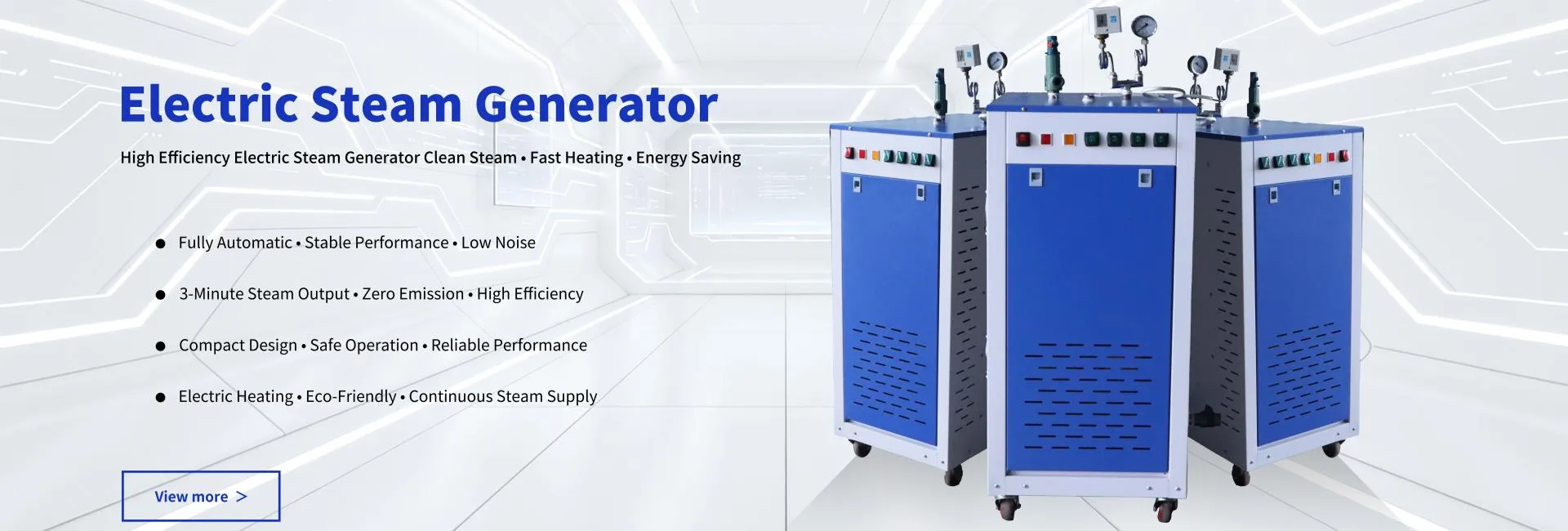
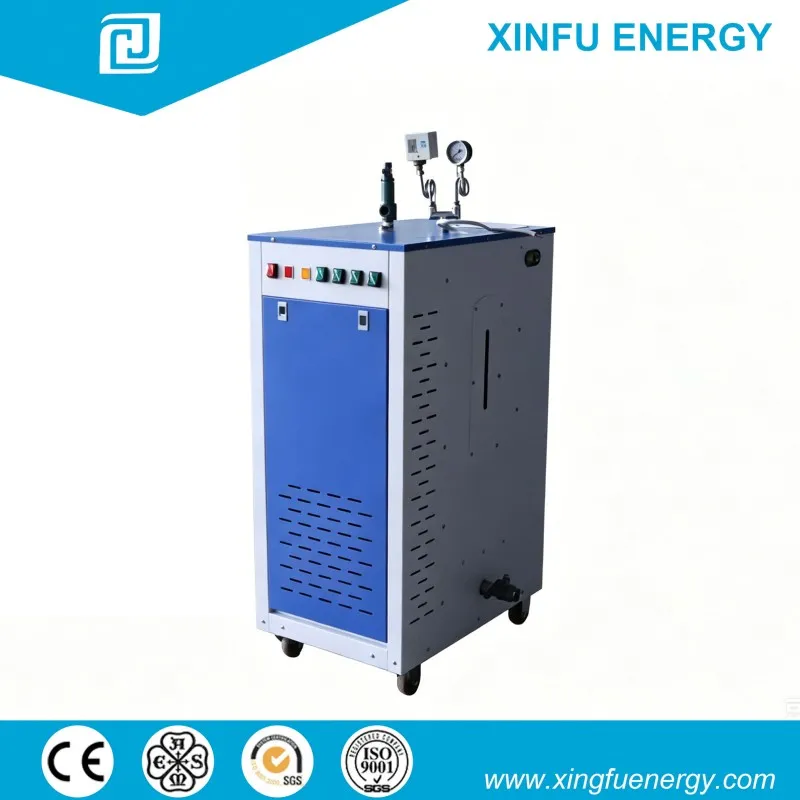
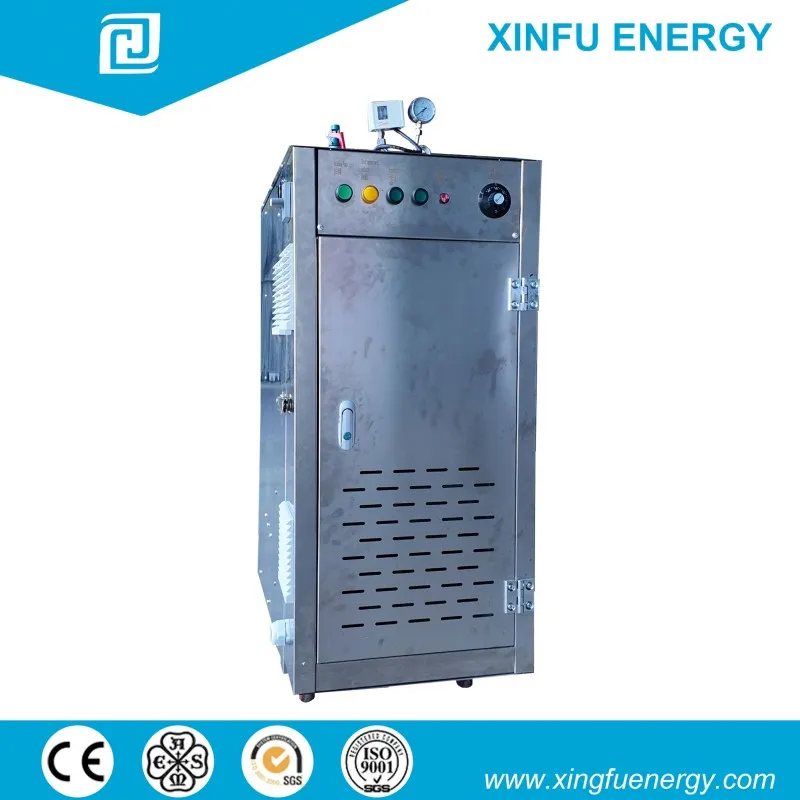
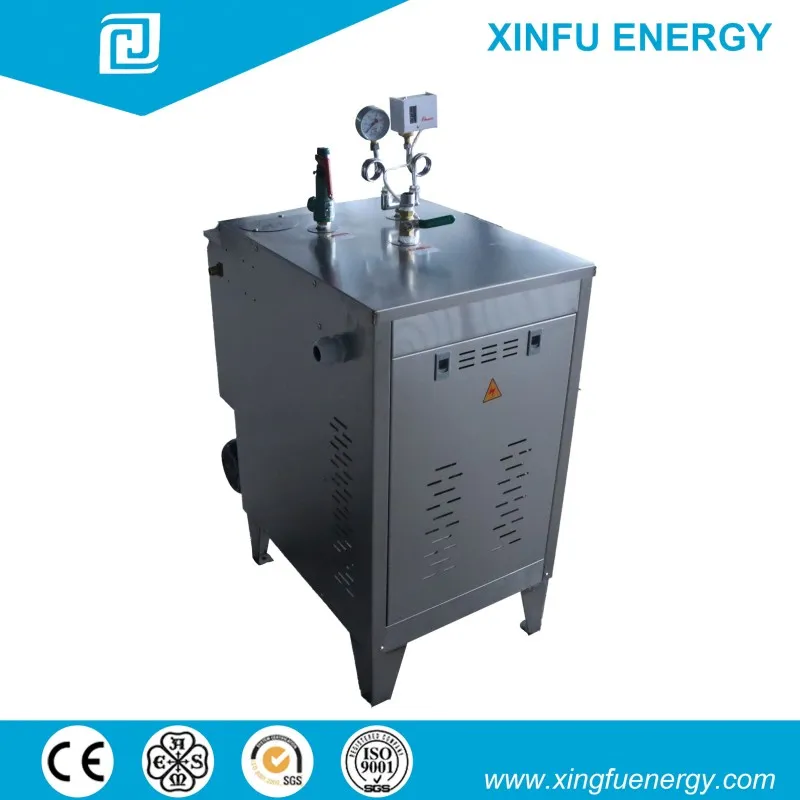
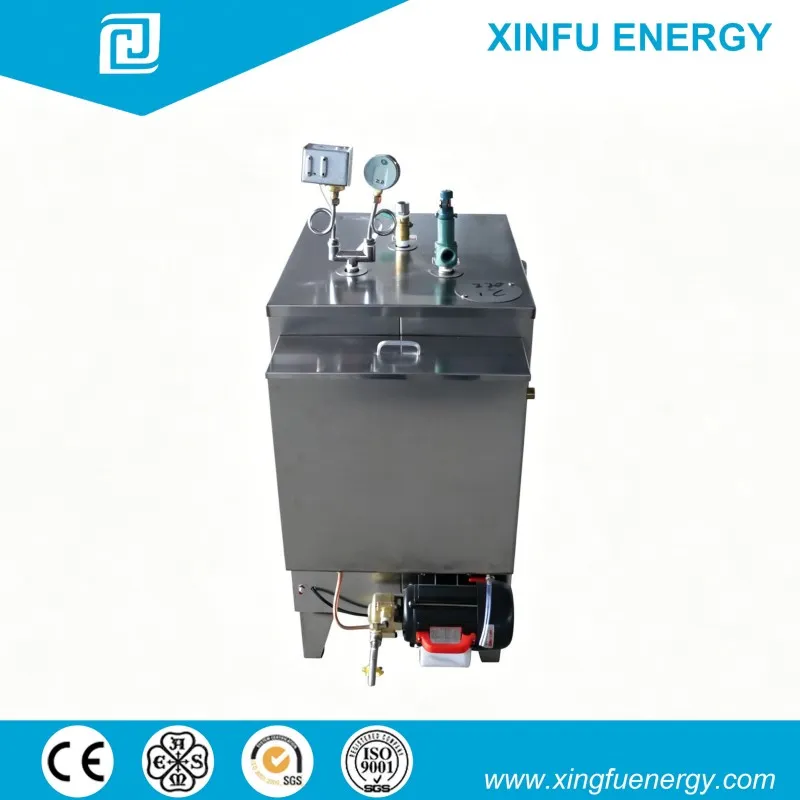
An electric steam generator with water level control is an industrial heating system that converts electrical energy into high-pressure steam while maintaining precise water levels to ensure safety and efficiency. Unlike traditional boilers, these units utilize advanced probe or conductivity-based sensors to automate feedwater intake, preventing dry-fire hazards and optimizing thermal output. For B2B buyers in 2026, selecting a model with robust water level management is critical for reducing maintenance downtime, ensuring consistent steam quality, and complying with stringent industrial safety standards. This guide details the technical architecture, selection criteria, and operational best practices for sourcing factory-direct electric steam generators.
What Is an Electric Steam Generator with Water Level Control?
An electric steam generator is a compact, pressure-vessel-based system designed to produce steam on demand using electric heating elements. The core differentiator in modern industrial applications is the integrated water level control system. This subsystem continuously monitors the water volume within the boiler chamber and automatically activates feedwater pumps to maintain the optimal operating level.
In 2026, the demand for these systems has surged in sectors requiring clean, reliable steam without the emissions associated with fossil fuels. The water level control mechanism is not merely a safety feature; it is a performance optimizer. By keeping the water level within a specific range, the system ensures that heating elements remain submerged, maximizing heat transfer efficiency and preventing catastrophic element failure due to overheating.
Core Components and Working Principle
Understanding the internal architecture is essential for evaluating quality and durability. A standard electric steam generator comprises several key entities:
Heating Elements: Typically made of stainless steel (SS316L) or Incoloy, these resistive heaters immerse directly into the water. High-quality units use low-watt-density elements to reduce scale buildup.
Pressure Vessel: The sealed chamber where water turns into steam. It must meet ASME or PED standards depending on the target market.
Water Level Sensors: These are the “eyes” of the system. Common types include conductive probes, float switches, and electronic capacitance sensors.
Control Panel (PLC): The brain of the operation. Modern PLCs process sensor data to control contactors, pumps, and safety valves.
Feedwater Pump: Automatically injects treated water when the level drops below the set point.
The working logic is cyclical. As steam is drawn off for process use, the water level decreases. The sensor detects this change and signals the PLC. The PLC then activates the feedwater pump until the upper-level limit is reached. Simultaneously, the heating elements adjust their power output based on pressure demands, ensuring a stable steam supply.
Why Water Level Control Is Critical for Industrial Efficiency
In industrial settings, inconsistent steam pressure or unexpected shutdowns can halt production lines. The precision of water level control directly impacts three critical areas: safety, efficiency, and equipment longevity.
1. Prevention of Dry-Fire Hazards
The most significant risk in electric steam generation is “dry firing,” where heating elements operate without water coverage. This can cause elements to reach temperatures exceeding 1000°C within seconds, leading to immediate rupture or melting. A reliable water level control system acts as a hard interlock. If the water level drops below the safe minimum, the system cuts power to the elements before damage occurs. In 2026, dual-redundant sensor systems are becoming the industry standard for high-risk environments.
2. Optimization of Thermal Efficiency
Maintaining the correct water level ensures that the surface area of the heating elements exposed to water remains constant. If the water level is too high, there is less space for steam separation, leading to “wet steam” (steam carrying water droplets). Wet steam reduces heat transfer efficiency in applications like sterilization or heat exchangers. Conversely, if the level is too low, the remaining water may become superheated locally, causing rapid scaling and energy waste.
3. Extension of Component Lifespan
Frequent cycling of heating elements due to poor water management accelerates wear. Stable water levels allow for smoother modulation of power. Furthermore, consistent water levels help in the effective functioning of automatic blowdown systems, which remove concentrated impurities. This reduces corrosion and scaling inside the vessel, extending the life of both the tank and the heating elements.
Types of Water Level Control Technologies
Not all water level control systems are created equal. When sourcing an electric steam generator, understanding the sensor technology is vital for matching the unit to your water quality and operational intensity.
Technology Type
Operating Principle
Pros
Cons
Best Application
Conductive Probes
Uses water conductivity to complete an electrical circuit between probes.
Cost-effective, simple design, widely available.
Susceptible to coating/scaling; requires regular cleaning; fails if water is non-conductive (pure water).
General industrial use with treated water.
Float Switches
Mechanical float rises and falls with water level, triggering a magnetic switch.
Independent of water conductivity; mechanical simplicity.
Moving parts can jam due to scale or debris; slower response time.
Applications with varying water conductivity.
Capacitance Sensors
Measures changes in capacitance caused by water level variations.
No moving parts; highly accurate; resistant to coating.
Higher cost; requires calibration for specific water dielectric constants.
High-precision pharmaceutical or food processing.
Electronic Eye (Optical)
Uses light refraction principles to detect water presence.
Very fast response; no direct electrical contact with water.
Lens can get dirty; sensitive to foam or bubbles.
Clean steam applications where contamination must be minimized.
For most B2B manufacturing scenarios in 2026, conductive probes remain the dominant choice due to their balance of cost and reliability, provided that water treatment protocols are followed. However, for facilities using reverse osmosis (RO) water, capacitance or float systems are often necessary because pure water lacks the conductivity required for probe-based systems to function.
Key Features to Look for in 2026 Models
When evaluating suppliers for an electric steam generator with water level control, look beyond basic specifications. The following features define high-quality, factory-direct units suitable for long-term industrial deployment.
Smart PLC Integration and IoT Connectivity
Modern generators are no longer isolated machines. Leading models now feature PLCs with Modbus RTU or TCP/IP capabilities. This allows integration into Factory Automation Systems (FAS) or Building Management Systems (BMS). Operators can monitor water levels, pressure, and energy consumption remotely via dashboards. In 2026, predictive maintenance alerts—such as notifications when probe cleaning is due—are becoming standard in premium units.
Automatic Blowdown Systems
Water level control works in tandem with water quality management. As steam leaves the boiler, dissolved solids remain, increasing concentration. An automatic blowdown system, triggered by timers or conductivity meters, flushes out concentrated water. This prevents scale formation on the water level probes and heating elements, ensuring the control system remains accurate over time.
Low-Watt-Density Heating Elements
Look for elements with a watt density below 30 W/cm². Lower watt density means the element surface temperature is closer to the water temperature, significantly reducing the rate of scale formation. This is crucial for maintaining the accuracy of water level sensors, as scale buildup on probes can insulate them, causing false “low water” readings or failure to detect water entirely.
Redundant Safety Controls
A robust unit will have multiple layers of protection for water level management:
Primary Control: The main probe or sensor managing the feedwater pump.
Secondary Low-Water Cutoff: An independent mechanical or electronic switch that shuts down the heater if the primary system fails.
Pressure Relief Valve: A mechanical backup to release excess pressure if control systems malfunction.
Application Scenarios for Electric Steam Generators
Electric steam generators with precise water level control are versatile. Their compact footprint and lack of combustion make them ideal for indoor installations where ventilation for gas boilers is impractical.
Food and Beverage Processing
In food processing, steam is used for cooking, sterilization, and cleaning. Consistency is key. Fluctuating water levels can lead to temperature variations, affecting product quality. Electric generators provide instant steam with precise temperature control. Moreover, the absence of combustion byproducts ensures that the steam remains pure, meeting strict hygiene standards.
Pharmaceutical and Healthcare Sterilization
Autoclaves and sterilizers require dry, saturated steam at specific pressures. Any deviation in water level can result in wet steam, which compromises sterilization efficacy. High-end electric generators with capacitance sensors and advanced separation chambers are preferred here to ensure the highest quality steam output.
Textile and Garment Industry
Steam ironing and fabric finishing require a steady supply of steam. Intermittent steam flow causes production bottlenecks. Electric generators with responsive water level controls can quickly replenish water during peak usage, maintaining consistent pressure even during high-demand cycles.
Chemical and Laboratory Applications
Laboratories often require small amounts of high-purity steam for reactions or cleaning. Electric generators allow for precise modulation of output. Since many labs use deionized water, units equipped with non-conductive sensors (like floats or capacitance) are essential to avoid control failures.
Step-by-Step Guide to Selecting the Right Model
Choosing the correct electric steam generator involves balancing capacity, pressure, and water quality considerations. Follow this structured approach to ensure optimal selection.
Step 1: Determine Steam Demand (kg/h)
Calculate your maximum hourly steam consumption. Consider peak loads rather than average usage. For example, if you have multiple autoclaves that may run simultaneously, sum their maximum requirements. Add a 10-15% safety margin to account for future expansion or inefficiencies.
Step 2: Define Operating Pressure (Bar/Psi)
Identify the minimum pressure required by your application. Higher pressure increases the temperature of the steam but also increases energy consumption and safety requirements. Most industrial applications operate between 4 to 10 bar. Ensure the generator’s rated pressure exceeds your operational needs.
Step 3: Analyze Water Quality
This is the most overlooked step. Test your feedwater for:
Hardness: High hardness leads to scaling. You may need a water softener.
Conductivity: Determines if conductive probes will work. Pure water (RO/DI) requires alternative sensors.
Chlorides: High chloride levels can cause corrosion in stainless steel elements. SS316L or Incoloy elements are recommended for such conditions.
Step 4: Evaluate Electrical Infrastructure
Electric steam generators are high-power devices. Check your facility’s available voltage (e.g., 380V, 415V, 480V, 3-phase) and amperage capacity. Large units may require dedicated transformers. Confirm with your electrical engineer before purchasing.
Step 5: Verify Certifications and Compliance
Ensure the manufacturer holds relevant certifications. For international trade, look for CE (Europe), ASME (USA), or ISO 9001 quality management certification. In 2026, energy efficiency certifications are also gaining importance in various jurisdictions.
Installation and Maintenance Best Practices
Proper installation and routine maintenance are essential to keep the water level control system functioning correctly. Neglect is the primary cause of premature failure.
Installation Guidelines
Level Mounting: The generator must be installed on a perfectly level surface. Tilting can cause inaccurate water level readings, leading to erratic pump cycling.
Feedwater Line: Install a check valve and a strainer in the feedwater line. The strainer protects the pump and sensors from debris.
Electrical Grounding: Proper grounding is critical for safety and for the correct operation of conductive water level probes.
Routine Maintenance Schedule
Daily:
Check the visual water gauge (if equipped) to verify it matches the sensor readings.
Perform a manual blowdown to remove surface scum and sediments.
Weekly:
Inspect water level probes for scale buildup. Clean them with a mild acid solution or abrasive pad if necessary. Scale acts as an insulator, causing the controller to think the water level is lower than it actually is.
Test the low-water cutoff safety switch to ensure it trips correctly.
Monthly:
Check the feedwater pump for leaks or unusual noise.
Inspect electrical connections for tightness and signs of overheating.
Verify the operation of the pressure relief valve.
Annually:
Drain the tank completely and inspect for internal corrosion or heavy scaling.
Replace heating elements if resistance values have drifted significantly from specifications.
Calibrate pressure transducers and level sensors.
Common Troubleshooting Issues
Even with high-quality equipment, issues can arise. Understanding common problems helps in quick diagnosis and minimizes downtime.
Problem
Possible Cause
Solution
Pump runs continuously
Scale on probes shorting the circuit; stuck float switch; leak in steam line.
Clean probes; inspect float mechanism; check for steam leaks.
Pump does not start
Open circuit in probes; pump motor failure; control relay fault.
Check probe continuity; test pump motor manually; inspect control panel relays.
Low steam pressure
Scaling on heating elements; faulty pressure sensor; excessive steam demand.
Descale elements; calibrate/replace sensor; reduce load or upgrade unit.
Water level fluctuation
Foaming due to high TDS; improper blowdown.
Increase blowdown frequency; check water treatment; install anti-foam agent.
FAQ: People Also Ask
How does an electric steam generator save energy compared to gas boilers?
Electric steam generators offer nearly 99% thermal efficiency because almost all electrical energy is converted directly into heat within the water. Gas boilers typically operate at 80-90% efficiency due to heat loss through flue gases. Additionally, electric units eliminate standby losses associated with keeping a large water volume hot, as they generate steam on demand.
Can I use tap water in my electric steam generator?
It is not recommended to use raw tap water. Tap water contains minerals that cause scaling on heating elements and sensors. This reduces efficiency and can lead to sensor failure. Always use softened water or reverse osmosis (RO) water, depending on the sensor type installed in your unit.
What is the typical lifespan of an electric steam generator?
With proper maintenance and water treatment, an electric steam generator can last 10 to 15 years. Heating elements are consumable items and may need replacement every 2-3 years, depending on usage intensity and water quality. The pressure vessel itself, if maintained correctly, often lasts the entire lifespan of the unit.
Is an operator license required to operate an electric steam generator?
Regulations vary by country and region. In many jurisdictions, small-capacity electric generators (below a certain pressure/volume threshold) are exempt from requiring a licensed boiler operator. However, larger industrial units may still require certified personnel. Always check local safety regulations in 2026 to ensure compliance.
Why is my water level sensor giving false readings?
The most common cause is scale or sludge buildup on the sensor probes. This insulation prevents the electrical current from passing through the water, causing the controller to misinterpret the level. Regular cleaning and proper water treatment are the best preventive measures. In some cases, electrical interference from nearby heavy machinery can also affect sensitive electronic sensors.
Factory Price vs. Market Price: Understanding the Value
When sourcing an electric steam generator with water level control, buyers often encounter a wide price range. Factory-direct pricing typically offers a 20-30% cost reduction compared to branded distributors. This savings comes from eliminating middlemen and marketing overheads. However, “factory price” should not mean compromised quality.
Reputable manufacturers in 2026 provide transparent breakdowns of costs, including:
Material Costs: Grade of stainless steel (304 vs. 316L) and quality of heating elements.
Component Brands: Use of reputable PLCs (e.g., Siemens, Schneider, Mitsubishi) and contactors.
Certification Costs: Expenses related to ASME or CE testing and documentation.
Buyers should request detailed component lists and warranty terms. A slightly higher initial investment in a unit with high-quality sensors and PLCs often results in lower total cost of ownership (TCO) due to reduced maintenance and downtime.
Partnering with Experienced Manufacturers: Qingdao Xingfu Energy Equipment
Selecting the right supplier is as crucial as selecting the right technology. Qingdao Xingfu Energy Equipment Ltd., a high-tech enterprise founded in 2010 and headquartered in Qingdao, China, exemplifies the vertically integrated manufacturer capable of delivering both engineering excellence and competitive factory-direct pricing.
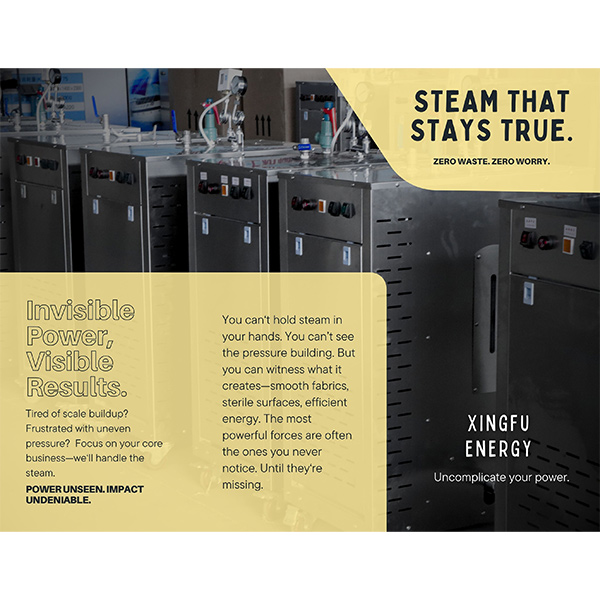
With over 14 years of continuous industry experience, Xingfu Energy has established a stable position among domestic and international energy equipment suppliers. The company specializes in the research, design, and manufacturing of industrial boilers and pressure vessels, with a key focus on electric steam generators and steam boilers. Their product lineup includes the compact S-Series automation solutions, featuring fully automated electric steam generators and intelligent steam boilers designed for fast steam capabilities and zero emissions.
What sets Qingdao Xingfu apart is its robust infrastructure and technical depth. Operating from a 70,500 square meter production base with 21,000 square meters of dedicated workshops, the company employs a highly skilled workforce. Of its 228 employees, 78 are technical experts, including 28 engineers who drive continuous innovation in energy efficiency and system integration. The production team includes 65 certified welders, ensuring that every pressure vessel meets rigorous international standards.
Quality assurance is embedded in every stage of production. Xingfu Energy holds manufacturing licenses for Class B boilers and Class 1 and 2 pressure containers, along with ISO 9001 and CE certifications. This commitment to quality has enabled the company to export to more than 30 countries, including markets in Europe (Poland, Spain), Asia (Korea, Malaysia, Indonesia), and beyond. By adhering to principles of transparency and long-term partnership, Qingdao Xingfu provides not just equipment, but comprehensive support—from design phase consulting to installation assistance and lifelong operational service.
Conclusion: Securing Reliable Steam for Your Operations
Selecting the right electric steam generator with water level control is a strategic decision that impacts operational efficiency, safety, and product quality. In 2026, the technology has matured to offer highly reliable, automated solutions that minimize human error and maximize uptime. By focusing on robust water level management systems, appropriate sensor technology, and rigorous maintenance protocols, businesses can leverage the full benefits of electric steam generation.
Whether you are in food processing, pharmaceuticals, or general manufacturing, the key lies in matching the generator’s specifications to your specific water quality and steam demand. Avoid the temptation to cut corners on water treatment or sensor quality, as these are the lifelines of your system.
For enterprises seeking factory-direct pricing without compromising on engineering excellence, it is essential to partner with manufacturers who demonstrate technical transparency and adherence to international safety standards. Evaluate your current steam needs, assess your water infrastructure, and choose a unit that offers both immediate performance and long-term reliability.
Ready to optimize your steam production? Explore our range of high-efficiency electric steam generators tailored for industrial applications. Contact our engineering team today for a customized quote and technical consultation.