A New Direction for Industrial Steam Generation
Industrial companies around the world are paying increasing attention to energy efficiency, carbon reduction, and the electrification of industrial heating. As industries look for alternatives to traditional fossil-fuel-based heating systems, electric steam generation is becoming an increasingly attractive option for applications that require reliable and precise steam.
Steam remains an essential part of many industrial processes. Food processing, pharmaceuticals, textiles, chemical production, commercial laundry, and other industries rely on steam for heating, sterilization, drying, cleaning, and process operations.
Traditionally, industrial steam has often been produced using coal, natural gas, or oil-fired boilers. However, rising energy costs, environmental requirements, and the global transition toward cleaner energy are encouraging manufacturers to explore electrically powered alternatives.
Why Is Industrial Heat Electrification Important?
Industrial heat accounts for a significant share of energy consumption in manufacturing. Electrifying suitable heating processes can help companies reduce their dependence on fossil fuels while providing more precise control over energy use.
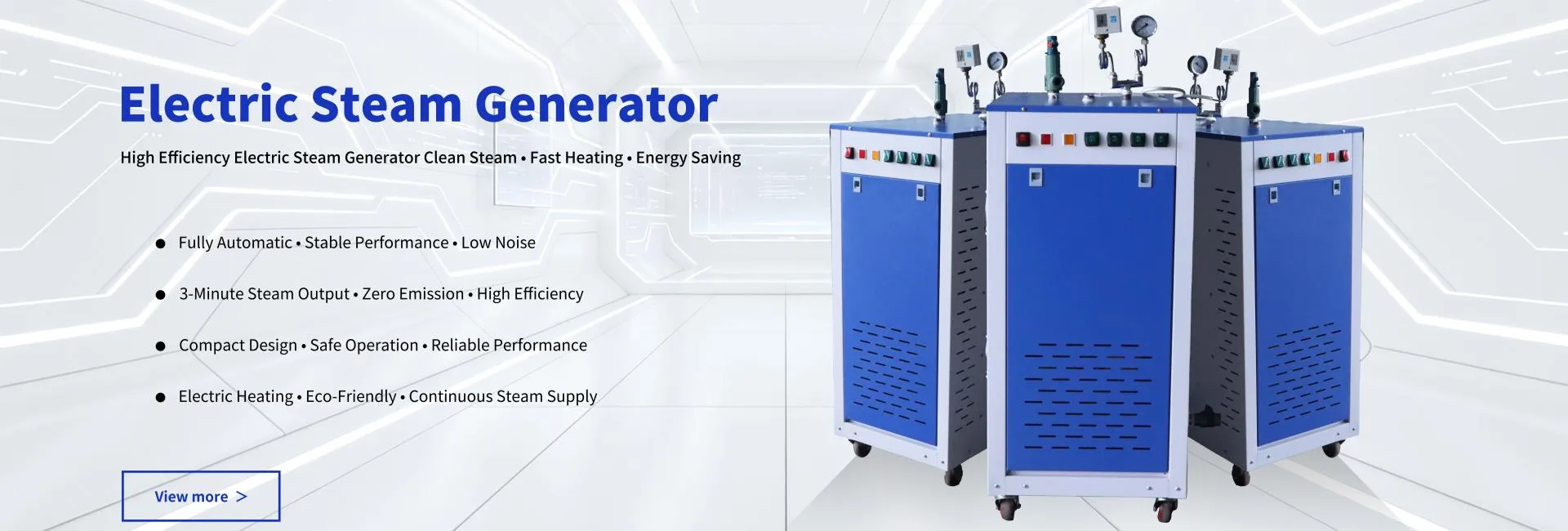
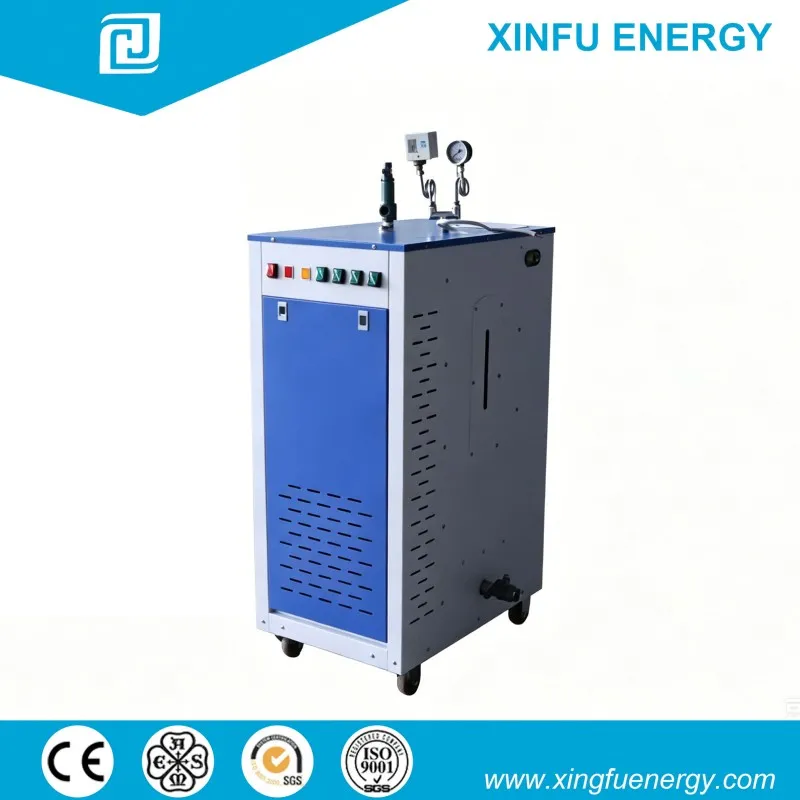
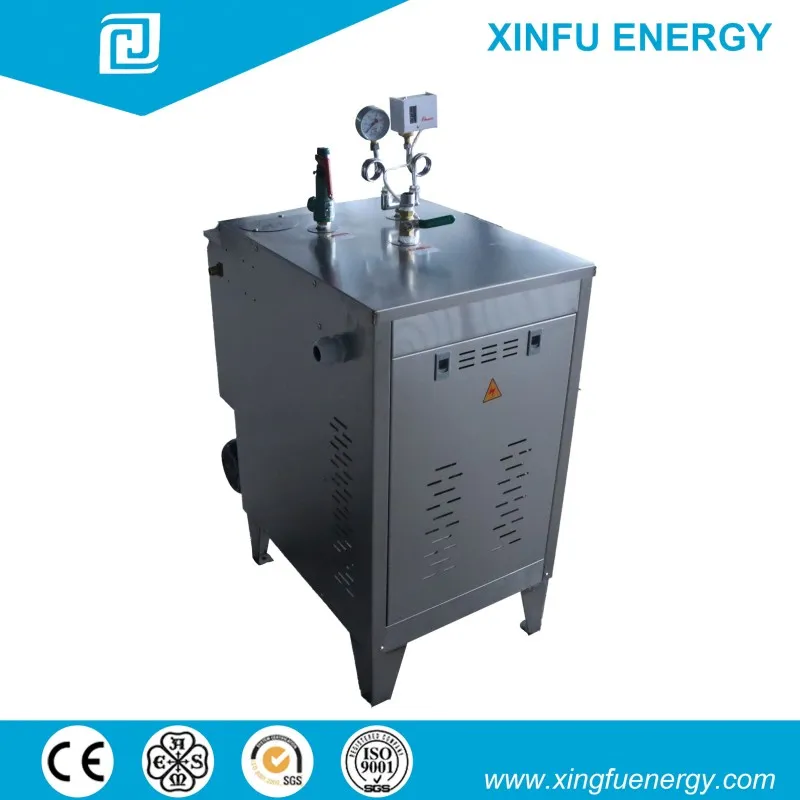
Electric steam generators use electrical energy to produce steam without on-site combustion. This eliminates the need for a traditional fuel-burning system and can simplify equipment installation and operation.
When electricity is generated from renewable sources, electric steam generation can also contribute to a lower-carbon industrial heating strategy.
Advantages of Electric Steam Generators
Electric steam generators offer several advantages for industrial users.
1. Clean and Combustion-Free Operation
Unlike traditional fuel-fired boilers, electric steam generators do not require combustion inside the equipment. There is no on-site fuel combustion process and no traditional boiler flue gas system.
This makes electric steam generation particularly suitable for facilities where clean operation and environmental performance are important.
2. Compact and Flexible Installation
Electric steam generators can have a relatively compact design compared with conventional boiler systems. This can be valuable for factories with limited installation space.
For some applications, electric steam generators can also be installed closer to the point of steam consumption, helping simplify steam distribution.
3. Precise Steam Control
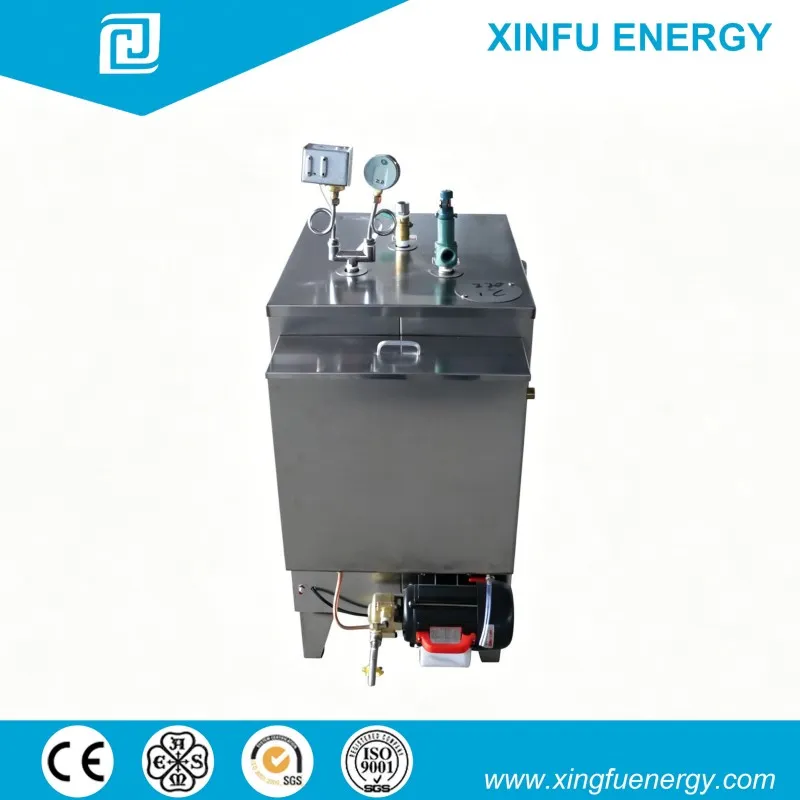
Modern electric steam generators can be equipped with automatic water-level control, pressure control, temperature monitoring, and multiple safety protection systems.
This allows users to adjust steam production according to actual process requirements.
4. Fast Start-Up
Electric heating systems can respond quickly to changes in demand. For facilities with intermittent steam requirements, this can be an important advantage.
Instead of continuously operating a large fuel-fired boiler, manufacturers can select an appropriately sized electric steam generator and operate it according to production needs.
Applications Across Multiple Industries
Electric steam generators can be used in a wide range of industrial and commercial applications.
In the food and beverage industry, steam can be used for cooking, sterilization, cleaning, and processing.
In the pharmaceutical industry, steam is widely used for sterilization and controlled production processes.
In the textile industry, steam can be required for dyeing, finishing, pressing, and other manufacturing operations.
Commercial laundries can also use steam for washing, drying, ironing, and sterilization.
Other potential applications include laboratories, hospitals, chemical processing, packaging, and various manufacturing facilities.
From Electric Boilers to Industrial Electrification Solutions
The development of electric steam generation is part of a broader trend toward industrial heat electrification.
The future of industrial steam may not simply be about replacing a fuel-fired boiler with an electric boiler. Manufacturers are increasingly looking at complete energy systems that combine efficient electric heating, intelligent controls, thermal energy storage, and renewable electricity.
This could allow industrial users to produce steam during periods of lower electricity prices and optimize energy consumption according to production requirements.
Looking Ahead
As industrial companies continue to focus on energy efficiency and lower-carbon production, electric steam generators are expected to receive increasing attention in suitable applications.
For manufacturers evaluating a new steam system, the key considerations should include steam capacity, working pressure, electrical power supply, water quality, control requirements, installation conditions, and the overall operating cost.
Electric steam generation is therefore becoming more than an alternative heating technology. It is emerging as one potential component of the wider transition toward cleaner and more flexible industrial energy systems.