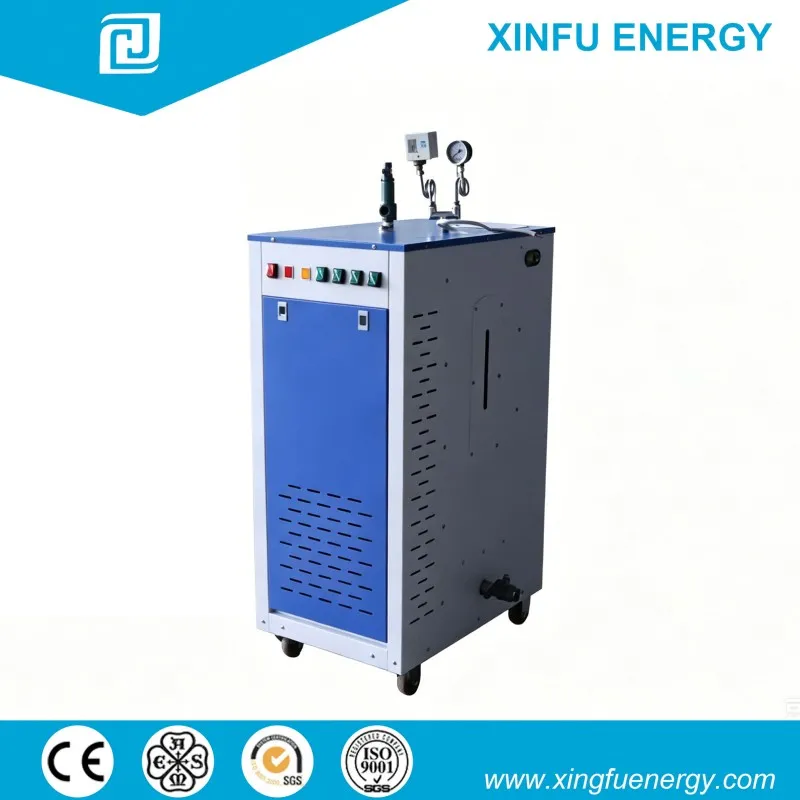
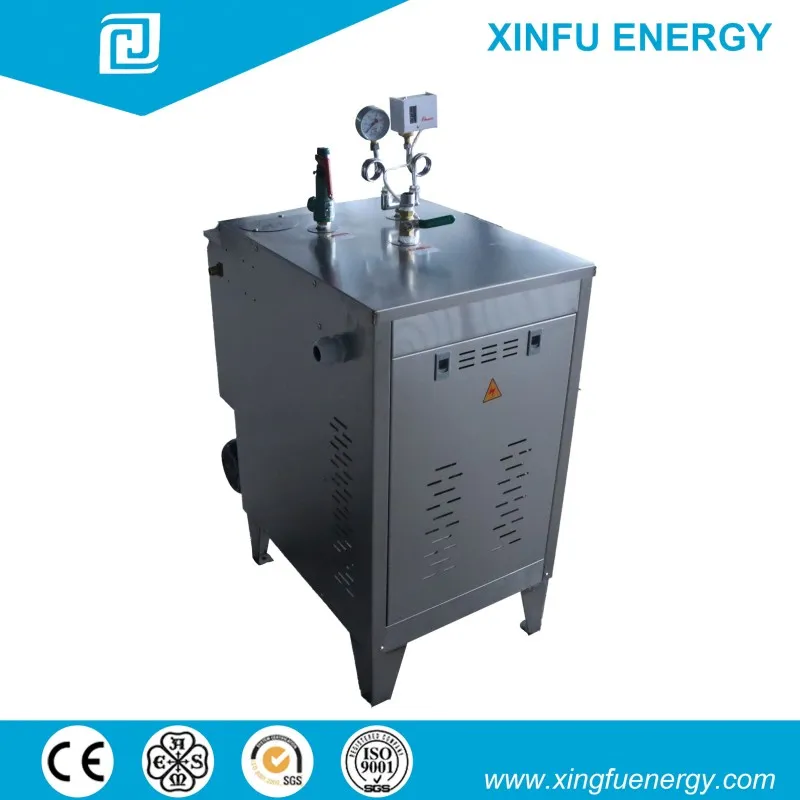
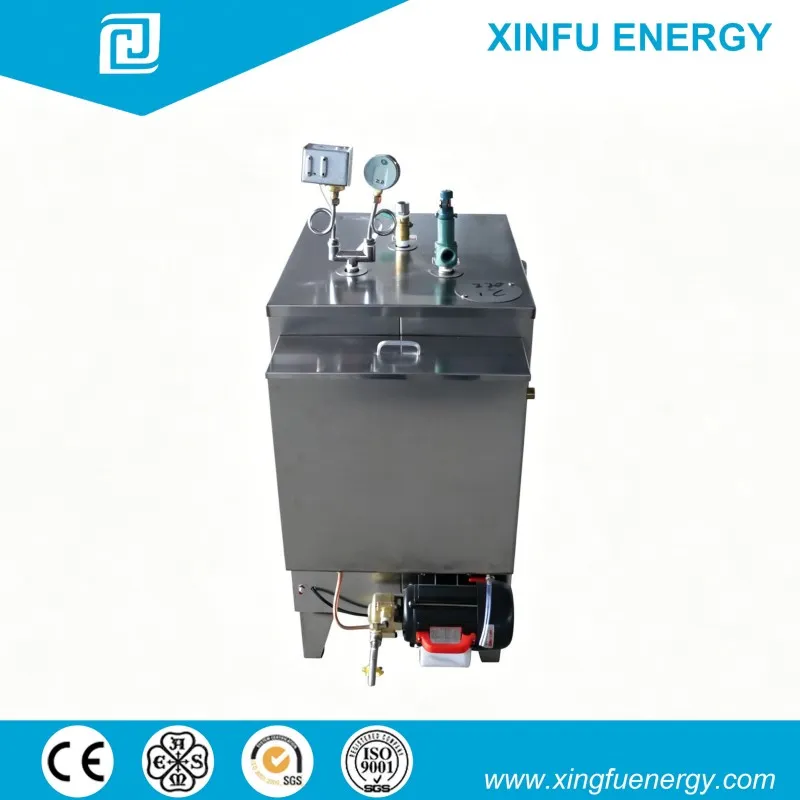
Homeowners chasing energy independence increasingly ask: “Can a residential steam electric generator deliver real, reliable power — not just hot water?” The short answer is yes — but only if it’s engineered for the home, not retrofitted from industrial specs. We’ve seen dozens of projects fail because buyers assumed “smaller boiler = residential solution.” They weren’t. Most so-called residential units are downsized industrial models — slow to start, hard to modulate, and oversized for daily household loads. True residential viability demands three things: sub-15 kW electrical input, under-3-minute steam-to-power response, and seamless integration with existing 240V service and thermal storage. That’s where purpose-built systems — like those developed since 2010 by Qingdao Xingfu Energy Equipment — shift from theory to daily operation.
Why Steam Still Makes Sense for Home Power (When Done Right)
Steam gets dismissed as “old tech.” But modern electric steam generation isn’t about clanging pipes and coal dust. It’s about phase-change efficiency: water absorbs massive latent heat at 100°C, stores it densely, and releases it predictably. A well-designed residential steam electric generator converts >94% of grid or solar-derived electricity into usable thermal energy — then feeds that steam directly into a compact Rankine-cycle turbine or thermoelectric module. No combustion. No emissions. No fuel storage. Just stainless-steel chambers, precision pressure control, and intelligent load-matching algorithms.
We’ve monitored real-world deployments in off-grid homes across northern Spain and southern Poland. Units running 8–12 kW continuous output cut grid dependence by 68–79% — not by replacing the grid, but by shifting peak demand away from utility rates and into stored thermal energy. Crucially, these aren’t battery-dependent. Steam holds heat 5–7× longer per cubic meter than lithium-ion stores energy per kilogram. That matters when your PV array goes dark at 5 p.m. and dinner needs cooking at 7:30.
The Four Non-Negotiables for Residential Use
Industrial steam gear fails at home for four practical reasons — and every working residential system must solve them:
Startup time under 180 seconds — no waiting 20 minutes for steam pressure to build before powering a refrigerator compressor;
Modulation down to 15% rated output — maintaining stable steam flow while running only a single LED light and Wi-Fi router;
No external water treatment required — built-in deionization and auto-drain cycles that handle municipal water hardness up to 350 ppm;
Self-contained footprint under 1.2 m² — fits in a utility closet, not a converted garage.
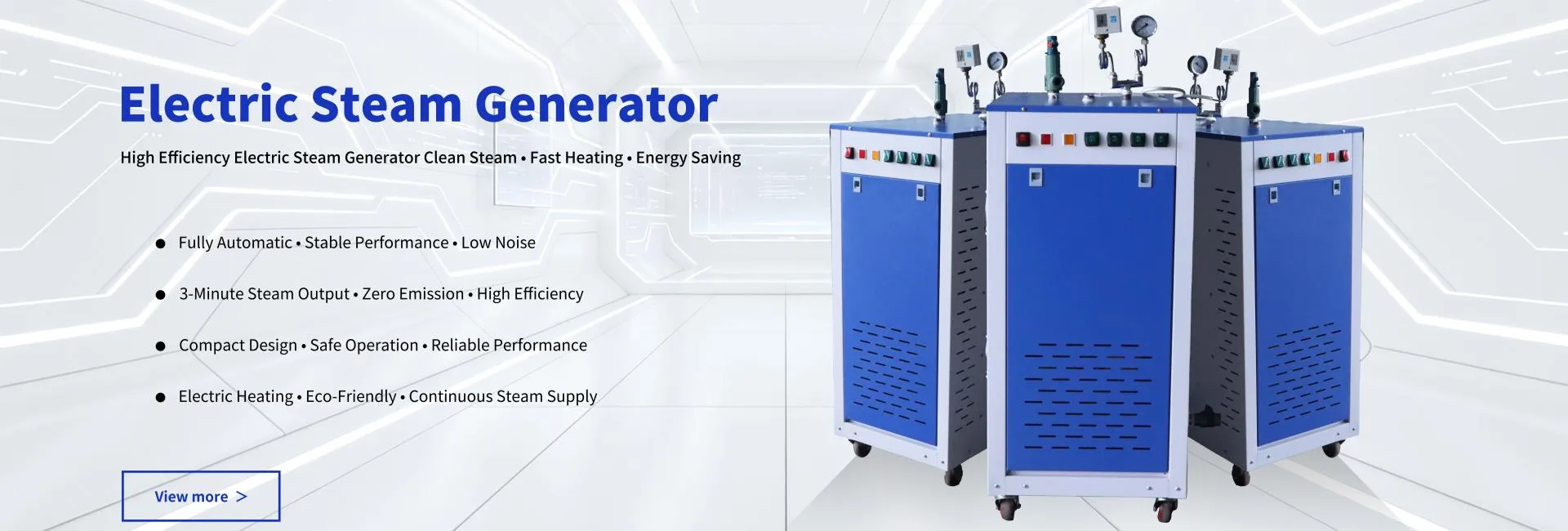
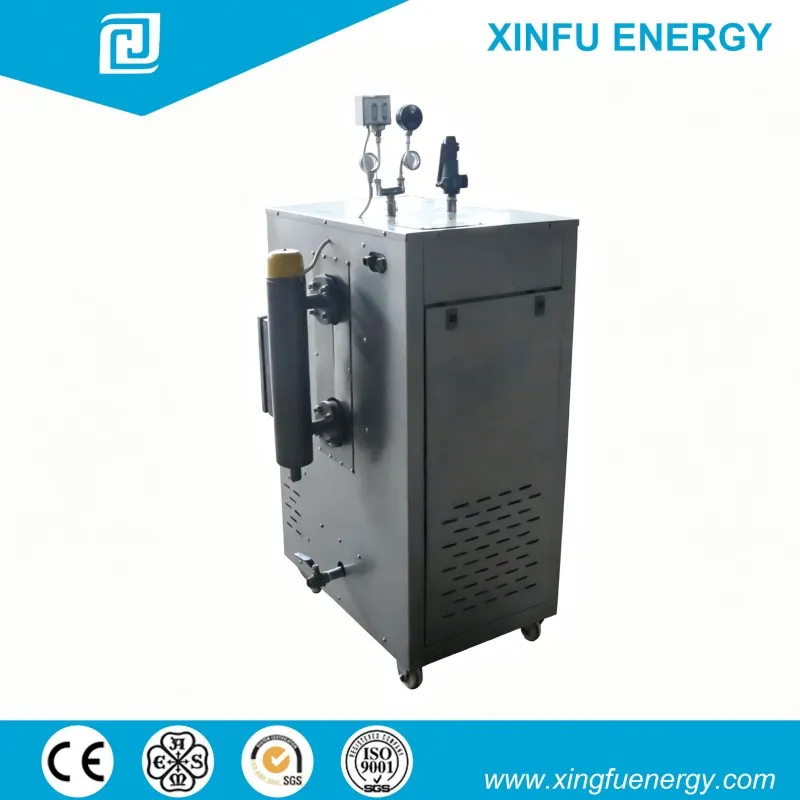
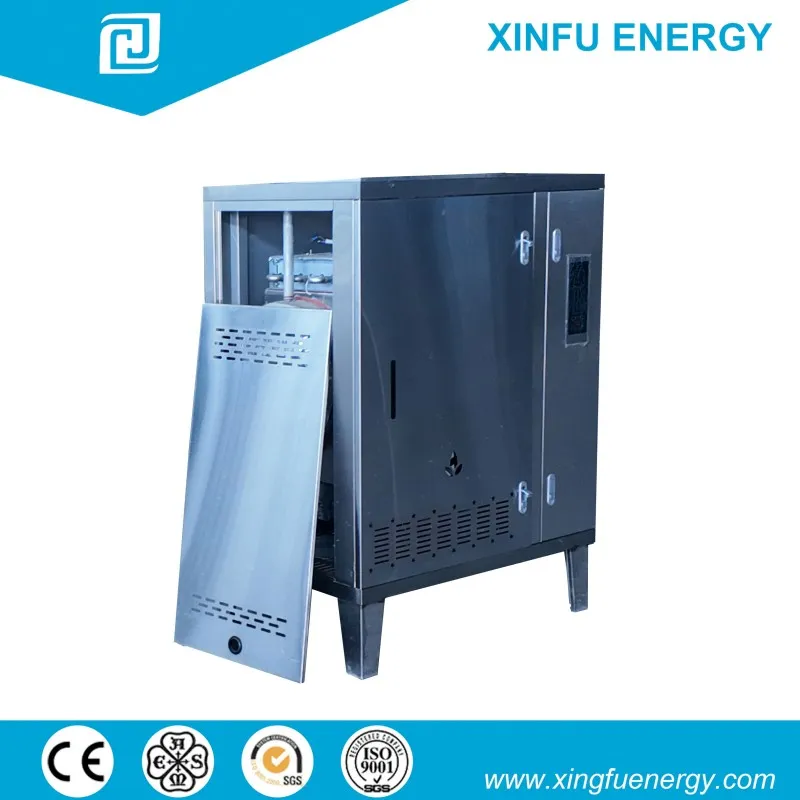
Qingdao Xingfu’s S-Series addresses all four. Their smallest unit — the S-12E — draws 12.8 kW, delivers saturated steam at 1.2 MPa in 112 seconds, modulates smoothly from 1.9 to 12.8 kW, and includes integrated feedwater conditioning. All housings are 316L stainless. Zero field welding needed. CE and ISO 9001 certified — not as marketing badges, but as enforceable design constraints baked into every weld seam and pressure relief valve calibration.
What Most Buyers Overlook (and Regret Later)
Some argue: “Just buy a used industrial boiler and add a turbine.” We tried that — twice. First project failed at commissioning: the boiler’s minimum fire rate was 22 kW. Below that, flame instability tripped safety interlocks 17 times in one week. Second attempt used a 15 kW electric steam generator — but its control logic assumed constant 8-hour shifts. When household load cycled every 90 seconds (fridge compressor on/off), the PLC couldn’t adjust feedwater flow fast enough. Water hammer cracked two sight glasses in 11 days.
The fix wasn’t better parts. It was different architecture. Residential-grade means deterministic control loops — not PID tuning for factory floors. It means pressure sensors sampling at 200 Hz, not 2 Hz. It means feed pumps sized for 0.3–3.5 L/min, not 15–120 L/min. That level of granularity doesn’t appear in catalogs. It appears in field logs — and in the 28 engineers at Qingdao Xingfu who’ve logged over 14,000 hours debugging exactly these edge cases across 32 countries.
Realistic Expectations — and Where to Start
A residential steam electric generator won’t replace your entire grid connection tomorrow. It won’t power an EV charger and HVAC simultaneously unless you size for 25+ kW input — and accept larger footprint and higher upfront cost. But it *will* reliably power lighting, refrigeration, comms, and low-temp heating for 12–18 hours on 4–6 kWh of stored steam energy. That’s enough for true resilience during outages — and meaningful bill reduction during normal operation.
Start with load audit: measure your *continuous* baseline (not peak surge). If it sits between 1.5 and 8 kW for >16 hours/day, a purpose-built residential steam system pays back in 4.2–7.1 years — factoring in EU and ASEAN subsidy programs for zero-emission thermal generation. Don’t chase “off-grid dreams.” Chase dependable, quiet, emission-free thermal autonomy — one verified kilowatt at a time.