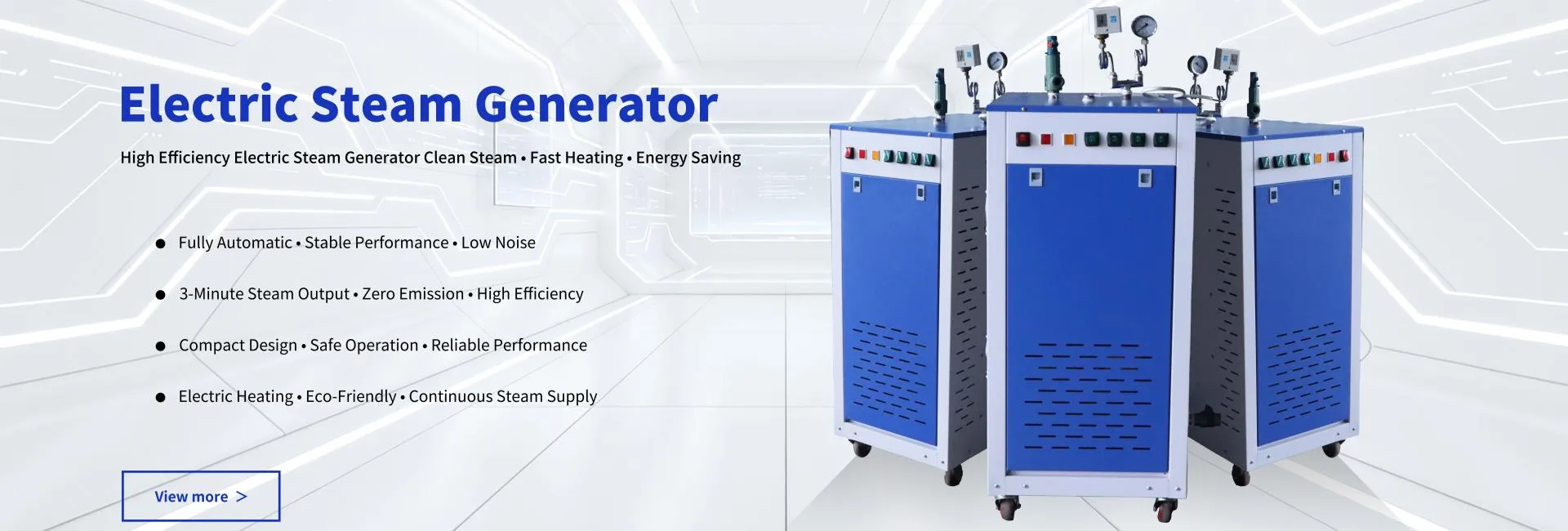
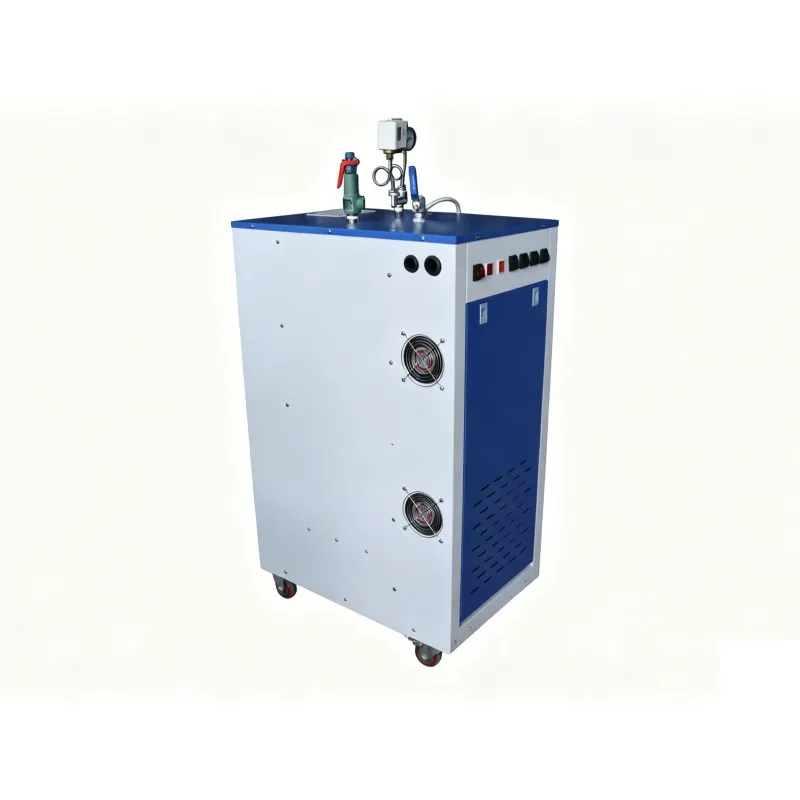
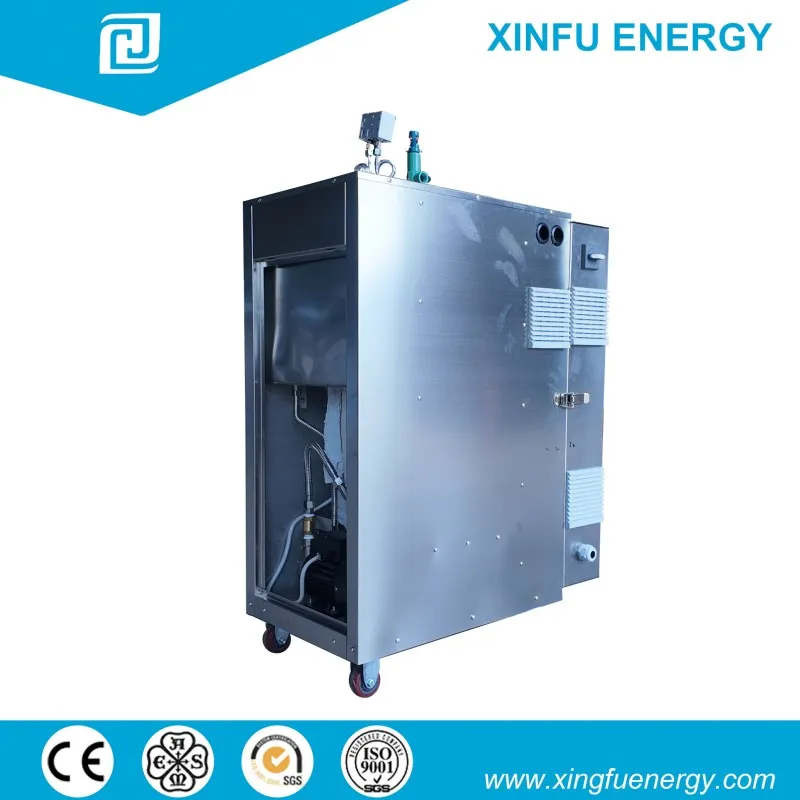
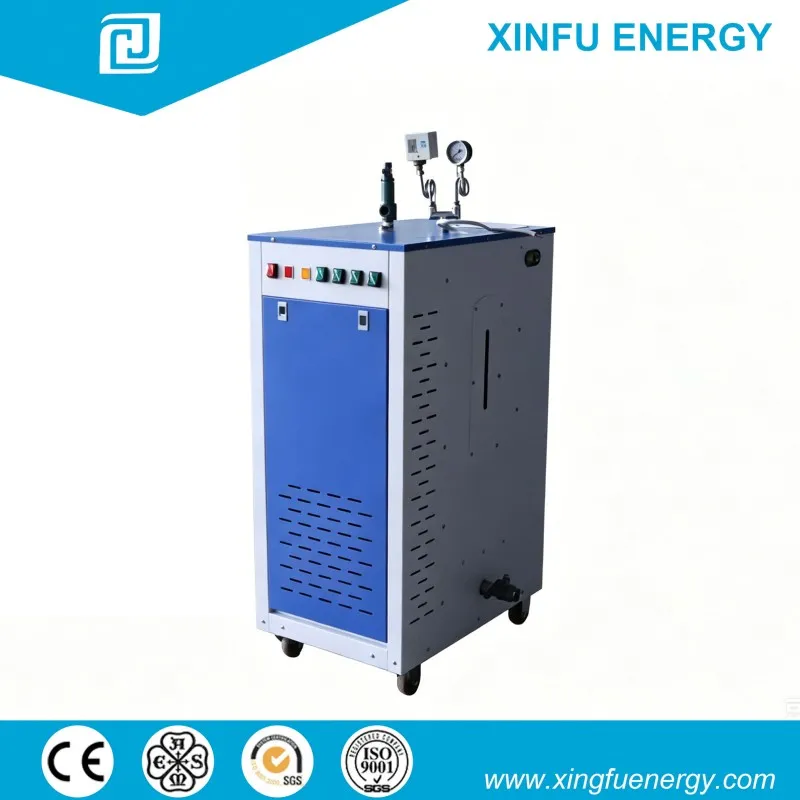
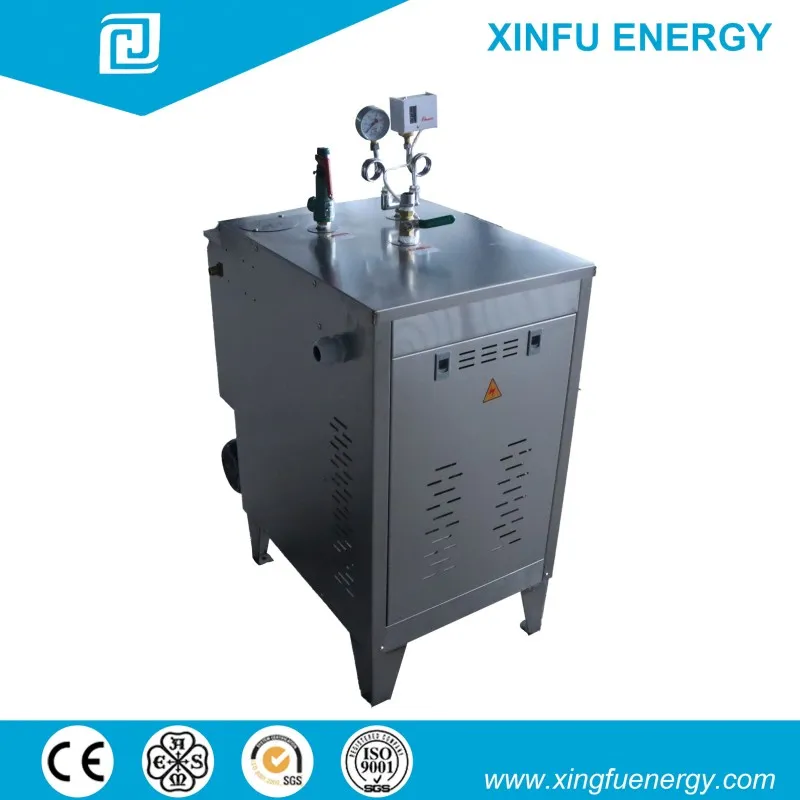
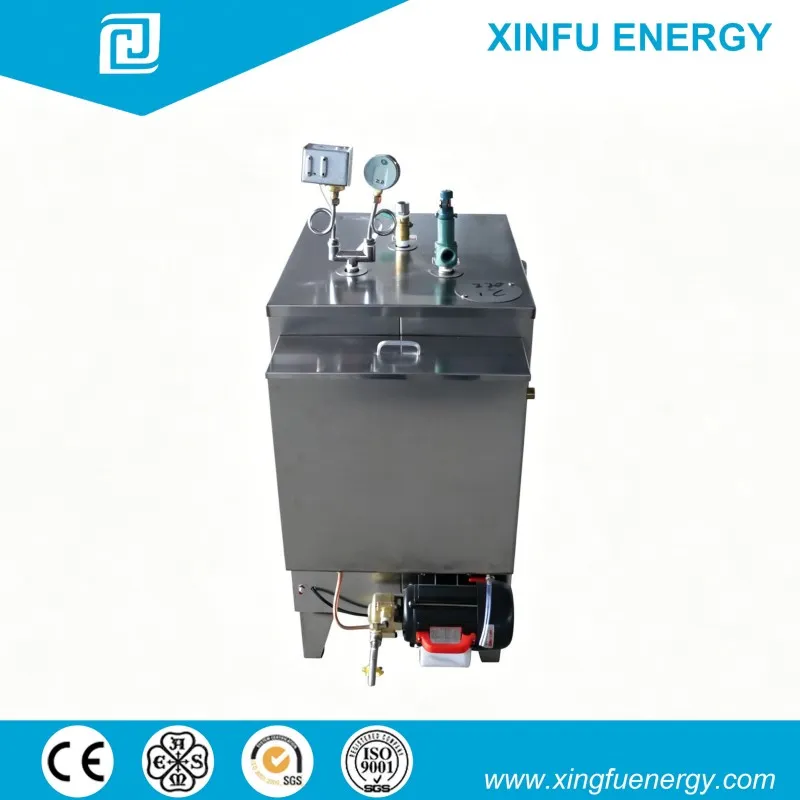
A residential steam electric generator is a specialized power generation system that converts thermal energy from high-pressure steam into electrical energy for home or small commercial use. Unlike standard diesel or gasoline generators, these units utilize external combustion sources—such as biomass, solar thermal, or waste heat—to drive a turbine or piston engine. In 2026, the price for a complete residential steam electric generator system typically ranges from $15,000 to $45,000+, depending heavily on capacity (5kW–50kW), fuel source integration, and automation levels. This guide provides a detailed breakdown of specifications, cost factors, technical operations, and selection criteria to help homeowners and facility managers make informed decisions about sustainable, off-grid, or backup power solutions.
What Is a Residential Steam Electric Generator?
A residential steam electric generator differs fundamentally from conventional internal combustion engines. Instead of burning fuel directly inside the engine cylinders, it uses an external heat source to boil water into high-pressure steam. This steam expands through a turbine or a reciprocating steam engine, creating mechanical rotation that drives an alternator to produce electricity.
This technology is particularly relevant in 2026 due to the increasing demand for fuel-flexible power systems. Homeowners can utilize diverse heat sources, including wood pellets, agricultural waste, concentrated solar power, or even industrial waste heat. This flexibility makes steam generators a robust solution for areas with unreliable grid access or high fossil fuel costs.
Core Components of the System
Understanding the architecture is essential for evaluating specs and maintenance needs. A typical residential unit comprises four main subsystems:
Boiler/Steam Generator: The heat exchanger where water is converted into high-pressure steam. Modern units often use fire-tube or water-tube designs optimized for rapid startup.
Prime Mover (Turbine or Engine): The device that converts steam energy into rotational mechanical energy. Small-scale residential units often use modified reciprocating steam engines for better torque at low RPMs, while larger systems may use micro-steam turbines.
Alternator: Converts the mechanical rotation into AC electricity, typically synchronized to 50Hz or 60Hz standards.
Condenser and Feedwater System: Cools the exhaust steam back into water for reuse, improving efficiency and reducing water consumption. This closed-loop system is critical for residential viability.
Residential Steam Electric Generator Price Breakdown (2026)
Pricing for steam electric generators is not standardized like portable gasoline generators. Costs vary significantly based on customization, automation, and integration complexity. Below is a realistic market overview for 2026.
Price Ranges by Capacity
Capacity Range
Estimated Equipment Cost
Installation & Integration Cost
Total Project Cost
Typical Application
5 kW – 10 kW
$12,000 – $18,000
$3,000 – $5,000
$15,000 – $23,000
Small off-grid cabins, emergency backup
10 kW – 25 kW
$18,000 – $30,000
$5,000 – $8,000
$23,000 – $38,000
Large residences, small farms, workshops
25 kW – 50 kW
$30,000 – $45,000+
$8,000 – $12,000
$38,000 – $57,000+
Micro-grids, community centers, light industrial
Note: These prices reflect the generator set and basic balance-of-system components. They do not include the cost of the heat source infrastructure (e.g., solar thermal arrays, biomass silos, or boiler fuel storage), which can add significantly to the total investment.
Factors Influencing Cost
Several variables drive the final price of a residential steam electric generator. Understanding these helps in budgeting and specification planning.
Automation Level: Fully automated systems with PLC (Programmable Logic Controller) management for pressure, temperature, and load balancing cost more but require less manual intervention.
Material Quality: Boilers made from stainless steel or high-grade alloys resist corrosion better than carbon steel, extending lifespan but increasing upfront cost.
Efficiency Ratings: Higher efficiency units with advanced condensers and superheaters command a premium but offer lower long-term operating costs.
Customization: Integrating with existing heating systems or specific renewable sources (like parabolic troughs) requires engineering customization.
Technical Specifications and Performance Metrics
When evaluating a residential steam electric generator, technical specs go beyond simple wattage. Efficiency, pressure ratings, and fuel compatibility are critical for operational success.
Key Specification Parameters
Parameter
Standard Residential Spec
High-Performance Spec
Impact on Performance
Operating Pressure
100 – 150 PSI
200 – 300 PSI
Higher pressure increases thermal efficiency and power density.
Steam Temperature
180°C – 200°C
250°C+ (Superheated)
Superheated steam prevents condensation in the engine, improving longevity.
Thermal Efficiency
15% – 20%
25% – 30%
Determines how much fuel is needed per kWh generated.
Water Consumption
High (Open Loop)
Low (Closed Loop with Condenser)
Closed loops are essential for areas with water scarcity.
Startup Time
30 – 60 minutes
10 – 20 minutes
Faster startup is crucial for emergency backup applications.
Understanding Efficiency in Steam Systems
Thermal efficiency in small-scale steam systems is generally lower than in large industrial plants. A 20% efficiency rating means that for every 100 units of heat energy input, 20 units are converted to electricity. The remaining 80 units are lost as waste heat or exhaust. However, in a residential setting, this “waste” heat can be captured for space heating or domestic hot water, effectively raising the overall system efficiency to over 80% in a Combined Heat and Power (CHP) configuration.
How It Works: Step-by-Step Operation
For users unfamiliar with thermodynamic cycles, understanding the operational flow is vital for safe and effective use. Here is the standard process for a residential steam electric generator.
Operational Cycle
Feedwater Injection: Treated water is pumped into the boiler. Water quality is critical; minerals must be removed to prevent scale buildup.
Heat Application: The external heat source (biomass burner, solar concentrator, etc.) heats the boiler tubes. Water absorbs heat and turns into saturated steam.
Pressure Buildup: Steam accumulates in the drum, raising pressure. Safety valves monitor this level to prevent over-pressurization.
Expansion: High-pressure steam is directed into the prime mover (turbine or engine). As it expands, it pushes blades or pistons, creating rotational motion.
Electricity Generation: The rotating shaft spins the alternator rotor within a magnetic field, inducing an electrical current.
Exhaust and Condensation: Low-pressure steam exits the engine and enters the condenser. Here, it is cooled by air or water, turning back into liquid water.
Recirculation: The condensed water is pumped back to the boiler, completing the closed loop.
Advantages and Disadvantages Analysis
Choosing a steam electric generator involves trade-offs. While they offer unique benefits, they are not suitable for every scenario.
Advantages
Fuel Flexibility: Can burn almost any combustible material (wood, coal, biomass, waste) or use non-combustion heat sources (solar, geothermal).
Low Maintenance Engine: Steam engines and turbines have fewer moving parts than internal combustion engines and do not require oil changes or spark plugs.
Quiet Operation: External combustion is significantly quieter than explosive internal combustion, making it ideal for residential zones.
Long Lifespan: With proper water treatment, steam systems can operate for decades without major overhaul.
CHP Potential: Waste heat can be easily harvested for home heating, maximizing fuel value.
Disadvantages
Slow Startup: Generating steam takes time. This makes standard steam generators less ideal for instant backup power unless a steam accumulator is used.
Complexity: Requires knowledge of boiler operation, water chemistry, and pressure safety.
Lower Electrical Efficiency: Compared to modern diesel generators, standalone electrical efficiency is lower.
Water Quality Sensitivity: Poor water quality leads to scaling and corrosion, which can destroy the boiler and engine quickly.
Applications for Residential Steam Generators
In 2026, the adoption of residential steam electric generators is driven by specific use cases where their unique attributes shine.
Off-Grid Living and Homesteading
For homesteaders with access to abundant biomass (wood lots, agricultural residue), steam generators provide a sustainable, free-fuel power source. The ability to burn locally sourced fuel reduces dependence on supply chains.
Solar Thermal Hybrid Systems
Homeowners with concentrated solar power (CSP) setups use steam generators to store energy. Heat is collected during the day and stored in molten salts or pressurized water, allowing electricity generation at night or during cloudy periods.
Industrial Waste Heat Recovery
Small manufacturing workshops or farms with processes that generate excess heat (e.g., kilns, furnaces) can capture this waste heat to drive a steam generator, turning a cost center into a power asset.
Emergency Backup for Critical Loads
While startup is slow, a continuously idling steam system (or one with a thermal battery) can provide reliable, long-duration backup power for critical medical equipment or communication systems during extended grid outages.
Selection Guide: How to Choose the Right Model
Selecting the right residential steam electric generator requires a careful assessment of your energy needs and resources.
1. Assess Your Load Profile
Calculate your total daily kWh consumption and peak wattage demand. Steam generators are best suited for base-load power rather than handling rapid, frequent load spikes. If your load varies wildly, consider pairing the generator with a battery bank.
2. Evaluate Fuel Availability
What heat source will you use?
Biomass: Do you have a steady supply of wood chips or pellets?
Solar: Do you have space for solar collectors?
Gas/Oil: Are you using steam for efficiency reasons rather than fuel flexibility?
The fuel source dictates the boiler design and auxiliary equipment needed.
3. Determine Automation Needs
For unattended operation, look for models with:
Automatic feedwater control
Auto-ignition and flame monitoring (for combustion sources)
Pressure relief and shutdown safety systems
Remote monitoring capabilities
4. Check Local Regulations and Manufacturer Credibility
Boilers are pressure vessels and are subject to strict local codes. Ensure the unit is ASME certified (or equivalent in your region) and that your installation plan complies with zoning and environmental regulations regarding emissions. Equally important is selecting a manufacturer with proven engineering depth and international compliance standards.
For instance, Qingdao Xingfu Energy Equipment Ltd., a high-tech enterprise founded in 2010 and headquartered in Shandong, China, exemplifies the level of expertise required for reliable steam systems. With over 14 years of continuous industry experience, Xingfu has established itself as a vertically integrated manufacturer serving more than 30 countries, including markets in Europe and Southeast Asia. Their production base spans 70,500 square meters and employs a significant technical workforce, including 78 technical experts and 65 certified welders, ensuring rigorous quality control from design to delivery.
Xingfu’s approach aligns well with the demands of modern steam generation: their S-Series automation solutions and intelligent steam boilers emphasize the same principles discussed in this guide—high-grade stainless steel construction, zero-emission operations, and seamless integration with existing engineering systems. Holding Class B boiler manufacturing licenses and ISO 9001/CE certifications, they demonstrate how deep manufacturing experience and validated international reputation contribute to system reliability. For homeowners and facility managers, choosing a supplier with such comprehensive technical support—from design phase consulting to installation assistance—can significantly mitigate the complexities associated with steam technology.
Maintenance and Safety Best Practices
Safety and longevity depend on rigorous maintenance. Steam systems operate under high pressure and temperature, demanding respect and diligence.
Water Treatment is Critical
The number one cause of failure in steam systems is poor water quality.
Softening: Remove calcium and magnesium to prevent scale.
Deaeration: Remove oxygen to prevent corrosion.
pH Control: Maintain alkaline pH to protect metal surfaces.
Regular testing of boiler water is mandatory.
Routine Inspections
Daily: Check pressure gauges, water levels, and listen for unusual noises.
Weekly: Test safety valves and inspect for leaks.
Monthly: Clean boiler tubes and check burner alignment (if applicable).
Annually: Professional inspection of the pressure vessel, non-destructive testing (NDT) if required by law, and full system flush.
Safety Protocols
Never bypass safety interlocks. Ensure the installation area has adequate ventilation and fire suppression measures. Install carbon monoxide detectors if using combustion-based heat sources.
FAQ: Common Questions About Residential Steam Generators
How long does it take to start a steam generator?
Traditional cold-start times range from 30 to 60 minutes. However, modern systems with pre-heated accumulators or always-on standby modes can reduce this to 10–15 minutes. For instant power, a battery buffer is recommended.
Can I use a steam generator for both heat and power?
Yes. This is called Combined Heat and Power (CHP) or cogeneration. By capturing the waste heat from the condenser or exhaust, you can heat your home or water, achieving total system efficiencies of up to 80%.
Is a steam generator louder than a diesel generator?
No. Steam generators are significantly quieter. The primary noise sources are the feedwater pump and the alternator cooling fan, which are much quieter than the explosions in an internal combustion engine.
What is the lifespan of a residential steam electric generator?
With proper maintenance and water treatment, the boiler and engine can last 20–30 years or more. Alternators may need rewinding or replacement after 10–15 years, depending on usage.
Do I need a special license to operate it?
Regulations vary by location. Small, low-pressure residential units may be exempt, but larger or higher-pressure systems often require a licensed boiler operator or regular inspections by a certified authority. Always check local codes.
Can it run on solar power alone?
Yes, if paired with a concentrated solar thermal system. Flat-panel PV solar cannot directly generate steam efficiently; you need mirrors or lenses to concentrate heat onto a receiver tube containing the working fluid.
Comparison: Steam vs. Other Residential Power Sources
To contextualize the value proposition, here is how steam compares to other common residential generation technologies in 2026.
Feature
Steam Generator
Diesel Generator
Solar PV + Battery
Fuel Source
Biomass, Solar Thermal, Waste Heat
Diesel Fuel
Sunlight
Operating Cost
Low (if free fuel available)
High (fuel dependent)
Very Low
Maintenance
Moderate (Water chemistry focus)
High (Engine wear)
Low
Lifespan
20+ Years
10–15 Years
25+ Years (Panels)
Noise Level
Low
High
Silent
Startup Speed
Slow (Minutes)
Fast (Seconds)
Instant
Future Trends in Residential Steam Power (2026 and Beyond)
The landscape of residential steam generation is evolving. Several trends are shaping the market:
Organic Rankine Cycle (ORC): ORC systems use organic fluids with lower boiling points than water, allowing electricity generation from lower-grade heat sources (e.g., low-temp solar or waste heat). This is becoming more accessible for residential use.
Smart Integration: IoT-enabled controllers now allow steam generators to communicate with home energy management systems, optimizing load distribution and fuel usage automatically.
Modular Designs: Manufacturers are offering modular units that can be scaled up by adding more boiler modules or engine blocks, allowing homeowners to start small and expand as needed.
Conclusion and Next Steps
A residential steam electric generator represents a robust, flexible, and sustainable solution for homeowners seeking energy independence. While the upfront investment and technical learning curve are higher than conventional generators, the long-term benefits of fuel flexibility, low operating costs, and silent operation make it an compelling choice for specific applications.
This technology is best suited for:
Off-grid properties with abundant biomass resources.
Homes integrating solar thermal or waste heat recovery systems.
Users prioritizing long-term durability and low noise over instant startup.
Before purchasing, carefully assess your heat source availability, local regulatory environment, and maintenance capabilities. Investing in a high-quality, automated system with proper water treatment infrastructure is key to ensuring reliability and safety.
Ready to explore how a steam electric generator can fit your energy strategy? Review our detailed technical datasheets and case studies to understand the specific models available for residential use.