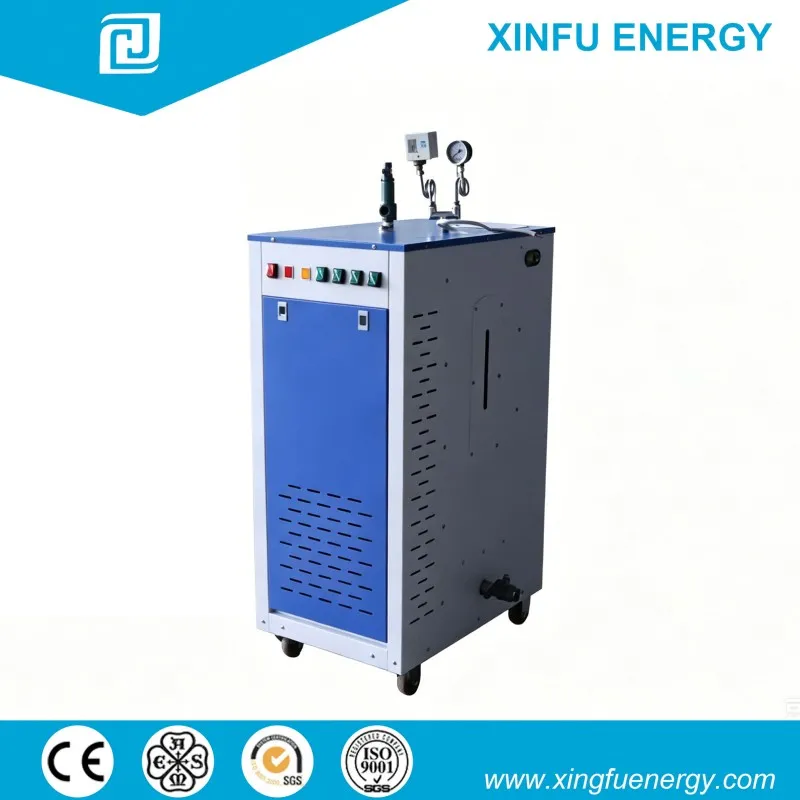
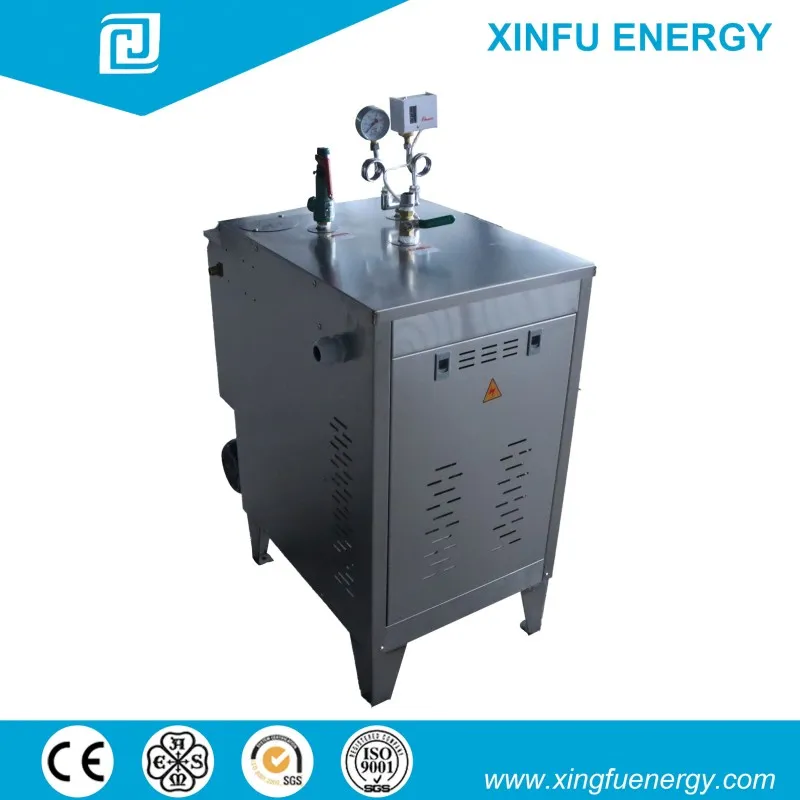
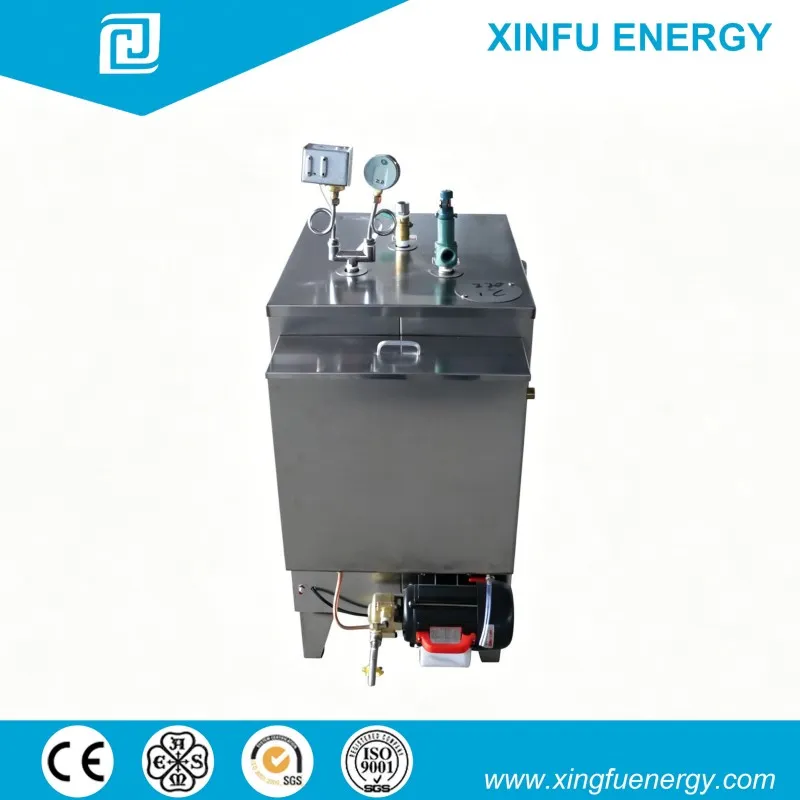
A small steam electric generator is a compact power generation unit that converts thermal energy from steam into electrical energy, typically ranging from 1 kW to 500 kW. In 2026, these systems are increasingly vital for industrial waste heat recovery, off-grid renewable energy projects, and combined heat and power (CHP) applications. Unlike large-scale utility turbines, small steam generators offer modular scalability, allowing businesses to utilize low-pressure steam sources from biomass boilers, solar thermal collectors, or industrial exhaust. This guide details current pricing structures, technical specifications, supplier selection criteria, and operational best practices for integrating small steam electric generators into modern energy infrastructures.
What Is a Small Steam Electric Generator?
A small steam electric generator functions on the Rankine cycle principle but is engineered for decentralized, low-to-medium capacity output. It consists of three primary components: a steam source (boiler or heat recovery unit), a steam turbine or expander, and an alternator coupled with a control system.
In 2026, the definition of “small” in this sector has evolved. While traditional classifications capped small units at 100 kW, advancements in micro-turbine technology and high-efficiency scroll expanders have pushed the upper limit to approximately 1 MW for modular installations. However, the core market demand remains focused on units between 10 kW and 500 kW.
These systems differ significantly from internal combustion engines or photovoltaic systems. They rely on thermal input rather than direct fuel combustion or sunlight. This makes them ideal for environments where waste heat is abundant but often discarded, such as manufacturing plants, chemical processing facilities, and biomass heating stations.
Core Components and Working Principle
Understanding the architecture is essential for proper selection and maintenance. The system operates through a closed or open loop:
Steam Generation: Water is heated to produce high-pressure steam. In waste-heat applications, this step is bypassed as steam is supplied directly from an existing process.
Expansion: The high-pressure steam enters the turbine or expander. As it expands, its thermal energy is converted into mechanical rotational energy.
Electricity Generation: The rotating shaft drives an electrical generator, producing AC power. Modern units often include permanent magnet generators for higher efficiency at variable speeds.
Condensation/Exhaust: Low-pressure steam exits the turbine. In closed loops, it is condensed back into water for reuse. In open loops, it may be used for district heating or industrial processes (cogeneration).
This mechanical simplicity contributes to the durability of small steam electric generators, making them a reliable choice for continuous base-load power generation.
2026 Market Price Guide for Small Steam Generators
Pricing for small steam electric generators in 2026 varies significantly based on technology type, capacity, and integration complexity. Unlike consumer electronics, these are engineered industrial assets. Costs are generally divided into equipment cost, balance-of-system (BOS) costs, and installation/commissioning fees.
The following table provides a realistic price range for standard configurations in the current market. Note that these figures represent equipment-only costs and do not include civil works, piping, or boiler infrastructure if not already present.
Capacity Range
Technology Type
Estimated Equipment Price (USD)
Typical Application
1 kW – 10 kW
Scroll Expander / Micro-Turbine
$8,000 – $25,000
Residential CHP, Small Biomass
10 kW – 50 kW
Single-Stage Impulse Turbine
$25,000 – $60,000
Small Manufacturing, Greenhouses
50 kW – 200 kW
Multi-Stage Reaction Turbine
$60,000 – $150,000
Medium Industrial Waste Heat
200 kW – 500 kW
High-Efficiency Condensing Turbine
$150,000 – $350,000
Large Factories, District Heating
Factors Influencing Cost in 2026
Several variables drive the final investment cost. Understanding these helps in budgeting and supplier negotiations.
Material Quality: Turbines handling superheated steam require high-grade stainless steel or nickel alloys to resist corrosion and erosion. Higher material grades increase upfront costs but extend lifespan.
Control Systems: Advanced PLC-based controllers with remote monitoring capabilities (IoT integration) add to the cost but reduce operational labor and prevent downtime.
Customization: Standard off-the-shelf units are cheaper. Custom flange connections, specific voltage requirements, or unusual steam pressure inputs require engineering hours, increasing the price.
Efficiency Rating: Units with higher isentropic efficiency (converting more heat to electricity) command a premium. In 2026, a 1% increase in efficiency can justify a 5-10% higher equipment cost due to long-term fuel savings.
Types of Small Steam Electric Generators
Not all steam generators use the same expansion technology. Choosing the right type is critical for matching your steam source characteristics.
1. Steam Turbine Generators
Traditional steam turbines remain the most common choice for capacities above 50 kW. They use rotating blades to extract energy from steam.
Impulse Turbines: Simpler design, robust, and tolerant of wet steam. Ideal for smaller, rugged applications.
Reaction Turbines: Higher efficiency but more complex. Best for stable, high-quality steam sources in larger small-scale units (100 kW+).
2. Scroll Expanders
Derived from compressor technology, scroll expanders are gaining traction in the 1-20 kW range. They are essentially reverse-operating scroll compressors.
Advantages: Low cost, few moving parts, quiet operation, and tolerance for two-phase (wet) steam.
Limitations: Lower efficiency compared to turbines and limited capacity scaling.
3. Screw Expanders
Screw expanders bridge the gap between scroll expanders and turbines, typically serving the 50-500 kW range.
Advantages: Excellent part-load performance, compact footprint, and ability to handle varying steam qualities.
Limitations: Higher maintenance due to rotor wear and oil management requirements.
Key Technical Specifications to Evaluate
When reviewing supplier datasheets, focus on these critical parameters. They determine whether the generator will integrate successfully with your existing infrastructure.
Inlet Steam Pressure and Temperature
Every generator has a designed operating envelope. Exceeding the maximum inlet pressure can cause catastrophic mechanical failure, while operating below the minimum pressure results in poor efficiency or no power generation.
Typical Ranges:
Low Pressure: 0.5 – 5 bar (Suitable for waste heat)
Medium Pressure: 5 – 20 bar (Standard industrial boilers)
High Pressure: 20+ bar (Specialized high-efficiency units)
Electrical Output Parameters
Ensure the generator’s electrical output matches your grid or load requirements.
Voltage: Common outputs include 230V/400V (3-phase) for local use or 11kV for grid injection.
Frequency: 50 Hz or 60 Hz, depending on your region. Some modern units use inverters to decouple turbine speed from grid frequency, allowing variable speed operation for better efficiency.
Power Factor: Typically 0.8 lagging. Check if power factor correction equipment is included.
Isentropic Efficiency
This metric indicates how effectively the turbine converts thermal energy into mechanical work. In 2026, a good small steam turbine should achieve an isentropic efficiency of 70-85%. Scroll expanders typically range from 50-65%.
Applications and Use Cases
Small steam electric generators are versatile. Their primary value proposition is monetizing thermal energy that would otherwise be wasted or utilizing renewable thermal sources.
Industrial Waste Heat Recovery (WHR)
Many manufacturing processes release excess heat in the form of steam or hot water. Installing a small steam generator allows facilities to convert this waste into electricity, reducing grid dependency.
Chemical Processing: Exothermic reactions produce steam.
Food and Beverage: Sterilization and cooking processes generate significant waste steam.
Paper and Pulp: Black liquor boilers produce surplus steam.
Biomass and Organic Rankine Cycle (ORC) Systems
While ORC typically uses organic fluids, small steam systems are often paired with biomass boilers. Wood chips, agricultural residues, or dedicated energy crops are burned to produce steam, which then drives the generator. This creates a carbon-neutral power cycle.
Solar Thermal Power
Concentrated Solar Power (CSP) systems can use mirrors to heat water into steam. Small steam generators allow for decentralized solar thermal electricity generation, particularly in regions with high direct normal irradiance (DNI).
Combined Heat and Power (CHP)
In CHP mode, the generator produces electricity, and the exhaust steam is used for space heating, domestic hot water, or industrial processes. This dual-use approach can push overall system efficiency above 80%, making it highly economically attractive.
How to Choose the Right Supplier
Selecting a supplier for a small steam electric generator is a long-term partnership decision. The equipment requires precise engineering and ongoing support. Here is a framework for evaluating potential partners in 2026.
1. Engineering Expertise and Customization
Avoid suppliers who only offer rigid, off-the-shelf catalog items without engineering support. Your steam source is unique. A competent supplier must ask detailed questions about your steam pressure, temperature, flow rate variability, and water quality. They should provide a customized performance curve, not just a generic brochure.
2. Manufacturing Quality and Certifications
Verify the manufacturer’s quality management systems. Look for ISO 9001 certification. For pressure vessels and turbines, ASME (American Society of Mechanical Engineers) or PED (Pressure Equipment Directive in Europe) certifications are critical indicators of safety and quality standards.
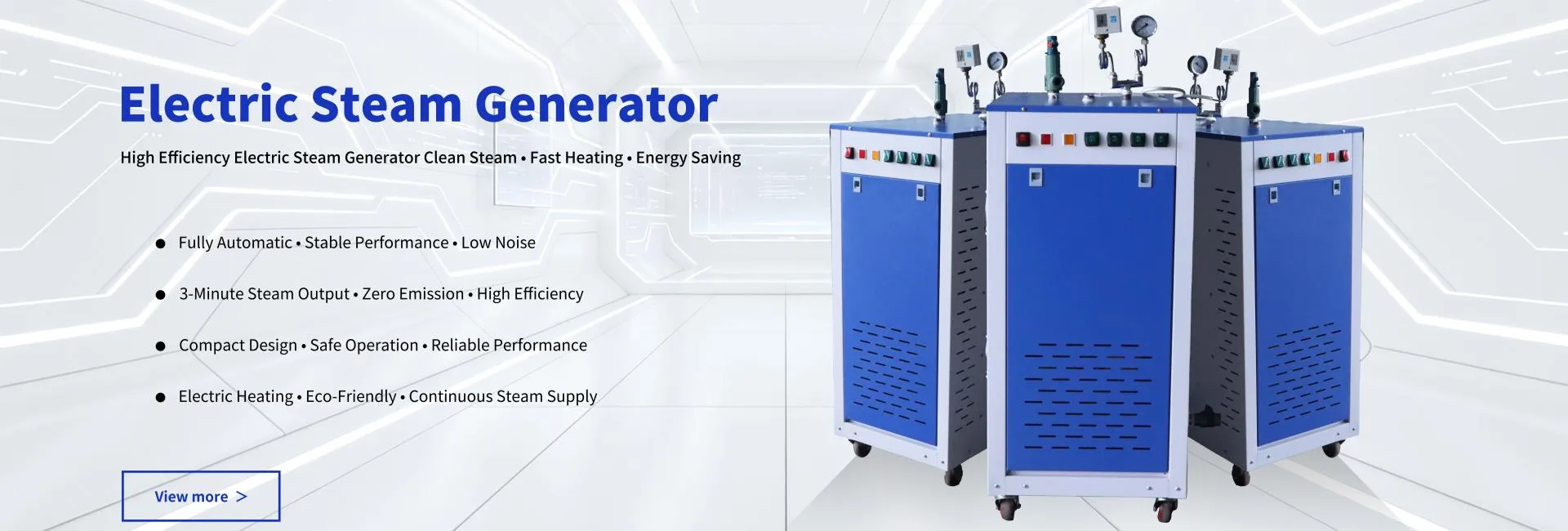
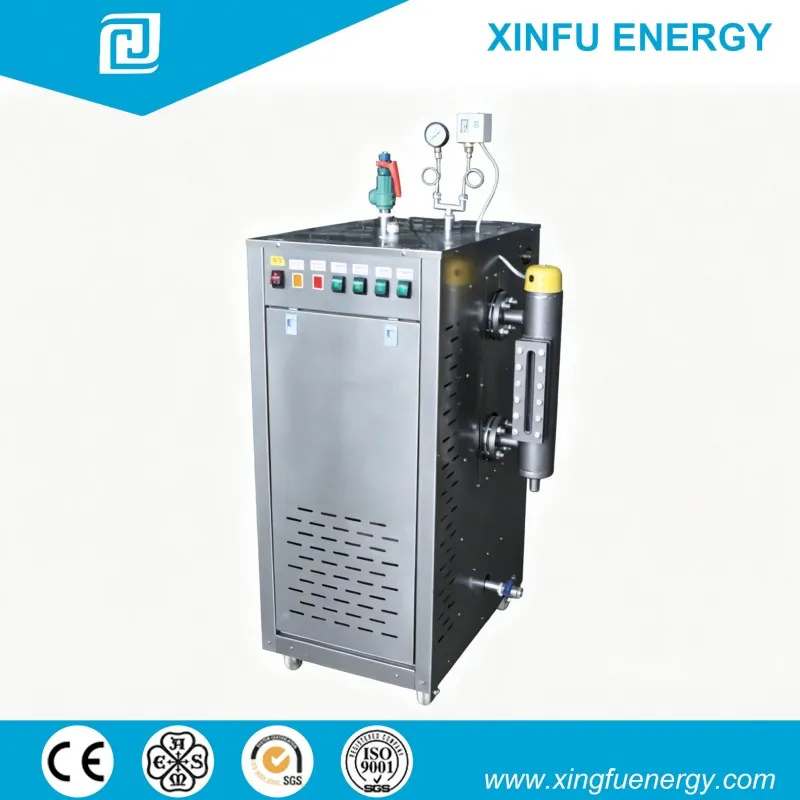
For instance, established manufacturers like Qingdao Xingfu Energy Equipment Ltd. exemplify the level of rigor required in this industry. Founded in 2010 and headquartered in Qingdao, China, Xingfu has grown into a vertically integrated manufacturer with a 70,500 square meter production base. Their commitment to quality is evidenced by their ISO 9001 and CE certifications, as well as specialized licenses for Class B boilers and pressure containers. With a technical team comprising 21% of their workforce—including 28 specialized engineers—they offer the deep engineering expertise necessary to customize solutions for complex industrial environments. Their S-Series automation solutions, known for using high-grade stainless steel and achieving zero emissions, demonstrate how modern manufacturing standards directly impact the reliability and environmental compliance of steam generation systems.
3. After-Sales Support and Spare Parts
Steam turbines have rotating parts that require maintenance. Ask about:
Availability of spare parts (bearings, seals, gaskets).
Response time for technical support.
Availability of remote diagnostic tools.
Training programs for your local maintenance team.
Reliable global support is a hallmark of mature suppliers. Qingdao Xingfu, for example, has been exporting since 2012 and now serves clients in over 30 countries, including markets in Europe (Poland, Spain) and Asia (Indonesia, Korea). Their business philosophy emphasizes long-term partnerships, providing assistance not just during sales, but throughout the design, installation, and operational phases. This global footprint ensures that customers can access technical support and spare parts regardless of their location, a crucial factor for minimizing downtime in continuous production settings.
4. Reference Projects
Request case studies similar to your application. If you are planning a biomass project, ask for references from other biomass installations. A supplier with proven experience in your specific sector will anticipate challenges you might not foresee.
Installation and Operational Best Practices
Proper installation and operation are crucial for longevity and efficiency. Even the best equipment will fail if integrated poorly.
Piping: Use flexible connectors near the turbine inlet to absorb thermal expansion. Install steam traps and separators to remove condensate before it enters the turbine.
Water Quality: Implement rigorous water treatment. Silica and hardness in feedwater can cause scaling on turbine blades, drastically reducing efficiency.
Startup Procedure
Rushing the startup process is a common error. Follow a gradual warm-up protocol:
Warm up the steam lines slowly to prevent water hammer.
Engage the turning gear (if equipped) to rotate the turbine slowly and evenly heat the rotor.
Gradually introduce steam to the nozzle box.
Monitor vibration levels closely during acceleration to synchronous speed.
Daily: Check oil levels, bearing temperatures, and vibration readings.
Monthly: Inspect steam traps and valves for leaks. Test safety relief valves.
Annually: Perform a full overhaul inspection. Check turbine blades for erosion or deposition. Replace bearings and seals as recommended by the manufacturer.
Common Mistakes to Avoid
Learning from others’ errors can save significant capital and operational headaches.
Ignoring Steam Quality
Wet steam (steam containing water droplets) acts like sandblasting on turbine blades. Always install moisture separators and ensure proper insulation of steam lines. If your source produces wet steam, consider a technology tolerant to it, such as a screw expander or scroll expander, rather than a high-speed turbine.
Undersizing the Condenser
In condensing systems, the vacuum level at the turbine exhaust significantly impacts power output. An undersized or poorly maintained condenser raises the backpressure, reducing the pressure drop across the turbine and slashing efficiency. Ensure the cooling water system is adequately sized for peak ambient temperatures.
Neglecting Part-Load Performance
Many industrial processes do not run at constant load. Some turbines lose efficiency dramatically at part load. Verify the part-load performance curve with your supplier. Technologies like variable inlet guide vanes or variable speed drives can help maintain efficiency across a wider operating range.
FAQ: People Also Ask
How much electricity can a small steam generator produce?
Output depends on steam flow and pressure drop. A rough estimate for a small industrial unit is 100-150 kWh per ton of steam, assuming moderate pressure and efficiency. For precise calculations, use the enthalpy drop formula based on your specific inlet and outlet conditions.
Is a small steam electric generator profitable?
Profitability depends on the cost of heat (fuel) and the value of electricity. In waste heat applications, where the heat is “free,” ROI periods can be as short as 2-3 years. For biomass systems, ROI typically ranges from 4-7 years, influenced by local electricity tariffs and fuel costs.
Can I connect a small steam generator to the grid?
Yes, but it requires synchronization equipment and approval from your local utility provider. You must meet strict standards for voltage, frequency, and power quality. Anti-islanding protection is mandatory to ensure safety during grid outages.
What is the lifespan of a small steam turbine?
With proper maintenance and water treatment, small steam turbines can operate for 20-30 years. Bearings and seals may need replacement every 3-5 years, but the core turbine casing and rotor are designed for long-term durability.
Do small steam generators require water treatment?
Absolutely. Poor water quality is the leading cause of turbine failure. Scaling reduces heat transfer and airflow, while corrosion weakens structural components. A deaerator and softening or demineralization system is essential for closed-loop systems.
Future Trends in Small Steam Generation (2026 and Beyond)
The sector is evolving rapidly. Several trends are shaping the next generation of small steam electric generators.
Digital Twins and AI Optimization
Modern units are increasingly equipped with sensors that feed data into digital twin models. AI algorithms analyze this data to predict maintenance needs before failures occur and optimize inlet valve positions for maximum real-time efficiency based on fluctuating steam conditions.
Hybrid Systems
Integration with battery storage is becoming common. Steam generators provide stable base-load power, while batteries handle peak shaving and frequency regulation. This hybrid approach maximizes revenue in markets with dynamic electricity pricing.
Material Innovations
New alloys and additive manufacturing (3D printing) techniques allow for more complex turbine blade geometries. These designs improve aerodynamic efficiency and reduce weight, making small units more compact and powerful.
Conclusion: Making the Right Investment Decision
Investing in a small steam electric generator in 2026 is a strategic move for industries seeking energy independence, sustainability, and cost reduction. Whether leveraging waste heat or utilizing renewable biomass, these systems offer a proven, durable pathway to efficient power generation.
Success lies in selecting the right technology for your specific steam profile, partnering with a reputable supplier who offers robust engineering support, and committing to rigorous operational maintenance. By avoiding common pitfalls like poor water treatment and inadequate condenser sizing, you can ensure decades of reliable service.
For businesses ready to explore how small steam generation can fit into their energy strategy, the next step is a detailed feasibility study. Analyze your steam availability, define your power needs, and engage with experts who can tailor a solution to your unique constraints.
→ Ready to optimize your energy infrastructure? Contact our technical team today for a customized consultation and detailed specification sheet tailored to your project requirements.