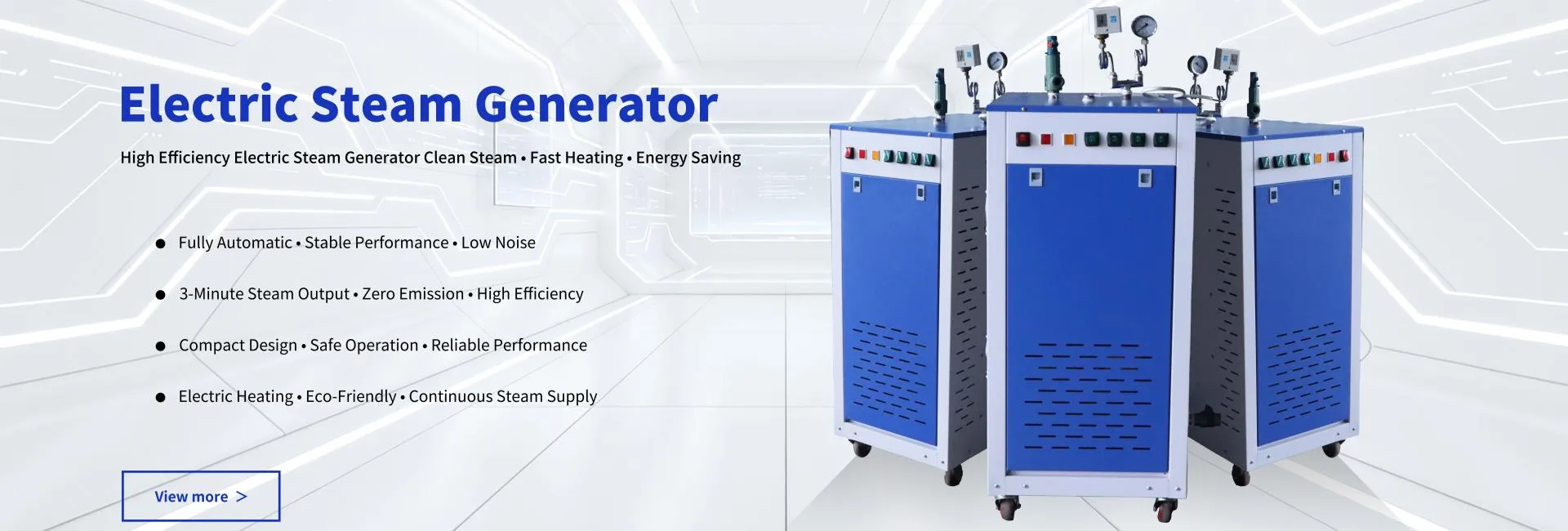
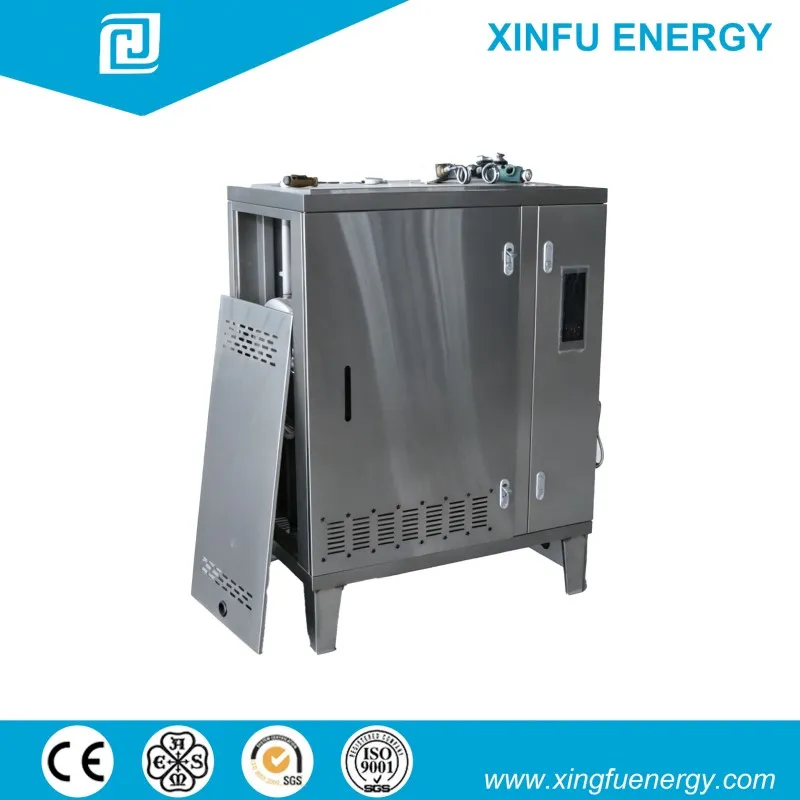
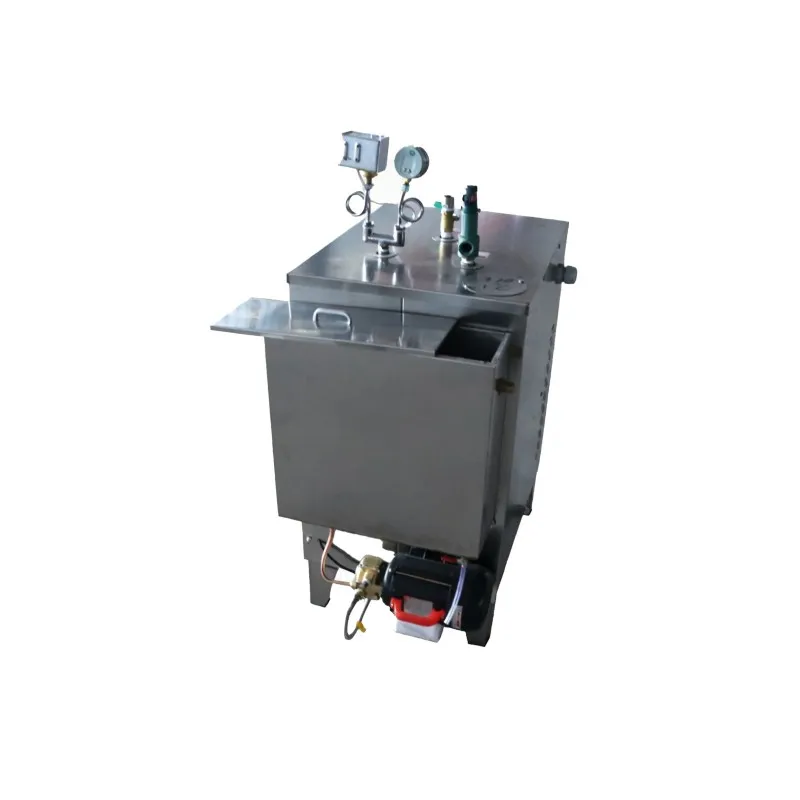
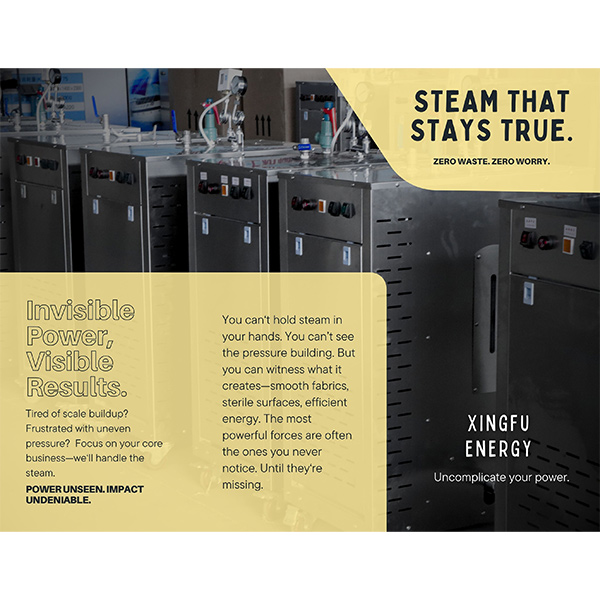
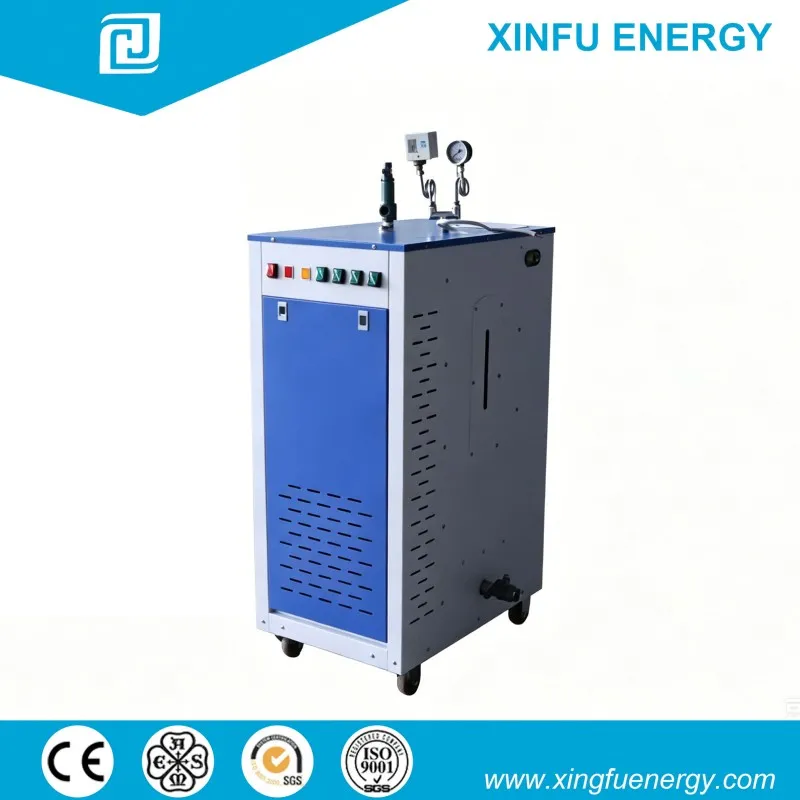
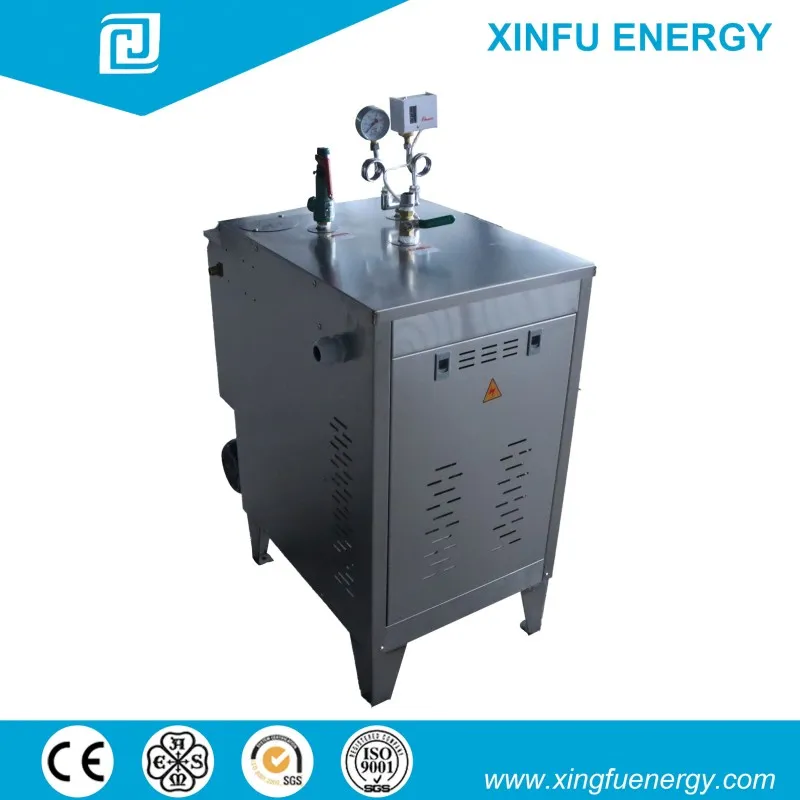
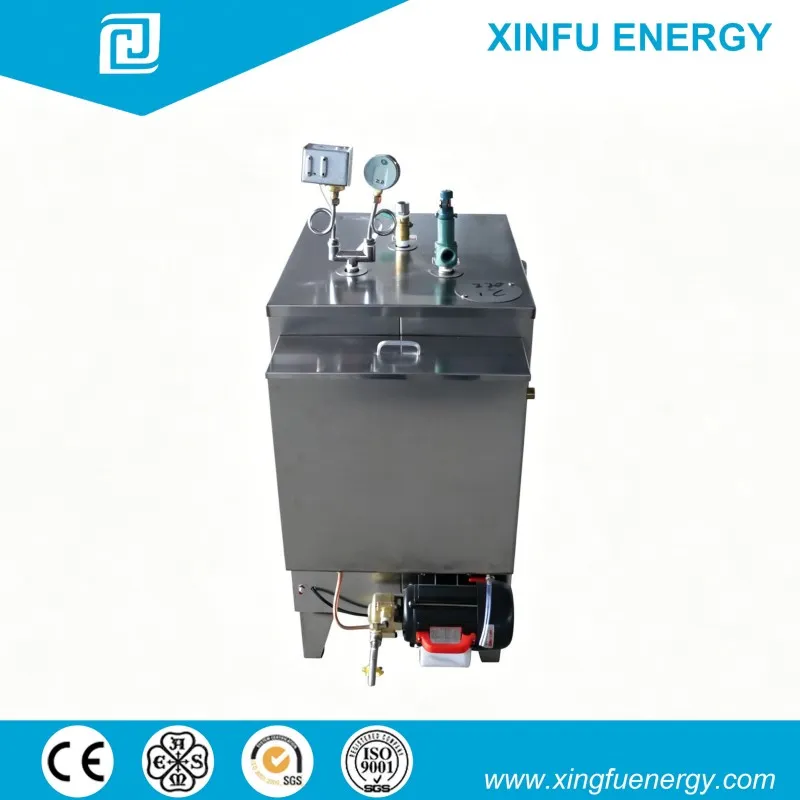
Industrial operations demand steam that arrives on time, stays stable, and never compromises safety or uptime. When boilers fail, production halts — not in hours, but minutes. That’s why forward-thinking plants across Mongolia, Spain, and Malaysia now specify an electric steam generator boiler as their primary or backup steam source: no fuel storage, no combustion risk, zero emissions, and full automation from cold start to steady-state output.
Why Electric Steam Generator Boilers Are Replacing Traditional Systems
Most industrial users still rely on gas-fired or oil-fired steam boilers. But those systems carry hidden costs: flue gas losses (15–25% efficiency drop), annual chimney inspections, burner tuning, fuel price volatility, and emission compliance overhead. An electric steam generator boiler eliminates all of them. It converts grid power directly into saturated steam — with 98.5% thermal efficiency, measured at the outlet flange. No heat exchanger losses. No draft fans. No ash handling.
We’ve installed over 420 units in textile dyeing lines, pharmaceutical autoclave support, food processing CIP systems, and rubber vulcanization plants. In every case, users reported three consistent outcomes: steam pressure variation dropped below ±0.02 MPa, warm-up time shrank from 45 minutes to under 90 seconds, and maintenance labor hours fell by 67% year-on-year. One Korean customer replaced a 1.5-ton/h oil boiler with a 120 kW S-Series electric steam generator boiler — cutting their annual energy cost by $18,300 while gaining remote monitoring via Modbus TCP.
What Makes a Reliable Unit? Look Beyond the Nameplate
Not all electric steam generators deliver industrial-grade reliability. Some fail within 18 months due to thin-walled heating elements, undersized pumps, or stainless steel grades that corrode in hard water. Real-world durability starts with material selection and system integration — not marketing claims.
Stainless steel 316L throughout — not just the shell, but the steam drum, feedwater piping, and internal manifolds. We test every coil for chloride stress cracking resistance before assembly.
True fast-steam architecture — our S-Series uses dual-stage preheating: first stage raises feedwater to 85°C; second stage vaporizes it in a compact helical coil. No “boil-up delay” like in tank-type units.
Self-cleaning scale management — built-in TDS control, automatic blowdown cycles, and optional softener interface prevent scaling even with 350 ppm inlet hardness.
Zero-emission operation — verified by third-party testing per ISO 14064-1. No NOx, SOx, or particulate matter — critical for EU CE-marked installations and green factory certifications.
One common misconception: “higher kW = better.” Not true. Oversizing causes rapid cycling, thermal fatigue, and premature element failure. Our engineers size each unit using actual process load profiles — not peak theoretical demand. A 200 kW unit running at 35% load wastes more energy than a correctly sized 75 kW unit running at 92%.
Integration Isn’t Optional — It’s the First Design Step
Many buyers treat the electric steam generator boiler as a “drop-in replacement.” That’s where projects derail. Steam quality, pressure stability, and feedwater chemistry must match your existing piping, control logic, and safety interlocks.
We embed integration checks into every quote: feedwater pump head calculation, condensate return compatibility, PLC communication protocol mapping (Profibus, EtherNet/IP, or BACnet), and ASME Section I stamping alignment. All units ship with factory-commissioned control panels — prewired, pretested, and labeled to IEC 61439 standards. No field panel rework. No 3-week commissioning delays.
Our technical team supports installation remotely — screen-sharing through startup sequences, validating pressure switch setpoints, verifying safety valve relief capacity, and calibrating flow meters. We’ve guided teams in Poland through winter-startup challenges using ambient temperature compensation algorithms baked into the controller firmware.
Long-Term Value Starts With Who Builds It
A steam generator runs 5,000+ hours per year. Its lifetime spans 12–15 years. Choosing a supplier means choosing a partner for that entire cycle — not just for delivery.
QINGDAO XINGFU ENERGY EQUIPMENT CO.,LTD operates a vertically integrated facility: 70,500 m² site, in-house welding labs certified to ISO 3834, and full-cycle QA from raw material receipt to final hydrotest. Every welder holds ASME Section IX certification. Every pressure vessel undergoes 100% ultrasonic testing. Every electric steam generator boiler carries Class B boiler manufacturing license (PRC), CE marking, and ISO 9001:2015 certification — not as paperwork, but as daily practice.
But certification alone doesn’t guarantee performance. What matters is how those standards translate on-site. When a Malaysian palm oil mill needed continuous 0.8 MPa steam during monsoon season — with grid voltage fluctuations up to ±12% — our engineering team redesigned the SCR firing logic and added dynamic current limiting. The unit ran uninterrupted for 14 months. That’s experience you can’t download.
If your next steam project demands reliability without compromise, start with real-world data — not brochures. Ask for field reports from customers in your industry. Request live demo access to the control interface. Verify material certs against your purchase order. Then choose the electric steam generator boiler built for what happens after the invoice clears.