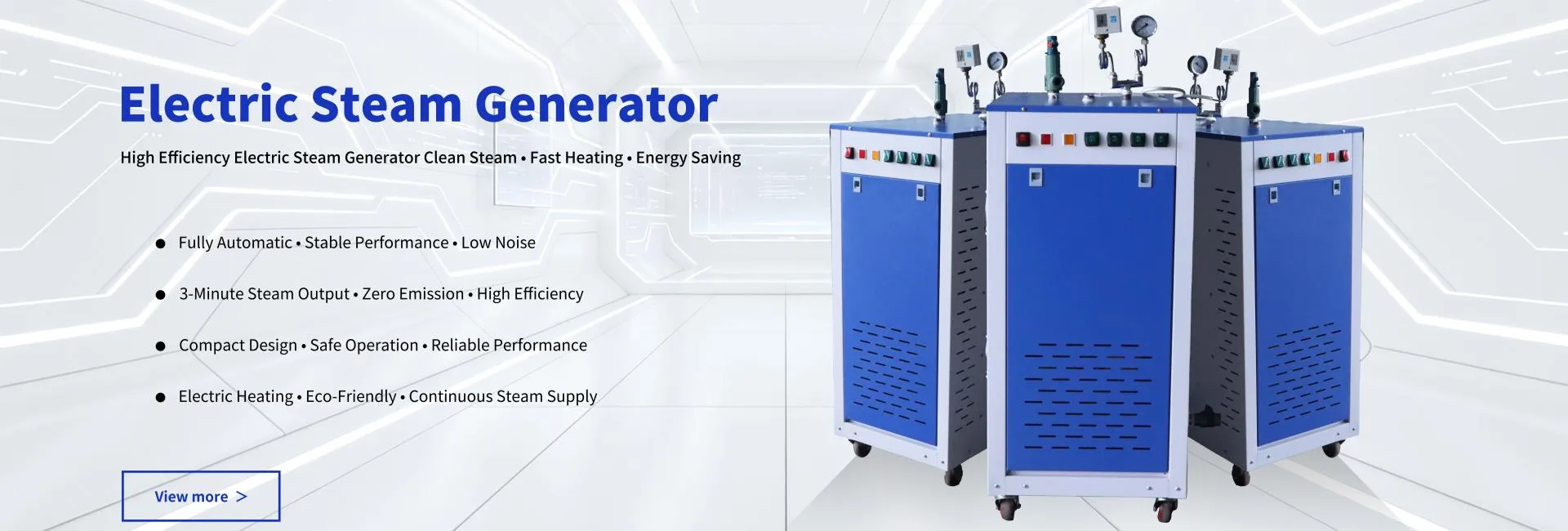
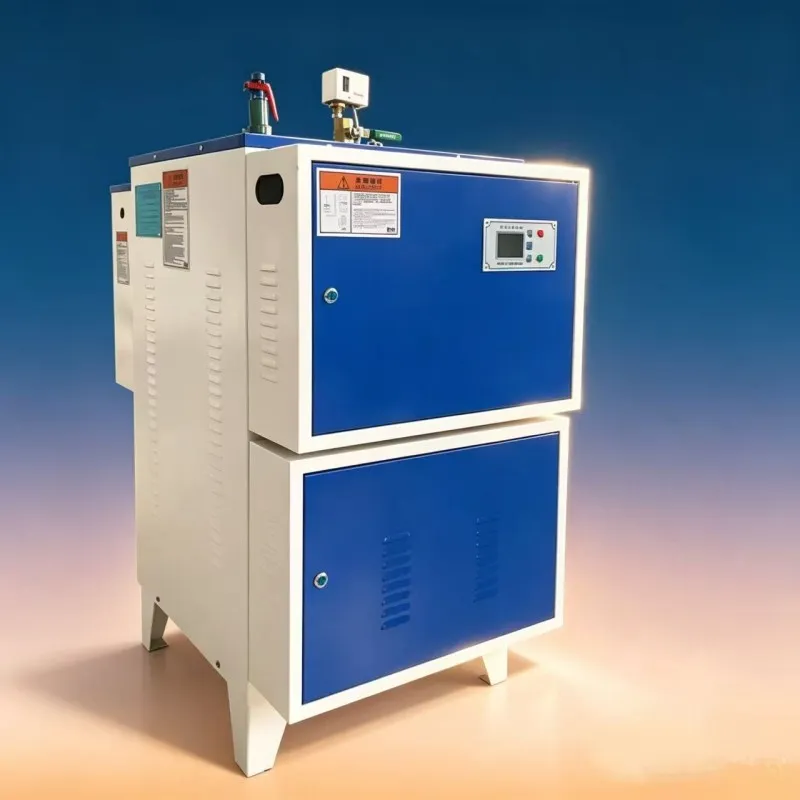
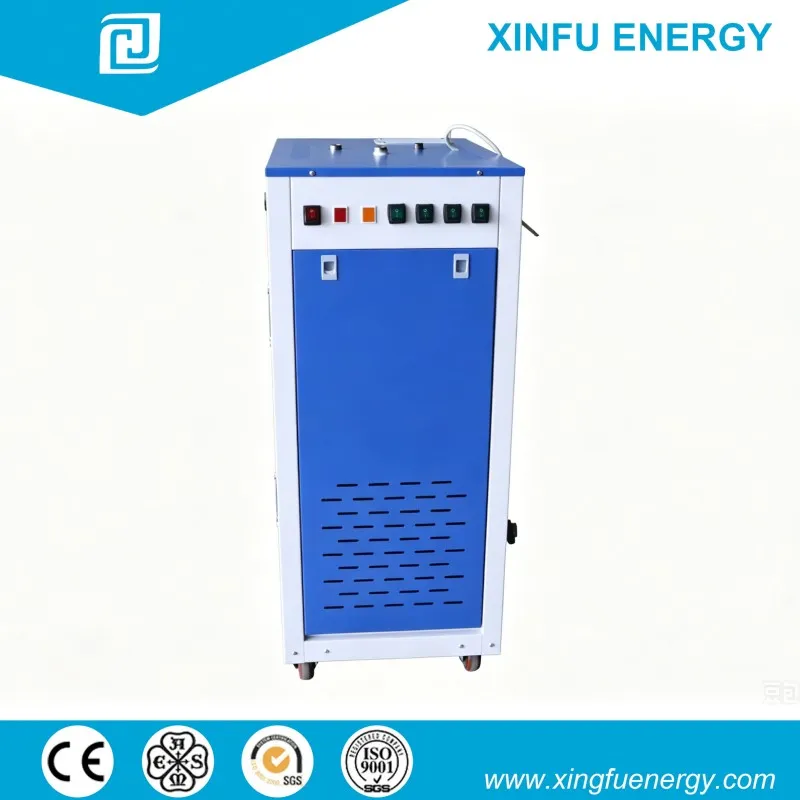
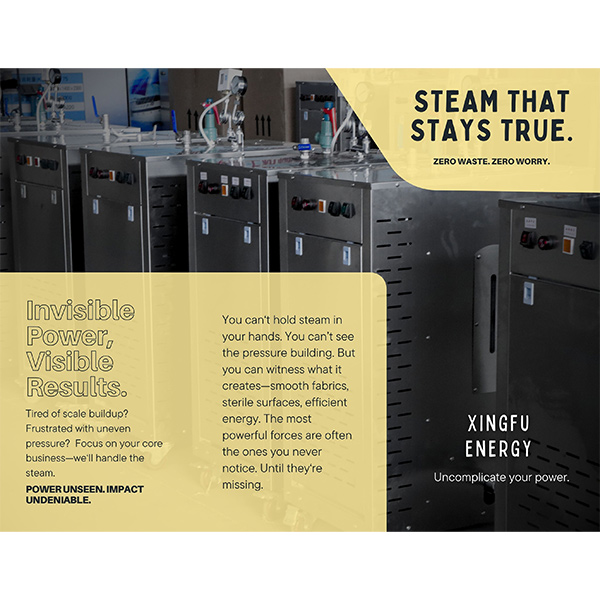
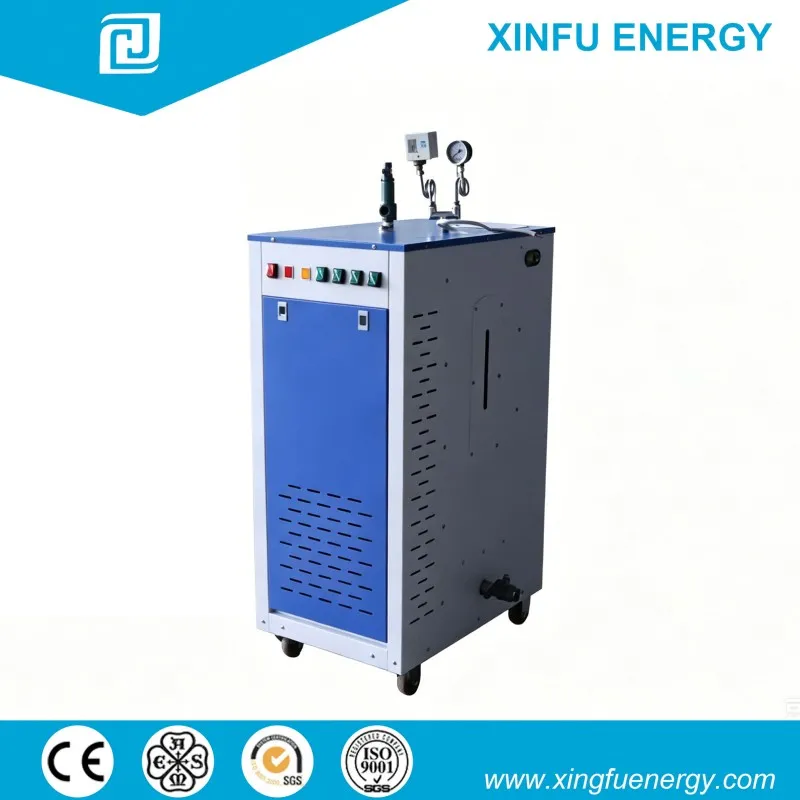
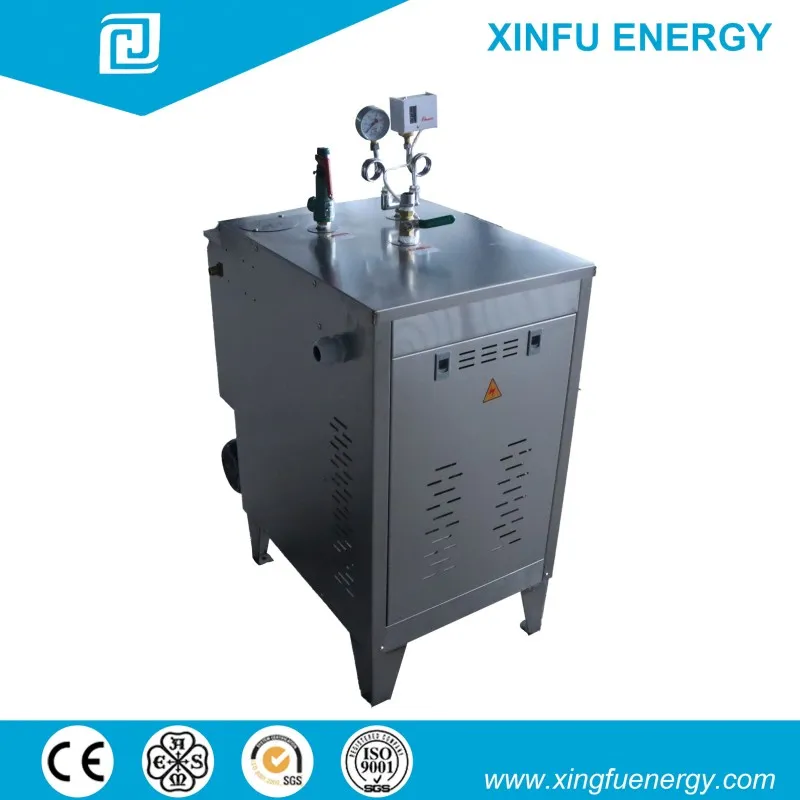
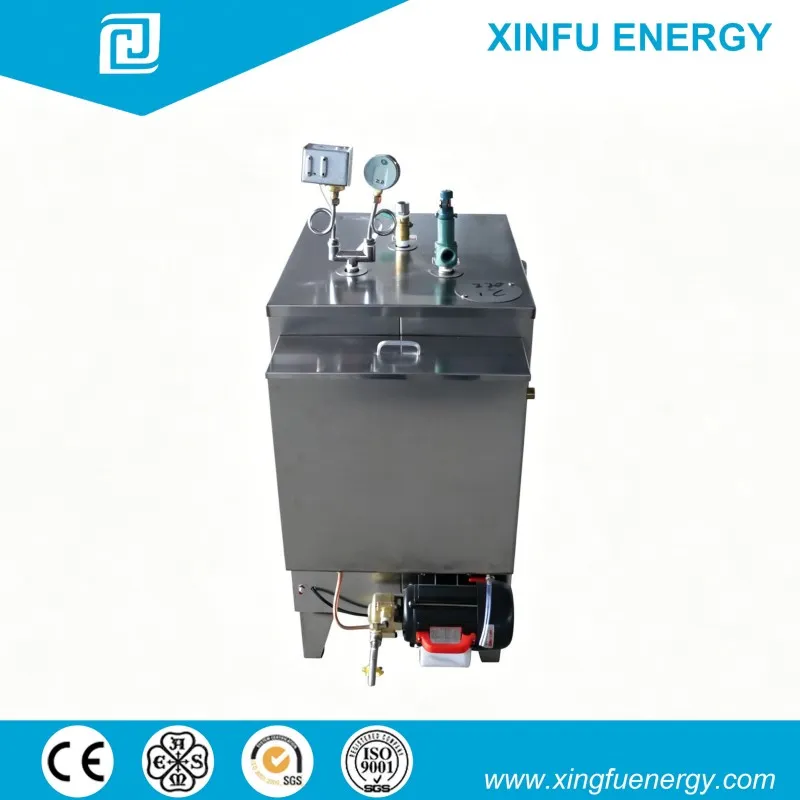
The S-Series Electric Steam Generator is a high-efficiency, compact industrial boiler system designed for rapid steam production without combustion emissions. As a direct China manufacturer solution, the S-Series offers precise pressure control, modular scalability, and lower total cost of ownership compared to traditional fossil-fuel boilers. Ideal for food processing, pharmaceuticals, and textile manufacturing, this unit converts electricity into thermal energy with nearly 98% efficiency. This guide details technical specifications, pricing factors, installation requirements, and selection criteria for engineering teams and procurement managers seeking reliable, eco-friendly steam solutions in 2026.
What Is the S-Series Electric Steam Generator?
The S-Series Electric Steam Generator represents a shift in industrial thermal engineering, moving away from combustion-based systems toward electrified heating elements. Unlike conventional boilers that burn gas, oil, or coal, the S-Series utilizes high-grade resistance heating elements submerged directly in water or arranged in a flow-through configuration. This design eliminates the need for fuel storage tanks, exhaust chimneys, and complex emission control systems.
At its core, the S-Series is engineered for instant-on capability. Traditional boilers require significant warm-up time to reach operating pressure. In contrast, the S-Series can generate saturated steam within minutes of activation. This responsiveness makes it particularly valuable for industries with fluctuating steam demands, where energy waste during idle periods is a critical concern.
Core Working Principle
The operational logic of the S-Series relies on Joule heating. When an electric current passes through the resistive elements, electrical energy is converted into heat. This heat is transferred to the feedwater, raising its temperature until it reaches the saturation point for the given pressure. The generated steam is then separated from any remaining water droplets via an internal separator and delivered to the process application.
Feedwater Intake: Treated water enters the vessel through a controlled inlet valve.
Heating Phase: High-voltage elements energize, transferring thermal energy to the water.
Pressure Regulation: Solid-state controllers modulate power input to maintain set pressure.
This straightforward mechanism reduces mechanical failure points. With no burners, no fuel pumps, and no combustion air fans, the maintenance burden is significantly lower than that of traditional thermal fluid heaters or fire-tube boilers.
Key Technical Specifications of the S-Series
Understanding the technical parameters is essential for proper sizing and integration. The S-Series is available in various capacities, ranging from small laboratory units to large industrial modules. Below are the standard specifications typical of the 2026 manufacturing lineup.
Parameter
Specification Range
Notes
Steam Capacity
50 kg/h to 2000 kg/h
Modular units can be paralleled for higher capacity.
Working Pressure
0.7 MPa to 1.0 MPa (7-10 bar)
Custom pressures up to 1.6 MPa available.
Steam Temperature
170°C – 184°C
Saturated steam corresponding to pressure.
Thermal Efficiency
> 98%
Minimal heat loss due to insulated casing.
Voltage Options
380V, 400V, 415V, 480V, 600V
3-phase AC, 50/60 Hz compatible.
Control System
PLC + HMI Touchscreen
Remote monitoring via IoT module optional.
Material
Stainless Steel 304/316L
Corrosion-resistant pressure vessel.
Electrical Requirements and Power Distribution
One of the most critical considerations for the S-Series is the electrical infrastructure. Since the unit draws significant amperage, proper power distribution is vital. The S-Series typically operates on three-phase power. For larger capacities (above 500 kg/h), the load may require multiple power inputs or a dedicated transformer.
Engineers must verify the available short-circuit capacity of the facility’s transformer. The starting current is generally low since there are no large motors to start, but the steady-state load is continuous. It is recommended to install dedicated circuit breakers and contactors sized according to the specific model’s nameplate data. Harmonic distortion should also be assessed if multiple units are installed, though modern SCR (Silicon Controlled Rectifier) power controllers in the S-Series help mitigate grid impact.
Why Choose Electric Over Gas or Oil? (Comparative Analysis)
When evaluating steam generation options, the decision often comes down to operational costs versus capital expenditure and regulatory compliance. The S-Series Electric Steam Generator offers distinct advantages in specific contexts, particularly in regions with strict environmental regulations or where natural gas infrastructure is unavailable.
Feature
S-Series Electric Generator
Traditional Gas Boiler
Oil-Fired Boiler
Initial Cost
Moderate
High (includes gas line infrastructure)
High (includes tank storage)
Installation Complexity
Low (No chimney/fuel lines)
High (Venting/Gas approval)
Very High (Safety zones required)
Emissions
Zero at point of use
CO2, NOx, SOx
Particulates, SOx, NOx
Maintenance
Low (Element checks)
Medium (Burner tuning)
High (Soot cleaning)
Space Requirement
Compact (Footprint < 2m²)
Large
Largest
Response Time
Fast (< 15 mins)
Slow (30-60 mins)
Slow (30-60 mins)
Operational Cost Dynamics in 2026
While electricity prices per kWh are generally higher than the energy equivalent of natural gas, the overall system efficiency of the S-Series often narrows the gap. Traditional boilers lose significant energy through flue gases (stack loss) and radiation. The S-Series retains nearly all generated heat within the water/steam cycle.
Furthermore, when factoring in the cost of emissions compliance, regular stack testing, and burner maintenance, the Total Cost of Ownership (TCO) for electric systems becomes competitive. For facilities operating under carbon tax regimes or those aiming for LEED certification, the S-Series provides a clear pathway to reducing Scope 1 emissions.
Primary Industrial Applications
The versatility of the S-Series allows it to serve a wide range of industries. Its ability to provide clean, dry steam makes it suitable for processes where contamination is a risk.
1. Food and Beverage Processing
In the food industry, steam is used for sterilization, cooking, blanching, and cleaning. The S-Series generates pure steam without the risk of fuel leakage or combustion byproducts contaminating the product. Stainless steel construction (SS316L option) ensures hygiene standards are met. Applications include:
Retort Sterilization: Precise pressure control ensures consistent heat treatment for canned goods.
Direct Steam Injection: Heating liquids rapidly without hot spots.
CIP Systems: Providing hot water and steam for Clean-In-Place cycles.
2. Pharmaceutical and Medical Device Manufacturing
Pharmaceutical plants require strict adherence to GMP (Good Manufacturing Practice). The S-Series can be configured to produce pure steam for autoclaves and sterilizers. The absence of combustion residues simplifies validation processes. Key uses include:
Autoclave Sterilization: Reliable steam supply for medical instruments.
Humidification: Maintaining controlled humidity in cleanrooms.
Process Heating: Jacketed kettle heating for formulation mixing.
3. Textile and Garment Industry
Steam is integral to dyeing, finishing, and ironing processes. The rapid response of the S-Series allows textile manufacturers to match steam production with batch processing needs, reducing energy waste during shift changes. It powers steam irons, pressing machines, and dyeing vats efficiently.
4. Concrete Curing and Construction
Precast concrete manufacturers use steam to accelerate the curing process. The S-Series provides a portable and efficient solution for curing chambers, allowing for faster turnover of molds and increased production rates without the logistical hassle of diesel fuel delivery to construction sites.
How to Select the Right S-Series Model
Choosing the correct capacity and configuration is critical for performance and longevity. Undersizing leads to inability to meet process demand, while oversizing results in inefficient cycling and higher capital costs. Follow this step-by-step selection guide.
Step 1: Calculate Peak Steam Demand
Determine the maximum amount of steam your process requires per hour. This is not the average usage, but the peak load. Consider all simultaneous users. For example, if you have three autoclaves that may run concurrently, sum their individual steam consumption rates. Add a safety margin of 10-15% to account for pipe losses and future expansion.
Step 2: Determine Operating Pressure
Identify the minimum pressure required at the point of use. Remember that pressure drops occur along the piping network. If your equipment requires 6 bar, you may need to generate steam at 7 or 8 bar to compensate for friction losses. The S-Series can be factory-set to your specific pressure requirement.
Step 3: Assess Water Quality
Electric boilers are sensitive to water conductivity and hardness. High hardness leads to scaling on heating elements, reducing efficiency and causing premature failure. You must install a water treatment system. For the S-Series, we recommend:
Softener: To remove calcium and magnesium ions.
RO (Reverse Osmosis): For high-purity applications like pharmaceuticals.
Deaerator: To remove dissolved oxygen and prevent corrosion in the vessel.
Step 4: Verify Electrical Infrastructure
Confirm that your facility has the available electrical capacity. Check the voltage phase (3-phase) and frequency (50Hz or 60Hz). Ensure your switchgear can handle the continuous load. If upgrading the transformer is too costly, consider a hybrid approach or staggering the operation of multiple smaller S-Series units.
Installation and Commissioning Guidelines
Proper installation ensures safety and optimal performance. While the S-Series is designed for ease of setup, it must be performed by qualified personnel in accordance with local electrical and pressure vessel codes.
Site Preparation
The installation site must be level, dry, and well-ventilated. Although no combustion air is needed, ventilation helps dissipate minor heat from the control panel and prevents ambient humidity buildup. Ensure adequate clearance around the unit for maintenance access, particularly for removing heating element bundles.
Piping Connections
Install a main steam stop valve immediately after the generator outlet. Include a steam trap set on the main line to remove condensate during startup. Use insulated piping to minimize heat loss. All piping should be supported independently to avoid stress on the generator nozzles.
Electrical Connection
Connect the power supply to the terminal box as per the wiring diagram. Ensure proper grounding. Install a disconnect switch within sight of the unit for emergency shutdown. Verify that the voltage matches the nameplate rating before energizing the control circuit.
Initial Startup Procedure
Fill the Vessel: Open the feedwater valve and fill the boiler to the normal water level. Check for leaks.
Purge Air: Open the vent valve to allow air to escape as the water heats up. Close once steady steam emerges.
Power On: Energize the control panel. Set the desired pressure on the HMI.
Activate Elements: The PLC will gradually engage the heating elements (soft start) to prevent thermal shock.
Check Safety Valves: Once pressure builds, manually test the safety relief valve to ensure it lifts at the set pressure.
Maintenance and Troubleshooting
The S-Series is designed for low maintenance, but regular checks are essential for long-term reliability. A proactive maintenance schedule prevents unexpected downtime.
Routine Maintenance Tasks
Daily: Check water level, pressure gauge accuracy, and listen for unusual noises. Perform a bottom blowdown to remove sediment.
Weekly: Test the low-water cutoff and safety relief valve. Inspect electrical connections for tightness.
Monthly: Analyze feedwater and boiler water quality. Adjust chemical dosing if necessary. Inspect heating elements for scale buildup.
Annually: Drain and inspect the interior of the vessel. Replace gaskets and seals. Calibrate pressure transducers and temperature sensors.
Common Issues and Solutions
Issue: Slow Steam Generation Cause: Scaling on heating elements or low voltage. Solution: Descale elements using a mild acid solution (following manufacturer guidelines) or check incoming voltage stability.
Issue: High Water Carryover (Wet Steam) Cause: High water level or excessive TDS (Total Dissolved Solids). Solution: Adjust water level controller. Increase blowdown frequency to reduce TDS.
Issue: Contactor Chattering Cause: Loose wiring or failing control relay. Solution: Tighten terminal connections. Replace faulty relays or contactors.
Pricing Factors for S-Series Electric Steam Generators
When requesting a quote for the S-Series, several variables influence the final price. Understanding these factors helps in budgeting and negotiation.
1. Capacity and Power Rating
The primary driver of cost is the steam output (kg/h) and the corresponding electrical power (kW). Larger units require more heating elements, heavier gauge steel for the vessel, and more robust control components. Prices generally scale linearly with capacity, but economies of scale apply to very large modular systems.
2. Material Grade
Standard models use Stainless Steel 304. For corrosive environments or high-purity applications (food/pharma), SS316L is required. SS316L is more expensive due to the addition of molybdenum, which enhances corrosion resistance. Specify the material based on your water chemistry and process requirements.
3. Control System Complexity
Basic models feature simple ON/OFF control. Advanced models include PID (Proportional-Integral-Derivative) control with SCR power regulation, allowing for precise pressure modulation and energy savings. IoT-enabled controllers with remote monitoring capabilities also add to the cost but provide valuable data for predictive maintenance.
4. Certifications and Compliance
Units destined for regulated markets (EU, North America) require specific certifications such as ASME, CE, PED, or UL. These certifications involve rigorous testing and documentation, which increases the manufacturing cost. Ensure the supplier provides the necessary certification packages for your local jurisdiction.
5. Auxiliary Equipment
The base price usually includes the generator itself. Additional costs arise from required peripherals such as water softeners, feedwater tanks, pumps, and electrical distribution panels. Some suppliers offer packaged skid-mounted systems that include all auxiliaries, which may have a higher upfront cost but lower installation labor costs.
Manufacturing Excellence: Behind the S-Series
The reliability and precision of the S-Series are direct results of the engineering rigor applied by its manufacturer, Qingdao Xingfu Energy Equipment Ltd. Founded in 2010 and headquartered in Qingdao, Shandong Province, Xingfu Energy has established itself as a vertically integrated high-tech manufacturer specializing in industrial boilers and pressure vessels.
With over 14 years of continuous industry experience, the company combines traditional manufacturing capabilities with modern technological innovation. The S-Series is produced in a state-of-the-art facility spanning 70,500 square meters, including 21,000 square meters of dedicated production workshops. This scale allows for strict quality control at every stage, from raw material selection to final assembly.
Engineering Depth and Quality Assurance
What sets the S-Series apart is the technical expertise behind its design. Xingfu Energy employs a robust team of 228 staff, including 78 technical experts and 28 specialized engineers. This depth of talent ensures that each generator is not just assembled, but engineered for optimal performance. The workforce includes 65 certified welders, ensuring that pressure vessels meet the highest structural integrity standards.
The company holds a manufacturing license for Class B boilers and Class 1 and Class 2 pressure containers, alongside ISO 9001 and CE certifications. These credentials confirm that the S-Series meets stringent international safety and quality requirements, making it a trusted choice for clients in over 30 countries, including markets in Europe, Asia, and beyond.
Commitment to Sustainable Solutions
Aligned with global sustainability goals, Qingdao Xingfu Energy focuses on equipment that improves energy efficiency and reduces environmental impact. The S-Series reflects this philosophy, offering zero-emission operation and high thermal efficiency. By providing complete lifecycle support—from design consultation and equipment selection to installation assistance and ongoing operational service—the company ensures that customers maximize the value and longevity of their steam systems.
People Also Ask (FAQ)
How much electricity does an S-Series generator consume?
The electricity consumption is directly related to the steam output and the latent heat of vaporization. Approximately 0.75 to 0.8 kWh is required to produce 1 kg of steam, depending on feedwater temperature and system efficiency. For a 100 kg/h unit, expect a power draw of roughly 75-80 kW at full load. Modern S-Series models with SCR control adjust power usage dynamically, consuming less during partial loads.
Is it safe to use electric steam generators in hazardous areas?
Standard S-Series units are designed for general industrial environments. For hazardous areas (Zone 1 or Zone 2 where explosive gases may be present), specialized explosion-proof components and enclosures are required. Consult with the manufacturer to configure the unit with Ex-rated electrical fittings if your facility falls under ATEX or IECEx classifications.
What is the lifespan of the heating elements?
With proper water treatment and regular maintenance, heating elements in the S-Series can last 3 to 5 years or longer. The primary cause of element failure is scaling, which insulates the element and causes overheating. Maintaining low conductivity and hardness in the boiler water is the most effective way to extend element life.
Can the S-Series operate with renewable energy sources?
Yes. One of the key advantages of the S-Series is its compatibility with green energy. It can be powered by solar PV arrays (with battery storage or grid tie-in), wind turbines, or hydroelectric power. This makes it an ideal choice for companies aiming for net-zero operations. The fast response time also allows it to act as a flexible load for grid balancing initiatives.
Do I need a licensed operator for an electric steam generator?
Regulations vary by country and region. In many jurisdictions, electric boilers below a certain pressure and volume threshold do not require a licensed stationary engineer. However, basic training for plant personnel is recommended to handle daily checks and emergency shutdowns. Always check local pressure vessel safety codes to determine licensing requirements.
Trustworthiness and Safety Standards
Safety is paramount in pressure vessel operations. The S-Series is built in compliance with international standards. Key safety features include:
Double Safety Relief Valves: Ensures pressure release even if one valve fails.
Multi-Level Water Protection: Includes electronic probes and mechanical float switches to prevent dry firing.
Over-Temperature Cutout: Independent thermal cutouts shut down power if water temperature exceeds safe limits.
Phase Sequence Protection: Prevents motor damage from incorrect wiring.
Leak Detection: Sensors detect water leaks in the base pan and trigger an alarm.
These redundant systems ensure that the S-Series operates safely under all conditions, protecting both personnel and equipment. Regular testing of these safety devices is part of the standard maintenance protocol.
Conclusion: Maximizing Value with the S-Series
The S-Series Electric Steam Generator offers a compelling solution for modern industrial facilities seeking efficiency, cleanliness, and reliability. By eliminating combustion, it simplifies installation, reduces maintenance burdens, and aligns with increasingly stringent environmental regulations. While the operational cost depends on local electricity rates, the gains in efficiency, space savings, and process control often result in a favorable total cost of ownership.
This system is best suited for:
Facilities with limited space or no access to natural gas.
Companies with sustainability goals and carbon reduction targets.
Operations with intermittent steam demand benefiting from rapid startup.
To ensure optimal performance, prioritize proper water treatment and accurate sizing during the selection phase. Engaging with a knowledgeable manufacturer allows for customization of voltage, materials, and controls to fit your specific application.
Ready to optimize your steam system? Evaluate your current steam demand and electrical capacity. For detailed technical drawings, customized quotes, and engineering support for the S-Series Electric Steam Generator, contact our technical team today.