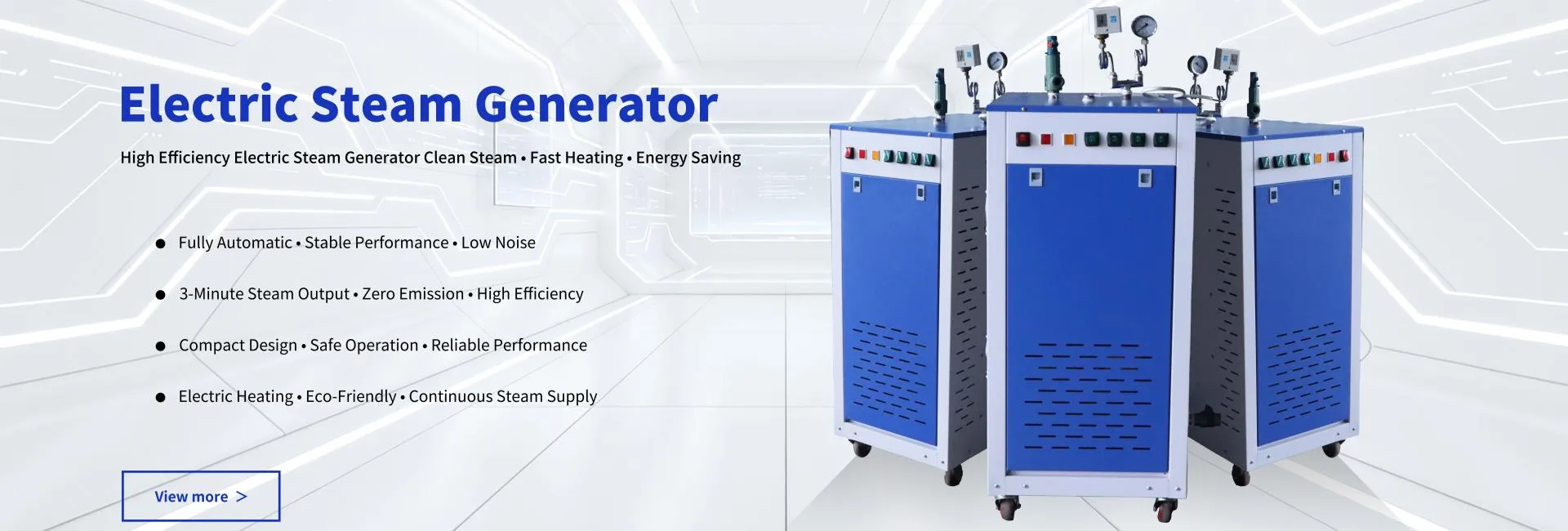
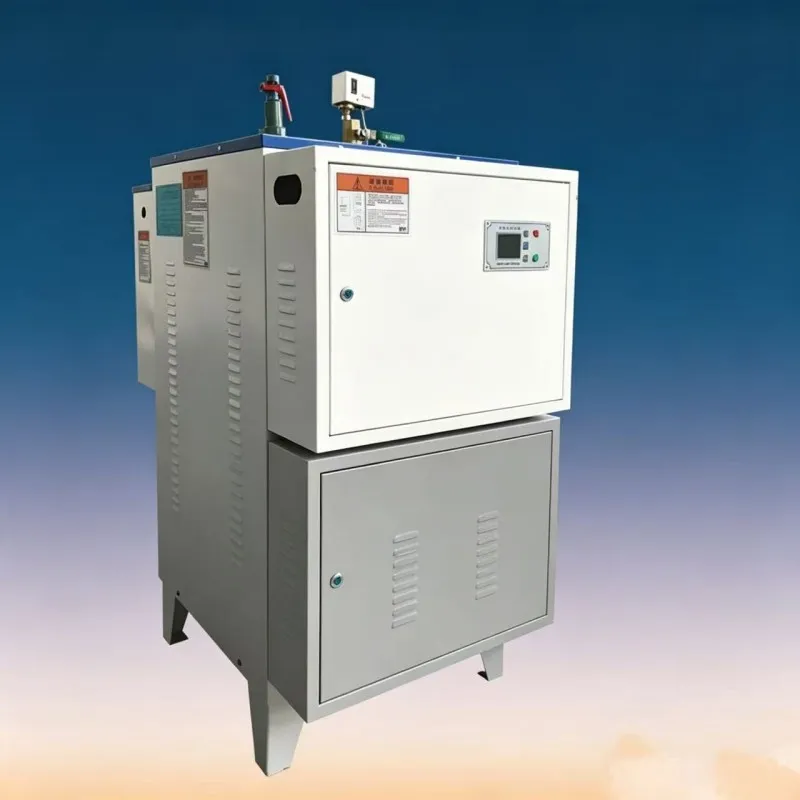
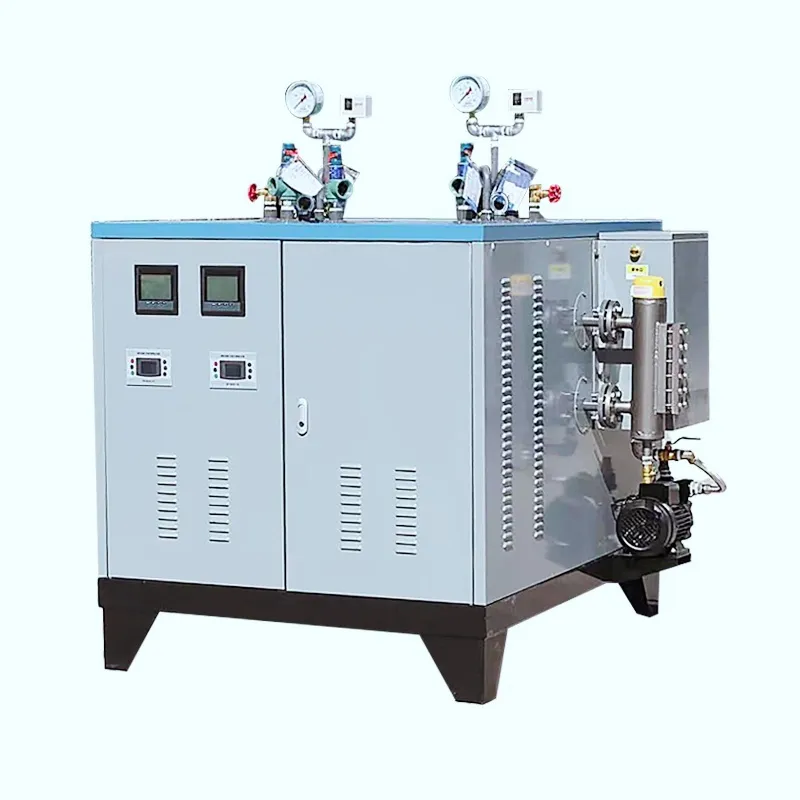
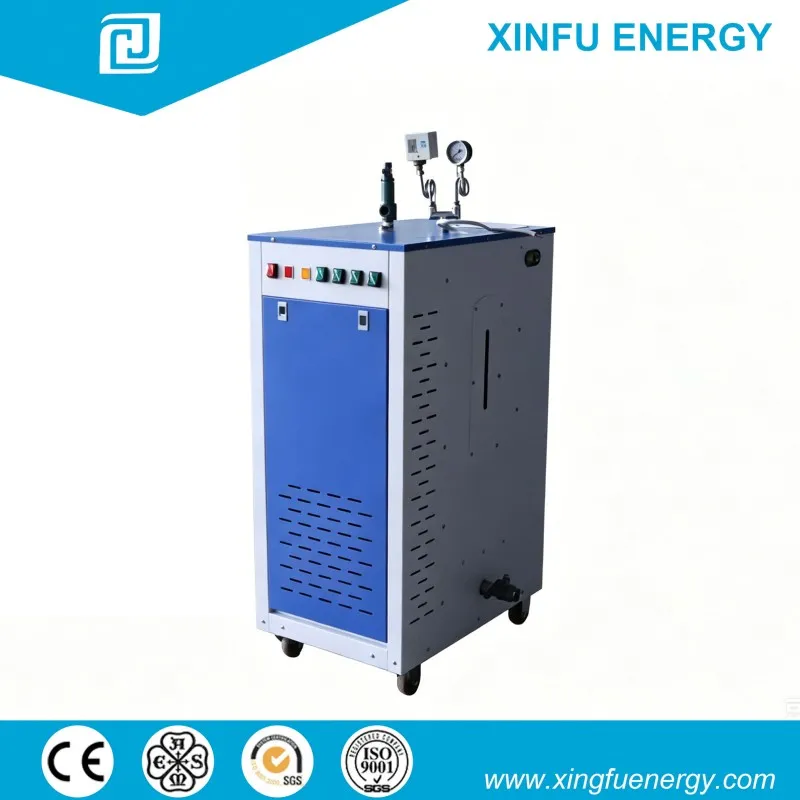
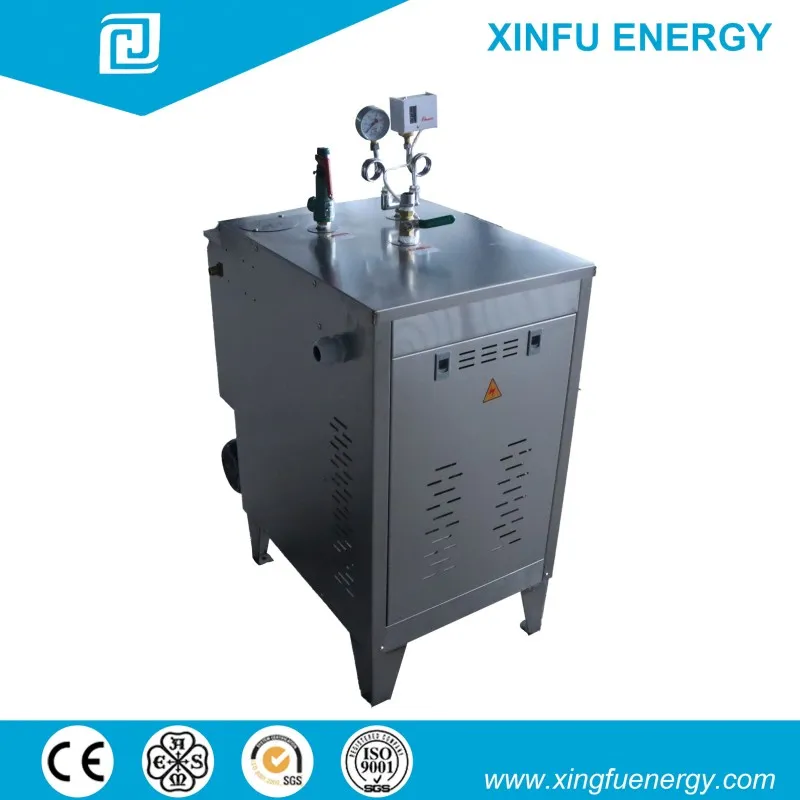
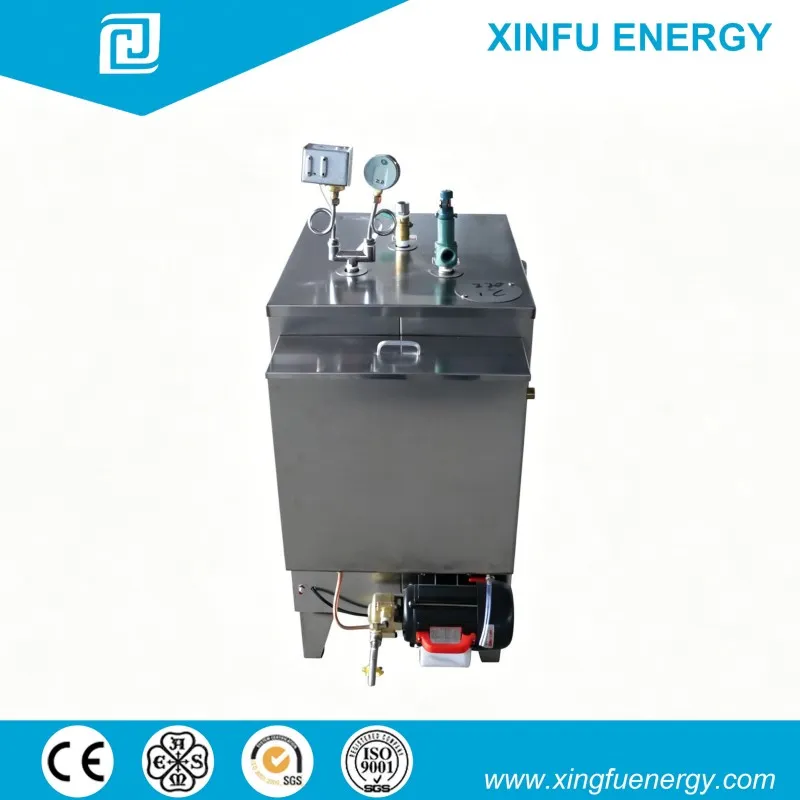
A 3kW electric steam generator is a compact, high-efficiency boiler system designed specifically for small workshops, laboratories, and light industrial applications. Operating at 380V or 220V depending on configuration, it produces saturated steam rapidly without the need for fuel storage or complex exhaust systems. This guide details technical specifications, installation requirements, and operational best practices to help facility managers and engineers select the right unit for tasks such as garment steaming, food processing, concrete curing, and laboratory sterilization.
What Is a 3kW Electric Steam Generator?
A 3kW electric steam generator is a pressure vessel that uses electrical resistance heating elements to convert water into steam. With a power rating of 3 kilowatts, it offers a balanced output suitable for intermittent or continuous low-volume steam demands. Unlike traditional fossil-fuel boilers, these units are emission-free at the point of use, require minimal maintenance, and can be installed in indoor environments with adequate ventilation.
The core component is the heating element, typically made of stainless steel (SS316 or SS304) to resist corrosion and scale buildup. Water is fed into the chamber, where the elements raise the temperature to the boiling point. The resulting steam is then directed through an outlet valve to the application equipment. Modern units include automated controls for pressure regulation, water level management, and safety shutdowns.
Key Technical Characteristics
Power Input: 3kW (approx. 10,200 BTU/hr).
Voltage Options: Single-phase 220V-240V or Three-phase 380V-415V.
Steam Output: Approximately 4-5 kg/hour at rated pressure.
Operating Pressure: Typically adjustable between 0.4 MPa and 0.7 MPa (4-7 bar).
Thermal Efficiency: Greater than 98%, as nearly all electrical energy is converted to heat.
Footprint: Compact design, often under 0.5 square meters.
Why Choose a 3kW Electric Model for Small Workshops?
For small-scale operations, the 3kW capacity represents a “sweet spot” between performance and infrastructure requirements. It provides sufficient steam for most manual and semi-automatic processes without requiring heavy industrial three-phase power in some configurations, although three-phase is preferred for stability.
Cost-Efficiency and Operational Savings
While electricity prices vary by region, electric steam generators eliminate the costs associated with fuel delivery, storage tanks, and annual chimney inspections. The high thermal efficiency means less energy waste. For a small workshop running 8 hours a day, the operational cost is predictable and easy to budget. There are no combustion byproducts, reducing the need for expensive air filtration systems.
Safety and Compliance Advantages
Electric generators do not produce carbon monoxide or other combustion gases. This significantly simplifies compliance with local occupational health and safety regulations. Most 3kW units are classified as low-pressure vessels, which may exempt them from stringent boiler operator licensing requirements in certain jurisdictions, though local codes must always be verified.
Space-Saving Design
Small workshops often lack dedicated boiler rooms. A 3kW electric unit is typically wall-mountable or fits on a small stand. Its compact nature allows it to be placed close to the point of use, minimizing heat loss in steam pipes and improving response time.
Core Applications for 3kW Steam Generators
Understanding the specific application is critical for selecting the correct accessories and pressure settings. Below are the most common industries utilizing 3kW electric steam solutions.
Garment and Textile Industry
In small tailor shops or boutique manufacturing units, steam is essential for ironing, shaping, and finishing garments. A 3kW generator provides consistent, dry steam that prevents water spotting on fabrics. It connects directly to industrial steam irons or pressing tables. The ability to adjust pressure ensures delicate fabrics like silk are not damaged by excessive force, while heavier denim can withstand higher pressure steaming.
Food Processing and Catering
Small-scale food producers use steam for cooking, sterilization, and cleaning. Applications include:
Steaming Buns and Dim Sum: Consistent steam flow ensures even cooking.
Brewing: Used for heating mash tuns or sanitizing fermentation tanks.
Dairy Processing: Sterilizing bottles and equipment.
Meat Processing: Scalding tanks for poultry or pork preparation.
For food applications, it is crucial to use food-grade stainless steel components and ensure the water supply meets potable standards.
Concrete Curing and Construction
Precast concrete manufacturers and small construction sites use steam to accelerate the curing process. Steam curing increases the early strength gain of concrete, allowing molds to be reused more quickly. A 3kW unit is ideal for small curing chambers or insulated tents, providing the humidity and heat necessary for optimal hydration of cement.
Laboratory and Medical Sterilization
Labs require pure, oil-free steam for autoclaves and sterilization processes. Electric generators are preferred here because they do not introduce combustion contaminants. The 3kW capacity is sufficient for small benchtop autoclaves used for sterilizing glassware, instruments, and waste materials.
Chemical and Industrial Cleaning
Steam is a powerful cleaning agent that dissolves grease and kills bacteria without chemicals. Small workshops use 3kW generators for:
Cleaning engine parts and machinery.
Sanitizing production lines.
Removing adhesives and labels.
Technical Specifications and Performance Data
When evaluating a 3kW electric steam generator, detailed parameter analysis is necessary to ensure compatibility with your existing infrastructure. The following table outlines typical performance metrics.
Parameter
Specification
Notes
Rated Power
3 kW
Continuous output.
Steam Capacity
4.5 – 5.0 kg/h
Depends on inlet water temperature and pressure setting.
Working Pressure
0.4 – 0.7 MPa (4-7 Bar)
Adjustable via pressure controller.
Voltage Supply
220V / 380V
380V 3-phase is recommended for stable heating.
Current Draw
~4.5A (380V) / ~13.6A (220V)
Ensure circuit breaker rating matches.
Heating Element Material
Stainless Steel 316L
Resistant to corrosion and scaling.
Water Tank Capacity
10 – 15 Liters
Internal buffer tank.
Control System
PLC or Microcomputer
Automatic water replenishment and pressure control.
Safety Features
Pressure Relief Valve, Low Water Cut-off
Mandatory for safe operation.
Understanding Voltage Requirements: 220V vs. 380V
The choice between single-phase (220V) and three-phase (380V) power significantly impacts performance. While 220V units are easier to install in residential or small commercial buildings, they draw higher current (amperage). This requires thicker cabling and robust circuit breakers. Three-phase 380V units distribute the load across three lines, resulting in lower current per phase, smoother heating element operation, and extended component life. For industrial workshops, 380V is strongly recommended.
How It Works: The Engineering Logic
The operation of a 3kW electric steam generator follows a precise thermodynamic cycle. Understanding this process helps in troubleshooting and optimization.
Step 1: Water Intake and Level Detection
The system begins with a water supply connection. A solenoid valve controls water entry. Inside the tank, a water level probe or float switch monitors the volume. If the water level drops below the minimum threshold, the controller opens the solenoid valve to refill the tank. This prevents “dry firing,” which would instantly destroy the heating elements.
Step 2: Electrical Heating
Once the water level is sufficient, the controller activates the contactors, sending electricity to the immersion heating elements. These elements, submerged in water, generate heat through electrical resistance. The 3kW power is distributed across one or multiple elements. As the water absorbs heat, its temperature rises to the saturation point corresponding to the internal pressure.
Step 3: Steam Generation and Separation
As water boils, steam bubbles rise to the surface. In well-designed units, a steam separation chamber or baffles help separate water droplets from the vapor. This ensures “dry steam” exits the outlet. Wet steam can cause water hammer in pipes and reduce the efficiency of heat transfer in applications like ironing or curing.
Step 4: Pressure Regulation
A pressure sensor continuously monitors the tank’s internal pressure. When the pressure reaches the upper setpoint (e.g., 0.7 MPa), the controller cuts power to the heating elements. The steam continues to be used by the application, causing the pressure to drop. When it falls to the lower setpoint (e.g., 0.4 MPa), the heating elements reactivate. This hysteresis loop maintains stable steam availability.
Installation Guide: Best Practices for Engineers
Proper installation is critical for safety and longevity. Follow these steps to ensure compliant and efficient setup.
1. Site Selection and Ventilation
Although electric generators do not produce exhaust, they generate ambient heat. Install the unit in a well-ventilated area to prevent overheating of the electrical components. Ensure the floor is level and capable of supporting the unit’s weight when filled with water. Keep the area free from flammable materials.
2. Electrical Connection
Warning: All electrical work must be performed by a licensed electrician.
Verify the voltage supply matches the unit’s rating.
Install a dedicated circuit breaker with appropriate amperage rating.
Use copper wiring of sufficient gauge to handle the current load. For a 3kW 220V unit, 2.5mm² or 4mm² cable is typically required, depending on length.
Ensure proper grounding (earthing) to prevent electrical shock.
3. Water Supply Setup
Connect the water inlet to a clean, pressurized water source. Install a shut-off valve and a Y-strainer filter before the unit. The filter removes sediment and particles that could clog the solenoid valve or coat the heating elements. Using softened water is highly recommended to reduce scale formation.
4. Steam Piping
Use schedule 40 steel pipes or high-quality copper tubing for steam distribution. Insulate all steam pipes to minimize heat loss and condensation. Install a steam trap at low points in the piping to remove condensate. Ensure the pipe diameter is sufficient to handle the steam volume without excessive pressure drop.
5. Safety Valve Installation
The pressure relief valve (PRV) is a critical safety device. It must be installed vertically and connected to a discharge pipe that directs steam safely away from personnel. Never block or cap the PRV. Test it regularly to ensure it opens at the specified pressure.
Maintenance and Troubleshooting
Regular maintenance extends the lifespan of the generator and maintains efficiency. Neglect is the primary cause of premature failure.
Routine Maintenance Schedule
Daily: Check water level and inspect for leaks. Blow down the bottom drain valve to remove sediment.
Weekly: Test the pressure relief valve by lifting the lever slightly. Inspect electrical connections for signs of overheating.
Monthly: Clean the water level probes to remove scale buildup. Check the solenoid valve filter.
Quarterly: Inspect heating elements for scale. Descale if necessary using a mild acid solution. Verify the accuracy of the pressure gauge.
Annually: Replace gaskets and seals. Perform a thorough internal inspection of the tank. Calibrate safety controls.
Common Issues and Solutions
Problem
Possible Cause
Solution
No Steam Production
Power failure, tripped breaker, or faulty contactor.
Check power supply, reset breaker, inspect contactor.
Low Steam Pressure
Scale on heating elements, leaking steam trap, or undersized unit.
Not all 3kW generators are created equal. When sourcing from manufacturers, consider these critical factors to ensure you get a reliable product.
Material Quality
The longevity of the unit depends heavily on the materials used. Look for heating elements made of SS316L stainless steel, which offers superior resistance to chloride-induced corrosion compared to SS304. The tank should also be constructed from high-grade stainless steel. Avoid units with carbon steel tanks unless they have specialized coatings, as rust can contaminate the steam.
Control System Sophistication
Modern units feature PLC (Programmable Logic Controller) systems with digital displays. These allow for precise pressure adjustment, fault diagnostics, and remote monitoring capabilities. Older mechanical controls are less precise and harder to troubleshoot. A digital interface provides real-time data on pressure, water level, and operating status.
Certification and Compliance
Ensure the manufacturer holds relevant certifications. For international trade, look for CE, ISO, and ASME stamps. These certifications indicate that the pressure vessel has been designed and tested according to rigorous safety standards. Non-certified units pose significant safety risks and may void insurance policies.
After-Sales Support
Technical support is vital. Choose a supplier that provides detailed manuals, wiring diagrams, and accessible spare parts. Availability of replacement heating elements, contactors, and controllers ensures minimal downtime in case of failure.
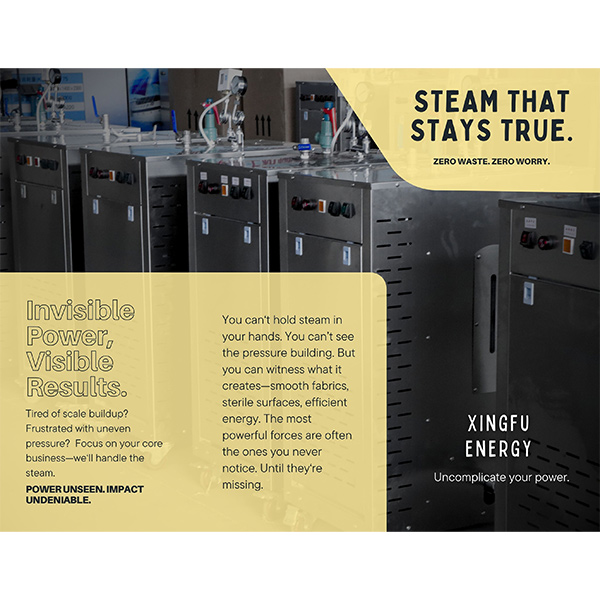
Manufacturer Spotlight: Qingdao Xingfu Energy Equipment Ltd.
Selecting the right partner is as important as selecting the right equipment. Qingdao Xingfu Energy Equipment Ltd., established in 2010 and headquartered in Qingdao, Shandong Province, stands out as a premier high-tech manufacturer in the industrial energy sector. With over 14 years of continuous industry experience, the company has secured a stable position among domestic and international suppliers by combining deep manufacturing expertise with relentless innovation.
Xingfu Energy specializes in the research, design, and manufacturing of industrial boilers and pressure vessels, with a particular focus on electric steam generators. Their product line includes the compact S-Series automation solutions—fully automated electric steam generators and intelligent steam boilers designed for fast steam capability and zero emissions. These units are crafted from high-quality stainless steel, ensuring durability and compliance with strict environmental safety requirements.
What sets Qingdao Xingfu apart is its vertically integrated manufacturing model. The company operates a massive 70,500-square-meter production base, including 21,000 square meters of dedicated workshops. This infrastructure supports a workforce of 228 employees, including 78 technical experts and 65 certified welders. This depth of skilled labor ensures that every 3kW generator leaving the factory meets rigorous internal regulations and international standards, backed by Class B boiler and Class 1/2 container manufacturing licenses.
With ISO 9001 and CE certifications, Xingfu Energy exports to over 30 countries, including markets in Europe and Asia. Their commitment to long-term partnerships means customers receive comprehensive support—from initial design consultation and equipment selection to installation assistance and ongoing operational service. For businesses seeking a reliable, technologically mature supplier for their steam generation needs, Qingdao Xingfu offers a proven track record of quality and customer satisfaction.
FAQ: People Also Ask
How much electricity does a 3kW steam generator consume?
A 3kW generator consumes 3 kilowatt-hours (kWh) of electricity for every hour it runs at full power. However, it does not run continuously. It cycles on and off based on steam demand. If your workshop uses steam for 4 hours a day, and the unit runs 50% of that time, daily consumption would be approximately 6 kWh. Actual usage depends on insulation, steam demand, and pressure settings.
Can I use tap water in my electric steam generator?
While you can use tap water, it is not recommended for long-term operation. Tap water contains minerals (calcium, magnesium) that form scale on heating elements. Scale acts as an insulator, reducing efficiency and causing elements to overheat and fail. Using distilled, deionized, or softened water significantly extends the life of the unit and reduces maintenance frequency.
What is the difference between a steam generator and a steam boiler?
Technically, the terms are often used interchangeably for small units. However, “steam generator” typically refers to smaller, compact units with faster startup times and lower water content. “Boiler” often implies larger, stationary systems with higher water volumes and slower response times. For a 3kW application, “generator” is the more accurate term, highlighting its quick steam production capability.
Is a 3kW generator enough for a small laundry?
For a small laundry with 1-2 steam irons, a 3kW generator is usually sufficient. However, if you operate multiple irons simultaneously or use a large steam tunnel, you may experience pressure drops. Calculate the total steam consumption of your equipment. If the total exceeds 4-5 kg/hour, consider upgrading to a 6kW or 9kW model.
How long does it take to generate steam?
Most 3kW electric steam generators reach operating pressure within 5 to 10 minutes from a cold start. This rapid startup is a key advantage over gas or oil boilers, which may take 30 minutes or more to warm up. This makes electric generators ideal for workshops that do not run continuously throughout the day.
Comparative Analysis: Electric vs. Gas Steam Generators
To make an informed decision, it is helpful to compare electric models with their gas-fired counterparts.
Feature
3kW Electric Generator
Small Gas Boiler
Initial Cost
Lower
Higher
Installation Complexity
Simple (No flue needed)
Complex (Ventilation, gas line)
Operating Cost
Dependent on electricity rates
Dependent on gas prices
Maintenance
Low (No combustion chamber)
High (Burner cleaning, flue inspection)
Emissions
Zero at point of use
CO2, NOx, CO
Lifespan
10+ years with care
10-15 years
Noise Level
Silent
Moderate (Burner noise)
For small workshops in urban areas or indoors, the electric option is overwhelmingly preferred due to safety, silence, and ease of installation. Gas units are typically reserved for large-scale industrial settings where gas is significantly cheaper than electricity and ventilation is not an issue.
Optimizing Steam Efficiency in Your Workshop
Maximizing the efficiency of your 3kW generator reduces operational costs and improves process quality.
Insulate Everything
Heat loss is the enemy of efficiency. Ensure the generator itself is well-insulated. More importantly, insulate all steam pipes, valves, and hoses. Uninsulated pipes can lose up to 20% of their heat energy to the surrounding air. Use high-temperature fiberglass or foam insulation covers.
Minimize Pipe Length
Place the generator as close as possible to the point of use. Long steam lines increase pressure drop and condensation. If long distances are unavoidable, increase the pipe diameter slightly to reduce friction loss and install additional steam traps.
Use Steam Traps Effectively
Steam traps remove condensate from the system while preventing live steam from escaping. A failed steam trap can waste significant amounts of energy. Regularly test traps to ensure they are functioning correctly. Thermodynamic or float-type traps are common choices for small systems.
Recover Condensate
If possible, return condensate to the feed water tank. Condensate is hot and pure, reducing the energy required to heat new water and minimizing mineral intake. This simple step can improve overall system efficiency by 10-15%.
Safety Considerations and Risk Management
Steam is a high-energy fluid. Improper handling can lead to severe burns or equipment damage. Adhere to these safety protocols.
Personal Protective Equipment (PPE): Operators should wear heat-resistant gloves and eye protection when working near steam outlets.
Pressure Relief: Never operate the unit if the pressure relief valve is blocked or malfunctioning.
Leak Inspection: Regularly check for steam leaks. A small leak can erode metal components rapidly and create hazardous conditions.
Electrical Safety: Keep the electrical panel dry. Do not operate the unit with wet hands or while standing in water.
Training: Ensure all staff members are trained in the safe operation and emergency shutdown procedures of the generator.
Future Trends in Small-Scale Steam Generation
The industry is moving towards smarter, more efficient solutions. Emerging trends include:
IoT Integration: Smart controllers that allow remote monitoring via smartphone apps. Users can track pressure, temperature, and usage stats in real-time.
Variable Frequency Drives (VFD): Although less common in 3kW units, VFDs can modulate power input to match exact steam demand, further improving efficiency.
Advanced Materials: Use of graphene-coated heating elements for faster heat transfer and reduced scaling.
Energy Recovery Systems: Integrated systems that capture waste heat from steam condensate to preheat incoming water.
Conclusion: Maximizing Value with a 3kW Electric Steam Generator
A 3kW electric steam generator is an indispensable asset for small workshops seeking reliability, safety, and efficiency. Whether you are in garment manufacturing, food processing, or concrete curing, this compact unit delivers consistent steam performance without the complexities of fuel-based systems. By understanding the technical specifications, adhering to proper installation practices, and maintaining a rigorous maintenance schedule, you can maximize the lifespan and ROI of your equipment.
Key takeaways include:
Efficiency: High thermal efficiency translates to lower operational waste.
Safety: Zero emissions and simplified compliance make it ideal for indoor use.
Versatility: Suitable for a wide range of industrial and commercial applications.
Cost-Effectiveness: Low maintenance and installation costs reduce total cost of ownership.
For businesses looking to upgrade their steam infrastructure, selecting a high-quality, certified 3kW electric generator is a strategic investment. It ensures uninterrupted production, consistent product quality, and a safer working environment.
If you are ready to enhance your workshop’s efficiency with a premium 3kW electric steam generator, our team is here to assist. We offer customized solutions, technical consultation, and comprehensive after-sales support to meet your specific industrial needs.
Ready to optimize your steam production?
Contact our engineering team today for a detailed quote, technical datasheet, or customization options. Let us help you select the perfect configuration for your application.