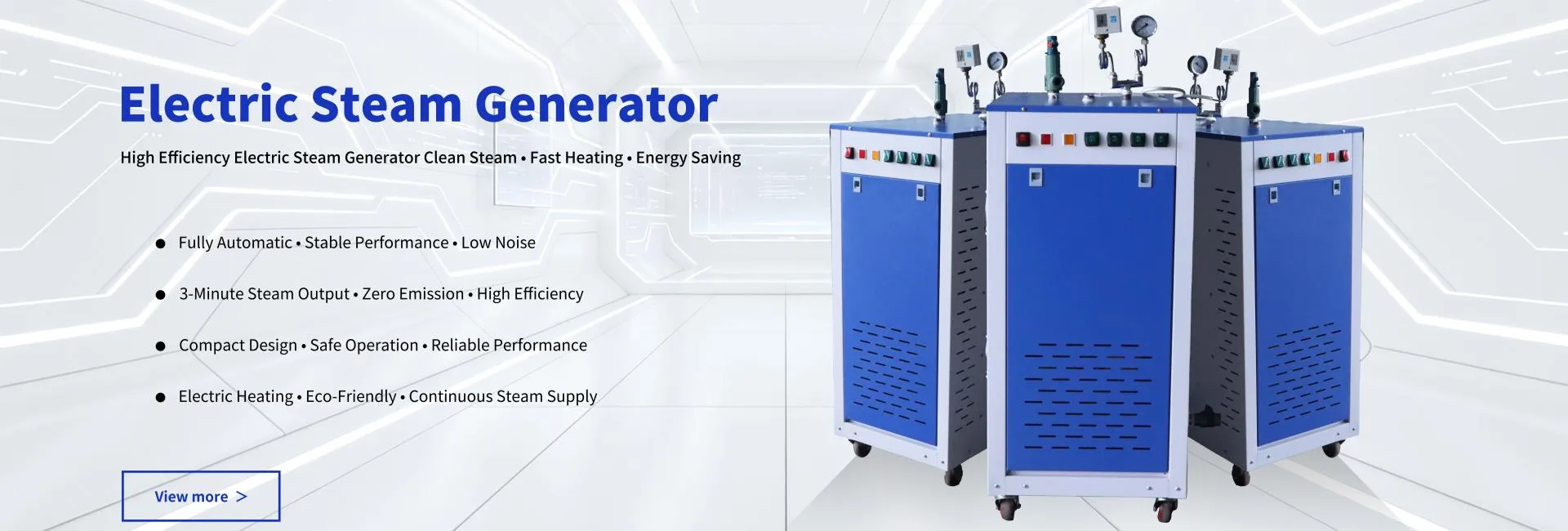
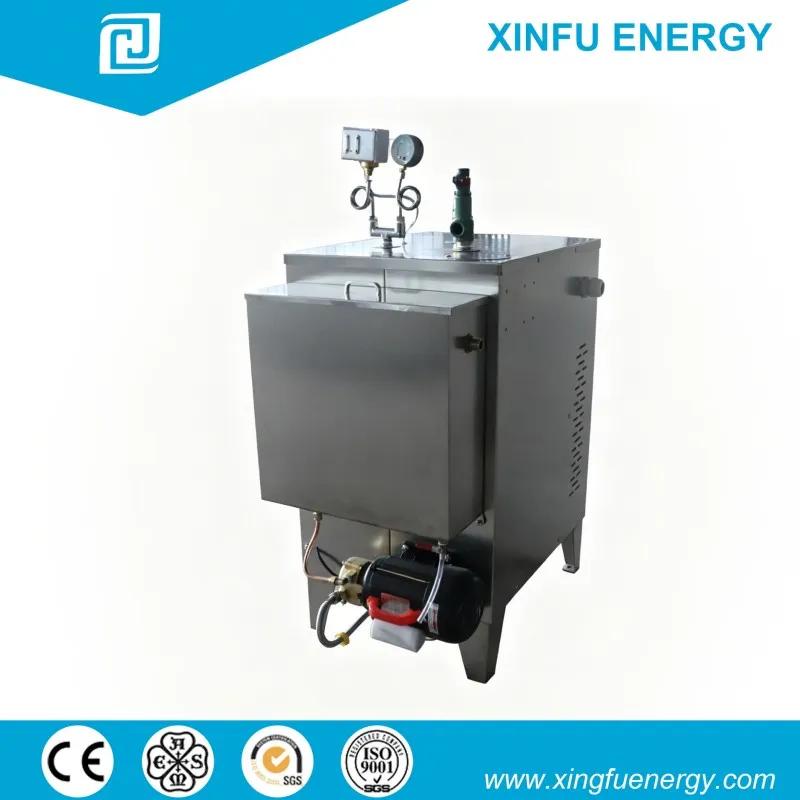
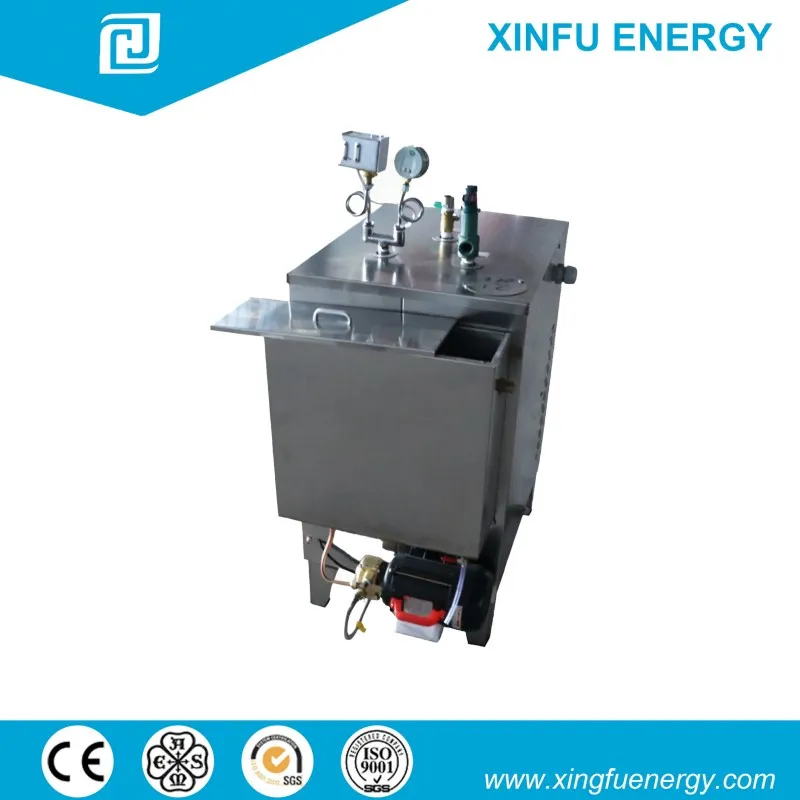
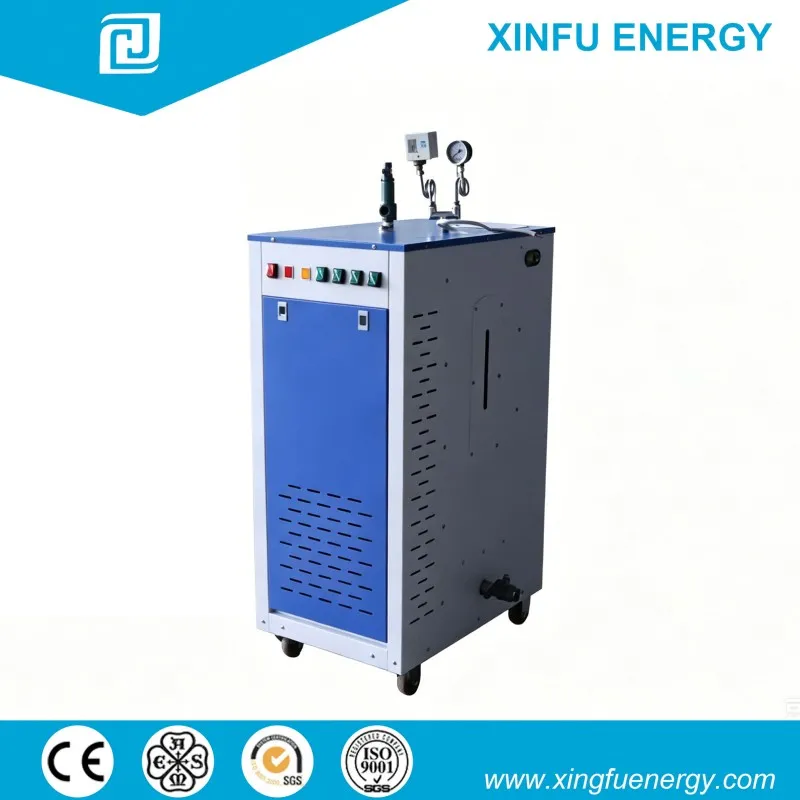
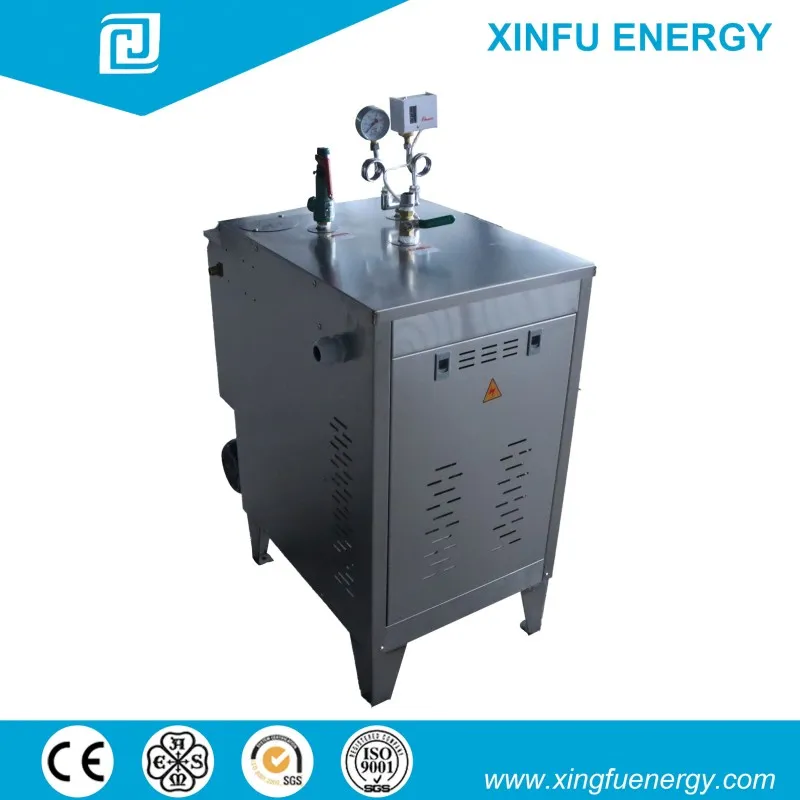
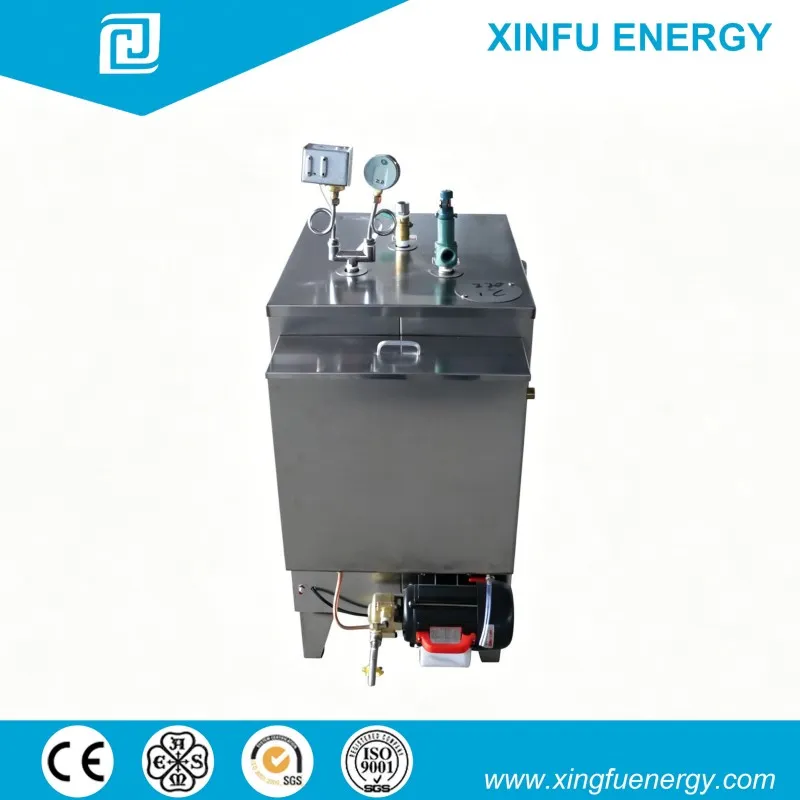
The 60kW industrial electric steam boiler represents a compact, high-efficiency thermal solution designed for small-to-medium scale industrial applications. As a direct-heating resistance or electrode-based system, it converts electrical energy into steam with nearly 98-99% thermal efficiency, eliminating combustion emissions and reducing footprint requirements. For procurement managers and facility engineers in 2026, the primary cost drivers include heating element technology (stainless steel vs. Incoloy), control system sophistication (PLC vs. basic PID), and certification compliance (ASME, CE, or PED). While base unit prices vary by manufacturer specifications, the total cost of ownership (TCO) is often lower than fossil-fuel alternatives due to minimal maintenance, no fuel storage infrastructure, and precise modular controllability. This guide details pricing structures, technical specifications, and selection criteria for sourcing a reliable 60kW electric steam generator from certified Chinese manufacturers.
Understanding the 60kW Electric Steam Boiler Market in 2026
In the evolving landscape of industrial heating, the 60kW capacity segment serves as a critical bridge between small laboratory units and large-scale plant boilers. A 60kW output typically generates approximately 80-90 kg of steam per hour, depending on inlet water temperature and operating pressure. This capacity is ideal for batch processes, pilot plants, and auxiliary heating needs where precision and cleanliness are paramount.
The shift towards electrification in manufacturing, driven by global decarbonization goals and stricter environmental regulations, has increased demand for electric steam generators. Unlike traditional gas or oil-fired boilers, electric models offer instant start-up capabilities and zero local emissions. For buyers evaluating a 60kW industrial electric steam boiler, understanding the distinction between standard resistance heating and advanced electrode technology is crucial for accurate price comparison and performance expectation.
Key Market Drivers Influencing Price and Demand
Several factors currently shape the pricing and availability of 60kW electric boilers:
Regulatory Compliance: Stricter NOx and carbon emission limits in Europe and North America make electric boilers the default choice for urban facilities, increasing demand and stabilizing prices.
Energy Efficiency Standards: Modern units must meet high IEA (International Energy Agency) efficiency benchmarks, pushing manufacturers to integrate smarter control systems that optimize load matching.
Supply Chain Stabilization: By 2026, supply chains for key components like high-grade stainless steel heating elements and industrial-grade PLCs have stabilized, allowing for more competitive pricing from established manufacturers.
Modular Integration: There is a growing trend to use multiple 60kW units in parallel rather than a single large boiler, offering redundancy and better part-load efficiency.
Technical Specifications and Performance Metrics
To evaluate the value proposition of a 60kW unit, one must look beyond the headline power rating. The engineering quality, material selection, and control logic define the operational lifespan and reliability of the equipment. Below are the core technical parameters typical for a high-quality 60kW industrial electric steam boiler.
Parameter
Standard Specification
High-Performance Option
Rated Power
60 kW
60 kW (Adjustable 10-100%)
Steam Output
~85 kg/h @ 7 bar
~90 kg/h @ 7 bar (with pre-heated feedwater)
Operating Pressure
0.7 – 1.0 MPa (7-10 bar)
Up to 1.6 MPa (16 bar)
Thermal Efficiency
≥ 98%
≥ 99.5%
Voltage Supply
380V / 3Ph / 50Hz
400V / 3Ph / 50Hz or 480V / 3Ph / 60Hz
Heating Element Material
Stainless Steel 316L
Incoloy 800 or Titanium (for harsh water)
Control System
Digital PID Controller
Siemens/Mitsubishi PLC with HMI Touchscreen
Water Volume
Small water content (< 30L)
Optimized for rapid steam generation
The Impact of Heating Element Technology on Price
The heating element is the heart of the electric boiler. Its material and design significantly influence both the initial purchase price and long-term maintenance costs. Standard units utilize Stainless Steel 316L elements, which are cost-effective and suitable for treated soft water. However, in applications where water quality fluctuates or higher corrosion resistance is needed, manufacturers offer Incoloy 800 or Titanium elements. These premium materials can increase the unit cost by 15-25% but extend service life substantially in aggressive environments.
Furthermore, the configuration of these elements matters. Modular replaceable elements allow for maintenance without dismantling the entire vessel, a feature often found in higher-priced models. Cheaper alternatives may use welded-in elements, which are difficult and costly to replace if a failure occurs.
Price Analysis: What Determines the Cost of a 60kW Electric Boiler?
When requesting a quote for a 60kW industrial electric steam boiler, buyers will encounter a wide price range. This variance is not arbitrary; it reflects differences in component quality, certification levels, and engineering depth. Understanding these cost drivers helps in negotiating fair prices and avoiding substandard equipment.
1. Component Quality and Brand Origin
The origin and brand of key components play a pivotal role in pricing. A boiler equipped with a Siemens PLC, Schneider Electric contactors, and Danfoss pressure transmitters will command a higher price than one using generic, unbranded alternatives. While generic components reduce upfront costs, they often lead to higher failure rates and longer downtime. For industrial applications where reliability is critical, the premium for branded components is justified by reduced operational risk.
2. Certification and Compliance Standards
Compliance with international safety and pressure vessel standards adds to the manufacturing cost. Units certified with ASME (American Society of Mechanical Engineers) Section I or IV, CE (Conformité Européenne) with PED (Pressure Equipment Directive), or ISO 9001 quality management systems undergo rigorous testing and documentation processes. These certifications are mandatory for export to many Western countries. Non-certified or locally certified units may be cheaper but are often illegal to install in regulated jurisdictions, posing significant liability risks.
3. Control System Sophistication
Basic boilers use simple on/off controls or basic PID loops. Advanced units feature Programmable Logic Controllers (PLCs) with Human-Machine Interfaces (HMI). These systems offer remote monitoring, fault diagnostics, data logging, and integration with Building Management Systems (BMS). The development and hardware cost of these smart features contribute to a higher price point but provide valuable operational insights and energy savings.
4. Customization and Integration
Standard off-the-shelf models are generally more affordable. However, many industrial processes require customizations such as specific voltage configurations (e.g., 60Hz for the US market), specialized pump packages, water treatment integration, or soundproof enclosures. Each customization adds engineering time and material costs, influencing the final quote.
Operational Cost Comparison: Electric vs. Gas vs. Oil
While the upfront purchase price of an electric boiler is often competitive, the true economic evaluation requires analyzing the Total Cost of Ownership (TCO). This includes installation, fuel/energy costs, maintenance, and compliance expenses. In many regions, the operational simplicity of electric boilers offsets higher electricity rates per BTU.
Cost Factor
Electric Boiler (60kW)
Gas-Fired Boiler
Oil-Fired Boiler
Initial Equipment Cost
Moderate
Low to Moderate
Moderate
Installation Complexity
Low (No flue/fuel lines)
High (Ventilation/Gas lines)
High (Storage tanks/Ventilation)
Fuel/Energy Cost
Higher per kWh equivalent
Lower per BTU (varies by region)
Variable (Market dependent)
Maintenance Cost
Very Low (No combustion parts)
Medium (Burner servicing)
High (Nozzle cleaning/Filters)
Emission Compliance
None (Zero local emissions)
Required (Annual testing)
Required (Strict regulations)
Lifespan
15-20+ Years
10-15 Years
10-15 Years
For a 60kW application, the elimination of annual combustion tuning, flue cleaning, and fuel storage maintenance often results in significant annual savings. Additionally, the high efficiency of electric boilers means nearly all paid energy is converted to useful heat, whereas gas and oil boilers lose energy through exhaust stacks.
Applications Suitable for a 60kW Electric Steam Generator
A 60kW capacity is versatile, serving various industries that require clean, dry, and precise steam. It is particularly suited for facilities with limited space or strict environmental constraints. Common applications include:
Food and Beverage Processing
In food processing, steam comes into direct or indirect contact with products. Electric boilers produce pure steam without combustion byproducts, ensuring hygiene and safety. Applications include:
Sterilization: Autoclaves for packaging and equipment sterilization.
Cooking and Blanching: Precise temperature control for vegetable processing and meat cooking.
Cleaning: CIP (Clean-in-Place) systems requiring hot water and steam.
Pharmaceutical and Healthcare
The pharmaceutical industry demands high-purity steam for sterilization and process heating. The 60kW unit’s ability to generate steam quickly and cleanly makes it ideal for:
Lab Sterilizers: Providing steam for autoclaves in research and production labs.
Humidification: Maintaining strict humidity levels in cleanrooms and storage areas.
Distillation: Supporting water distillation processes.
Textile and Garment Industry
Steam is essential for ironing, pressing, and dyeing. A 60kW boiler can support multiple ironing stations or small dyeing vats. Its rapid response time allows for efficient batch processing, reducing idle time between operations.
Chemical and Laboratory Use
Small-scale chemical reactors and laboratory setups often require precise thermal energy. Electric boilers offer the controllability needed for sensitive reactions, where temperature fluctuations can compromise product quality.
Selection Guide: How to Choose the Right Manufacturer
Selecting a reliable manufacturer for a 60kW industrial electric steam boiler involves more than comparing prices. It requires assessing technical capability, quality assurance, and after-sales support. Here is a step-by-step approach to vetting suppliers.
Step 1: Verify Certifications and Standards
Ensure the manufacturer holds valid ISO 9001 certification and that their boilers meet the pressure vessel standards required in your country (e.g., ASME, CE/PED, CRN). Request copies of test certificates and third-party inspection reports. A reputable manufacturer will transparently provide these documents.
Step 2: Evaluate Technical Expertise
Assess the supplier’s engineering team. Do they offer custom solutions? Can they perform load calculations to ensure the 60kW unit matches your actual steam demand? Ask for case studies or references from similar industries. Experienced manufacturers will ask detailed questions about your water quality, usage patterns, and pressure requirements.
Step 3: Inspect Component Quality
Request a detailed bill of materials (BOM). Check the brands of the PLC, contactors, pumps, and valves. High-quality components from recognized brands indicate a commitment to reliability. Avoid suppliers who refuse to disclose component sources or use obscure brands without justification.
Step 4: Assess After-Sales Support
Consider the availability of spare parts and technical support. Does the manufacturer offer remote troubleshooting? What is the warranty period? A strong warranty (typically 1-2 years for the whole unit and longer for key components) reflects confidence in product quality. Ensure they provide comprehensive operation manuals and wiring diagrams in English.
Step 5: Review Manufacturing Facilities
If possible, visit the factory or request a virtual tour. Look for organized production lines, quality control checkpoints, and testing facilities. A well-managed factory is more likely to deliver consistent product quality and on-time delivery.
Spotlight on Manufacturing Excellence: Qingdao Xingfu Energy Equipment Ltd.
When evaluating potential partners, it is beneficial to look at established industry leaders who exemplify the standards discussed above. Qingdao Xingfu Energy Equipment Ltd., founded in 2010 and headquartered in Qingdao, Shandong Province, stands out as a prime example of a vertically integrated, high-tech manufacturer in this sector.
With over 14 years of continuous industry experience, Xingfu has evolved from a domestic supplier to a global exporter serving more than 30 countries, including markets in Europe (Poland, Spain), Asia (Indonesia, Korea, Malaysia), and beyond. Since 2012, the company has maintained a robust export presence, underpinned by domestic sales exceeding RMB 100 million, reflecting its scale and market trust.
Engineering Depth and Infrastructure
What sets Xingfu apart is its commitment to technical rigor. The company operates a massive 70,500 square meter production base, including 21,000 square meters of dedicated workshops. More importantly, human capital drives their innovation: of their 228 employees, 78 are technical experts, including 28 specialized engineers. This high ratio of engineering talent ensures that every 60kW industrial electric steam boiler is not just assembled, but engineered for optimal performance.
Their workforce includes 65 certified welders, ensuring that pressure vessels meet the highest structural integrity standards. Holding manufacturing licenses for Class B boilers and Class 1 & 2 pressure containers, along with ISO 9001 and CE certifications, Xingfu guarantees that their equipment meets stringent international safety and quality requirements.
The S-Series Automation Solution
Xingfu’s core competency lies in its electric steam generators, particularly the compact S-Series automation solutions. Designed for industries ranging from textiles to pharmaceuticals, these units feature:
Fully Automated Control: Intelligent PLC systems that allow for fast steam generation and precise temperature regulation.
Zero Emissions: Constructed primarily from stainless steel, these boilers operate cleanly, aligning with global environmental safety requirements.
High Efficiency: Engineered to maximize energy conversion, reducing operational costs for continuous production lines.
The company’s philosophy centers on “quality responsibility” and “transparency,” offering a complete service cycle from design-phase consulting and equipment selection to installation assistance and lifelong operational support. This end-to-end approach minimizes risk for international buyers and ensures seamless integration into existing industrial systems.
Installation and Maintenance Best Practices
Proper installation and regular maintenance are critical to maximizing the lifespan and efficiency of your electric steam boiler. Even though electric boilers are low-maintenance compared to fossil-fuel units, neglecting basic care can lead to premature failure.
Installation Requirements
Electrical Supply: Ensure the site has adequate electrical capacity. A 60kW boiler typically requires a 3-phase supply with appropriate breaker sizing. Hire a licensed electrician for connections.
Water Quality: Install a water treatment system. Softened water with low hardness and conductivity is essential to prevent scale buildup on heating elements. Scale acts as an insulator, reducing efficiency and causing element overheating.
Ventilation: Although no combustion occurs, the boiler room should be well-ventilated to dissipate heat and prevent moisture buildup.
Drainage: Provide adequate drainage for blowdown procedures and safety valve discharges.
Routine Maintenance Checklist
Daily: Check pressure gauges, water levels, and for any unusual noises or leaks. Perform a bottom blowdown to remove sediment.
Weekly: Test the safety valve to ensure it opens and closes correctly. Inspect electrical connections for tightness and signs of overheating.
Monthly: Check water quality parameters (hardness, conductivity, pH). Adjust water treatment as needed. Inspect heating elements for scale accumulation.
Annually: Conduct a thorough internal inspection of the vessel. Clean heating elements if necessary. Calibrate pressure switches and sensors. Replace worn gaskets and seals.
Common Mistakes to Avoid When Purchasing
Buyers often make avoidable errors when sourcing industrial electric boilers. Being aware of these pitfalls can save time and money.
Ignoring Water Quality: Assuming tap water is sufficient is a major error. Poor water quality leads to rapid scaling, which can destroy heating elements in months. Always invest in proper water treatment.
Undersizing the Unit: Calculating steam demand based on average rather than peak load can result in insufficient steam supply during high-demand periods. It is often better to slightly oversize or use modular units.
Overlooking Voltage Compatibility: Ordering a 50Hz unit for a 60Hz grid (or vice versa) can cause motor and control issues. Always specify the correct voltage and frequency for your location.
Neglecting Safety Certifications: Buying uncertified equipment to save money can lead to legal issues, insurance invalidation, and safety hazards. Always prioritize certified products.
Frequently Asked Questions (FAQ)
How much does a 60kW industrial electric steam boiler cost?
The price varies based on configuration, certifications, and component brands. Generally, basic models start at a lower price point, while fully certified, PLC-controlled units with premium components cost more. For an accurate quote, it is best to request a customized proposal from the manufacturer detailing your specific requirements.
What is the steam output of a 60kW electric boiler?
A 60kW electric boiler typically produces between 80 to 90 kilograms of steam per hour at 7 bar pressure. The exact output depends on the efficiency of the unit and the temperature of the feedwater.
Do I need a special license to operate an electric steam boiler?
Regulations vary by country and region. In many jurisdictions, small-capacity electric boilers may be exempt from requiring a licensed operator, but they still must comply with pressure vessel codes. Always check local regulations regarding installation and operation permits.
Can an electric steam boiler be used with solar power?
Yes, electric boilers are compatible with renewable energy sources. They can be integrated with solar PV systems, especially when paired with battery storage or used during peak solar generation hours. This setup can significantly reduce operational costs and carbon footprint.
How long do heating elements last?
With proper water treatment and regular maintenance, heating elements can last 3 to 5 years or longer. Poor water quality is the primary cause of premature element failure.
Is installation difficult?
Installation is relatively straightforward compared to gas or oil boilers. It requires electrical connections, water supply, and steam distribution piping. No flue or fuel storage is needed, simplifying the process. However, professional installation by qualified technicians is recommended.
Why Choose a Chinese Manufacturer for Your Electric Boiler?
China has become a global hub for the manufacturing of industrial heating equipment. Sourcing a 60kW industrial electric steam boiler from a reputable Chinese manufacturer offers several advantages:
Cost Efficiency: Competitive pricing due to established supply chains and manufacturing scale.
Technological Advancement: Many Chinese manufacturers now use international standard components and adhere to global quality certifications.
Customization Flexibility: Ability to tailor designs, voltages, and controls to specific buyer needs.
Export Experience: Established logistics and documentation processes for seamless international shipping.
However, due diligence is essential. Partnering with a manufacturer who demonstrates transparency, quality control, and strong after-sales support ensures a successful procurement experience.
Conclusion and Next Steps
Investing in a 60kW industrial electric steam boiler is a strategic decision for businesses seeking efficient, clean, and reliable steam generation. By understanding the technical specifications, cost drivers, and maintenance requirements, you can make an informed choice that aligns with your operational goals and budget. The shift towards electric heating not only meets regulatory demands but also offers long-term operational benefits through reduced maintenance and enhanced control.
Whether you are in the food processing, pharmaceutical, or textile industry, selecting the right manufacturer is crucial. Prioritize quality, certification, and support over the lowest initial price to ensure long-term reliability and performance.
Ready to optimize your steam generation system?
Contact our engineering team today for a customized quote and technical consultation. We provide comprehensive solutions tailored to your specific industrial needs, ensuring compliance, efficiency, and reliability.