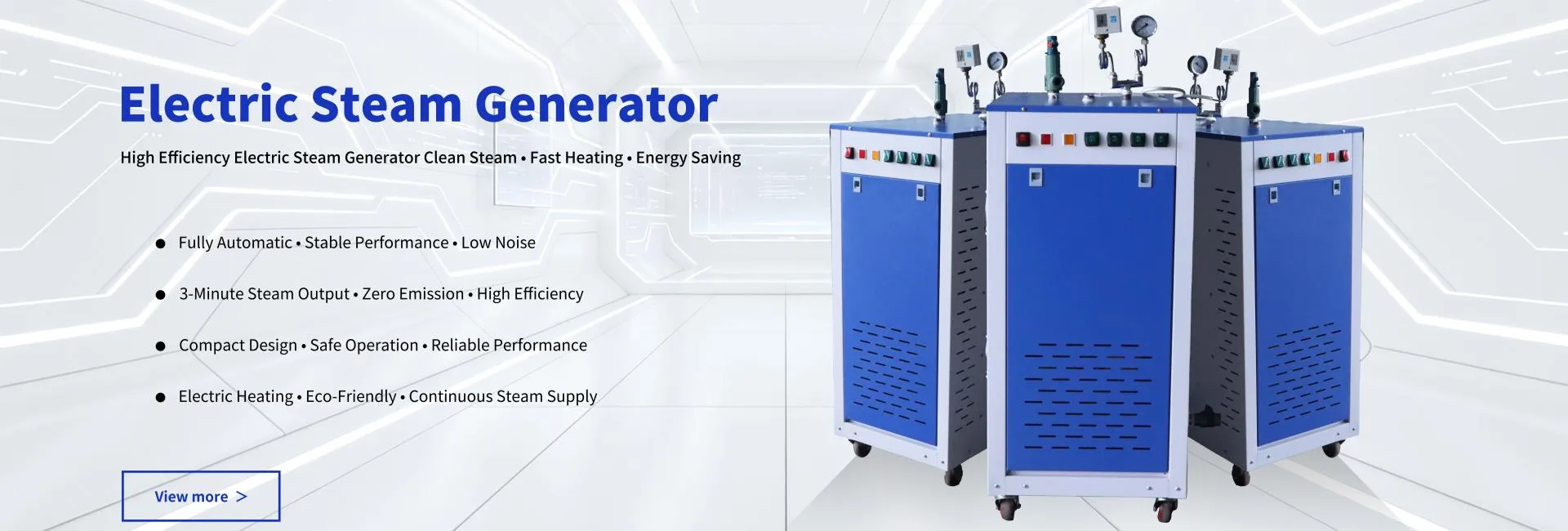
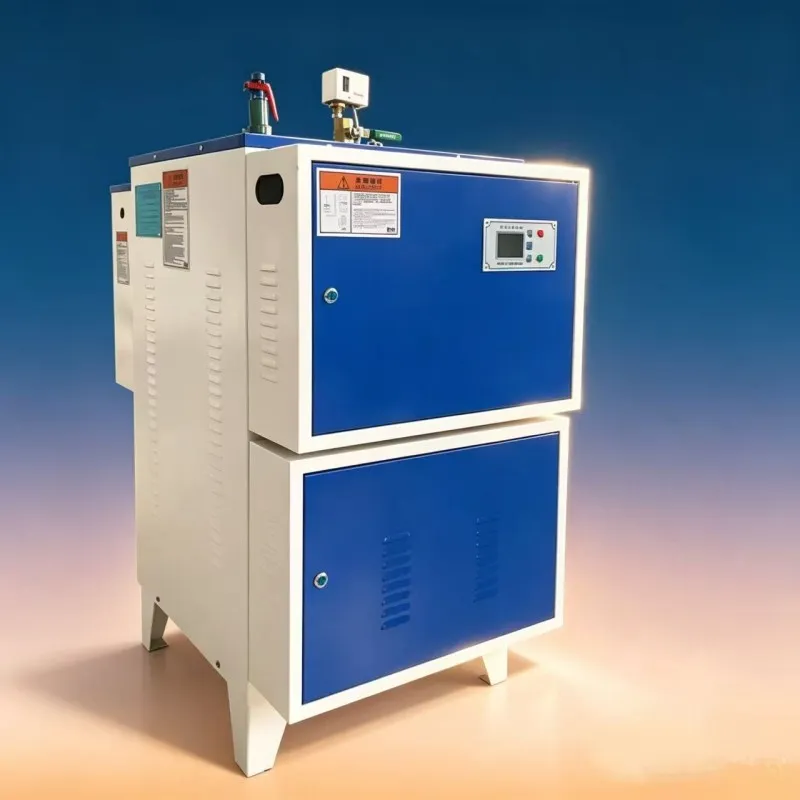
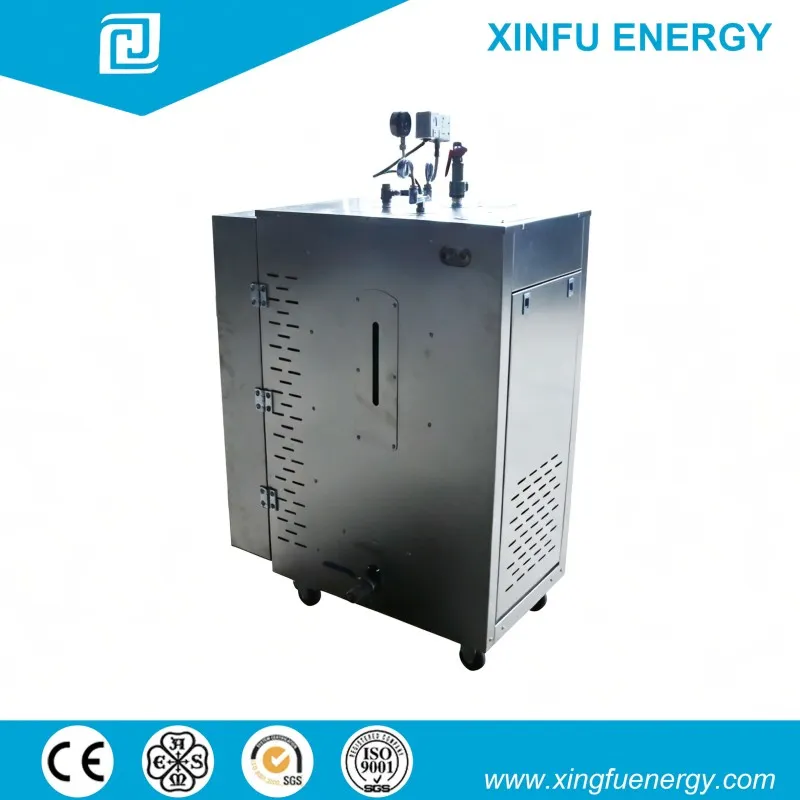
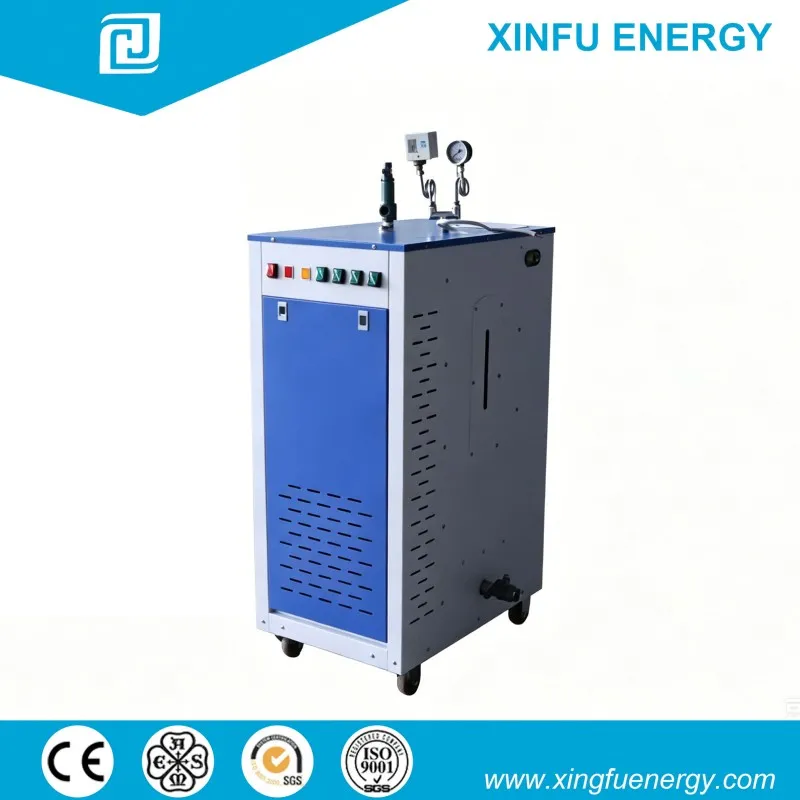
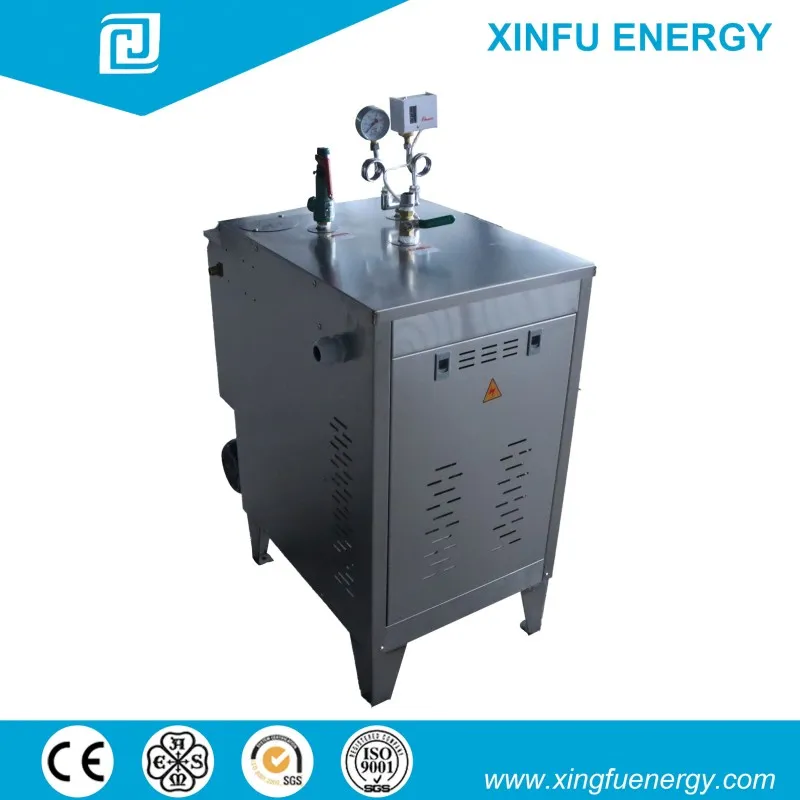
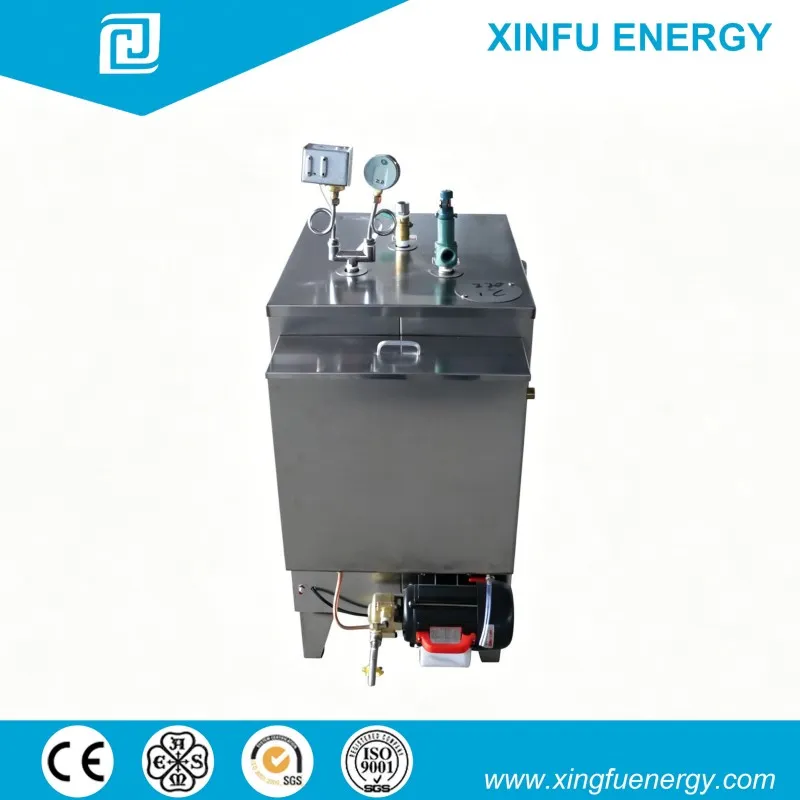
A compact electric steam generator for factory applications is a high-efficiency, space-saving industrial boiler system designed to produce saturated steam on demand using electrical resistance heating. Unlike traditional fossil-fuel boilers, these units eliminate combustion emissions, require minimal installation infrastructure, and offer precise pressure control for manufacturing processes. Ideal for facilities with limited boiler room space or strict environmental regulations, this technology provides rapid steam generation with thermal efficiency exceeding 98%, ensuring reliable operation for sterilization, heating, humidification, and cleaning tasks while reducing long-term operational complexity.
What Is a Compact Electric Steam Generator?
In modern industrial settings, the demand for agile and clean energy solutions has reshaped how factories approach thermal processing. A compact electric steam generator is not merely a smaller version of a traditional boiler; it represents a fundamental shift in steam production methodology. These systems utilize high-grade electrical elements submerged directly in water or configured in flow-through designs to generate steam almost instantaneously.
The term “compact” refers to both the physical footprint and the integrated nature of the system. Traditional boilers often require separate feedwater tanks, complex flue gas exhaust systems, and extensive fuel storage infrastructure. In contrast, an electric steam generator integrates the pressure vessel, control panel, feedwater pump, and safety valves into a single, modular unit. This integration allows factories to install steam sources closer to the point of use, minimizing heat loss through long distribution pipes and improving overall system efficiency.
For facility managers and process engineers, understanding the core distinction between conventional boilers and compact electric generators is crucial. The latter operates on the principle of resistive heating, where electrical current passes through heating elements, transferring energy directly to the water. This process is nearly 100% efficient at the point of generation, as there are no stack losses or unburned fuel waste. Consequently, these units are increasingly becoming the preferred choice for industries ranging from food and beverage processing to pharmaceutical manufacturing and textile production.
Core Working Principles and Technology
The operational logic of a compact electric steam generator is straightforward yet engineered for precision. When the system is activated, the control module signals the feedwater pump to introduce treated water into the pressure vessel. Simultaneously, power is supplied to the electric heating elements. As the water temperature rises to its saturation point corresponding to the set pressure, it phase-changes into steam.
Key technical components include:
Heating Elements: Typically made from stainless steel (such as SS316L) or Incoloy, these elements are designed to withstand high temperatures and resist corrosion from scale buildup.
Pressure Vessel: Constructed from certified carbon steel or stainless steel, the vessel is designed to ASME or PED standards, ensuring safety under high-pressure conditions.
Control System: Advanced PLC (Programmable Logic Controller) or microprocessor-based controllers monitor pressure, water level, and temperature in real-time, adjusting power output to match steam demand.
Safety Mechanisms: Multiple redundant safety features, including pressure relief valves, low-water cut-offs, and over-temperature protectors, ensure fail-safe operation.
This direct conversion method eliminates the inertia associated with large water-volume boilers. As a result, the time from cold start to full operating pressure is significantly reduced, often taking less than 15 minutes depending on the model size. This responsiveness is critical for factories that operate in shifts or have intermittent steam requirements.
Why Factories Are Switching to Electric Steam Solutions
The transition from gas, oil, or coal-fired boilers to electric steam generators is driven by a combination of regulatory pressure, operational efficiency goals, and spatial constraints. For many manufacturing plants, the decision is not just about generating steam but optimizing the entire utility infrastructure.
Space Efficiency and Modular Installation
One of the most compelling advantages of a compact electric steam generator is its footprint. Traditional boilers can occupy entire rooms, requiring significant clearance for maintenance and safety compliance. Electric generators, however, are designed for vertical or compact horizontal layouts. A unit capable of producing 500 kg/h of steam might fit within a square meter of floor space.
This space efficiency enables a decentralized steam strategy. Instead of piping steam from a central boiler house across a large factory floor—leading to substantial condensate losses and pressure drops—facilities can place small electric generators near specific machines. For example, a packaging line, a sterilization autoclave, and a cleaning station can each have their own dedicated unit. This modularity also simplifies maintenance; if one unit requires service, the others continue to operate, preventing total production shutdowns.
Environmental Compliance and Zero Emissions
Global environmental regulations are tightening, particularly in urban industrial zones and regions with strict air quality standards. Gas and oil boilers emit nitrogen oxides (NOx), carbon monoxide, and particulate matter. Even with advanced scrubbers, achieving zero-emission status is challenging and costly.
Electric steam generators produce zero onsite emissions. There is no combustion, no flue gas, and no need for chimney stacks or exhaust fans. This makes them ideal for:
Factories located in residential or mixed-use zones.
Indoor installations where ventilation is limited.
Industries aiming for LEED certification or carbon-neutral operations.
Regions with high carbon taxes or restrictions on fossil fuel usage.
While the upstream carbon footprint depends on the local electricity grid’s energy mix, the onsite environmental benefit is immediate and measurable. Furthermore, the absence of combustion simplifies permitting processes, often bypassing the rigorous environmental impact assessments required for fossil-fuel boilers.
Operational Simplicity and Reduced Maintenance
Maintenance overhead is a significant cost factor for industrial utilities. Traditional boilers require regular cleaning of soot, inspection of burners, calibration of fuel-air ratios, and testing of exhaust systems. Electric generators eliminate these tasks entirely.
The primary maintenance focus for electric units is water quality management and periodic inspection of heating elements. Without moving parts like fans or fuel pumps, mechanical wear is minimized. The control systems are solid-state, offering high reliability and diagnostic capabilities. Many modern units feature self-diagnostic interfaces that alert operators to potential issues before they lead to downtime, such as scaling trends or element degradation.
Industry Spotlight: Engineering Excellence with Qingdao Xingfu Energy Equipment
As the global demand for efficient, eco-friendly steam solutions grows, manufacturers like Qingdao Xingfu Energy Equipment Ltd. have emerged as key players in bridging the gap between traditional boiler engineering and modern electric innovation. Founded in 2010 and headquartered in Qingdao, China, Xingfu has established itself as a vertically integrated manufacturer specializing in industrial boilers and pressure vessels.
With over 14 years of continuous industry experience, Xingfu combines deep manufacturing expertise with a strong R&D focus. The company’s 70,500-square-meter production base includes dedicated workshops and laboratories where 228 employees—including 78 technical experts and 65 certified welders—ensure every unit meets rigorous international standards. Their product lineup, particularly the compact S-Series automation solutions, reflects a commitment to zero-emission operations and high energy efficiency.
What sets Xingfu apart is its comprehensive approach to quality and compliance. Holding Class B boiler manufacturing licenses and Class 1/2 container certifications, along with ISO 9001 and CE approvals, the company ensures that its electric steam generators are not only efficient but also safe for global markets. Having exported to over 30 countries since 2012, Xingfu provides more than just hardware; they offer end-to-end support from design-phase consulting to installation assistance and lifelong technical support. This level of engineering rigor and customer-centric service exemplifies the high standards now expected in the industrial steam sector.
Key Applications in Industrial Manufacturing
The versatility of compact electric steam generators allows them to serve a wide array of industrial processes. Their ability to provide clean, dry, and precisely controlled steam makes them suitable for sensitive applications where contamination or pressure fluctuation could compromise product quality.
Food and Beverage Processing
In the food industry, steam is used for cooking, blanching, sterilization, and cleaning. Electric steam generators are particularly valued here because they produce pure steam without the risk of fuel contamination. If a heat exchanger leaks in a gas boiler system, combustion byproducts could potentially taint the food product. Electric systems eliminate this risk.
Common applications include:
Retort Sterilization: Providing consistent pressure for canned goods sterilization.
Process Cooking: Direct steam injection for sauces, soups, and beverages.
CIP (Clean-in-Place) Systems: Generating hot water and steam for sanitizing pipelines and tanks.
Humidification: Maintaining optimal humidity in proofing rooms for bakery products.
Pharmaceutical and Healthcare
The pharmaceutical sector demands the highest levels of hygiene and process control. Steam is essential for sterilizing equipment, glassware, and production environments. Compact electric generators can be paired with pure water systems to generate pure steam, meeting stringent pharmacopoeia standards (such as USP or EP).
Hospitals and clinics also utilize these units for autoclaves and laundry services. The quiet operation and lack of exhaust fumes make them suitable for installation within hospital basements or utility floors without disturbing patients or staff.
Textile and Garment Industry
Steam is integral to textile manufacturing, used for dyeing, finishing, and ironing. In garment factories, pressing stations require immediate access to dry steam. Traditional central boilers often suffer from pressure drops during peak usage, leading to wet steam that damages fabrics. Decentralized electric generators ensure consistent pressure and dryness fraction at each pressing station, improving product quality and throughput.
Chemical and Laboratory Settings
Laboratories and small-scale chemical plants require precise temperature control for reactions and distillation processes. Electric steam generators offer fine-tuned pressure adjustments, allowing for accurate temperature regulation since steam temperature is directly correlated to pressure. This precision is difficult to achieve with larger, slower-responding fossil-fuel boilers.
Technical Specifications and Selection Guide
Selecting the right compact electric steam generator requires a careful analysis of your facility’s steam demand, electrical infrastructure, and water quality. Understanding the key parameters will help you avoid oversizing or undersizing the equipment, both of which can lead to inefficiencies.
Understanding Capacity and Power Ratings
Steam generator capacity is typically measured in kilograms per hour (kg/h) or pounds per hour (lbs/h). The electrical power requirement is measured in kilowatts (kW). The relationship between power and steam output is governed by the latent heat of vaporization.
As a general rule of thumb, approximately 0.75 kW to 0.8 kW of electrical power is required to generate 1 kg/h of steam, depending on the feedwater temperature and operating pressure. For example, a 100 kW unit might produce around 130-140 kg/h of steam. It is essential to account for the initial cold start energy surge and the continuous load during operation.
Model Capacity (kg/h)
Approx. Power (kW)
Voltage Configuration
Typical Application
50 – 100
36 – 72
380V / 400V / 415V 3-Phase
Labs, Small Kitchens, Pilot Plants
150 – 300
108 – 216
380V / 400V / 415V 3-Phase
Garment Factories, Small Breweries
350 – 500
252 – 360
380V / 400V / 415V 3-Phase
Food Processing Lines, Autoclaves
600 – 1000+
432 – 720+
380V – 480V 3-Phase
Large Scale Manufacturing, District Heating
Note: Voltage availability varies by region. Always verify the local industrial voltage standard (e.g., 480V in North America, 400V in Europe, 380V in Asia) before procurement. High-power units may require dedicated transformers.
Pressure Ratings and Safety Standards
Most compact electric steam generators operate at pressures between 0.7 MPa (7 bar) and 1.0 MPa (10 bar). This range is sufficient for most industrial applications. However, specialized high-pressure models are available for specific processes.
Compliance with international pressure vessel standards is non-negotiable. Look for certifications such as:
ASME (American Society of Mechanical Engineers): Widely recognized in North America and globally.
PED (Pressure Equipment Directive): Mandatory for equipment sold in the European Union.
ISO 9001: Indicates quality management consistency in manufacturing.
Ensure the unit includes mandatory safety devices: dual pressure controls, water level electrodes, safety relief valves, and earth leakage protection. These features are critical for protecting both personnel and equipment.
Water Quality Requirements
Water quality is the single most important factor affecting the lifespan and efficiency of an electric steam generator. Hard water leads to scale formation on heating elements, acting as an insulator. This insulation causes elements to overheat and fail prematurely, while also reducing heat transfer efficiency.
Recommended water parameters:
Hardness: < 0.03 mmol/L (Softened water is highly recommended).
Investing in a proper water treatment system, such as a reverse osmosis (RO) unit or ion exchange softener, is essential. Many manufacturers offer integrated water treatment solutions or guidance on specifying external treatment systems.
Comparison: Electric vs. Gas Steam Generators
When deciding between electric and gas-fired systems, facility managers must weigh upfront costs against long-term operational expenses and strategic goals. The following table provides a comparative analysis based on typical industrial scenarios.
Feature
Compact Electric Steam Generator
Gas-Fired Steam Boiler
Initial Investment
Lower (No fuel lines, chimneys, or complex ventilation needed)
Higher (Requires gas infrastructure, exhaust systems, safety zones)
Dependent on electricity rates (Generally higher per unit energy)
Dependent on gas prices (Generally lower per unit energy)
Maintenance
Low (No burners, no soot, simple element checks)
High (Burner tuning, flue cleaning, safety inspections)
Emissions
Zero onsite emissions
CO2, NOx, CO emissions
Lifespan
10-15+ years (With proper water treatment)
15-20 years
Space Requirement
Very Compact (Modular)
Large (Requires boiler room)
Strategic Insight: While electricity is often more expensive per BTU than natural gas, the total cost of ownership (TCO) for electric generators can be competitive when factoring in maintenance savings, lack of regulatory compliance costs, and efficiency gains. For facilities with intermittent steam needs, the ability of electric units to shut down completely without standby losses offers significant savings compared to gas boilers that must remain on standby.
Step-by-Step Installation and Commissioning Guide
Proper installation is critical to ensuring the performance and longevity of your compact electric steam generator. While these units are designed for ease of setup, adherence to engineering best practices is essential.
Step 1: Site Preparation and Foundation
Ensure the installation site is level, dry, and capable of supporting the weight of the unit when filled with water. Although compact, these units are dense. Provide adequate clearance around the unit for maintenance access, particularly for the control panel and heating element removal points. Ensure the ambient temperature remains above freezing to prevent damage to internal components.
Step 2: Electrical Connection
Engage a licensed electrician to connect the unit to the main power supply. Verify that the cable gauge matches the current rating of the generator. Install a dedicated circuit breaker with appropriate overload protection. Ensure proper grounding (earthing) to prevent electrical hazards. For three-phase units, check phase balance to ensure even loading on heating elements.
Step 3: Water Supply Integration
Connect the feedwater inlet to a treated water source. Install a shut-off valve and a Y-strainer before the inlet to protect the pump from debris. If using a manual fill system, ensure the water quality meets the manufacturer’s specifications before introduction. For automatic systems, connect the solenoid valve control wires if applicable.
Step 4: Steam Piping and Drainage
Connect the steam outlet to your distribution network. Use high-quality steam-rated pipes and fittings. Install a steam trap and a drain valve at the lowest point of the piping to remove condensate. Ensure the piping slopes away from the generator to prevent water hammer. Install a pressure gauge and a safety valve downstream if not integrated into the unit.
Step 5: Commissioning and Testing
Before full operation, perform a dry check of all electrical connections. Fill the vessel with water and check for leaks. Power on the unit and set the desired pressure. Monitor the heating cycle, ensuring the pressure switch cuts off the power at the set point. Test the safety relief valve manually to ensure it opens at the rated pressure. Verify the low-water cutoff function by simulating a low-water condition.
Common Mistakes to Avoid
Even with robust technology, user error can lead to premature failure or inefficiency. Being aware of common pitfalls can save time and money.
Ignoring Water Treatment: This is the number one cause of failure. Skipping water softening leads to rapid scaling, destroying heating elements within months.
Oversizing the Unit: Buying a unit much larger than needed leads to frequent cycling (on/off), which stresses components and reduces efficiency. Consider modular setups instead.
Poor Insulation: Failing to insulate steam pipes results in significant energy loss and wet steam, reducing the effectiveness of the process.
Neglecting Blowdown: Regular blowdown is necessary to remove concentrated solids from the boiler water. Skipping this step increases conductivity and corrosion risk.
Incorrect Voltage Supply: Connecting a 400V unit to a mismatched voltage source can damage control boards and heating elements. Always verify supply voltage.
Maintenance Best Practices for Longevity
To maximize the return on investment, implement a structured maintenance routine. While electric generators are low-maintenance, they are not no-maintenance.
Daily Checks
Inspect the pressure gauge for accuracy.
Check for any visible leaks in water or steam lines.
Listen for unusual noises from the pump or contactors.
Weekly Maintenance
Perform a manual blowdown to flush out sediments.
Test the safety relief valve to ensure it is not stuck.
Check the water level controller for proper operation.
Monthly/Quarterly Maintenance
Inspect heating elements for scale buildup. Clean or replace if necessary.
Tighten electrical connections, as thermal cycling can loosen terminals.
Test the low-water cutoff system.
Analyze water quality parameters (hardness, conductivity, pH) and adjust treatment accordingly.
Frequently Asked Questions (FAQ)
How much does it cost to operate an electric steam generator?
Operating costs depend on local electricity rates and steam demand. Generally, electricity is more expensive per energy unit than gas. However, electric generators have higher efficiency (>98%) and lower maintenance costs. For facilities with intermittent use, the ability to turn the unit off completely often results in lower overall costs compared to keeping a gas boiler on standby.
Can I use tap water directly?
No. Tap water usually contains minerals that cause scaling and corrosion. Using untreated tap water will void warranties and shorten the equipment’s lifespan. Always use softened or demineralized water according to the manufacturer’s specifications.
What happens if the power goes out?
In the event of a power outage, the generator stops producing steam immediately. Upon power restoration, the unit will typically restart automatically if configured to do so, bringing itself back up to pressure. Ensure your process can tolerate this interruption or consider a backup power supply for critical applications.
Is special training required for operators?
Basic operation is user-friendly and often automated. However, personnel should be trained in basic safety protocols, water quality monitoring, and emergency shutdown procedures. Understanding the importance of water treatment is critical for any operator.
Can these generators be used outdoors?
Standard models are designed for indoor installation. If outdoor installation is necessary, a weatherproof enclosure or canopy must be constructed to protect the electrical components and controls from rain, snow, and extreme temperatures.
Conclusion: Making the Right Choice for Your Factory
The adoption of a compact electric steam generator for factory operations represents a strategic move towards efficiency, sustainability, and operational agility. By eliminating the complexities of fuel handling and combustion, these systems offer a cleaner, safer, and more responsive steam solution. Whether you are upgrading an existing utility infrastructure or designing a new facility, the modular nature of electric steam generation allows for scalable growth and reduced risk.
This technology is particularly suited for:
Manufacturers seeking to reduce their carbon footprint and comply with strict environmental regulations.
Facilities with limited space for boiler rooms or complex piping networks.
Industries requiring high-purity steam for sensitive processes like food processing and pharmaceuticals.
Businesses looking to minimize maintenance downtime and simplify utility management.
Choosing the right model involves balancing capacity, pressure requirements, and water quality management. By focusing on these core parameters and adhering to best practices in installation and maintenance, your factory can enjoy reliable, cost-effective steam production for years to come.
Ready to optimize your industrial steam supply? Evaluate your specific steam demand and electrical infrastructure to select the ideal unit. For detailed technical specifications, custom configuration options, and direct manufacturer pricing, explore our comprehensive product range.