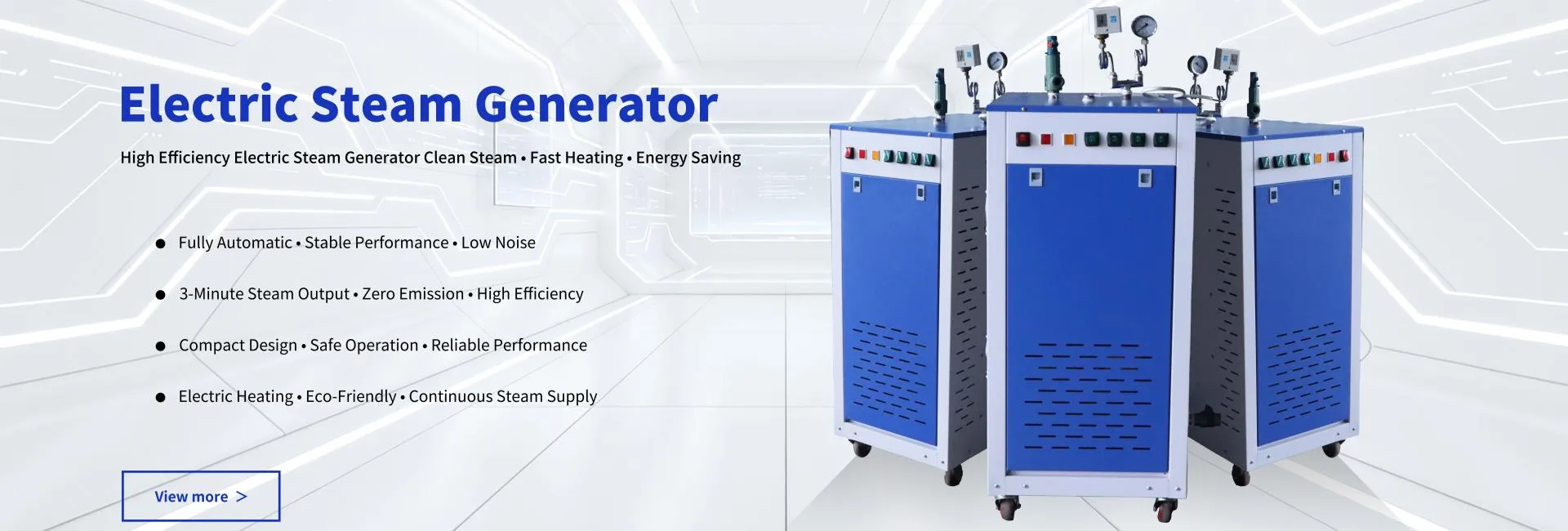
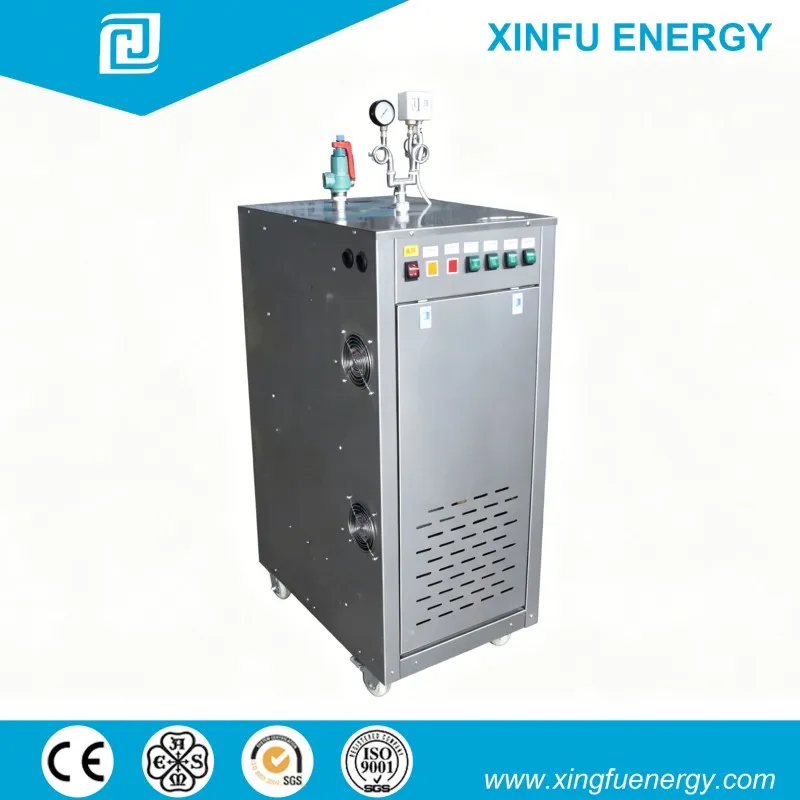
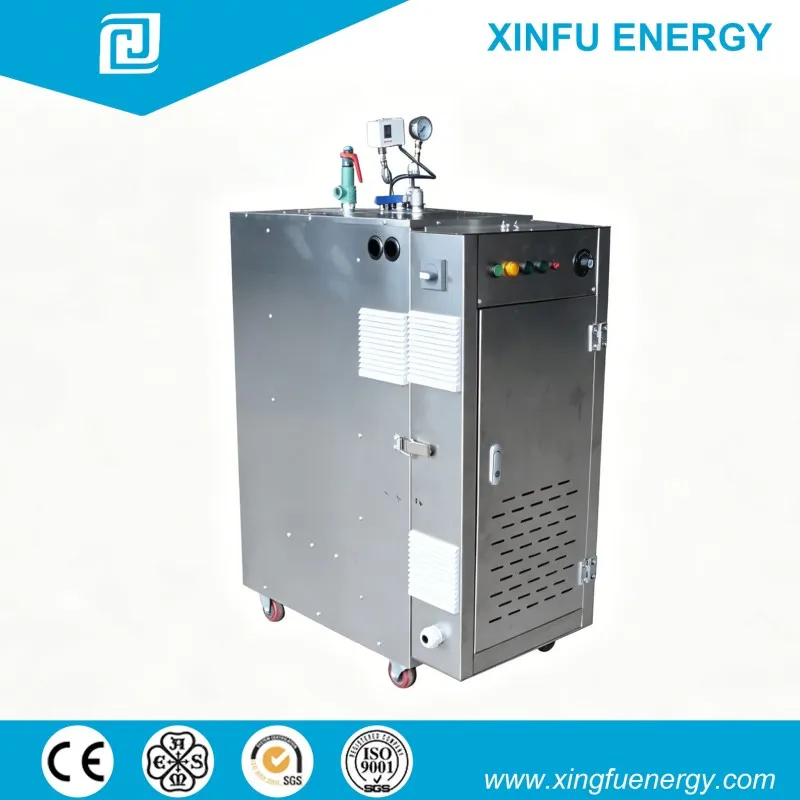
An electric steam generator boiler is a compact, high-efficiency industrial system that converts electrical energy directly into steam without combustion. In 2026, these units are the preferred solution for industries requiring precise temperature control, zero emissions, and rapid startup times. Unlike traditional fossil-fuel boilers, electric models offer nearly 100% thermal efficiency, minimal maintenance, and seamless integration with automated production lines. This guide details current pricing structures, technical specifications, and supplier selection criteria to help B2B buyers make informed procurement decisions.
What Is an Electric Steam Generator Boiler?
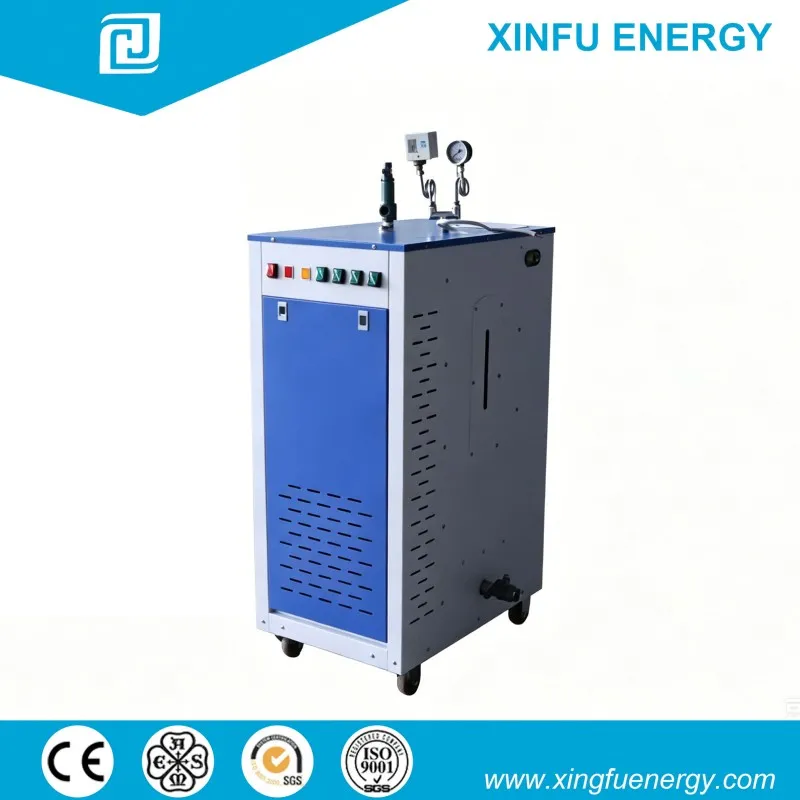
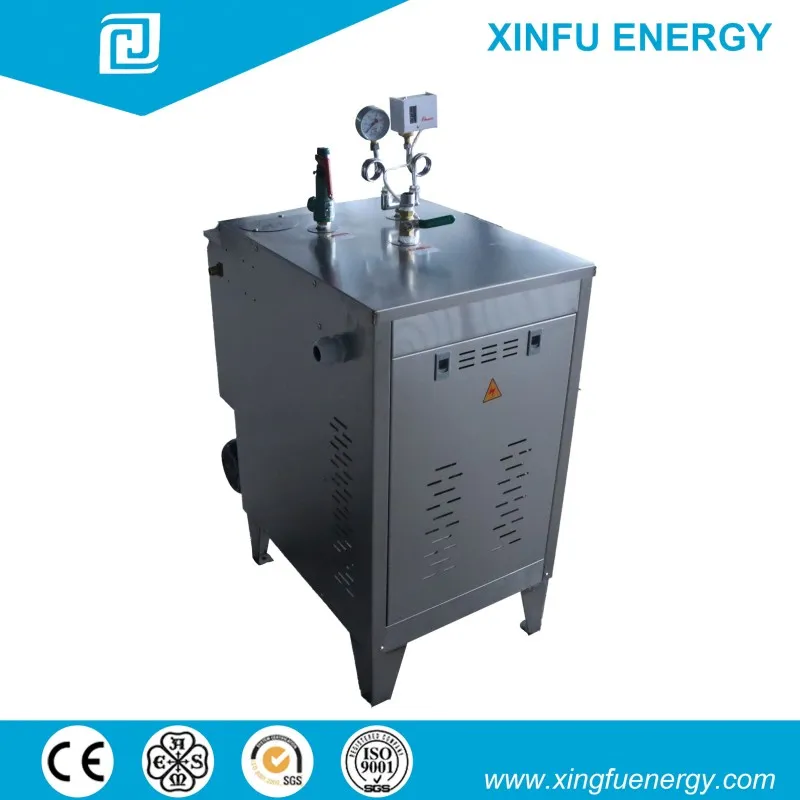
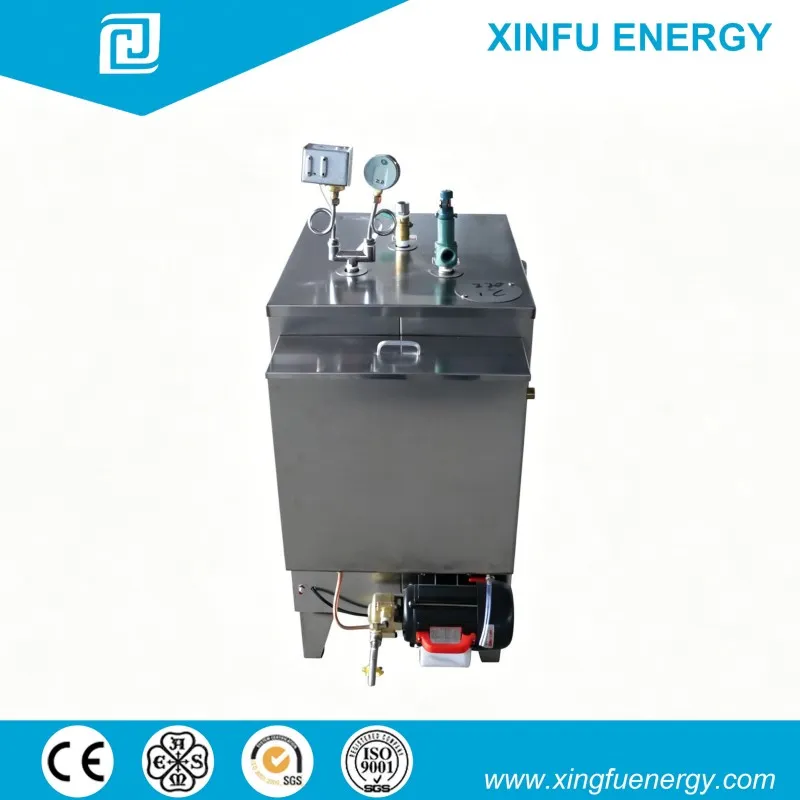
An electric steam generator boiler is a pressure vessel equipped with electric heating elements submerged in water or arranged to transfer heat via thermal oil or direct contact. When electricity passes through the resistive elements, heat is generated, turning water into saturated or superheated steam. This process eliminates the need for fuel storage, exhaust flues, and complex combustion safety systems.
In industrial settings, these generators are categorized by their operating pressure and steam output capacity. They are widely used in food processing, pharmaceutical manufacturing, chemical reactions, and textile finishing. The core advantage lies in their modular design and ability to respond instantly to fluctuating steam demands, making them ideal for batch processes and continuous production lines alike.
Core Working Principle
The operation relies on Joule heating. High-grade alloy heating elements, typically made of Incoloy or stainless steel, are immersed in the water chamber. A control system monitors water levels and pressure, adjusting the power input to maintain stable steam output. Advanced models in 2026 incorporate variable frequency drives (VFDs) to modulate power consumption based on real-time demand, significantly reducing energy waste during low-load periods.
Water Feed System: Automatically supplies treated water to maintain optimal levels.
Heating Chamber: Contains the electric elements where heat exchange occurs.
Steam Separator: Ensures dry, high-quality steam is delivered to the application.
Control Panel: PLC-based interface for monitoring pressure, temperature, and fault diagnostics.
Pricing for electric steam generators varies significantly based on capacity, voltage requirements, and customization. In 2026, the market has stabilized around specific price tiers influenced by raw material costs for copper, stainless steel, and advanced control components. Buyers should look beyond the initial purchase price to consider total cost of ownership (TCO), including installation, energy consumption, and maintenance.
Price Ranges by Capacity
The following table provides estimated market price ranges for standard industrial electric steam generators in 2026. Note that these figures represent equipment costs only and exclude installation, piping, and electrical infrastructure upgrades.
Capacity (kg/h)
Power Rating (kW)
Estimated Price Range (USD)
Typical Application
50 – 100
36 – 72
$3,500 – $6,000
Laboratories, small bakeries, pilot plants
200 – 500
144 – 360
$8,000 – $15,000
Food processing, garment factories, laundries
600 – 1000
432 – 720
$18,000 – $28,000
Chemical processing, large-scale sterilization
1000 – 2000+
720 – 1440+
$30,000 – $55,000+
Heavy industry, district heating, power generation support
Key Factors Influencing Cost
Several technical and logistical factors drive the final quotation from suppliers. Understanding these helps in negotiating better terms and avoiding hidden costs.
Voltage Configuration: Standard units operate at 380V/400V/415V. Custom high-voltage models (e.g., 6kV or 10kV) require specialized transformers and switchgear, increasing costs by 15-20%.
Material Grade: Heating elements made from Incoloy 800 or titanium cost more than standard stainless steel but offer superior longevity in hard water conditions.
Control System Complexity: Basic relay controls are cheaper, while PLC systems with remote monitoring, IoT connectivity, and auto-diagnostic features command a premium.
Certification Requirements: Units certified for ASME, PED, or CE standards undergo rigorous testing, which adds to the manufacturing cost but ensures global compliance.
Customization: Skid-mounted designs, integrated water treatment systems, or specific enclosure ratings (e.g., IP55 for outdoor use) increase the base price.
Technical Specifications & Selection Criteria
Selecting the right electric steam generator requires a detailed analysis of your process requirements. Mismatched specifications can lead to inefficiencies, frequent breakdowns, or insufficient steam supply. In 2026, buyers prioritize flexibility and smart integration capabilities.
Critical Parameters to Evaluate
When reviewing supplier datasheets, focus on these key performance indicators. Do not rely solely on nominal capacity; consider the operational envelope.
Steam Pressure Range: Define the maximum working pressure required. Most industrial applications need 0.7 MPa to 1.0 MPa. Higher pressures require thicker vessel walls and stricter safety protocols.
Steam Quality: Look for wetness fractions below 3%. High-quality dry steam improves heat transfer efficiency and prevents water hammer in pipelines.
Thermal Efficiency: Electric boilers typically achieve 98-99% efficiency. Verify if the supplier accounts for heat loss in the casing and piping in their efficiency claims.
Startup Time: A major advantage of electric systems is rapid startup. Expect full pressure achievement within 5-15 minutes, depending on size.
Noise Level: Electric units are quieter than gas boilers, but pump and fan noise should be below 75 dB for indoor installations.
Electrical Infrastructure Compatibility
Before procurement, assess your facility’s electrical capacity. Large electric steam generators draw significant current. Ensure your transformer has sufficient spare capacity. For units above 100 kW, consider soft-start mechanisms or star-delta starting methods to reduce inrush current impacts on the grid.
In many regions, time-of-use electricity tariffs apply. Modern generators with smart controllers can schedule high-intensity steam production during off-peak hours, storing energy in thermal accumulators if configured, thereby reducing operational costs.
Advantages of Electric Steam Generators in 2026
The shift towards electrification in industrial heating is driven by regulatory pressures and operational benefits. Electric steam generators offer distinct advantages over fossil-fuel alternatives, particularly in environments where cleanliness and precision are paramount.
Environmental Compliance & Zero Emissions
With tightening global carbon regulations, electric boilers produce zero onsite emissions. There are no NOx, SOx, or particulate matter outputs. This eliminates the need for expensive scrubbers, chimneys, or environmental permits associated with gas or oil-fired systems. For companies aiming for carbon neutrality or LEED certification, electric steam is a critical component of the strategy.
Operational Efficiency & Maintenance
Electric systems have fewer moving parts compared to combustion boilers. There are no burners, fuel pumps, or air fans to maintain regularly. The primary maintenance tasks involve checking heating elements for scale buildup and inspecting electrical connections. This simplicity translates to lower annual maintenance contracts (AMC) costs and reduced downtime.
No Fuel Storage: Eliminates risks associated with gas leaks or oil spills.
Compact Footprint: Electric generators are significantly smaller, saving valuable floor space in crowded factories.
Precise Control: Electrical resistance can be modulated instantly, allowing for tight temperature tolerances essential in pharmaceutical and food applications.
Safety Enhancements
Without open flames or combustible fuels, the risk of fire or explosion is drastically reduced. Modern units include multiple layers of safety interlocks, including low-water cutoffs, over-pressure relief valves, and earth leakage protection. These features make electric generators safer for installation in sensitive areas like hospitals or food processing zones.
Common Industrial Applications
Electric steam generators are versatile and serve a wide range of sectors. Their ability to provide clean, dry steam makes them indispensable in hygiene-critical industries.
Food & Beverage Processing
In food production, steam is used for cooking, sterilization, and cleaning. Electric generators ensure that no combustion byproducts contaminate the product. Applications include:
Steaming & Cooking: Precise temperature control for consistent product quality.
CIP Systems: Generating hot water and steam for Clean-in-Place procedures.
Pasteurization: Maintaining exact temperatures for dairy and juice processing.
Pharmaceutical & Healthcare
Pharma facilities require pure steam for sterilizing equipment and media. Electric boilers, paired with appropriate water treatment (RO or DI), can produce high-purity steam meeting USP <1231> standards. Hospitals use them for laundry sterilization and autoclaves, benefiting from the quiet operation and lack of exhaust fumes.
Textile & Garment Industry
Steam ironing and dyeing processes demand consistent steam pressure. Electric generators respond quickly to the intermittent demand of pressing stations, avoiding the energy waste of keeping a large boiler idling. This responsiveness reduces energy bills in facilities with fluctuating production schedules.
Chemical & Laboratory Use
For reactor heating and distillation, precise temperature ramps are crucial. Electric systems allow for programmable heating profiles, ensuring reproducible results in R&D and production. Small-scale units are ideal for university labs and pilot plants where space and ventilation are limited.
Step-by-Step Installation & Commissioning Guide
Proper installation is vital for performance and warranty validity. While electric boilers are simpler to install than gas units, adherence to electrical and pressure vessel codes is mandatory.
Pre-Installation Checklist
Site Preparation: Ensure a level, reinforced concrete foundation capable of supporting the unit’s weight when filled with water.
Water Supply: Install a dedicated water line with appropriate filtration. Hard water must be softened to prevent scaling on heating elements.
Electrical Supply: Verify that the main panel has sufficient amperage and the correct voltage phase. Install a dedicated circuit breaker with earth leakage protection.
Steam Piping: Plan the steam distribution network with proper slopes for condensate return. Install steam traps and pressure reducing valves as needed.
Commissioning Steps
Visual Inspection: Check for any shipping damage, loose connections, or leaks.
Water Filling: Fill the boiler with treated water to the recommended level. Bleed air from the system.
Electrical Testing: Verify phase sequence and insulation resistance of heating elements. Ensure all safety interlocks are functional.
Initial Startup: Power on the control panel. Set the desired pressure. Monitor the heating cycle.
Safety Valve Calibration: Test the pressure relief valve to ensure it opens at the set pressure.
Load Testing: Gradually introduce steam load to verify the system’s response and stability.
Maintenance Best Practices for Longevity
Although electric steam generators are low-maintenance, neglecting basic care can lead to premature failure of heating elements and controls. A proactive maintenance schedule extends equipment life and maintains efficiency.
Daily Checks
Inspect water level indicators for accuracy.
Check for unusual noises or vibrations from pumps.
Verify pressure gauge readings match the control panel display.
Look for signs of water leaks around pipes and valves.
Weekly/Monthly Maintenance
Blowdown: Perform bottom blowdown to remove sediment and sludge from the tank. Frequency depends on water quality.
Electrical Connections: Tighten terminal screws on heating elements and contactors. Loose connections cause arcing and overheating.
Safety Valves: Manually lift the lever on safety valves to ensure they are not stuck.
Annual Service
Element Inspection: Remove heating elements to check for scale buildup. Clean or replace if necessary. Scale acts as an insulator, causing elements to overheat and fail.
Control Calibration: Recalibrate pressure transducers and temperature sensors.
Insulation Check: Inspect thermal insulation for damage to prevent heat loss.
Common Mistakes to Avoid When Buying
Procurement errors can lead to costly retrofits or operational inefficiencies. Avoid these common pitfalls when selecting an electric steam generator supplier.
Undersizing the Unit
Buying a unit based on average rather than peak steam demand leads to pressure drops during high-load periods. Always calculate the maximum simultaneous steam usage of all connected equipment and add a 10-15% safety margin.
Ignoring Water Quality
Electric elements are highly susceptible to scaling. Using untreated hard water will drastically shorten element life. Invest in a proper water treatment system (softener or RO) upfront. It is cheaper than replacing elements every few months.
Overlooking Electrical Constraints
Failing to verify the available electrical capacity can result in expensive grid upgrades. Consult with a qualified electrician before finalizing the power rating. Consider splitting large loads across multiple smaller units if single-phase capacity is limited.
Neglecting After-Sales Support
Even reliable equipment may need spare parts or technical assistance. Choose suppliers who offer responsive local support, comprehensive warranties, and accessible spare parts inventories. Avoid obscure brands with no local presence.
FAQ: Frequently Asked Questions
How much does it cost to operate an electric steam generator?
Operating costs depend on local electricity rates and steam demand. While electricity per kWh is often more expensive than gas per BTU, the near 100% efficiency of electric boilers offsets some of this difference. In regions with favorable industrial electricity tariffs or off-peak incentives, electric operation can be competitive. Additionally, savings from eliminated maintenance, fuel handling, and emission compliance costs improve the overall economic picture.
Can I convert my existing gas boiler to electric?
Direct conversion is generally not feasible due to fundamental design differences. Gas boilers have combustion chambers and flues, while electric boilers have heating elements and electrical enclosures. It is usually more cost-effective to install a new electric unit alongside or replacing the old system, ensuring proper sizing and electrical infrastructure.
What is the lifespan of an electric steam generator?
With proper maintenance and water treatment, an electric steam generator can last 15-20 years. Heating elements are consumable items and may need replacement every 3-5 years, depending on water quality and usage intensity. The pressure vessel itself, if maintained correctly, has a long service life.
Is special permission required to install an electric boiler?
Yes, most jurisdictions require permits for pressure vessels regardless of the heat source. You must comply with local boiler codes, electrical codes, and safety regulations. Certified suppliers provide necessary documentation (ASME stamps, CE marks, etc.) to facilitate inspection and approval.
How does an electric boiler handle peak loads?
Electric generators respond almost instantly to load changes. Advanced models use step-loading or proportional control to adjust power input within seconds. For highly fluctuating loads, consider a system with a steam accumulator, which stores excess steam during low demand and releases it during peaks, allowing for a smaller boiler size.
Supplier Selection Guide: How to Choose the Right Partner
Choosing the right supplier is as critical as selecting the right equipment. A reputable partner ensures product quality, regulatory compliance, and long-term support.
Evaluate Technical Expertise
Look for suppliers with engineering teams capable of customizing solutions. Ask about their experience in your specific industry. Do they understand the nuances of food-grade steam or pharmaceutical purity? Request case studies or references from similar projects.
Check Certifications & Compliance
Ensure the manufacturer holds relevant international certifications. Key standards include:
ASME Section I or IV: For pressure vessel integrity (USA/Global).
PED (Pressure Equipment Directive): For European markets.
CE Marking: Indicates conformity with health, safety, and environmental protection standards.
ISO 9001: Quality management system certification.
Assess After-Sales Service
Inquire about warranty terms, spare parts availability, and technical support response times. A supplier with a local service network can minimize downtime in case of issues. Ask if they offer remote monitoring services for predictive maintenance.
Request Detailed Quotations
A transparent quote should itemize the boiler, control panel, pumps, valves, and any optional extras. Beware of vague quotes that hide costs. Clarify Incoterms (FOB, CIF, DDP) to understand shipping and insurance responsibilities.
Industry Spotlight: Qingdao Xingfu Energy Equipment Ltd.
As the market for electric steam generation matures, selecting a manufacturer with deep engineering roots and verified international experience becomes paramount. Qingdao Xingfu Energy Equipment Ltd., established in 2010 and headquartered in Qingdao, Shandong, exemplifies the modern high-tech manufacturer capable of meeting these rigorous 2026 standards.
With over 14 years of continuous industry experience, Xingfu has evolved into a vertically integrated manufacturer, controlling the entire lifecycle from research and design to manufacturing and certified transportation. The company’s 70,500-square-meter production base includes 21,000 square meters of dedicated workshops, staffed by a robust team of 228 employees. Notably, 21% of its workforce consists of technical experts, including 28 engineers, ensuring that complex customization requests—such as those for pharmaceutical purity or high-pressure textile applications—are handled with precision.
Specialized Product Portfolio
Xingfu’s core competency lies in its electric steam generators and industrial boilers. Their S-Series automation solutions are designed to address the specific pain points discussed earlier in this guide:
Fully Automated Electric Steam Generators: Ideal for facilities requiring minimal human intervention and consistent output.
Intelligent Steam Boilers: Featuring fast steam capabilities to handle peak loads efficiently.
High-Power Solutions: Tailored for continuous production lines in heavy industry.
Purpose-Built Textile Systems: Optimized for the fluctuating demands of garment finishing and dyeing.
All units are constructed using high-grade stainless steel, ensuring durability and meeting strict environmental safety requirements with zero emissions during operation. This aligns perfectly with the growing corporate demand for sustainable, LEED-compliant industrial solutions.
Quality Assurance and Global Reach
Quality control is embedded at every stage of Xingfu’s production process. The company holds a manufacturing license for Class B boilers and Class 1 and 2 pressure containers, along with ISO 9001 and CE certifications. These credentials confirm that their management systems meet the stringent quality and safety requirements of the European Union and other global markets.
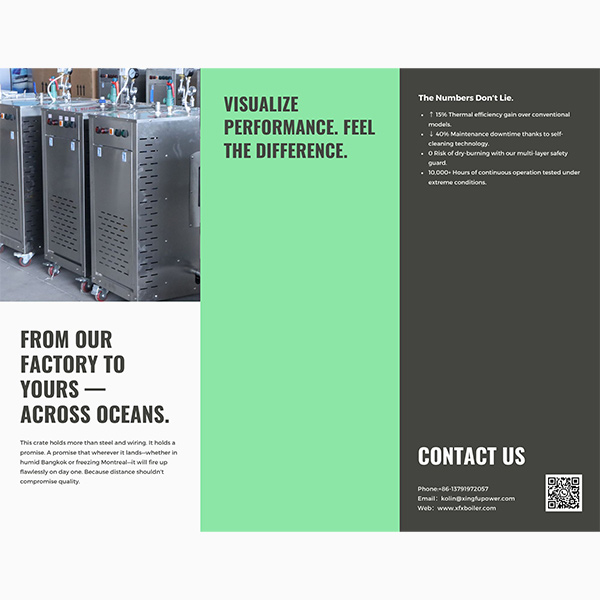
Since beginning exports in 2012, Xingfu has supplied equipment to more than 30 countries, including Mongolia, Indonesia, Korea, Malaysia, Poland, and Spain. This extensive international footprint is backed by a philosophy of long-term partnership. Rather than simply selling equipment, Xingfu provides comprehensive support throughout the design phase, equipment selection, installation, and operational periods. This end-to-end service model helps buyers avoid the common pitfalls of undersizing or improper installation, ensuring that the total cost of ownership remains low while reliability stays high.
Future Trends in Electric Steam Generation
The industry is evolving towards smarter, more integrated systems. In 2026 and beyond, expect to see greater adoption of IoT-enabled boilers that communicate with factory management systems (FMS) for optimized energy usage. AI-driven predictive maintenance algorithms will analyze operational data to forecast element failures or scaling issues before they occur.
Furthermore, as renewable energy sources become more prevalent, electric steam generators will play a key role in grid balancing. Facilities may integrate solar or wind power directly with steam generation, creating sustainable, off-grid heating solutions. Modular designs will allow for scalable expansion, enabling businesses to start small and add capacity as growth demands.
Conclusion & Next Steps
Investing in an electric steam generator boiler in 2026 is a strategic move for industries prioritizing efficiency, sustainability, and operational precision. With zero emissions, low maintenance, and rapid response capabilities, these systems outperform traditional fossil-fuel boilers in many applications. By carefully evaluating capacity needs, water quality, and electrical infrastructure, buyers can select a unit that delivers long-term value.
Whether you are upgrading an existing facility or designing a new production line, choosing a reputable supplier with strong technical support is essential. Focus on total cost of ownership rather than just upfront price, and ensure compliance with all local safety and environmental regulations.
Ready to optimize your steam system?
To find the perfect model for your specific industrial needs, review our detailed product specifications and connect with our engineering team for a customized consultation. We provide tailored solutions that align with your production goals and budget constraints.