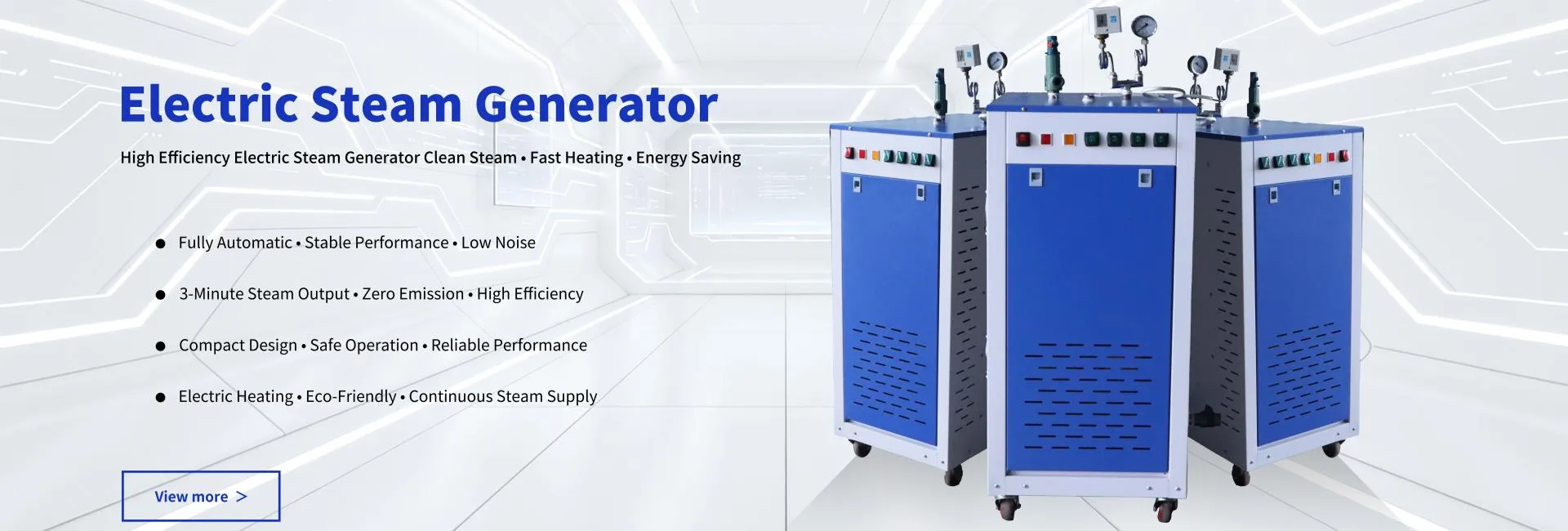
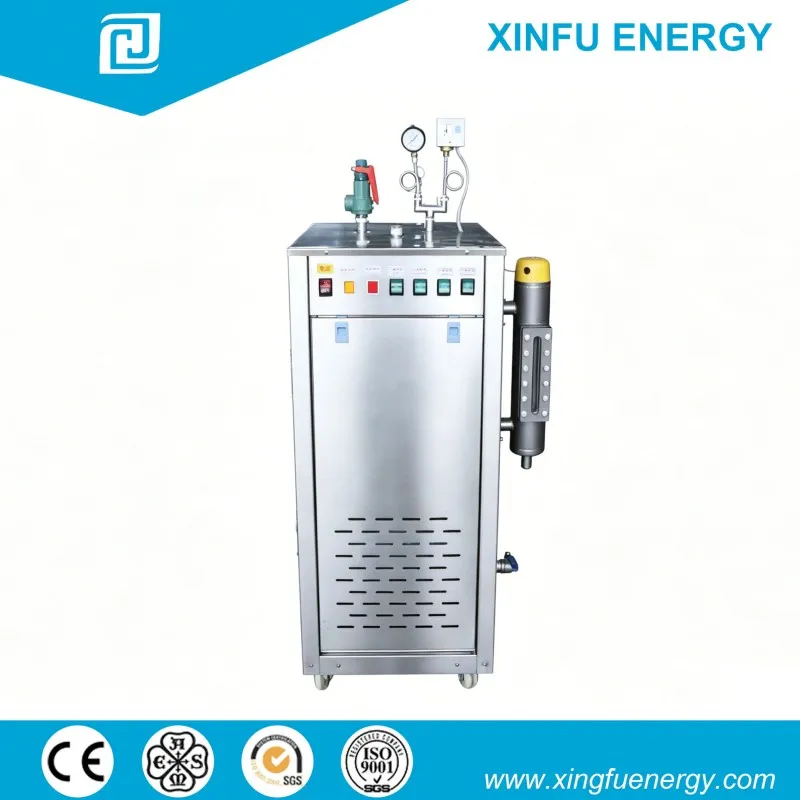
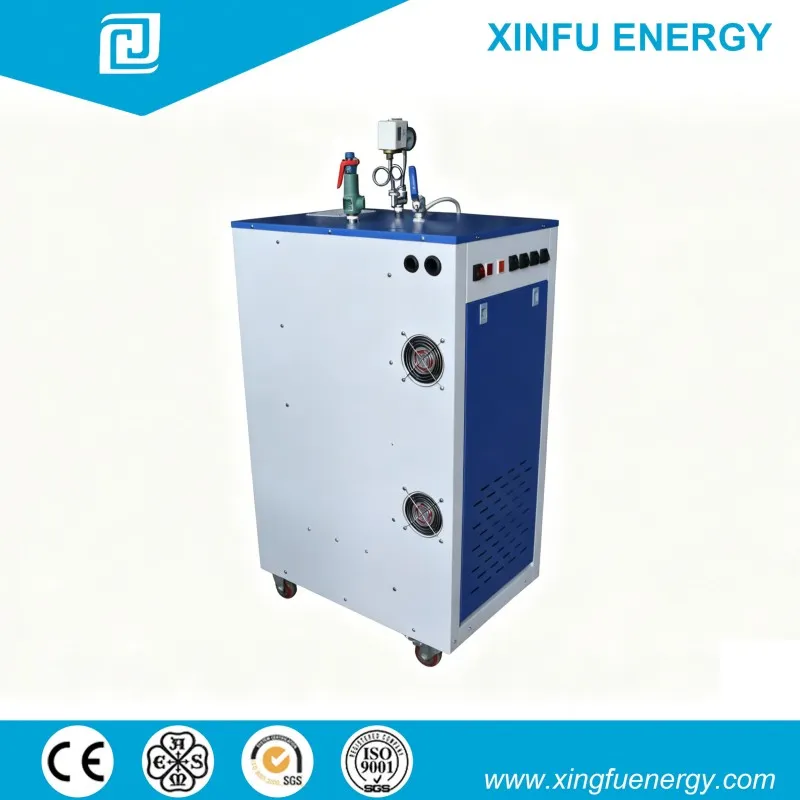
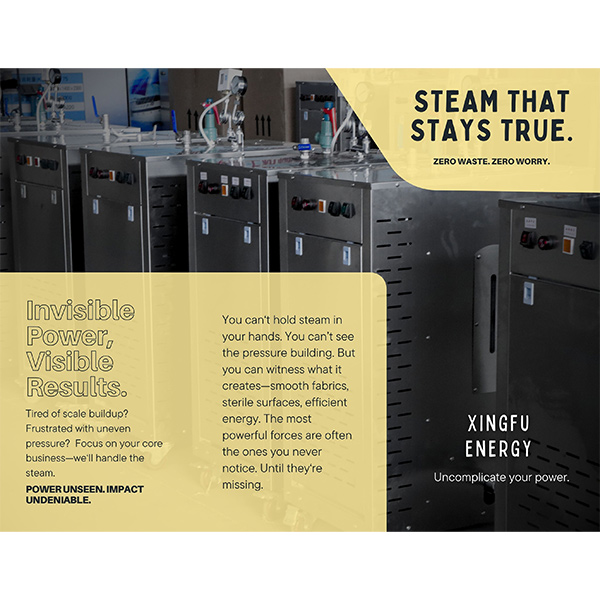
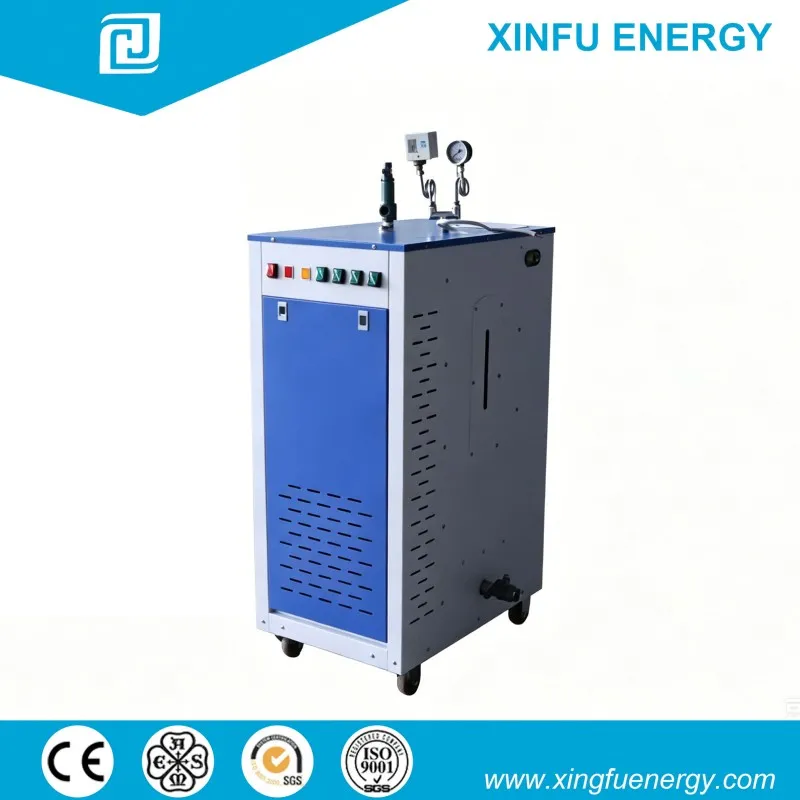
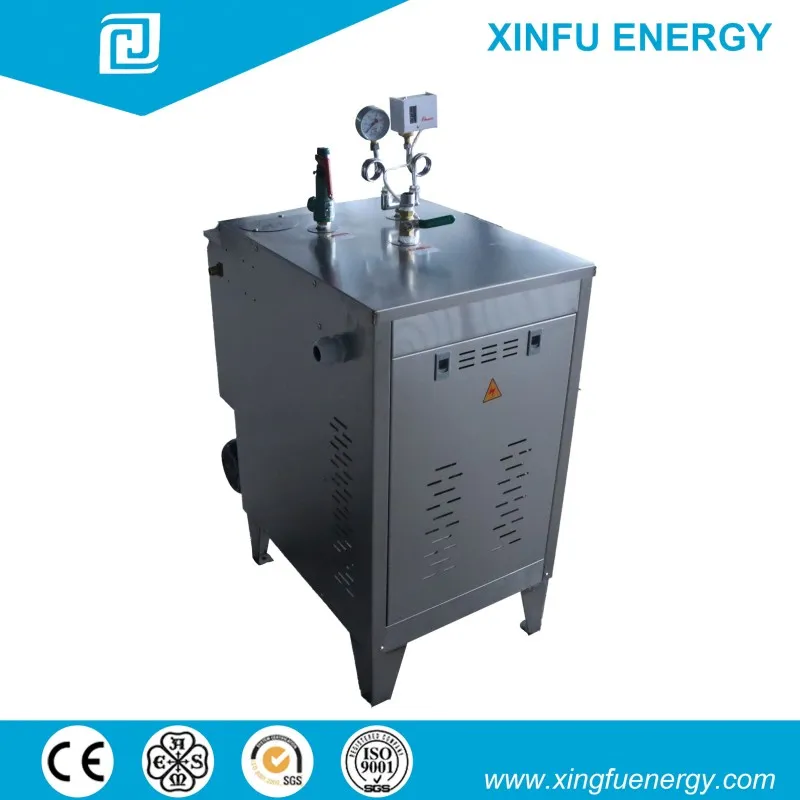
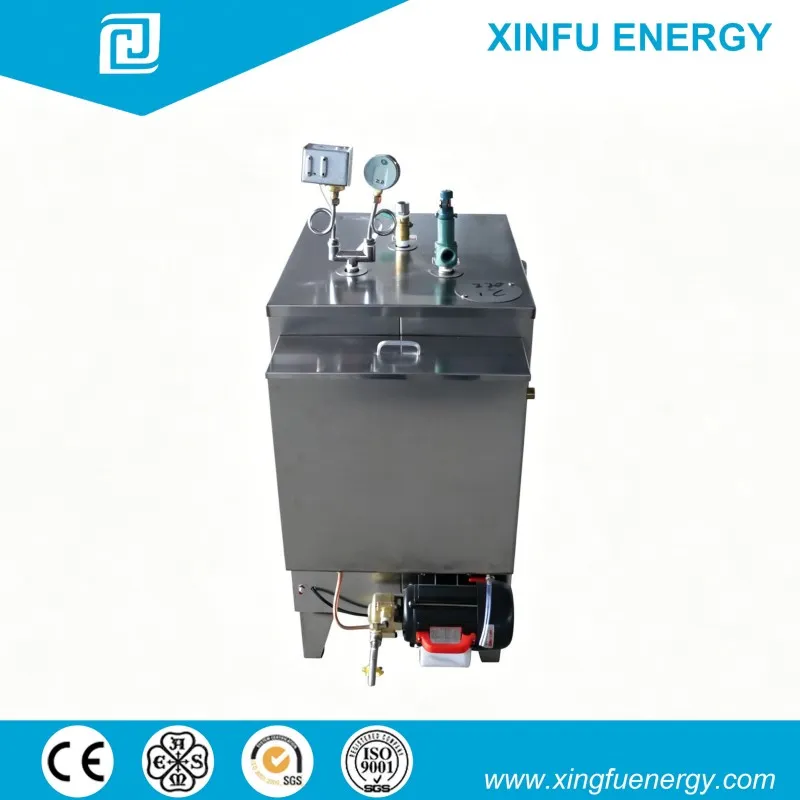
Looking for a reliable steam electric generator for sale in 2026? Our factory-direct solutions offer high-efficiency energy conversion for industrial plants, waste heat recovery systems, and remote power applications. We provide customized turbine-generator sets that transform thermal energy into stable electricity, reducing operational costs while meeting strict environmental standards. Whether you need a small-scale unit for cogeneration or a large-capacity system for base-load power, our engineering team delivers precision-built equipment with comprehensive technical support and competitive factory pricing.
What Is a Steam Electric Generator and How Does It Work?
A steam electric generator is a complex electromechanical system designed to convert thermal energy from steam into electrical energy. Unlike diesel or gas generators that rely on internal combustion, steam generators utilize external combustion or waste heat sources. This fundamental difference makes them ideal for industries where heat is a byproduct or where fuel flexibility is required.
The core principle involves heating water to produce high-pressure steam. This steam expands through a turbine, causing the rotor blades to spin at high speeds. The rotating turbine shaft is directly coupled to an alternator (generator). As the rotor spins within the stator’s magnetic field, electromagnetic induction occurs, producing alternating current (AC) electricity. This process is governed by Faraday’s Law of Induction and thermodynamic cycles, typically the Rankine cycle.
Key Components of the System
Understanding the anatomy of a steam electric generator is crucial for proper selection and maintenance. The system comprises several critical subsystems that must work in harmony:
Boiler or Heat Source: Generates the initial steam. This can be a dedicated boiler burning biomass, coal, or gas, or a Heat Recovery Steam Generator (HRSG) capturing waste heat from industrial processes.
Steam Turbine: The prime mover that converts thermal energy into mechanical rotational energy. Types include impulse turbines and reaction turbines, chosen based on pressure and flow requirements.
Alternator (Generator): Converts mechanical energy into electrical energy. It includes the rotor, stator, excitation system, and voltage regulator.
Condenser: Cools the exhaust steam back into water (condensate), creating a vacuum that improves turbine efficiency by maximizing the pressure drop across the blades.
Feedwater Pump: Returns the condensate to the boiler, completing the closed-loop cycle.
Control System: Modern units use PLC-based controllers to monitor speed, voltage, frequency, and temperature, ensuring safe and stable operation.
In 2026, advancements in materials science and digital control systems have significantly improved the part-load efficiency of these units. Modern designs allow for faster startup times and better responsiveness to grid fluctuations, making them more viable for hybrid renewable energy setups.
Why Choose Steam Electric Generators for Industrial Power?
When evaluating power generation options, facility managers and engineers often compare steam systems against traditional internal combustion engines. While diesel generators are common for emergency backup, steam electric generators offer distinct advantages for continuous or semi-continuous industrial applications.
Fuel Flexibility and Cost Efficiency
One of the most significant benefits is fuel agnosticism. A steam generator does not care what heats the water. You can use:
Biomass: Wood chips, agricultural waste, or bagasse.
Waste Heat: Exhaust from gas turbines, kilns, or furnaces.
Solar Thermal: Concentrated solar power systems.
Traditional Fuels: Natural gas, oil, or coal (where permitted).
This flexibility allows industries to utilize low-cost or free waste energy sources, drastically reducing the Levelized Cost of Energy (LCOE). For example, a cement plant can capture waste heat from clinker cooling to generate electricity, effectively turning a loss into a revenue stream.
High Reliability and Longevity
Steam turbines are robust machines with fewer moving parts compared to reciprocating engines. There are no pistons, valves, or complex lubrication systems subject to high-friction wear. Consequently, well-maintained steam turbines can operate for 20 to 30 years or more with major overhauls only required at long intervals. This longevity provides a superior return on investment for long-term projects.
Environmental Compliance
With tightening global emissions regulations in 2026, steam systems paired with clean heat sources or carbon capture technologies offer a pathway to compliance. When driven by biomass or waste heat, the carbon footprint is significantly lower than fossil-fuel-based generators. Additionally, steam systems operate more quietly than diesel engines, reducing noise pollution in urban or sensitive industrial zones.
Types of Steam Turbines for Electricity Generation
Selecting the right turbine type is critical for optimizing efficiency based on your specific steam conditions (pressure and temperature) and end-use requirements. The two primary categories are Condensing and Non-Condensing (Back Pressure) turbines.
Condensing Steam Turbines
Condensing turbines are designed to maximize electricity generation. They exhaust steam into a condenser where it is cooled and converted back into water. This creates a low-pressure vacuum at the turbine exit, allowing the steam to expand fully and extract the maximum amount of energy.
Best for: Applications where the primary goal is power generation and there is no immediate need for process steam. These are common in large utility-scale power plants and dedicated biomass power stations.
Non-Condensing (Back Pressure) Turbines
Also known as extraction or industrial turbines, these units exhaust steam at a pressure higher than atmospheric. This exhaust steam is not wasted; instead, it is directed to industrial processes such as heating, drying, sterilization, or chemical reactions.
Best for: Combined Heat and Power (CHP) or Cogeneration applications. Industries like paper mills, food processing, and textile manufacturing benefit immensely from this setup, as they utilize both the electricity and the thermal energy, achieving overall system efficiencies of up to 80-90%.
Extraction-Condensing Turbines
This hybrid type allows for some steam to be extracted at intermediate pressures for process use, while the remaining steam continues to expand to the condenser for power generation. This offers operational flexibility, allowing the plant to adjust the ratio of heat to power based on real-time demand.
Turbine Type
Primary Output
Efficiency Focus
Ideal Application
Condensing
Electricity
Maximize Power
Utility Grid, Biomass Power Plants
Back Pressure
Heat + Electricity
Maximize Thermal Use
Chemical Plants, Refineries, District Heating
Extraction-Condensing
Flexible Mix
Balanced Operation
Paper Mills, Food Processing, Sugar Industry
Industrial Applications and Use Cases
Steam electric generators are versatile and serve a wide range of sectors. Understanding how these systems integrate into different industrial workflows helps in identifying the right configuration for your needs.
Waste Heat Recovery (WHR)
In heavy industries such as steel, cement, and glass manufacturing, massive amounts of heat are lost through exhaust gases. Installing a Waste Heat Recovery Boiler coupled with a steam turbine generator allows these facilities to capture that wasted energy. In 2026, WHR systems are a standard requirement for new industrial plants aiming for energy certification. The generated electricity can power internal machinery, reducing reliance on the grid.
Biomass and Renewable Energy
Agricultural regions often have abundant biomass waste. Steam generators fueled by wood pellets, rice husks, or corn stover provide a sustainable power source for rural communities and agro-processing facilities. This decentralized power generation model enhances energy security and reduces transmission losses.
Combined Heat and Power (CHP) for District Heating
In colder climates, CHP plants using steam turbines provide both electricity to the grid and hot water/steam for residential and commercial heating. This dual-output model is highly efficient and economically viable, especially when supported by government incentives for green energy.
Marine and Offshore Applications
Larger vessels and offshore platforms sometimes utilize steam turbine systems, particularly those powered by nuclear energy or waste heat from large diesel engines. The reliability and smooth operation of steam turbines make them suitable for marine environments where vibration and maintenance access are concerns.
Technical Specifications: What to Look For in 2026
When requesting a quote for a steam electric generator for sale, you must define specific technical parameters. These factors determine the size, cost, and performance of the unit.
Power Output (kW/MW)
Units range from small micro-turbines generating 50 kW to massive multi-megawatt systems. Accurately calculating your base load and peak load requirements is essential. Oversizing leads to inefficient part-load operation, while undersizing risks system failure during peak demand.
Steam Inlet Conditions
The efficiency of the turbine is directly related to the pressure and temperature of the inlet steam. Higher parameters (e.g., 40 bar, 400°C) yield higher efficiency but require more expensive materials and boilers. Common industrial standards include:
Low Pressure: < 10 bar. Suitable for small-scale WHR.
Medium Pressure: 10–40 bar. Common in industrial CHP.
High Pressure: > 40 bar. Used in large utility applications.
Electrical Output Parameters
Ensure the generator matches your grid or load requirements:
Voltage: 400V, 6.3kV, 10.5kV, or higher.
Frequency: 50 Hz or 60 Hz, depending on your region.
Power Factor: Typically 0.8 lagging, adjustable via the excitation system.
Efficiency Ratings
Look for the Isentropic Efficiency of the turbine and the Overall Thermal Efficiency of the system. Modern high-efficiency turbines can achieve isentropic efficiencies of over 85%. However, remember that the total system efficiency depends heavily on the boiler and condenser performance.
Step-by-Step Guide to Selecting the Right Generator
Choosing the correct steam electric generator involves a systematic evaluation of your energy profile. Follow these steps to ensure optimal selection:
Step 1: Conduct an Energy Audit
Analyze your current energy consumption. Determine how much electricity you need and whether you have a simultaneous need for process heat or steam. Identify potential heat sources (waste gas, biomass availability, etc.).
Step 2: Define Steam Parameters
Based on your heat source, determine the available steam pressure and temperature. If you are installing a new boiler, decide on the optimal steam parameters based on cost-benefit analysis. Higher pressure increases efficiency but also capital cost.
Step 3: Choose the Turbine Configuration
Decide between condensing, back pressure, or extraction-condensing based on your heat-to-power ratio. If you need mostly power, go condensing. If you need mostly heat, go back pressure.
Step 4: Evaluate Site Constraints
Consider space limitations, cooling water availability (for the condenser), and grid connection requirements. Air-cooled condensers may be necessary in water-scarce regions, though they are less efficient than water-cooled versions.
Step 5: Request Detailed Proposals
Contact manufacturers with your data. Ask for a detailed performance curve, not just a single point efficiency. Review the scope of supply, including auxiliary systems like oil stations, control panels, and piping.
Maintenance and Operational Best Practices
To ensure longevity and consistent performance, adhering to a strict maintenance schedule is non-negotiable. Steam turbines are precise machines; even minor issues can lead to significant downtime.
Routine Inspections
Vibration Monitoring: Regularly check bearing vibrations. Increased vibration can indicate misalignment, blade imbalance, or bearing wear.
Lube Oil Analysis: Monitor oil quality for contamination, viscosity changes, and acidity. Clean oil is vital for bearing life.
Steam Quality: Ensure dry, clean steam enters the turbine. Wet steam causes erosion of turbine blades, while impurities cause scaling and corrosion.
Periodic Overhauls
Schedule major inspections every 3-5 years, depending on operating hours. This involves opening the casing to inspect blades, nozzles, and seals for erosion or deposits. Replace worn seals to maintain efficiency.
Condenser Maintenance
The condenser’s performance dictates the vacuum level. Regularly clean condenser tubes to prevent fouling, which reduces heat transfer efficiency. Check for air leaks in the vacuum system, as air ingress severely impacts performance.
Control System Updates
In 2026, digital twin technology and predictive maintenance algorithms are becoming standard. Integrating your generator with IoT sensors allows for real-time monitoring of thermal stresses and efficiency trends, enabling proactive maintenance before failures occur.
Common Mistakes to Avoid When Buying
Purchasing a steam electric generator is a significant capital investment. Avoid these common pitfalls to protect your ROI:
Ignoring Part-Load Performance: Many generators are efficient only at full load. If your demand fluctuates, ensure the unit performs well at 50-70% load.
Underestimating Auxiliary Power Consumption: Pumps, fans, and control systems consume electricity. Calculate net power output, not just gross generation.
Neglecting Water Treatment: Poor water quality leads to boiler scaling and turbine corrosion. Invest in high-quality water treatment systems.
Overlooking Installation Costs: The generator unit is only part of the cost. Piping, civil works, electrical integration, and commissioning can add 30-50% to the project budget.
Choosing Based on Price Alone: Cheaper units often use inferior materials that degrade quickly under high temperatures. Prioritize reputable manufacturers with proven track records.
FAQ: Frequently Asked Questions About Steam Electric Generators
How much does a steam electric generator cost in 2026?
The cost varies widely based on capacity and complexity. Small industrial units (500 kW – 1 MW) may start from $50,000 to $100,000 for the turbine-generator set alone. Larger multi-megawatt systems can cost millions. Note that this excludes the boiler, condenser, and installation. Factory-direct pricing can reduce costs by 15-20% compared to distributors.
Can I use a steam generator for off-grid power?
Yes, steam generators can operate in island mode (off-grid). However, you need a robust control system to manage frequency and voltage stability without grid support. Load balancing is critical; sudden load changes can cause trips if not managed properly.
What is the typical lifespan of a steam turbine generator?
With proper maintenance, a steam turbine generator can last 25 to 30 years. Some units in utility plants have operated for over 40 years. The alternator may require rewinding or refurbishment earlier, but the turbine itself is extremely durable.
How efficient is a steam electric generator?
Standalone steam cycle efficiency ranges from 20% to 40%, depending on steam parameters. However, in Cogeneration (CHP) applications, overall system efficiency can exceed 80% because the waste heat is utilized for process needs.
Do steam generators require a lot of water?
Yes, water is the working fluid. In a closed loop, water loss is minimal (mainly due to blowdown and leaks). However, the condenser requires a cooling medium. Water-cooled condensers are efficient but consume water. Air-cooled condensers save water but are less efficient and more expensive upfront.
Is it difficult to start up a steam generator?
Startup is slower than gas or diesel generators. It involves warming up the boiler, raising steam pressure, and gradually warming the turbine to prevent thermal shock. A cold start can take several hours. Modern systems with automated controls have reduced this time, but it remains a consideration for emergency power applications.
Comparison: Steam vs. Gas Turbine Generators
When deciding between steam and gas turbines, consider the following differences:
Feature
Steam Turbine Generator
Gas Turbine Generator
Fuel Source
Flexible (Coal, Biomass, Waste Heat, Nuclear)
Limited (Natural Gas, Diesel, Syngas)
Startup Time
Slow (Hours)
Fast (Minutes)
Maintenance
Low frequency, high complexity
High frequency, modular replacement
Efficiency (Simple Cycle)
Lower (20-35%)
Higher (30-40%)
Cogeneration Potential
Excellent (High-grade steam)
Good (Exhaust heat)
Lifespan
25+ Years
15-20 Years
For industrial facilities with steady heat demands or access to low-cost solid fuels, steam turbines remain the superior choice. For peaking power or remote locations with gas access, gas turbines may be more appropriate.
Factory Direct Advantages: Why Buy From Qingdao Xingfu Energy Equipment?
As a direct manufacturer, we eliminate middlemen, offering you genuine factory prices for your steam electric generator needs. Our partner, Qingdao Xingfu Energy Equipment Ltd., is a high-tech enterprise founded in 2010 and headquartered in Qingdao, China. With over 14 years of continuous industry experience, we have established a stable position among domestic and international energy equipment suppliers, exporting to more than 30 countries including Indonesia, Korea, Poland, and Spain.
Vertical Integration and Manufacturing Excellence
Unlike assemblers, we operate as a vertically integrated manufacturer. Our production base covers 70,500 square meters, including 21,000 square meters of dedicated workshops. We hold manufacturing licenses for Class B boilers and Class 1 and 2 pressure containers, ensuring that every component—from the boiler to the pressure vessels—meets rigorous safety standards. Our products are ISO 9001 and CE certified, confirming compliance with European quality and safety requirements.
Expert Engineering Team
Quality begins with people. Of our 228 employees, 78 are technical experts, including 28 specialized engineers. This strong technical backbone allows us to provide deep manufacturing and engineering expertise, combining traditional capabilities with continuous technological innovation. Whether you need compact S-Series automation solutions, intelligent steam boilers with fast steam capabilities, or purpose-built solutions for textile and industrial heating systems, our team ensures complete cycle solution development.
Commitment to Sustainability and Quality
All our equipment is constructed from high-grade stainless steel and designed to meet strict environmental safety requirements, achieving zero emissions during operation. Our key business focuses on improving energy efficiency and reliability, simplifying integration with existing engineering systems. From used tire and plastic heat-solving systems to biomass burners and gasification devices, we provide a complete range of industrial energy solutions.
Comprehensive After-Sales Support
We adhere to the principle of long-term partnerships. Our service doesn’t end at delivery; we provide technical support during the design phase, equipment selection consulting, installation supervision, and test run assistance. Our global support network ensures that spare parts and technical expertise are available throughout the entire operation period, reflecting our philosophy of quality responsibility and transparency.
Conclusion: Secure Your Energy Future with High-Efficiency Steam Power
Investing in a steam electric generator for sale is a strategic move for industries seeking energy independence, cost reduction, and sustainability. In 2026, the technology is more efficient, flexible, and reliable than ever before. By leveraging waste heat or renewable biomass, you can transform thermal energy into valuable electricity, enhancing your operational resilience and environmental profile.
Whether you are upgrading an existing plant or designing a new cogeneration facility, choosing the right partner is crucial. Partnering with Qingdao Xingfu Energy Equipment ensures you receive premium quality equipment backed by over a decade of manufacturing excellence, expert engineering support, and a commitment to sustainable development.
Ready to optimize your power generation?
Contact our engineering team today for a customized proposal. Provide your steam parameters and power requirements, and we will recommend the ideal configuration for your project.