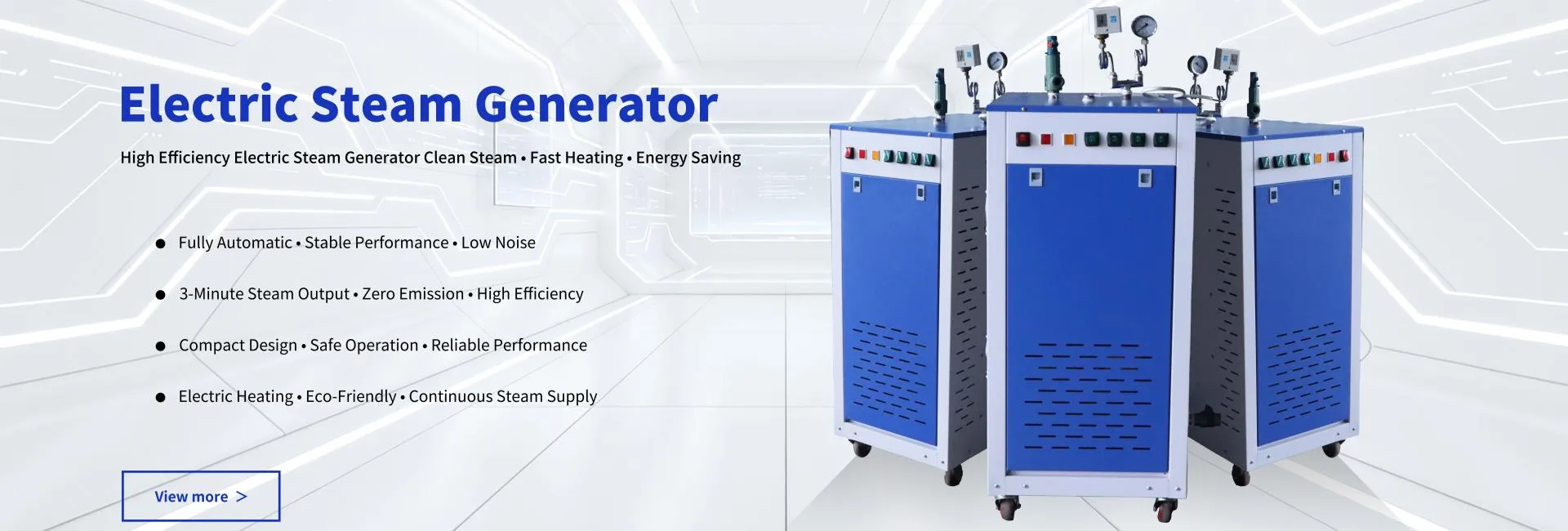
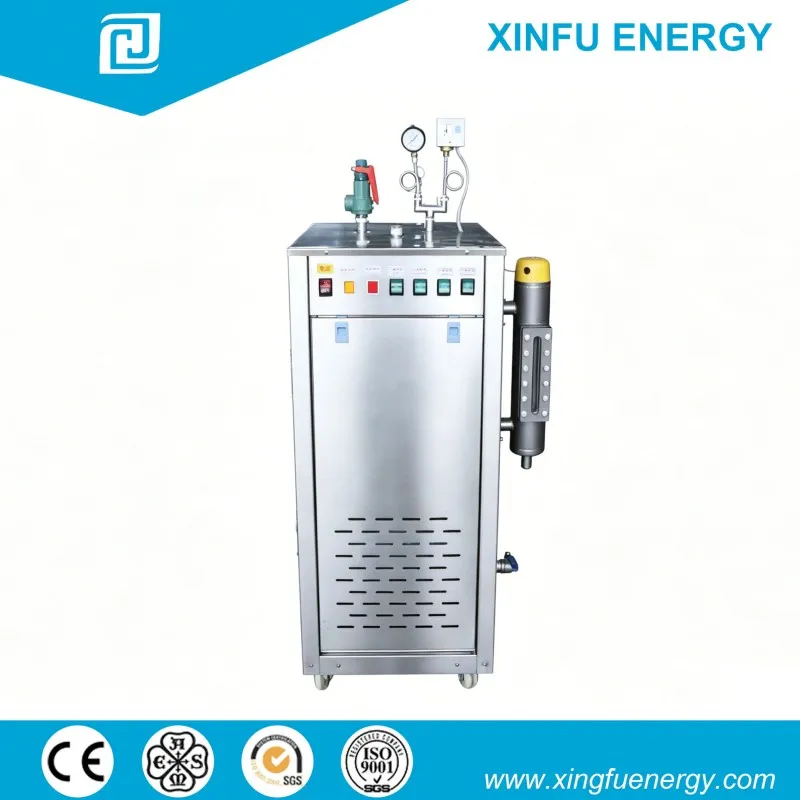
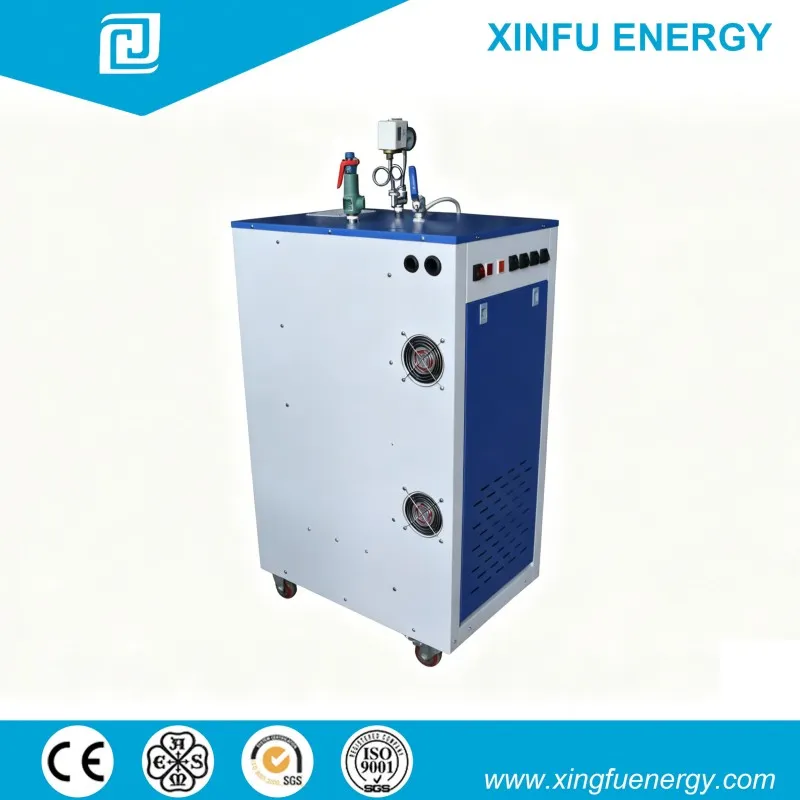
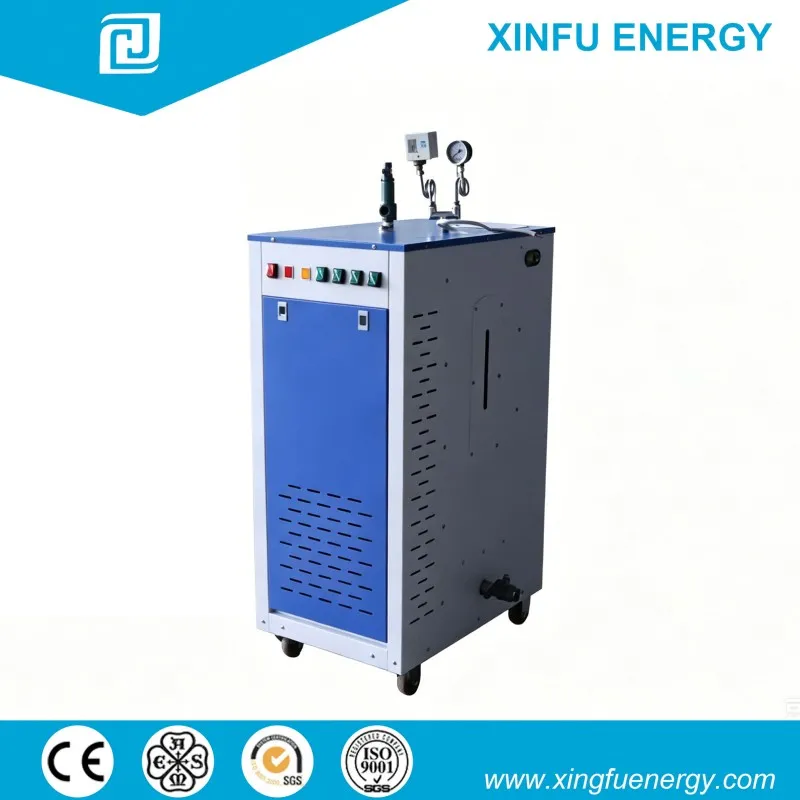
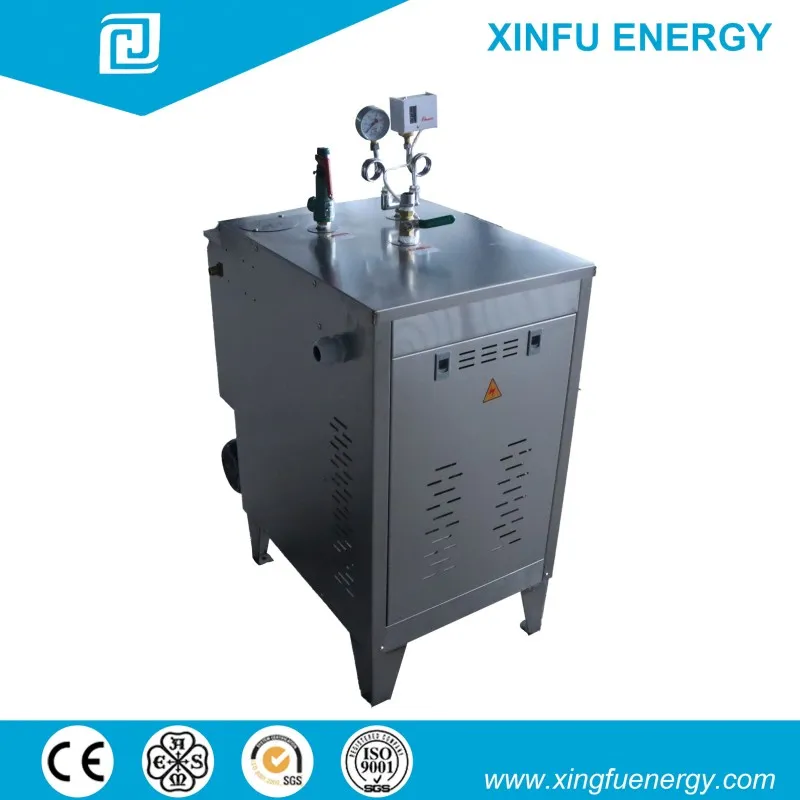
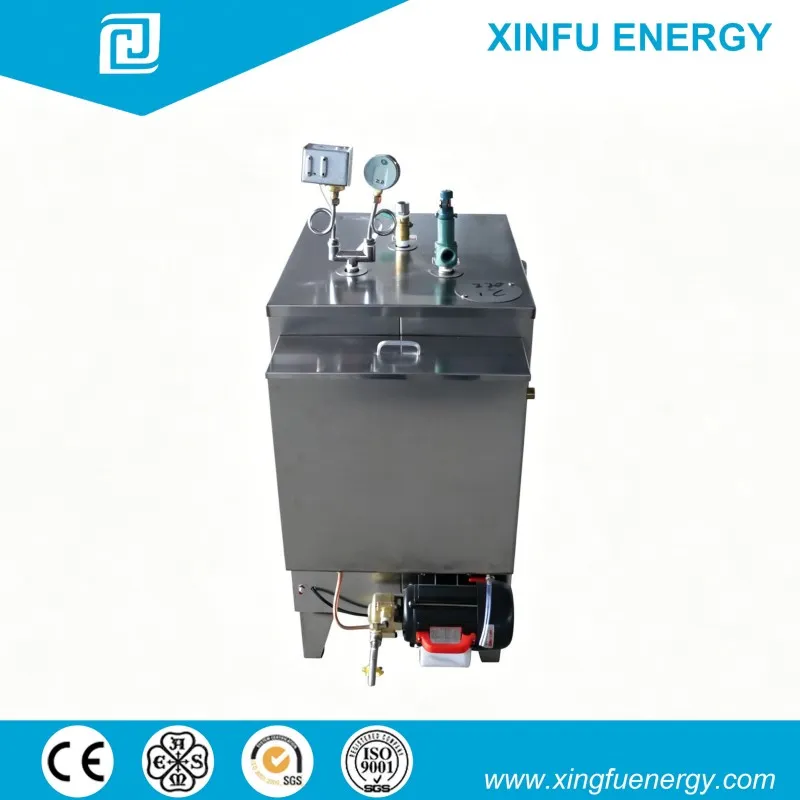
An electric clean steam generator is a specialized industrial system designed to produce pure, pyrogen-free steam using electrical heating elements rather than combustion. In 2026, these units are critical for pharmaceutical manufacturing, semiconductor fabrication, and high-purity food processing where contamination risks from fuel-based boilers are unacceptable. Unlike traditional boilers, electric clean steam generators utilize double-walled heat exchangers or direct electrode heating to ensure that the generated steam contains no chemical additives, dissolved solids, or particulate matter. This guide details current pricing structures, supplier selection criteria, technical specifications, and operational best practices for industrial buyers seeking compliant, efficient, and reliable clean steam solutions.
What Is an Electric Clean Steam Generator?
An electric clean steam generator is a purpose-built vessel that converts purified water (typically Water for Injection or Pure Steam Condensate) into saturated steam using electricity as the energy source. The term “clean” refers to the quality of the steam, which must meet strict pharmacopoeial standards such as USP <1231>, EP 2.4.19, or ASME BPE guidelines.
The core distinction lies in the separation of the heating medium from the process fluid. In many designs, high-purity water is heated indirectly via a sterile barrier, ensuring that even if a leak occurs, no foreign substances enter the steam line. In direct-heating models, high-grade electrodes interact directly with the water, requiring ultra-high conductivity control but offering faster response times.
Key Characteristics of Clean Steam Systems
Purity Compliance: Produces steam free from non-condensable gases, endotoxins, and particulates.
Material Construction: Built entirely from electropolished stainless steel (usually 316L) to prevent corrosion and bacterial harborage.
No Combustion Byproducts: Eliminates the risk of carbon monoxide, nitrogen oxides, or sulfur residues associated with gas or oil boilers.
Precise Control: Advanced PLC systems regulate pressure and temperature with high accuracy, essential for sterilization cycles (SIP).
2026 Industrial Price Guide & Cost Analysis
Pricing for electric clean steam generators in 2026 varies significantly based on capacity, automation level, and certification requirements. Buyers should not look solely at the upfront equipment cost but must consider the Total Cost of Ownership (TCO), including installation, validation, and energy consumption.
Price Ranges by Capacity (Estimated 2026 Market Rates)
The following table provides a realistic price bracket for standard industrial units. Note that custom-engineered systems for large-scale pharmaceutical plants may exceed these ranges.
Capacity (kg/h)
Power Rating (kW)
Estimated Price Range (USD)
Typical Application
50 – 100 kg/h
30 – 70 kW
$15,000 – $25,000
Laboratory autoclaves, small pilot plants
200 – 500 kg/h
150 – 350 kW
$30,000 – $55,000
Mid-sized pharmaceutical lines, biotech reactors
600 – 1,000 kg/h
450 – 750 kW
$60,000 – $95,000
Large sterilization tunnels, bulk API production
1,500+ kg/h
1,000+ kW
$100,000+
Industrial scale food processing, hospital central supply
Factors Influencing Final Cost
Validation Documentation: Systems requiring full IQ/OQ/PQ (Installation/Operational/Performance Qualification) packages command a premium due to the engineering hours involved.
Control System Complexity: Integration with SCADA systems, remote monitoring, and data logging for FDA 21 CFR Part 11 compliance adds to the software cost.
Material Finish: Electropolishing to Ra < 0.4 µm is standard for high-purity applications, increasing manufacturing costs compared to mechanically polished units.
Redundancy Features: Dual-element designs or backup power interfaces increase reliability but also raise the initial investment.
How Electric Clean Steam Generators Work
Understanding the operational mechanism is crucial for proper sizing and maintenance. The process generally follows three stages: feed water preparation, heat exchange, and steam distribution.
Step-by-Step Operational Logic
Feed Water Intake: Purified water (PW) or Water for Injection (WFI) enters the pre-heater stage. Conductivity and temperature are monitored continuously.
Pre-Heating: The water is pre-heated using recovered condensate or electric pre-heaters to improve energy efficiency and reduce thermal shock.
Vaporization:
Indirect Heating: Water flows through tubes while high-pressure plant steam or electric heaters warm the shell side. A physical barrier separates the heating source from the clean steam.
Direct Electrode Heating: Electrodes submerged in the water pass current directly through the fluid. The water’s resistance generates heat, causing immediate flash evaporation. This method is highly efficient but requires precise water conductivity management.
Separation: The steam-water mixture enters a separator cyclone. Centrifugal force removes entrained water droplets, ensuring only dry, saturated steam exits.
Distribution: The clean steam is delivered to the point of use at controlled pressure and temperature, typically passing through a sterile filter if required by specific process constraints.
Technical Specifications & Selection Criteria
Selecting the right electric clean steam generator requires matching technical parameters to your facility’s infrastructure and process needs. In 2026, energy efficiency regulations have tightened, making power density and insulation quality key decision factors.
Critical Parameters to Evaluate
Steam Quality Standards: Ensure the unit meets EN 285 for sterilization or HTM 01-01 for healthcare applications. For pharma, verify compliance with USP Class VI materials.
Turn-down Ratio: A high turn-down ratio (e.g., 10:1) allows the generator to operate efficiently at low loads without cycling on and off frequently, which extends component life.
Response Time: Electric systems generally offer faster startup times than fossil-fuel boilers. Look for units that reach operating pressure within 15-20 minutes.
Blowdown Requirements: Automated blowdown systems help control total dissolved solids (TDS). Frequency and volume impact water usage and wastewater treatment costs.
Comparison: Indirect vs. Direct Heating Technologies
Feature
Indirect Heating (Heat Exchanger)
Direct Electrode Heating
Purity Risk
Very Low (Physical barrier)
Low (Depends on water quality)
Efficiency
90-95%
98-99%
Maintenance
Higher (Gasket replacement, leak checks)
Lower (No moving parts, electrode cleaning)
Footprint
Larger due to heat exchanger size
Compact design
Cost
Higher initial CAPEX
Lower initial CAPEX, higher OPEX sensitivity to water quality
Top Industrial Applications in 2026
The demand for electric clean steam is driven by industries where product safety and process integrity are paramount. As sustainability goals become stricter, companies are shifting away from gas-fired boilers for critical processes.
Pharmaceutical & Biotechnology
In pharma, clean steam is used for Sterilization-in-Place (SIP) of bioreactors, filtration systems, and piping networks. It is also essential for autoclaving waste and manufacturing tools. The absence of endotoxins is non-negotiable here, as contamination can ruin entire batches of vaccines or biologics.
Semiconductor Manufacturing
Semiconductor fabs use clean steam for wafer cleaning and oxidation processes. Any particulate matter or ionic contamination can cause micro-defects in chips. Electric generators provide the ultra-high purity steam required for nanometer-scale fabrication.
Food & Beverage Processing
High-end food processing, particularly in dairy and ready-to-eat meals, uses clean steam for direct injection heating or package sterilization. Unlike culinary steam, clean steam ensures no boiler chemicals taint the food product, aligning with clean-label trends.
Hospital & Healthcare Sterilization
Central Sterile Services Departments (CSSD) rely on clean steam for surgical instrument sterilization. Electric generators are preferred in urban hospitals due to zero local emissions and quieter operation compared to gas boilers.
Supplier Selection Strategy: How to Choose the Right Partner
Choosing a supplier for an electric clean steam generator is a long-term partnership decision. In 2026, the market is fragmented, with many assemblers lacking deep engineering expertise. Buyers must vet suppliers rigorously to ensure they are partnering with a manufacturer that combines technical precision with robust production capabilities.
Industry Spotlight: Qingdao Xingfu Energy Equipment Ltd.
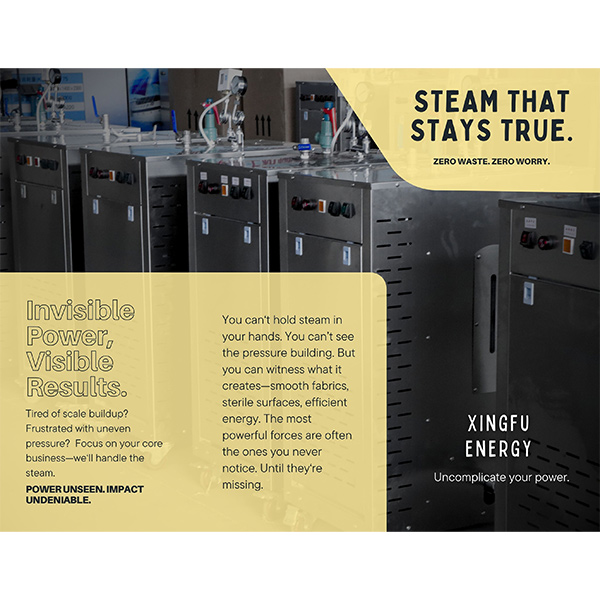
As an example of a vertically integrated manufacturer meeting modern industry demands, Qingdao Xingfu Energy Equipment Ltd. illustrates the level of expertise required for high-quality steam generation. Founded in 2010 and headquartered in Qingdao, China, Xingfu has evolved into a significant player in the global energy equipment market, exporting to over 30 countries including markets in Europe and Asia.
What sets manufacturers like Xingfu apart is their comprehensive approach to quality and engineering. With a 70,500 square meter production base and a workforce where over 21% are technical experts, the company emphasizes in-house design and rigorous testing. Their S-Series automation solutions, for instance, focus on compact, fully automated electric steam generators that meet strict environmental safety requirements and achieve zero emissions. For buyers, verifying that a supplier possesses such credentials—including ISO 9001 and CE certifications, as well as specific manufacturing licenses for pressure containers—is crucial for ensuring long-term reliability and compliance.
Key Evaluation Criteria
Engineering Capability: Does the supplier perform in-house design and testing? Avoid traders who outsource all engineering. Ask for evidence of CFD (Computational Fluid Dynamics) analysis for their separator designs.
Compliance Track Record: Request case studies where their equipment passed FDA or EMA audits. A reputable supplier will provide template validation documents (IQ/OQ) as part of the package.
After-Sales Support: Clean steam generators require regular maintenance. Verify the availability of spare parts (heating elements, sensors, gaskets) and the response time for technical support.
Customization Flexibility: Standard units rarely fit perfectly into existing plant layouts. The supplier should offer custom skid designs, pipe orientations, and control panel integrations.
Red Flags to Avoid
Suppliers who cannot provide detailed material certificates (3.1B) for stainless steel components.
Lack of transparency regarding energy consumption data at partial loads.
Absence of a dedicated quality assurance team for welding inspections (borescope records).
Installation & Commissioning Best Practices
Proper installation is critical to maintaining steam purity. Even the best generator will fail if connected to contaminated piping or operated incorrectly.
Pre-Installation Checklist
Water Quality Verification: Test the feed water conductivity and hardness. Install pre-treatment filters if necessary to protect heating elements.
Electrical Infrastructure: Ensure the facility’s transformer can handle the inrush current during startup. Harmonic filters may be required for large electrode units.
Piping Slope: All steam distribution pipes must slope downwards (minimum 1:100) towards drain points to prevent condensate accumulation and water hammer.
Commissioning Steps
Leak Testing: Perform pneumatic and hydrostatic tests to ensure system integrity.
Passivation: Chemically passivate all wetted surfaces to remove free iron and enhance corrosion resistance.
Sanitization Cycle: Run multiple blowdown and steam-out cycles to remove any residual manufacturing oils or particulates.
Quality Sampling: Collect condensate samples for testing against conductivity, pH, and endotoxin limits before releasing the system for production use.
Maintenance & Troubleshooting Guide
Regular maintenance ensures longevity and consistent steam quality. Neglecting maintenance can lead to scaling, element failure, or purity breaches.
Routine Maintenance Schedule
Daily: Check pressure gauges, temperature readings, and conduct automatic blowdowns. Inspect for visible leaks.
Weekly: Test safety valves manually. Verify conductivity sensor calibration.
Monthly: Inspect heating elements for scale buildup. Clean or replace inlet water filters.
Annually: Perform a thorough internal inspection. Replace gaskets and seals. Re-validate critical sensors and controls.
Common Issues & Solutions
Problem
Possible Cause
Solution
High Conductivity in Steam
Carryover of water droplets; Failed separator
Check separator cyclone; Reduce load; Inspect demister pad
Slow Pressure Build-up
Scaling on heating elements; Low feed water temp
Descale elements; Check pre-heater function
Frequent Safety Valve Lifting
Pressure switch malfunction; Blocked vent
Calibrate pressure switch; Clear vent lines
Corrosion in Piping
Non-condensable gases; Poor material grade
Install air vents; Verify 316L stainless steel usage
Energy Efficiency & Sustainability in 2026
With rising electricity costs and carbon taxes, energy efficiency is a top priority. Modern electric clean steam generators incorporate several features to minimize operational expenses.
Heat Recovery Systems
Advanced units integrate heat exchangers to capture energy from blowdown water and condensate return. This pre-heats the incoming feed water, reducing the electrical load required for vaporization by up to 20%.
Smart Control Algorithms
AI-driven controllers predict steam demand based on historical usage patterns. They adjust heating output proactively rather than reactively, avoiding energy spikes and maintaining stable pressure. This “predictive modulation” is a standard feature in high-end 2026 models.
Carbon Footprint Reduction
Switching from gas to electric steam generation eliminates Scope 1 emissions at the facility level. When paired with renewable energy sources (solar or wind), the entire sterilization process can become carbon-neutral, supporting corporate ESG (Environmental, Social, and Governance) goals.
Frequently Asked Questions (FAQ)
What is the difference between clean steam and pure steam?
While often used interchangeably, “pure steam” typically refers to steam generated from distilled water or reverse osmosis water, meeting pharmacopoeial standards for injectables. “Clean steam” is a broader term that may include steam used for non-product contact sterilization. However, in high-regulated industries, both must meet similar purity profiles regarding endotoxins and conductivity.
Can I use tap water in an electric clean steam generator?
No. Tap water contains minerals, chlorine, and impurities that will cause rapid scaling, corrosion, and contamination of the steam. You must use purified water (PW) or water for injection (WFI) as feed water to ensure system integrity and steam quality.
How long does it take to validate a new steam generator?
Validation timelines vary by facility complexity but typically range from 4 to 8 weeks. This includes IQ (Installation Qualification), OQ (Operational Qualification), and PQ (Performance Qualification). Working with a supplier who provides pre-validated templates can significantly accelerate this process.
Is electric steam generation more expensive than gas?
Per unit of energy, electricity is often more expensive than natural gas. However, electric generators have higher thermal efficiency (near 100% vs. 80-85% for gas), lower maintenance costs (no burners, flues, or fuel storage), and zero local emission compliance costs. For smaller to mid-sized applications, the TCO is often competitive or favorable for electric systems.
What certifications should I look for?
Look for ASME Boiler and Pressure Vessel Code certification (Section I or VIII), CE marking (for Europe), and compliance with PED (Pressure Equipment Directive). For pharmaceutical use, ensure materials comply with USP Class VI and FDA CFR Title 21 requirements.
Conclusion: Making the Right Investment for 2026
Investing in an electric clean steam generator is a strategic decision that impacts product quality, regulatory compliance, and operational sustainability. In 2026, the technology has matured to offer high reliability, precise control, and improved energy efficiency. By focusing on total cost of ownership, validation support, and supplier expertise, industrial buyers can secure a system that meets rigorous purity standards while minimizing environmental impact.
Whether you are upgrading an existing pharmaceutical line or designing a new semiconductor facility, selecting the right capacity and technology type is crucial. Prioritize suppliers who demonstrate deep engineering knowledge and a commitment to long-term support.
Ready to optimize your steam generation system?
For detailed technical specifications, custom sizing calculations, or a personalized quote for your facility, contact our engineering team today. We provide comprehensive solutions tailored to your specific purity and capacity requirements.