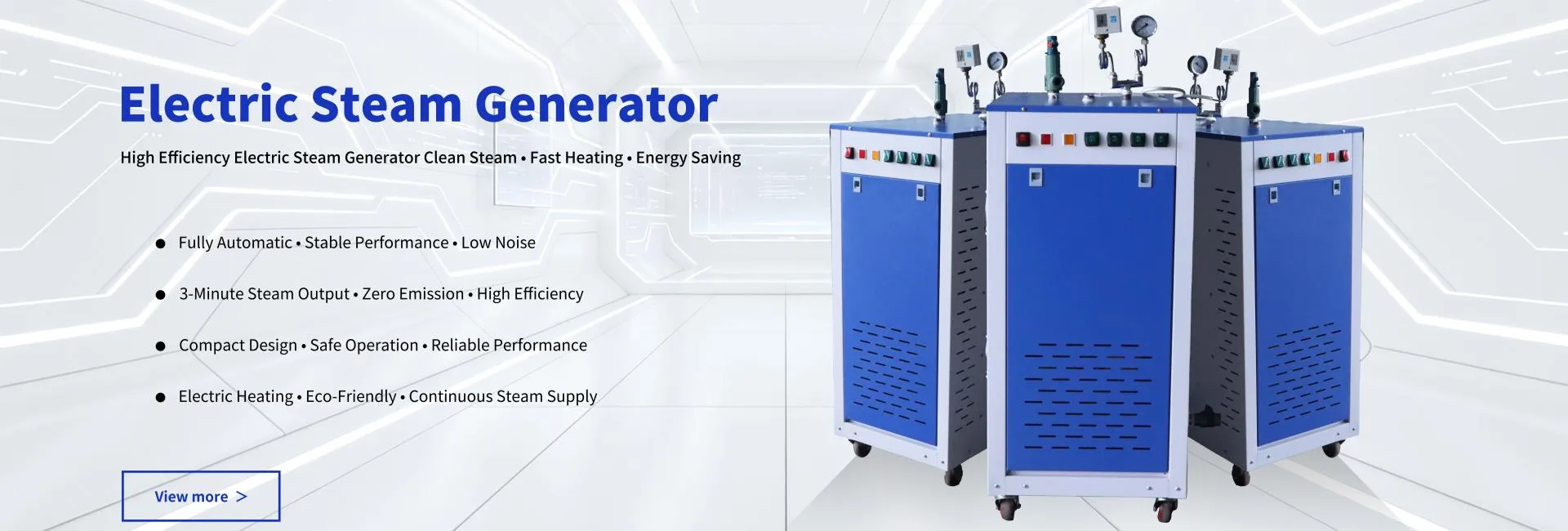
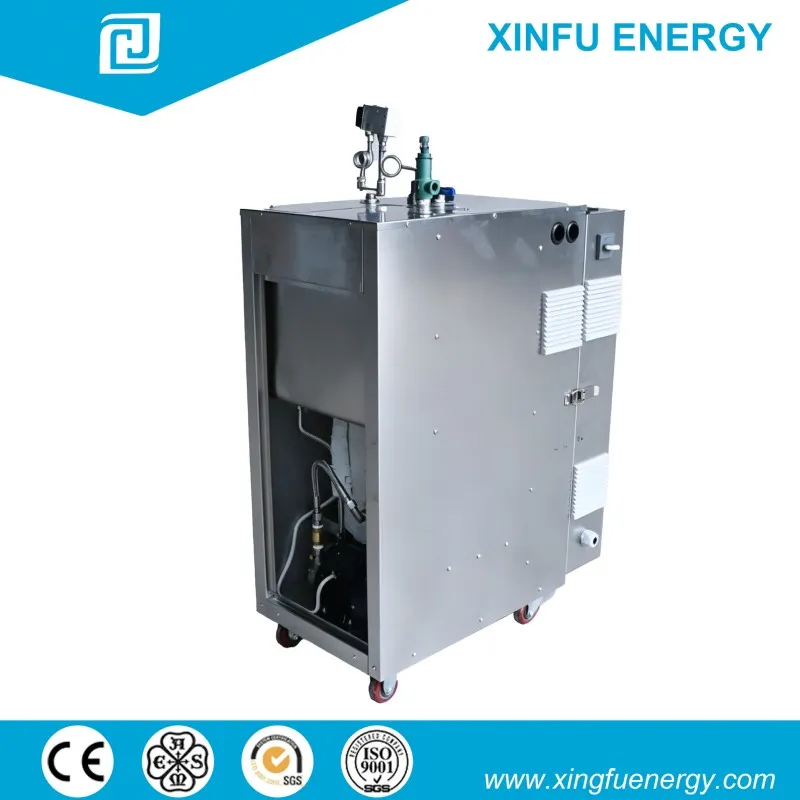
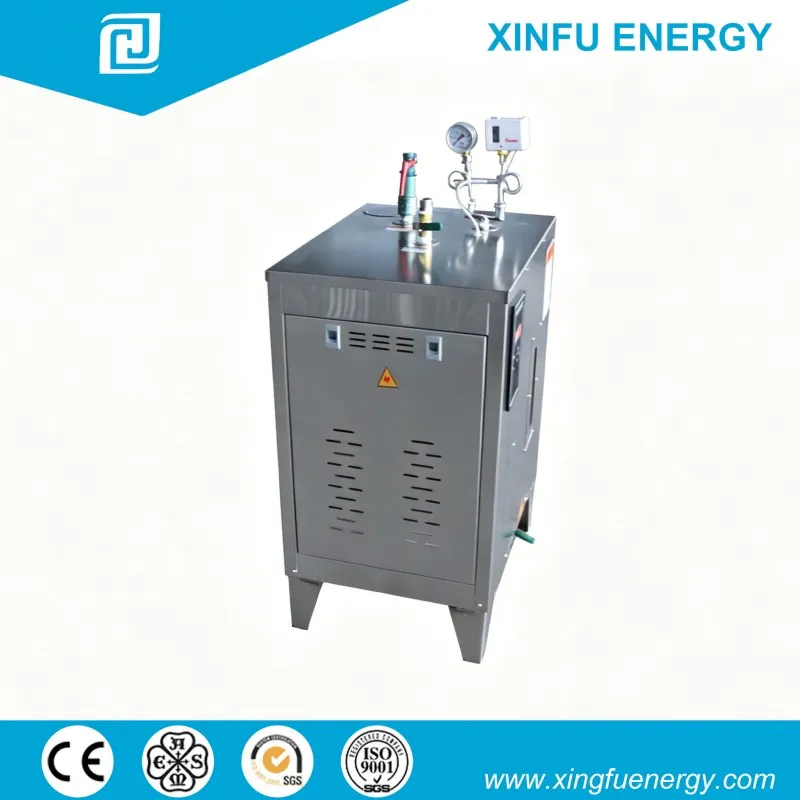
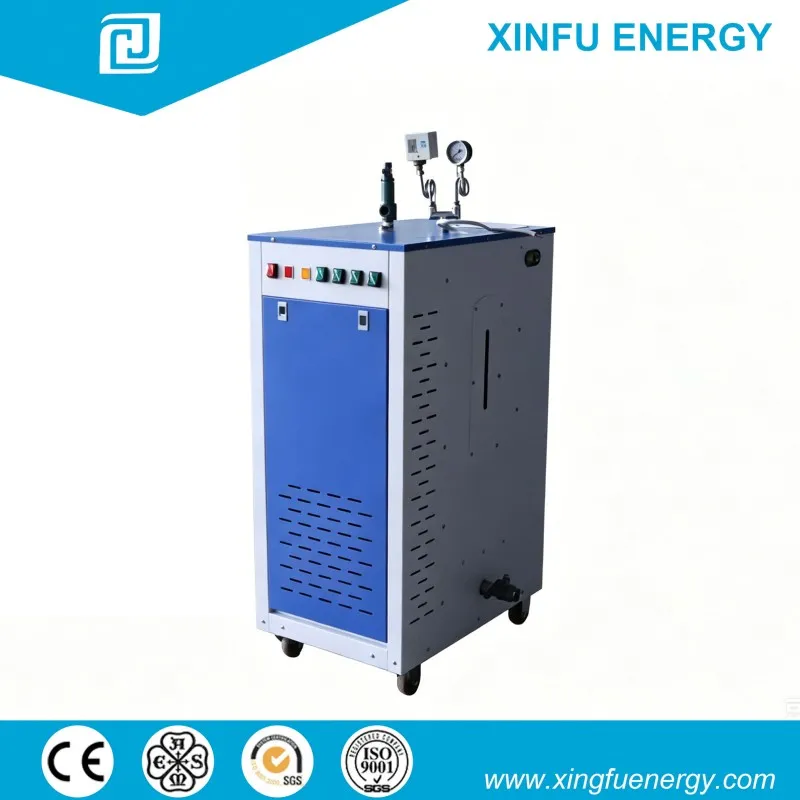
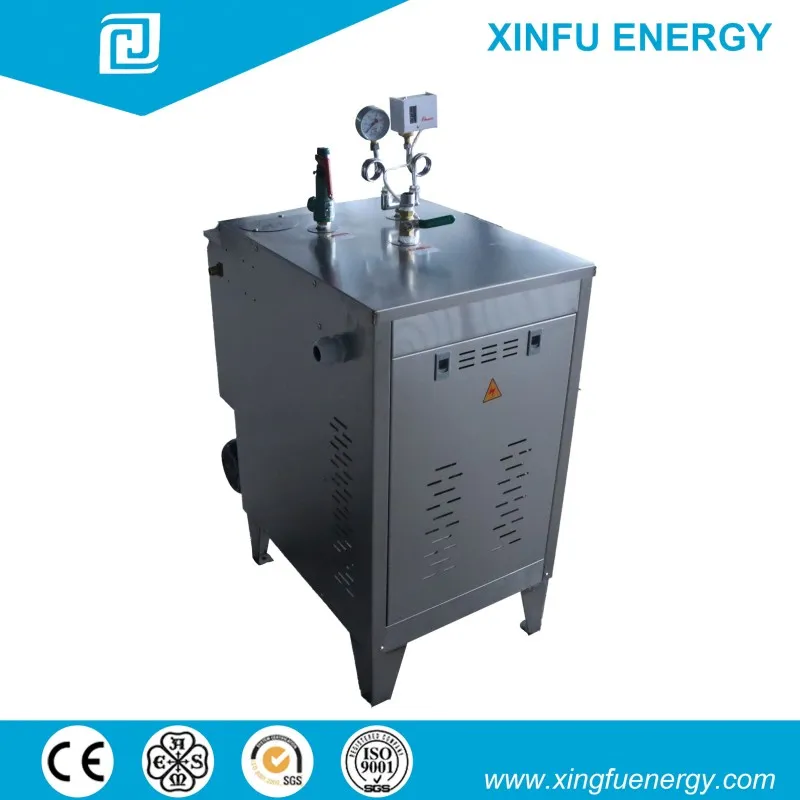
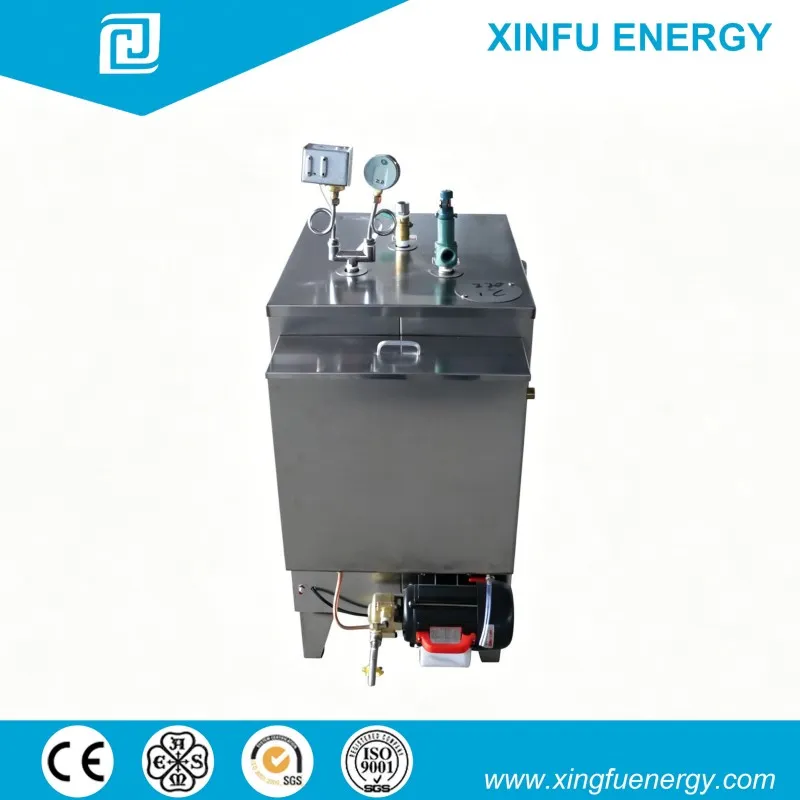
An electric steam generator for food processing is a compact, high-efficiency boiler system designed to produce saturated steam using electrical heating elements. Unlike traditional fossil-fuel boilers, these units offer precise temperature control, zero onsite emissions, and rapid startup times, making them ideal for sterilization, cooking, and cleaning in modern food manufacturing facilities. In 2026, factory-direct pricing models have reduced acquisition costs by eliminating intermediary markups, allowing small-to-medium enterprises (SMEs) to access industrial-grade steam solutions with lower total cost of ownership (TCO).
Why Electric Steam Generators Are Replacing Traditional Boilers in Food Processing
The food processing industry faces increasing pressure to reduce carbon footprints while maintaining strict hygiene standards. Traditional gas or oil-fired boilers often struggle with fluctuating fuel prices, complex emission compliance, and inconsistent steam quality. Electric steam generators address these pain points through direct resistance heating or electrode technology, converting nearly 100% of electrical energy into thermal energy.
In 2026, the shift toward electrification in industrial kitchens and processing plants is driven by three core factors:
Regulatory Compliance: Stricter environmental laws in North America and Europe penalize onsite combustion emissions. Electric units produce zero NOx, SOx, or particulate matter.
Operational Precision: Food safety protocols require exact temperature maintenance during pasteurization and sterilization. Electric systems respond to load changes in seconds, ensuring stable steam pressure.
Space Efficiency: Modular electric generators have a footprint up to 70% smaller than conventional boiler rooms, freeing up valuable production floor space.
This transition is not merely about environmental ethics; it is an economic imperative. With volatile natural gas markets, electricity sourced from renewable grids offers more predictable long-term operating costs. Furthermore, the elimination of fuel storage tanks and exhaust stacks simplifies facility design and reduces insurance premiums.
Core Technology: How Electric Steam Generation Works
Understanding the mechanical and electrical principles behind these units is essential for proper selection and operation. Most food-grade electric steam generators utilize one of two primary heating methods: resistance heating or electrode heating.
Resistance Heating Elements
Resistance heaters are the most common type for small to medium-capacity applications (up to 500 kW). They function similarly to large-scale immersion heaters. Stainless steel or Incoloy alloy elements are submerged directly into the water chamber. When an electrical current passes through the element, resistance generates heat, which transfers directly to the water.
Key Advantages for Food Processing:
Hygienic Design: Elements can be made from food-grade stainless steel (SS316L), preventing corrosion and contamination.
Modularity: Multiple elements allow for staged power input. If demand drops, the controller de-energizes specific elements, matching energy use to real-time needs.
Low Maintenance: No moving parts in the heating zone mean fewer mechanical failures.
Electrode Boilers (High Capacity)
For larger industrial facilities requiring several tons of steam per hour, electrode boilers are preferred. Instead of separate heating elements, the water itself acts as the electrical conductor. High-voltage electrodes are immersed in the water, and the current flows directly through the liquid between the electrodes and the grounded vessel walls.
This method is highly efficient for high-pressure applications. It allows for extremely compact designs because the heat generation occurs throughout the water volume, not just at the element surface. However, it requires high-purity water to control conductivity, necessitating robust water treatment systems.
Critical Applications in the Food Industry
Steam is a versatile utility in food processing. The choice of an electric steam generator depends heavily on the specific application, as each requires different steam qualities (dryness fraction) and pressure levels.
1. Sterilization and Autoclaving
Canned goods, ready-to-eat meals, and medical-grade packaging require sterilization at temperatures above 100°C. This is achieved using pressurized saturated steam. Electric generators provide the rapid pressure buildup needed for autoclave cycles, reducing cycle times and improving throughput.
Requirement: High-pressure stability (typically 4–10 bar) and dry steam to prevent wetting of packaging materials.
2. Direct and Indirect Cooking
Steam is used for blanching vegetables, cooking meats, and pasteurizing dairy products. In direct injection steam cooking, steam is mixed directly with the food product. This demands ultra-clean, potable-quality steam.
Requirement: Food-grade materials (SS316) in all wetted parts and precise temperature modulation to avoid overcooking.
3. Cleaning and Sanitization (CIP Systems)
Clean-in-Place (CIP) systems rely on hot water and steam to sanitize pipes, tanks, and processing equipment without disassembly. Steam heats the cleaning solutions to effective sanitizing temperatures (usually 80–90°C).
Requirement: Consistent hot water generation and reliability during scheduled cleaning windows, often occurring off-shift.
4. Humidification and Proofing
Bakeries and fermentation facilities use steam for humidity control. Proofing chambers require precise humidity levels to ensure dough rises correctly. Dry steam injected into air streams provides consistent moisture without dripping.
Requirement: Low-pressure, high-volume steam output with fine control valves.
Industry Spotlight: Engineering Excellence in Manufacturing
As the demand for high-efficiency, zero-emission steam solutions grows, selecting a manufacturer with deep engineering expertise becomes critical. Qingdao Xingfu Energy Equipment Ltd., a high-tech enterprise founded in 2010 and headquartered in Qingdao, China, exemplifies the vertical integration necessary to deliver reliable industrial steam systems. With over 14 years of continuous industry experience, Xingfu has established itself as a key supplier of electric steam generators and industrial boilers to more than 30 countries, including markets in Europe, Asia, and North America.
Xingfu’s approach aligns perfectly with the rigorous demands of the food processing sector. Their production base spans 70,500 square meters, featuring dedicated workshops and internal laboratories that ensure every unit meets international standards such as ISO 9001 and CE certifications. Notably, the company employs a robust technical team where 21% of its 228 employees are technical experts, including engineers who specialize in optimizing energy efficiency and system integration. This technical depth allows Xingfu to produce the S-Series automation solutions—fully automated electric steam generators crafted from stainless steel that prioritize hygiene, reliability, and zero emissions.
For food processors, partnering with a manufacturer like Xingfu offers more than just hardware; it provides a complete lifecycle solution. From the initial design phase and equipment selection consulting to installation assistance and long-term operational support, their vertically integrated model ensures transparency and quality responsibility. This level of support is crucial when navigating the complexities of retrofitting older facilities or designing new, sustainable production lines.
2026 Factory Price Analysis: What Determines Cost?
When sourcing an electric steam generator for food processing in 2026, understanding the pricing structure is crucial. “Factory price” implies direct procurement from the manufacturer, bypassing distributors. However, the final cost varies significantly based on technical specifications and customization.
Key Cost Drivers
Power Rating (kW): The primary determinant. Prices generally scale linearly with capacity, but economies of scale apply to larger units (e.g., >100 kW).
Material Grade: Standard carbon steel vessels are cheaper but unsuitable for direct food contact. SS304 is standard for indirect heating, while SS316L is required for direct steam injection, adding 20–30% to the base cost.
Control System Complexity: Basic PLC controllers are cost-effective. Advanced systems with IoT connectivity, remote monitoring, and AI-driven predictive maintenance commands command a premium.
Certifications: Units certified for ASME (USA), PED (Europe), or GB (China) standards undergo rigorous testing. Certified units cost more but are mandatory for legal operation in most jurisdictions.
Customization: Skid-mounted systems, integrated water treatment, and specific voltage requirements (e.g., 480V vs. 600V) affect the final quote.
Estimated Price Ranges (2026 Market Data)
While exact quotes depend on vendor negotiations, the following table provides a realistic range for factory-direct pricing in 2026. These estimates exclude shipping, installation, and local taxes.
Capacity (kW)
Steam Output (kg/h)
Typical Application
Estimated Factory Price (USD)
18 – 36 kW
25 – 50 kg/h
Small bakeries, lab use
$2,500 – $4,500
54 – 108 kW
75 – 150 kg/h
Medium kitchens, CIP
$5,000 – $9,000
150 – 300 kW
200 – 400 kg/h
Food processing lines
$10,000 – $18,000
360 – 720 kW
500 – 1,000 kg/h
Industrial sterilization
$20,000 – $35,000
> 1 MW
> 1,500 kg/h
Large scale manufacturing
Custom Quote
Note: Prices for stainless steel (SS316) models may be 25-40% higher than carbon steel equivalents. Always request a detailed breakdown including control panels and internal components.
Selection Guide: Choosing the Right Generator for Your Facility
Selecting the wrong capacity or configuration can lead to energy waste or production bottlenecks. Follow this step-by-step engineering logic to define your requirements.
Step 1: Calculate Peak Steam Demand
Do not size based on average usage. Identify the maximum simultaneous steam consumption of all connected equipment. For example, if two autoclaves and a blancher operate simultaneously, sum their maximum steam ratings. Add a 10–15% safety margin to account for heat loss in piping and future expansion.
Step 2: Determine Pressure Requirements
Different processes require different pressures:
Atmospheric/Low Pressure (0.5 – 1 bar): Suitable for humidification and low-temp cooking.
Medium Pressure (4 – 7 bar): Standard for most cooking and cleaning applications.
High Pressure (10+ bar): Required for sterilization and high-temp processing.
Ensure the generator’s maximum working pressure exceeds your highest process requirement.
Step 3: Evaluate Water Quality and Treatment
Electric boilers are sensitive to water conductivity and hardness. Hard water causes scaling on heating elements, drastically reducing efficiency and lifespan. You must integrate a water softening or reverse osmosis (RO) system. Check the manufacturer’s maximum allowable conductivity (usually < 1000 µS/cm for resistance heaters, lower for electrode boilers).
Step 4: Verify Electrical Infrastructure
High-capacity electric generators require significant power. Confirm your facility has the necessary transformer capacity and switchgear. Common industrial voltages include 380V/400V/415V (3-phase) and 480V/600V (North America). Upgrading electrical infrastructure can be costly, so factor this into the total project budget.
Step 5: Check Compliance and Certifications
For food processing, hygiene certifications are non-negotiable. Look for:
ASME Section I or IV: Mandatory for pressure vessels in the US.
PED (Pressure Equipment Directive): Required for Europe.
CE Marking: Indicates conformity with health, safety, and environmental protection standards.
Food Grade Material Certs: Mill certificates for SS304/SS316 components.
Operational Efficiency and Cost Savings Analysis
A common misconception is that electric steam is always more expensive than gas. While electricity per kWh often costs more than natural gas per BTU, the system efficiency of electric generators changes the equation.
Efficiency Comparison
Feature
Gas Boiler
Electric Steam Generator
Thermal Efficiency
80–85%
98–99%
Standby Losses
High (needs pilot/keep-warm)
Near Zero (instant on/off)
Maintenance Cost
High (burners, vents, fuel lines)
Low (no combustion parts)
Emission Control Cost
High (scrubbers, permits)
None
Lifespan
10–15 years
15–20+ years
The “Part-Load” Advantage: Gas boilers lose efficiency when operating below full capacity. Electric generators maintain near-100% efficiency at any load level because they only draw the power needed. In food processing, where steam demand fluctuates wildly, this part-load efficiency results in significant energy savings.
ROI Calculation Example
Consider a facility spending $20,000 annually on gas boiler maintenance and fuel inefficiencies. Switching to an electric system might increase energy spend by 10% but eliminate $15,000 in maintenance and compliance costs. The net operational saving, combined with potential green energy tax credits available in 2026, often yields a return on investment within 2–3 years.
Installation and Integration Best Practices
Proper installation ensures safety, efficiency, and longevity. Even with factory-direct purchases, professional installation is recommended.
1. Location and Ventilation
Unlike gas boilers, electric units do not require combustion air or flue gases. However, they generate ambient heat. Install the unit in a well-ventilated room with ambient temperatures below 40°C to prevent control panel overheating. Ensure adequate clearance for maintenance access to heating elements and control boards.
2. Piping and Insulation
Use schedule 40 or 80 stainless steel piping for steam lines. Insulate all steam pipes with high-temperature mineral wool or calcium silicate to minimize heat loss. Uninsured pipes can lose up to 20% of generated energy before it reaches the process.
3. Condensate Return
Install a condensate return system. Returning hot condensate to the feed tank reduces the energy required to heat fresh makeup water. This can improve overall system efficiency by 10–15%. Ensure the condensate return line is properly trapped and vented.
4. Electrical Connections
All electrical work must comply with local codes (e.g., NEC in the US, IEC in Europe). Use appropriately sized cables and breakers. Install a disconnect switch within sight of the unit for emergency shutdown. Consider installing a soft starter for larger units to reduce inrush current spikes.
Maintenance Protocol for Long-Term Reliability
Electric steam generators are low-maintenance, but not no-maintenance. A proactive schedule prevents unexpected downtime.
Daily Checks
Inspect pressure gauges and temperature displays for accuracy.
Check for visible leaks in piping and valves.
Verify that the automatic blowdown system is functioning.
Weekly Maintenance
Test low-water cutoff controls to ensure safety shutdown.
Inspect heating elements for signs of arcing or corrosion (via inspection ports).
Check water quality parameters (conductivity, pH, hardness).
Monthly/Quarterly Tasks
Blowdown: Perform manual bottom blowdown to remove sludge and sediment from the vessel bottom.
Element Inspection: De-energize and inspect heating elements for scale buildup. Clean with approved descaling agents if necessary.
Control Panel: Tighten electrical connections. Vibrations can loosen terminals over time, leading to hotspots and failure.
Safety Valves: Test pressure relief valves to ensure they open at the set pressure.
Annual Overhaul
Drain the vessel completely. Inspect the interior for corrosion or pitting. Replace gaskets and seals. Calibrate all sensors and safety devices. Have a certified technician inspect the electrical insulation resistance of the heating elements.
Common Mistakes to Avoid When Buying
Procurement errors can lead to costly retrofits. Avoid these common pitfalls:
Ignoring Water Quality: Buying a generator without a corresponding water treatment plan is the #1 cause of premature failure. Scale acts as an insulator, causing elements to overheat and burn out.
Undersizing Capacity: Assuming average demand equals peak demand. Always size for peak load plus margin.
Overlooking Voltage Constraints: Ordering a 400V unit for a 480V facility (or vice versa) renders the equipment unusable without expensive transformers.
Neglecting After-Sales Support: Even with factory pricing, ensure the manufacturer offers technical support, spare parts availability, and warranty service. A cheap unit with no support is a liability.
Skipping Certification Checks: Importing non-certified pressure vessels can lead to legal shutdowns and voided insurance policies.
Frequently Asked Questions (FAQ)
Is electric steam safe for direct food contact?
Yes, provided the generator is constructed with food-grade materials (SS316L) and uses potable water. Unlike some chemical-treated boiler systems, electric steam generators can produce pure, additive-free steam suitable for direct injection into food products.
How does the cost of electric steam compare to gas in 2026?
While electricity rates vary by region, the total cost of ownership (TCO) for electric steam is often competitive with gas when factoring in maintenance, emissions compliance, and efficiency. In regions with high renewable energy penetration, electric steam is increasingly cost-effective.
Can I retrofit my existing gas boiler system to electric?
Retrofitting is possible but complex. It involves replacing the burner assembly with electric elements and upgrading the control system. Often, replacing the entire unit with a purpose-built electric generator is more economical and safer than retrofitting.
What is the lifespan of an electric steam generator?
With proper maintenance and water treatment, electric steam generators typically last 15–20 years. Heating elements may need replacement every 3–5 years depending on water quality and usage intensity.
Do electric generators require a boiler operator license?
Regulations vary by jurisdiction. Many regions exempt low-pressure or low-capacity electric boilers from requiring a licensed operator due to their inherent safety features (no combustion, multiple safety interlocks). Check local regulations.
How fast can an electric steam generator start up?
Electric generators can produce usable steam in 5–15 minutes, compared to 30–60 minutes for large gas boilers. This rapid startup allows for “on-demand” steam generation, reducing standby energy losses.
Conclusion: Making the Smart Investment for 2026
The transition to an electric steam generator for food processing represents a strategic move toward operational resilience, sustainability, and precision. In 2026, the technology has matured, offering robust, factory-priced solutions that compete directly with traditional fossil-fuel systems on both performance and total cost of ownership.
For food manufacturers, the benefits are clear: cleaner products, lower regulatory risk, and reduced maintenance burdens. By carefully sizing your unit, prioritizing water quality, and selecting a reputable manufacturer with strong EEAT credentials—such as those with verified international export experience and comprehensive quality certifications—you ensure a reliable steam supply that supports your production goals for decades.
Who is this solution best for?
Facilities aiming for Net-Zero or carbon-neutral certification.
Plants with fluctuating steam demands requiring rapid response.
Operations located in areas with strict emission regulations or high gas volatility.
Businesses seeking to minimize maintenance downtime and operational complexity.
Ready to optimize your steam system? Evaluate your current steam load, assess your electrical capacity, and request a customized proposal. Investing in the right electric steam technology today secures your facility’s efficiency and compliance for tomorrow.