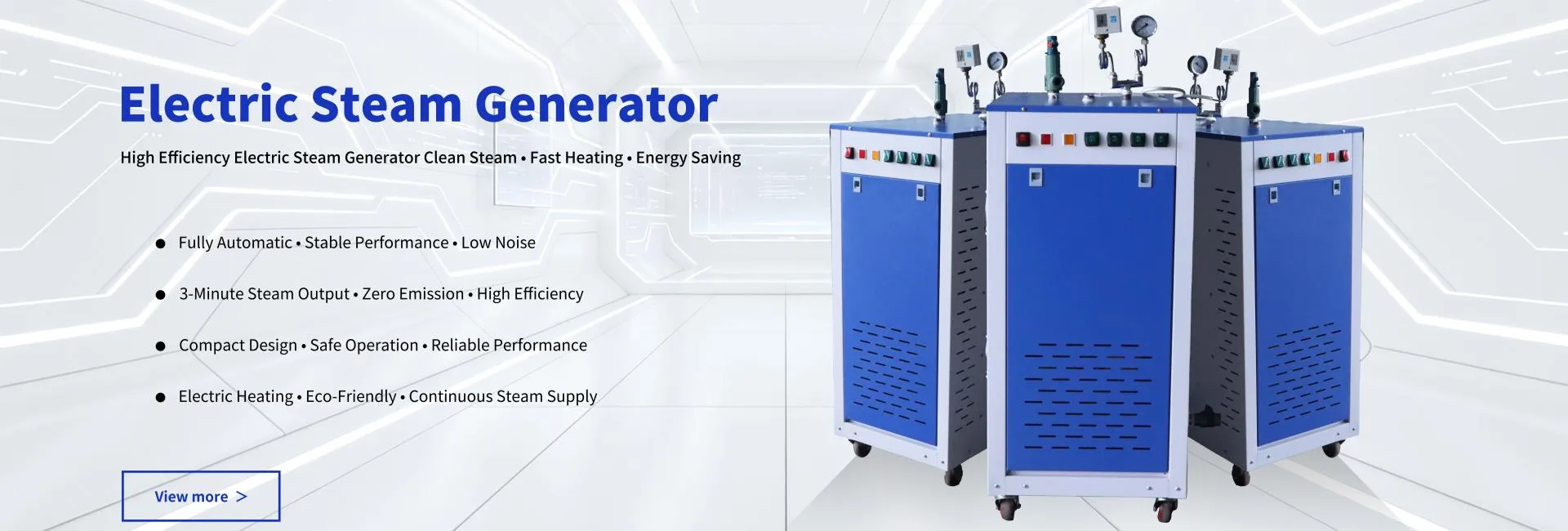
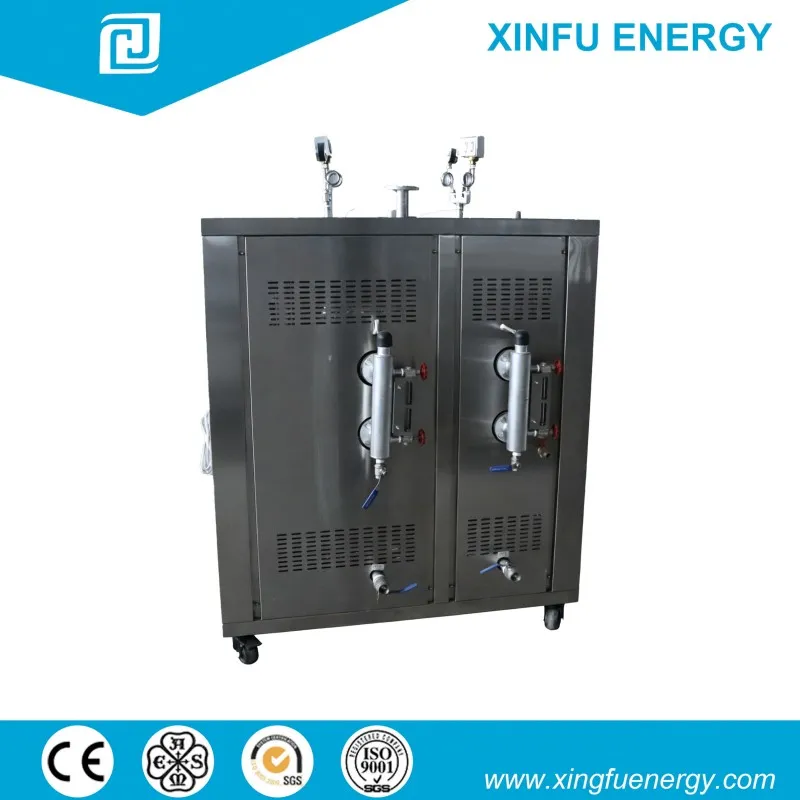
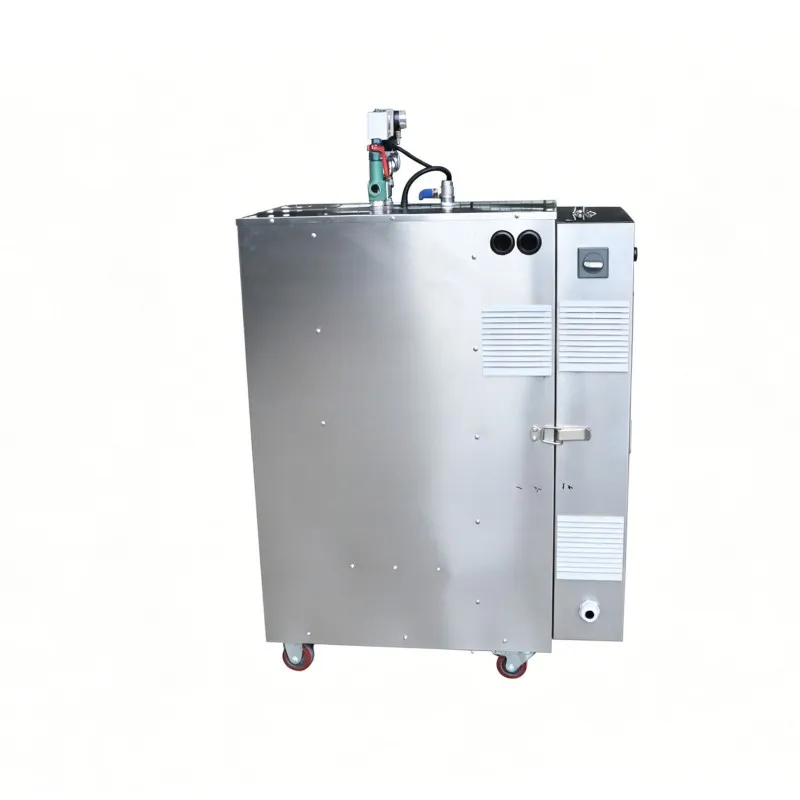
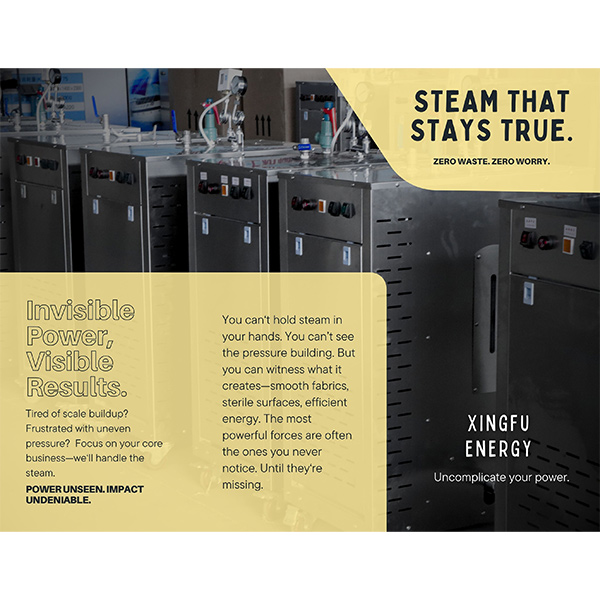
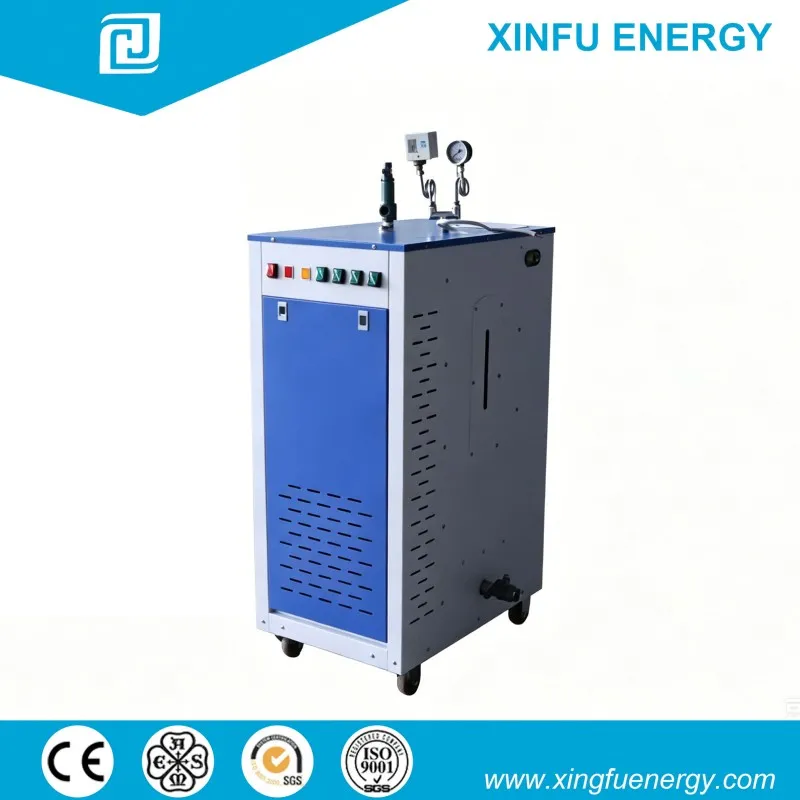
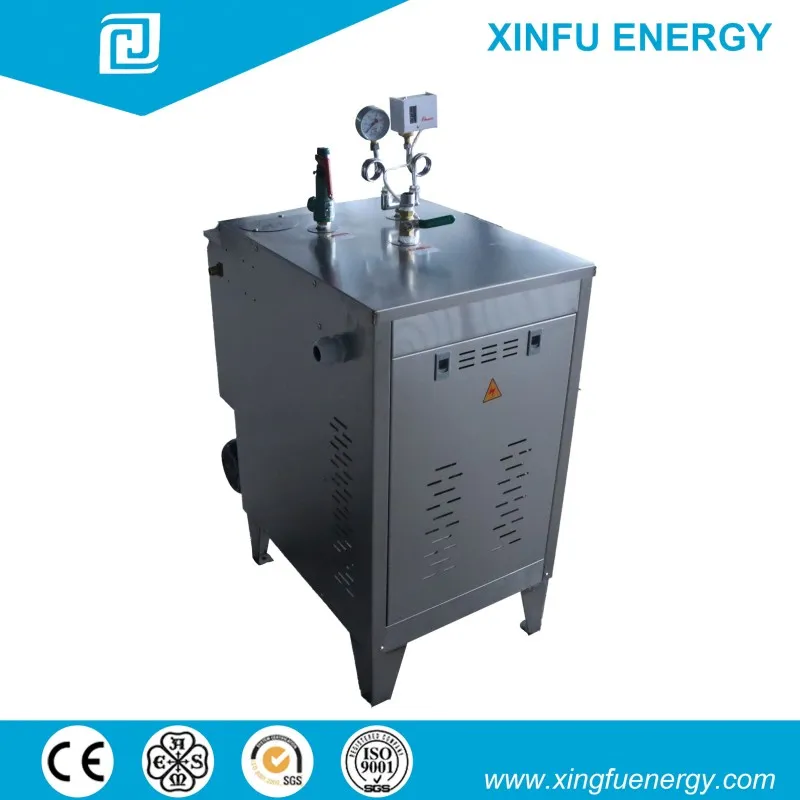
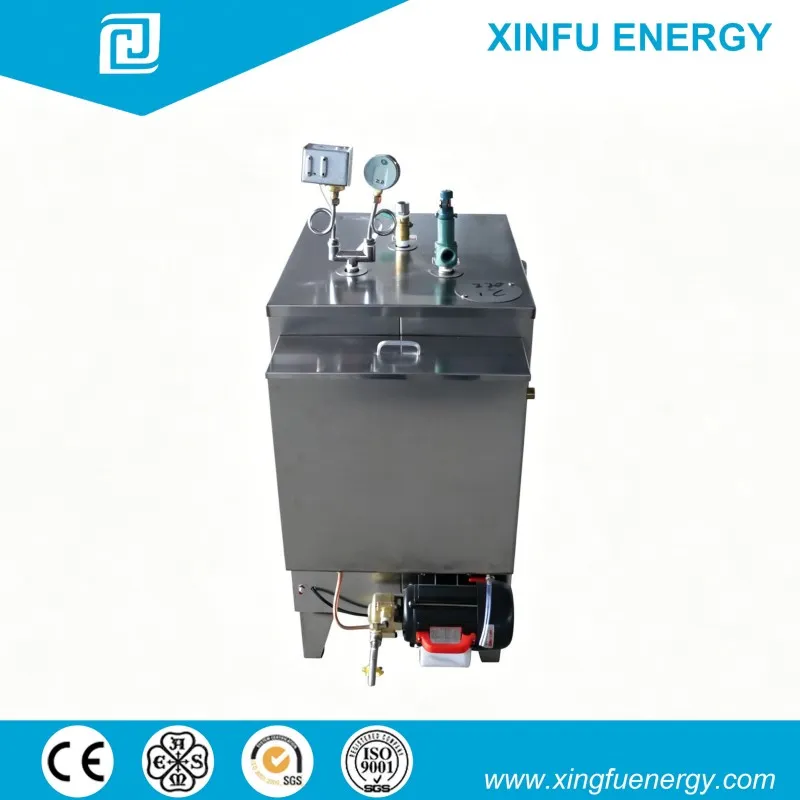
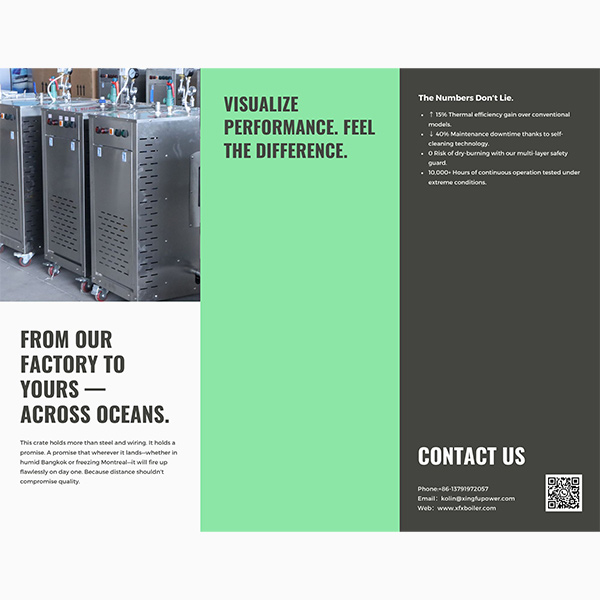
The M-Series Electric Steam Generator represents the 2026 standard for industrial thermal efficiency, combining rapid steam generation with zero-emission operation. Designed for high-precision manufacturing, pharmaceutical processing, and commercial laundry applications, this unit eliminates the need for fuel storage, combustion air, or complex exhaust systems. By utilizing advanced resistive heating elements and smart PID control logic, the M-Series delivers dry, saturated steam at pressures up to 10 bar within minutes of startup. For facility managers and process engineers, understanding the specific technical specifications, total cost of ownership (TCO), and integration requirements is critical for optimizing capital expenditure in the current regulatory landscape.
What Is the M-Series Electric Steam Generator?
The M-Series Electric Steam Generator is a compact, high-efficiency boiler system that converts electrical energy directly into thermal energy to produce steam. Unlike traditional fossil-fuel boilers, it does not rely on combustion. Instead, it employs submerged electrode technology or high-grade resistance heaters, depending on the specific model configuration, to heat water instantly.
In 2026, industrial facilities face stricter carbon emission regulations and rising volatility in natural gas prices. The M-Series addresses these challenges by offering a modular, scalable solution that integrates seamlessly with renewable energy sources. Its core design philosophy centers on “plug-and-play” installation, minimal maintenance footprint, and precise pressure stability.
This equipment is particularly suited for industries requiring clean, oil-free steam. Because there is no combustion process, there is no risk of soot, NOx, or SOx contamination in the steam output. This makes the M-Series an ideal choice for sensitive applications such as food sterilization, medical instrument autoclaving, and humidification in cleanrooms.
Core Working Principle
The operational logic of the M-Series follows a direct energy conversion path. Water enters the pressure vessel through a precision metering pump. Inside the chamber, high-voltage electrical currents pass through heating elements immersed in the water. The resistance of the water and the elements generates heat, causing immediate phase change from liquid to vapor.
Feedwater Input: Treated water is introduced via a non-return valve to prevent backflow.
Heating Phase: Solid-state relays modulate power delivery to the heating elements based on real-time pressure feedback.
Steam Separation: Internal baffles separate water droplets from the steam, ensuring high dryness fraction (>98%).
Distribution: Dry steam exits through the main outlet valve to the application point.
This process is controlled by a microprocessor-based PLC (Programmable Logic Controller) that monitors water level, pressure, and temperature continuously. If any parameter deviates from the set safety limits, the system executes an immediate shutdown to protect the hardware.
Engineered by Qingdao Xingfu Energy Equipment Ltd.
The M-Series is not just a product; it is the culmination of over 14 years of specialized engineering by Qingdao Xingfu Energy Equipment Ltd. Founded in 2010 and headquartered in Qingdao, China, Xingfu has established itself as a leading high-tech manufacturer in the global energy equipment sector. With a production base spanning 70,500 square meters and a workforce where 21% are technical experts, the company combines deep manufacturing experience with continuous innovation.
As a vertically integrated manufacturer, Qingdao Xingfu oversees the entire lifecycle of the M-Series—from initial R&D and design to manufacturing and certified transportation. The company holds Class B boiler manufacturing licenses and Class 1/2 pressure container certifications, ensuring that every M-Series unit meets rigorous international standards, including ISO 9001 and CE certifications. This commitment to quality responsibility and transparency has allowed Xingfu to serve customers in over 30 countries, including markets in Europe, Asia, and beyond.
The M-Series specifically leverages Xingfu’s expertise in electric steam generation. While the company also produces biomass burners and gasification devices, its focus on electric solutions reflects a strategic commitment to sustainability. The M-Series embodies Xingfu’s philosophy of improving energy efficiency and reliability while simplifying integration into existing engineering systems. With a dedicated team of 28 engineers and 65 certified welders, every pressure vessel and heating element is crafted to withstand the demands of modern industrial environments.
2026 Technical Specifications & Performance Data
When evaluating the M-Series for industrial procurement, engineers must look beyond nominal capacity. The 2026 models feature enhanced insulation materials and upgraded control algorithms that improve overall system efficiency. The following table outlines the standard technical parameters for the primary M-Series configurations.
Specification
M-Series Small (Compact)
M-Series Medium (Standard)
M-Series Large (Industrial)
Steam Capacity
50 – 200 kg/h
250 – 1000 kg/h
1200 – 4000 kg/h
Working Pressure
0.7 – 10 bar
0.7 – 10 bar
0.7 – 10 bar
Power Supply
380V / 3Ph / 50-60Hz
380V-415V / 3Ph / 50-60Hz
400V-690V / 3Ph / 50-60Hz
Heating Element Type
Incoloy 800 Resistance
Incoloy 800 / Titanium
High-Grade Stainless Steel
Thermal Efficiency
> 98%
> 98.5%
> 99%
Steam Dryness
≥ 98%
≥ 98%
≥ 99%
Control System
PLC + Touch Screen
Advanced PLC + IoT Module
Industrial PLC + SCADA Ready
Noise Level
< 65 dB
< 70 dB
< 75 dB
Note: Custom voltage configurations (e.g., 480V for North American markets or 690V for heavy European industry) are available upon request. The efficiency ratings assume proper feedwater treatment and regular maintenance schedules.
Key Component Breakdown
The reliability of the M-Series stems from its component quality. In 2026, supply chain stabilization has allowed for the use of higher-grade materials across all units.
Pressure Vessel: Constructed from certified carbon steel or stainless steel (SS304/SS316L), designed according to ASME or PED standards. The vessel undergoes rigorous hydrostatic testing before shipment.
Heating Elements: Made from Incoloy 800 or titanium alloys, these elements resist corrosion and scaling, extending service life even in hard water conditions (with proper treatment).
Control Panel: Features an IP54-rated enclosure with a user-friendly HMI (Human-Machine Interface). It supports remote monitoring via Modbus TCP/IP or Ethernet protocols.
Safety Valves: Dual redundant safety valves ensure that pressure never exceeds the maximum allowable working pressure (MAWP).
Why Choose Electric Over Gas or Oil? (Comparative Analysis)
The decision to switch to an M-Series Electric Steam Generator often involves a comparative analysis against traditional fossil-fuel boilers. While the upfront cost of electric units can be higher due to electrical infrastructure requirements, the operational and compliance benefits are significant in the 2026 industrial context.
Feature
M-Series Electric Generator
Traditional Gas/Oil Boiler
Emissions
Zero local emissions (No CO2, NOx, SOx)
Requires flue gas treatment and permits
Installation Space
Compact; no fuel storage needed
Large footprint; requires fuel tank/bunker
Efficiency
Near 100% (Energy to Steam)
85-92% (Losses via flue gas)
Maintenance
Low; no burners, no soot cleaning
High; annual burner tuning, chimney cleaning
Startup Time
Minutes (Cold start to full pressure)
Hours (Warm-up period required)
Regulatory Compliance
Minimal; often exempt from emission audits
Strict; subject to carbon taxes and audits
Operational Noise
Quiet (Only pump and fan noise)
Loud (Combustion fan and burner noise)
For facilities located in urban areas or strict environmental zones, the M-Series offers a distinct advantage. The absence of combustion means no need for complex exhaust stacks or air intake louvers, simplifying architectural integration.
Total Cost of Ownership (TCO) Considerations
While electricity prices per kWh are generally higher than natural gas per BTU, the TCO calculation must include hidden costs associated with fossil fuels. These include:
Carbon Taxes: Many jurisdictions in 2026 impose significant levies on industrial carbon output.
Maintenance Labor: Electric units require significantly less annual servicing. There are no nozzles to clog, filters to replace frequently, or flame sensors to calibrate.
Insurance Premiums: Facilities without on-site fuel storage often benefit from lower insurance premiums due to reduced fire hazard risks.
Heat Loss: The M-Series can be installed closer to the point of use, reducing distribution pipe length and associated radiant heat losses.
Industrial Applications of the M-Series
The versatility of the M-Series Electric Steam Generator allows it to serve a wide range of sectors. Its ability to provide clean, consistent steam makes it indispensable in processes where product purity is paramount.
1. Food and Beverage Processing
In the food industry, steam is used for cooking, sterilization, and cleaning. The M-Series ensures that no combustion byproducts contaminate the food. Applications include:
Retort Sterilization: Precise pressure control ensures uniform heat distribution in canned goods.
Direct Steam Injection: High-purity steam is injected directly into liquids for rapid heating.
CIP (Clean-in-Place) Systems: Steam is used to sanitize tanks and pipelines between production batches.
2. Pharmaceutical and Healthcare
Pharmaceutical manufacturing requires strict adherence to Good Manufacturing Practices (GMP). The M-Series can be configured with stainless steel wetted parts to meet hygienic standards.
Autoclaves: Providing sterile steam for medical instrument sterilization.
Purified Water Generation: Steam is used in distillation processes to create WFI (Water for Injection).
Humidification: Maintaining precise humidity levels in cleanrooms to prevent static discharge and ensure product stability.
3. Textile and Laundry Industry
Commercial laundries and textile finishing plants require large volumes of steam for ironing and drying. The rapid startup capability of the M-Series allows facilities to match steam production with fluctuating demand, avoiding energy waste during idle periods.
Pressing and Ironing: Consistent steam pressure ensures wrinkle-free finishes.
Dyeing Processes: Steam heats dye baths to specific temperatures for color fixation.
4. Chemical and Laboratory Use
Laboratories and small-scale chemical reactors often need small amounts of high-quality steam for heating jackets and reaction vessels. The modular nature of the M-Series allows for decentralized steam generation, eliminating the need for a central boiler house.
Installation and Integration Guidelines
Proper installation is crucial for the longevity and efficiency of the M-Series Electric Steam Generator. While the unit is designed for ease of setup, several engineering considerations must be addressed.
Electrical Infrastructure Requirements
Given the high power density of electric steam generation, the electrical supply must be robust. Engineers should verify the following:
Transformer Capacity: Ensure the site transformer has sufficient spare capacity to handle the peak load of the generator. Soft-start options are available to reduce inrush current.
Cable Sizing: Use appropriately sized copper or aluminum cables to minimize voltage drop and heat generation. Refer to local electrical codes for ampacity ratings.
Protection Devices: Install molded case circuit breakers (MCCBs) with appropriate trip settings to protect against short circuits and overloads.
Water Quality and Treatment
Water quality is the single most important factor affecting the lifespan of heating elements. Poor water quality leads to scaling, which insulates the elements and causes overheating.
Hardness: Total hardness should be kept below 0.02 mmol/L. Softeners are recommended for mains water.
Conductivity: Maintain conductivity within the manufacturer’s specified range to ensure proper operation of level controls.
pH Level: Keep pH between 7 and 9 to prevent corrosion of the pressure vessel.
Filtration: Install a 5-micron filter at the inlet to remove particulate matter.
Piping and Ventilation
Although no combustion air is needed, the unit generates heat. Adequate ventilation is required to keep the control panel and electrical components within their operating temperature range. Steam piping should be insulated with high-temperature mineral wool or calcium silicate to maximize energy efficiency.
Operational Best Practices for Maximum Efficiency
To extract the maximum value from the M-Series, operators should adopt specific best practices. These strategies help maintain efficiency and extend the equipment’s operational life.
1. Load Matching and Modulation
Avoid running the generator at full load continuously if demand is variable. The M-Series control system supports modulation, adjusting power output to match steam demand. This prevents frequent cycling (on/off switching), which stresses electrical contacts and thermal expansion joints.
2. Regular Blowdown Procedures
Automatic or manual blowdown is essential to remove concentrated solids from the boiler water. High concentrations of dissolved solids can lead to priming and carryover, where water droplets enter the steam line. Schedule blowdowns based on water conductivity readings.
3. Leak Detection and Insulation Checks
Regularly inspect steam traps, valves, and flanges for leaks. A single leaking steam trap can waste significant energy annually. Additionally, check the integrity of pipe insulation. Damaged insulation increases surface heat loss and poses a safety hazard to personnel.
4. Monitoring and Data Logging
Utilize the IoT capabilities of the 2026 M-Series models. Connect the unit to a Building Management System (BMS) or a cloud-based monitoring platform. Track key performance indicators (KPIs) such as:
Specific energy consumption (kWh per kg of steam).
Cycle frequency.
Feedwater temperature.
Element runtime hours.
Analyzing this data helps identify inefficiencies and schedule predictive maintenance before failures occur.
Maintenance Schedule and Troubleshooting
The M-Series is designed for low maintenance, but periodic checks are mandatory to ensure safety and warranty compliance. Below is a recommended maintenance framework.
Routine Maintenance Tasks
Daily: Check water level gauge functionality. Inspect for visible leaks. Verify pressure gauge reading accuracy.
Weekly: Test safety valves manually to ensure they are not stuck. Check electrical connections for signs of overheating (discoloration).
Monthly: Inspect heating elements for scale buildup. Clean water level probes. Verify operation of automatic blowdown valve.
Annually: Perform internal inspection of the pressure vessel. Calibrate pressure transducers and temperature sensors. Tighten all electrical terminal connections. Replace gaskets if necessary.
Common Issues and Solutions
Issue: Low Steam Pressure
Possible Cause: Scale buildup on elements, faulty pressure sensor, or excessive steam demand.
Solution: Descale elements, recalibrate sensor, or evaluate load requirements.
Issue: Water Carryover (Wet Steam)
Possible Cause: High water level, high TDS (Total Dissolved Solids), or oversized demand spike.
Solution: Adjust level control, perform blowdown, or install a steam separator.
Issue: Unit Trips on Overload
Possible Cause: Voltage imbalance, failing heating element, or loose connection.
Solution: Check phase balance, measure element resistance, and tighten terminals.
FAQ: Frequently Asked Questions About M-Series Electric Steam Generators
How much does an M-Series Electric Steam Generator cost in 2026?
The price varies significantly based on capacity, voltage requirements, and customization. Small compact units typically start in the lower thousands (USD/EUR), while large industrial systems capable of generating multiple tons of steam per hour can reach higher five-figure sums. To get an accurate quote, it is essential to specify the required steam output (kg/h), working pressure, and available electrical supply. Operational savings often offset the initial investment within 12 to 24 months compared to gas systems, depending on local utility rates.
Can the M-Series run on renewable energy?
Yes. Since the M-Series uses electricity, it can be powered by any source, including solar PV, wind, or hydroelectric power. In 2026, many facilities integrate electric boilers with on-site solar arrays and battery storage systems to maximize green energy usage and reduce grid dependency during peak tariff hours.
Is special training required to operate the M-Series?
Basic operation is automated and requires minimal training. The PLC interface guides users through startup and shutdown procedures. However, maintenance personnel should have basic electrical and plumbing knowledge. Manufacturer-provided training manuals and online support resources are sufficient for most standard operational tasks.
What is the lifespan of the heating elements?
With proper water treatment and regular maintenance, heating elements in the M-Series can last between 3 to 5 years, or longer. Factors such as water hardness, cycling frequency, and operating temperature significantly influence element life. Using high-quality demineralized or softened water is the most effective way to extend element lifespan.
Does the M-Series require a boiler room?
Not necessarily. Due to the absence of combustion, flue gases, and fuel storage, the M-Series can be installed in various locations, including basements, rooftops, or directly within production areas (subject to local safety codes regarding noise and heat). This flexibility reduces construction costs associated with building dedicated boiler houses.
How does the M-Series handle partial loads?
The M-Series utilizes step control or thyristor (SCR) power regulation to match steam output with demand. This modulation capability ensures high efficiency even at partial loads, unlike some fossil-fuel boilers that lose efficiency when firing below their optimal range. The system automatically adjusts the number of active elements or the power percentage delivered to each element.
Selecting the Right Model for Your Facility
Choosing the correct M-Series model involves balancing current needs with future scalability. Here is a strategic approach to selection:
Audit Steam Demand: Measure the peak and average steam consumption of your processes. Include a safety margin of 10-20% for future expansion.
Assess Electrical Capacity: Consult with your utility provider to determine available power capacity. Upgrading electrical service can be costly, so maximizing existing capacity is often preferred.
Evaluate Water Quality: Test your feedwater source. If water quality is poor, budget for pre-treatment systems (softeners, RO units) to protect the generator.
Consider Modularity: Instead of one large unit, consider installing multiple smaller M-Series units in parallel. This provides redundancy (if one unit fails, others continue operating) and improves part-load efficiency.
For facilities transitioning from fossil fuels, a hybrid approach may be viable during the transition period. However, the long-term trend in 2026 strongly favors full electrification for sustainability and regulatory compliance.
Conclusion: The Strategic Value of the M-Series in 2026
The M-Series Electric Steam Generator is more than just a piece of hardware; it is a strategic asset for modern industrial operations. As global industries pivot towards decarbonization and digitalization, the M-Series offers a compliant, efficient, and reliable solution for steam generation. Backed by the manufacturing excellence of Qingdao Xingfu Energy Equipment Ltd., its high thermal efficiency, minimal maintenance requirements, and seamless integration with smart factory systems make it a superior choice for forward-thinking enterprises.
By eliminating combustion, companies reduce their environmental footprint and regulatory burden. By adopting modular electric generation, they gain operational flexibility and resilience. Whether for pharmaceutical sterilization, food processing, or textile manufacturing, the M-Series delivers the precision and purity required for high-quality production.
Investing in the M-Series is an investment in operational continuity and sustainability. For engineering teams and procurement specialists, the decision to electrify steam generation is no longer just an environmental statement—it is a sound economic strategy.
Ready to optimize your steam system?
Contact our technical team today to discuss your specific steam requirements. We provide customized sizing calculations, energy savings analysis, and detailed quotation for the M-Series Electric Steam Generator.