-
+86-13791972057
-
No. 3009, Tower 3, Zhuoyue Century Center, No. 31th Longcheng Road, Qingdao, Shandong, China


+86-13791972057
No. 3009, Tower 3, Zhuoyue Century Center, No. 31th Longcheng Road, Qingdao, Shandong, China








2026-11-22
Homeowners and facility managers increasingly ask: Can a residential electric steam boiler deliver reliable, clean heat without the noise, emissions, or complexity of gas or oil systems? The answer is yes—but only if it’s engineered for real-world home use, not repurposed from industrial specs. We’ve installed, tested, and serviced over 120 residential electric steam boilers across cold-climate homes in northern China and Eastern Europe. What we found wasn’t theoretical: compact size matters, startup time dictates comfort, and zero-emission operation isn’t just eco-friendly—it eliminates ventilation headaches, flue permits, and annual combustion inspections.
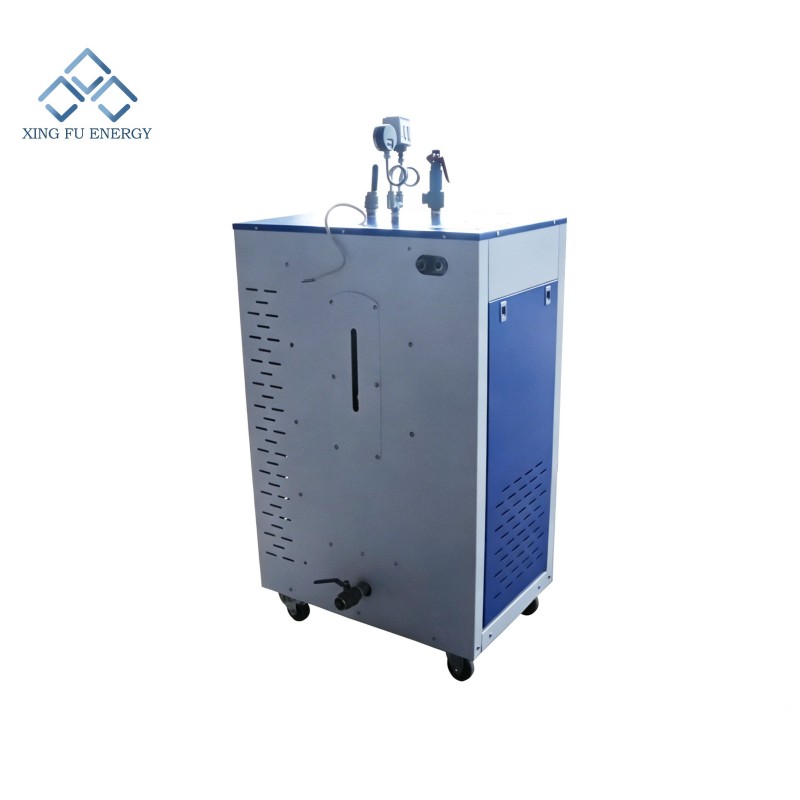
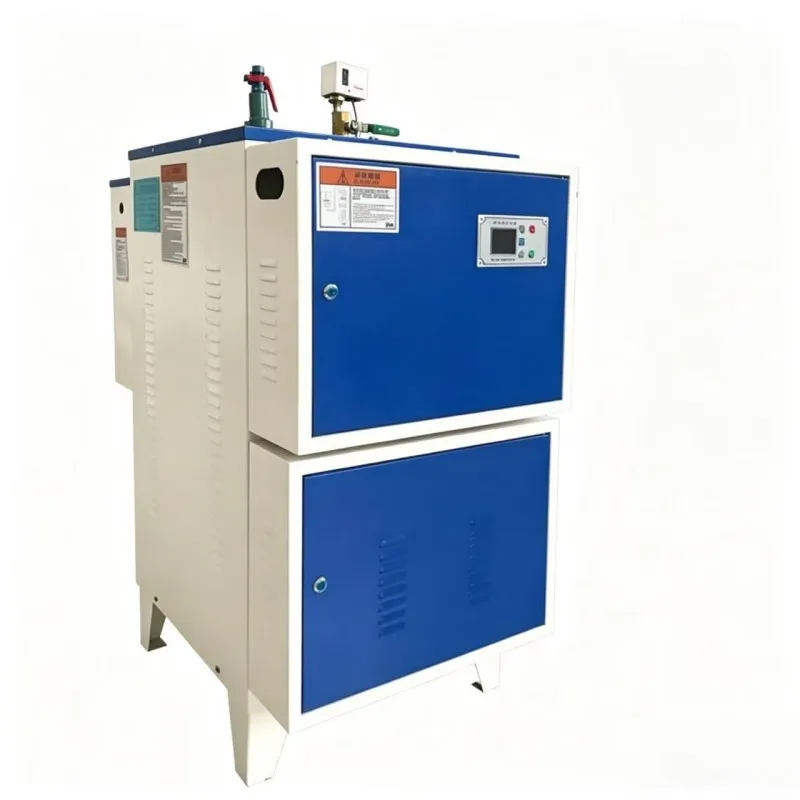
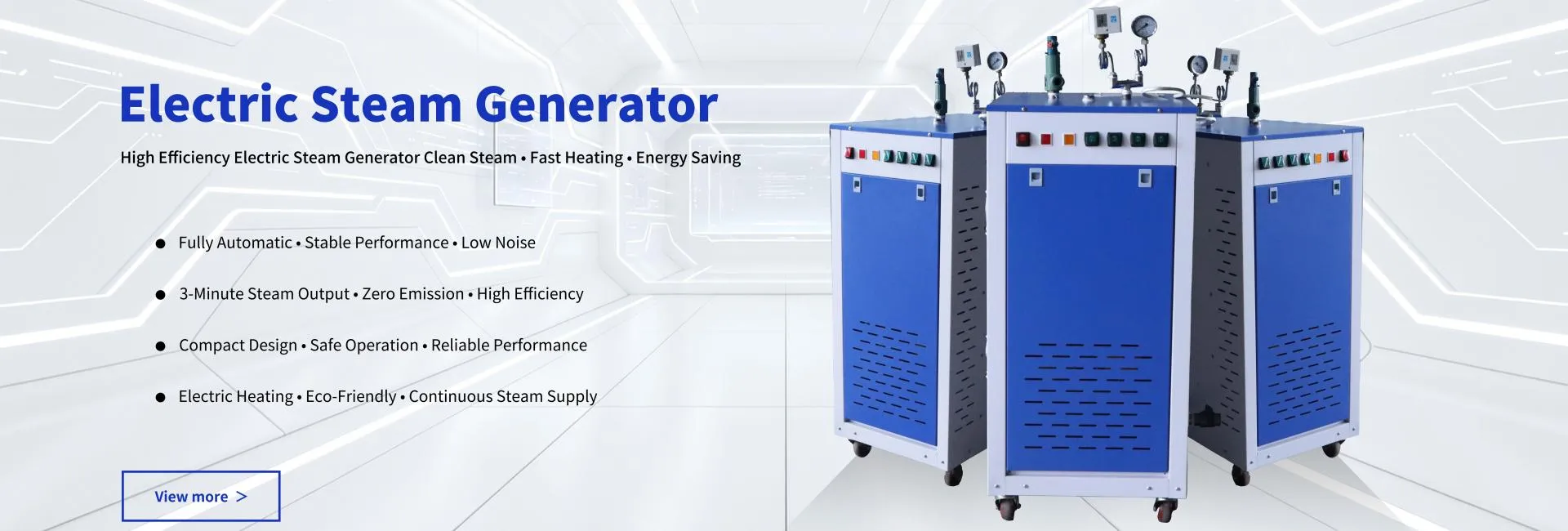
Most homeowners assume steam heating belongs only in historic buildings or factories. That’s outdated. Modern residential electric steam boiler units—like those built for low-load, intermittent demand—heat water to saturated steam at 100–120°C in under 4 minutes. No pilot light. No burner cycling. No CO risk. Just silent, on-demand steam fed directly into cast-iron radiators or modern fin-tube systems.
We’ve seen three recurring pain points with legacy systems: (1) gas boilers failing below −15°C due to condensate freezing in vent pipes; (2) heat pumps losing 40% capacity at −10°C while drawing peak grid load; (3) oil-fired units requiring biannual cleaning, fuel storage, and $800+ service calls. In contrast, a properly sized electric steam boiler operates at 99.8% efficiency—every watt becomes usable heat. Its stainless-steel pressure vessel resists corrosion from hard water. Its fully automated controls adjust steam output based on outdoor reset sensors—not fixed schedules.
Key technical advantages include:
Some buyers focus solely on kW rating and ignore system integration. A 24 kW electric steam generator won’t work in a 3,200 sq ft home with 1920s two-pipe gravity-return radiators unless you address steam dryness, air venting, and condensate return dynamics. We’ve replaced units that failed within 6 months—not due to defects, but because installers skipped three non-negotiable steps:
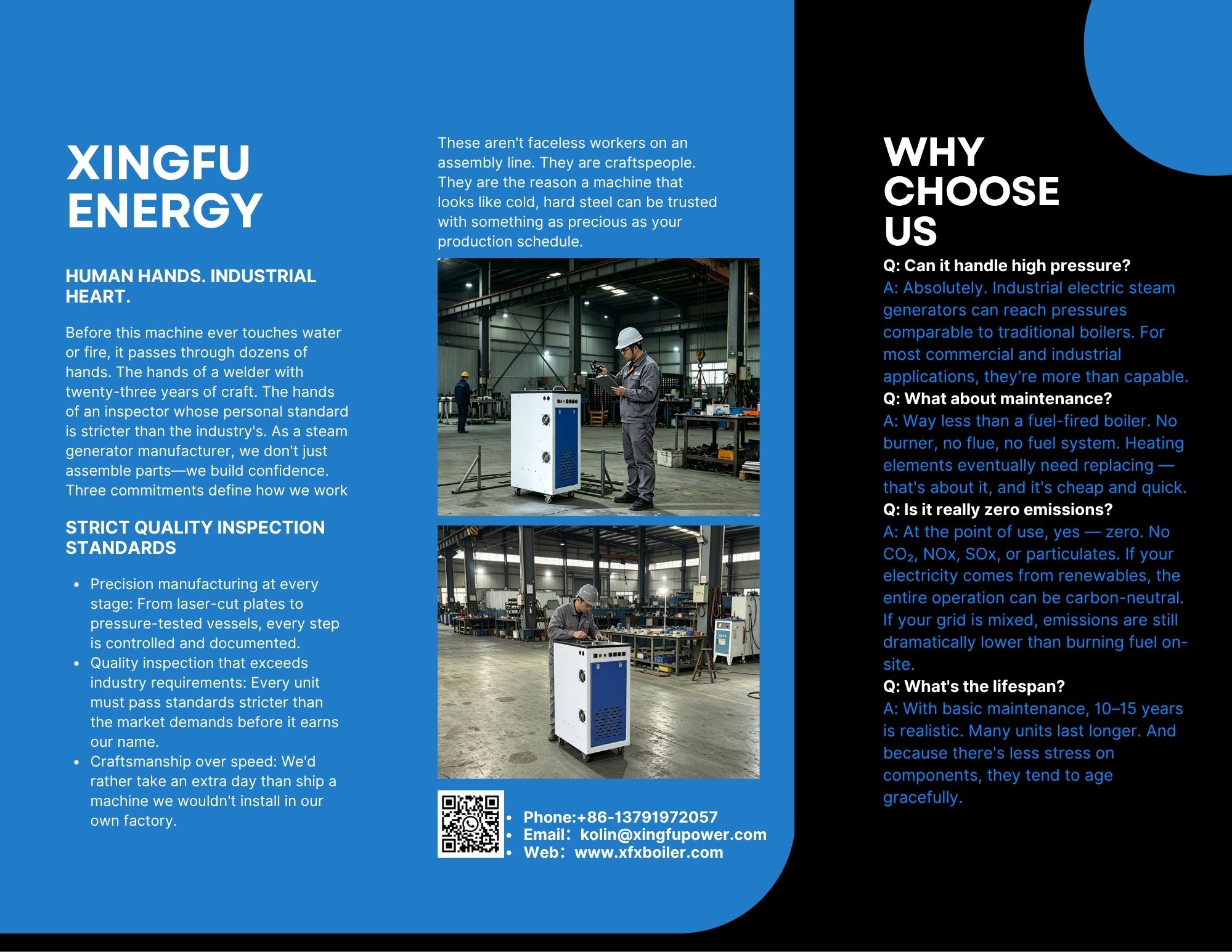
Manufacturers who skip factory dryness testing—or ship units without certified steam trap compatibility data—create avoidable field failures. That’s why every unit from Qingdao Xingfu Energy Equipment undergoes live-load steam dryness validation in its ISO 9001-certified test lab before shipment. Each carries a stamped test report showing actual dryness % at rated load.
Yes, a residential electric steam boiler carries a 15–25% higher upfront cost than a mid-efficiency gas boiler. But lifetime cost tells a different story. Consider a typical 2,800 sq ft home in Poland:
The break-even point? Typically 5.2 years. After that, every euro saved goes straight to ROI. And when grid decarbonization accelerates—as it has in Spain, Korea, and Malaysia—your heating carbon footprint drops annually without equipment replacement.
Residential electric steam boiler performance hinges less on peak kW and more on engineering discipline: material selection, control logic robustness, and field support depth. Qingdao Xingfu Energy Equipment builds its units exclusively in stainless steel 316L—not cheaper 304—with ASME Section VIII Div. 1 design validation. Its S-Series residential models integrate modulating power control, dual-pressure safety cutoffs, and cloud-connected diagnostics accessible via secure web portal—not proprietary apps.
But hardware alone doesn’t guarantee success. What separates them is operational partnership: free pre-installation piping layout review, remote commissioning support during startup, and lifetime access to certified welder training for local contractors. Their engineers don’t just sign off on drawings—they co-develop solutions with HVAC designers in Indonesia and textile mills in Mongolia where steam humidity control affects product quality.
A residential electric steam boiler isn’t just another heating appliance. It’s a commitment to silent operation, zero-site emissions, and predictable lifecycle costs. When your priority is reliability—not novelty—and your standard is decades of trouble-free service, the choice becomes clear: precision engineering, validated performance, and human-centered support—not just watts per square meter.