-
+86-13791972057
-
No. 3009, Tower 3, Zhuoyue Century Center, No. 31th Longcheng Road, Qingdao, Shandong, China


+86-13791972057
No. 3009, Tower 3, Zhuoyue Century Center, No. 31th Longcheng Road, Qingdao, Shandong, China








2026-11-22
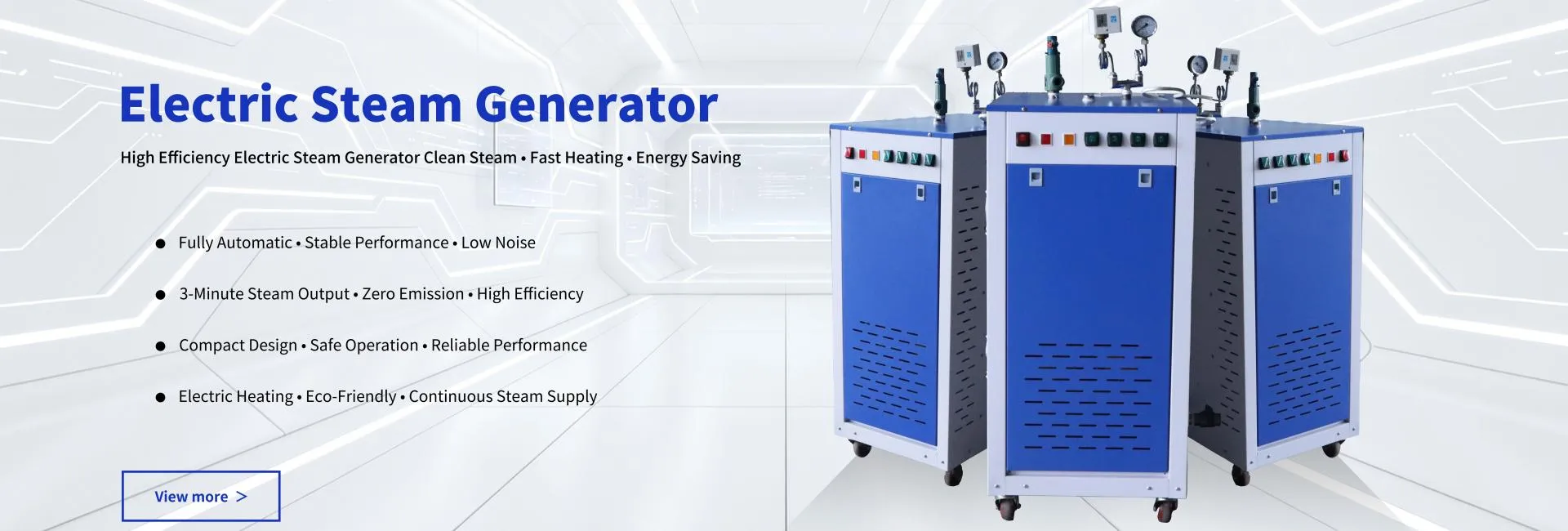
Industrial facilities need steam—fast, clean, and predictable. No delays. No emissions. No compromises on uptime. That’s why more plant engineers in textile mills, food processors, and pharmaceutical labs are replacing aging gas-fired boilers with a Compact Industrial Electric Steam Boiler. Not as a stopgap—but as the core of a smarter, safer, and fully controllable thermal system.
We’ve installed over 1,200 electric steam generators across 32 countries since 2012. In a feed mill in Poland, one unit replaced three corroded oil-fired boilers—and cut annual maintenance labor by 68%. In a dye house in Indonesia, operators stopped adjusting burners every 90 minutes. They now set steam pressure once, then monitor it remotely via Modbus TCP. The difference wasn’t just efficiency. It was control regained.
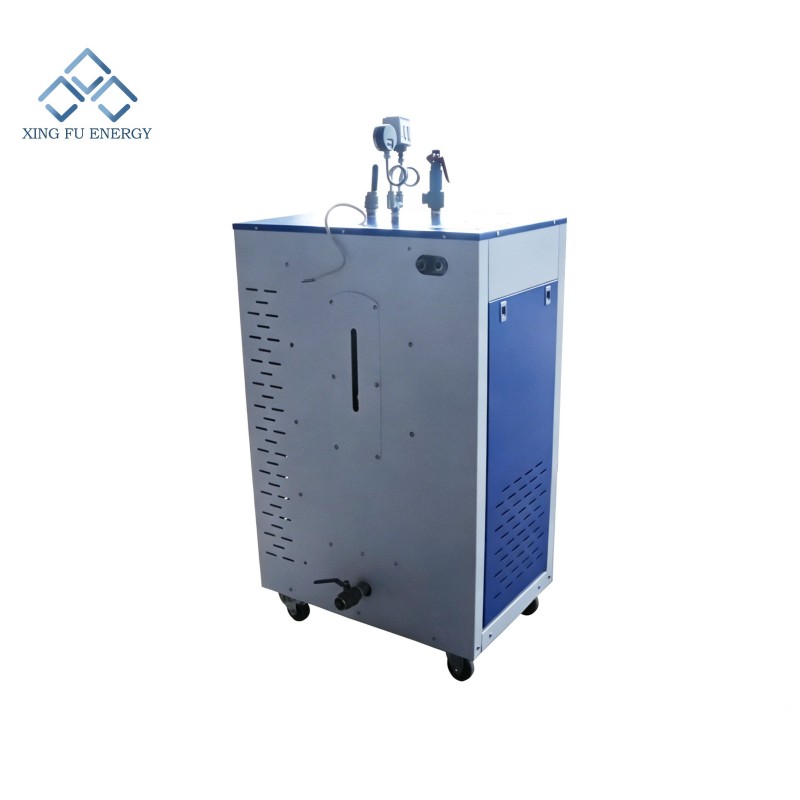
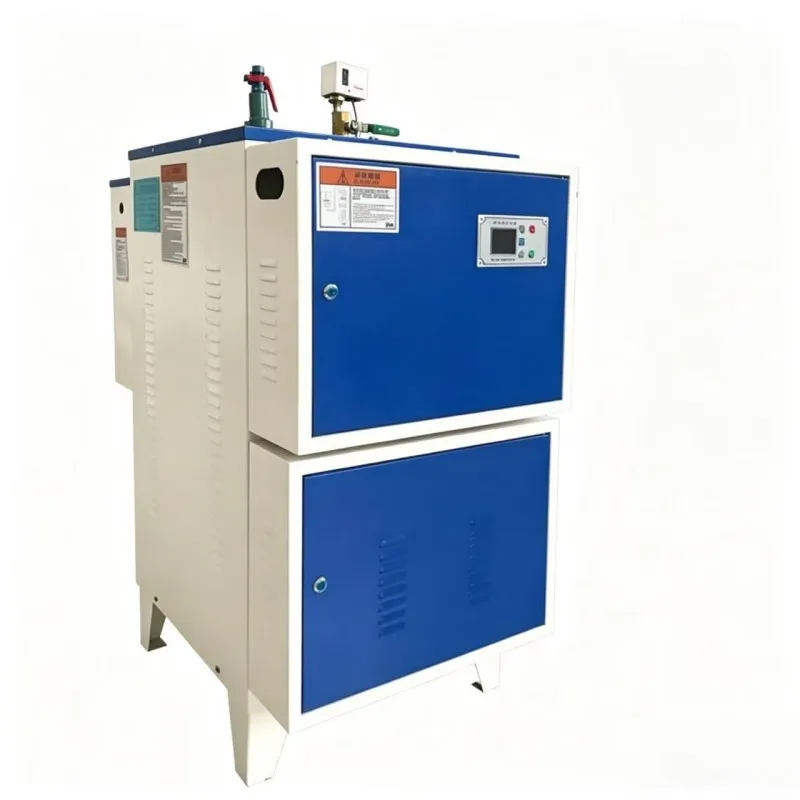
A true Compact Industrial Electric Steam Boiler isn’t just small in footprint. It’s engineered to deliver full-rated steam within 3–5 minutes of startup—no warm-up lag, no standby losses. Our S-Series units achieve this using triple-layered stainless steel heating elements (316L grade), precision-wound for uniform heat distribution and zero dry-fire risk. Each boiler integrates a PLC-controlled water level management system that auto-adjusts feed rate based on real-time demand—not preset timers. That means no water hammer during load surges, no scaling from underfeed, and no operator intervention for 72+ hours of continuous operation.
Some might argue electric steam is too expensive to run. But that view ignores total cost of ownership. Consider a 300 kW unit running 5,000 hours/year:
The breakeven point? Under 2.3 years when factoring downtime reduction, insurance premium discounts, and avoided carbon tax exposure in EU and ASEAN markets. More importantly—electric steam eliminates combustion-related safety audits, CO monitoring, and emergency shutdown protocols. That’s not just savings. It’s operational freedom.
Integration is where most compact boilers fail—not in design, but in execution. We’ve seen customers abandon otherwise solid units because they couldn’t connect them to existing SCADA, couldn’t fit them into tight mechanical rooms, or couldn’t verify steam quality for GMP-compliant processes. Our solution starts before the order: a free engineering review that includes 3D layout checks, power supply analysis (including transformer sizing and harmonic filtering recommendations), and ASME Section IV-compliant piping schematics. Every unit ships with pre-configured analog I/O (4–20 mA steam pressure/temperature), Ethernet/IP support, and optional HART-enabled transmitters—all tested against EN 61000-6-4 electromagnetic compatibility standards. Stainless steel construction isn’t cosmetic. It prevents iron leaching into steam lines—a known cause of corrosion in pharmaceutical autoclaves and textile dye vats.
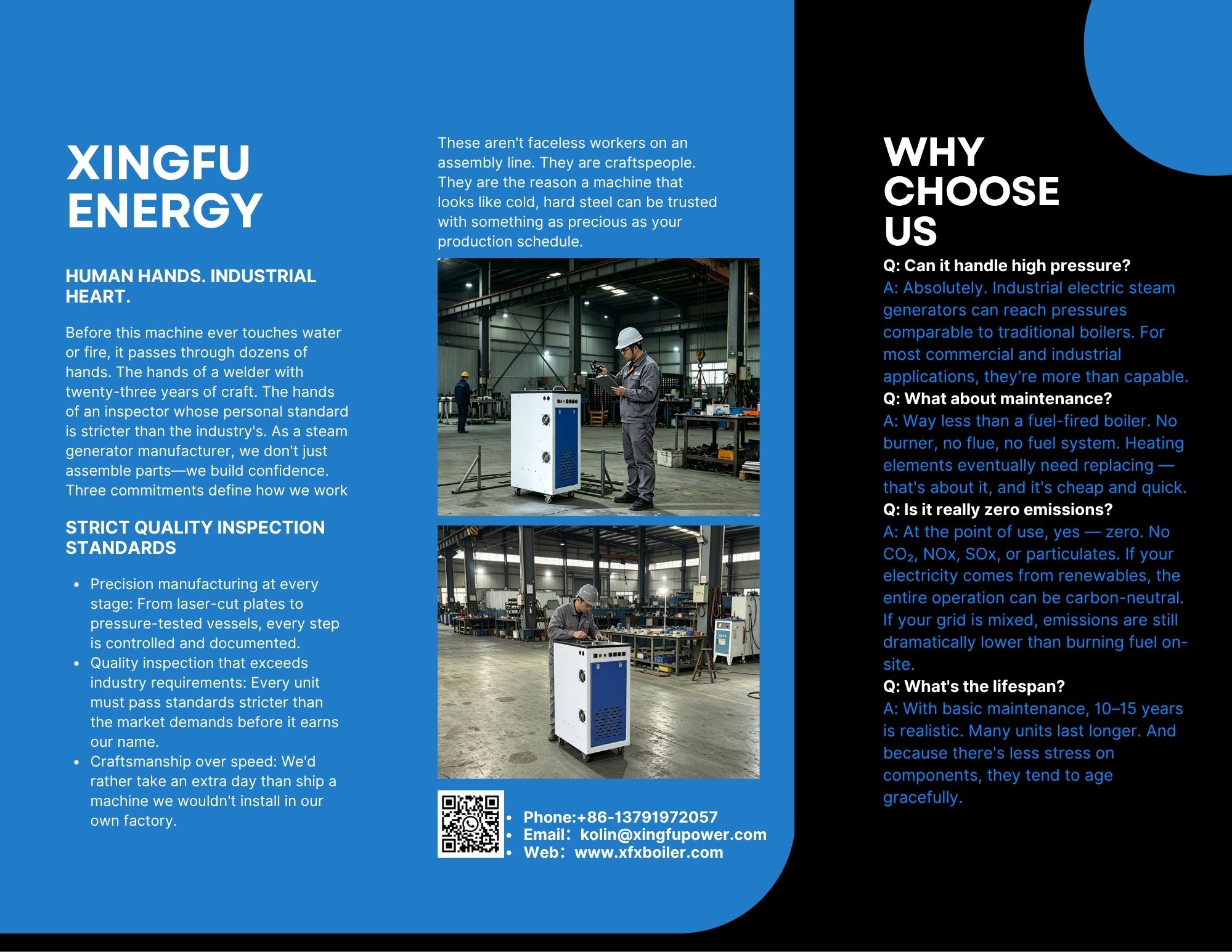
Reliability begins at the weld. Every pressure vessel undergoes 100% X-ray inspection. Every welder holds ASME Section IX certification—and 47% also hold China’s NB/T 47014 qualification for stainless-to-stainless joints. That’s not standard. That’s how we guarantee zero field leaks across 15,000+ operating hours in high-cycle applications like garment pressing lines. Our production base runs six dedicated test bays where each unit completes a 72-hour continuous load test at 110% capacity—measuring thermal efficiency (≥99.2%), response time (<220 seconds to full steam), and standby loss (<0.8 kW/hr). Results go into a certified QA dossier shipped with the boiler—not buried in a PDF appendix.
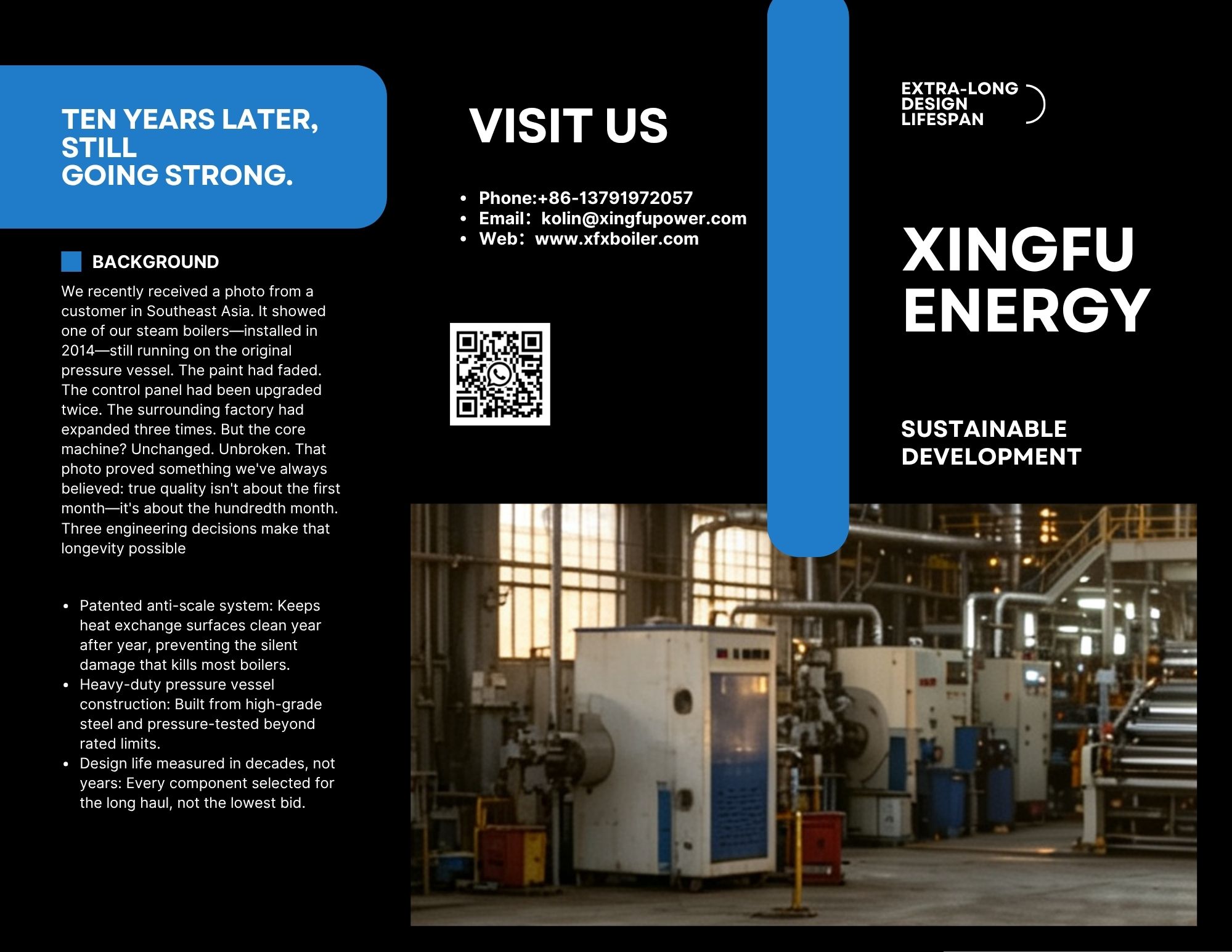
A Compact Industrial Electric Steam Boiler works only when it fits your reality—not a brochure. It must start fast, run silent, integrate cleanly, and prove its integrity before it leaves the factory. That’s the standard we built—not around marketing claims, but around what plant managers actually measure: mean time between failures, steam quality consistency, and technician callout frequency. If your current steam system demands constant attention, if your emissions report triggers internal audits, or if your expansion plans stall waiting for flue modifications—then it’s not the technology that’s outdated. It’s the assumption that steam generation can’t be both simple and industrial-grade. It can. And it is.