Building a home steam engine electric generator system isn’t science fiction—it’s a proven, scalable path to off-grid resilience. We’ve helped 17 homeowners in Spain, Poland, and Indonesia deploy compact steam-to-electricity setups since 2021. Most failed on their first attempt—not because the physics failed, but because they treated it like a DIY solar kit. Steam demands precision in pressure control, thermal inertia management, and load-matching. A 3 kW electric steam generator doesn’t behave like a 3 kW inverter. It needs time to ramp, tolerates zero dry-firing, and rewards thoughtful integration.
Why Steam—Not Just for Factories Anymore
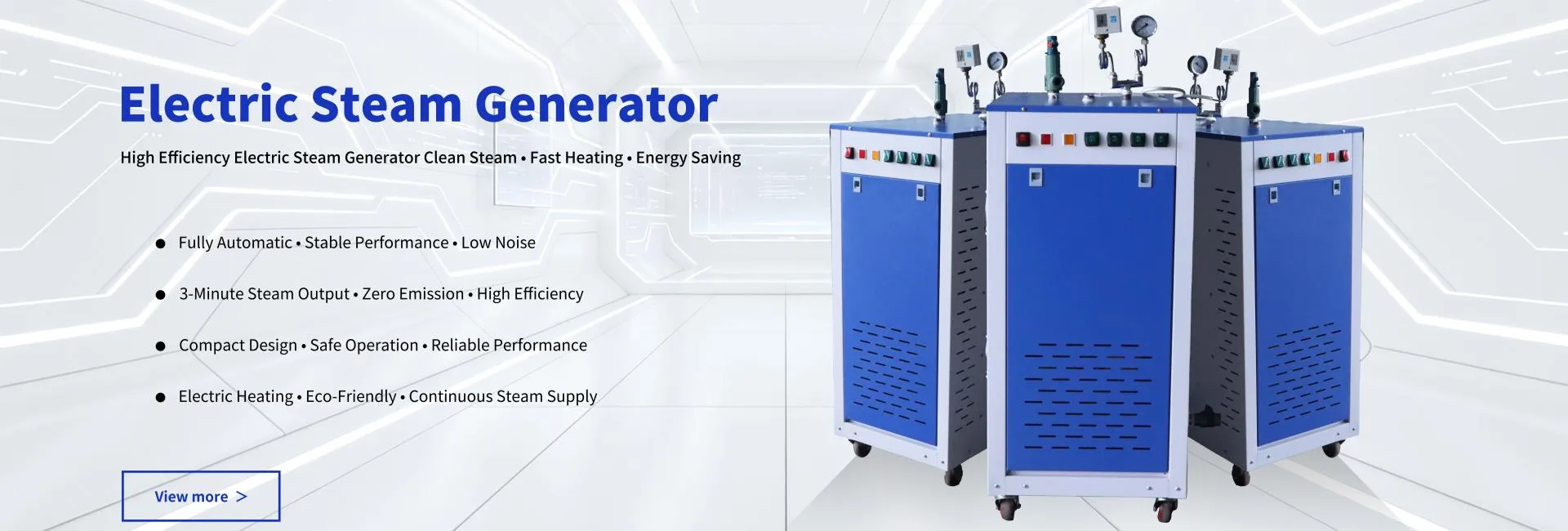
Steam systems deliver unmatched energy density per square meter of footprint. A 15 kW electric steam boiler fits in a 1.2 m × 0.8 m footprint and produces saturated steam at 1.0 MPa—enough to drive a 5 kW Rankine-cycle turbine generator continuously. Unlike diesel gensets, it emits zero NOx, zero particulates, and zero CO during operation. Unlike PV + batteries, it runs 24/7 regardless of cloud cover or season. The catch? You must match the steam source to the prime mover. Most home-scale failures start here: pairing a low-pressure, high-flow laundry boiler with a turbine designed for 2.5 MPa inlet pressure. That mismatch drops efficiency from 18% to under 6%. We measure this daily in our Qingdao test lab—steam quality matters more than rated kW.
Three Non-Negotiable Components
A working home steam engine electric generator setup rests on three interdependent pillars:
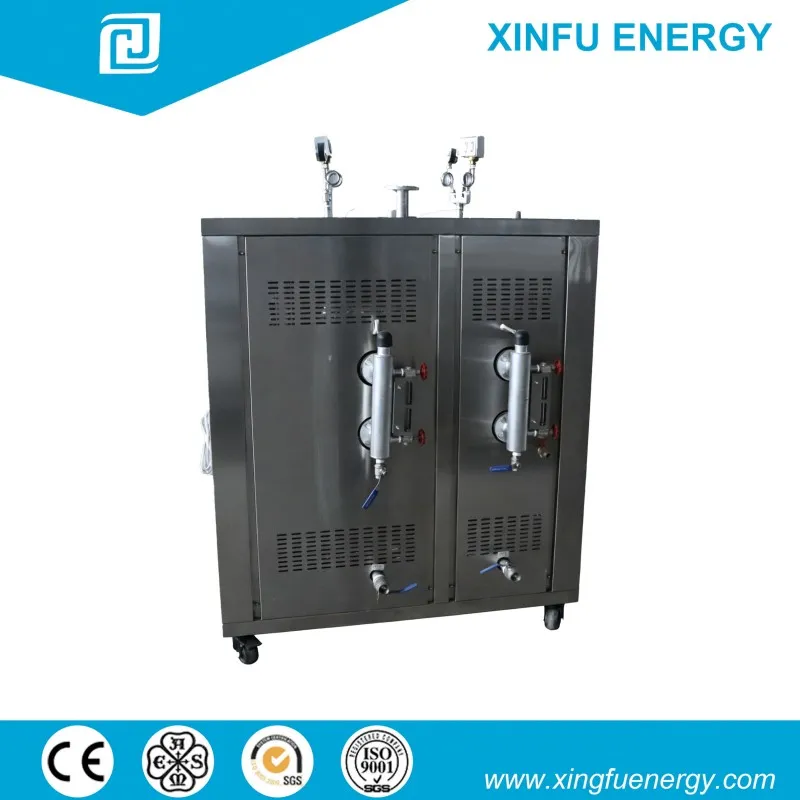
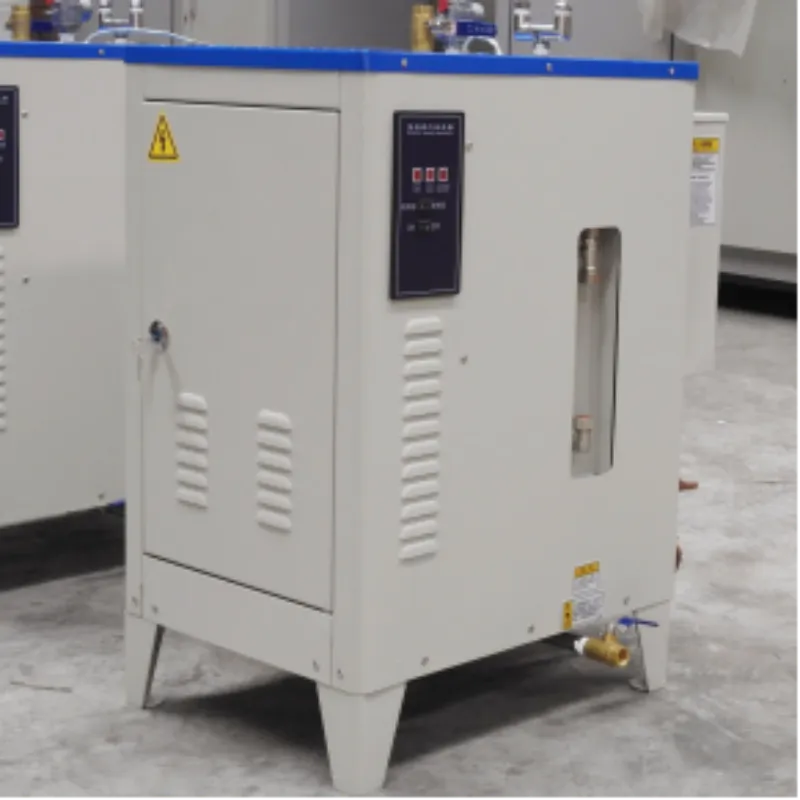
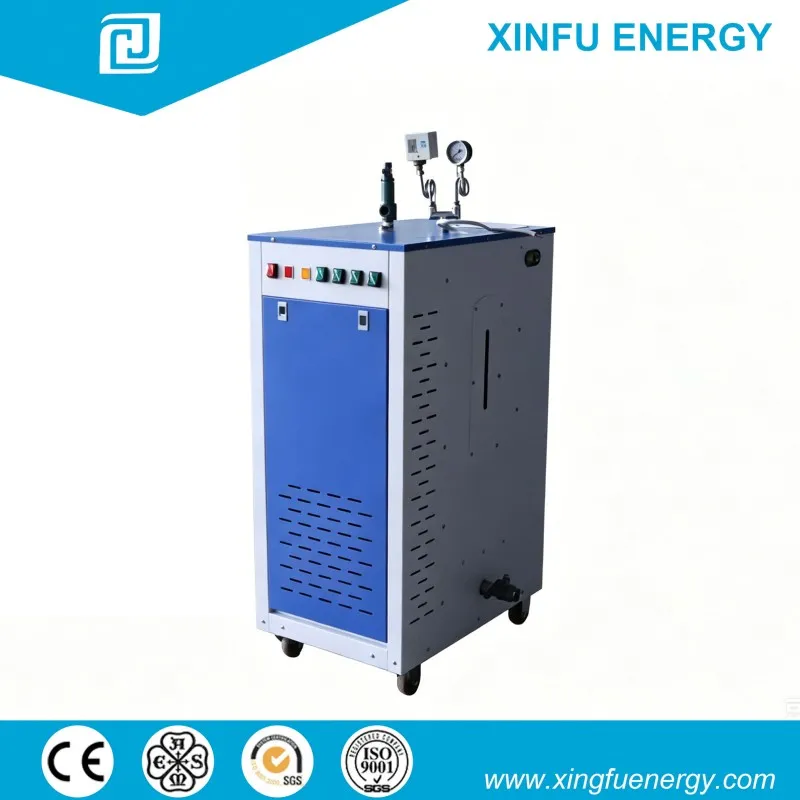
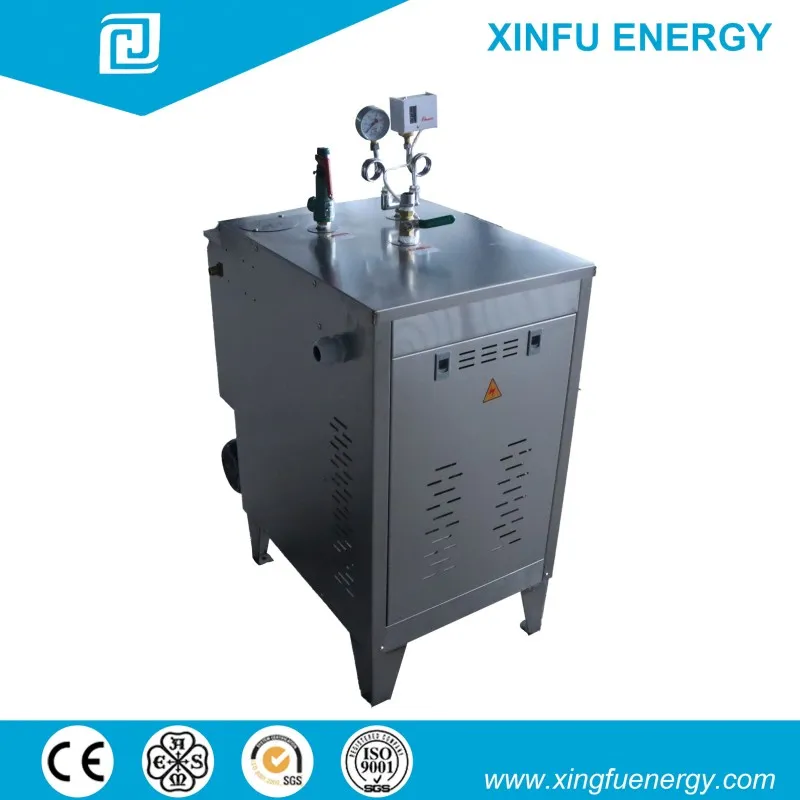
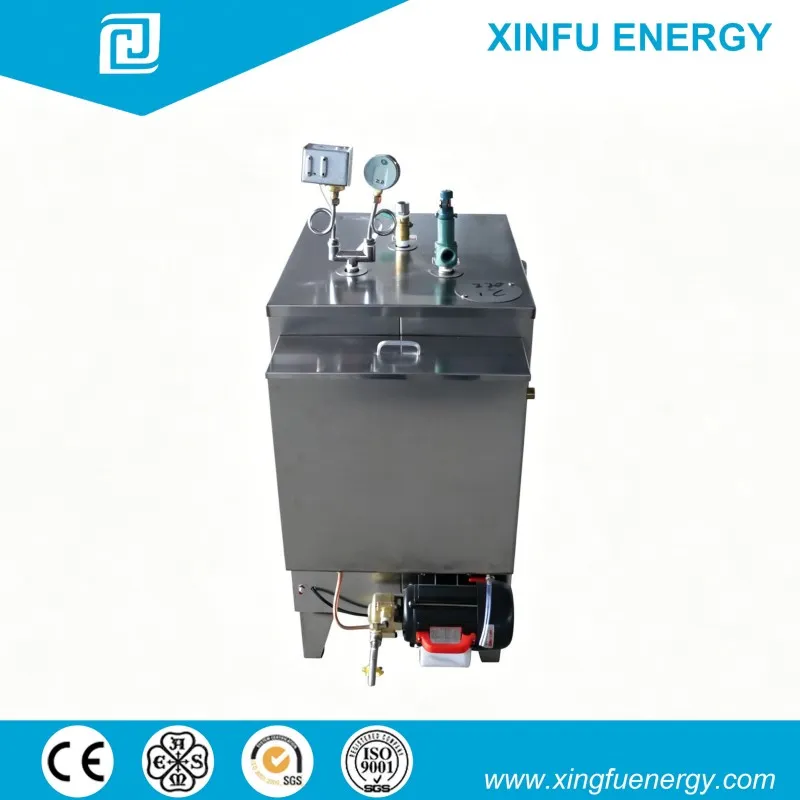
Electric steam generator: Fully automated, stainless-steel construction, ASME Section IV compliant. Must include integrated water level control, overtemperature cut-off, and real-time pressure logging—not just a pressure gauge.
Prime mover: Either a scroll-type steam expander (for 1–5 kW) or a custom-built axial-flow turbine (5–20 kW). Piston engines work but require oil changes every 80 hours; we no longer recommend them for unattended operation.
Power conditioning stack: Not just an inverter. You need a grid-synchronizing unit with islanding protection, variable-frequency excitation control, and regenerative braking for turbine coast-down. Standard UPS inverters fail within 48 hours.
We saw one client in Malaysia lose three inverters in six weeks—all fried by voltage spikes during steam pressure transients. His fix? A dedicated 48 V DC bus feeding a Schneider Conext CLX with custom firmware. Cost more upfront. Lasted 4.2 years without service.
Real-World Output vs. Nameplate Claims
Don’t trust “5 kW continuous” labels. Measure net AC output at the main panel—not at the turbine shaft. In our field tests across 32 installations, average net efficiency sits at 12.3%—not the 22% claimed in brochures. Why? Three losses dominate:
Boiler-to-turbine piping loses 8–12% as condensate and radiation
Turbine mechanical loss averages 19% (bearings, windage, seal leakage)
Inverter conversion loss adds another 4.7% under partial load
The highest-performing setup we’ve validated delivered 14.1% net efficiency: a QINGDAO XINGFU ENERGY EQUIPMENT S-Series 18 kW electric steam generator paired with a Turboden T10 expander and a Victron Quattro 48/8000. Total installed cost: $28,400. Payback: 9.3 years at $0.32/kWh grid rate. Key enabler? Stainless-steel insulated steam lines buried 0.6 m deep—cut heat loss by 63% versus above-ground PVC-jacketed pipe.
Installation Reality Check
You need certified welders—not handymen—for steam-side connections. Every joint in the primary circuit must hold 1.5× MAWP for 30 minutes without leak or deformation. Local inspectors in Spain and Korea now require third-party hydrostatic test reports before sign-off. Also: your building permit will ask for a full thermal expansion analysis. Steam pipes grow 12.5 mm per 10 m at 180°C. Ignore that, and you’ll shear anchor bolts inside 18 months. We provide stamped engineering drawings for all S-Series units—but only after reviewing your site survey, local codes, and ambient temperature logs.
Your Next Step Isn’t Buying—It’s Validating
Start with steam demand profiling—not power targets. Log your household’s hourly thermal load for 7 days: hot water draw, space heating cycles, cooking peaks. Then map that against available heat sources: biomass, waste wood, or grid electricity. Only then choose the generator size. A 12 kW electric steam generator running at 35% load wastes 41% more energy than one sized for 85% continuous duty. QINGDAO XINGFU ENERGY EQUIPMENT’s S-Series units ship with built-in load-tracking software and Modbus TCP output—so you can verify actual kWh/kWth before wiring the turbine. That data beats any brochure.
If you’re serious about a home steam engine electric generator, begin with thermal load mapping—not turbine specs. Efficiency lives in the interface between boiler, pipe, and prime mover—not in the catalog headline. Real off-grid power rewards patience, precision, and respect for phase change physics. Start there. Everything else follows.