Remember when you installed your current boiler?
The delivery of a giant piece of equipment. The crane. The reinforced foundation. The plumbing work. The chimney installation. The ventilation system. The fuel line. The permits. The inspections. The weeks of downtime.Nightmare, right?
Now picture this instead:
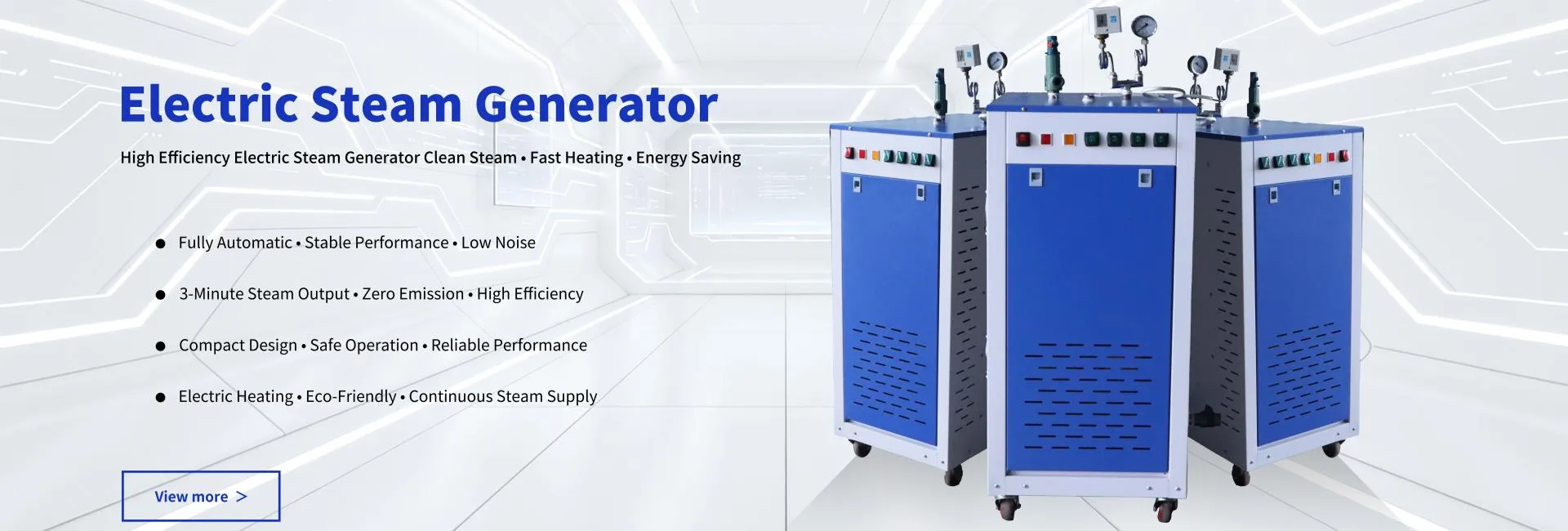
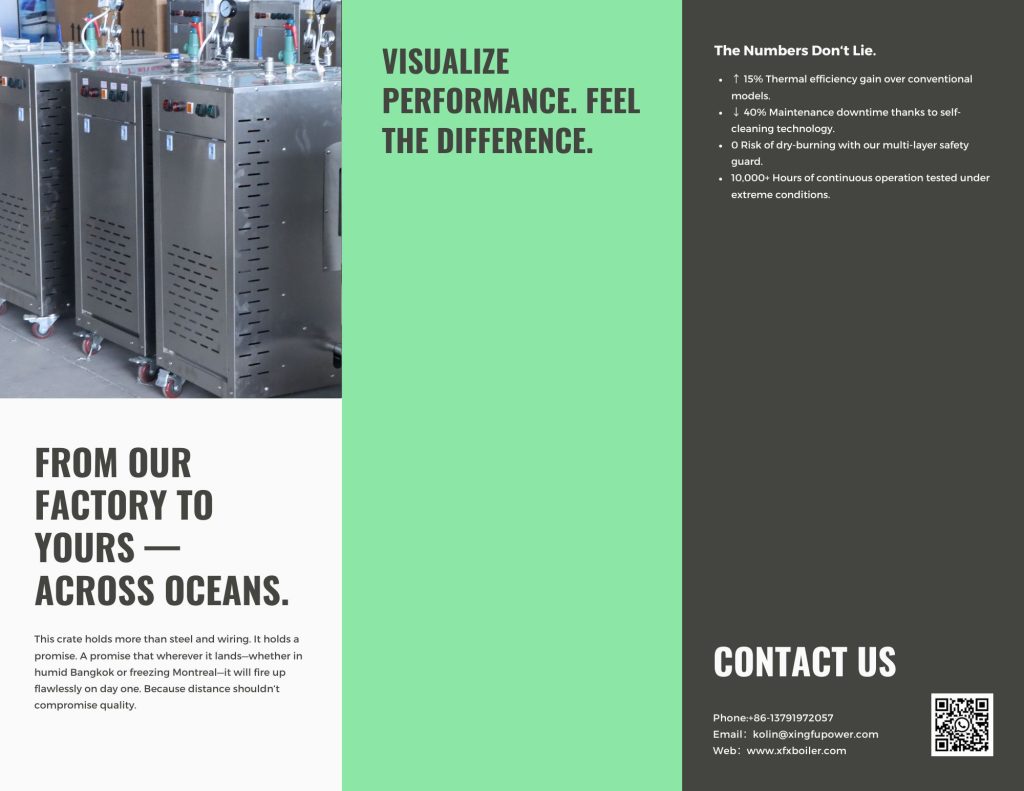
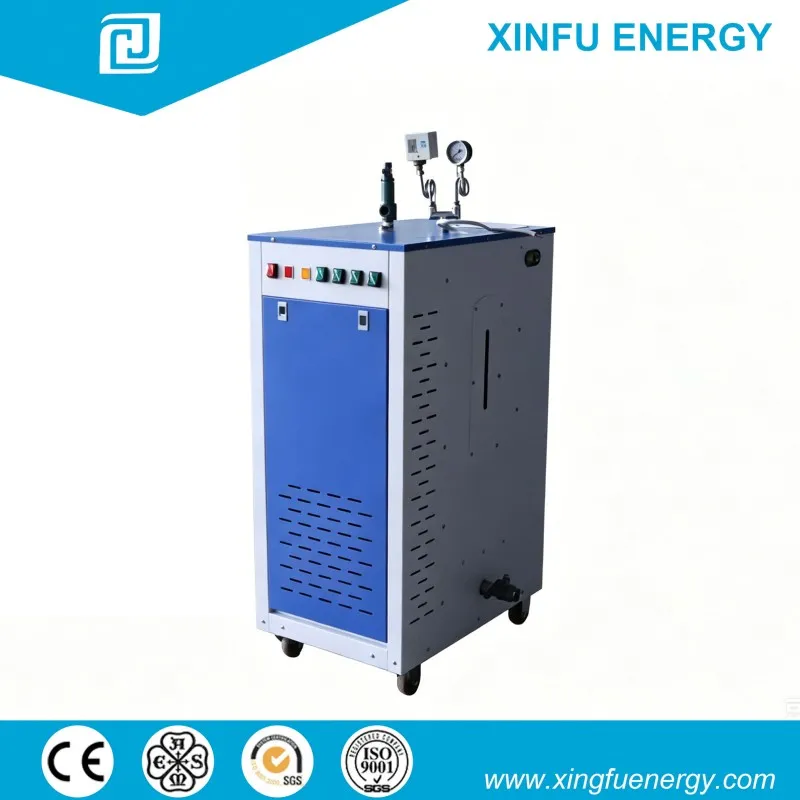
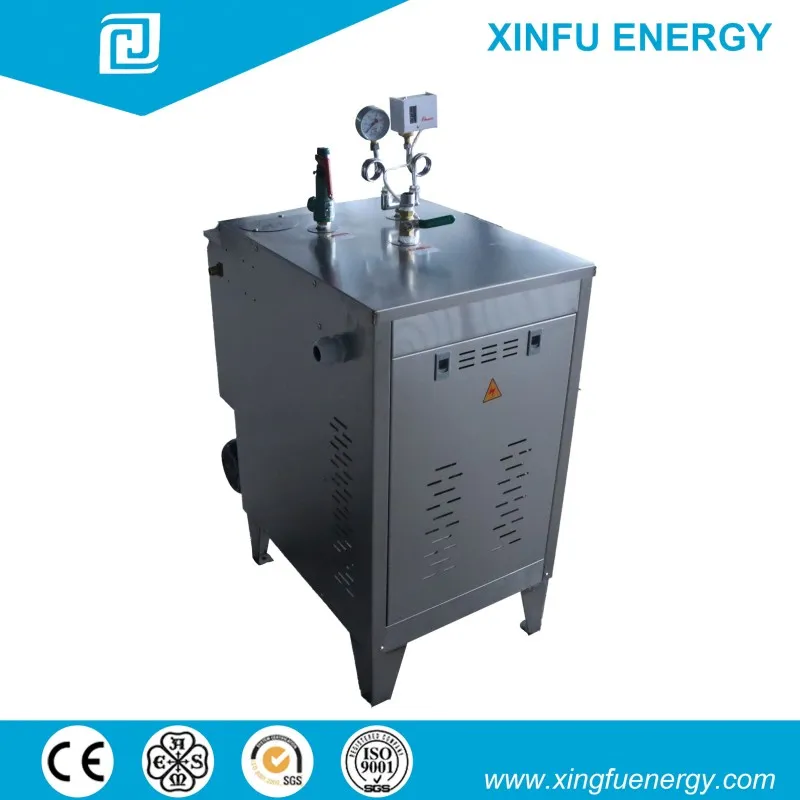
A compact unit, about the size of a large refrigerator, rolls in on a pallet. It sits on a standard concrete floor — no special foundation needed.
No chimney.
No exhaust system.
No fuel storage tank.
No fuel line.
No ventilation ductwork.
Just water in. Electricity in. Steam out.
That's it.
You connect the water supply, plug it into your electrical panel, fire it up, and within minutes — steam. No contractors for weeks. No structural modifications. No waiting for permits. No inspections before you can start.
And because it's electric, there's no on-site combustion. That means:
✅ No fire risk from fuel storage
✅ No carbon monoxide concerns
✅ No gas leaks to worry about
✅ No chimney fires
Some of our customers have gone from delivery to full operation in under a day.
That's not a typo. One day.
If you've ever done a boiler installation, you know how insane that sounds. But it's real.
So if you're thinking about upgrading or expanding, the installation process alone might be reason enough to consider electric.
👇 What was your worst equipment installation nightmare? I want to hear the horror stories.
Maintenance & Reliability
5 Years, Zero Boiler Headaches. Here's How.
Let's talk about something nobody likes to think about: maintenance.
With a traditional boiler, the maintenance list never ends.
Burner tuning (you need a specialist)
Flue cleaning (messy and time-consuming)
Fuel filter changes
Pump rebuilds
Scale buildup in the heat exchanger
Chimney inspections
Safety valve testing
Combustion analysis
And about a dozen other things I'm forgetting
It's not just expensive — it's a constant hassle. And if something breaks, you're looking at days or even weeks of downtime while you wait for parts and a technician.
Electric steam generators?
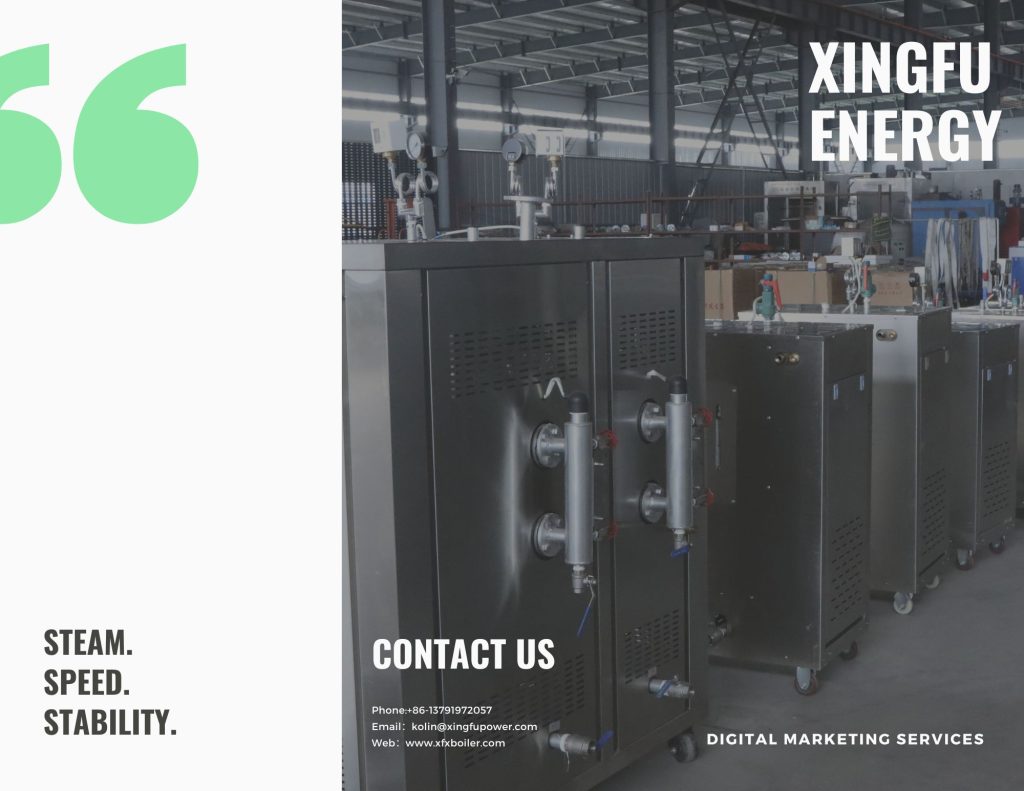
Let me put it this way: they have no burner, no flue, no fuel system, and no heat exchanger to fail.
The main components are:
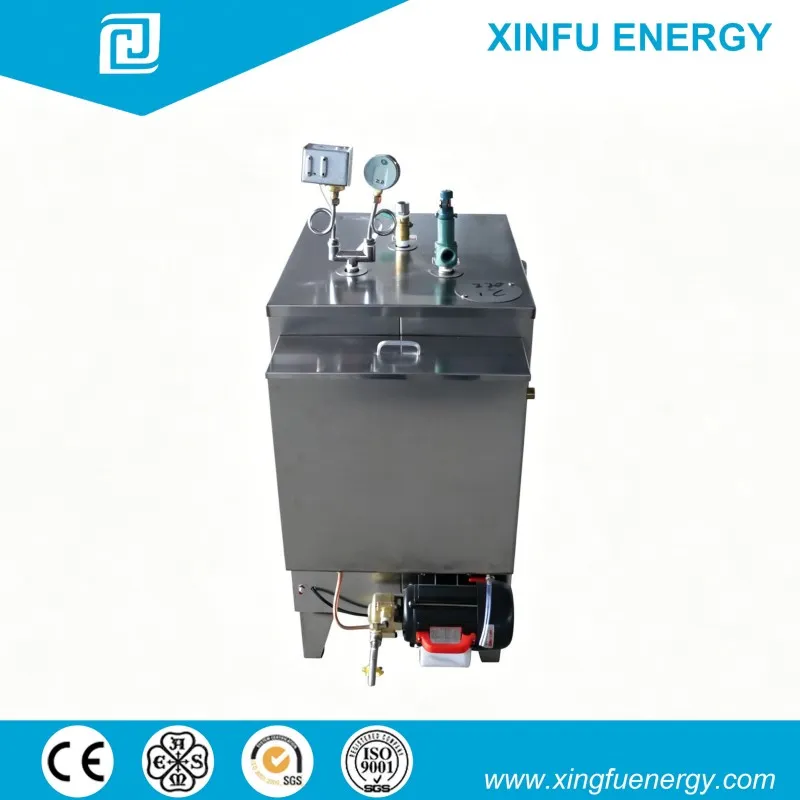
Heating elements (like the ones in your water heater, but industrial)
A water tank
A control panel
A pump
That's pretty much it.
Heating elements eventually wear out — that's normal. But they're cheap and take about 30 minutes to replace. We're talking maybe once every few years, depending on water quality.
Scale buildup? Still a thing, yes. But because there's no heat exchanger to clog up, it's way easier to manage. A regular descaling routine keeps things running smooth.
And here's the best part: the control system monitors everything. It'll alert you before something becomes a problem. No surprise breakdowns. No emergency calls at 2 AM.
One customer told us: "In 5 years, I've done nothing but basic maintenance. I almost forgot what boiler stress felt like."