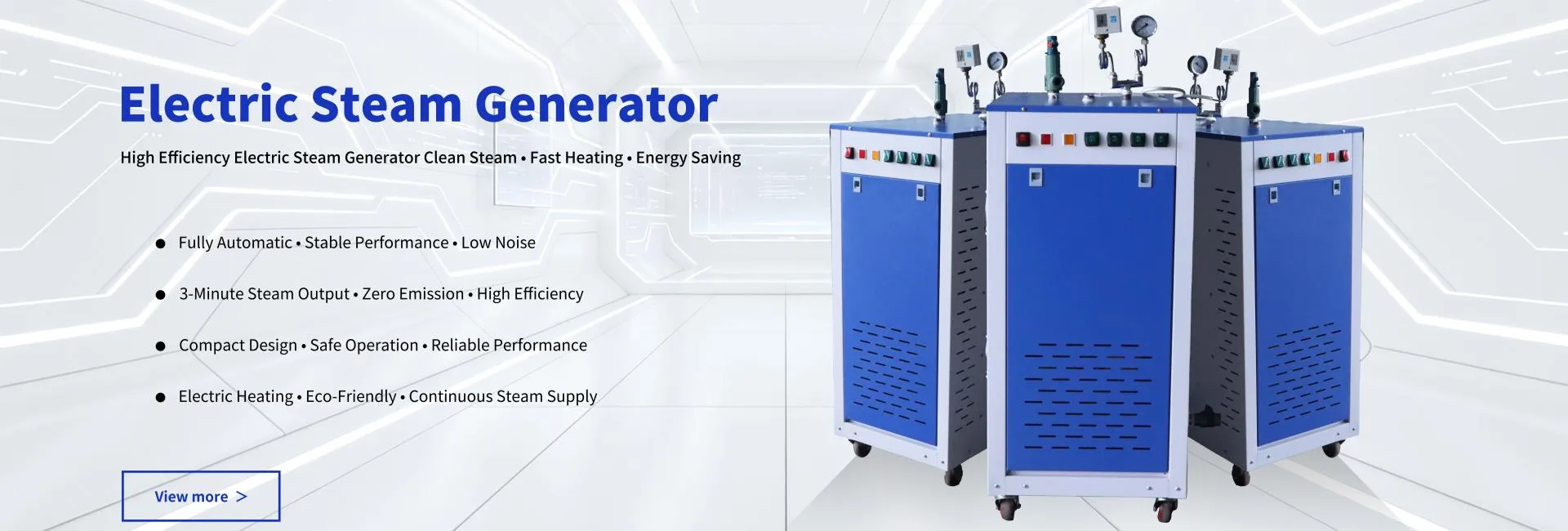
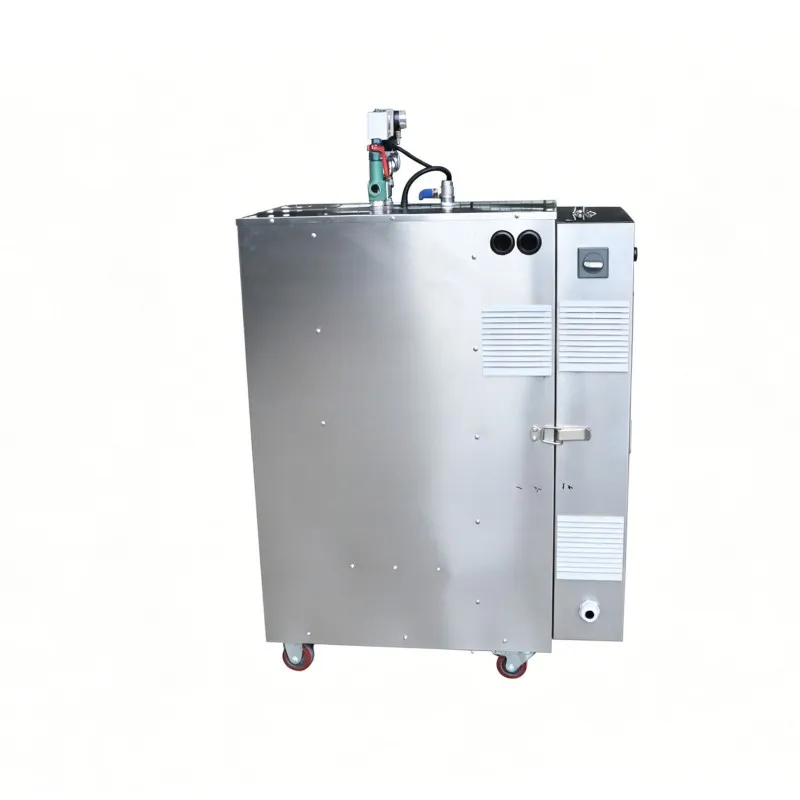
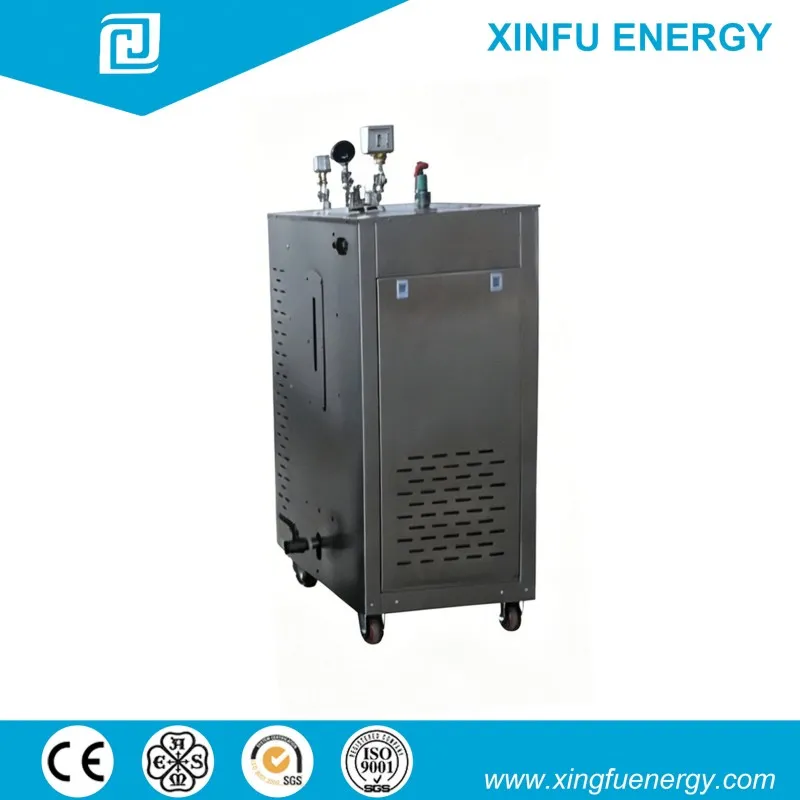
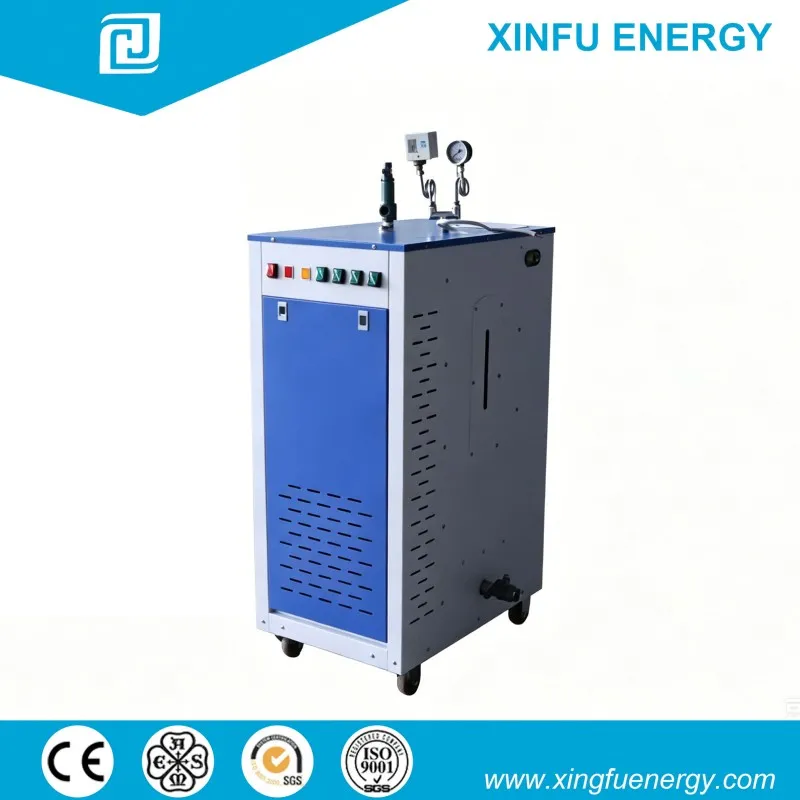
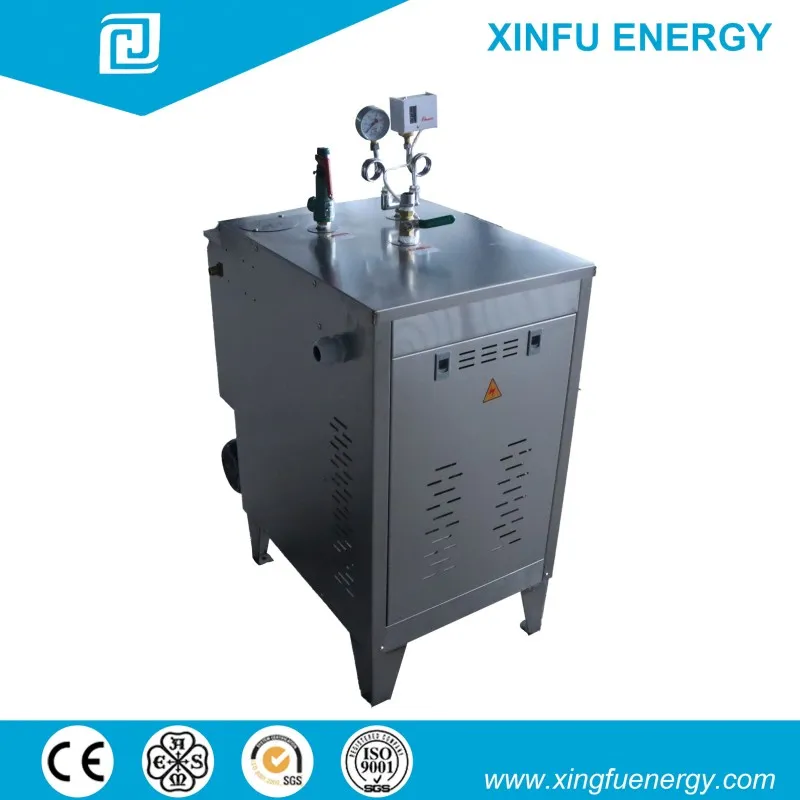
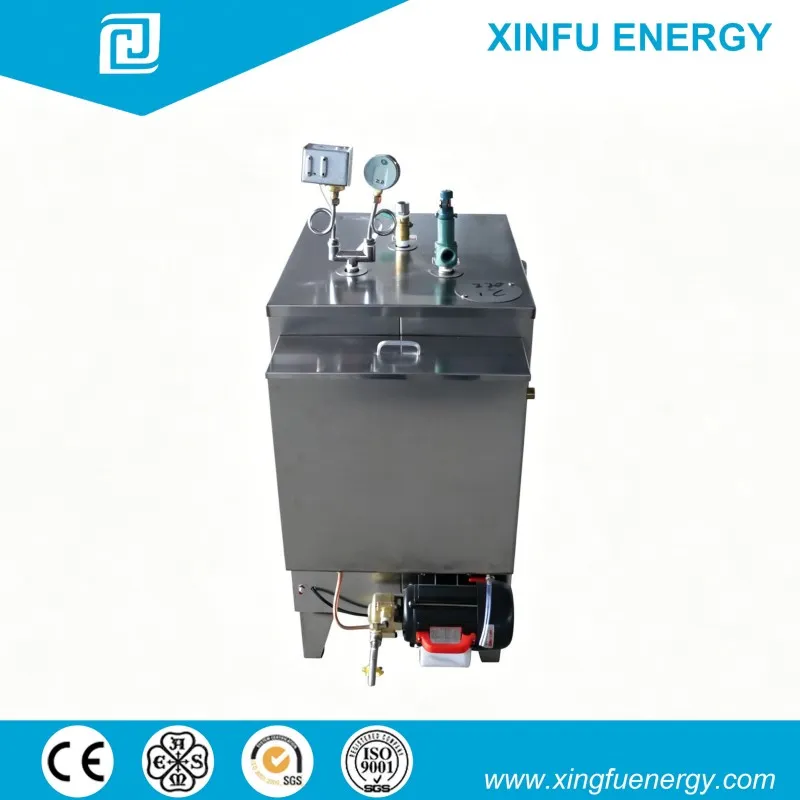
An Industrial Steam Generator System is a compact, high-efficiency thermal energy solution designed to produce saturated or superheated steam for manufacturing, processing, and heating applications. Unlike traditional large-scale boilers, modern industrial steam generators utilize advanced heat exchange technologies to achieve rapid startup times, precise temperature control, and significantly lower operational costs. In 2026, these systems are the preferred choice for industries seeking to reduce carbon footprints while maintaining rigorous production standards. By integrating smart controls and modular designs, an industrial steam generator system delivers reliable steam output with minimal maintenance, ensuring optimal performance for sectors ranging from food processing to chemical manufacturing.
What Is an Industrial Steam Generator System?
An industrial steam generator system is a specialized piece of equipment that converts water into steam using various energy sources, including natural gas, electricity, biomass, or waste heat. The core function is to transfer thermal energy efficiently to a process load. In contemporary industrial settings, the term “generator” often distinguishes these units from traditional fire-tube or water-tube boilers by emphasizing their modularity, speed, and automated operation.
The fundamental difference lies in the design philosophy. Traditional boilers often store large volumes of water and require significant time to reach operating pressure. In contrast, an industrial steam generator typically operates with a lower water volume, allowing it to generate steam on demand. This “on-demand” capability reduces standby losses and improves overall thermal efficiency. For facility managers and engineers, understanding this distinction is critical when evaluating capital expenditure versus long-term operational savings.
Core Components and Working Principle
To understand how an industrial steam generator system delivers value, one must examine its primary components. Each part plays a specific role in ensuring safety, efficiency, and longevity.
Heat Exchanger: The heart of the system. In gas-fired units, this is often a multi-pass stainless steel or copper alloy structure. In electric models, it consists of high-grade heating elements. The material choice directly impacts heat transfer rates and corrosion resistance.
Water Feed System: Includes pumps, valves, and water treatment interfaces. Proper water quality is essential to prevent scaling, which can drastically reduce efficiency. Modern systems integrate automatic blowdown controls to manage total dissolved solids (TDS).
Combustion Chamber or Heating Element Array: For fuel-based generators, the combustion chamber is designed for complete fuel burn, minimizing emissions. Electric units use solid-state relays to modulate power input precisely.
Control Panel and PLC: The brain of the operation. In 2026, standard controllers feature IoT connectivity, allowing remote monitoring, predictive maintenance alerts, and integration with factory management systems.
Safety Valves and Sensors: Critical for compliance. These include pressure relief valves, low-water cutoffs, and temperature sensors that ensure the system operates within safe limits.
The working principle involves feeding treated water into the heat exchanger. Energy is applied rapidly, causing phase change from liquid to vapor. The resulting steam is separated from any remaining water droplets and delivered to the application point at the required pressure. This continuous flow process eliminates the need for large storage tanks, reducing the physical footprint of the installation.
Why Choose an Industrial Steam Generator Over Traditional Boilers?
The shift from traditional boilers to industrial steam generator systems is driven by economic and environmental factors. While traditional boilers have served industry for decades, their limitations in flexibility and efficiency are becoming apparent in modern manufacturing environments.
Efficiency and Energy Savings
Traditional boilers often suffer from significant standby losses. When not in use, they must maintain a reservoir of hot water and steam, consuming fuel continuously. An industrial steam generator, particularly a modular one, only operates when there is a demand for steam. This modulation can lead to energy savings of 20% to 30% compared to single large boiler installations.
Furthermore, modern generators achieve higher combustion efficiencies. Advanced burner designs and heat recovery systems capture waste heat from flue gases, preheating the incoming feedwater. This closed-loop efficiency improvement is a key factor in reducing the total cost of ownership.
Space Optimization and Modular Scalability
Facility space is a premium asset. Traditional boilers require substantial clearance for maintenance, piping, and safety zones. Industrial steam generators are compact and can often be installed in tighter spaces. Their modular nature allows facilities to scale capacity incrementally. Instead of installing one massive 10,000 kg/h unit, a plant might install four 2,500 kg/h modules. If one module requires maintenance, the others continue to operate, ensuring uninterrupted production.
Regulatory Compliance and Emissions
Environmental regulations in 2026 are stricter than ever. Traditional coal or oil-fired boilers face increasing scrutiny regarding NOx, SOx, and particulate matter emissions. Industrial steam generators, especially those fueled by natural gas or electricity, offer cleaner combustion profiles. Many models come pre-certified for low-NOx emissions, simplifying the permitting process for new installations or retrofits.
Feature
Traditional Boiler
Industrial Steam Generator System
Startup Time
30 minutes to several hours
Less than 5 minutes
Footprint
Large, requires dedicated boiler room
Compact, flexible installation
Efficiency
80-85% (often lower due to standby losses)
95-98% (modulating, low standby loss)
Maintenance
Complex, annual inspections mandatory
Simplified, modular repair possible
Scalability
Difficult, requires new major installation
Easy, add parallel modules
Initial Cost
High capital expenditure
Lower initial investment per unit
Key Applications of Industrial Steam Generator Systems
The versatility of industrial steam generator systems makes them suitable for a wide array of industries. Understanding specific application requirements helps in selecting the right configuration.
Food and Beverage Processing
In the food industry, steam is used for cooking, sterilization, pasteurization, and cleaning. Hygiene is paramount. Industrial steam generators provide clean, pure steam without the risk of contamination from boiler chemicals. Rapid response times are crucial for batch processing, where steam demand can fluctuate wildly. For example, in a brewery, steam is needed intermittently for cleaning tanks and boiling wort. A modular generator system matches this variable load efficiently, reducing energy waste during idle periods.
Pharmaceutical and Healthcare
Pharmaceutical manufacturing requires strict adherence to Good Manufacturing Practices (GMP). Steam is used for sterilizing equipment, autoclaving, and humidification in clean rooms. The consistency and purity of steam generated by modern systems meet these rigorous standards. Electric steam generators are particularly popular in this sector because they produce steam without combustion byproducts, ensuring the highest level of purity.
Chemical and Petrochemical Industry
Chemical processes often require steam for heating reactors, distillation columns, and driving turbines. Reliability is critical; a steam outage can halt production and cause safety hazards. The redundancy offered by modular industrial steam generator systems ensures continuous operation. Additionally, the ability to handle high-pressure steam makes these systems suitable for complex chemical synthesis processes.
Textile and Laundry Services
Industrial laundries and textile mills consume vast amounts of steam for drying, pressing, and dyeing. Cost efficiency is the primary driver here. The high thermal efficiency of steam generators translates directly to lower utility bills. Furthermore, the quick startup capability allows facilities to start operations immediately at the beginning of a shift, maximizing productivity.
Hospital Sterilization
Hospitals rely on steam for sterilizing surgical instruments and linens. Any failure in the steam supply can disrupt critical healthcare services. Industrial steam generators provide a reliable, on-site source of sterile steam. Their compact size allows them to be installed closer to the point of use, reducing heat loss in distribution pipes.
Industry Leader Spotlight: Qingdao Xingfu Energy Equipment Ltd.
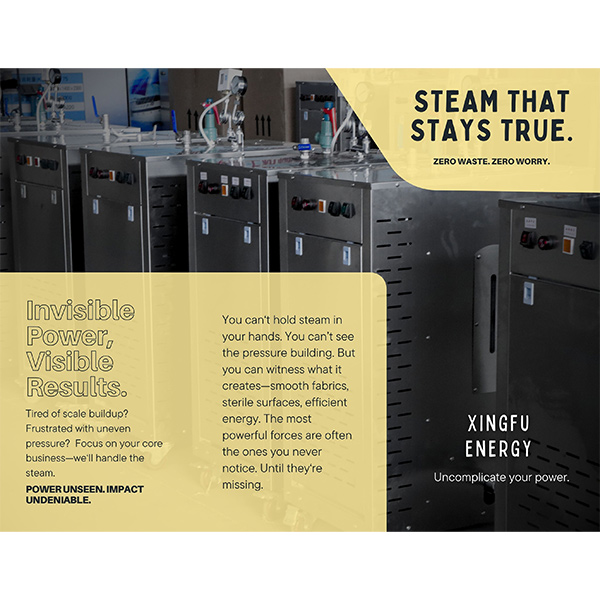
When discussing the implementation of high-efficiency steam solutions, it is essential to look at manufacturers who combine deep engineering expertise with modern production capabilities. Qingdao Xingfu Energy Equipment Ltd., founded in 2010 and headquartered in Qingdao, China, stands out as a prime example of such innovation. As a high-tech, vertically integrated manufacturer, Xingfu has established a stable position among domestic and international energy equipment suppliers by focusing on research, design, and manufacturing of industrial boilers and steam generators.
Xingfu’s core business aligns perfectly with the modern demand for efficient, eco-friendly steam generation. Their product line features the compact S-Series automation solutions, which include fully automated electric steam generators and intelligent steam boilers capable of rapid steam production. These systems are constructed from high-grade stainless steel, ensuring durability and meeting stringent environmental safety requirements with zero emissions during operation. This focus on cleanliness and efficiency makes them ideal for the sensitive applications mentioned earlier, such as pharmaceuticals and food processing.
What sets Qingdao Xingfu apart is its robust infrastructure and technical depth. Operating out of a 70,500-square-meter production base, the company employs a highly skilled workforce where over 21% are technical experts, including numerous certified engineers and welders. This technical prowess is backed by comprehensive quality control systems, ISO 9001 and CE certifications, and manufacturing licenses for Class B boilers and pressure containers. With a market presence in over 30 countries—including Mongolia, Indonesia, Poland, and Spain—Xingfu demonstrates that high-quality, reliable steam generation is a global standard, supported by a commitment to long-term partnerships and full-lifecycle customer support.
How to Select the Right Industrial Steam Generator System
Choosing the appropriate industrial steam generator system requires a detailed analysis of your facility’s needs. Making the wrong choice can lead to inefficiencies, higher costs, and operational bottlenecks.
Step 1: Determine Steam Demand Profile
The first step is to calculate your maximum and average steam consumption. Do not just look at the peak load; analyze the load profile over time. Is the demand constant, or does it fluctuate? For fluctuating loads, a modular system with multiple smaller units is often more efficient than a single large unit. Calculate the required steam pressure and temperature, as these parameters dictate the design specifications of the generator.
Step 2: Evaluate Fuel Sources
Available fuel sources significantly impact the choice of system. Natural gas is common and cost-effective in many regions. Electricity offers precision and cleanliness but may have higher operating costs depending on local rates. Biomass or waste heat recovery options are viable for facilities with access to organic waste or industrial byproducts. Consider the long-term availability and price stability of the fuel source.
Step 3: Assess Water Quality
Water quality is the single most important factor affecting the lifespan of a steam generator. Hard water leads to scaling, which insulates heat transfer surfaces and reduces efficiency. Conduct a comprehensive water analysis before selecting a system. If water quality is poor, invest in robust water treatment solutions such as reverse osmosis or softeners. Some industrial steam generator systems are more tolerant of varying water qualities, but optimal performance always requires treated water.
Step 4: Consider Space and Installation Constraints
Evaluate the physical space available for installation. Measure doorways, ceiling heights, and floor load capacities. Modular systems offer flexibility in tight spaces, as units can be arranged in various configurations. Ensure there is adequate ventilation for combustion air if using fuel-fired units. Also, consider future expansion possibilities. Leaving space for additional modules can save significant costs down the line.
Step 5: Review Regulatory and Safety Requirements
Local codes and regulations govern the installation and operation of steam generating equipment. Ensure the selected system complies with ASME, PED, or other relevant standards. Check if the system requires a certified operator or if it qualifies for exempt status due to its size and design. Automated systems with comprehensive safety features can reduce the regulatory burden and operational complexity.
Technical Parameters and Performance Metrics
When comparing industrial steam generator systems, focus on key technical parameters that define performance and efficiency.
Evaporation Rate: Measured in kg/h or lbs/h, this indicates the amount of steam produced per hour. Ensure the rated capacity meets your peak demand with a safety margin.
Thermal Efficiency: Look for systems with efficiency ratings above 95%. Higher efficiency means lower fuel consumption and reduced operating costs.
Pressure Range: Standard industrial systems operate between 7 bar and 20 bar. Select a system that matches your process pressure requirements without excessive throttling.
Turn-down Ratio: This metric indicates the range over which the system can modulate its output. A high turn-down ratio (e.g., 10:1) allows the system to operate efficiently at low loads, preventing cycling and wear.
Startup Time: Faster startup times (under 5 minutes) reduce energy waste and improve responsiveness to process changes.
Noise Level: Important for facilities located near residential areas or within office complexes. Modern designs incorporate sound-dampening features to keep noise levels within acceptable limits.
Installation and Commissioning Best Practices
Proper installation is crucial for the safe and efficient operation of an industrial steam generator system. Poor installation can lead to premature failure, safety hazards, and voided warranties.
Site Preparation
Ensure the foundation is level and capable of supporting the weight of the equipment. Provide adequate clearance for maintenance access and airflow. Install proper venting and exhaust systems according to manufacturer specifications and local codes. For gas-fired units, ensure the gas supply line is sized correctly to deliver the required volume and pressure.
Water Treatment Integration
Integrate water treatment systems before connecting the generator. Install softeners, deaerators, or reverse osmosis units as needed. Ensure proper piping materials are used to prevent corrosion. Install check valves and isolation valves to facilitate maintenance and prevent backflow.
Electrical Connections
For electric systems, ensure the power supply matches the voltage and phase requirements. Use appropriately sized cables and breakers. Ground the system properly to prevent electrical hazards. For control systems, ensure stable communication links for remote monitoring and data logging.
Commissioning and Testing
Before full operation, conduct thorough testing. Check for leaks in water, steam, and fuel lines. Verify the operation of all safety devices, including pressure relief valves and low-water cutoffs. Calibrate sensors and controllers. Perform a trial run under load to ensure the system meets performance specifications. Document all test results for future reference and regulatory compliance.
Maintenance Strategies for Long-Term Reliability
Regular maintenance extends the life of your industrial steam generator system and maintains its efficiency. Neglecting maintenance can lead to costly repairs and unplanned downtime.
Daily Checks
Inspect water levels and pressure gauges.
Check for visible leaks in pipes and fittings.
Monitor flame color and stability (for gas units).
Verify proper operation of safety valves.
Weekly Maintenance
Test low-water cutoff controls.
Blow down the system to remove sediment and control TDS.
Inspect water treatment systems and replenish chemicals if necessary.
Clean external surfaces to prevent dust accumulation.
Annual Servicing
Conduct a thorough internal inspection of the heat exchanger.
Descale heat transfer surfaces if needed.
Calibrate all sensors and instruments.
Inspect and replace worn gaskets and seals.
Perform combustion analysis and adjust burner settings (for gas units).
Review and update safety protocols.
Implementing a predictive maintenance program using IoT sensors can further enhance reliability. Monitoring trends in temperature, pressure, and vibration allows for early detection of potential issues, enabling proactive repairs before failures occur.
Common Mistakes to Avoid When Buying Steam Generators
Even experienced buyers can make mistakes when purchasing an industrial steam generator system. Avoiding these common pitfalls can save time, money, and frustration.
Oversizing or Undersizing: Oversizing leads to inefficient cycling and higher costs. Undersizing causes production bottlenecks. Accurate load profiling is essential.
Ignoring Water Quality: Failing to address water hardness leads to rapid scaling and reduced efficiency. Always invest in appropriate water treatment.
Neglecting Lifecycle Costs: Focus solely on the purchase price ignores operating and maintenance costs. A slightly more expensive, high-efficiency unit often pays for itself quickly.
Overlooking Support Services: Choose a supplier with strong technical support and spare parts availability. Downtime is expensive, and quick service response is critical.
Disregarding Future Expansion: Failing to plan for growth can limit flexibility. Modular systems offer better scalability for future needs.
Frequently Asked Questions (FAQ)
How does an industrial steam generator differ from a boiler?
While both produce steam, an industrial steam generator is typically more compact, has a faster startup time, and operates with lower water volume. It is designed for modularity and on-demand steam production, whereas traditional boilers often store large volumes of water and take longer to reach operating pressure. Generators are generally more efficient for variable loads.
What is the typical lifespan of an industrial steam generator?
With proper maintenance and water treatment, an industrial steam generator system can last 15 to 20 years or more. Key factors influencing lifespan include water quality, operational hours, and adherence to maintenance schedules. Regular descaling and component replacement are essential for longevity.
Can industrial steam generators use renewable energy?
Yes, many modern systems are compatible with renewable energy sources. Biomass-fired generators use organic materials, while electric generators can be powered by solar or wind energy. Hybrid systems are also emerging, allowing facilities to switch between fuel sources based on availability and cost.
Is special training required to operate these systems?
Most modern industrial steam generator systems are fully automated and require minimal operator intervention. However, personnel should be trained in basic troubleshooting, safety procedures, and routine maintenance tasks. Certification requirements vary by region and system size.
How do I calculate the ROI of switching to a steam generator?
To calculate ROI, compare the total cost of ownership (TCO) of your current system with the proposed steam generator. Include factors such as fuel savings, maintenance costs, downtime reduction, and potential incentives for energy-efficient equipment. Typically, the higher efficiency and lower standby losses of steam generators result in a payback period of 1 to 3 years.
What safety features are standard in industrial steam generators?
Standard safety features include pressure relief valves, low-water cutoffs, high-temperature limits, flame failure detection (for gas units), and automatic shutdown mechanisms. Modern systems also include diagnostic alarms and remote monitoring capabilities to enhance safety.
Conclusion: Optimizing Your Industrial Steam Strategy
Investing in an Industrial Steam Generator System is a strategic decision that impacts operational efficiency, cost management, and environmental compliance. As demonstrated, these systems offer superior flexibility, higher efficiency, and lower lifecycle costs compared to traditional boilers. Their modular design allows for scalable growth, while advanced control systems ensure precise steam delivery for diverse industrial applications.
For facility managers and engineers, the key to success lies in selecting the right system for your specific needs. This involves accurate load profiling, careful consideration of fuel and water quality, and choosing a reputable supplier with strong support capabilities. By avoiding common pitfalls and implementing a robust maintenance strategy, you can maximize the return on your investment and ensure reliable steam production for years to come.
If you are ready to upgrade your steam infrastructure or need assistance in sizing the perfect system for your facility, our team of experts is here to help. We provide comprehensive consultations, custom engineering solutions, and ongoing support to ensure your operations run smoothly and efficiently.
Take the next step towards efficient steam production. Contact us today to discuss your requirements and receive a tailored proposal for your industrial steam generator system.