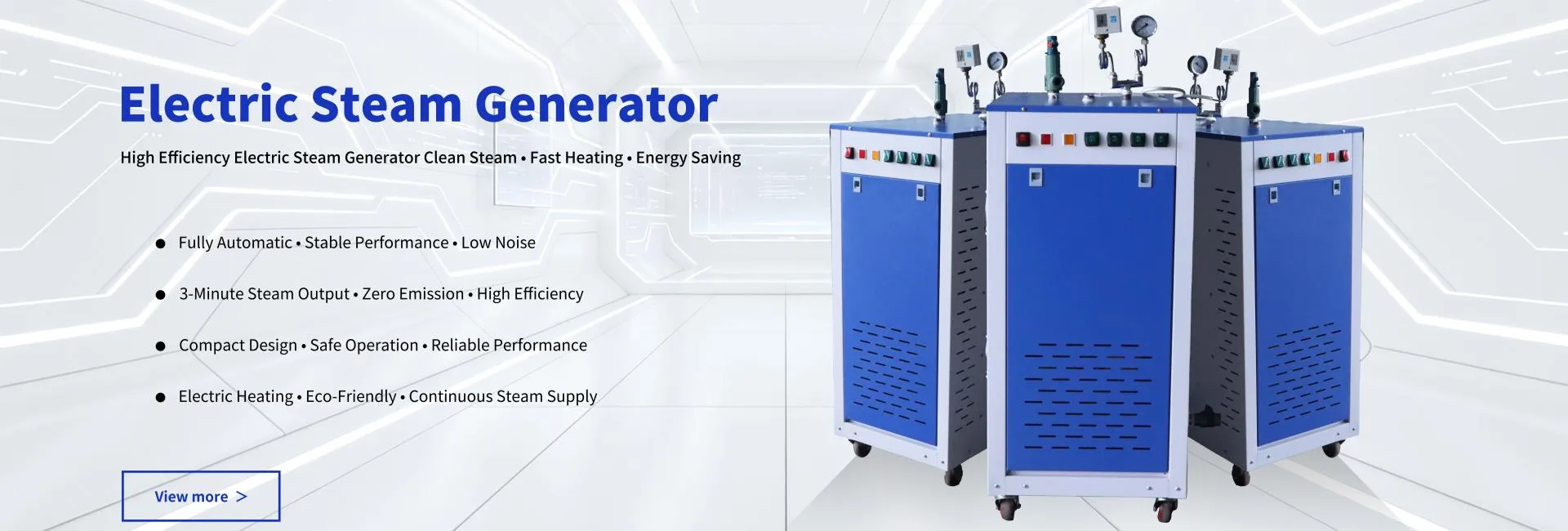
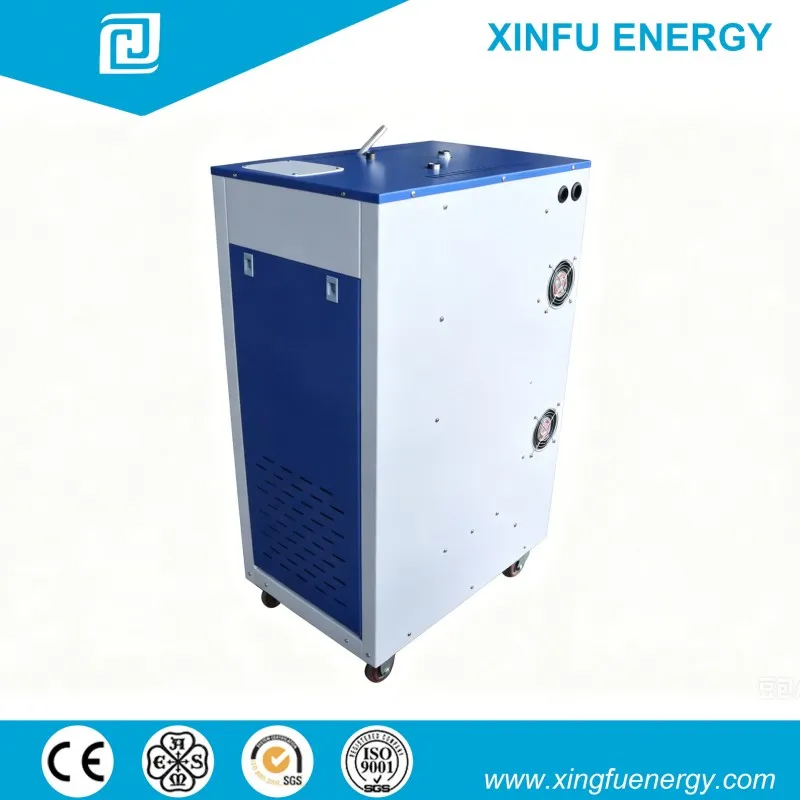
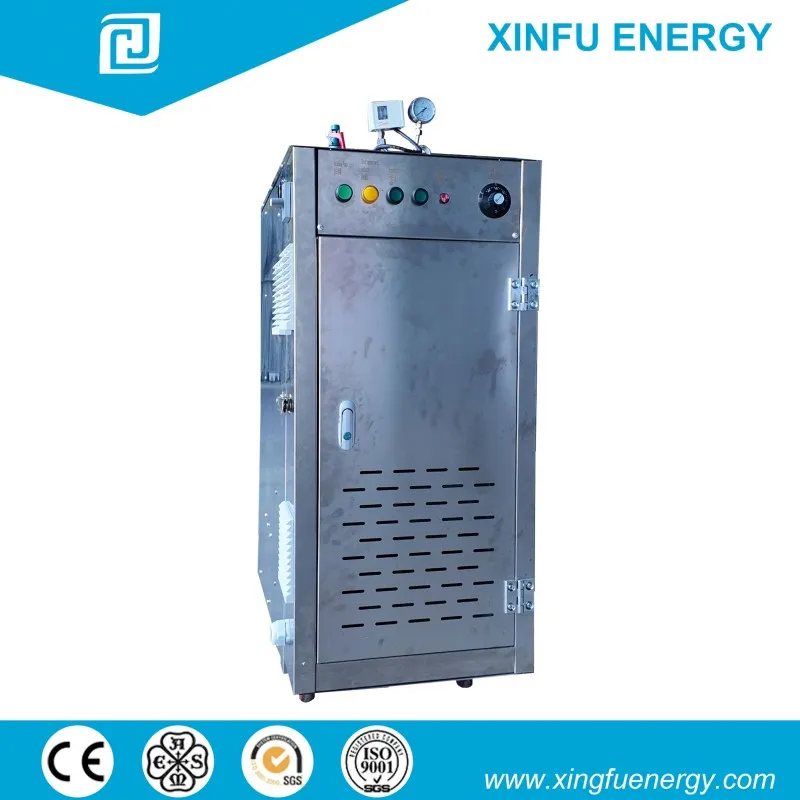
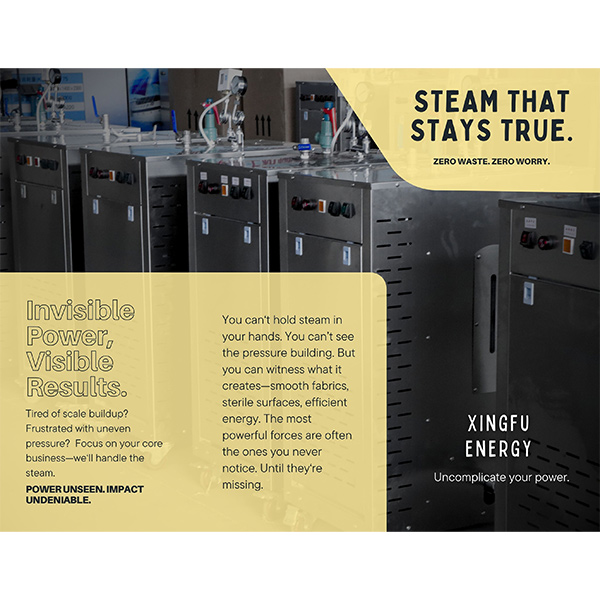
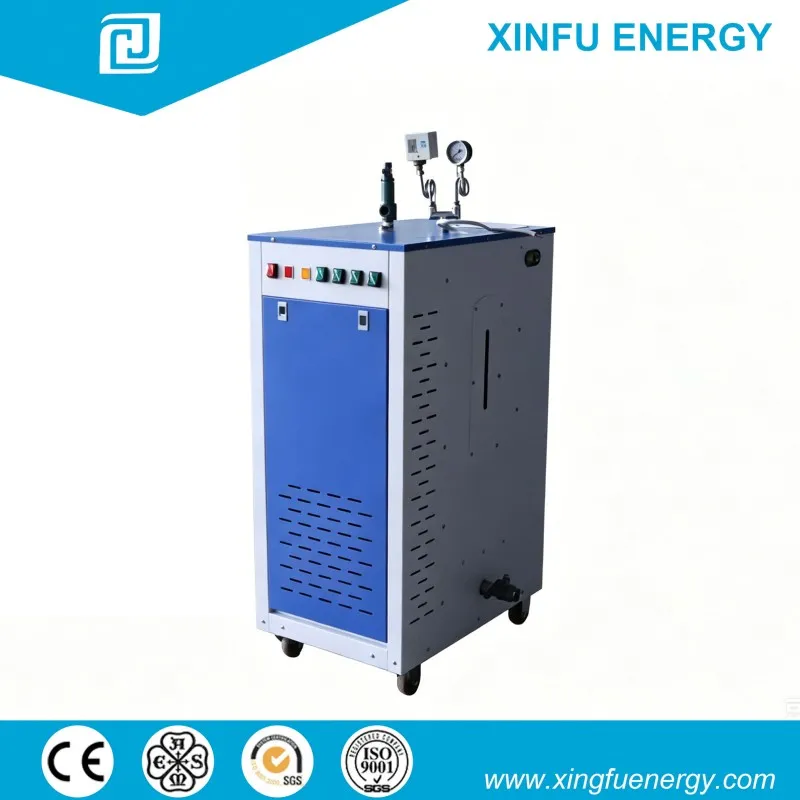
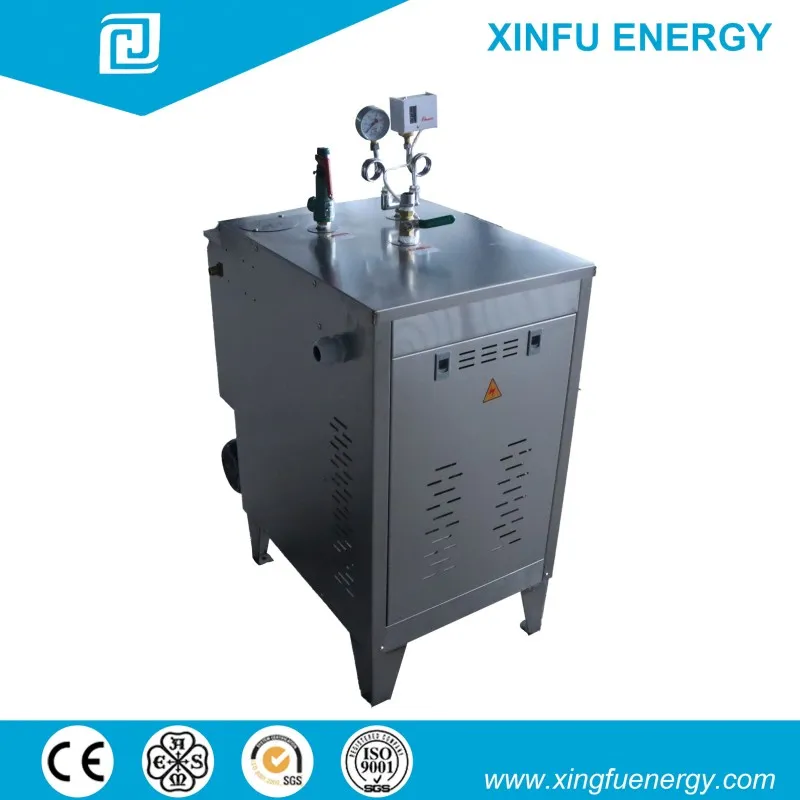
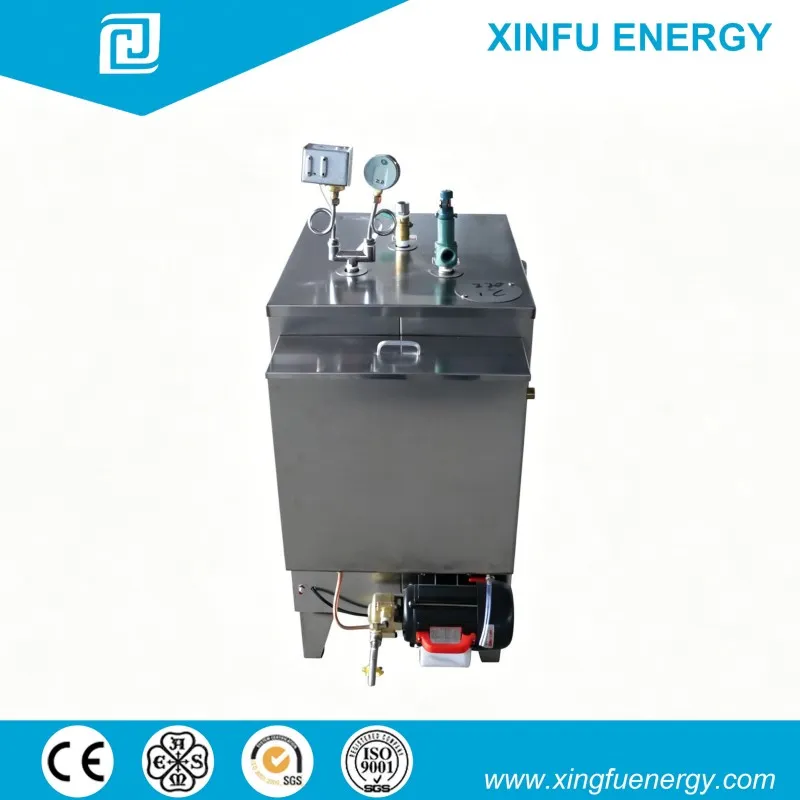
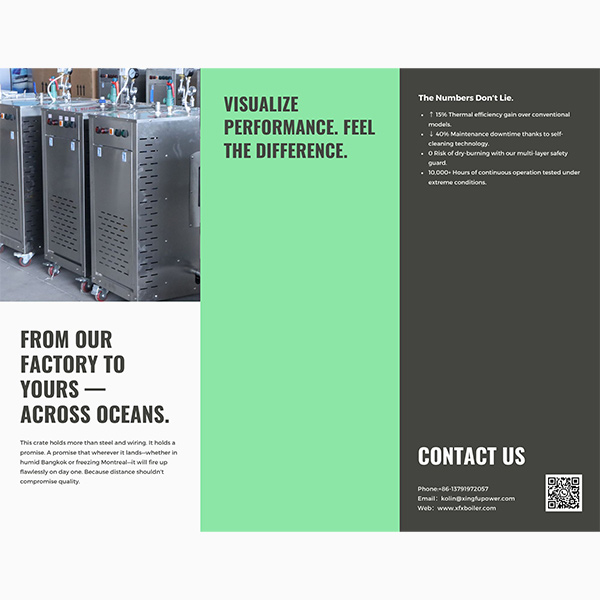
The L-Series Electric Steam Generator is a high-efficiency, industrial-grade steam solution designed for precise thermal control and rapid response. As an OEM manufacturer, we provide customizable specifications to meet diverse B2B needs, from food processing to pharmaceutical sterilization. Unlike traditional boilers, the L-Series utilizes advanced resistive heating elements and smart PLC controls to achieve 98% thermal efficiency with zero onsite emissions. This page details technical specifications, pricing factors, installation requirements, and maintenance protocols to help engineering teams and procurement managers make informed decisions.
What Is the L-Series Electric Steam Generator?
The L-Series represents the next generation of electric steam generation technology. It is a compact, modular system that converts electrical energy directly into high-quality saturated steam. Designed for industries requiring clean, dry, and consistent steam, this unit eliminates the need for fuel storage, combustion chambers, or complex exhaust systems.
At its core, the L-Series uses high-grade stainless steel heating elements submerged in a pressurized vessel. When energized, these elements transfer heat directly to the water, creating steam almost instantly. The system is governed by a sophisticated Programmable Logic Controller (PLC) that monitors pressure, water level, and temperature in real-time, ensuring safe and efficient operation.
Core Working Principle
Understanding the operational logic of the L-Series is crucial for proper application. The process follows a direct resistance heating model:
Water Intake: Deionized or softened water enters the pressure vessel through an automated feed valve.
Resistive Heating: High-performance alloy heating elements activate, transferring thermal energy to the water.
Steam Generation: Water boils rapidly, producing saturated steam within the sealed chamber.
Pressure Regulation: Sensors detect internal pressure. The PLC modulates power output to maintain the set pressure point.
Distribution: Dry steam exits through the main outlet valve to the application point (e.g., heat exchanger, autoclave, or jacket).
This direct conversion method minimizes energy loss. Traditional fossil-fuel boilers often lose 10-15% of energy through flue gases. The L-Series retains nearly all generated heat within the system, contributing to its superior efficiency ratings.
Key Technical Specifications of the L-Series
For engineering teams evaluating compatibility, detailed technical data is essential. The L-Series is available in multiple configurations to suit varying load demands. Below are the standard specifications for our most common models. Note that custom voltage and pressure ratings are available upon request.
Model
Evaporation Capacity (kg/h)
Rated Pressure (MPa)
Power Input (kW)
Voltage (V/Ph/Hz)
Thermal Efficiency (%)
L-50
50
0.7 – 1.0
36
380/3/50
>98%
L-100
100
0.7 – 1.0
72
380/3/50
>98%
L-200
200
0.7 – 1.0
144
380/3/50
>98%
L-500
500
0.7 – 1.0
360
380/3/50
>98%
L-1000
1000
0.7 – 1.0
720
380/3/50
>98%
Material and Construction Standards
Durability is a primary concern in industrial environments. The L-Series is constructed using materials that resist corrosion and scaling:
Vessel Body: Made from Q245R or Q345R boiler-grade steel, certified for high-pressure containment.
Heating Elements: Utilizes Incoloy 800 or 316L Stainless Steel sheaths, offering excellent resistance to oxidation and high temperatures.
Insulation: High-density rock wool or ceramic fiber insulation reduces surface temperature and heat loss to ambient air.
Control Panel: IP54-rated enclosure protects sensitive electronics from dust and water splashes.
Why Choose Electric Over Gas or Oil Steam Generators?
The shift toward electrification in industrial heating is driven by regulatory pressures, operational efficiency, and safety concerns. The L-Series Electric Steam Generator offers distinct advantages over traditional fossil-fuel systems.
Operational Efficiency and Cost Control
While electricity prices vary by region, the total cost of ownership (TCO) for electric steam generators is often lower when maintenance and compliance costs are factored in. Electric units have fewer moving parts, no combustion components, and no need for annual flue gas testing.
Energy Conversion: Electric heating achieves nearly 100% conversion of electrical energy to heat. In contrast, gas boilers typically operate at 85-92% efficiency due to stack losses.
Modular Scaling: The L-Series supports modular installation. Instead of installing one massive boiler, facilities can install multiple smaller L-Series units. This allows for “load following,” where only the necessary number of units operate based on demand, reducing standby losses.
Environmental Compliance and Sustainability
In 2026, environmental regulations are stricter than ever. Many jurisdictions impose carbon taxes or restrict fossil fuel usage in urban industrial zones. The L-Series produces zero onsite emissions:
No NOx (Nitrogen Oxides) emissions.
No SOx (Sulfur Oxides) emissions.
No particulate matter or soot.
No requirement for chimneys or exhaust stacks.
This makes the L-Series ideal for facilities aiming for LEED certification or those operating in environmentally sensitive areas.
Safety and Footprint
Safety is paramount in industrial settings. The L-Series eliminates risks associated with fuel storage, such as leaks, spills, or explosions. Without a flame or combustion process, the risk of fire is significantly reduced. Additionally, the compact design requires up to 50% less floor space compared to equivalent gas-fired boilers, freeing up valuable production area.
About Qingdao Xingfu Energy Equipment Ltd.
The reliability and innovation behind the L-Series are backed by Qingdao Xingfu Energy Equipment Ltd., a high-tech manufacturer headquartered in Qingdao City, Shandong Province, China. Founded in 2010, Xingfu has established itself as a leading global supplier of industrial energy equipment, combining over 14 years of manufacturing experience with continuous technological innovation.
As a vertically integrated manufacturer, Xingfu manages the entire product lifecycle—from R&D and design to manufacturing and certified transportation. Our 70,500-square-meter production base includes 21,000 square meters of dedicated workshops equipped with state-of-the-art welding robots and automated testing lines. With a team of 228 employees, including 78 technical experts and 65 certified welders, we ensure that every L-Series unit meets rigorous international standards, including ISO 9001 and CE certifications.
Our expertise extends beyond electric steam generators to include biomass burners, gasification devices, and pressure containers. However, our core focus remains on delivering high-efficiency, zero-emission steam solutions. Since beginning exports in 2012, we have served clients in over 30 countries, including Mongolia, Indonesia, Korea, Poland, and Spain, building a reputation for quality responsibility and transparent partnerships.
Industrial Applications of the L-Series
The versatility of the L-Series allows it to serve a wide range of industries. Each sector has specific steam quality and reliability requirements, which the L-Series meets through customizable features.
Food and Beverage Processing
In food processing, steam often comes into direct contact with products or packaging. The L-Series can be configured with food-grade stainless steel (316L) and sanitary fittings. Common applications include:
Cooking and Blanching: Direct steam injection for rapid heating of vegetables and meats.
Sterilization: Cleaning and sanitizing processing lines and tanks.
Pasteurization: Providing consistent heat for dairy and juice products.
The precise temperature control ensures product consistency and prevents overheating, which can affect taste and texture.
Pharmaceutical and Healthcare
Pharmaceutical manufacturing requires pure, contaminant-free steam. The L-Series supports clean steam generation when paired with appropriate water treatment systems. Applications include:
Autoclaving: Sterilizing medical instruments and laboratory equipment.
Humidification: Maintaining strict humidity levels in cleanrooms.
Process Heating: Heating reactors and drying beds in drug production.
The absence of combustion byproducts ensures that steam purity remains high, meeting stringent regulatory standards like GMP (Good Manufacturing Practice).
Textile and Garment Industry
Steam is critical for ironing, dyeing, and finishing textiles. The L-Series provides rapid steam onset, reducing wait times during startup. Its ability to maintain stable pressure ensures uniform fabric treatment, preventing defects such as uneven dyeing or scorching.
Chemical and Petrochemical
Chemical processes often require steam for reaction heating, distillation, and stripping. The L-Series offers precise pressure modulation, which is vital for controlling reaction rates. Its explosion-proof control options make it suitable for hazardous environments.
L-Series Electric Steam Generator Price Factors
Pricing for industrial equipment is not one-size-fits-all. As an OEM manufacturer, we structure costs based on several variable factors. Understanding these helps buyers budget accurately.
1. Capacity and Power Rating
The primary driver of cost is the evaporation capacity (kg/h). Larger units require more heating elements, larger vessels, and heavier-duty electrical components. For example, an L-1000 model will naturally cost more than an L-100 due to material volume and engineering complexity.
2. Voltage and Electrical Configuration
Standard units are configured for 380V/3-phase. However, facilities with different electrical infrastructures (e.g., 480V in North America or 690V in some European industrial zones) may require custom transformer setups or specialized contactors, which can impact price.
3. Material Grades and Certifications
Standard models use carbon steel vessels. If your application requires 304 or 316L stainless steel for corrosion resistance or hygiene, material costs will increase. Additionally, specific certifications (ASME, CE, PED) may involve additional testing and documentation fees.
4. Control System Complexity
Basic models feature simple pressure switches. Advanced models include IoT-enabled PLCs with remote monitoring, data logging, and predictive maintenance alerts. These smart features add value but also increase the initial investment.
5. Customization and OEM Requirements
As an OEM partner, we accommodate custom branding, specific pipe orientations, and integration with existing SCADA systems. Engineering hours for custom designs are factored into the final quote.
Note: For an accurate quotation, please provide your required capacity, working pressure, and electrical supply details to our sales engineering team.
Installation and Commissioning Guidelines
Proper installation is critical for the longevity and performance of the L-Series. While the unit is compact, it involves high-voltage electricity and pressurized steam. Professional installation by qualified technicians is mandatory.
Step-by-Step Installation Process
Site Preparation: Ensure the floor can support the unit’s weight when filled with water. Verify adequate clearance for maintenance access (minimum 1 meter on all sides).
Electrical Connection: Connect the main power supply to the terminal block inside the control panel. Ensure proper grounding and install a dedicated circuit breaker sized according to the unit’s amperage rating.
Water Supply Connection: Connect the feed water line. Install a shut-off valve and a strainer to prevent debris from entering the pump. Ensure water quality meets specifications (hardness < 0.03 mmol/L).
Steam Outlet Connection: Connect the steam outlet to your distribution header. Install a stop valve, pressure gauge, and safety valve as per local codes.
Drainage Connection: Connect the blowdown valve to a safe drainage area. Steam discharge can be hot and dangerous; ensure proper venting.
Initial Fill and Test: Open the feed valve to fill the vessel. Check for leaks. Power on the control panel and run a low-pressure test cycle.
Common Installation Errors to Avoid
Inadequate Water Quality: Using hard water leads to rapid scaling on heating elements, reducing efficiency and causing burnout. Always use softened or deionized water.
Undersized Wiring: Using cables that are too thin for the amperage causes voltage drop and overheating. Follow local electrical codes strictly.
Poor Ventilation: Although no combustion occurs, the control panel generates heat. Ensure the room is ventilated to keep ambient temperature within operational limits.
Maintenance and Troubleshooting
The L-Series is designed for low maintenance, but regular checks are essential to ensure reliability and safety. A proactive maintenance schedule extends the lifespan of the heating elements and pressure vessel.
Routine Maintenance Schedule
Frequency
Task
Purpose
Daily
Check pressure gauge and water level indicator
Ensure normal operation and safety
Daily
Perform bottom blowdown
Remove sediment and sludge from the vessel
Weekly
Test safety valve
Verify pressure relief functionality
Monthly
Inspect electrical connections
Tighten loose terminals to prevent arcing
Quarterly
Check water quality
Adjust treatment if hardness or conductivity rises
Annually
Internal inspection and descaling
Remove any scale buildup and inspect vessel integrity
Troubleshooting Common Issues
Issue: Unit does not generate steam. Possible Cause: Low water level, tripped circuit breaker, or faulty contactor. Solution: Check water supply and pump operation. Reset breaker. Inspect contactor for signs of damage.
Issue: Pressure fluctuates excessively. Possible Cause: PID controller settings incorrect or pressure sensor malfunction. Solution: Recalibrate PID parameters. Replace pressure transmitter if readings are erratic.
Issue: High energy consumption. Possible Cause: Scale buildup on heating elements or steam leaks. Solution: Descale elements. Inspect pipes and valves for leaks.
How to Choose the Right L-Series Model
Selecting the correct steam generator involves matching technical specs with operational needs. Use this checklist to guide your decision:
1. Determine Peak Steam Demand
Calculate the maximum steam consumption of your process in kg/h. Include a safety margin of 10-20% to account for peak loads or future expansion. Do not undersize the unit, as this leads to continuous full-load operation and reduced lifespan.
2. Define Working Pressure
Identify the minimum pressure required at the point of use. Account for pressure drops in piping. The L-Series can operate at various pressures, but selecting a unit rated slightly higher than your need provides flexibility.
3. Assess Water Quality
If your facility has hard water, budget for a water softening system. The L-Series performs best with low-hardness water. If ultra-pure steam is needed, plan for a reverse osmosis (RO) system upstream.
4. Evaluate Electrical Infrastructure
Verify that your facility’s transformer has sufficient capacity to handle the load. Large electric steam generators draw significant current. You may need to upgrade your electrical service or install a dedicated transformer.
5. Consider Future Scalability
If your production plans involve growth, consider a modular approach. Installing two smaller L-Series units instead of one large one allows you to run one unit at partial load now and bring the second online later. This improves efficiency at low loads and provides redundancy.
Frequently Asked Questions (FAQ)
What is the lifespan of an L-Series Electric Steam Generator?
With proper maintenance and water treatment, the L-Series typically lasts 15-20 years. Heating elements may need replacement every 3-5 years depending on water quality and usage intensity.
Can the L-Series be used outdoors?
Standard models are designed for indoor installation. However, we can provide weatherproof enclosures (IP65 rating) and heated control panels for outdoor installations in mild climates. Extreme cold requires additional insulation and trace heating.
How does the L-Series compare to gas boilers in terms of speed?
The L-Series is significantly faster. It can generate full-pressure steam within 10-15 minutes from a cold start. Gas boilers often require 30-60 minutes for warm-up due to thermal mass and combustion stabilization.
Is special permission required to install an electric steam generator?
Regulations vary by region. Generally, electric boilers face fewer regulatory hurdles than gas boilers because they do not emit pollutants. However, pressure vessel regulations still apply. You must register the unit with local authorities and undergo periodic inspections.
Can I integrate the L-Series with my existing building management system (BMS)?
Yes. The L-Series PLC supports standard communication protocols such as Modbus RTU, Modbus TCP, and Profibus. This allows seamless integration with BMS for centralized monitoring and control.
What happens if the power fails?
In the event of a power failure, the unit shuts down immediately. Upon power restoration, the system performs a self-check. If water levels are adequate, it can automatically restart and resume steam generation, depending on your configured settings.
OEM and Customization Services
As a direct manufacturer, Qingdao Xingfu Energy Equipment offers extensive OEM services to partners worldwide. We understand that off-the-shelf solutions do not always fit unique industrial processes. Our engineering team works closely with clients to develop tailored solutions.
Customization Capabilities
Branding: Custom color schemes, logos, and nameplates to match your corporate identity.
Dimensional Adjustments: Modified footprint to fit constrained spaces.
Component Selection: Choice of preferred brands for pumps, valves, and electrical components (e.g., Siemens, Schneider, Danfoss).
Special Certifications: Assistance in obtaining ASME, CE, PED, or other regional certifications.
Why Partner With Us?
Our factory is equipped with state-of-the-art welding robots, automated testing lines, and a rigorous quality control system. Every L-Series unit undergoes hydrostatic testing and functional trials before shipment. We provide comprehensive documentation, including wiring diagrams, operation manuals, and maintenance guides.
We support global logistics, ensuring safe delivery to your site. Our after-sales team offers remote technical support and on-site commissioning services where required, adhering to our philosophy of long-term partnership and sustainable development.
Conclusion: Investing in Efficient Steam Solutions
The L-Series Electric Steam Generator represents a strategic investment for modern industrial facilities. By combining high thermal efficiency, environmental compliance, and operational reliability, it addresses the key challenges of contemporary steam production. Whether you are in food processing, pharmaceuticals, or manufacturing, the L-Series delivers the precision and consistency needed to optimize your processes.
Choosing the right steam generator involves balancing technical requirements with long-term operational costs. The L-Series minimizes maintenance burdens and maximizes uptime, providing a strong return on investment. As energy regulations tighten and sustainability becomes a competitive advantage, electrifying your steam generation is a forward-thinking decision.
Ready to optimize your steam system?
Contact our engineering team today for a customized quote and technical consultation. Let us help you select the perfect L-Series model for your specific application needs.