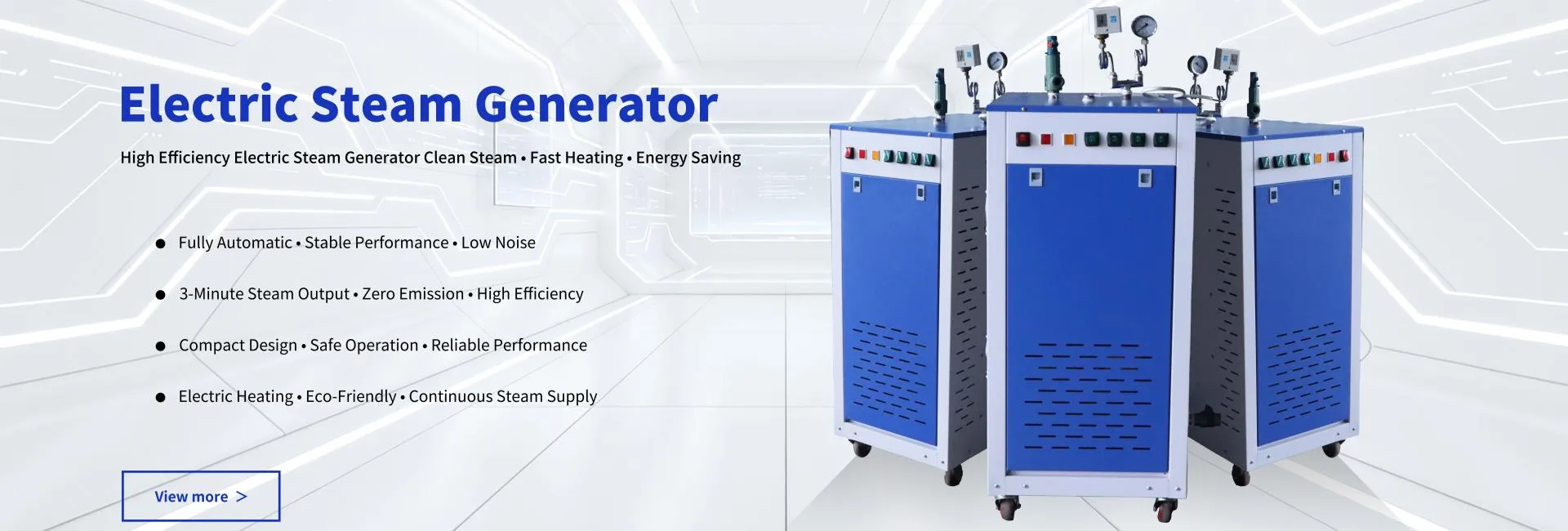
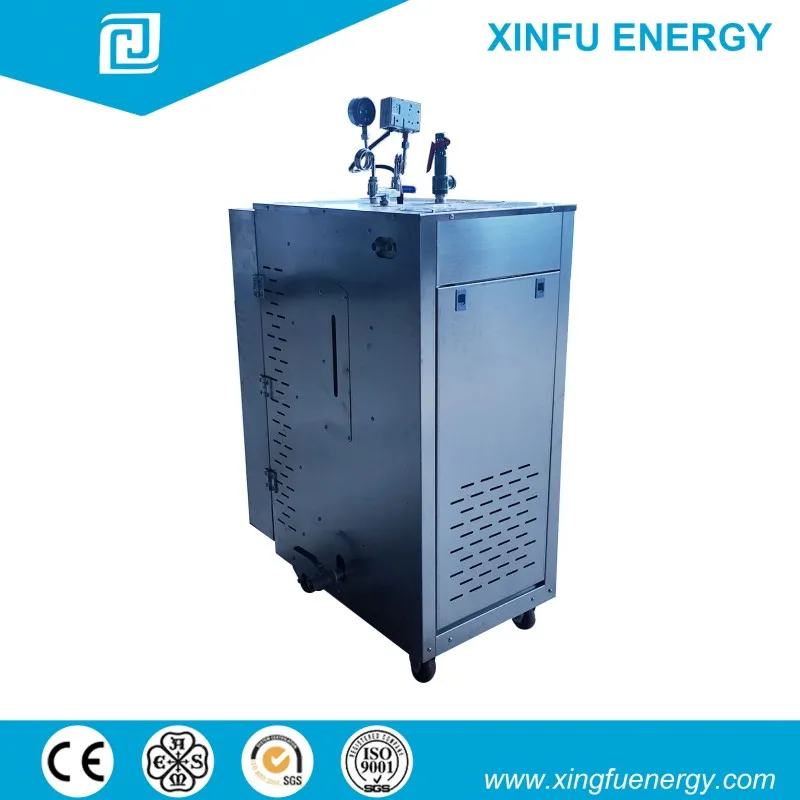
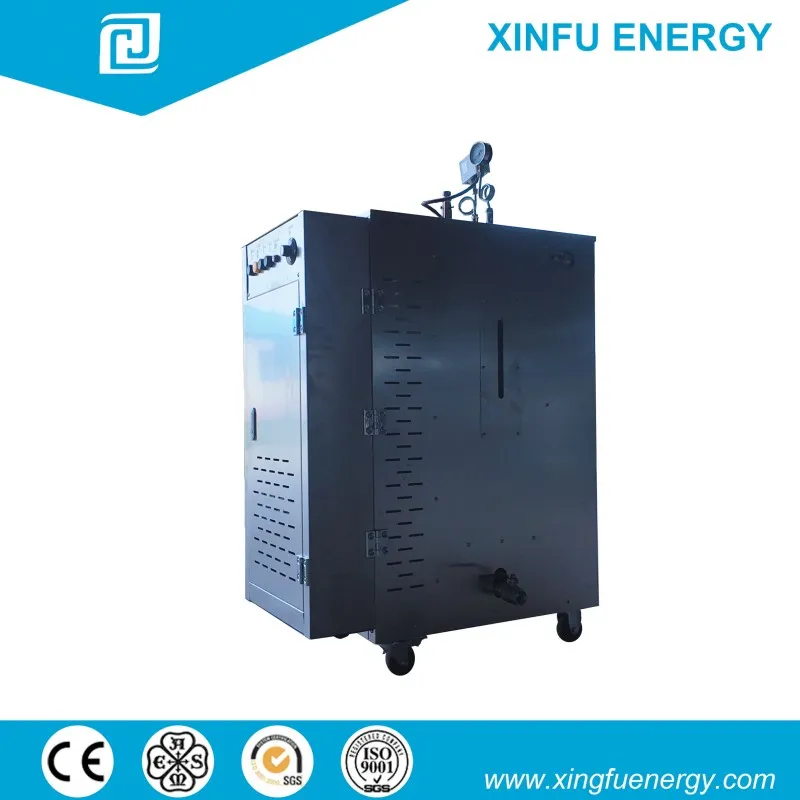
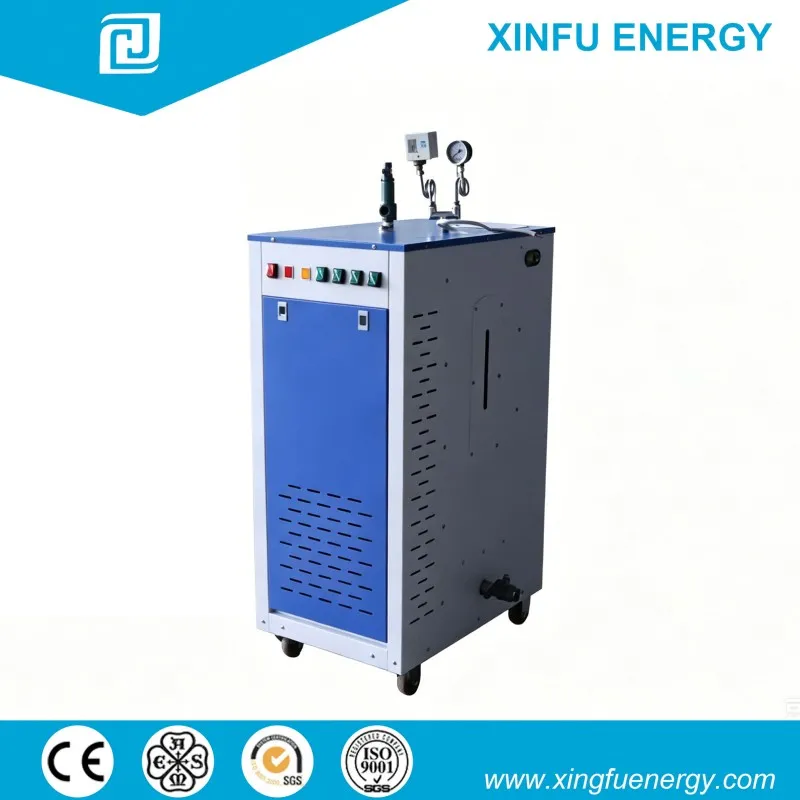
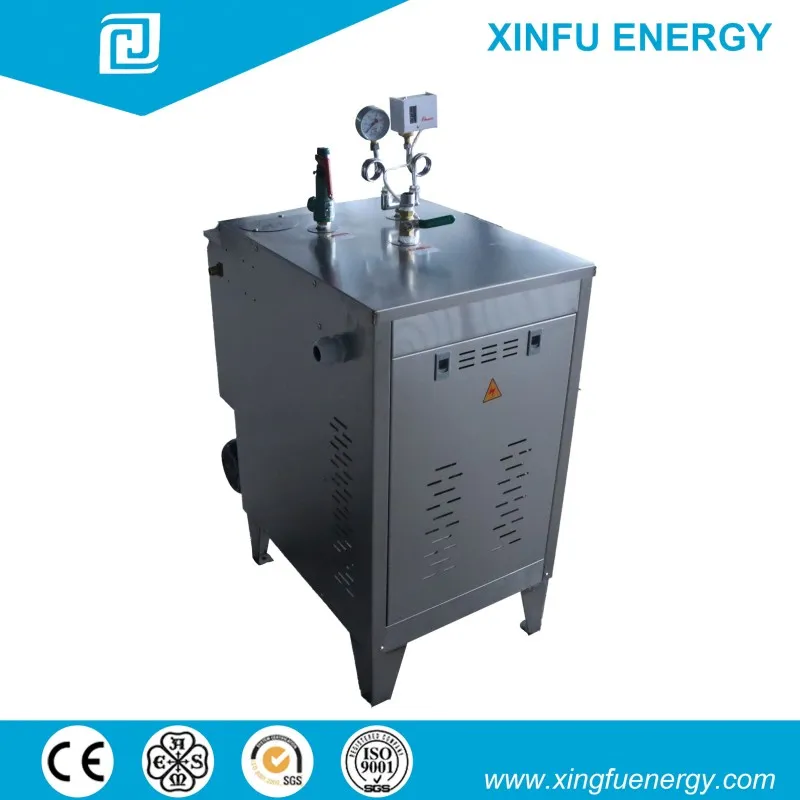
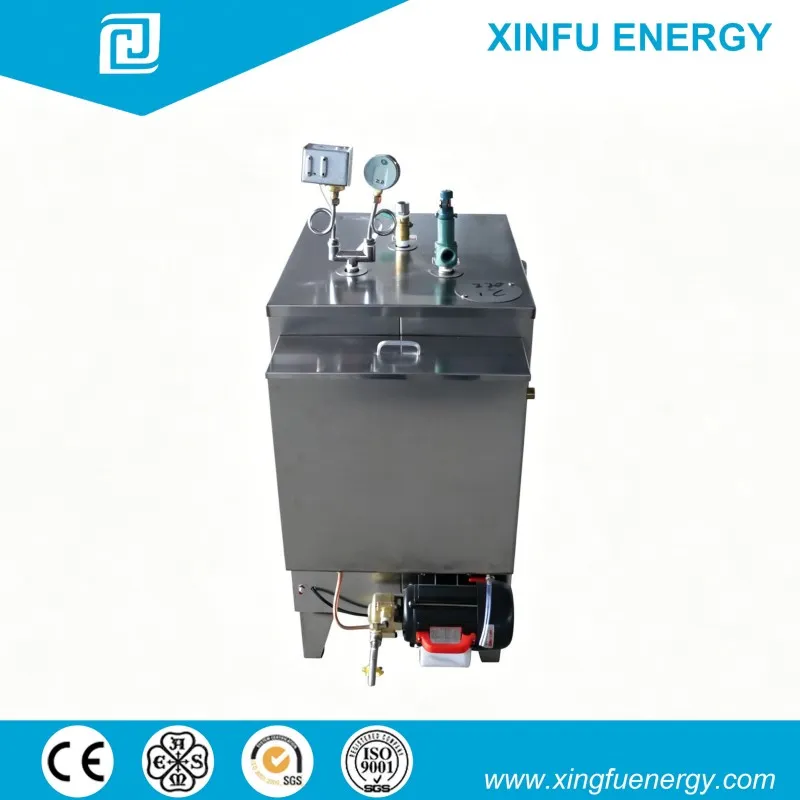
A portable industrial steam generator is a compact, mobile boiler system designed to deliver high-pressure saturated or superheated steam for on-site industrial applications. Unlike traditional fixed boilers, these units integrate water treatment, heating elements, and control systems into a wheeled or skid-mounted frame, enabling rapid deployment across manufacturing floors, construction sites, and maintenance zones. In 2026, factory-direct pricing for these systems typically ranges from $3,500 to $15,000, depending on capacity (kg/h), pressure ratings (bar/psi), and fuel source (electric, diesel, or gas). This guide details technical specifications, selection criteria, and operational best practices to help facility managers and engineers optimize steam usage while minimizing capital expenditure.
What Is a Portable Industrial Steam Generator?
A portable industrial steam generator differs fundamentally from conventional boilers in its design philosophy and operational flexibility. Traditional boilers are permanent installations requiring extensive civil works, fixed piping, and long commissioning times. In contrast, a portable unit is engineered for mobility and immediate utility.
These systems utilize advanced once-through or flash-steam technology to generate steam within minutes of startup. The core component is a high-efficiency heat exchanger or electric heating chamber that transfers energy to demineralized water instantly. Because they do not require a large water volume or extensive warm-up periods, they offer significant energy savings and operational agility.
Key Characteristics of Modern Portable Units
Mobility: Mounted on heavy-duty casters or forklift-compatible skids, allowing easy relocation within a facility.
Rapid Startup: Achieves operational pressure in 5–15 minutes, compared to hours for fire-tube boilers.
Compact Footprint: Occupies less than 2 square meters, ideal for space-constrained industrial environments.
Modular Design: Can be connected in parallel to scale steam output as production demands increase.
Safety Compliance: Built with multiple safety valves, pressure sensors, and low-water cutoffs to meet ASME or PED standards.
How Does a Portable Steam Generator Work?
Understanding the working principle is crucial for proper operation and maintenance. Most modern portable industrial steam generators operate on a continuous flow basis. Here is the step-by-step process:
Water Intake and Treatment: Demineralized or softened water is pumped into the system. High-quality feedwater is essential to prevent scaling inside the narrow heating tubes.
Heating Phase:
Electric Models: High-voltage electricity passes through resistance heating elements immersed in the water flow.
Fuel-Fired Models: Diesel, natural gas, or LPG burners ignite, heating a coil or chamber through which water flows.
Phase Change: As water absorbs heat, it rapidly transitions from liquid to vapor. In once-through systems, this happens in a single pass without recirculation.
Separation and Drying: The steam-water mixture enters a separator where centrifugal force removes moisture droplets, ensuring dry, high-quality saturated steam.
Distribution: The dry steam exits through the main valve at the set pressure, ready for application via flexible hoses or rigid piping.
This instantaneous generation method eliminates the need for a large pressure vessel, reducing regulatory burdens and safety risks associated with high-volume stored energy.
2026 Factory Price Analysis & Cost Factors
In 2026, the market for portable industrial steam generators has stabilized with transparent factory-direct pricing models. Costs vary significantly based on technology, capacity, and customization. Below is a breakdown of typical price ranges for standard configurations.
Capacity (kg/h)
Pressure Rating (Bar)
Fuel Type
Estimated Factory Price (USD)
Primary Application
50 – 100
7 – 9
Electric (380V)
$3,500 – $5,500
Lab testing, small cleaning tasks
200 – 300
10 – 13
Electric / Diesel
$6,000 – $9,000
Food processing, textile ironing
500 – 700
13 – 16
Diesel / Gas
$10,000 – $14,000
Concrete curing, large-scale sanitization
1000+
16+
Gas / Dual Fuel
$15,000+
Heavy industrial manufacturing
Factors Influencing Final Cost
Several variables affect the final invoice beyond the base unit price:
Control System Complexity: Basic PLC panels are standard, but IoT-enabled remote monitoring systems add 10–15% to the cost.
Material Grade: Stainless steel (304 or 316L) construction commands a premium over carbon steel due to corrosion resistance, especially for food-grade applications.
Certifications: Units certified for EU (CE/PED) or US (ASME/NB) markets may incur higher manufacturing costs due to stricter quality control and documentation requirements.
Accessories: Inclusion of water softeners, feedwater tanks, and high-temperature hoses can increase the total package price by $500–$2,000.
Technical Specifications: What to Look For in 2026
When evaluating a portable industrial steam generator, technical specs dictate performance and compatibility. Engineers should focus on the following critical parameters.
1. Steam Quality and Dryness Fraction
Steam quality is measured by the dryness fraction, representing the percentage of vapor in the steam-water mixture. High-quality steam should have a dryness fraction of >98%. Wet steam reduces heat transfer efficiency and can damage sensitive equipment. Look for units with efficient steam separators and moisture traps.
2. Pressure Stability and Range
Industrial processes require consistent pressure. A good portable generator maintains pressure within ±0.5 bar of the setpoint. Adjustable pressure ranges allow versatility; for example, lower pressure for garment steaming and higher pressure for sterilization.
3. Energy Efficiency Ratings
Modern units boast thermal efficiencies between 95% and 98%. Electric models are nearly 100% efficient at the point of use, while condensing gas models recover latent heat from exhaust gases to boost overall efficiency.
4. Water Consumption and Feedwater Requirements
Check the specific water consumption rate (liters/kg of steam). More importantly, verify the required water hardness. Most manufacturers mandate <0.03 mmol/L hardness. Failure to use properly treated water will void warranties and cause rapid scaling.
Electric vs. Fuel-Fired Portable Steam Generators
Choosing between electric and fuel-fired models is the most common decision point. Each has distinct advantages depending on your facility’s infrastructure and operational goals.
Feature
Electric Portable Generator
Diesel/Gas Portable Generator
Installation
Simple; requires power connection only.
Complex; needs fuel storage and ventilation.
Emissions
Zero local emissions.
Produces exhaust; requires flue/chimney.
Operating Cost
Higher per kWh, but lower maintenance.
Lower fuel cost, but higher maintenance.
Noise Level
Quiet (<60 dB).
Noisy due to burner and fan (>75 dB).
Best Use Case
Indoor, food/pharma, cleanrooms.
Outdoor, construction, remote sites.
When to Choose Electric
Select electric models if your facility has sufficient electrical capacity (3-phase 380V/415V/480V) and prioritizes indoor air quality. They are ideal for food processing, pharmaceutical labs, and hospitals where hygiene and zero emissions are mandatory.
When to Choose Fuel-Fired
Opt for diesel or gas units when operating outdoors, in remote locations without grid power, or where fuel costs are significantly lower than electricity. These are common in construction for concrete curing or in agricultural settings for crop drying.
Industry Spotlight: Manufacturing Excellence in Steam Technology
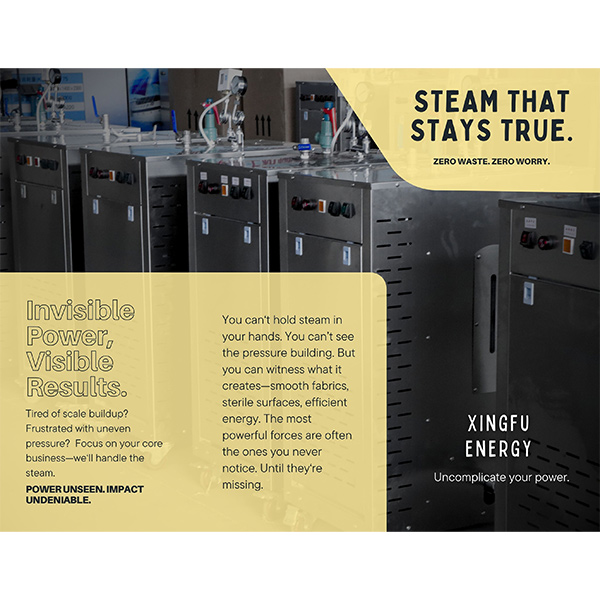
As the demand for reliable, high-efficiency steam solutions grows, selecting a manufacturer with deep engineering expertise becomes paramount. Qingdao Xingfu Energy Equipment Ltd., established in 2010 and headquartered in Qingdao, China, exemplifies the evolution of modern steam technology. As a high-tech enterprise specializing in industrial boilers and energy equipment, Xingfu has carved a niche in the global market by combining over 14 years of manufacturing experience with continuous innovation.
Xingfu’s core competency lies in its vertically integrated production model. With a 70,500-square-meter production base and dedicated workshops, the company controls every stage of development—from R&D to certified transportation. Their S-Series automation solutions, including fully automated electric steam generators and intelligent steam boilers, are designed to meet the rigorous demands of industries such as textiles, food processing, and chemical manufacturing. Notably, all their electric steam products are constructed from high-grade stainless steel, ensuring durability, zero emissions, and compliance with international environmental safety standards.
What sets Xingfu apart is its commitment to quality and technical precision. The company employs a robust team of 228 staff, including 78 technical experts and 65 certified welders. This human capital, combined with ISO 9001 and CE certifications, ensures that every unit meets strict European and global safety requirements. Having exported to over 30 countries since 2012, Xingfu provides not just equipment, but comprehensive lifecycle support, including design-phase consulting and installation assistance, reinforcing its reputation as a reliable partner for industrial energy solutions.
Top Industrial Applications for Portable Steam
The versatility of portable industrial steam generators makes them valuable across diverse sectors. Here are the most prevalent applications in 2026.
1. Construction and Concrete Curing
Steam accelerates the curing process of concrete, allowing faster formwork removal and project completion. Portable units can be moved along the construction line, providing consistent heat and humidity to precast elements or poured slabs, even in cold weather.
2. Food and Beverage Processing
In food plants, steam is used for sterilization, cooking, and cleaning. Portable generators serve as backup during main boiler maintenance or as temporary solutions for new production lines. They are critical for CIP (Clean-in-Place) systems and sanitizing packaging materials.
3. Textile and Garment Industry
Steam ironing and finishing require precise temperature and moisture control. Portable electric generators provide dry steam that prevents water spotting on fabrics, enhancing product quality. Their mobility allows flexible arrangement of finishing stations.
4. Chemical and Pharmaceutical Manufacturing
Process heating, reactor jacket heating, and sterilization of equipment are common uses. The ability to generate high-purity steam quickly supports batch processing and ensures compliance with strict hygiene standards like GMP.
5. Facility Maintenance and Cleaning
High-temperature steam is an effective, chemical-free cleaning agent for degreasing machinery, cleaning HVAC coils, and sanitizing floors. Portable units allow maintenance teams to bring steam directly to the asset, reducing downtime.
Step-by-Step Operation Guide
Proper operation extends the lifespan of your portable industrial steam generator and ensures safety. Follow these standardized steps.
Pre-Start Checks
Water Supply: Ensure the feedwater tank is filled with treated water. Check that all valves are open.
Power/Fuel: Verify electrical connections are secure or fuel levels are adequate.
Drain Valve: Confirm the drain valve is closed before starting.
Safety Devices: Inspect pressure relief valves and gauges for visible damage.
Startup Procedure
Power On: Switch on the main power supply. The control panel should light up.
Feed Pump Activation: Start the feedwater pump. Listen for smooth operation without cavitation noises.
Heating Element/Burner Start: Set the desired pressure. The system will automatically engage the heating elements or burner.
Warm-Up: Allow 5–10 minutes for the system to reach operating pressure. Monitor the pressure gauge.
Purge Air: Open the vent valve slightly to release trapped air until pure steam escapes, then close it.
Shutdown Procedure
Stop Heating: Turn off the heating switch or burner.
Continue Water Flow: Let the feed pump run for a few minutes to cool down the heating chamber.
Power Off: Switch off the main power.
Drain (If Required): If the unit will be idle for an extended period, drain the water to prevent freezing or stagnation.
Common Mistakes to Avoid
Even experienced operators can make errors that compromise performance. Avoid these common pitfalls.
Ignoring Water Quality: Using tap water without treatment is the leading cause of failure. Scale buildup insulates heating elements, causing overheating and burnout.
Oversizing or Undersizing: Buying a unit too small leads to constant max-load operation and premature wear. Oversizing results in inefficient cycling and higher capital costs.
Neglecting Regular Blowing Down: Failing to blow down the system regularly allows impurities to concentrate, leading to corrosion and foaming.
Improper Storage: Leaving water in the unit during freezing conditions can crack pipes and pumps. Always drain in cold environments.
Bypassing Safety Interlocks: Never override low-water cutoffs or pressure switches. These are critical for preventing catastrophic failures.
Maintenance Best Practices for Longevity
Regular maintenance ensures reliable steam generation and protects your investment. Implement this schedule.
Daily Maintenance
Check water level and pressure gauge readings.
Inspect for leaks in pipes and fittings.
Perform a manual blowdown to remove sediment.
Weekly Maintenance
Test safety valves by lifting the lever briefly to ensure they move freely.
Clean the water filter/strainer to prevent blockage.
Check electrical connections for tightness and signs of overheating.
Monthly Maintenance
Descale the heating chamber if water hardness fluctuates.
Inspect the feedwater pump seals and bearings.
Calibrate pressure sensors and thermostats against a reference gauge.
Annual Overhaul
Replace gaskets and seals.
Thoroughly inspect heating elements or burner nozzles.
Conduct a full internal inspection for corrosion or thinning walls.
How to Choose the Right Portable Steam Generator
Selecting the correct model requires a systematic assessment of your needs. Use this checklist to guide your procurement process.
1. Determine Steam Demand
Calculate your maximum steam consumption in kg/h. Consider peak loads rather than average usage. Add a 20% safety margin to accommodate future expansion or unexpected spikes.
2. Define Pressure Requirements
Identify the minimum pressure required by your application. For example, sterilization often requires 13 bar, while heating may only need 7 bar. Choose a unit that can comfortably operate at your target pressure without running at 100% capacity continuously.
3. Assess Site Constraints
Evaluate available space, power supply, and ventilation. If indoors, electric is preferred. If outdoors, ensure fuel storage complies with local fire codes. Check door widths and elevator capacities to ensure the unit can be delivered to its operating location.
4. Evaluate Vendor Support
Choose a manufacturer that offers comprehensive after-sales support, including spare parts availability, technical documentation, and remote troubleshooting. In 2026, vendors offering IoT diagnostics provide superior uptime guarantees.
FAQ: People Also Ask
How much does a portable industrial steam generator cost in 2026?
Prices typically range from $3,500 for small electric units to over $15,000 for large, high-pressure gas-fired models. Factory-direct purchases often reduce costs by 15–20% compared to distributors.
Can I use tap water in a portable steam generator?
No. Tap water contains minerals that cause scaling and corrosion. You must use softened or demineralized water with hardness below 0.03 mmol/L to ensure efficient operation and warranty validity.
How long does it take to generate steam?
Most modern portable generators produce usable steam within 5 to 15 minutes of startup, significantly faster than traditional boilers which may take hours to warm up.
Are portable steam generators safe for indoor use?
Electric models are safe for indoor use as they produce no emissions. Fuel-fired models require adequate ventilation and exhaust systems to remove combustion gases, making them less suitable for enclosed spaces without proper HVAC infrastructure.
What is the lifespan of a portable steam generator?
With proper maintenance and water treatment, a high-quality portable steam generator can last 10–15 years. Key components like heating elements or burners may need replacement every 3–5 years depending on usage intensity.
Do I need a licensed operator to run a portable steam generator?
Regulations vary by region. In many jurisdictions, low-capacity portable units with small water volumes are exempt from strict licensing requirements. However, operators should always receive training on safe operation and emergency procedures.
Conclusion: Maximizing Value with Portable Steam Solutions
Investing in a portable industrial steam generator offers a strategic advantage for businesses seeking flexibility, efficiency, and cost control. In 2026, these units have evolved into sophisticated, reliable tools that support diverse applications from construction curing to pharmaceutical sterilization. By understanding the technical specifications, choosing the right fuel type, and adhering to rigorous maintenance protocols, facilities can maximize uptime and minimize operational costs.
Whether you need a temporary solution during boiler maintenance or a permanent mobile unit for multi-site operations, selecting the right capacity and configuration is critical. Prioritize water quality, verify safety certifications, and partner with reputable manufacturers who provide robust after-sales support.
Ready to optimize your industrial steam capabilities? Evaluate your specific steam demand and site constraints today. For detailed technical drawings, custom quotes, and factory-direct pricing, explore our comprehensive product range.