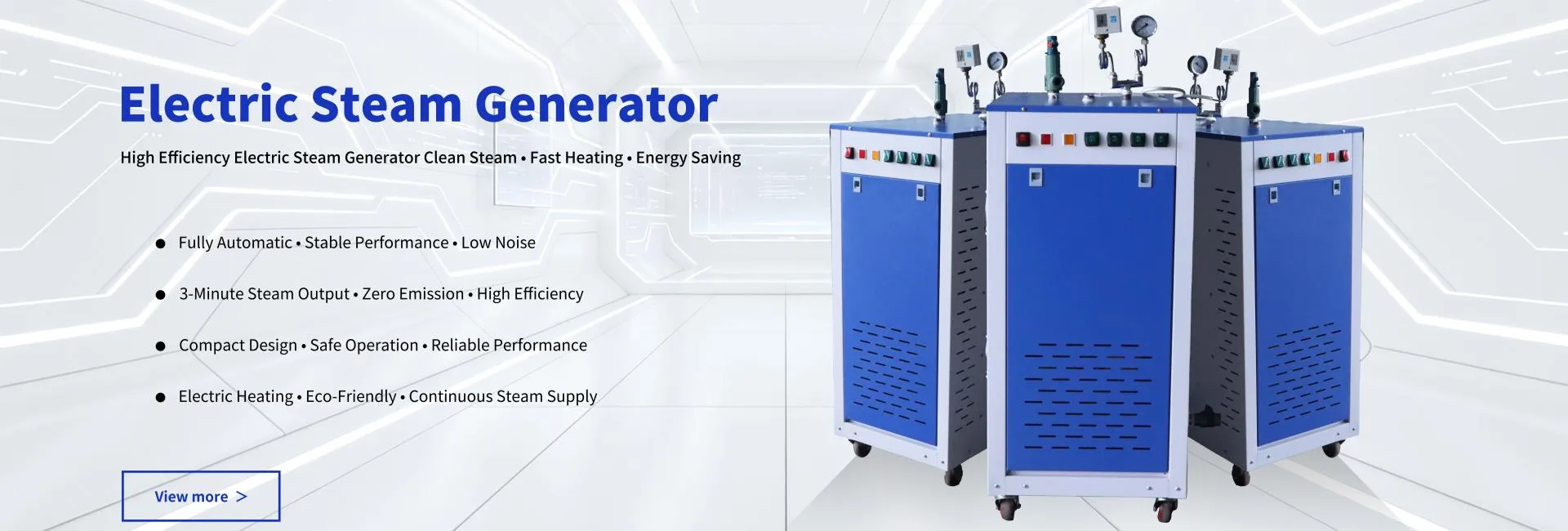
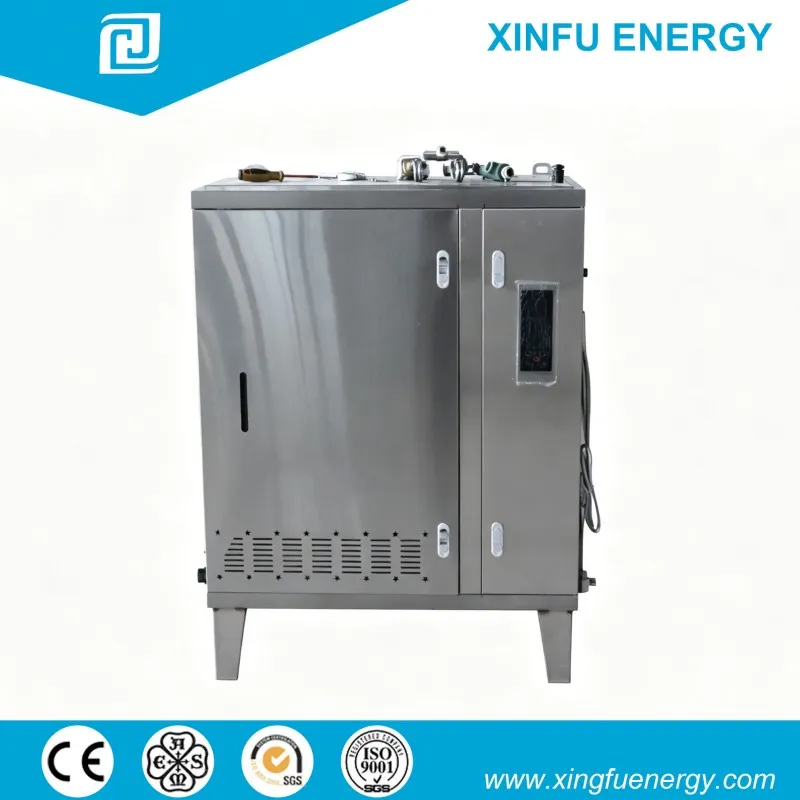
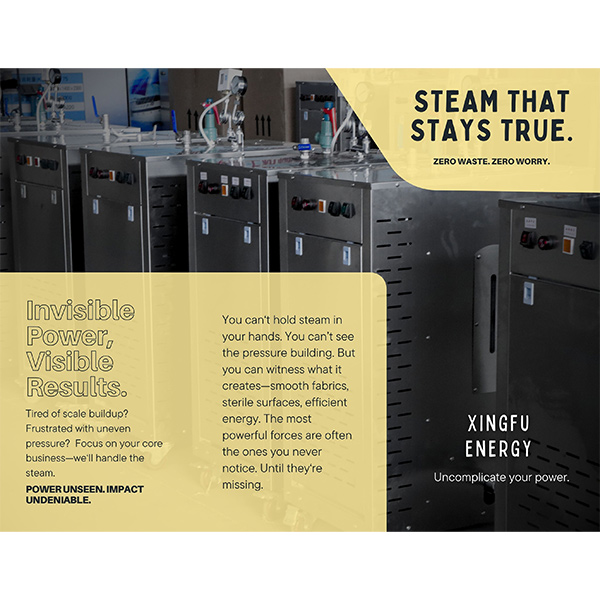
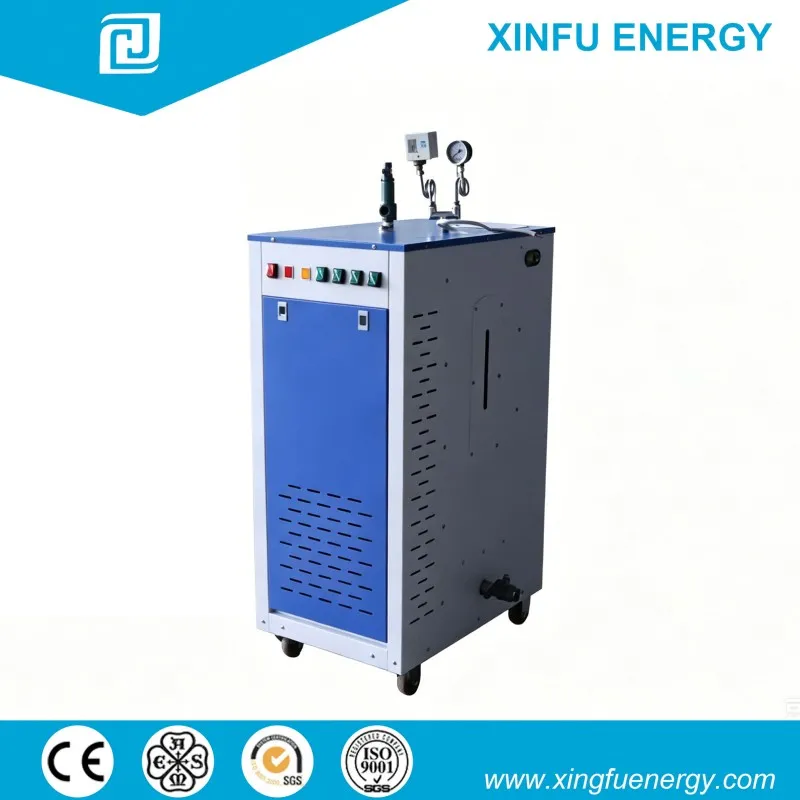
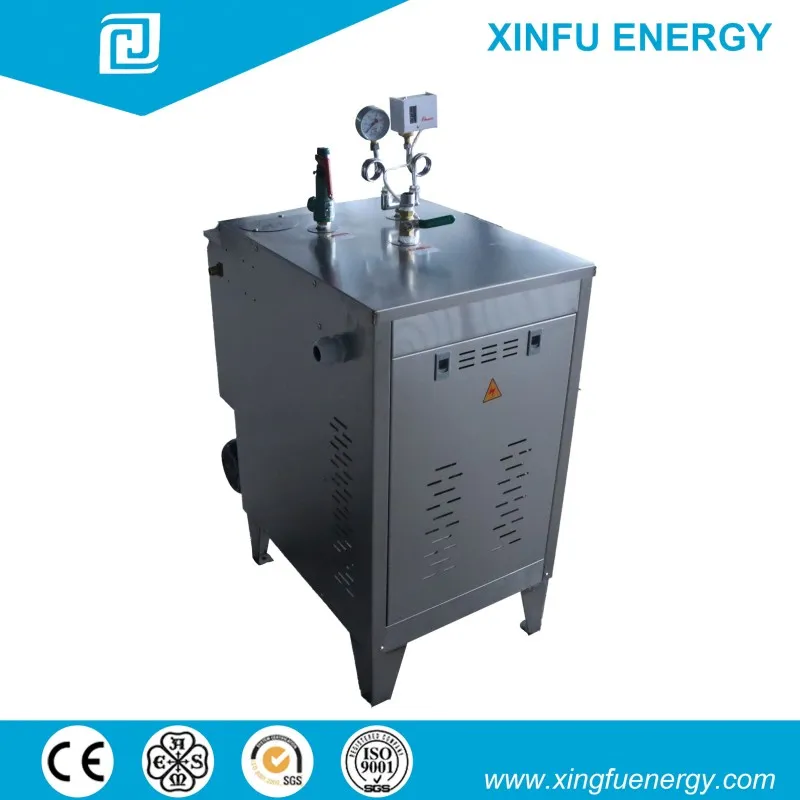
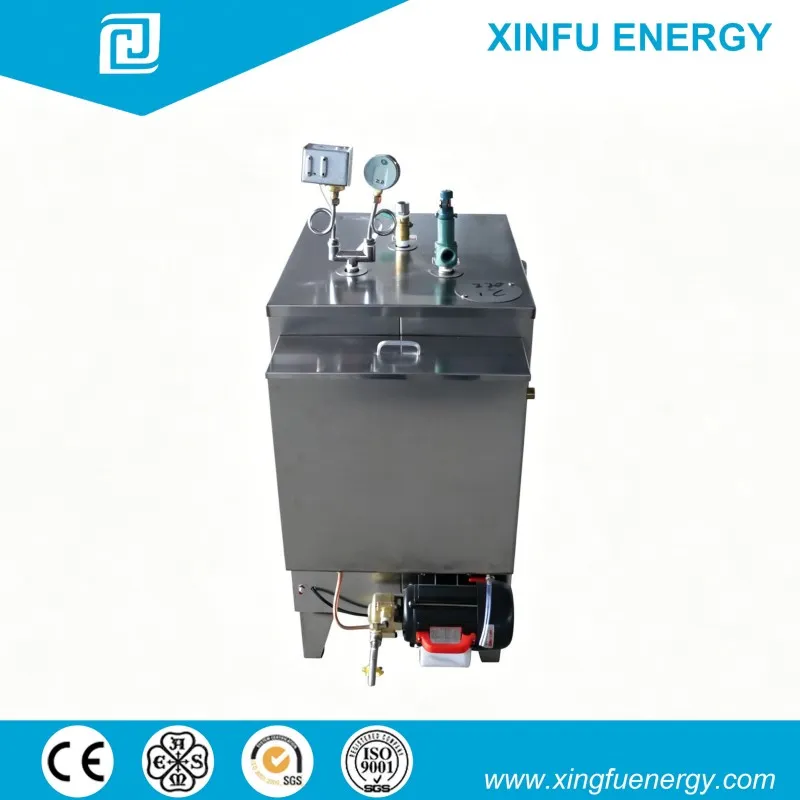
An industrial portable steam generator is a compact, mobile boiler system designed to deliver on-demand saturated or superheated steam for cleaning, sanitizing, process heating, and maintenance tasks. Unlike traditional fixed boilers, these units offer rapid startup times, high thermal efficiency, and the flexibility to move between production lines or job sites. For B2B buyers in 2026, selecting the right model involves balancing pressure ratings (typically 1–10 bar), fuel sources (electric, diesel, or gas), and portability features. This guide details technical specifications, operational benefits, and factory-direct pricing structures to help facility managers and procurement officers make informed decisions.
What Is an Industrial Portable Steam Generator?
An industrial portable steam generator is a self-contained unit that converts water into high-energy steam without the need for extensive infrastructure. These systems are engineered for mobility, often mounted on heavy-duty wheels or skids, allowing them to be deployed exactly where heat or cleaning power is required.
In modern manufacturing and facility management, the demand for flexible thermal solutions has grown. Fixed boiler rooms cannot always service remote equipment, outdoor pipelines, or temporary production lines. A portable unit bridges this gap by providing immediate, high-pressure steam output directly at the point of use.
Core Components and Working Principle
Understanding the internal architecture of a portable steam generator is essential for proper selection and maintenance. The system typically consists of four primary subsystems:
Water Feed System: Includes a high-pressure pump and water treatment module to ensure feedwater quality, preventing scale buildup and corrosion.
Combustion or Heating Chamber: Depending on the fuel type, this section houses either electric heating elements, a diesel/gas burner, or a heat exchanger.
Steam Drum/Separator: Ensures dry steam output by separating water droplets from vapor, critical for applications requiring high-quality dry steam.
Control Panel: Modern units feature PLC-based controls with touchscreens for monitoring pressure, temperature, water levels, and safety interlocks.
The working principle is straightforward but highly engineered. Water is pumped into the heating chamber where it absorbs energy rapidly. As the water reaches its boiling point under pressure, it transforms into steam. The pressure vessel contains this steam, raising its temperature and energy density before it is released through outlet valves for application.
Key Benefits of Portable Steam Solutions in Industry
Switching from fixed boilers or chemical cleaning methods to portable steam generators offers tangible operational advantages. These benefits drive ROI through reduced downtime, lower labor costs, and improved hygiene standards.
1. Operational Flexibility and Mobility
The primary advantage is mobility. Industrial facilities often have multiple zones requiring periodic deep cleaning or maintenance. A portable unit can be wheeled from a food processing line to a packaging area, or from an indoor workshop to an outdoor pipeline network. This eliminates the need for multiple fixed installations or long, inefficient hose runs from a central boiler room.
2. Rapid Startup and On-Demand Steam
Traditional fire-tube boilers can take hours to reach operating pressure. In contrast, many modern portable steam generators utilize flash-boiling technology or efficient electric elements to produce steam within minutes. This “on-demand” capability reduces energy waste during idle periods and allows for immediate response to maintenance needs.
3. Enhanced Sanitization Without Chemicals
High-temperature steam (above 100°C) is a powerful sanitizing agent. It kills bacteria, viruses, and mold spores effectively without the use of harsh chemicals. For industries such as food and beverage, pharmaceuticals, and healthcare, this supports compliance with strict hygiene regulations while reducing chemical disposal costs and environmental impact.
4. Cost-Efficiency and Energy Savings
Portable units are generally smaller and more insulated than large stationary boilers, resulting in lower heat loss. Electric models, in particular, offer nearly 100% energy conversion efficiency at the point of use. By generating steam only when needed and where it is used, companies avoid the standby losses associated with large central boiler systems.
Technical Specifications: What to Look For in 2026
When evaluating an industrial portable steam generator, technical specifications determine suitability for your specific application. Buyers must look beyond basic capacity and consider pressure stability, steam quality, and safety features.
Specification Parameter
Description & Importance
Typical Range
Steam Output Capacity
Measured in kg/h or lbs/h. Determines how much steam the unit can produce continuously.
50 kg/h – 500 kg/h
Operating Pressure
Higher pressure equals higher temperature. Critical for penetrating grease or driving turbines.
3 bar – 10 bar (adjustable)
Fuel Type
Dictates operational cost and location constraints (e.g., ventilation needs).
Electric, Diesel, LPG, Natural Gas
Steam Quality (Dryness Fraction)
Percentage of dry steam vs. water droplets. High dryness is vital for electrical cleaning and sensitive processes.
95% – 99.9%
Power Supply (Electric)
Voltage and phase requirements. Must match facility infrastructure.
220V/1Ph, 380V/3Ph, 480V/3Ph
Water Tank Capacity
Internal tank size determines runtime before refilling. Some models allow continuous external feed.
20L – 100L (or continuous feed)
Safety Certifications
Ensures compliance with international pressure vessel standards.
ASME, CE, PED, ISO 9001
Understanding Steam Dryness Fraction
One of the most overlooked specifications is steam dryness. Wet steam contains water droplets that can damage sensitive equipment, cause water hammer, and reduce cleaning efficiency. High-quality industrial portable generators incorporate separators and traps to ensure a dryness fraction of over 95%. For applications like cleaning electrical motors or circuit boards, dryness levels above 99% are mandatory to prevent short-circuiting.
Pressure vs. Temperature Relationship
Steam temperature is directly linked to pressure. At atmospheric pressure, steam is 100°C. However, increasing the pressure to 8 bar raises the steam temperature to approximately 175°C. This higher thermal energy is crucial for breaking down heavy industrial greases, curing concrete, or vulcanizing rubber. Ensure the generator’s pressure rating matches the thermal requirements of your task.
Types of Portable Steam Generators by Fuel Source
Choosing the right fuel source is a strategic decision influenced by local energy costs, facility infrastructure, and environmental regulations. Each type has distinct advantages and operational considerations.
Electric Portable Steam Generators
Electric units are the most common choice for indoor industrial applications due to their zero emissions at the point of use and quiet operation.
Advantages: High efficiency, no exhaust ventilation required, precise temperature control, low maintenance (no burners or fuel filters).
Limitations: Requires robust electrical infrastructure (3-phase power often needed for high capacity); electricity costs may be higher than fossil fuels in some regions.
Best For: Food processing, pharmaceuticals, indoor cleaning, electronics manufacturing, and environments with strict air quality standards.
Diesel-Fired Portable Steam Generators
Diesel units are ideal for remote locations, outdoor construction sites, or facilities without access to natural gas grids.
Advantages: High energy density, independent of electrical grid (only needs small power for controls/pump), suitable for heavy-duty outdoor use.
Limitations: Produces exhaust gases (CO2, NOx), requires ventilation, regular maintenance of burner and fuel filters, noise generation.
Best For: Pipeline thawing, outdoor tank cleaning, construction sites, emergency backup, and agricultural applications.
Gas (LPG/Natural Gas) Portable Steam Generators
Gas-fired units offer a balance between the cleanliness of electric and the power of diesel.
Advantages: Cleaner combustion than diesel, lower fuel cost in many regions, rapid heat-up times.
Limitations: Requires gas supply line or LPG tanks, ventilation needed, stricter safety regulations regarding gas leaks.
Best For: Large commercial kitchens, textile industries, and facilities with existing gas infrastructure but no central boiler access.
Industrial Applications and Use Cases
The versatility of portable steam generators allows them to serve diverse sectors. Below are detailed scenarios where these units provide critical value.
Food and Beverage Industry
Hygiene is paramount in food production. Portable steam generators are used for:
Equipment Sanitization: Cleaning mixers, conveyors, and filling machines without disassembly. Steam penetrates crevices where brushes cannot reach.
Floor and Drain Cleaning: High-pressure steam removes organic buildup and kills pathogens like Salmonella and Listeria.
Process Heating: Direct steam injection for cooking, blanching, or pasteurization in small-batch production lines.
Manufacturing and Automotive
In heavy industry, steam is a powerful cleaning and maintenance tool:
Degreasing: Removing heavy oils and lubricants from engine blocks, machinery parts, and assembly lines.
Paint Stripping: Softening old paint layers for removal without toxic chemical strippers.
Shrink Fitting: Using steam heat to expand metal components for assembly or disassembly of bearings and gears.
Surface Sterilization: Disinfecting walls, floors, and medical equipment in hospitals and labs.
HVAC System Cleaning: Sanitizing ductwork to prevent mold and bacterial growth.
Waste Treatment: Sterilizing biological waste before disposal.
Construction and Civil Engineering
Outdoor and rugged applications benefit from diesel-powered portable units:
Concrete Curing: Providing consistent heat and humidity to accelerate concrete strength gain in cold weather.
Pipeline Thawing: Unfreezing water or oil pipes during winter maintenance.
Asphalt Heating: Keeping asphalt workable during road repairs.
How to Choose the Right Industrial Portable Steam Generator
Selecting the appropriate model requires a systematic assessment of your operational needs. Follow this step-by-step guide to ensure optimal performance and cost-efficiency.
Step 1: Define Your Primary Application
Identify the core task. Is it for cleaning, sanitizing, or process heating? Cleaning heavy grease requires high pressure and temperature. Sanitizing sensitive surfaces requires high dryness and lower pressure. Process heating may require continuous high-volume output.
Step 2: Calculate Required Steam Capacity
Estimate the volume of steam needed per hour. For cleaning, a general rule is 10–20 kg/h per operator. For process heating, calculate the heat load required (kW) and convert it to steam mass flow. Undersizing leads to inefficiency; oversizing increases capital cost.
Step 3: Assess Infrastructure Constraints
Check available power supplies. Do you have 3-phase 380V/480V electricity? If not, electric units may be limited to lower capacities. If using fuel, ensure safe storage and ventilation for diesel or gas. Consider water quality; hard water requires a softener or demineralization system to protect the generator.
Step 4: Evaluate Portability Needs
Determine how often the unit will move. For frequent movement between floors, choose a lightweight electric model with sturdy wheels. For rough outdoor terrain, a skid-mounted diesel unit with a forklift pocket is more appropriate.
Step 5: Review Safety and Compliance
Ensure the manufacturer provides relevant certifications (CE, ASME, PED). Check for built-in safety features such as low-water cutoffs, pressure relief valves, and over-temperature protection. These features are non-negotiable for industrial insurance and liability purposes.
Operational Best Practices and Maintenance
To maximize the lifespan and efficiency of your industrial portable steam generator, adhere to strict operational and maintenance protocols. Neglect is the primary cause of premature failure.
Daily Operation Checklist
Water Quality Check: Verify that feedwater meets the manufacturer’s hardness and conductivity specifications.
Leak Inspection: Visually inspect hoses, connections, and valves for steam or water leaks before startup.
Safety Valve Test: Manually test the pressure relief valve to ensure it opens and closes correctly.
Blowdown: Perform a bottom blowdown to remove sediment and sludge from the tank, especially in hard water areas.
Weekly Maintenance Tasks
Clean Filters: Inspect and clean water inlet filters and fuel filters (if applicable).
Check Electrical Connections: Tighten any loose terminals and inspect cables for wear.
Lubrication: Lubricate moving parts such as pump bearings and wheel axles as per the manual.
Common Mistakes to Avoid
Ignoring Water Treatment: Using untreated tap water leads to rapid scale buildup, reducing heat transfer efficiency and causing overheating. Always use softened or demineralized water.
Rapid Pressure Changes: Avoid shutting down the unit abruptly under high load. Allow the system to cool down gradually to prevent thermal stress on the vessel.
Neglecting Ventilation: For fuel-fired units, ensure adequate airflow. Poor ventilation leads to incomplete combustion, carbon monoxide buildup, and soot accumulation in the heat exchanger.
Factory Price Factors and Procurement Strategy
Understanding the cost structure of industrial portable steam generators helps in negotiating better deals and avoiding hidden expenses. Prices vary significantly based on capacity, features, and brand origin.
Key Cost Drivers
Capacity and Pressure: Higher output (kg/h) and pressure ratings require thicker vessel walls and more powerful pumps, increasing material costs.
Material Quality: Stainless steel (304 or 316L) vessels are more expensive than carbon steel but offer superior corrosion resistance and longevity.
Control System Complexity: Units with advanced PLC controls, remote monitoring, and automated dosing systems command a premium.
Certifications: Products certified for strict markets (EU, USA) undergo rigorous testing, which adds to the manufacturing cost but ensures compliance and safety.
The Value of Vertically Integrated Manufacturing
When sourcing industrial steam equipment, partnering with a vertically integrated manufacturer can significantly impact both product quality and total cost of ownership. Companies like Qingdao Xingfu Energy Equipment Ltd. exemplify this approach. Founded in 2010 and headquartered in Qingdao, China, Xingfu has established itself as a key player in the global energy equipment market by controlling the entire production cycle—from R&D and design to manufacturing and certified transportation.
Xingfu’s specialization in electric steam generators and intelligent steam boilers aligns perfectly with the 2026 industry trend toward zero-emission, high-efficiency solutions. Their S-Series automation solutions, for instance, are fully automated, constructed from high-grade stainless steel, and designed for seamless integration into existing engineering systems. By operating a 70,500 square meter production base with dedicated workshops and in-house laboratories, Xingfu ensures that every unit meets rigorous international standards, including ISO 9001 and CE certifications.
For buyers, this level of integration means greater customization options—such as specific voltage configurations or bespoke pressure ratings—without the delays often associated with third-party component sourcing. Furthermore, with a technical team comprising 21% of their workforce, including certified engineers and welders, manufacturers like Xingfu provide not just hardware, but comprehensive technical support throughout the equipment’s lifecycle. This depth of expertise is crucial when navigating the complexities of industrial steam applications, ensuring that the chosen solution is not only cost-effective but also reliable and compliant with global safety regulations.
Direct-from-Factory vs. Distributors
Purchasing directly from the manufacturer often provides better pricing and customization options. Factory-direct buyers can specify voltage, fuel types, and additional features like custom hose reels or water softeners. However, distributors may offer faster local support and spare parts availability. Evaluate the total cost of ownership, including shipping, import duties, and after-sales support.
Hidden Costs to Consider
Beyond the initial purchase price, consider:
Shipping and Logistics: Heavy industrial units incur significant freight costs.
Installation and Commissioning: Professional setup may be required for warranty validation.
Consumables: Replacement gaskets, heating elements, burner nozzles, and water treatment chemicals.
Energy Consumption: Calculate ongoing fuel or electricity costs based on local rates.
Frequently Asked Questions (FAQ)
How long does it take for a portable steam generator to produce steam?
Most modern industrial portable steam generators reach operating pressure within 5 to 15 minutes. Electric models with flash-boiling technology can be faster, while larger diesel-fired units may take slightly longer to warm up the combustion chamber and vessel.
Can I use tap water in my steam generator?
It is not recommended. Tap water often contains minerals (calcium, magnesium) that cause scale buildup, reducing efficiency and damaging the heating elements. Use softened, demineralized, or reverse-osmosis treated water to extend the equipment’s life.
What is the difference between a steam cleaner and a steam generator?
A steam cleaner is typically a low-pressure, low-volume consumer-grade device for light household cleaning. An industrial steam generator produces high-pressure, high-volume, dry steam suitable for heavy-duty sanitation, process heating, and continuous industrial operation.
Are portable steam generators safe to use indoors?
Electric portable steam generators are safe for indoor use as they produce no exhaust fumes. Fuel-fired (diesel/gas) units produce combustion gases and must only be used in well-ventilated areas or outdoors to prevent carbon monoxide poisoning.
How do I maintain the pressure stability of the generator?
Pressure stability is maintained by the PLC control system, which modulates the heating element or burner based on real-time pressure sensor feedback. Regular maintenance of the pressure sensor and ensuring the steam demand does not exceed the generator’s capacity are key to stable operation.
What certifications should I look for?
Look for CE marking for European compliance, ASME stamp for US pressure vessel standards, and PED (Pressure Equipment Directive) certification. ISO 9001 certification indicates the manufacturer follows quality management standards.
Conclusion: Maximizing Value with Industrial Portable Steam
An industrial portable steam generator is a versatile asset that enhances operational efficiency, hygiene, and maintenance capabilities. By offering mobility, rapid startup, and chemical-free cleaning, these units address critical challenges in modern manufacturing, food processing, and facility management. In 2026, the focus on sustainability and energy efficiency makes electric and high-efficiency fuel-fired models particularly attractive.
When selecting a unit, prioritize technical specifications such as steam dryness, pressure rating, and build quality. Consider the total cost of ownership, including maintenance and energy consumption, rather than just the upfront price. Proper water treatment and regular maintenance are essential to ensure longevity and consistent performance.
For businesses looking to optimize their thermal processes or improve sanitation standards, investing in a high-quality portable steam solution delivers measurable ROI. Whether for deep cleaning, process heating, or emergency maintenance, the right generator provides the power and flexibility needed to stay competitive.
Ready to upgrade your industrial cleaning or process heating capabilities?
Contact our engineering team today to discuss your specific requirements. We provide customized solutions, factory-direct pricing, and comprehensive technical support to ensure you select the perfect portable steam generator for your facility.