Securing an accurate industrial steam generator price in 2026 requires analyzing fuel types, output capacity (kg/h), and automation levels rather than relying on generic list prices. Direct factory quotes typically range from $15,000 for compact electric units to over $150,000 for high-capacity gas-fired systems. This guide breaks down the specific cost drivers, hidden operational expenses, and technical specifications necessary for informed B2B procurement decisions.
Understanding Industrial Steam Generator Pricing in 2026
The landscape of industrial boiler procurement has shifted significantly in 2026. Buyers are no longer just purchasing hardware; they are investing in energy efficiency, regulatory compliance, and operational continuity. The term “industrial steam generator” covers a broad spectrum of equipment, from small-scale electric boilers used in laboratories to massive fire-tube systems powering textile manufacturing plants.
When evaluating the industrial steam generator price, it is critical to distinguish between the initial Capital Expenditure (CapEx) and the long-term Operational Expenditure (OpEx). A lower upfront cost often correlates with higher fuel consumption or maintenance requirements. In the current market, manufacturers prioritize modular designs and smart control integration, which influences the baseline pricing structure.
Direct factory quotes provide the most transparent view of costs. By eliminating intermediaries, buyers can customize specifications such as pressure ratings, material grades (e.g., stainless steel vs. carbon steel), and burner brands. This customization directly impacts the final invoice but ensures the equipment matches the precise thermal load requirements of your facility.
Key Factors Influencing Steam Generator Costs
Several technical and logistical variables determine the final quote. Understanding these allows procurement managers to negotiate effectively and avoid budget overruns during installation.
Fuel Source: Natural gas units generally have higher upfront costs due to complex burner assemblies but lower operating costs in regions with cheap gas. Electric models have lower CapEx but higher OpEx depending local electricity rates.
Capacity and Pressure: Higher steam output (measured in kg/h or lbs/h) and higher working pressures require thicker vessel walls and more robust safety valves, increasing material costs.
Efficiency Ratings: Units with condensing technology or waste heat recovery systems command a premium price but offer rapid ROI through fuel savings.
Automation Level: Basic manual controls are cheaper. However, PLC-based systems with remote monitoring, IoT connectivity, and automatic blowdown controls add to the initial price while reducing labor costs.
Certifications: Compliance with ASME, CE, PED, or ISO standards involves rigorous testing and documentation, which is reflected in the manufacturing cost.
Price Breakdown by Fuel Type and Technology
The choice of fuel is the single largest determinant of both the purchase price and the lifetime cost of the steam generator. In 2026, environmental regulations are pushing many industries away from coal and oil toward natural gas, electricity, and biomass.
Electric Steam Generators
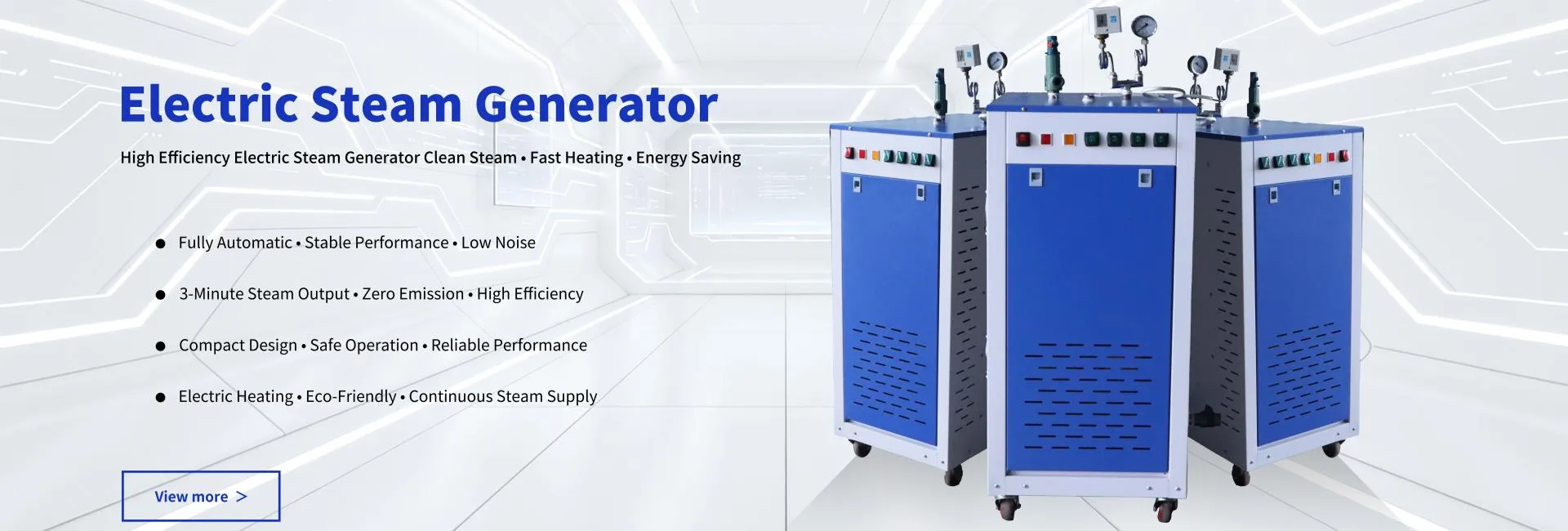
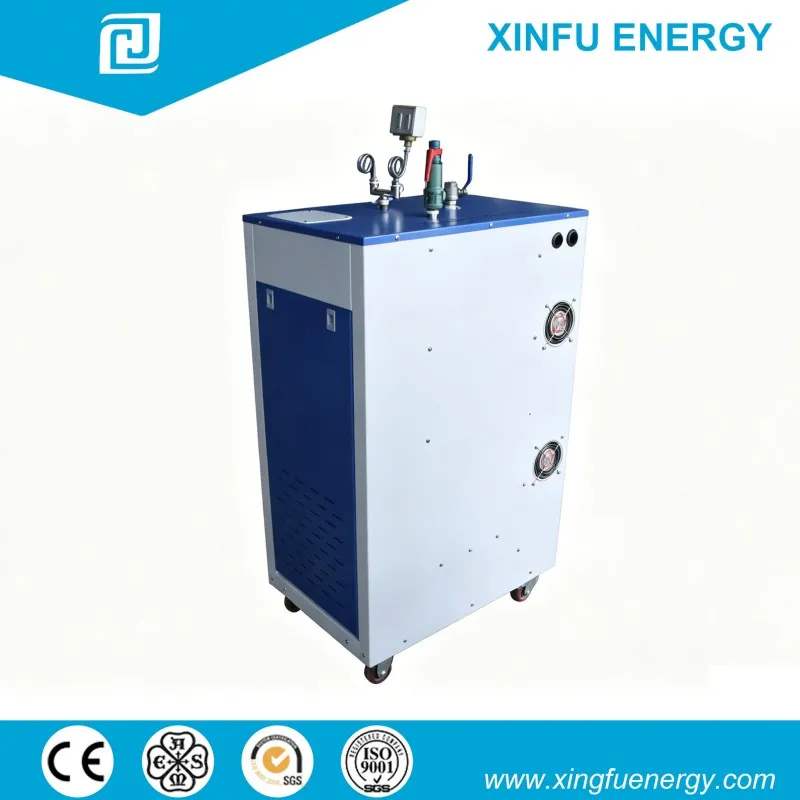
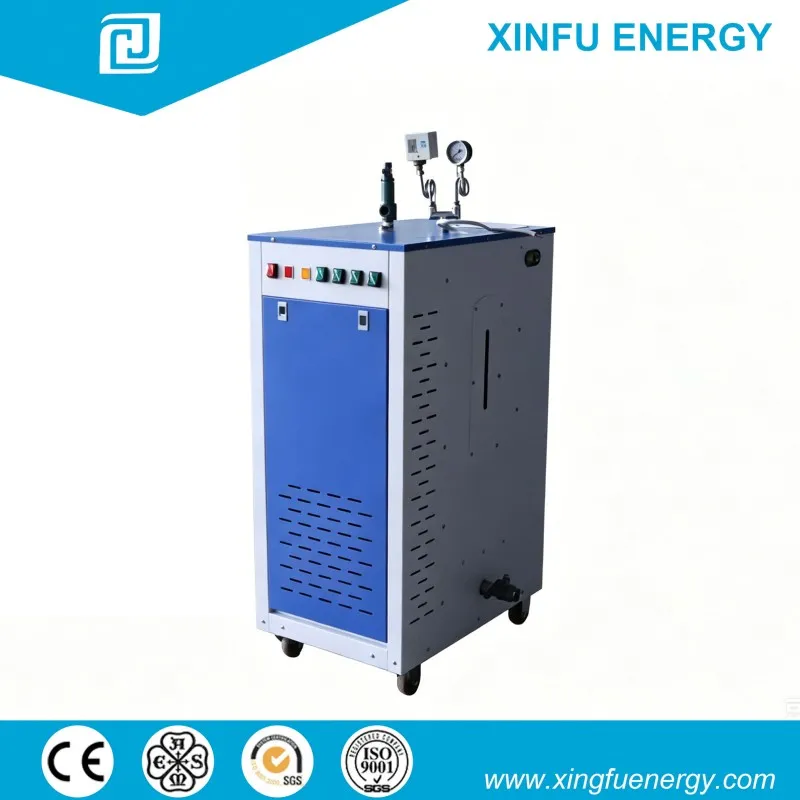
Electric steam generators are favored for their compact footprint, zero emissions at the point of use, and silent operation. They are ideal for food processing, pharmaceuticals, and hospitals where cleanliness is paramount.
Pricing Dynamics: The initial industrial steam generator price for electric models is typically 20-30% lower than equivalent gas-fired units. This is because they lack complex combustion chambers, exhaust flues, and fuel handling systems. However, the cost of heating elements and high-amperage electrical infrastructure must be considered.
Cost Range: Small commercial units (50-100 kg/h) start around $15,000–$25,000. Large industrial electric boilers (1000+ kg/h) can range from $60,000 to $100,000, depending on voltage requirements (380V vs. 6kV/10kV).
Gas-Fired Steam Generators (Natural Gas/LPG)
Natural gas remains the dominant fuel for industrial applications due to its balance of cost and availability. Modern gas-fired generators utilize condensing technology to achieve efficiencies above 98%.
Pricing Dynamics: These units are more expensive upfront due to the need for certified burners, gas trains, and exhaust treatment systems. The complexity of the combustion control system also adds to the engineering cost. However, the lower cost of natural gas compared to electricity often results in a payback period of 12–18 months.
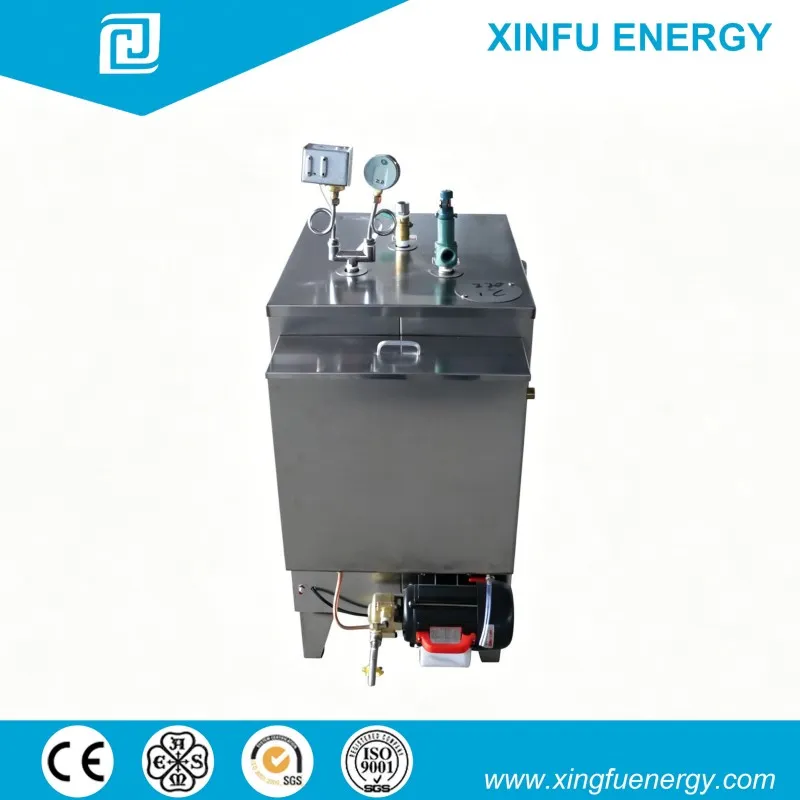
Cost Range: Mid-sized units (500–1000 kg/h) typically quote between $40,000 and $70,000. High-capacity modular systems can exceed $120,000. Prices fluctuate based on the brand of the burner (e.g., European vs. domestic components).
Biomass and Solid Fuel Generators
For industries with access to cheap agricultural waste or wood pellets, biomass generators offer an eco-friendly alternative. These systems require robust feeding mechanisms and ash removal systems.
Pricing Dynamics: The mechanical complexity of automated fuel feeding and grates makes biomass units comparable in price to gas units, sometimes slightly higher due to the heavy-duty construction needed to handle solid fuels. Maintenance costs are higher due to ash cleaning requirements.
Cost Range: Expect prices ranging from $50,000 for small automated pellet boilers to over $150,000 for large-scale industrial biomass systems with advanced emission controls.
Comparative Cost Analysis: CapEx vs. OpEx
To make a financially sound decision, buyers must look beyond the sticker price. The following table compares the typical cost structures for the three main types of industrial steam generators in 2026.
Feature
Electric Steam Generator
Gas-Fired Steam Generator
Biomass Steam Generator
Initial Purchase Price
Low to Medium
Medium to High
High
Installation Cost
Low (No flue/gas line)
Medium (Gas line + Flue)
High (Fuel storage + Ash handling)
Fuel Cost (OpEx)
High (Depending on kWh rate)
Medium (Stable gas prices)
Low (If waste fuel available)
Maintenance Frequency
Low (Element checks)
Medium (Burner service)
High (Ash cleaning, grate maintenance)
Lifespan
15–20 Years
20–25 Years
15–20 Years
Best For
Clean rooms, Small loads
Continuous heavy load
Rural areas, Waste availability
This comparison highlights that while electric units are cheaper to buy, they may be prohibitively expensive to run in regions with high electricity tariffs. Conversely, biomass units have high upfront and maintenance costs but offer the lowest ongoing fuel expense if the supply chain is secure.
Hidden Costs in Steam Generator Procurement
A common mistake in B2B procurement is focusing solely on the equipment invoice. Several ancillary costs can add 20–40% to the total project budget. Being aware of these allows for more accurate financial planning.
Installation and Infrastructure
The industrial steam generator price rarely includes installation. You must account for:
Piping and Valves: High-pressure steam pipes, safety valves, pressure reducers, and condensate return lines.
Electrical/Gas Connections: Upgrading transformers for electric units or laying new gas pipelines with metering stations.
Civil Works: Foundation reinforcement, especially for heavy water-tube boilers.
Chimney/Flue Systems: Required for gas and biomass units to meet emission standards.
Regulatory Compliance and Permitting
Obtaining operating permits involves inspection fees and potential consultancy costs. In many jurisdictions, steam vessels above a certain pressure threshold require annual inspections by certified bodies. Ensure the manufacturer provides all necessary documentation (ASME stamps, CE declarations) to avoid delays.
Water Treatment Systems
Steam generators are highly sensitive to water quality. Hard water leads to scaling, which reduces efficiency and can cause catastrophic failure. A dedicated water softening or reverse osmosis (RO) system is mandatory. This additional equipment can cost between $5,000 and $20,000 depending on capacity.
How to Choose the Right Steam Generator for Your Industry
Selecting the correct equipment involves matching technical specifications with operational needs. Use the following criteria to narrow down your options before requesting a quote.
1. Determine Peak Steam Demand
Calculate your maximum hourly steam requirement (kg/h). Do not just average your usage; consider peak loads during startup or high-production periods. It is advisable to select a unit with 10–20% excess capacity to handle fluctuations without stressing the system.
2. Define Pressure and Temperature Requirements
Different processes require different steam qualities. Sterilization in healthcare requires saturated steam at specific pressures (e.g., 3 bar). Textile dyeing might require higher temperatures. Ensure the generator’s rated pressure exceeds your maximum process requirement by a safe margin.
3. Assess Space and Layout Constraints
Industrial facilities often have limited boiler room space. Electric generators are significantly more compact than gas or biomass units because they do not require combustion air intake or large exhaust flues. If space is tight, a modular electric system might be the only viable option despite higher energy costs.
4. Evaluate Automation Needs
For facilities with limited technical staff, choose a generator with fully automatic controls. Features like automatic water level control, TDS (Total Dissolved Solids) monitoring, and remote alarm notifications via SMS or email prevent downtime and reduce the need for constant manual supervision.
The Value of Partnering with Vertically Integrated Manufacturers
In an era where transparency and quality assurance are paramount, selecting a manufacturer with deep engineering roots and vertical integration can significantly impact both the industrial steam generator price and long-term reliability. Companies like Qingdao Xingfu Energy Equipment Ltd. exemplify this modern approach to industrial energy solutions.
Founded in 2010 and headquartered in Qingdao, China, Xingfu Energy has evolved into a high-tech leader in the sector, combining over 14 years of manufacturing experience with continuous innovation. Unlike traders who simply resell equipment, Xingfu operates as a vertically integrated manufacturer. This means they control the entire lifecycle—from research and design to manufacturing and certified transportation. Their 70,500-square-meter production base, including 21,000 square meters of dedicated workshops, allows for strict quality control at every stage.
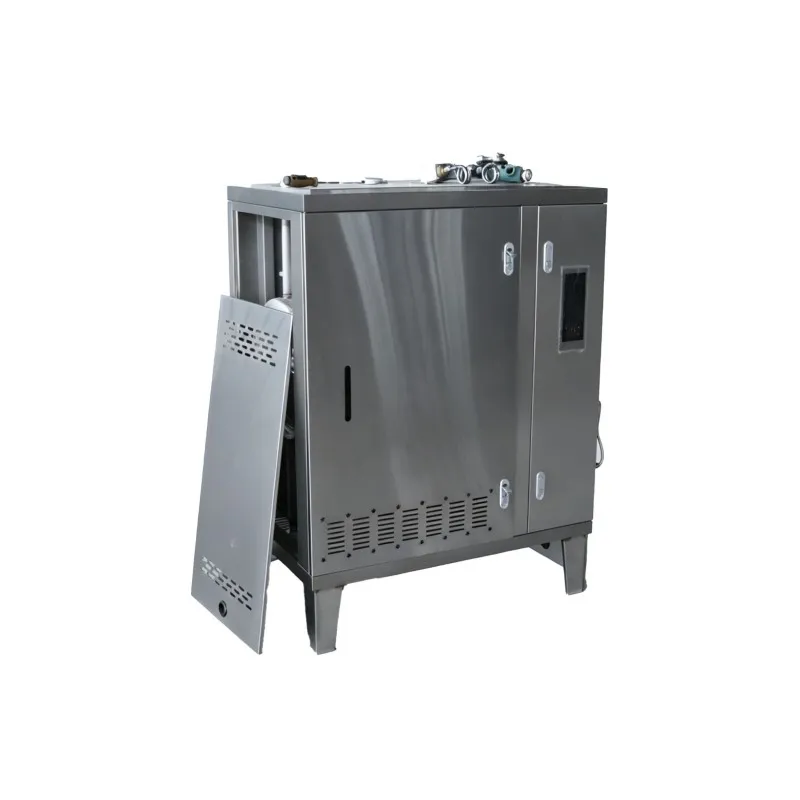
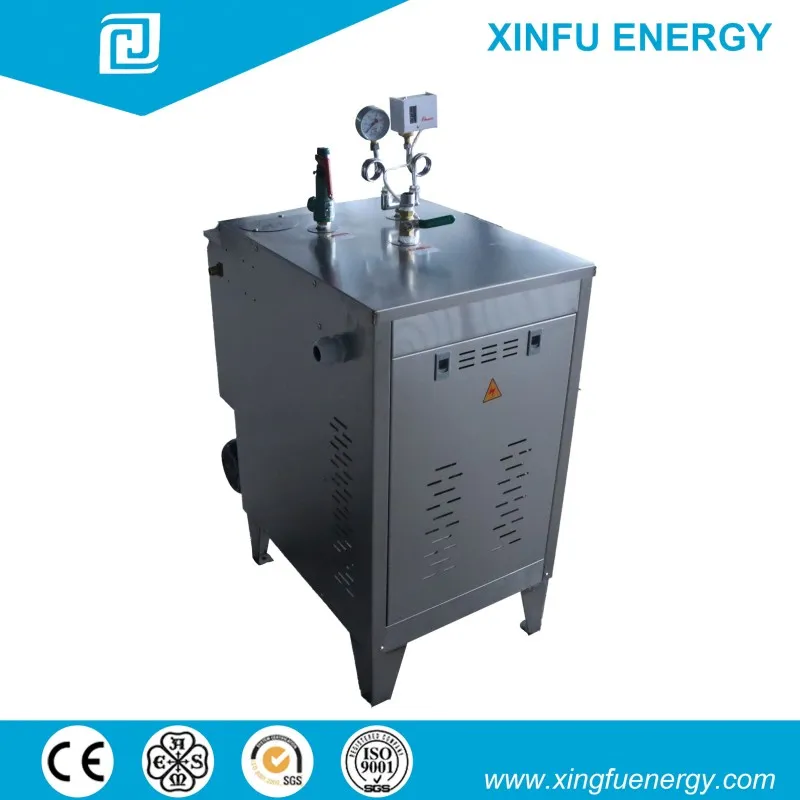
This direct manufacturing capability is particularly evident in their electric steam generator series. Recognizing the 2026 market shift towards zero-emission solutions, Xingfu’s S-Series automation solutions offer fully automated, intelligent steam boilers made from high-grade stainless steel. These units are designed for fast steam generation and seamless integration into existing engineering systems, meeting rigorous international standards such as CE and ISO 9001.
With a technical team comprising 78 experts (including 28 engineers) and 65 certified welders, Xingfu ensures that every unit meets Class B boiler and Class 1/2 container manufacturing licenses. For global buyers, partnering with an established exporter like Xingfu—who has served over 30 countries since 2012—provides the dual benefit of competitive direct-factory pricing and the security of robust after-sales support and technical consulting.
Step-by-Step Guide to Requesting a Factory Quote
To get the most accurate industrial steam generator price, your Request for Quotation (RFQ) must be detailed. Vague inquiries lead to generic estimates that often change later. Follow this process:
Prepare Technical Data: List your required capacity (kg/h), working pressure (bar/psi), and fuel type availability.
Specify Standards: Clearly state the required certifications (e.g., ASME Section I, CE PED, ISO 9001). This filters out manufacturers who cannot meet your regulatory needs.
Define Scope of Supply: Clarify if you need just the boiler body, or a complete package including pumps, control panels, water treatment, and valves.
Request Lifecycle Cost Analysis: Ask the supplier to provide an estimated annual fuel consumption based on your local energy prices. This helps compare OpEx across different models.
Inquire About Lead Time: In 2026, supply chain stability is crucial. Ask for the production lead time and shipping terms (FOB, CIF, DDP).
Ask for Warranty Details: Standard warranties cover the pressure vessel for 1–2 years and burners/electronics for 1 year. Extended warranty options should be priced separately.
Common Mistakes to Avoid When Buying Steam Generators
Even experienced procurement officers can fall into traps when purchasing complex thermal equipment. Avoid these pitfalls to protect your investment.
Oversizing the Unit: Buying a generator that is too large leads to frequent cycling (on/off switching), which wastes energy and wears out components faster. Modular systems are better for variable loads.
Ignoring Water Quality: Skipping the water treatment system to save money is a false economy. Scale buildup of just 1mm can increase fuel consumption by 5–7% and shorten the boiler’s life significantly.
Choosing Based on Lowest Price Only: The cheapest option often uses inferior materials (e.g., thin-walled steel, low-grade insulation) or non-certified components. This increases the risk of leaks and safety hazards.
Neglecting After-Sales Support: Steam generators require regular maintenance. Ensure the supplier has a local service network or provides comprehensive spare parts kits and remote technical support.
Maintenance and Long-Term Cost Management
The longevity and efficiency of your steam generator depend on rigorous maintenance. A well-maintained unit can operate efficiently for over two decades, while a neglected one may fail within five years.
Daily Maintenance Tasks
Check water level and pressure gauges.
Perform bottom blowdown to remove sludge and sediments.
Inspect for leaks in pipes and valves.
Verify burner flame color and stability (for gas/biomass units).
Weekly/Monthly Maintenance
Test safety valves to ensure they open at the set pressure.
Check water quality parameters (hardness, pH, TDS).
Clean the sight glass and sensors.
Inspect electrical connections for tightness and signs of overheating.
Annual Overhaul
Schedule a professional inspection once a year. This includes opening the vessel to check for internal corrosion, cleaning heat exchange surfaces, calibrating instruments, and testing all safety interlocks. This proactive approach prevents unexpected breakdowns during peak production seasons.
FAQ: Frequently Asked Questions About Industrial Steam Generator Prices
What is the average lifespan of an industrial steam generator?
With proper maintenance and water treatment, industrial steam generators typically last between 15 and 25 years. Electric models often reach the upper end of this range due to fewer moving parts, while gas and biomass units may require more frequent component replacements.
Can I get a custom-designed steam generator?
Yes, most direct factories offer customization. You can specify dimensions to fit tight spaces, choose specific control interfaces, or request special materials for corrosive environments. Customization may add 10–15% to the base price and extend the lead time.
How much does shipping and insurance cost?
Shipping costs vary widely based on destination, incoterms, and the size of the unit. For international shipments, expect shipping and insurance to add 5–10% to the total cost. Always request a CIF (Cost, Insurance, and Freight) quote to understand the landed cost.
Are there tax incentives for high-efficiency steam generators?
In many countries, upgrading to high-efficiency or low-emission steam generators qualifies for government tax credits, rebates, or green energy grants. Check with local energy authorities in 2026 for specific programs applicable to your industry.
Why is the price difference between brands so large?
Price differences reflect variations in material quality, component brands (e.g., Siemens PLCs vs. generic controllers), manufacturing precision, and after-sales support infrastructure. Premium brands invest heavily in R&D and quality assurance, which justifies higher upfront costs through reliability and efficiency.
Conclusion: Making a Smart Investment in 2026
Determining the right industrial steam generator price is not about finding the lowest number on a quote. It is about balancing initial investment with long-term operational efficiency, reliability, and compliance. In 2026, the trend is clearly moving towards smarter, more efficient, and modular systems that adapt to fluctuating energy costs and production demands.
By understanding the impact of fuel type, capacity, and automation on pricing, you can negotiate better terms with manufacturers. Remember to factor in hidden costs like installation, water treatment, and maintenance to get a true picture of the total cost of ownership.
Whether you are upgrading an existing facility or commissioning a new plant, choosing a reputable direct factory partner ensures you receive equipment that meets international standards and delivers consistent performance. Prioritize suppliers who offer transparent pricing, robust technical support, and proven expertise in your specific industry sector.
Ready to optimize your steam production costs? Contact our engineering team today for a customized quote tailored to your specific capacity and fuel requirements. We provide detailed technical proposals and lifecycle cost analysis to help you make an informed decision.