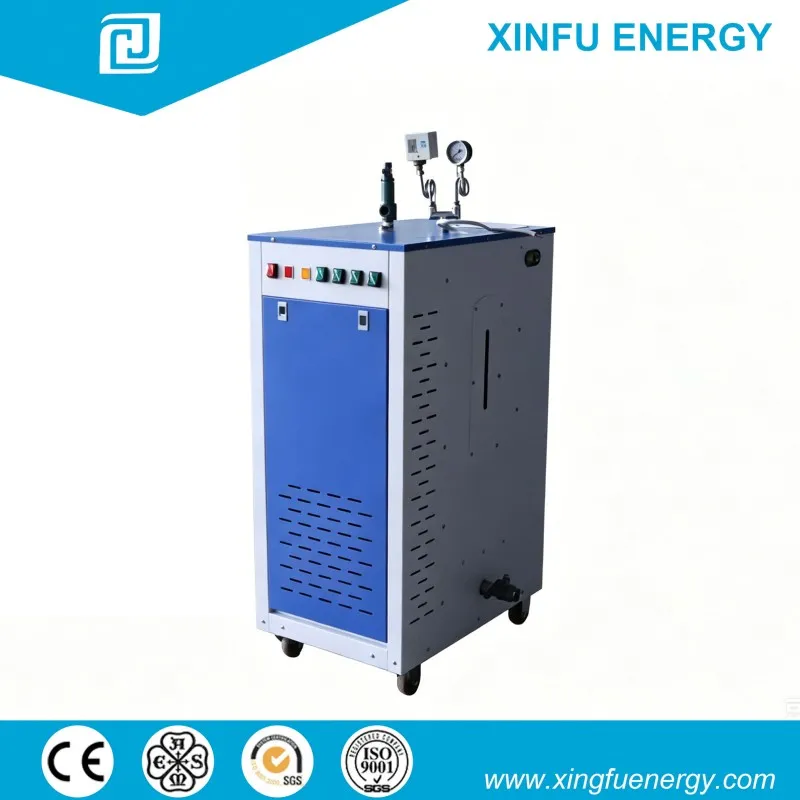
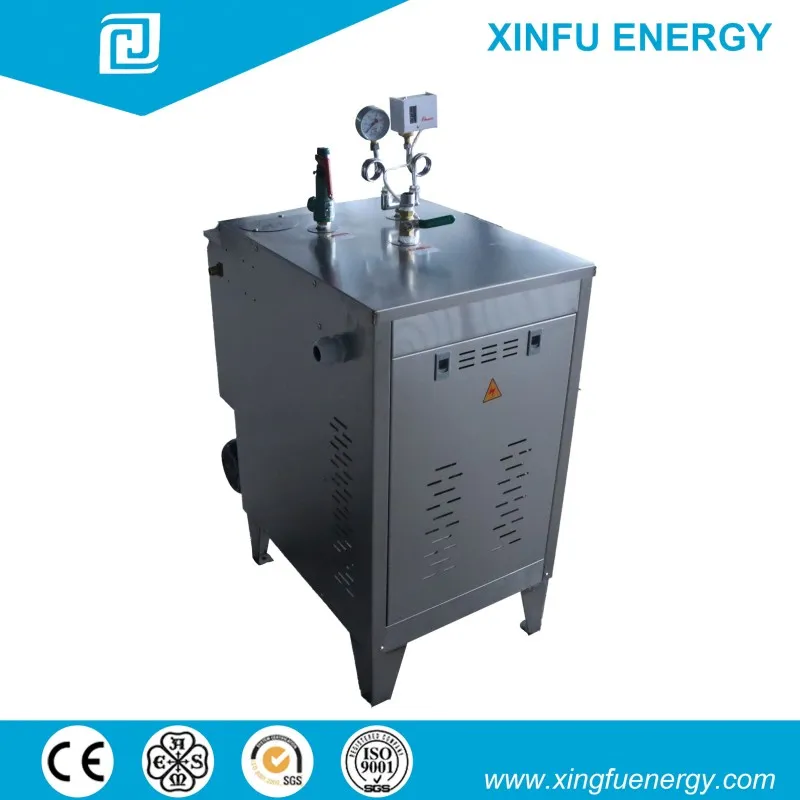
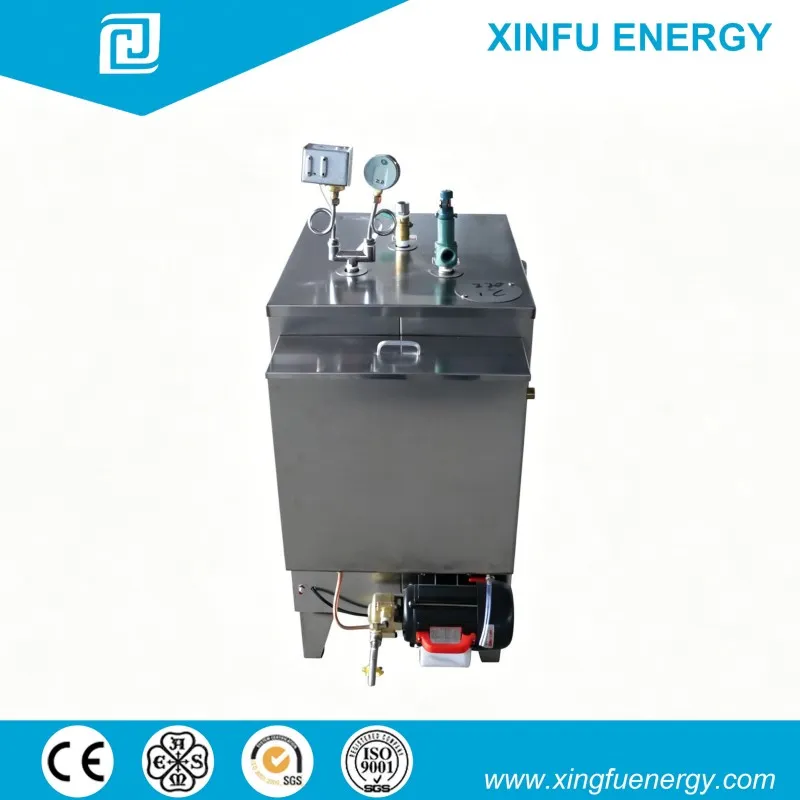
A steam powered electric generator for home is a specialized energy conversion system that utilizes thermal energy from steam to drive a turbine or piston engine, which subsequently rotates an alternator to produce electricity. In 2026, these systems are primarily sought after by off-grid homeowners, industrial facilities with waste heat recovery needs, and users in regions with abundant biomass or solar thermal resources. Unlike standard photovoltaic setups, steam generators offer continuous baseload power potential when paired with consistent heat sources. This guide details the 2026 pricing structures, technical specifications, supplier selection criteria, and operational realities of integrating steam-based generation into residential or small-scale commercial energy grids.
Understanding Steam Powered Electric Generators for Home Use
The concept of generating electricity via steam is rooted in traditional thermodynamics, but modern home-scale steam generators have evolved significantly. These systems do not create energy; they convert thermal energy into mechanical work and then into electrical energy. For residential applications, the scale is drastically smaller than utility-grade power plants, requiring precise engineering to maintain efficiency and safety.
Core Components of a Residential Steam System
To understand the investment and maintenance requirements, one must identify the key entities within the system. A complete setup typically includes:
Heat Source: This can be a biomass boiler (wood pellets, chips), a solar thermal concentrator, geothermal heat exchange, or even waste heat from industrial processes. The consistency of this source dictates the reliability of power output.
Boiler/Steam Generator: A pressure vessel where water is heated to produce high-pressure steam. Modern home units often use flash boilers or coil-type generators for faster response times and lower water volume, enhancing safety.
Prime Mover (Turbine or Piston Engine): The device that converts the kinetic energy of expanding steam into rotational mechanical energy. Small-scale axial flow turbines or modified Stirling engines are common in 2026 models.
Electric Generator (Alternator): Connected to the prime mover, this component converts rotational motion into alternating current (AC) electricity.
Condenser and Cooling System: Critical for efficiency. By condensing exhaust steam back into water, the system creates a vacuum that increases the pressure differential across the turbine, improving thermal efficiency. It also allows for water recycling.
Control Unit and Inverter: Manages steam pressure, turbine speed, and electrical output frequency. The inverter ensures the electricity matches grid standards (50/60Hz) or battery storage requirements.
How It Works: The Thermodynamic Cycle
The operational logic follows a Rankine cycle or a variation thereof. Water is pumped into the boiler under pressure. As heat is applied, the water transitions to steam. This high-pressure steam is directed onto the blades of a turbine or into a piston cylinder. The expansion of steam drives the mechanical components. After passing through the turbine, the low-pressure steam enters a condenser, where it releases latent heat to a cooling medium (air or water) and returns to a liquid state. This condensate is then pumped back into the boiler, closing the loop. The mechanical rotation drives the alternator, producing usable electricity for home consumption.
2026 Market Overview: Price & Supplier Landscape
In 2026, the market for steam powered electric generators for home has matured from niche experimental kits to engineered solutions. However, it remains a specialized sector compared to solar PV. Pricing varies widely based on output capacity, automation level, and the type of prime mover used.
Price Breakdown by Capacity and Type
Costs are generally categorized into three tiers. Note that these prices typically include the generator unit and basic controls but may exclude the external heat source (boiler/solar array) and installation labor, which can add 30-50% to the total project cost.
Primary off-grid home power, small farm operations
20 kW – 100 kW+
Industrial-grade Micro-Turbine
$50,000 – $120,000+
Estate-level power, industrial waste heat recovery, community microgrids
Key Cost Drivers in 2026:
Material Quality: High-grade stainless steel and superalloys for turbines resist corrosion and high temperatures, increasing upfront costs but extending lifespan.
Automation: Systems with automated feedwater control, pressure regulation, and remote monitoring command a premium but reduce operational labor.
Efficiency Ratings: Higher efficiency units often incorporate complex condensers and reheaters, raising the price point.
Supplier Selection Criteria
Choosing the right supplier is critical for long-term viability. Unlike consumer electronics, steam generators require ongoing technical support. When evaluating suppliers in 2026, consider the following factors:
Engineering Support: Does the supplier provide detailed integration guides for your specific heat source? Customization capability is essential.
Warranty and Spare Parts: Look for warranties covering the turbine and generator core for at least 2-5 years. Availability of spare parts like seals, bearings, and nozzles is crucial.
Certifications: Ensure the pressure vessels (boilers) meet local ASME, PED, or equivalent safety standards. Electrical components should have CE, UL, or ISO certifications.
Track Record: Request case studies or references from previous residential or small-commercial installations. Verified user experiences provide insight into real-world reliability.
After-Sales Service: Remote diagnostic capabilities and availability of technical engineers for troubleshooting are significant value-adds.
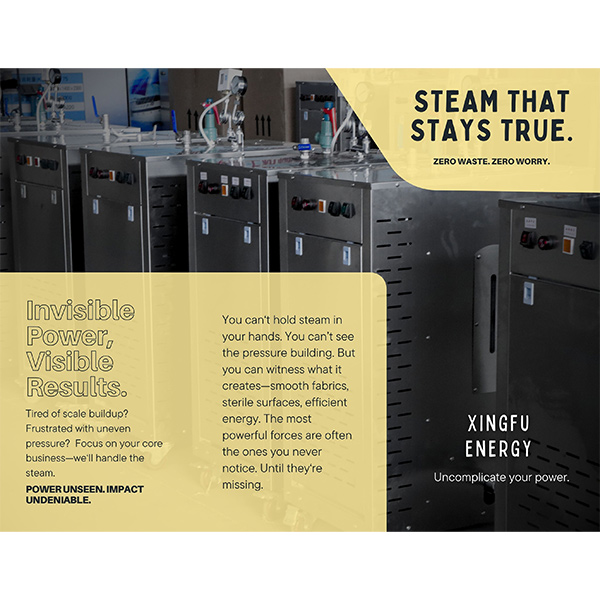
Identifying a supplier that meets these rigorous criteria often leads buyers toward established manufacturers with deep engineering roots. For instance, Qingdao Xingfu Energy Equipment Ltd. exemplifies the type of vertically integrated manufacturer that aligns with modern safety and efficiency demands. Founded in 2010 and headquartered in Qingdao, China, Xingfu has grown into a significant player in the global energy equipment market, exporting to over 30 countries including markets in Europe and Asia. Their approach combines over 14 years of manufacturing experience with a strong R&D focus—employing a technical team where engineers make up 58% of technical personnel. This depth of expertise allows them to produce Class B boilers and pressure containers that meet strict international standards, including ISO 9001 and CE certifications. For homeowners and small commercial entities looking for reliability, partnering with a company that offers end-to-end support—from design and certified transportation to installation assistance—ensures that the complex nature of steam systems is managed professionally.
Technical Specifications and Performance Metrics
When analyzing a steam powered electric generator, several technical parameters define its suitability for home use. Understanding these metrics helps in matching the system to your energy demands.
Thermal Efficiency vs. Electrical Output
Thermal efficiency refers to how effectively the system converts heat energy into electricity. Small-scale steam systems typically achieve efficiencies between 15% and 25%. While this appears lower than large utility plants, it is competitive for decentralized generation, especially when utilizing waste heat or free biomass fuel.
Specific Steam Consumption (SSC): This metric indicates how many kilograms of steam are required to generate one kilowatt-hour (kWh) of electricity. Lower SSC values indicate a more efficient turbine design. In 2026, advanced micro-turbines aim for SSC values below 10 kg/kWh.
Operating Pressure and Temperature
Higher steam pressure and temperature generally yield higher efficiency. However, they also require more robust materials and stricter safety protocols.
Low Pressure Systems (1-5 bar): Safer, simpler, but less efficient. Suitable for small Stirling engines.
Medium Pressure Systems (10-30 bar): Common for home-scale turbines. Requires professional installation and regular inspection.
High Temperature: Superheated steam (above 100°C) prevents condensation inside the turbine, protecting blades from erosion. Most efficient systems utilize superheaters.
Load Response and Stability
One challenge with steam generators is load response time. Unlike diesel generators, steam systems have thermal inertia. Sudden spikes in electricity demand can cause pressure drops if the boiler cannot respond quickly. Modern systems mitigate this with:
Buffer Batteries: Hybrid setups use batteries to handle peak loads, while the steam generator provides baseload charging.
Advanced Control Algorithms: Predictive controls adjust fuel feed rates based on load trends.
Steam Accumulators: Tanks that store pressurized steam/water to release energy during sudden demand spikes.
Application Scenarios for Home Steam Generators
A steam powered electric generator for home is not a one-size-fits-all solution. It excels in specific environments where other renewable sources may fall short.
1. Biomass-Rich Rural Areas
In regions with abundant wood waste, agricultural residue, or dedicated energy crops, biomass-fired steam generators offer a carbon-neutral, dispatchable power source. Unlike solar or wind, biomass can generate power 24/7, providing energy independence. The fuel cost is often negligible if sourced locally, making the levelized cost of energy (LCOE) highly competitive over time.
2. Solar Thermal Hybrid Systems
Concentrated Solar Power (CSP) technology can be scaled down for residential use. Parabolic troughs or dish collectors focus sunlight to heat a working fluid, generating steam. This approach allows for solar energy storage via thermal mass (molten salt or phase-change materials), enabling electricity generation even after sunset. This is ideal for sunny, arid climates with high direct normal irradiance (DNI).
3. Industrial Waste Heat Recovery
Homes located near industrial facilities, or large estates with heavy machinery (e.g., kilns, furnaces), can capture waste heat. Instead of venting hot exhaust gases, a heat recovery steam generator (HRSG) captures this energy to produce steam. This turns a waste product into valuable electricity, significantly improving overall site efficiency.
4. Off-Grid Resilience and Backup
For critical infrastructure or remote homes where grid reliability is poor, steam generators provide robust backup. They are less susceptible to weather conditions than solar/wind and do not rely on fuel deliveries as strictly as diesel generators (if biomass is self-sourced). Their mechanical simplicity, relative to internal combustion engines, can translate to longer operational life with proper maintenance.
Advantages and Disadvantages Analysis
Making an informed decision requires a balanced view of the pros and cons associated with steam-powered home generation in 2026.
Advantages
Fuel Flexibility: Can run on various heat sources including wood, coal, solar, geothermal, and waste heat.
Continuous Power: Unlike intermittent renewables, steam systems can provide stable baseload power as long as heat is available.
Long Lifespan: Well-maintained steam turbines and boilers can operate for 20-30 years, outlasting many solar inverters and battery banks.
Low Maintenance (Relative to ICE): No oil changes, spark plugs, or complex combustion chambers. Fewer moving parts in turbine systems.
Quiet Operation: Steam turbines operate much more quietly than diesel or gasoline generators, reducing noise pollution.
Cogeneration Potential: Waste heat from the condenser can be used for space heating or domestic hot water, boosting overall system efficiency to over 80%.
Disadvantages
High Initial Cost: Upfront investment is significantly higher than equivalent solar PV systems.
Complexity: Requires knowledge of thermodynamics, plumbing, and electrical systems. Not a “plug-and-play” solution.
Water Usage: Requires a reliable water source for makeup water, although closed-loop systems minimize consumption.
Safety Risks: High-pressure steam poses burn and explosion hazards. Strict adherence to safety codes and regular inspections are mandatory.
Lower Efficiency at Small Scale: Thermodynamic efficiency drops as size decreases. Small units may have higher fuel consumption per kWh compared to larger industrial units.
Slow Start-up: Bringing a boiler up to pressure takes time, making it unsuitable for instant backup without battery buffering.
Step-by-Step Guide to Installation and Integration
Installing a steam powered electric generator is a complex engineering project. It should always be performed by qualified professionals. However, understanding the process helps in planning and oversight.
Step 1: Site Assessment and Feasibility Study
Evaluate your heat source availability. Calculate your daily energy consumption profile. Determine if a hybrid system (steam + battery + solar) is optimal. Check local zoning laws and building codes regarding pressure vessels and emissions.
Step 2: System Design and Sizing
Select the appropriate generator capacity. Oversizing leads to inefficient partial-load operation; undersizing fails to meet demand. Design the piping layout, ensuring minimal heat loss. Choose between a closed-loop (condensing) or open-loop system based on water availability.
Step 3: Procurement and Permitting
Purchase the generator, boiler, and auxiliary components from certified suppliers. Submit engineering drawings to local authorities for permits. Obtain insurance coverage for pressure equipment.
Step 4: Foundation and Mechanical Installation
Prepare a solid concrete foundation to handle vibration and weight. Install the boiler, turbine, and generator. Connect steam lines using high-temperature rated gaskets and fittings. Install the condenser and cooling tower or radiator.
Step 5: Electrical Integration
Connect the generator output to the inverter and switchgear. Install safety disconnects and grounding systems. Integrate with the home’s main electrical panel or battery bank. Ensure synchronization with the grid if connecting to a net-metering setup.
Step 6: Testing and Commissioning
Perform hydrostatic tests on the boiler and piping. Conduct cold runs to check for leaks. Gradually heat the system, monitoring pressure and temperature ramps. Test safety valves and emergency shutdown procedures. Measure electrical output quality (voltage, frequency, harmonics).
Maintenance and Operational Best Practices
Long-term reliability depends on rigorous maintenance. Steam systems are forgiving if treated well but punishing if neglected.
Daily Checks
Monitor boiler water level and pressure.
Check for steam leaks in pipes and fittings.
Inspect lubrication levels in turbine bearings.
Verify electrical output parameters.
Weekly/Monthly Maintenance
Test safety relief valves to ensure they open at set pressures.
Blow down the boiler to remove sediment and sludge.
Check water quality (pH, hardness) and treat as necessary to prevent scaling and corrosion.
Inspect belt tensions (if applicable) and coupling alignments.
Annual Overhaul
Professional inspection of the pressure vessel.
Clean heat exchange surfaces in the boiler and condenser.
Replace worn seals and gaskets.
Calibrate sensors and control systems.
Flush the entire water circuit.
Common Errors to Avoid
Ignoring Water Quality: Hard water causes scaling, which insulates heat transfer surfaces and leads to overheating and failure. Always use treated or distilled water.
Rapid Heating/Cooling: Thermal shock can crack boiler tubes or warp turbine components. Follow manufacturer ramp-up and cooldown curves.
Neglecting Condensate Return: Losing condensate means losing treated water and heat. Fix leaks immediately.
Overloading: Running the generator beyond its rated capacity causes excessive wear and potential catastrophic failure.
FAQ: People Also Ask About Steam Generators
Is a steam powered generator safe for home use?
Yes, when designed and installed according to strict safety codes. Modern home systems operate at lower pressures than industrial plants and include multiple safety redundancies, such as pressure relief valves, low-water cutoffs, and automatic shutdown sensors. Regular inspection by certified professionals is mandatory to maintain safety.
How efficient is a home steam generator compared to solar panels?
Solar PV panels typically have higher conversion efficiency (15-22%) from sunlight to electricity. Steam generators have lower thermal-to-electrical efficiency (15-25%). However, steam systems can operate 24/7 if fuel is available, whereas solar is intermittent. The “efficiency” comparison depends on whether you value peak conversion rate or continuous availability. Often, a hybrid approach is best.
Can I build a DIY steam generator for my home?
While small experimental models exist, building a DIY steam generator for primary home power is strongly discouraged due to severe safety risks. High-pressure steam explosions can be fatal. Additionally, DIY units rarely meet insurance or legal requirements. It is safer and more effective to purchase engineered kits or professional systems.
What is the lifespan of a steam turbine generator?
With proper maintenance, a high-quality steam turbine and generator can last 20 to 30 years. Boilers may require refurbishment or replacement sooner, depending on water quality and usage intensity. This lifespan often exceeds that of battery banks and solar inverters.
Does a steam generator require a lot of water?
In a closed-loop condensing system, water loss is minimal, primarily due to minor leaks or blowdown. You may need to add a few liters per week as makeup water. Open-loop systems consume significantly more water and are not recommended for residential areas with water restrictions.
Selection Guide: Choosing the Right System for Your Needs
Selecting the ideal steam powered electric generator for home involves balancing budget, energy needs, and resource availability.
Assess Your Heat Source
If you have free biomass, a biomass boiler system is cost-effective. If you live in a sunny desert, consider solar thermal. If you have access to geothermal springs, a low-temperature organic Rankine cycle (ORC) system might be suitable. The heat source dictates the boiler type and operating temperature.
Determine Baseload vs. Peak Demand
Steam generators are best for baseload power. Calculate your minimum continuous energy usage. Size the generator to meet this baseline. Use batteries or a secondary generator for peak loads. This strategy optimizes fuel efficiency and reduces wear.
Evaluate Space and Infrastructure
Steam systems require space for the boiler, turbine, condenser, and fuel storage. Ensure adequate ventilation for combustion (if using biomass) and heat dissipation for the condenser. Check if your property can support the weight and vibration of the equipment.
Consider Hybridization
In 2026, most successful residential steam installations are hybrid. Combining steam with solar PV and battery storage creates a resilient microgrid. The steam generator charges the batteries and handles base loads, while solar covers daytime peaks. This reduces the required size of the steam unit, lowering initial costs.
Future Trends in Residential Steam Generation
The technology continues to evolve. Key trends in 2026 and beyond include:
Organic Rankine Cycle (ORC): Using organic fluids with lower boiling points than water allows for electricity generation from low-grade heat sources (e.g., 80-100°C), expanding applicability to solar thermal and waste heat.
Modular Designs: Plug-and-play modular units simplify installation and maintenance. Users can add modules to increase capacity as needed.
AI-Driven Controls: Machine learning algorithms optimize fuel feed and steam pressure in real-time, maximizing efficiency and predicting maintenance needs.
Advanced Materials: Use of ceramics and composites reduces weight and improves heat resistance, allowing for higher operating temperatures and efficiencies.
Conclusion and Next Steps
A steam powered electric generator for home represents a robust, durable, and flexible solution for decentralized energy production. While the upfront investment and technical complexity are higher than conventional solar PV, the ability to generate continuous power from diverse heat sources offers unique advantages for off-grid living, biomass-rich areas, and industrial waste heat recovery scenarios. In 2026, the market offers more refined, safer, and efficient systems than ever before.
This technology is best suited for:
Homeowners seeking energy independence with access to free or cheap biomass.
Properties with significant waste heat sources.
Users in remote locations where fuel delivery for diesel generators is difficult.
Those interested in long-term, low-maintenance power solutions with a 20+ year lifespan.
To proceed, carefully assess your thermal resources and energy profile. Engage with reputable suppliers who provide comprehensive engineering support and warranty coverage. Consider a hybrid approach to maximize efficiency and reliability.
For detailed technical specifications, custom sizing consultations, and supplier recommendations tailored to your specific location and needs, explore our comprehensive resources.