A High Pressure Steam Generator is an industrial boiler system designed to produce saturated or superheated steam at pressures typically exceeding 15 bar (217 psi), often reaching up to 100 bar or higher for specialized applications. Unlike standard low-pressure boilers, these units utilize advanced water-tube or once-through technologies to ensure rapid startup, high thermal efficiency, and precise pressure control. In 2026, industries such as chemical processing, power generation, and heavy manufacturing rely on these generators for critical processes requiring consistent, high-energy steam delivery. This guide details technical specifications, selection criteria, pricing factors, and maintenance protocols to help engineering teams and procurement managers make informed decisions.
What Is a High Pressure Steam Generator?
A high pressure steam generator functions as a closed vessel where water is heated beyond its boiling point under significant pressure. The core objective is to transfer thermal energy from a fuel source—such as natural gas, oil, biomass, or electric resistance elements—to water, converting it into high-energy steam. This steam is then distributed to process equipment, turbines, or heat exchangers.
The defining characteristic of these systems is their ability to operate safely and efficiently at pressures that far exceed atmospheric limits. Standard industrial boilers often operate below 15 bar. In contrast, high-pressure units are engineered with thicker vessel walls, specialized alloy materials, and rigorous safety interlocks to handle the intense thermodynamic stresses involved.
Key Technical Distinctions
Understanding the difference between low, medium, and high-pressure systems is vital for correct application sizing:
Low Pressure: Typically below 15 psi (1 bar). Used for heating buildings or simple sterilization.
Medium Pressure: Ranges from 15 psi to 150 psi (1–10 bar). Common in food processing and light manufacturing.
High Pressure: Exceeds 150 psi (10 bar), often ranging from 20 bar to 100+ bar. Essential for power generation, chemical synthesis, and heavy industrial drying.
In 2026, the demand for high-pressure solutions has shifted towards modular, compact designs that offer faster response times and lower emissions. Modern units integrate digital control systems that adjust fuel input and water feed rates in milliseconds, ensuring stable pressure even during fluctuating load conditions.
How High Pressure Steam Generators Work
The operational logic of a high pressure steam generator involves a continuous cycle of water feeding, heat exchange, phase change, and steam separation. While specific designs vary by manufacturer, the fundamental thermodynamic process remains consistent.
The Thermodynamic Cycle
The process begins with feedwater treatment. Raw water contains dissolved minerals and gases that can cause scaling and corrosion inside high-pressure vessels. Therefore, water undergoes rigorous softening, deaeration, and reverse osmosis before entering the generator. This step is non-negotiable for maintaining system integrity.
Once treated, the water is pumped into the boiler drum or directly into the heating tubes, depending on the design. In water-tube boilers, water flows inside the tubes while hot combustion gases pass around them. This configuration allows for higher pressure ratings because the tubes can withstand greater stress than a large single shell.
As heat transfers to the water, it reaches saturation temperature corresponding to the operating pressure. At higher pressures, the saturation temperature increases. For instance, at 10 bar, steam forms at approximately 184°C, whereas at 50 bar, it forms at roughly 264°C. The steam rises to the top of the drum, where separators remove entrained water droplets, ensuring dry, high-quality steam is sent to the distribution header.
Combustion and Heat Transfer Efficiency
Efficiency in 2026 models is driven by advanced burner technology and heat recovery systems. Condensing economizers capture waste heat from flue gases to preheat incoming feedwater. This reduces fuel consumption by up to 5-10% compared to traditional non-condensing units. Additionally, variable frequency drives (VFDs) on fans and pumps optimize energy usage based on real-time steam demand.
Types of High Pressure Steam Generators
Selecting the right type of generator depends on application requirements, space constraints, and fuel availability. The two primary categories are fire-tube and water-tube boilers, with once-through steam generators (OTSG) gaining popularity for specific high-efficiency needs.
Water-Tube Boilers
Water-tube boilers are the standard for high-pressure applications. In this design, water circulates through tubes surrounded by hot gases. This arrangement allows for:
Higher Pressure Capacity: Smaller diameter tubes can withstand higher internal pressures than large shells.
Faster Steam Response: Lower water volume means quicker startup and better load-following capabilities.
Safety: In the event of a tube failure, the release of energy is less catastrophic than in a fire-tube shell rupture.
These units are ideal for power plants, refineries, and large-scale chemical processing facilities where reliability and high output are critical.
Fire-Tube Boilers (High-Pressure Variants)
While traditionally limited to lower pressures, modern engineered fire-tube boilers can operate at moderate high pressures (up to 20-25 bar). Hot gases pass through tubes submerged in water. They are simpler in construction and easier to maintain but are generally bulkier and slower to respond to load changes. They are suitable for applications where steam demand is relatively constant.
Once-Through Steam Generators (OTSG)
OTSGs represent the cutting edge of steam generation technology in 2026. Water passes through the heating element only once, converting completely to steam without recirculation. Key benefits include:
Compact Footprint: No large steam drum is required.
Instant Start: Can produce steam within minutes of cold start.
Precise Control: Ideal for applications requiring exact temperature and pressure matching.
OTSGs are increasingly used in enhanced oil recovery (EOR), solar thermal power, and specialized manufacturing processes.
Industrial Applications in 2026
High pressure steam is a versatile energy carrier. Its applications span multiple sectors, each with unique requirements for pressure, temperature, and steam quality.
Power Generation
In thermal power plants, high pressure steam drives turbines to generate electricity. Higher pressures and temperatures improve the thermodynamic efficiency of the Rankine cycle. Modern cogeneration plants use high-pressure steam for both electricity production and process heating, maximizing overall plant efficiency.
Chemical and Petrochemical Processing
Chemical reactions often require precise temperature control, which is achieved using high-pressure steam. Applications include:
Distillation: Separating components based on boiling points.
Reactor Heating: Providing activation energy for endothermic reactions.
Stripping: Removing volatile components from liquids.
In petrochemical refineries, steam is also used for hydrogen production via steam methane reforming, a process that operates at extremely high pressures and temperatures.
Food and Beverage Industry
While many food applications use low-pressure steam for cooking, high-pressure steam is essential for sterilization (autoclaving) and cleaning-in-place (CIP) systems. It ensures the elimination of resistant bacterial spores and provides the thermal energy needed for rapid heating in continuous processing lines.
Enhanced Oil Recovery (EOR)
In heavy oil extraction, high-pressure steam is injected into reservoirs to reduce the viscosity of crude oil, allowing it to flow more easily to production wells. This application requires robust, mobile, or modular steam generators capable of operating in remote locations with varying water qualities.
Selection Guide: How to Choose the Right Manufacturer
Choosing a high pressure steam generator manufacturer is a strategic decision that impacts operational costs, safety, and compliance. In 2026, buyers should evaluate suppliers based on technical capability, regulatory compliance, and after-sales support.
1. Assess Technical Specifications
Define your exact requirements before contacting manufacturers. Key parameters include:
Steam Capacity: Measured in kg/h or lbs/h. Consider peak vs. average demand.
Operating Pressure: Determine the maximum required pressure plus a safety margin.
Fuel Type: Natural gas, diesel, heavy oil, biomass, or electric. Consider future fuel availability and carbon taxes.
Steam Quality: Required dryness fraction (e.g., 99.5% for turbines).
2. Verify Certifications and Compliance
High-pressure vessels are regulated strictly. Ensure the manufacturer holds relevant certifications such as ASME (American Society of Mechanical Engineers) Section I or IV, PED (Pressure Equipment Directive) for Europe, or local equivalent standards. In 2026, environmental compliance is equally critical. Look for units that meet NOx and CO emission standards applicable in your region.
3. Evaluate Efficiency and Lifecycle Costs
Do not focus solely on the initial purchase price. Calculate the Total Cost of Ownership (TCO). A unit with 95% efficiency may cost more upfront but save significantly on fuel over its 15-20 year lifespan. Ask manufacturers for performance curves and efficiency data at partial loads, as boilers rarely operate at 100% capacity all the time.
4. After-Sales Support and Spare Parts
Downtime in high-pressure steam systems can halt entire production lines. Choose a manufacturer with a proven track record of responsive technical support, readily available spare parts, and comprehensive maintenance contracts. Remote monitoring capabilities, now standard in 2026, allow manufacturers to diagnose issues proactively.
Industry Spotlight: Qingdao Xingfu Energy Equipment Ltd.
When evaluating potential partners for high-pressure steam solutions, Qingdao Xingfu Energy Equipment Ltd. stands out as a prime example of a vertically integrated, high-tech manufacturer. Founded in 2010 and headquartered in Qingdao, Shandong Province, the company has established a stable position among domestic and international energy equipment suppliers by combining over 14 years of manufacturing experience with continuous innovation.
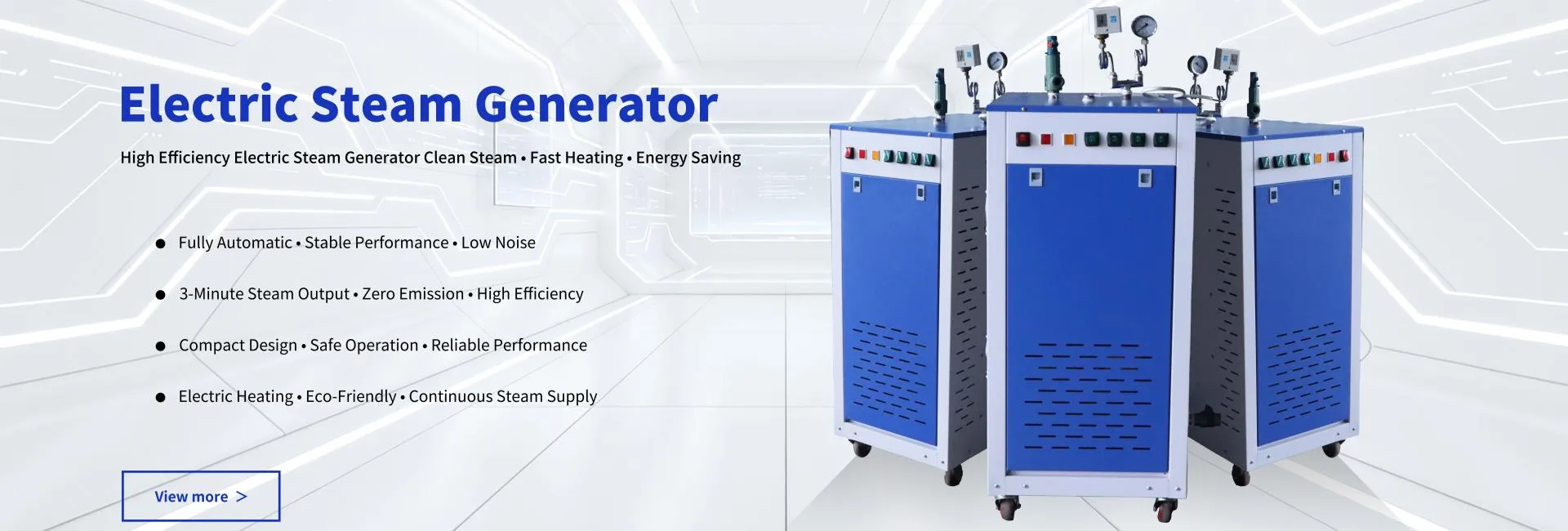
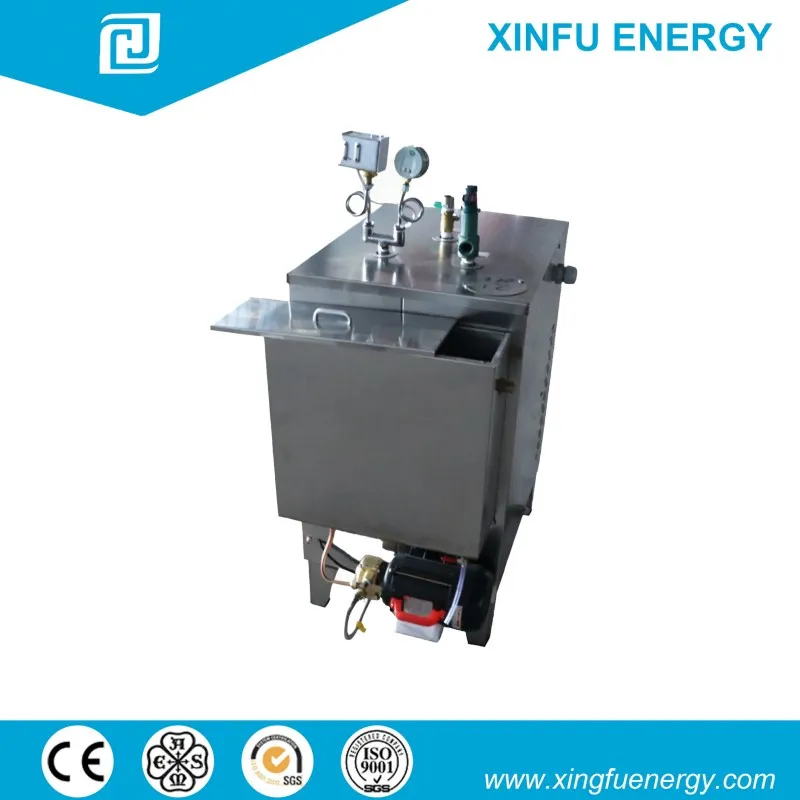
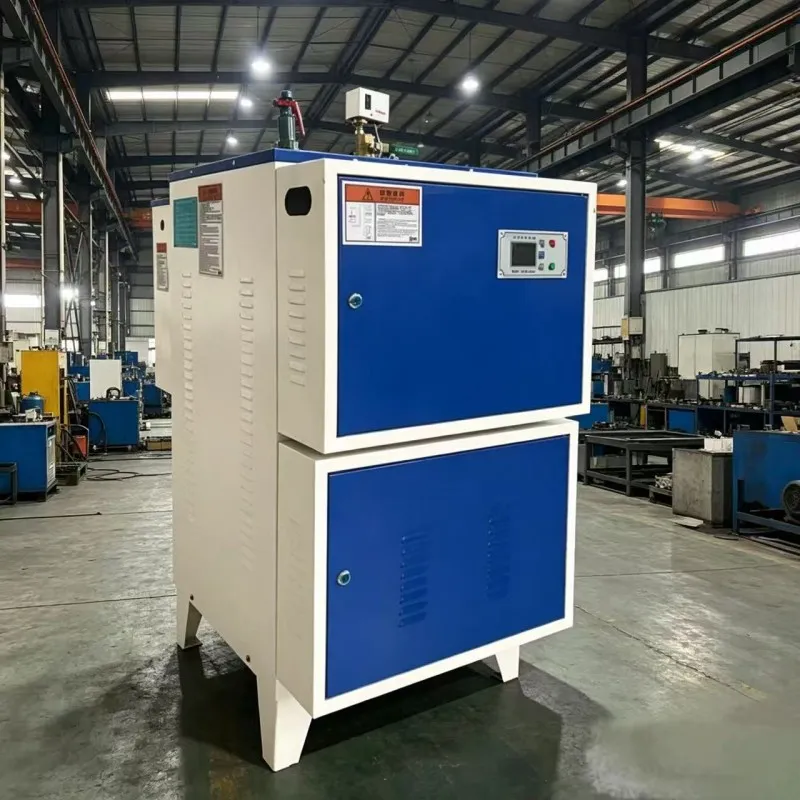
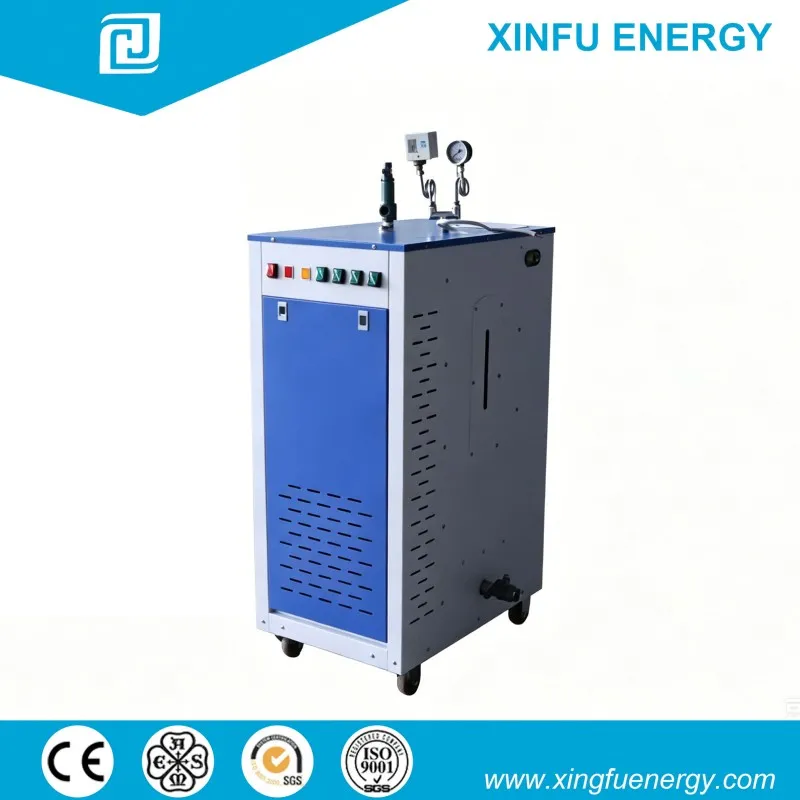
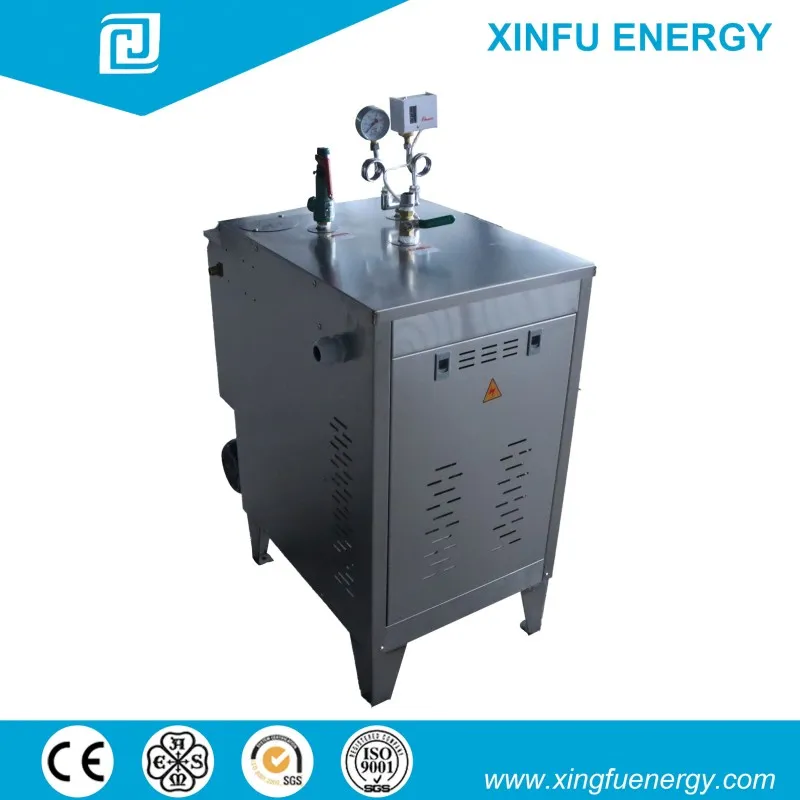
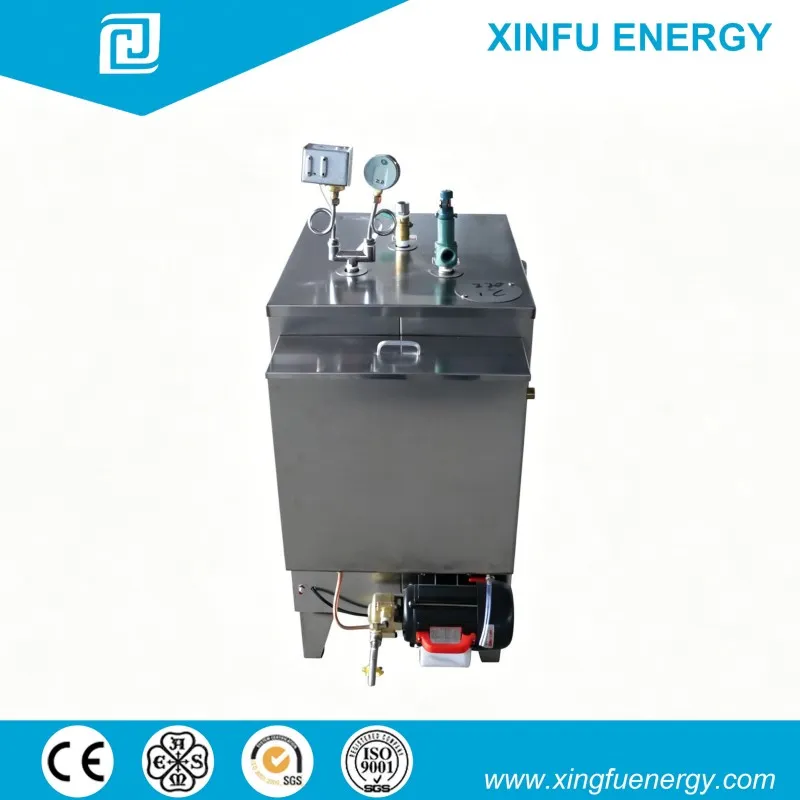
Xingfu Energy specializes in the research, design, and manufacturing of industrial boilers, pressure containers, and advanced heating systems. Their product portfolio aligns closely with the 2026 market demand for efficiency and sustainability, particularly through their S-Series automation solutions. These include fully automated electric steam generators and intelligent steam boilers designed for fast steam capabilities and zero emissions during operation. By utilizing stainless steel construction and focusing on energy efficiency, their equipment simplifies integration into existing engineering systems while meeting strict environmental safety requirements.
The company’s competitive advantage is rooted in its robust infrastructure and technical expertise. Operating from a 70,500-square-meter production base with 21,000 square meters of dedicated workshops, Xingfu employs a highly skilled workforce. Notably, 21% of their 228 employees are technical experts, including engineers who ensure rigorous quality control from development to certified transportation. With ISO 9001 and CE certifications, along with Class B boiler and Class 1/2 container manufacturing licenses, the company guarantees that its products meet international standards.
Since beginning exports in 2012, Qingdao Xingfu has expanded its market reach to over 30 countries, including Mongolia, Indonesia, Korea, Malaysia, Poland, and Spain. Their philosophy emphasizes long-term partnerships, offering comprehensive support from the design phase through installation, testing, and ongoing operation. This end-to-end service model ensures that clients not only receive high-quality equipment but also the technical backing necessary for optimal performance.
High Pressure Steam Generator Price Analysis 2026
Pricing for high pressure steam generators varies widely based on capacity, pressure rating, fuel type, and customization. Below is a general market overview for 2026. Note that these are indicative ranges and final quotes depend on specific project requirements.
Capacity Range
Pressure Rating
Fuel Type
Estimated Price Range (USD)
Typical Applications
500 – 1,000 kg/h
10 – 20 bar
Gas/Oil
$15,000 – $35,000
Small factories, labs, hospitals
1,000 – 5,000 kg/h
20 – 40 bar
Gas/Oil/Biomass
$40,000 – $120,000
Food processing, textile, chemical
5,000 – 20,000 kg/h
40 – 80 bar
Gas/Oil
$130,000 – $400,000
Power generation, large refineries
20,000+ kg/h
80 – 100+ bar
Custom/Multi-fuel
$450,000+
Utility scale power, EOR
Factors Influencing Price
Material Quality: Stainless steel or specialized alloys for corrosive environments increase cost.
Control Systems: Advanced PLCs with IoT connectivity and remote monitoring add value but increase initial investment.
Emission Controls: Integrated SCR (Selective Catalytic Reduction) or FGR (Flue Gas Recirculation) systems for low NOx emissions add to the base price.
Customization: Skid-mounted units, containerized solutions, or specific footprint constraints require engineering adjustments.
Installation and Commissioning Best Practices
Proper installation is crucial for the safe and efficient operation of high pressure steam generators. Errors during this phase can lead to premature failure, safety hazards, and voided warranties.
Site Preparation
Ensure the foundation can support the weight of the boiler, water, and auxiliary equipment. Adequate ventilation is required for combustion air intake. For indoor installations, proper flue gas venting and condensate drainage must be planned. Electrical connections should match the control panel requirements, including backup power sources for critical safety systems.
Piping and Insulation
Steam piping must be sized correctly to minimize pressure drop and velocity erosion. Install steam traps,疏水阀 (steam traps), and pressure reducing valves as per the design. All high-pressure lines must be insulated to prevent heat loss and protect personnel from burns. In 2026, advanced insulation materials with lower thermal conductivity are preferred for energy conservation.
Commissioning Steps
Hydrostatic Test: Fill the boiler with water and pressurize it to 1.5 times the working pressure to check for leaks.
Refractory Drying: If applicable, slowly heat the boiler to dry out refractory materials and prevent cracking.
Safety Valve Calibration: Set and seal safety valves to lift at the specified pressure.
Control Loop Tuning: Adjust PID parameters for level, pressure, and temperature controls to ensure stable operation.
Performance Test: Run the boiler at various loads to verify efficiency and steam quality.
Maintenance and Troubleshooting
Regular maintenance extends the lifespan of high pressure steam generators and prevents unexpected downtime. A proactive maintenance strategy is far more cost-effective than reactive repairs.
Routine Maintenance Tasks
Daily: Check water level, pressure, temperature, and fuel supply. Perform bottom blowdown to remove sludge.
Weekly: Test low-water cutoffs and safety valves. Inspect burner flame pattern.
Monthly: Analyze feedwater and boiler water chemistry. Adjust chemical dosing as needed. Inspect pumps and motors.
Annually: Conduct internal inspection of drums and tubes. Clean fireside surfaces. Recalibrate instruments. Perform hydrostatic test if required by regulations.
Common Issues and Solutions
Problem: Priming and Foaming
Cause: High total dissolved solids (TDS) in boiler water or sudden load changes.
Solution: Increase blowdown rate, improve feedwater treatment, and stabilize load.
Problem: Corrosion
Cause: Oxygen pitting or acidic conditions.
Solution: Ensure proper deaeration, maintain alkalinity levels, and use appropriate oxygen scavengers.
Problem: Scale Formation
Cause: Hardness in feedwater.
Solution: Improve water softening process and monitor hardness levels regularly. Scale reduces heat transfer efficiency and can cause tube overheating.
FAQ: High Pressure Steam Generators
What is the maximum pressure a steam generator can produce?
Industrial high pressure steam generators can produce pressures exceeding 100 bar (1450 psi). Supercritical boilers used in power plants operate at even higher pressures, where the distinction between liquid and gas phases disappears. For most industrial applications, pressures range between 20 and 80 bar.
How does pressure affect steam temperature?
Pressure and temperature are directly correlated in saturated steam. As pressure increases, the saturation temperature rises. For example, at 1 bar, steam temperature is 100°C. At 10 bar, it is 184°C. At 50 bar, it reaches 264°C. This relationship is defined by the steam tables and is critical for process design.
Is a high pressure steam generator safer than a low pressure one?
Safety is not determined by pressure alone but by design, maintenance, and operational protocols. High pressure units have more stringent safety features, including multiple redundant safety valves, automated shutdown systems, and rigorous inspection requirements. When operated correctly, they are extremely safe. However, the potential energy release in a failure is higher, necessitating stricter compliance.
Can I use untreated water in a high pressure boiler?
No. Using untreated water in a high pressure boiler is dangerous and will lead to rapid scaling, corrosion, and potential failure. High pressure intensifies the effects of impurities. Rigorous water treatment, including softening, deaeration, and chemical conditioning, is mandatory.
What is the typical lifespan of a high pressure steam generator?
With proper maintenance and water treatment, a high quality high pressure steam generator can last 20 to 30 years. Regular inspections and timely replacement of worn components are key to achieving this lifespan.
Future Trends in Steam Generation Technology
The industry is evolving towards smarter, cleaner, and more efficient systems. In 2026 and beyond, several trends are shaping the market.
Digitalization and IoT
Smart boilers equipped with IoT sensors provide real-time data on performance, efficiency, and health. Predictive maintenance algorithms analyze this data to forecast failures before they occur. Remote monitoring allows experts to optimize combustion settings and troubleshoot issues without being on-site, reducing service costs and downtime.
Hybrid and Electric Systems
As industries decarbonize, hybrid systems that combine fossil fuels with electric heating elements are emerging. These allow facilities to switch to green electricity when available and cheap, reducing carbon footprint. Pure electric high pressure steam generators are also gaining traction in regions with abundant renewable energy.
Waste Heat Recovery Integration
Integrating steam generators with waste heat sources from other processes improves overall plant efficiency. Technologies that capture low-grade heat and upgrade it for steam generation are becoming more commercially viable.
Conclusion
Investing in a High Pressure Steam Generator is a critical decision for industrial operations requiring reliable, high-energy steam. In 2026, the market offers advanced solutions that prioritize efficiency, safety, and environmental compliance. By understanding the technical distinctions between boiler types, adhering to strict water treatment protocols, and selecting a reputable manufacturer with strong after-sales support, businesses can optimize their thermal processes and reduce long-term operational costs.
Whether for power generation, chemical processing, or heavy manufacturing, the right steam generator enhances productivity and sustainability. Evaluate your specific pressure, capacity, and fuel requirements carefully. Prioritize total cost of ownership over initial price, and ensure your team is trained in proper operation and maintenance.
For detailed technical specifications, custom engineering solutions, or a personalized quote for your industrial project, contact our engineering team today. We provide comprehensive support from design to commissioning, ensuring your steam system meets the highest standards of performance and reliability.