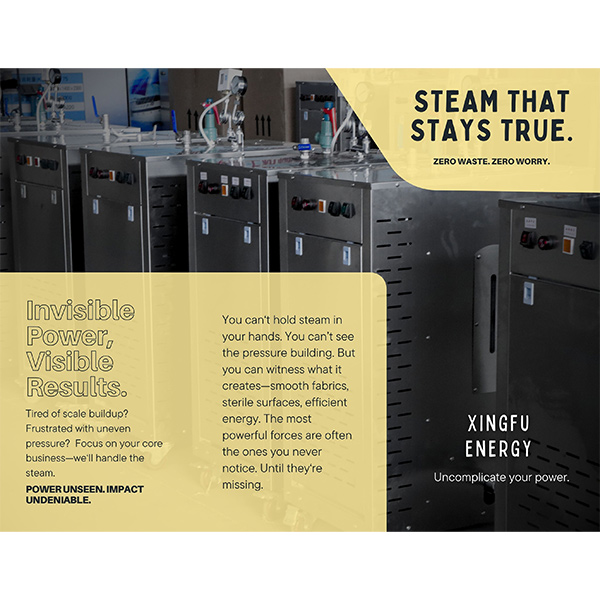
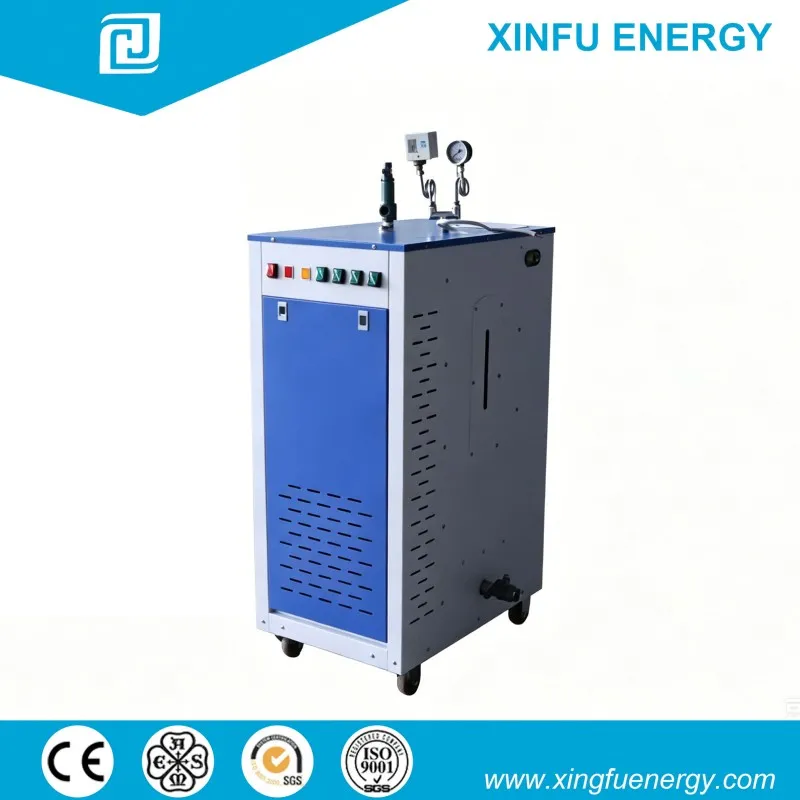
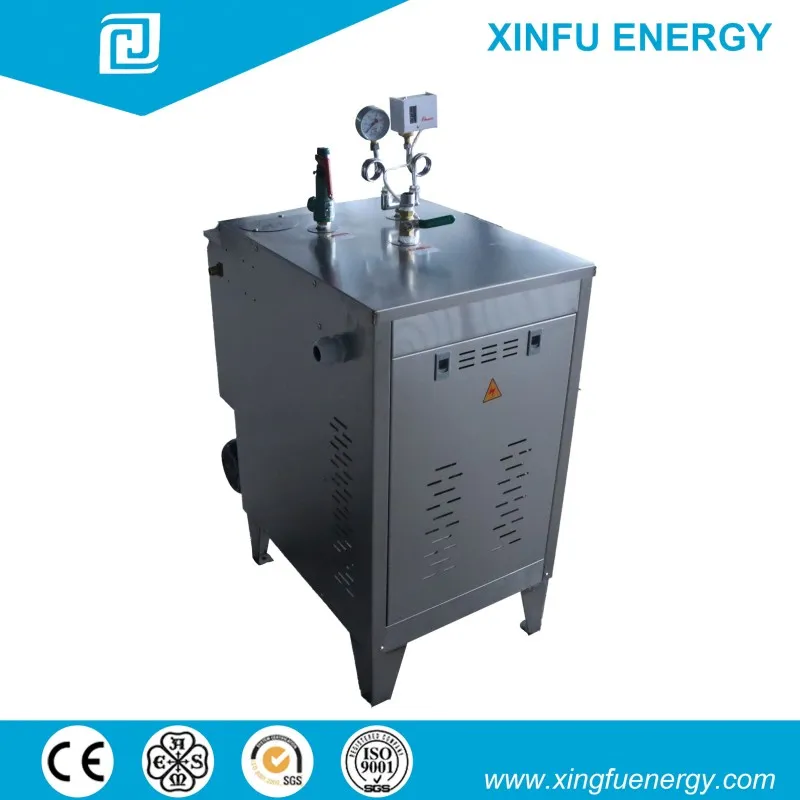
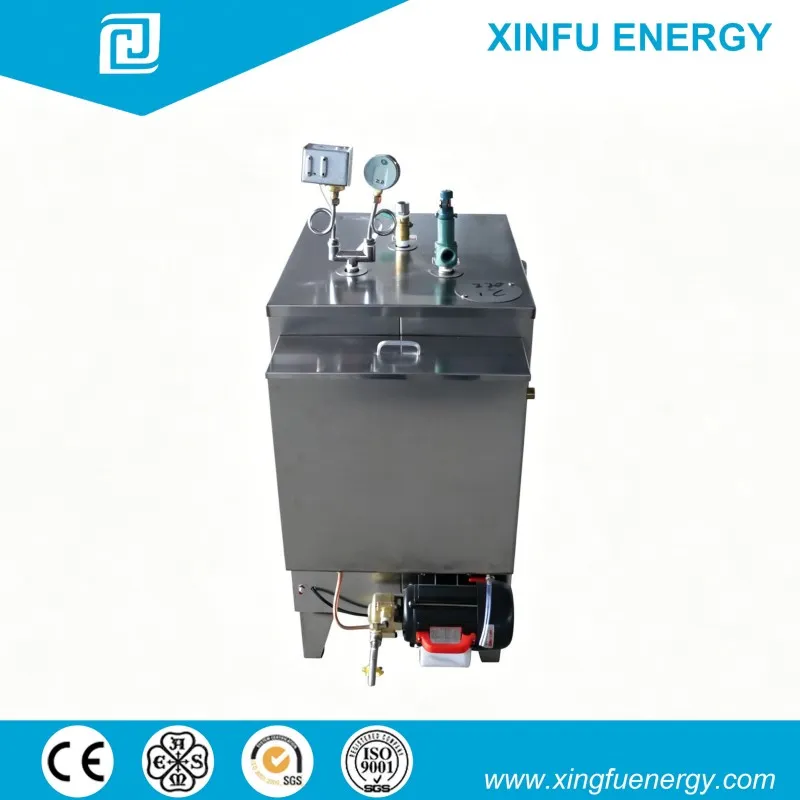
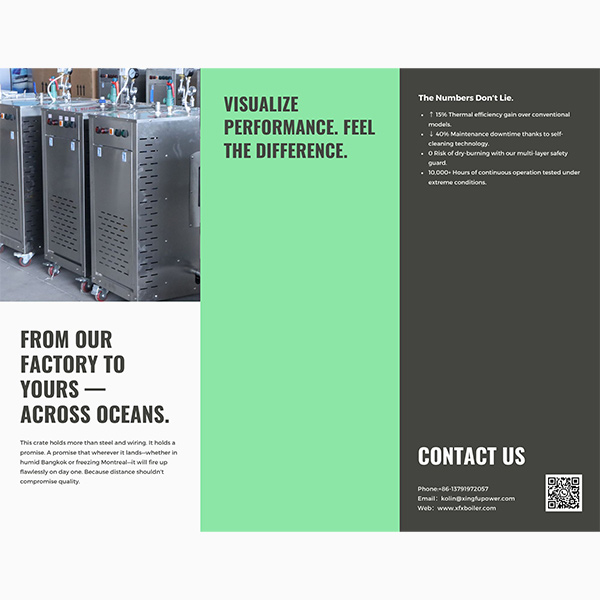
A compact steam generator is a high-efficiency, space-saving industrial boiler system designed to produce saturated or superheated steam on demand. Unlike traditional large-scale boilers, these units utilize advanced heat exchange technology to minimize footprint while maximizing thermal output. Ideal for facilities with limited floor space, compact steam generators offer rapid startup times, precise pressure control, and significant energy savings. Sourcing directly from a specialized manufacturer ensures factory-direct pricing, customized engineering solutions, and robust after-sales support for B2B industrial applications ranging from food processing to pharmaceutical sterilization.
What Is a Compact Steam Generator and How Does It Work?
In modern industrial settings, the demand for efficient thermal energy solutions has shifted away from bulky, legacy boiler systems toward modular, high-performance units. A compact steam generator represents this evolution. It is an engineered system that converts water into steam within a minimized physical envelope, without compromising on power or reliability.
Core Definition and Operational Principle
At its core, a compact steam generator functions by transferring heat from a fuel source—such as natural gas, electricity, diesel, or biomass—to water. The key differentiator lies in the design of the heat exchanger. Traditional fire-tube boilers require large volumes of water and extensive surface areas, resulting in massive footprints. In contrast, compact generators often employ water-tube designs, coil-based systems, or plate heat exchangers.
This structural difference allows for a higher surface-area-to-volume ratio. Consequently, heat transfer occurs more rapidly. The water flows through narrow tubes or channels exposed to high-temperature combustion gases or electric elements. This process generates steam almost instantaneously, reducing the need for large water reservoirs and minimizing warm-up time.
Key Components of the System
Understanding the internal architecture helps in evaluating quality and maintenance requirements. A typical unit comprises several critical subsystems:
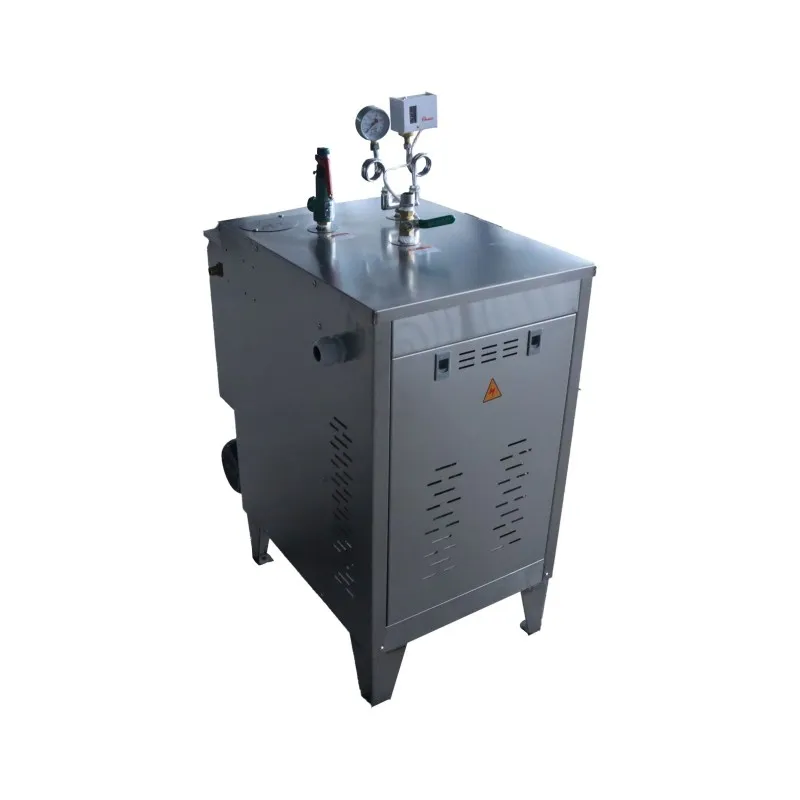
Combustion Chamber or Heating Element: The primary heat source. In gas-fired models, this involves a precision burner; in electric models, high-grade resistance heaters.
Heat Exchanger Assembly: Made from corrosion-resistant materials like stainless steel or alloy steel, this component withstands high thermal stress.
Feedwater Pump: Ensures consistent water supply at the required pressure. Variable frequency drives (VFDs) are often used to match water input with steam demand.
Control Panel and PLC: The brain of the operation. Modern units use Programmable Logic Controllers (PLCs) to monitor pressure, temperature, water levels, and safety parameters in real-time.
Safety Valves and Sensors: Critical for preventing over-pressure and dry-firing conditions, ensuring operational safety and compliance with international standards.
Why “Compact” Matters in Industrial Design
The term “compact” is not merely about size; it reflects an engineering philosophy focused on efficiency and integration. In urban manufacturing hubs or retrofitted facilities, floor space is a premium asset. A traditional boiler might require a dedicated room with extensive clearance for maintenance and safety. A compact generator can often be installed in tighter spaces, sometimes even outdoors with weatherproof housing, freeing up valuable indoor square footage for production lines.
Furthermore, the reduced water volume means lower thermal inertia. This allows the system to respond quickly to load changes. For industries with intermittent steam usage, this responsiveness translates directly into fuel savings, as the system does not need to maintain a large mass of hot water during idle periods.
Advantages of Choosing a Compact Steam Generator
Transitioning to a compact steam generator offers multifaceted benefits beyond simple space savings. From an operational expenditure (OPEX) perspective, these units are designed to reduce long-term costs through improved efficiency and lower maintenance demands.
1. Space Efficiency and Installation Flexibility
The most immediate advantage is the reduced footprint. Compact generators can be up to 50% smaller than conventional boilers of equivalent capacity. This modularity allows for:
Rooftop Installations: Reducing indoor noise and heat load.
Modular Scaling: Installing multiple smaller units instead of one large boiler provides redundancy. If one unit requires maintenance, others can continue operating, ensuring uninterrupted production.
Easier Retrofitting: Ideal for upgrading older facilities where structural modifications for large boilers are prohibitively expensive.
2. Energy Efficiency and Cost Reduction
Modern compact steam generators achieve thermal efficiencies exceeding 95%, with some condensing models reaching nearly 98%. This is achieved through:
Precise Combustion Control: Advanced burners adjust the air-fuel ratio dynamically to ensure complete combustion.
Reduced Standby Losses: Due to low water content, there is minimal heat loss when the system is on standby.
Waste Heat Recovery: Many models integrate economizers that preheat feedwater using exhaust flue gases, further boosting overall system efficiency.
For a facility consuming significant amounts of steam, even a 5% improvement in efficiency can result in substantial annual savings on fuel bills.
3. Rapid Startup and Response Time
Traditional boilers can take hours to reach operating pressure from a cold start. Compact generators, particularly those with low water content, can generate usable steam within minutes. This capability is crucial for:
Shift-Based Operations: Facilities that do not run 24/7 can shut down the steam system completely between shifts without losing productivity due to long warm-up times.
Peak Load Management: The system can quickly ramp up to meet sudden spikes in demand, maintaining consistent process temperatures.
4. Enhanced Safety and Compliance
Safety is paramount in pressure vessel operations. Compact generators are designed with multiple layers of protection. Because they hold less water and operate at optimized pressures, the potential energy stored in the system is lower compared to large drum boilers. Additionally, modern units come equipped with automated safety shut-offs, leak detection, and remote monitoring capabilities, aligning with strict international safety standards such as ASME, PED, and ISO.
Technical Specifications and Performance Metrics
When evaluating a compact steam generator, understanding the technical parameters is essential for matching the equipment to your specific application needs. Below are the critical metrics that define performance.
Capacity and Output Range
Capacity is typically measured in kilograms per hour (kg/h) or pounds per hour (lbs/h). Compact units generally range from small 50 kg/h models for laboratory use to larger 2,000 kg/h units for medium-scale industrial processes. For higher demands, multiple units can be cascaded.
Parameter
Description
Typical Range for Compact Units
Steam Capacity
Maximum steam output per hour
50 kg/h – 2,000 kg/h
Working Pressure
Operational steam pressure
0.7 MPa – 1.6 MPa (100 – 230 PSI)
Thermal Efficiency
Ratio of useful heat output to fuel input
≥ 95% (up to 98% with condensing)
Fuel Types
Compatible energy sources
Natural Gas, LPG, Diesel, Electricity, Biomass
Startup Time
Time to reach working pressure from cold
3 – 15 minutes
Noise Level
Operational sound intensity
< 75 dB(A) at 1 meter
Material Quality and Durability
The longevity of a steam generator depends heavily on the materials used in its construction. High-quality manufacturers utilize:
Stainless Steel 304/316L: For heat exchangers and piping, offering superior resistance to corrosion and scaling.
Carbon Steel with Protective Coatings: For external casings and structural supports, ensuring durability in harsh industrial environments.
High-Temperature Insulation: Mineral wool or ceramic fiber insulation minimizes heat loss and protects external components.
Control Systems and Automation
Modern compact generators are equipped with intelligent control systems. These systems provide:
Touchscreen HMI: User-friendly interfaces for monitoring status and adjusting settings.
Remote Connectivity: IoT-enabled modules allow for remote monitoring via smartphones or computers, facilitating predictive maintenance.
Data Logging: Historical data on pressure, temperature, and fuel consumption helps in optimizing operational efficiency.
Applications Across Industries
The versatility of compact steam generators makes them suitable for a wide array of industries. Their ability to provide clean, dry, and consistent steam is critical for various processes.
Food and Beverage Processing
In the food industry, steam is used for cooking, sterilization, cleaning, and packaging. Compact generators are ideal because:
Hygiene: They produce high-quality steam with low carryover, ensuring no contamination of food products.
Space Saving: Food processing plants often have crowded production lines; compact units fit easily into existing layouts.
Precision: Consistent temperature control is vital for product quality, such as in pasteurization or baking processes.
Pharmaceutical and Healthcare
Sterilization is a non-negotiable requirement in pharmaceutical manufacturing and healthcare facilities. Compact steam generators provide:
Pure Steam Options: Specialized models can generate pure steam for sterilizing medical instruments and pharmaceutical equipment, meeting strict regulatory standards.
Reliability: Modular setups ensure that sterilization processes are never interrupted due to equipment failure.
Textile and Garment Manufacturing
Steam is essential for ironing, dyeing, and finishing textiles. Compact generators offer:
Rapid Response: Quick steam generation matches the fast-paced nature of garment production.
Energy Savings: Reduced fuel costs improve margins in a competitive industry.
Chemical and Petrochemical Industries
Process heating and reactor maintenance require reliable steam sources. Compact units provide:
Safety: Advanced safety features mitigate risks in hazardous environments.
Customization: Units can be tailored to handle specific pressure and temperature requirements for chemical reactions.
Hospitality and Laundries
Commercial laundries and hotels require steam for pressing and cleaning. Compact generators are preferred due to:
Quiet Operation: Low noise levels are crucial in hospitality environments.
Low Maintenance: Automated systems reduce the need for specialized boiler operators.
How to Choose the Right Compact Steam Generator
Selecting the appropriate steam generator involves a careful analysis of your specific needs. Making the wrong choice can lead to inefficiencies, higher operational costs, or inadequate performance. Here is a structured approach to selection.
Step 1: Determine Steam Demand
Calculate your maximum and average steam consumption. Consider peak loads and future expansion plans. It is advisable to choose a unit with a capacity slightly higher than your current maximum demand to accommodate growth and ensure the system does not run at 100% load continuously, which can reduce lifespan.
Step 2: Identify Fuel Source Availability
The choice of fuel significantly impacts operational costs and installation complexity.
Natural Gas: Generally the most cost-effective and cleanest fossil fuel option, provided pipeline access is available.
LPG/Diesel: Suitable for locations without natural gas infrastructure. Requires storage tanks and regular refueling.
Electricity: Ideal for small capacities or areas with strict emissions regulations. Zero onsite emissions but potentially higher energy costs depending local electricity rates.
Biomass: An eco-friendly option for industries with access to organic waste materials, though it requires more complex handling and storage systems.
Step 3: Assess Space and Installation Constraints
Measure the available installation area, including height restrictions. Consider access for maintenance and ventilation requirements. If indoor space is limited, evaluate outdoor installation options with weatherproof enclosures.
Step 4: Evaluate Regulatory Requirements
Ensure the selected model complies with local safety and environmental regulations. Look for certifications such as ASME (American Society of Mechanical Engineers), PED (Pressure Equipment Directive) for Europe, or ISO standards. Compliance ensures safety and avoids legal complications.
Step 5: Consider After-Sales Support
Reliable technical support is crucial for minimizing downtime. Choose a manufacturer that offers comprehensive warranty packages, spare parts availability, and responsive technical assistance. Factory-direct suppliers often provide better support and customization options compared to third-party distributors.
Comparison: Compact Steam Generators vs. Traditional Boilers
To understand the value proposition of compact steam generators, it is helpful to compare them with traditional industrial boilers. This comparison highlights why many businesses are making the switch.
Feature
Compact Steam Generator
Traditional Fire-Tube Boiler
Footprint
Small, modular, space-saving
Large, requires dedicated boiler room
Startup Time
3–15 minutes
1–4 hours
Water Content
Low (less than 50 liters)
High (hundreds to thousands of liters)
Thermal Efficiency
95%–98%
80%–85%
Installation Cost
Lower (minimal civil work)
Higher (foundation, piping, ventilation)
Maintenance
Simplified, automated checks
Complex, requires certified operators
Scalability
Easy (add more units)
Difficult (replace with larger unit)
Safety Risk
Lower (low stored energy)
Higher (high pressure/volume)
As illustrated, compact steam generators offer superior flexibility, efficiency, and safety for most modern industrial applications. While traditional boilers may still be suitable for very large, constant-load applications, the trend is clearly moving towards modular, compact solutions.
Installation and Maintenance Best Practices
Proper installation and regular maintenance are key to maximizing the lifespan and efficiency of your compact steam generator. Following best practices ensures safe and reliable operation.
Installation Guidelines
Foundation: Ensure a level, solid foundation capable of supporting the unit’s weight. Vibration isolation pads may be necessary to reduce noise transmission.
Ventilation: Adequate airflow is essential for combustion. Ensure sufficient fresh air intake and proper flue gas exhaust routing.
Water Quality: Install water treatment systems to prevent scaling and corrosion. Hard water can significantly reduce heat transfer efficiency and damage the heat exchanger.
Piping: Use high-quality pipes and fittings rated for the operating pressure and temperature. Proper insulation of steam lines minimizes heat loss.
Maintenance Schedule
Regular maintenance prevents unexpected breakdowns and extends equipment life. A typical maintenance schedule includes:
Daily Checks: Inspect water levels, pressure gauges, and for any visible leaks. Verify that safety valves are functioning correctly.
Weekly Checks: Test low-water cutoffs and other safety controls. Clean the burner nozzle and check flame pattern.
Monthly Checks: Inspect the heat exchanger for signs of scaling or corrosion. Check electrical connections for tightness.
Annual Service: Perform a thorough internal inspection of the pressure vessel. Calibrate all sensors and controls. Replace worn components such as gaskets and filters.
Common Issues and Troubleshooting
Being aware of common issues allows for quicker resolution:
Low Steam Pressure: Check for leaks in the steam line, verify fuel supply, and inspect the burner for blockages.
High Water Consumption: Inspect for leaks in the feedwater system and check the efficiency of the condensate return system.
Unusual Noise: Could indicate water hammer, pump cavitation, or loose components. Investigate immediately to prevent damage.
Why Choose Factory Direct Pricing?
Sourcing your compact steam generator directly from the manufacturer offers significant advantages over purchasing through intermediaries or distributors.
Cost Efficiency
By eliminating middlemen, you avoid markup costs associated with distribution channels. Factory-direct pricing ensures you get the best possible value for your investment. This cost saving can be redirected towards other critical aspects of your project, such as installation or auxiliary equipment.
Customization Capabilities
Manufacturers have the engineering expertise to customize units to your specific requirements. Whether you need a unique fuel configuration, special material grades for corrosive environments, or specific control system integrations, direct communication with the factory ensures your exact needs are met. Distributors often offer only standard, off-the-shelf models.
Technical Support and Warranty
Direct engagement with the manufacturer provides access to expert technical support. You receive accurate information regarding operation, maintenance, and troubleshooting. Warranty claims are processed faster and more efficiently when dealt with directly, reducing downtime in case of issues.
Quality Assurance
Reputable manufacturers adhere to strict quality control protocols throughout the production process. Buying direct allows you to verify certifications, inspect manufacturing facilities, and ensure that the product meets international standards. This transparency builds trust and confidence in the equipment’s reliability.
Partnering with Qingdao Xingfu Energy Equipment Ltd.
When seeking a reliable partner for high-performance thermal solutions, Qingdao Xingfu Energy Equipment Ltd. stands out as a premier choice. Founded in 2010 and headquartered in Qingdao City, Shandong Province, China, Xingfu has evolved into a high-tech leader in the domestic and international energy equipment sectors.
Engineering Excellence and Innovation
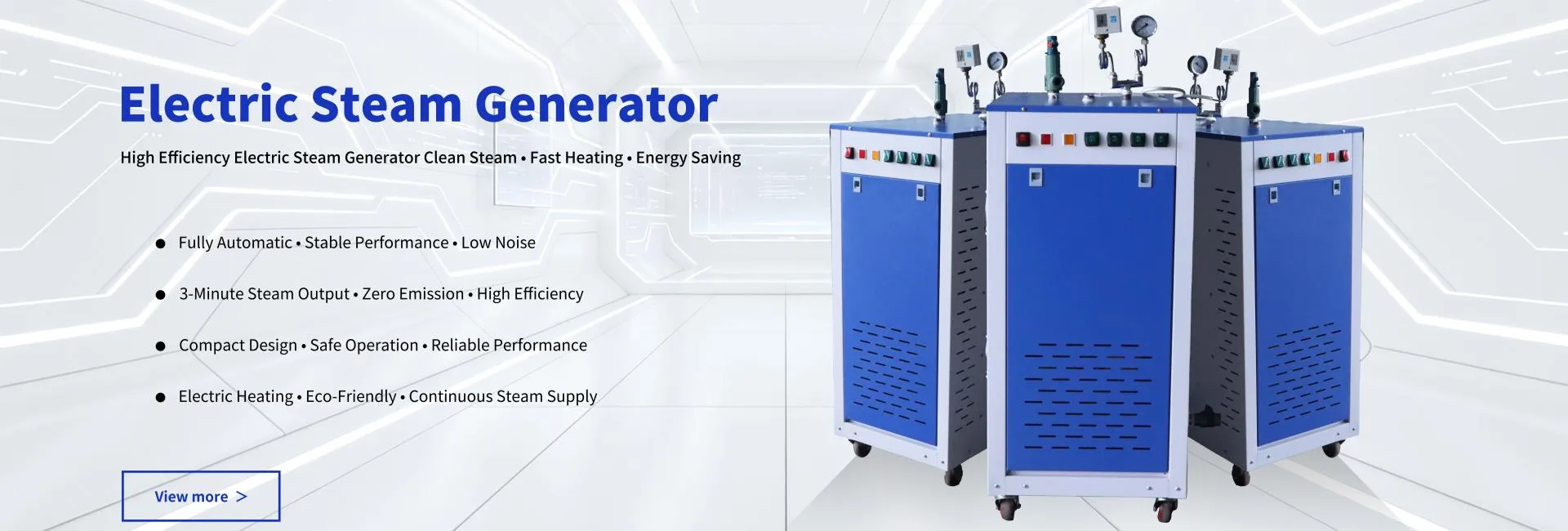
Xingfu combines over 14 years of manufacturing experience with continuous technological innovation. The company specializes in the research, design, and manufacturing of industrial boilers, pressure containers, and advanced heat-solving systems. Their core business focuses on producing electric steam generators and steam boilers, including their flagship S-Series automation solutions. These fully automated, intelligent steam generators are designed for fast steam capabilities, zero emissions, and seamless integration into existing engineering systems.
Robust Manufacturing Infrastructure
Quality is built into every stage of production at Xingfu’s expansive 70,500-square-meter production base, which includes 21,000 square meters of dedicated workshops. The company employs a highly skilled workforce of 228 employees, including 78 technical experts and 65 certified welders. With its own laboratories and rigorous quality control systems, Xingfu ensures that every unit meets strict internal regulations and international standards. The company holds manufacturing licenses for Class B boilers and Class 1 and 2 containers, along with ISO 9001 and CE certifications, confirming adherence to European quality and safety requirements.
Global Reach and Customer-Centric Service
Since beginning exports in 2012, Xingfu has established a strong presence in over 30 countries, including Mongolia, Indonesia, Korea, Malaysia, Poland, and Spain. The company’s philosophy is rooted in long-term partnerships, offering comprehensive support from the design phase through installation, testing, and ongoing operation. By choosing Xingfu, clients benefit from transparent interactions, sustainable technology, and a proven track record of customer satisfaction in diverse industrial markets.
Frequently Asked Questions (FAQ)
What is the typical lifespan of a compact steam generator?
With proper maintenance and water treatment, a high-quality compact steam generator can last 15 to 20 years or more. Regular servicing and timely replacement of wear parts are crucial for achieving this longevity.
Can compact steam generators be used outdoors?
Yes, many models are designed for outdoor installation. They come with weatherproof enclosures and corrosion-resistant materials to withstand environmental conditions. However, it is important to consult with the manufacturer to ensure the specific model is rated for outdoor use in your climate.
How much space do I need for installation?
The space requirement varies by model capacity. Generally, compact generators require significantly less space than traditional boilers. A typical unit might need a footprint of just 1-2 square meters, plus additional clearance for maintenance access and ventilation. Always refer to the specific installation manual for detailed dimensions.
Is special training required to operate these units?
Modern compact steam generators are highly automated and user-friendly. Basic operational training is usually sufficient for staff. However, maintenance tasks should be performed by qualified technicians. Manufacturers typically provide comprehensive training manuals and on-site training sessions.
What water quality is required?
High-quality feedwater is essential to prevent scaling and corrosion. Softened water with low hardness and total dissolved solids (TDS) is recommended. Installing a water treatment system, such as a softener or reverse osmosis unit, is often necessary to protect the generator and maintain efficiency.
How do I determine the right capacity for my business?
Calculate your peak steam demand by summing up the requirements of all connected equipment. Add a safety margin of 10-20% to account for future expansion and unforeseen peaks. Consulting with a technical expert from the manufacturer can help refine this calculation based on your specific process details.
Conclusion: Elevate Your Industrial Efficiency
Investing in a compact steam generator is a strategic decision that enhances operational efficiency, reduces costs, and optimizes space utilization. As industries evolve towards smarter, more sustainable practices, the demand for reliable, high-performance thermal solutions continues to grow. By choosing a direct manufacturer like Qingdao Xingfu Energy Equipment Ltd., you secure not only a superior product but also a partnership dedicated to your long-term success.
Whether you are in food processing, pharmaceuticals, textiles, or any other steam-dependent industry, the right compact steam generator can transform your production capabilities. Enjoy the benefits of rapid startup, precise control, and significant energy savings. Do not let outdated boiler technology hinder your growth.
Ready to optimize your steam system?
Contact our engineering team today for a customized consultation. We provide detailed technical specifications, factory-direct quotes, and comprehensive support to ensure you select the perfect solution for your needs.










.webp)