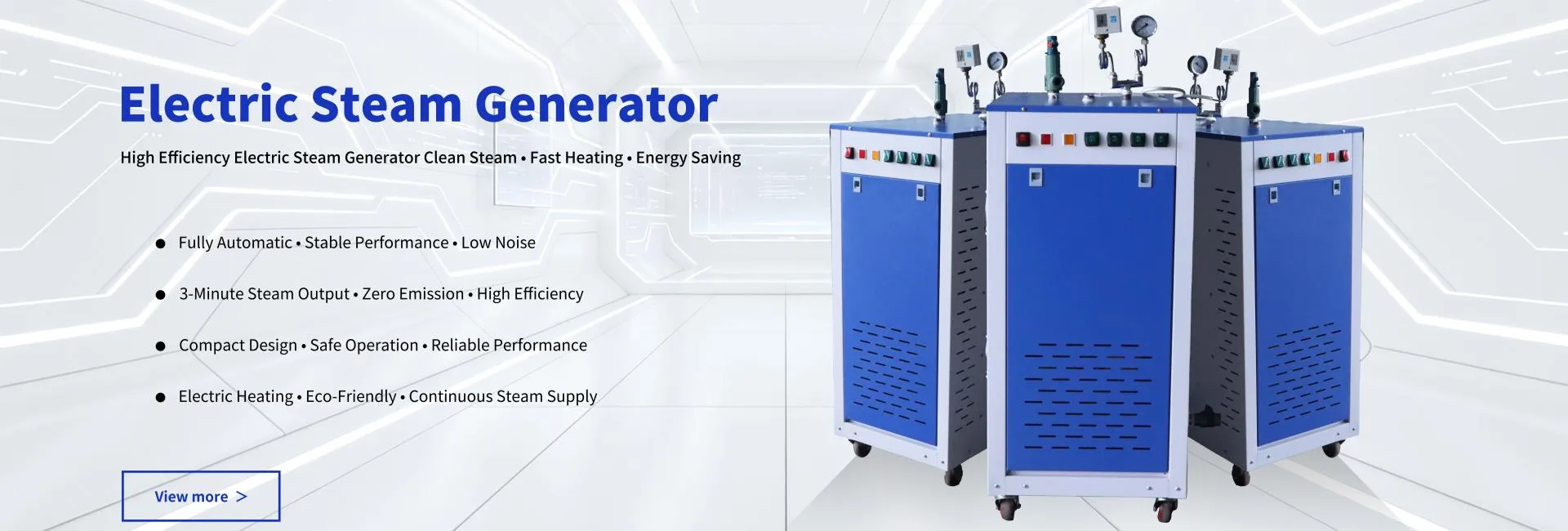
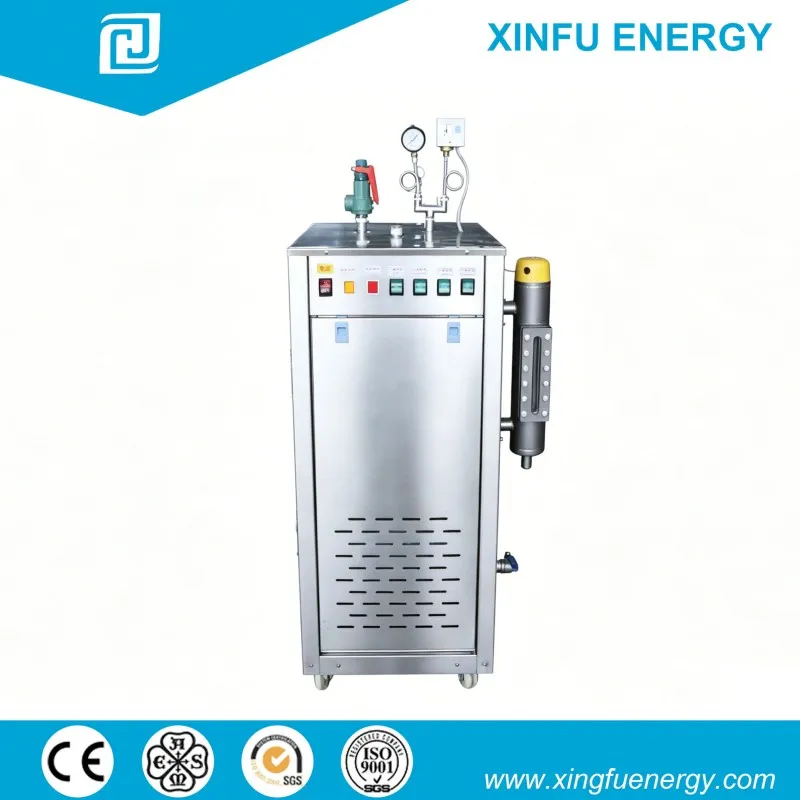
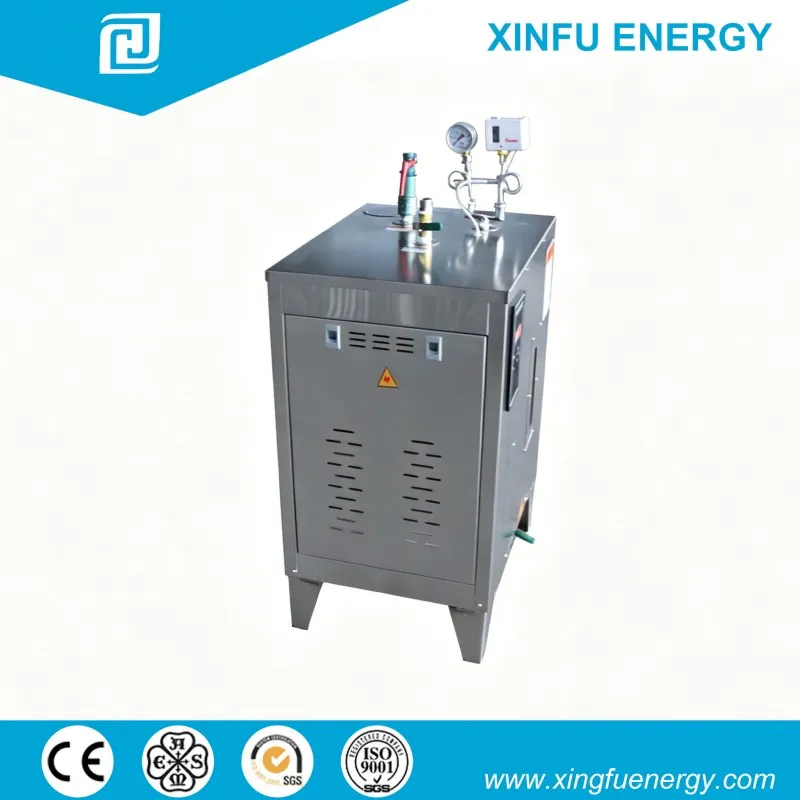
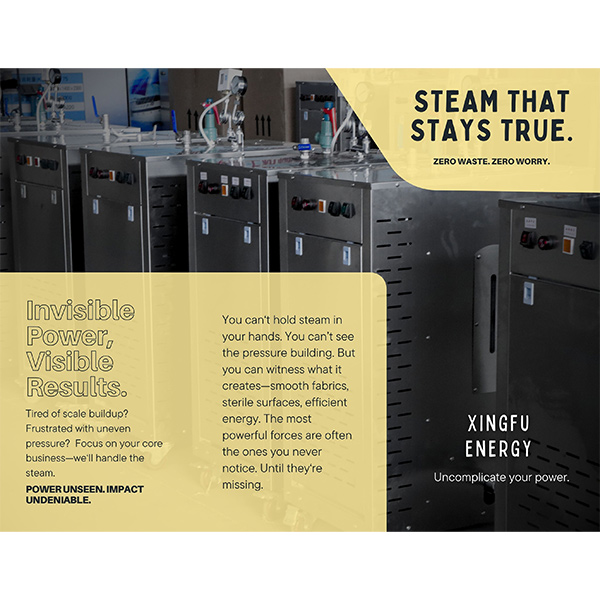
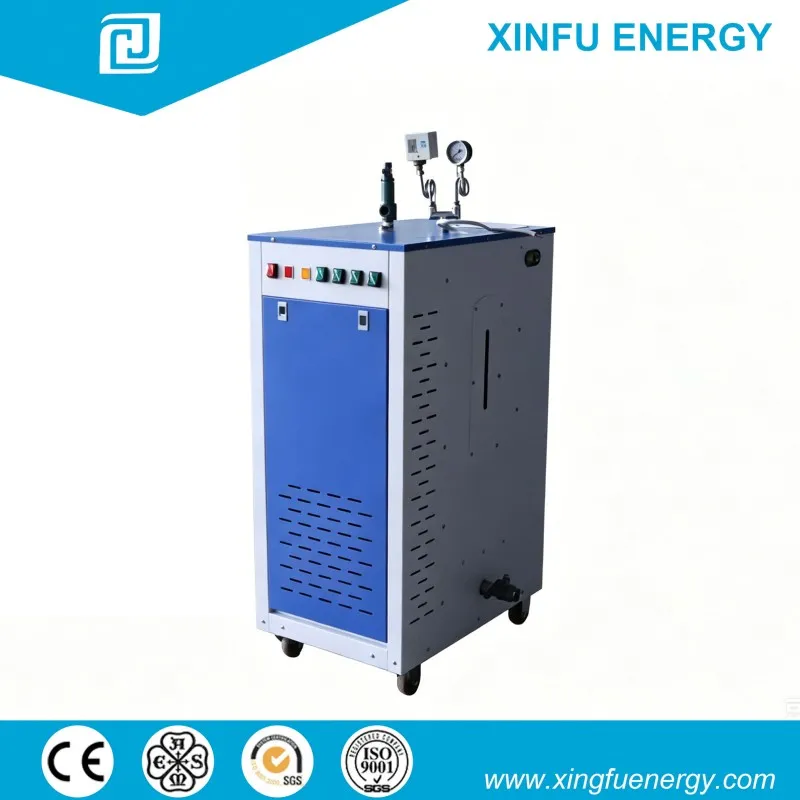
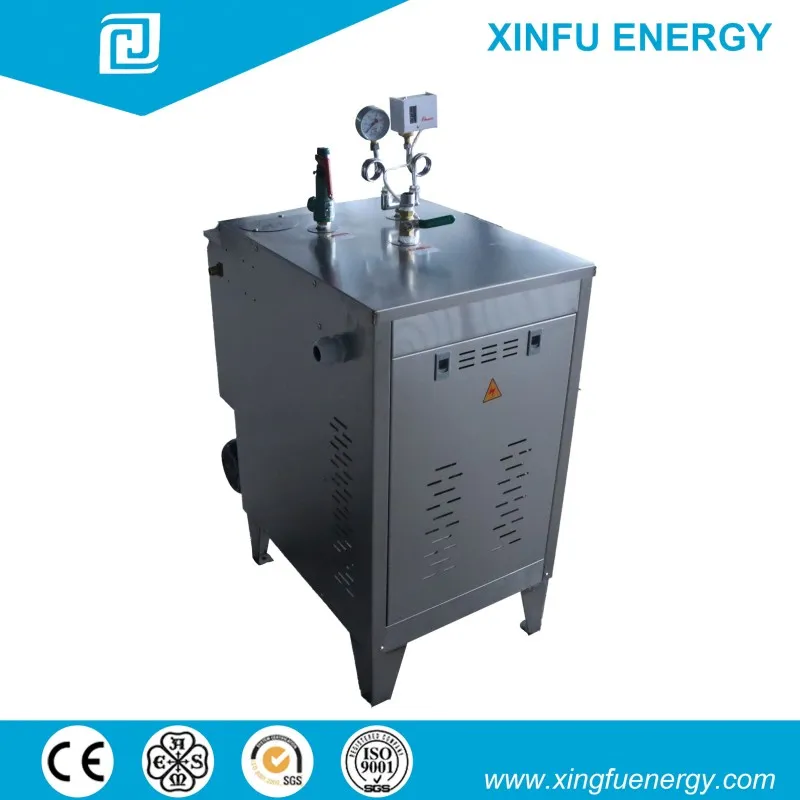
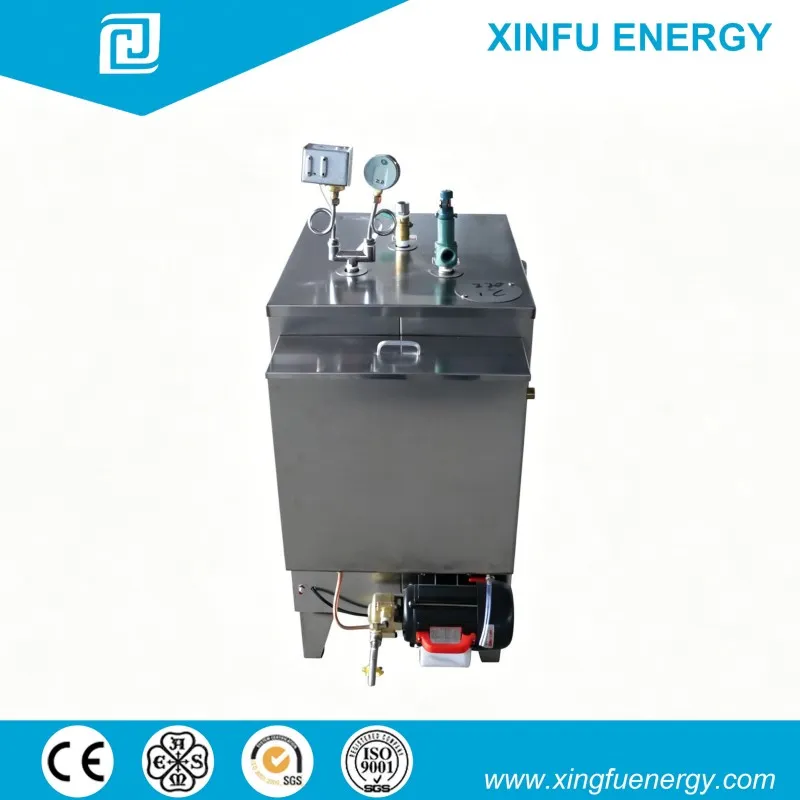
An automatic electric steam generator is an industrial boiler system that utilizes electrical resistance heating elements to produce high-quality, dry steam on demand. In 2026, pricing for these units typically ranges from $3,000 for small commercial models to over $50,000 for large-scale industrial systems, depending on capacity (kW), pressure ratings, and automation features. As a direct manufacturer with over 14 years of industry experience, we provide customized solutions that eliminate fuel storage risks, reduce carbon footprints, and offer precise temperature control for sectors ranging from food processing to pharmaceutical manufacturing. This guide details technical specifications, cost factors, and selection criteria to help engineering teams and procurement managers make informed decisions.
What Is an Automatic Electric Steam Generator?
An automatic electric steam generator converts electrical energy into thermal energy to boil water, producing steam without combustion. Unlike traditional gas or oil-fired boilers, these systems do not require chimneys, fuel tanks, or complex ventilation infrastructure. The “automatic” designation refers to the integrated PLC (Programmable Logic Controller) systems that manage water levels, pressure limits, and heating element activation without constant human intervention.
In 2026, the demand for electric steam generation has surged due to stricter global emissions regulations and the electrification of industrial processes. These units are particularly valued for their ability to achieve 98-99% thermal efficiency, as nearly all electrical energy is converted directly into heat within the water vessel. This contrasts sharply with fossil-fuel boilers, which often lose significant energy through exhaust flues.
Core Working Principles
The operation relies on submerged electric heating elements, typically made of stainless steel or Incoloy, immersed in a pressure vessel. When current flows through these elements, resistance generates heat, transferring it directly to the water. Key operational stages include:
Water Intake: An automated feed pump introduces treated water into the tank based on level sensor readings.
Heating Phase: The PLC activates specific groups of heating elements to reach the set pressure threshold.
Steam Separation: Internal separators remove moisture droplets, ensuring the output is dry, saturated steam.
Pressure Regulation: Once the target pressure is reached, the system modulates power input or cycles elements off to maintain stability.
Safety Shutdown: Independent safety circuits monitor for low water, over-pressure, or over-temperature conditions, cutting power instantly if anomalies are detected.
Automatic Electric Steam Generator Price Analysis 2026
Pricing for electric steam generators is not uniform; it varies significantly based on power capacity, voltage requirements, and material grades. In 2026, raw material costs for high-grade stainless steel and copper have stabilized, but advanced digital control systems have added value to premium models. Below is a breakdown of typical market price ranges for standard configurations.
Capacity (kW)
Steam Output (kg/h)
Price Range (USD)
Typical Application
12 – 24 kW
15 – 30 kg/h
$3,000 – $6,500
Small laundries, laboratories, pilot plants
36 – 72 kW
45 – 90 kg/h
$7,000 – $12,000
Commercial kitchens, small food processing
100 – 150 kW
120 – 180 kg/h
$13,000 – $22,000
Medium manufacturing, textile ironing
200 – 360 kW
250 – 450 kg/h
$25,000 – $40,000
Large industrial cleaning, chemical processing
500+ kW
600+ kg/h
$45,000+
Heavy industry, district heating support
It is crucial to note that the initial purchase price is only one component of the total cost of ownership (TCO). While electric units often have a higher upfront cost per kW compared to basic gas boilers, they eliminate the need for fuel storage infrastructure, annual chimney inspections, and complex emission filtering systems. Furthermore, the modular nature of electric heating allows for scalable investment, where additional capacity can be added by paralleling units rather than replacing a single massive boiler.
Factors Influencing Cost
Several technical and logistical factors drive the final quotation for an automatic electric steam generator:
Voltage Configuration: Units requiring 3-phase 480V or 600V inputs are standard for industrial sizes. Custom voltage requirements (e.g., 575V for Canada or specific European standards) may incur minor engineering fees.
Material Grade: Standard models use SS304 stainless steel. For pharmaceutical or high-purity applications, SS316L vessels are required, increasing material costs by approximately 15-20%.
Control System Complexity: Basic PLCs offer standard on/off control. Advanced models with IoT connectivity, remote monitoring apps, and predictive maintenance algorithms command a premium.
Certifications: Units certified for ASME, CE, PED, or UL standards involve rigorous testing and documentation, which reflects in the pricing structure.
Key Features of Modern Electric Steam Generators
In 2026, the technology behind electric steam generation has matured, focusing on reliability, safety, and integration with smart factory ecosystems. Manufacturers now prioritize features that reduce downtime and simplify compliance with industrial safety standards.
1. Precision Pressure Control
Modern generators utilize solid-state relays (SSRs) or silicon-controlled rectifiers (SCRs) to modulate power delivery. Unlike mechanical contactors that simply switch elements on and off, SSRs allow for proportional control. This means the system can adjust the power input by 1% increments, maintaining steam pressure within a tight tolerance of ±0.1 bar. This precision is critical for applications like autoclaving or chemical reactions where temperature stability directly impacts product quality.
2. Multi-Stage Safety Protection
Safety is paramount in pressure vessel operations. A robust automatic electric steam generator includes multiple redundant safety layers:
Low-Water Cutoff: Prevents heating elements from operating if the water level drops below a safe threshold, avoiding element burnout and potential vessel damage.
Over-Pressure Relief: Mechanical safety valves act as a final backup if electronic controls fail to vent excess pressure.
Over-Temperature Protection: Independent thermal switches cut power if the water temperature exceeds safe limits.
Leakage Detection: Ground fault circuit interrupters monitor for electrical leakage, protecting personnel from shock hazards.
3. Compact and Modular Design
Electric generators have a significantly smaller footprint than fossil-fuel equivalents. Without the need for burners, fuel lines, or exhaust stacks, these units can be installed in tight spaces, including indoor production floors. The modular design allows facilities to install multiple smaller units rather than one large boiler. This redundancy ensures that if one unit requires maintenance, the others can continue to supply steam, preventing total production shutdowns.
4. Silent and Emission-Free Operation
Since there is no combustion, electric steam generators operate nearly silently, reducing noise pollution in the workplace. They produce zero local emissions—no NOx, SOx, or particulate matter. This makes them ideal for urban factories, hospitals, and facilities located in areas with strict air quality regulations. In 2026, this feature is increasingly leveraged for corporate sustainability reporting and ESG (Environmental, Social, and Governance) compliance.
Industrial Applications and Use Cases
The versatility of automatic electric steam generators allows them to serve a wide array of industries. Their ability to provide clean, dry, and instantly available steam makes them suitable for processes requiring high hygiene standards or precise thermal control.
Food and Beverage Processing
In the food industry, steam is used for cooking, sterilization, and cleaning. Electric generators are preferred because they do not introduce combustion byproducts into the steam. This is critical for direct steam injection cooking or sterilizing packaging materials. The rapid start-up time allows facilities to generate steam only during production shifts, saving energy compared to keeping a large gas boiler idling.
Pharmaceutical and Healthcare
Hospitals and pharmaceutical manufacturers require pure steam for autoclaves and sterilizers. Electric generators equipped with SS316L stainless steel vessels and high-purity water feeds produce steam that meets stringent pharmacopeia standards. The absence of flue gases eliminates the risk of cross-contamination, ensuring the integrity of sterile environments.
Textile and Garment Manufacturing
Steam ironing and fabric finishing require consistent, dry steam to prevent water spots on garments. Electric generators provide stable pressure, ensuring uniform heat transfer during pressing. The compact size allows installation close to point-of-use, minimizing heat loss in steam pipes and improving overall energy efficiency.
Chemical and Laboratory Research
Laboratories often need small amounts of high-quality steam for distillation, extraction, and reactor heating. Electric units offer the precise control necessary for sensitive experiments. Additionally, the lack of open flames or combustible fuels enhances safety in labs handling volatile chemicals.
Concrete Curing and Construction
In precast concrete manufacturing, steam curing accelerates the hardening process. Electric steam generators can be deployed directly at construction sites or in precast yards, providing a portable and efficient heat source without the logistical burden of delivering diesel or propane.
How to Choose the Right Manufacturer and Model
Selecting the appropriate automatic electric steam generator involves evaluating technical requirements against operational constraints. As a manufacturer, we recommend a systematic approach to sizing and specification to ensure optimal performance and longevity.
Step 1: Determine Steam Demand
Calculate the maximum steam consumption of your application in kilograms per hour (kg/h). Consider peak loads rather than average usage. If your process involves intermittent high-demand spikes, choose a unit with a slightly higher capacity or incorporate a steam accumulator buffer. Undersizing the generator leads to pressure drops and process inefficiencies, while oversizing results in unnecessary capital expenditure and potential short-cycling.
Step 2: Assess Power Supply Availability
Verify the available electrical infrastructure at your facility. Large industrial units typically require 3-phase power (380V, 400V, 480V, or 600V). Check the available amperage and transformer capacity. If the existing electrical service is insufficient, factor in the cost of electrical upgrades versus selecting a lower-capacity unit or a different fuel source. In some regions, time-of-use electricity rates may influence the decision to install thermal storage systems alongside the generator.
Step 3: Evaluate Water Quality Requirements
Water quality directly impacts the lifespan of heating elements and the vessel. Hard water causes scale buildup, insulating elements and leading to overheating and failure. Most manufacturers specify a maximum hardness level (e.g., <0.03 mmol/L). If your local water supply exceeds this, you must invest in a water softening or reverse osmosis (RO) system. Neglecting water treatment is the leading cause of premature equipment failure.
Step 4: Verify Certifications and Compliance
Ensure the manufacturer holds relevant certifications for your region. For North America, look for ASME Boiler and Pressure Vessel Code stamps and UL listing. For Europe, CE marking and PED (Pressure Equipment Directive) compliance are mandatory. These certifications guarantee that the vessel has been designed, manufactured, and tested to meet strict safety standards. Non-certified equipment may void insurance policies and violate local regulations.
Step 5: Review After-Sales Support
Industrial equipment requires maintenance. Choose a manufacturer that provides comprehensive documentation, spare parts availability, and technical support. Ask about the warranty terms for heating elements and control components. A reliable partner will offer remote diagnostic support to troubleshoot issues quickly, minimizing downtime.
Installation and Maintenance Best Practices
Proper installation and regular maintenance are essential for maximizing the efficiency and lifespan of an automatic electric steam generator. Following industry best practices ensures safe operation and consistent steam quality.
Installation Guidelines
Location: Install the unit in a dry, well-ventilated area with adequate clearance for maintenance access. Ensure the floor can support the weight of the unit when filled with water.
Piping: Use properly sized steam pipes with appropriate insulation to minimize heat loss. Install steam traps at low points to remove condensate. Ensure proper slope in piping to facilitate drainage.
Electrical Connection: All electrical connections must be performed by licensed electricians in accordance with local codes. Use correctly sized cables and breakers to handle the full load current.
Water Supply: Connect to a treated water source. Install a check valve to prevent backflow and a shut-off valve for maintenance isolation.
Routine Maintenance Schedule
Daily Checks:
Inspect water level indicators and pressure gauges for accurate readings.
Check for leaks in pipes, valves, and fittings.
Verify that safety valves are free from obstruction.
Weekly Checks:
Blow down the bottom drain valve to remove sediment and sludge.
Test the low-water cutoff control by simulating a low-water condition (if equipped with a test function).
Inspect electrical connections for signs of overheating or loose terminals.
Monthly Checks:
Test the pressure relief valve manually to ensure it opens and closes correctly.
Check water quality parameters (hardness, conductivity, pH) and adjust treatment as necessary.
Inspect heating elements for scale buildup. Clean if necessary using approved descaling agents.
Annual Maintenance:
Perform a thorough internal inspection of the vessel for corrosion or scaling.
Calibrate pressure sensors and temperature probes.
Tighten all electrical connections and replace any worn contactors or relays.
Conduct a professional safety audit to ensure continued compliance with local regulations.
Common Mistakes to Avoid
Even with high-quality equipment, user errors can lead to inefficiencies or failures. Here are common pitfalls to avoid when operating automatic electric steam generators:
Ignoring Water Treatment: Assuming tap water is sufficient is a critical error. Scale buildup reduces heat transfer efficiency by up to 10% per millimeter of thickness, drastically increasing energy costs and risking element failure.
Oversizing Without Modulation: Installing a massive unit for a small, variable load without proper modulation capabilities leads to frequent cycling. This stresses electrical components and reduces the lifespan of contactors and elements.
Neglecting Condensate Return: Failing to return condensate to the feed tank wastes both water and thermal energy. Implementing a condensate return system can improve overall system efficiency by 10-15%.
Bypassing Safety Controls: Never bypass safety interlocks to keep the unit running. These controls are designed to prevent catastrophic failures. If a safety trip occurs, investigate and resolve the root cause before resetting.
Inadequate Ventilation: Although electric units do not produce combustion gases, they generate heat. Ensure the installation room has sufficient ventilation to dissipate ambient heat from the control panel and vessel surface.
Frequently Asked Questions (FAQ)
How much electricity does an electric steam generator consume?
The electricity consumption is directly related to the steam output and efficiency. Generally, producing 1 kg of steam requires approximately 0.75 to 0.85 kWh of electricity, depending on the inlet water temperature and system efficiency. For example, a 100 kW generator running at full load will consume 100 kWh per hour. Using variable frequency drives (VFDs) and modulating controls can reduce average consumption by matching output to actual demand.
Is an electric steam generator cheaper to operate than a gas boiler?
Operational cost depends on local utility rates. In many regions, natural gas is cheaper per unit of energy than electricity. However, electric generators have higher thermal efficiency (98-99%) compared to gas boilers (80-90%). When factoring in maintenance savings, no fuel storage costs, and potential carbon taxes or incentives for electrification, electric units can be cost-competitive, especially for smaller capacities or intermittent use cases.
Can I use an electric steam generator for humidification?
Yes, but it requires specific considerations. Standard industrial steam generators produce saturated steam. For humidification, the steam must be clean and free of additives. Ensure the unit uses potable water and has no chemical treatments that could be aerosolized. Some manufacturers offer specific “humidification-ready” models with enhanced separation and filtration.
What is the lifespan of an electric steam generator?
With proper maintenance and water treatment, an electric steam generator can last 15-20 years. Heating elements are consumable items and may need replacement every 3-5 years, depending on water quality and usage intensity. Regular descaling and adherence to maintenance schedules significantly extend the life of both elements and the pressure vessel.
Do electric steam generators require a boiler operator license?
Regulations vary by jurisdiction. In many places, low-pressure electric boilers below a certain kW rating or pressure threshold do not require a licensed boiler operator for continuous attendance. However, periodic inspection by a certified inspector is usually mandatory. Always consult local codes and insurance requirements to determine specific licensing needs for your facility.
Why Choose Qingdao Xingfu Energy Equipment Ltd.?
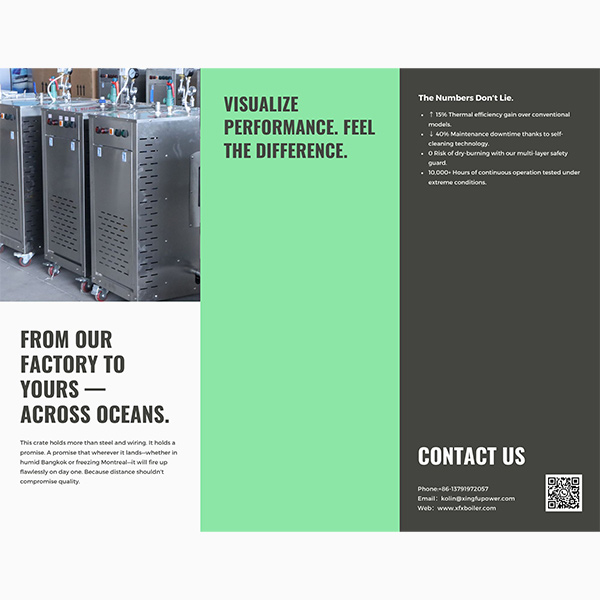
Founded in 2010 and headquartered in Qingdao, China, Qingdao Xingfu Energy Equipment Ltd. has established itself as a leading high-tech manufacturer in the global energy equipment sector. With over 14 years of continuous innovation and a 70,500-square-meter production base, we combine deep manufacturing expertise with rigorous quality control to deliver superior automatic electric steam generators.
Our vertically integrated manufacturing process ensures that every unit—from our compact S-Series automation solutions to high-power industrial boilers—is built to exacting standards. We employ a specialized team of 228 professionals, including 78 technical experts and 65 certified welders, who oversee every stage from R&D to final assembly. This dedication to craftsmanship allows us to offer products that are not only efficient and reliable but also fully compliant with international safety standards, including ISO 9001, CE, and ASME certifications.
What sets us apart is our commitment to long-term partnerships. Since beginning our export journey in 2012, we have served clients in over 30 countries, including markets in Europe, Asia, and beyond. Our approach goes beyond simple equipment supply; we provide comprehensive technical support during the design phase, assist with equipment selection, and offer ongoing operational services. By choosing Xingfu, you gain a partner dedicated to transparency, quality responsibility, and sustainable technological development.
Custom Engineering: We tailor each unit to your specific voltage, pressure, and capacity requirements, ensuring seamless integration into your existing infrastructure.
Premium Components: We use only high-grade stainless steel vessels and top-tier electrical components from reputable global suppliers, guaranteeing reliability and longevity.
Advanced Control Systems: Our proprietary PLC software offers intuitive operation, remote monitoring capabilities, and predictive maintenance alerts, empowering you to manage your steam system efficiently.
Global Compliance: Our products are certified to meet international standards, facilitating easy approval and insurance coverage worldwide.
Dedicated Support: Our team of experienced engineers provides comprehensive pre-sales consultation, installation guidance, and ongoing technical support to ensure your optimal experience.
Conclusion and Next Steps
Investing in an automatic electric steam generator is a strategic move towards efficient, clean, and reliable industrial heating. In 2026, the balance between operational flexibility, environmental compliance, and total cost of ownership favors electric solutions for a wide range of applications. By understanding the pricing structures, technical requirements, and maintenance needs, you can select a system that delivers consistent performance and long-term value.
Whether you are upgrading an existing facility or designing a new production line, choosing the right manufacturer is critical. Look for a partner who offers not just equipment, but engineering expertise and responsive support.
Ready to optimize your steam system?
Contact our engineering team today for a personalized consultation. We will help you calculate your exact steam requirements, recommend the ideal model, and provide a detailed quote tailored to your project needs.