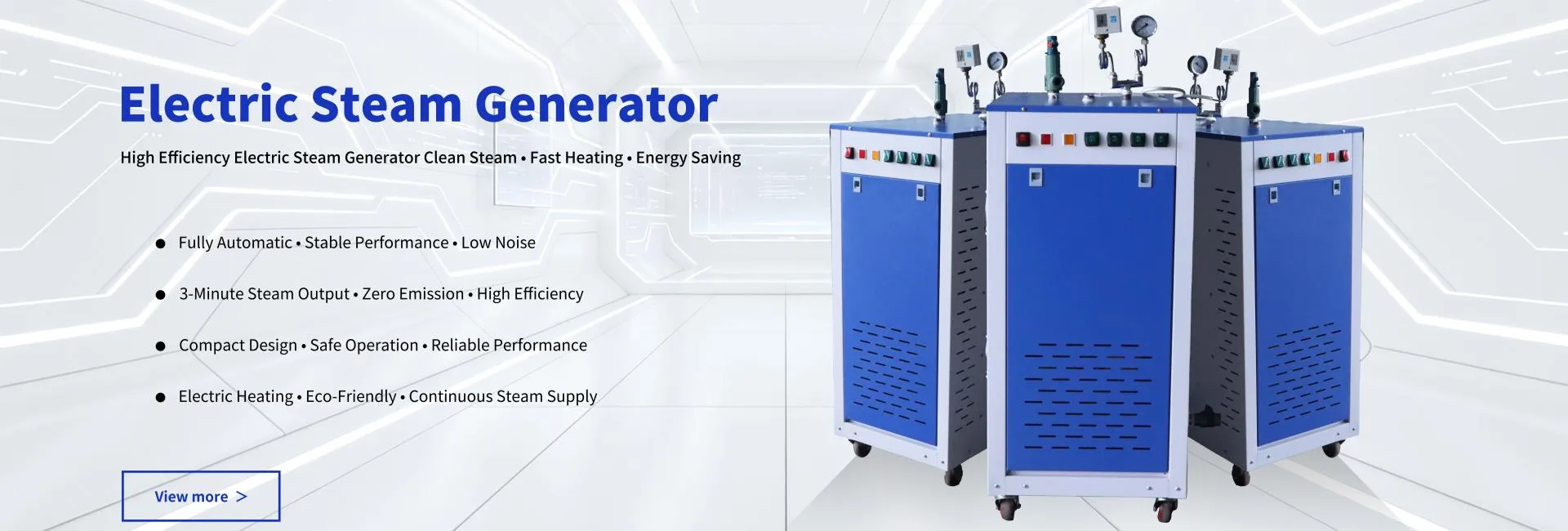
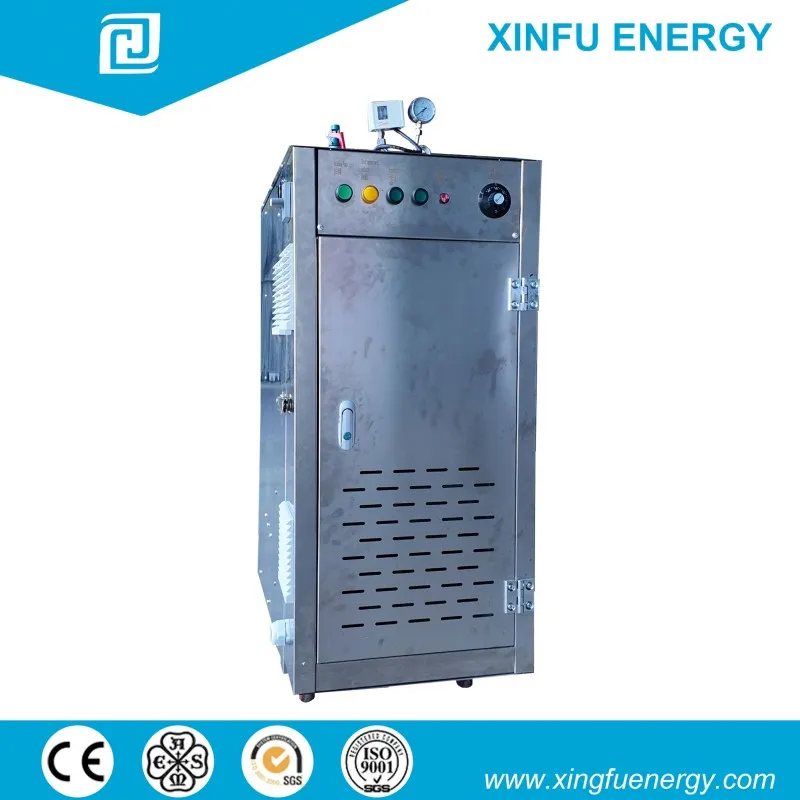
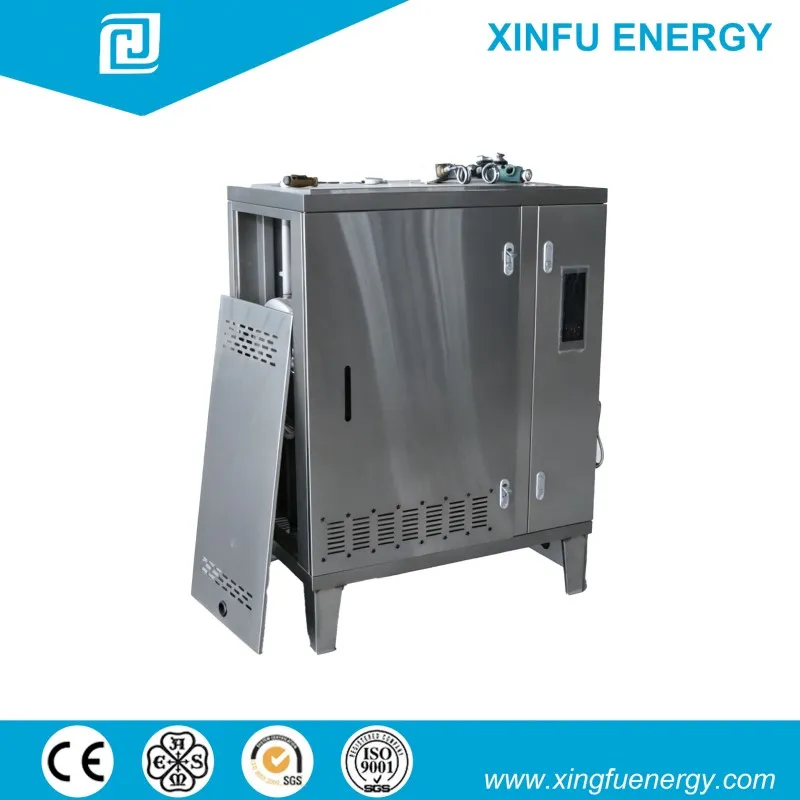
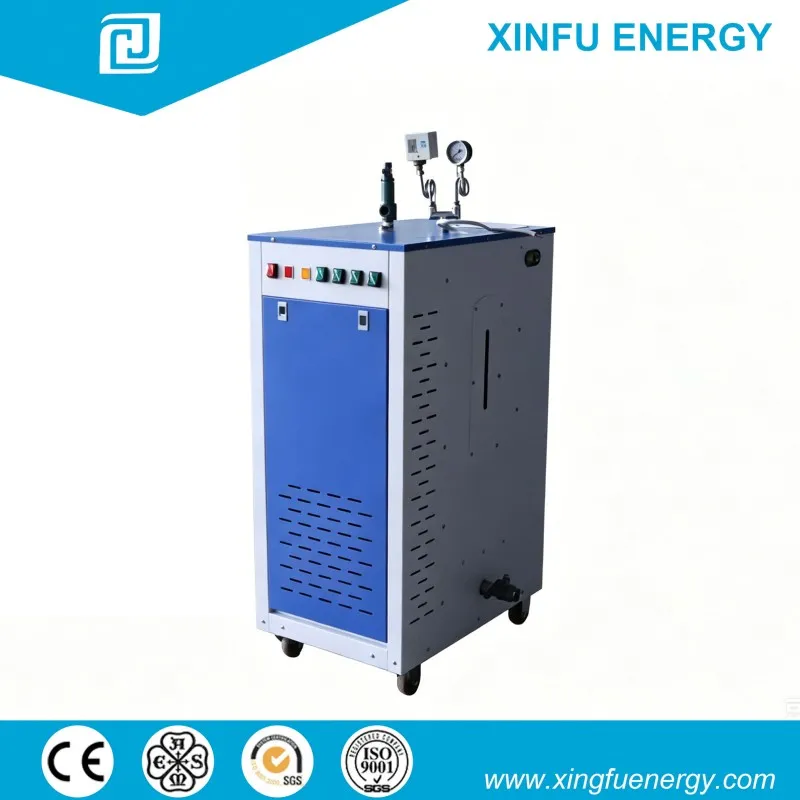
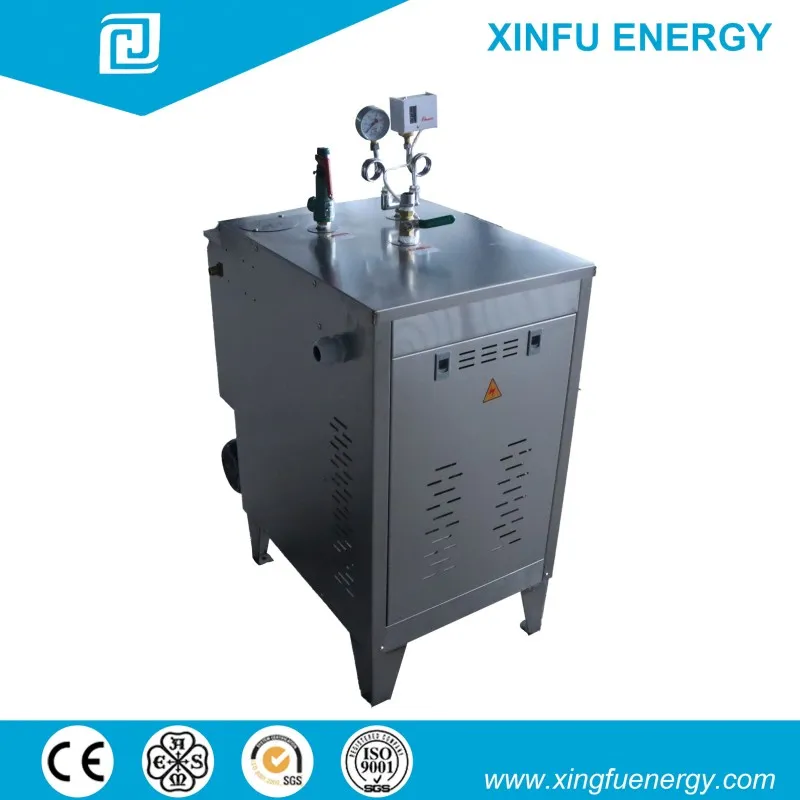
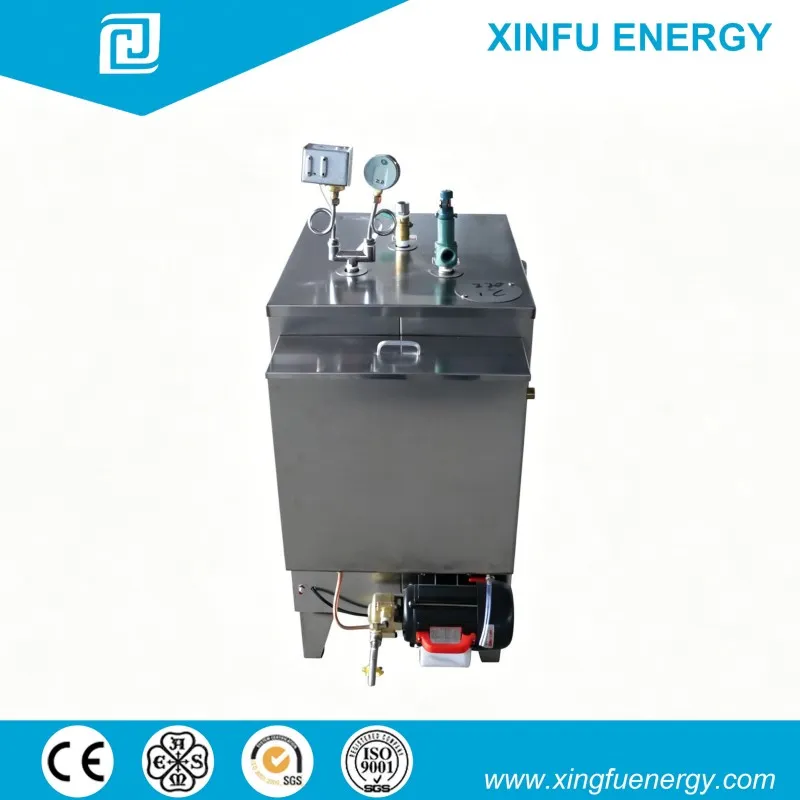
A Zero Emission Steam Boiler is an industrial heating system designed to eliminate direct on-site combustion emissions, primarily by utilizing electric resistance, electrode, or renewable energy integration technologies. Unlike traditional fossil-fuel boilers, these systems produce no NOx, SOx, or particulate matter during operation, making them essential for facilities targeting net-zero carbon goals. In 2026, the shift toward electrified thermal processes has accelerated due to stricter environmental regulations and the decreasing cost of renewable electricity. This guide details the technology, pricing structures, selection criteria, and operational advantages of zero-emission steam generation for modern industrial applications.
What Is a Zero Emission Steam Boiler?
A zero emission steam boiler is defined by its ability to generate saturated or superheated steam without releasing greenhouse gases or pollutants at the point of use. While “zero emission” can sometimes refer to carbon-captured fossil fuel systems in broader contexts, in the current industrial B2B landscape, it predominantly refers to electric steam boilers powered by green energy grids or on-site renewables (solar, wind, hydro).
The core distinction lies in the heat source. Traditional boilers burn natural gas, oil, or coal, creating chemical byproducts. Zero-emission models convert electrical energy directly into thermal energy with nearly 100% efficiency at the point of conversion. This eliminates the need for flue gas treatment systems, scrubbers, or complex exhaust ventilation, significantly reducing the physical footprint and maintenance overhead of the boiler room.
Core Technologies Behind Zero-Emission Steam
Understanding the underlying technology is critical for procurement engineers and facility managers. The two primary technologies dominating the 2026 market are Electric Resistance Heating and Electrode Boilers.
Electric Resistance Boilers: These units use heating elements immersed in water, similar to a large-scale kettle. They are ideal for low to medium pressure applications (up to 20 bar) and smaller capacities. Their simplicity ensures high reliability and low initial capital expenditure (CAPEX).
Electrode Boilers: Designed for high-capacity industrial needs, electrode boilers pass high-voltage electricity directly through the water itself, using the water’s conductivity as the resistance medium. This allows for compact designs capable of generating hundreds of tons of steam per hour, suitable for power plants and heavy manufacturing.
Hybrid Renewable Integration: Advanced systems in 2026 often include smart controllers that modulate steam production based on real-time renewable energy availability, storing thermal energy when electricity is cheap and abundant.
Why Industries Are Switching to Zero Emission Solutions in 2026
The transition to zero-emission steam is no longer just an environmental choice; it is an economic and regulatory imperative. Several factors are driving this shift across manufacturing, food processing, and healthcare sectors.
Regulatory Compliance and Carbon Taxes
Global carbon pricing mechanisms have matured significantly by 2026. Many jurisdictions now impose hefty taxes on Scope 1 emissions (direct emissions from owned or controlled sources). By switching to electric steam generation, companies effectively eliminate Scope 1 emissions associated with combustion. This not only avoids tax liabilities but also simplifies compliance reporting. Facilities no longer need to monitor flue gas compositions or maintain extensive records of fuel consumption for emission calculations.
Operational Efficiency and Maintenance Reduction
Traditional boilers require regular cleaning of soot, inspection of burners, and maintenance of complex flue systems. Zero-emission electric boilers have fewer moving parts. There are no burners to tune, no fuel lines to leak, and no exhaust stacks to corrode. This translates to:
Reduced Downtime: Fewer mechanical failures mean higher availability for production lines.
Lower Maintenance Costs: Annual service contracts are typically 30-50% cheaper than those for fossil-fuel equivalents.
Simplified Permitting: Installing an electric boiler often bypasses the lengthy environmental impact assessments required for combustion units.
Energy Cost Arbitrage
With the volatility of fossil fuel prices, electricity markets have become more stable in many regions, especially where renewable penetration is high. Smart zero-emission boilers can integrate with Energy Management Systems (EMS) to operate during off-peak hours or when surplus renewable energy is available, drastically reducing operational expenditures (OPEX).
How Zero Emission Steam Boilers Work
The operational logic of a zero-emission boiler is straightforward yet sophisticated in its control mechanisms. The process eliminates the combustion chamber entirely, replacing it with an electrical heating chamber.
Step-by-Step Operation Process
Water Feed: Treated demineralized water is pumped into the pressure vessel. Water quality is critical, especially for electrode boilers, to ensure proper conductivity.
Energization:
In resistance boilers, current flows through metal alloy elements, generating heat via electrical resistance.
In electrode boilers, high-voltage current passes directly through the water between electrodes. The water acts as the resistor, heating up rapidly and uniformly.
Steam Generation: As the water temperature rises above its saturation point, it turns into steam. The pressure inside the vessel increases.
Separation and Output: Steam separators remove moisture droplets, ensuring dry, high-quality steam is delivered to the process. Internal controls modulate the electrical input to match the steam demand precisely.
Control Loop: Advanced PLCs (Programmable Logic Controllers) monitor pressure, temperature, and water levels millisecond-by-millisecond, adjusting power input to maintain stable steam pressure without the lag associated with firing up a burner.
2026 Industrial Price Guide: Zero Emission Steam Boiler Cost Analysis
Pricing for zero-emission steam boilers varies significantly based on capacity, voltage requirements, and technology type. In 2026, the market has stabilized, offering transparent pricing structures. Below is a detailed breakdown of estimated costs.
Capital Expenditure (CAPEX) Estimates
Boiler Type
Capacity Range
Estimated Price Range (USD)
Key Cost Drivers
Small Electric Resistance
50 – 500 kg/h
$8,000 – $25,000
Element material, control panel complexity, vessel certification.
Medium Electric Resistance
500 kg/h – 2,000 kg/h
$25,000 – $60,000
High-pressure vessel construction, multi-stage power modulation.
Note: Prices exclude installation, electrical infrastructure upgrades, and water treatment systems. These ancillary costs can add 20-40% to the total project budget.
Operational Expenditure (OPEX) Comparison
While the upfront cost of electric boilers can be comparable to or slightly higher than standard gas boilers, the OPEX dynamics are shifting. In regions with carbon taxes, the total cost of ownership (TCO) for zero-emission boilers is becoming competitive.
Fuel Cost: Electricity rates vary. However, when paired with on-site solar or wind, the marginal cost of steam can approach zero during peak generation times.
Maintenance: Electric boilers typically require only annual inspections of elements/electrodes and water quality checks. No combustion tuning is needed.
Lifespan: With proper water treatment, electric boilers often outlast combustion boilers because there is no thermal shock from flame impingement or corrosion from flue gases.
Key Selection Criteria for Industrial Buyers
Choosing the right zero-emission steam boiler requires a technical assessment of your facility’s specific needs. Engineers should evaluate the following parameters before requesting a quote.
1. Steam Demand Profile
Analyze your load profile. Is the demand constant or fluctuating? Electric boilers excel at rapid modulation. If your process requires frequent start-stops or rapid changes in steam pressure, an electric system offers superior responsiveness compared to the thermal inertia of a fire-tube gas boiler.
2. Electrical Infrastructure Capacity
This is the most critical constraint. High-capacity electric boilers require significant power supply.
Voltage Levels: Small units run on 400V/480V. Larger industrial units require medium voltage connections (6.6kV, 11kV, or higher).
Transformer Availability: Check if your facility has spare transformer capacity. Upgrading grid connection can be costly and time-consuming.
Phase Balance: Ensure the boiler design includes phase-balancing technology to prevent grid instability.
3. Water Quality Requirements
Zero-emission boilers, particularly electrode types, are sensitive to water conductivity.
Resistance Boilers: Require standard demineralized water to prevent scaling on heating elements.
Electrode Boilers: Require precise conductivity control. Too pure, and they won’t heat; too conductive, and they draw excessive current. A robust water treatment system is mandatory.
4. Space Constraints
Electric boilers are significantly more compact than their fossil-fuel counterparts. An electrode boiler can be up to 10 times smaller in footprint than a equivalent gas boiler because it does not need space for burners, flame paths, or exhaust manifolds. This makes them ideal for urban factories or retrofits where space is premium.
Industry Spotlight: Engineering Excellence in Zero-Emission Manufacturing
As the demand for clean steam solutions grows, selecting a manufacturer with deep engineering expertise and rigorous quality standards becomes paramount. Qingdao Xingfu Energy Equipment Ltd. stands out as a prime example of a vertically integrated manufacturer successfully bridging the gap between traditional boiler craftsmanship and modern zero-emission innovation.
Founded in 2010 and headquartered in Qingdao, China, Xingfu Energy has evolved into a key supplier for over 30 countries, including major markets in Europe and Asia. What sets them apart in the 2026 landscape is their dedicated focus on electric steam generation. Their product line, particularly the compact S-Series automation solutions, addresses the exact challenges discussed in this guide: rapid steam generation, high efficiency, and seamless integration with existing industrial systems.
Xingfu’s approach aligns perfectly with the technical requirements of modern facilities:
Technical Depth: With 78 technical experts comprising 21% of their workforce, the company ensures that every boiler—from small resistance units to high-power continuous production models—is engineered for maximum reliability.
Quality Assurance: Operating out of a 70,500 square meter production base, Xingfu maintains strict control over the manufacturing process. Their ISO 9001 and CE certifications, along with Class B boiler manufacturing licenses, guarantee that their stainless steel, zero-emission units meet stringent international safety and environmental standards.
End-to-End Service: Understanding that electrification involves more than just swapping hardware, Xingfu provides comprehensive support from design-phase consulting to installation and long-term operational assistance. This holistic model reduces the risk for buyers transitioning away from fossil fuels.
For industrial buyers, partnering with established manufacturers like Qingdao Xingfu ensures that the theoretical benefits of zero-emission technology—such as reduced maintenance and improved energy efficiency—are realized in practical, durable equipment.
Applications of Zero Emission Steam Boilers
Zero-emission steam technology is versatile and applicable across various industries. Here are the primary sectors benefiting from this transition in 2026.
Food and Beverage Processing
Hygiene and precision are paramount in food processing. Electric steam generators provide clean, contaminant-free steam, eliminating the risk of flue gas leakage into the product stream. They are widely used for:
Sterilization of packaging materials.
Cooking and blanching processes.
CIP (Clean-in-Place) systems requiring hot water and steam.
Pharmaceutical and Healthcare
Hospitals and pharma manufacturers require pure steam for sterilization (autoclaves) and humidification. Zero-emission boilers ensure that no combustion byproducts compromise the sterile environment. The quiet operation of electric boilers is also a significant advantage in hospital settings.
Chemical and Petrochemical
While these industries are heavy energy users, specific units within chemical plants require precise temperature control for reactions. Electric steam provides exact thermal regulation, improving product yield and safety. Furthermore, in hazardous areas, the absence of open flames reduces explosion risks.
Green Hydrogen Production
A growing application in 2026 is the integration of electric steam boilers with electrolyzers for green hydrogen production. The steam generated is used in the high-temperature electrolysis process. Using renewable-powered electric boilers ensures the entire hydrogen production chain remains carbon-neutral.
Common Misconceptions About Zero Emission Boilers
Despite their advantages, several myths persist among industrial buyers. Addressing these is crucial for informed decision-making.
Myth 1: “Electric Boilers Are Too Expensive to Operate”
Reality: While electricity per kWh is often more expensive than natural gas per kWh, the efficiency of electric boilers is near 100%, whereas gas boilers rarely exceed 90-92% efficiency. When factoring in maintenance savings, carbon taxes, and the ability to use low-cost renewable energy, the total operating cost is increasingly competitive.
Myth 2: “They Cannot Handle Large Industrial Loads”
Reality: Modern electrode boilers are scalable to hundreds of megawatts. District heating systems in Europe and Asia already utilize massive electric boilers to supply entire cities. Industrial-scale capacity is technically proven and commercially available.
Myth 3: “Grid Instability Will Shut Down Production”
Reality: Industrial electric boilers come with advanced grid-support features. They can provide frequency response services to the grid, potentially earning revenue for the facility. Moreover, hybrid systems can include backup fuel sources or thermal storage to mitigate short-term power interruptions.
Maintenance and Operational Best Practices
To maximize the lifespan and efficiency of your zero-emission steam boiler, adhere to these engineering best practices.
Water Treatment is Non-Negotiable
Scale formation is the enemy of electric heating. Even a thin layer of scale on resistance elements can cause overheating and failure. For electrode boilers, incorrect conductivity can lead to inefficient heating or equipment damage. Install automated blowdown systems and continuous conductivity monitoring.
Regular Inspection of Electrical Connections
High-current connections can loosen over time due to thermal cycling. Schedule annual thermographic inspections to identify hot spots in switchgear and terminal boxes. Tighten connections to manufacturer specifications to prevent arcing and energy loss.
Software Updates and Calibration
Modern boilers rely on digital controllers for safety and efficiency. Keep the firmware updated to benefit from the latest algorithms for load prediction and energy optimization. Calibrate pressure and temperature sensors annually to ensure accurate readings.
FAQ: Frequently Asked Questions
What is the lifespan of a zero emission steam boiler?
With proper maintenance and water treatment, electric steam boilers typically last 20-30 years. This is often longer than combustion boilers, which suffer from thermal stress and corrosion in the firebox and flue sections.
Can I convert my existing gas boiler to zero emission?
Direct conversion is generally not feasible due to fundamental design differences. However, you can replace the gas boiler with an electric unit in the same location, often requiring less structural modification since no flue is needed. Consult with a manufacturer for a retrofit feasibility study.
Do zero emission boilers qualify for green energy subsidies?
In many countries, yes. Governments offer grants, tax credits, and rebates for electrifying industrial heat processes. Check local energy department incentives for “fuel switching” or “decarbonization” programs in 2026.
How fast can an electric boiler reach full pressure?
Electric boilers are extremely responsive. Depending on the size and starting condition, they can reach operating pressure in minutes, compared to hours for large fire-tube gas boilers. This makes them ideal for backup or peak-shaving applications.
Is the steam quality different from gas boilers?
No. The steam quality depends on the separation mechanics inside the vessel, not the heat source. Properly designed electric boilers produce dry, saturated steam comparable to or better than traditional systems, with tighter pressure stability.
Comparison: Zero Emission vs. Traditional Gas Boilers
To assist in your decision-making, here is a direct comparison of key performance indicators.
Feature
Zero Emission Electric Boiler
Traditional Gas Boiler
Emissions
Zero onsite emissions (NOx, SOx, CO2)
Significant GHG and pollutant emissions
Efficiency
~99-100%
85-92%
Footprint
Compact (no burner/flue space)
Large (requires clearance for combustion)
Installation
Simple (no flue/gas line)
Complex (flue, gas train, ventilation)
Maintenance
Low (annual checkup)
High (burner tuning, cleaning, inspections)
Noise Level
Silent operation
Noisy (burner fan/combusiton)
Regulatory Risk
Low (future-proof)
High (subject to carbon taxes/bans)
Strategic Recommendations for 2026 Procurement
For industrial leaders planning capital investments in 2026, the following strategic steps are recommended to ensure a successful transition to zero-emission steam.
Conduct a Total Cost of Ownership (TCO) Analysis
Do not base your decision solely on the purchase price. Model the TCO over a 10-year period, including projected electricity rates, carbon tax trajectories, maintenance labor, and potential downtime costs. In many scenarios, the electric option will show a lower TCO despite higher initial hardware costs.
Engage with Utility Providers Early
Before purchasing, engage your local utility provider. Discuss rate structures such as time-of-use pricing or demand-response programs. You may be able to negotiate favorable rates for flexible loads that can shut down during grid peaks, turning your boiler into a grid asset.
Pilot Before Full Scale
If you are hesitant about switching entirely, consider a hybrid approach. Install a smaller electric boiler to handle base loads or peak shaving while retaining existing gas boilers for extreme demand spikes. This reduces risk and allows your team to gain experience with electric steam operations.
Conclusion: The Future of Industrial Steam is Electric
The era of fossil-fuel-dependent steam generation is ending. In 2026, the Zero Emission Steam Boiler represents not just an environmental compliance tool, but a technologically superior solution for modern industry. With higher efficiency, lower maintenance, compact design, and immunity to volatile fuel markets, electric steam systems offer a robust path toward sustainable manufacturing.
For facilities aiming to future-proof their operations, reduce regulatory risk, and enhance operational precision, transitioning to zero-emission technology is a strategic imperative. Whether you are in food processing, pharmaceuticals, or heavy industry, the technology is mature, reliable, and economically viable.
Ready to decarbonize your steam production?
Evaluating the right capacity and configuration for your specific plant requires expert analysis. Our engineering team specializes in customizing zero-emission steam solutions that align with your production goals and electrical infrastructure.