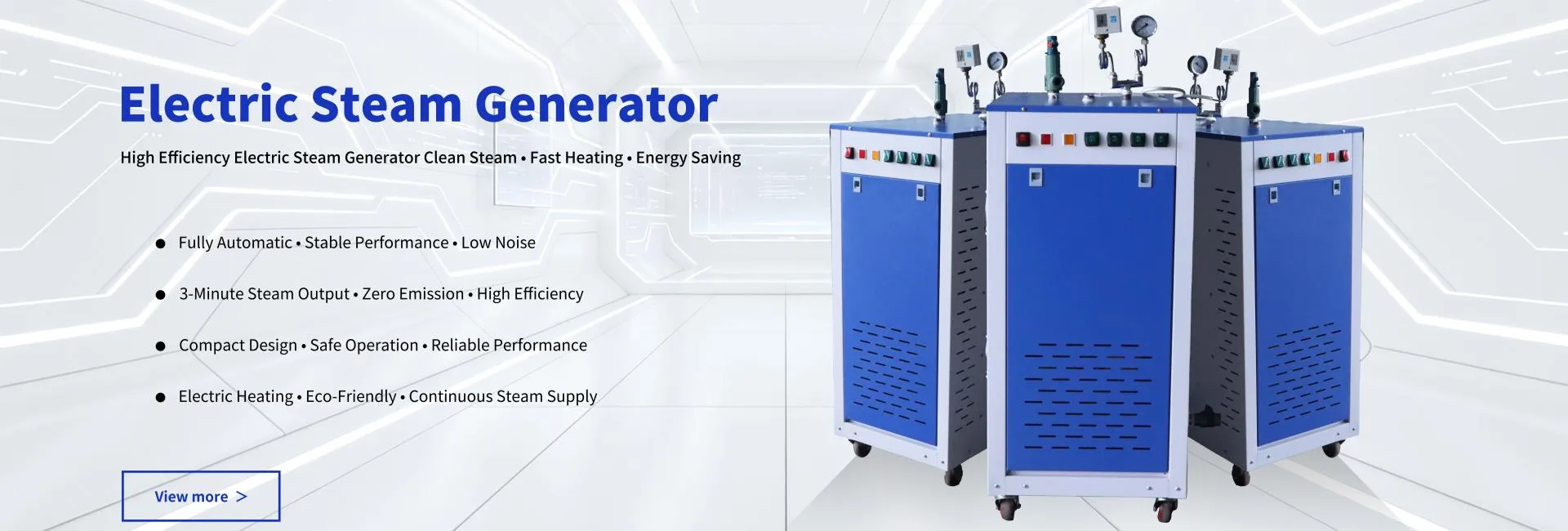
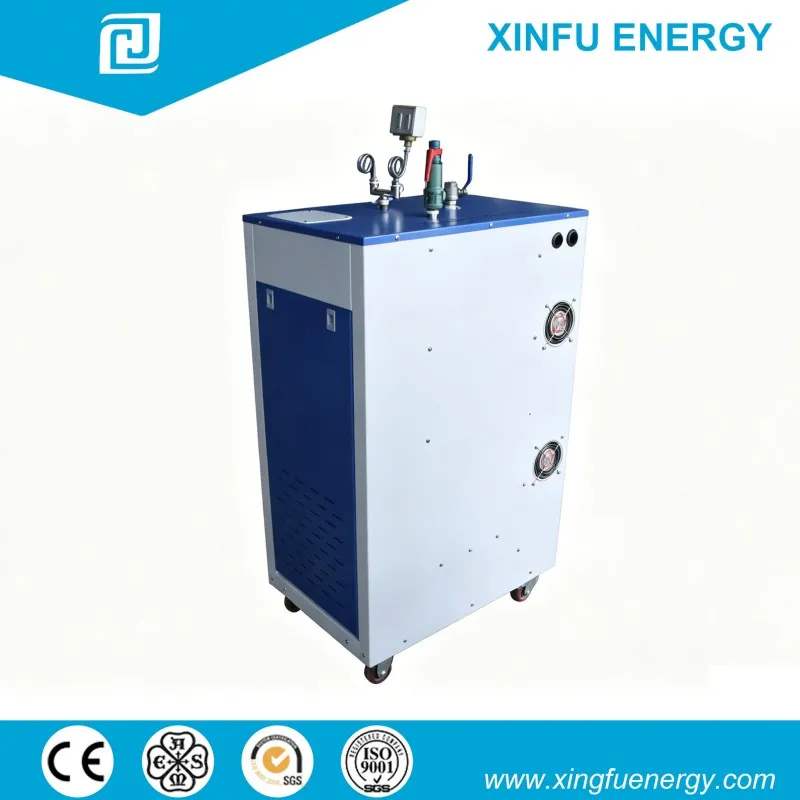
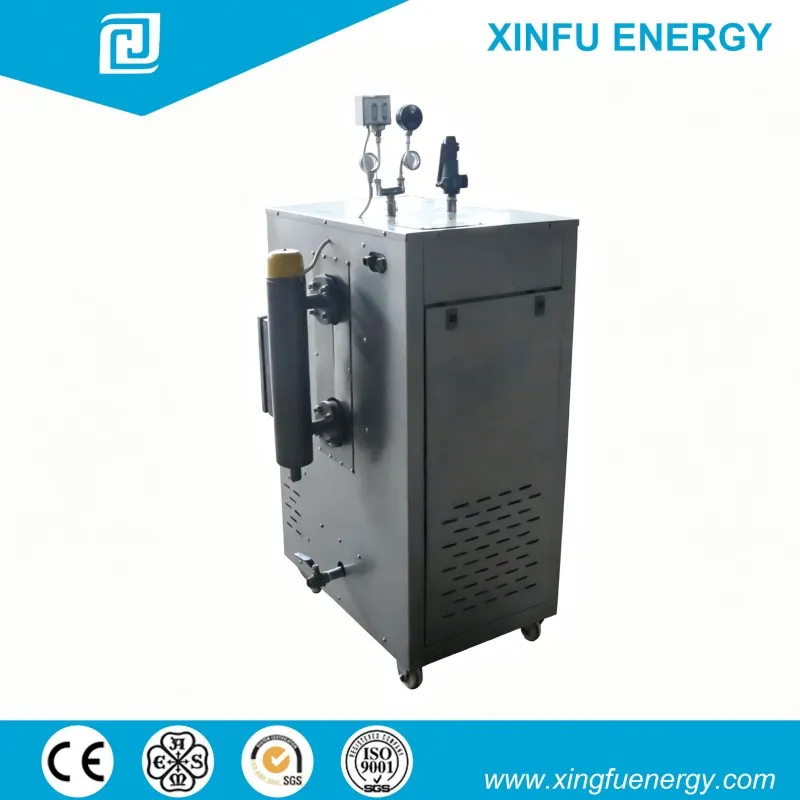
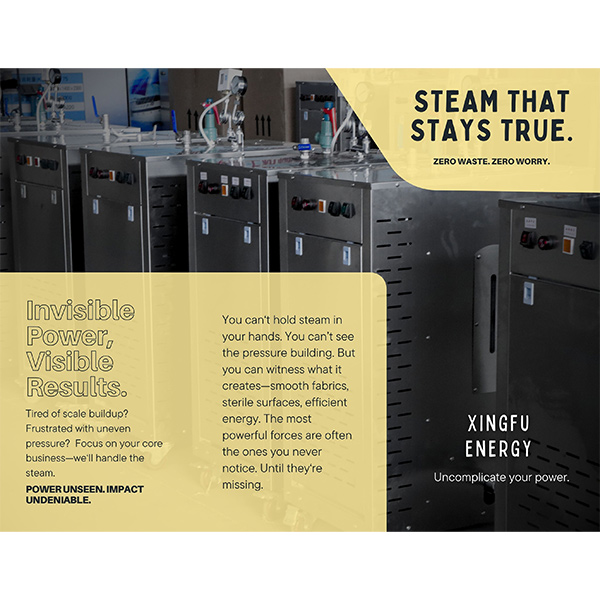
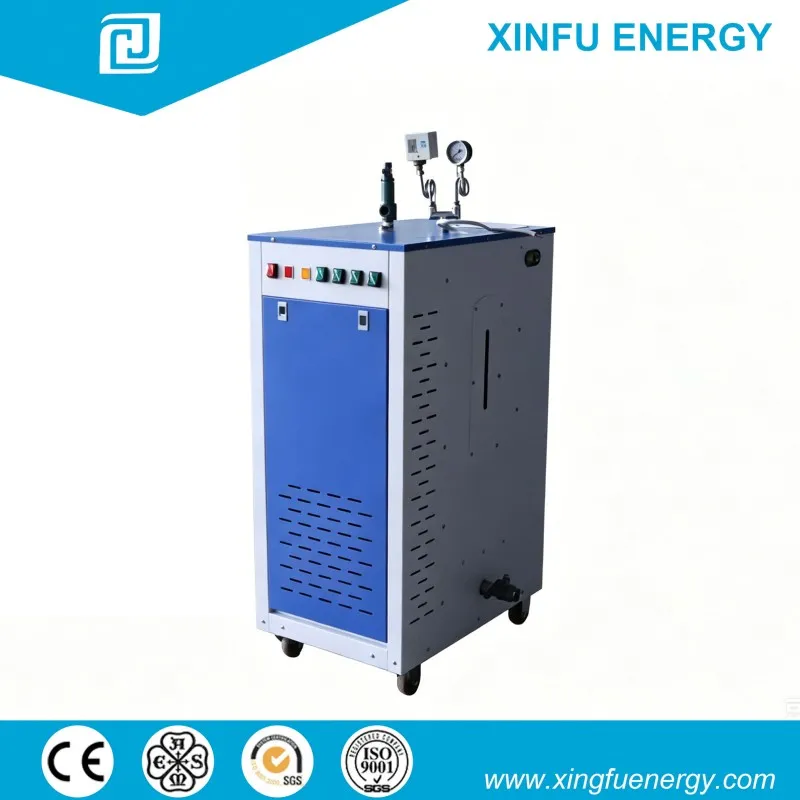
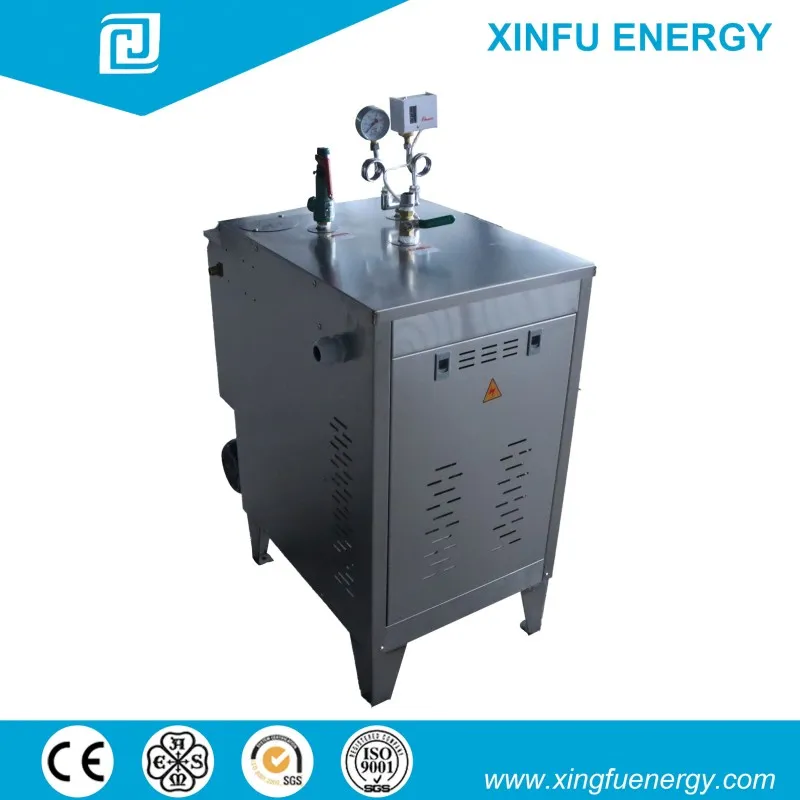
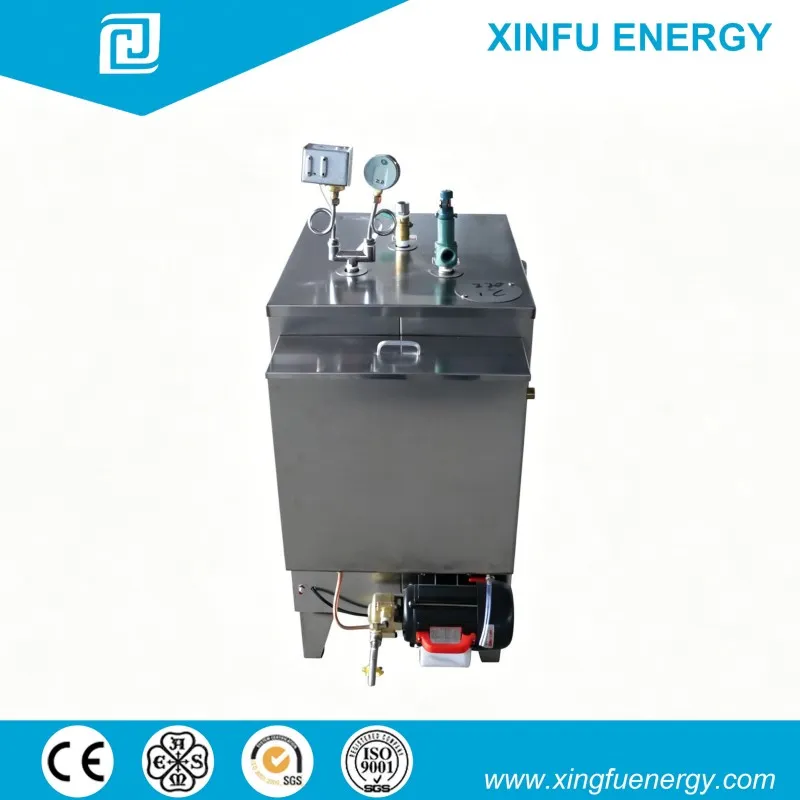
A High Efficiency Steam Generator is an advanced industrial boiler system designed to convert water into steam with minimal energy loss, typically achieving thermal efficiencies above 95%. Unlike traditional boilers, these units utilize condensing technology, precise combustion control, and compact heat exchange structures to reduce fuel consumption and operational costs. For manufacturers and facility managers in 2026, sourcing directly from a specialized factory ensures access to customized engineering solutions, competitive pricing, and compliance with stringent environmental regulations. This guide details the technical advantages, selection criteria, and industrial applications of high-efficiency steam generation systems.
What Is a High Efficiency Steam Generator?
A high efficiency steam generator represents a significant evolution in thermal energy production. Traditional fire-tube or water-tube boilers often operate at efficiencies between 80% and 85%, losing substantial heat through flue gases and radiation. In contrast, modern high-efficiency models are engineered to capture latent heat from exhaust gases, pushing overall system efficiency to 95-98%.
These systems are not merely “boilers” but integrated thermal modules. They combine rapid heating elements, advanced insulation materials, and intelligent control systems to deliver steam on demand. The core objective is to maximize the transfer of energy from the fuel source—whether natural gas, electricity, or biomass—to the water medium, minimizing waste and reducing the carbon footprint of industrial operations.
Key Technical Characteristics
To understand why these generators are classified as “high efficiency,” one must look at the underlying engineering principles. The design focuses on three primary areas: heat recovery, combustion optimization, and surface area maximization.
Condensing Technology: By cooling flue gases below their dew point, the system recovers latent heat that would otherwise escape through the chimney. This process significantly boosts thermal efficiency.
Modular Design: Many high-efficiency units are modular, allowing multiple smaller units to work in parallel. This ensures that the system only operates at the capacity needed, avoiding the inefficiencies of running a large boiler at partial load.
Precise Control Systems: Integrated PLCs (Programmable Logic Controllers) adjust fuel-air ratios in real-time based on steam demand, ensuring optimal combustion at all times.
How High Efficiency Steam Generators Work
The operational logic of a high efficiency steam generator differs from conventional systems primarily in its approach to heat exchange and energy retention. Understanding this workflow is crucial for engineers and procurement specialists evaluating technical specifications.
The Heat Exchange Process
In a typical gas-fired high-efficiency unit, the process begins with the burner injecting fuel into the combustion chamber. The resulting flame heats a series of heat exchange tubes. Water circulates around or through these tubes, absorbing thermal energy.
The critical differentiator is the secondary heat exchanger. As hot flue gases exit the primary chamber, they pass through this secondary stage. Here, the gases are cooled further, causing water vapor within the exhaust to condense. This phase change releases additional latent heat, which is transferred back into the incoming feedwater. This dual-stage extraction is what allows efficiencies to exceed 95%.
Rapid Steam Generation
Unlike traditional boilers that require hours to reach operating pressure, high-efficiency steam generators are designed for rapid response. Some electric models can produce saturated steam within minutes of startup. This “on-demand” capability eliminates the need for continuous idling, which is a major source of energy waste in facilities with fluctuating steam requirements.
Exhaust and Emissions Control
High efficiency also correlates with low emissions. By optimizing the combustion process and recovering heat, these systems produce lower levels of Nitrogen Oxides (NOx) and Carbon Monoxide (CO). In 2026, with tighter global environmental standards, this feature is not just an efficiency bonus but a regulatory necessity.
Core Advantages of High Efficiency Steam Generators
Investing in high-efficiency steam technology offers tangible benefits beyond simple fuel savings. For B2B buyers, the value proposition includes operational flexibility, reduced maintenance burdens, and improved sustainability metrics.
1. Significant Fuel Cost Reduction
The most immediate impact is on the operational budget. A jump from 85% to 95% efficiency represents a relative improvement of over 11% in fuel utilization. For a facility consuming thousands of cubic meters of natural gas monthly, this translates to substantial annual savings. In regions with high energy prices, the return on investment (ROI) period can be as short as 12 to 18 months.
2. Compact Footprint and Space Savings
Traditional boilers are bulky, requiring large boiler rooms and extensive clearance for safety. High-efficiency steam generators, particularly modular and electric variants, have a much smaller footprint. Their compact design allows for installation in confined spaces, freeing up valuable floor area for production lines or storage. This is particularly beneficial for urban manufacturing plants or facilities undergoing retrofitting.
3. Enhanced Safety Features
Modern steam generators incorporate multiple layers of safety protocols. These include low-water cutoffs, over-pressure protection, flame failure detection, and automatic shutdown sequences. Electric models eliminate combustion risks entirely, removing the need for fuel storage tanks and reducing fire hazards. This inherent safety profile lowers insurance premiums and simplifies regulatory compliance.
4. Low Maintenance Requirements
The design of high-efficiency units often minimizes the number of moving parts. Modular systems allow for individual units to be taken offline for maintenance without shutting down the entire steam supply. Furthermore, the use of corrosion-resistant materials in heat exchangers extends the lifespan of the equipment, reducing the frequency and cost of repairs.
Types of High Efficiency Steam Generators
Not all steam generators are created equal. The choice of technology depends heavily on the available energy sources, steam quality requirements, and specific application needs. Below are the primary types available from leading manufacturers in 2026.
Gas-Fired Condensing Steam Generators
These are the most common type for industrial applications where natural gas is readily available. They utilize condensing technology to achieve high thermal efficiency. Key features include:
Fuel Source: Natural Gas, LPG, or Biogas.
Efficiency: 95-98%.
Best For: Large-scale industrial processing, food and beverage, textile manufacturing.
Consideration: Requires proper venting for condensate and flue gases.
Electric Steam Generators
Electric models use resistance heating elements or electrode technology to generate steam. They are 100% efficient at the point of use, with no heat loss through exhaust. Key features include:
Fuel Source: Electricity.
Efficiency: ~99% (electrical to thermal).
Best For: Cleanrooms, pharmaceuticals, hospitals, and locations with strict emission laws.
Consideration: Operational cost depends heavily on local electricity rates.
Biomass and Waste-Heat Recovery Generators
For industries focused on sustainability, biomass generators use organic materials like wood pellets or agricultural waste. Waste-heat recovery systems capture excess heat from other industrial processes (e.g., engine exhaust) to generate steam. These solutions are highly specialized and offer unique economic and environmental benefits.
Comparison: High Efficiency vs. Traditional Boilers
To aid in decision-making, the following table contrasts high-efficiency steam generators with traditional industrial boilers across key performance metrics.
Feature
High Efficiency Steam Generator
Traditional Industrial Boiler
Thermal Efficiency
95% – 98%
75% – 85%
Startup Time
Minutes (Rapid)
Hours (Slow)
Footprint
Compact, Modular
Large, Fixed Installation
Emissions (NOx)
Low (< 30 mg/m³)
Moderate to High
Part-Load Performance
Excellent (Modular Control)
Poor (Efficiency Drops)
Maintenance Frequency
Low
High
Initial Investment
Moderate to High
Lower Initial Cost
While the initial investment for high-efficiency units may be higher, the total cost of ownership (TCO) is typically lower due to reduced fuel consumption and maintenance expenses. This makes them the preferred choice for long-term industrial projects.
Industrial Applications of High Efficiency Steam Generators
Steam is a versatile utility used across various sectors. The specific requirements for steam pressure, temperature, and purity vary by industry, influencing the choice of generator.
Food and Beverage Industry
In food processing, steam is used for cooking, sterilization, and cleaning. High-efficiency generators provide consistent steam quality, which is critical for product safety and taste. The rapid response time allows for precise temperature control during pasteurization and canning processes. Additionally, the compact size fits well in hygienic, space-constrained kitchen environments.
Pharmaceutical and Healthcare
Pharmaceutical manufacturing requires pure, contaminant-free steam for sterilization of equipment and formulation processes. Electric steam generators are often preferred here due to their clean operation and lack of combustion byproducts. Hospitals use these systems for laundry sterilization and surgical instrument autoclaving, where reliability and immediate availability are paramount.
Textile and Garment Manufacturing
Steam is essential for dyeing, drying, and ironing in the textile industry. High-efficiency modular systems allow factories to match steam production to fluctuating production schedules. This flexibility reduces energy waste during shift changes or low-production periods. The consistent pressure ensures uniform dye penetration and fabric quality.
Chemical and Petrochemical Processing
Chemical plants use steam for heating reactors, distillation columns, and driving turbines. The high reliability and precise control of modern steam generators ensure stable process conditions, which is vital for safety and product yield. Condensing models help recover energy from high-temperature processes, improving overall plant efficiency.
Automotive and Manufacturing
From paint curing to component cleaning, steam plays a role in automotive manufacturing. High-efficiency generators reduce the energy intensity of these processes, contributing to corporate sustainability goals. The modular nature allows for easy expansion as production lines grow.
How to Choose the Right High Efficiency Steam Generator
Selecting the appropriate steam generator involves a detailed analysis of your facility’s needs. Making the wrong choice can lead to inefficiencies, higher costs, and operational bottlenecks. Here is a step-by-step guide to selecting the right unit.
Step 1: Determine Steam Demand
Calculate your maximum and average steam consumption in kilograms per hour (kg/h) or pounds per hour (lbs/h). Consider peak loads and future expansion plans. It is advisable to choose a system that can handle peak demand efficiently, possibly through modular addition.
Step 2: Identify Fuel Availability and Cost
Evaluate the cost and availability of natural gas, electricity, or other fuels in your region. In areas with cheap natural gas, condensing gas boilers are often the most economical. In regions with high carbon taxes or strict emission limits, electric or biomass options may be more viable despite higher fuel costs.
Step 3: Assess Space and Installation Constraints
Measure the available space for the boiler room. Consider ceiling height, door access, and ventilation requirements. High-efficiency modular units are ideal for tight spaces, while larger traditional-style units may require significant structural modifications.
Step 4: Check Regulatory Compliance
Ensure the selected model meets local safety and environmental regulations. Look for certifications such as ASME, CE, or ISO standards. In 2026, many jurisdictions have strict NOx emission limits, so verify that the unit complies with these standards.
Step 5: Evaluate Manufacturer Support and Expertise
Choosing a manufacturer with deep engineering experience and robust quality control is critical. For instance, Qingdao Xingfu Energy Equipment Ltd., a high-tech enterprise founded in 2010, exemplifies the level of expertise required in this sector. With over 14 years of continuous industry experience, Xingfu combines traditional manufacturing capabilities with technological innovation. Their vertically integrated model covers everything from R&D and design to manufacturing and certified transportation.
Xingfu’s focus aligns perfectly with the demands of modern high-efficiency systems. Their production base in Qingdao spans 70,500 square meters, staffed by 228 employees, including 78 technical experts and 65 certified welders. This depth of technical personnel ensures that complex engineering challenges—such as integrating stainless steel construction for zero-emission electric steam generators—are handled with precision. When evaluating suppliers, look for partners who, like Xingfu, hold Class B boiler manufacturing licenses and international certifications (ISO 9001, CE), ensuring that the equipment not only meets efficiency targets but also adheres to rigorous global safety and quality standards.
Common Mistakes to Avoid When Purchasing
Even experienced engineers can make errors during the procurement process. Being aware of these pitfalls can save time and money.
Oversizing the Unit: Buying a generator that is too large leads to inefficient part-load operation and increased wear and tear. Modular systems help mitigate this risk.
Ignoring Water Quality: Poor feedwater quality causes scaling and corrosion, drastically reducing efficiency and lifespan. Always invest in proper water treatment systems.
Neglecting Maintenance Access: Ensure there is enough space around the unit for routine maintenance. Difficult access leads to deferred maintenance and eventual breakdowns.
Focusing Only on Initial Price: The cheapest unit often has higher operating costs. Evaluate the Total Cost of Ownership (TCO), including fuel, maintenance, and potential downtime.
Maintenance Best Practices for Longevity
To maintain high efficiency and extend the life of your steam generator, regular maintenance is essential. Here are key practices recommended by industry experts.
Daily Checks
Inspect water levels, pressure gauges, and fuel connections. Check for any unusual noises or leaks. Ensure the blowdown system is functioning correctly to remove impurities from the boiler water.
Weekly Maintenance
Test safety valves and low-water cutoffs. Inspect the burner flame pattern for consistency. Clean any visible debris from air intake filters.
Annual Servicing
Schedule a comprehensive inspection by a certified technician. This should include cleaning heat exchange surfaces, checking electrical connections, calibrating sensors, and testing all safety interlocks. Annual servicing ensures the unit continues to operate at peak efficiency and remains compliant with safety standards.
FAQ: High Efficiency Steam Generators
What is the typical lifespan of a high efficiency steam generator?
With proper maintenance and water treatment, a high-quality steam generator can last 15 to 20 years. Electric models often have longer lifespans due to fewer moving parts and no combustion stress.
Can I retrofit my existing boiler to be high efficiency?
While some components like economizers can be added to existing systems to improve efficiency, true high-efficiency performance usually requires replacing the old unit with a modern condensing or modular system. Retrofitting has limitations compared to a complete upgrade.
How much space do I need for installation?
Space requirements vary by model. Modular electric generators can fit in small utility rooms, while large gas-fired units may require a dedicated boiler room. Always consult the manufacturer’s installation manual for specific clearance requirements.
Are high efficiency steam generators safe?
Yes, they are designed with multiple safety features, including automatic shutdowns, pressure relief valves, and leak detection. Electric models are inherently safer as they do not involve combustion. Regular maintenance and adherence to safety guidelines are crucial for safe operation.
What is the ROI period for switching to high efficiency?
The ROI period typically ranges from 1 to 3 years, depending on fuel costs, usage intensity, and the efficiency of the previous system. Facilities with high steam demand and expensive fuel sources see faster returns.
Why Choose Qingdao Xingfu Energy Equipment for Your Steam Generation Needs?
As highlighted in the selection criteria, partnering with a manufacturer that possesses deep technical expertise and vertical integration is crucial. Qingdao Xingfu Energy Equipment Ltd. stands out as a premier choice for businesses seeking reliable, high-efficiency steam solutions.
Specialized Expertise in Electric and Industrial Steam Solutions
Xingfu’s core business focuses on producing electric steam generators and industrial steam boilers, including their compact S-Series automation solutions. These fully automated, intelligent systems are designed for fast steam generation and continuous production lines, specifically tailored for sectors like textiles and industrial heating. Constructed from high-grade stainless steel, these units meet strict environmental safety requirements, achieving zero emissions during operation—a key advantage for facilities aiming to reduce their carbon footprint.
Direct Factory Pricing and Vertical Integration
By sourcing directly from Xingfu’s 70,500-square-meter production base, clients eliminate middleman markups. The company’s vertically integrated model, covering research, design, manufacturing, and transportation, allows for transparent pricing and better value. With domestic sales exceeding RMB 100 million since 2012 and exports to over 30 countries (including Mongolia, Indonesia, Korea, Malaysia, Poland, and Spain), Xingfu has proven its ability to deliver cost-effective solutions without compromising quality.
Global Compliance and Certified Quality
Quality assurance is embedded in every stage of Xingfu’s production. The company holds a manufacturing license for Class B boilers and Class 1 and 2 pressure containers, along with ISO 9001 and CE certifications. Their internal laboratories and rigorous quality control systems ensure that every unit meets international standards. This commitment to compliance gives global clients peace of mind, knowing their equipment is future-proof against evolving environmental regulations.
Comprehensive Lifecycle Support
Xingfu adheres to a philosophy of long-term partnerships. Their support extends beyond delivery, offering technical consultation during the design phase, equipment selection assistance, and help with installation and test runs. With a team of 28 engineers and 65 certified welders, plus a global service network, they ensure minimal downtime and maximum productivity throughout the equipment’s operational life.
Conclusion: Investing in Efficient Steam Technology
In the industrial landscape of 2026, energy efficiency is no longer optional—it is a strategic imperative. High efficiency steam generators offer a proven pathway to reduce operational costs, lower environmental impact, and enhance process reliability. By understanding the technical advantages, selecting the right type for your application, and partnering with a reputable manufacturer like Qingdao Xingfu Energy Equipment, you can secure a competitive edge for your business.
Whether you are upgrading an existing facility or designing a new production line, the choice of steam generation technology will have long-lasting implications for your bottom line. Prioritize efficiency, reliability, and sustainability in your decision-making process.
Ready to optimize your steam production? Contact our engineering team today for a customized quote and technical consultation. Discover how our high-efficiency solutions can transform your energy management strategy.