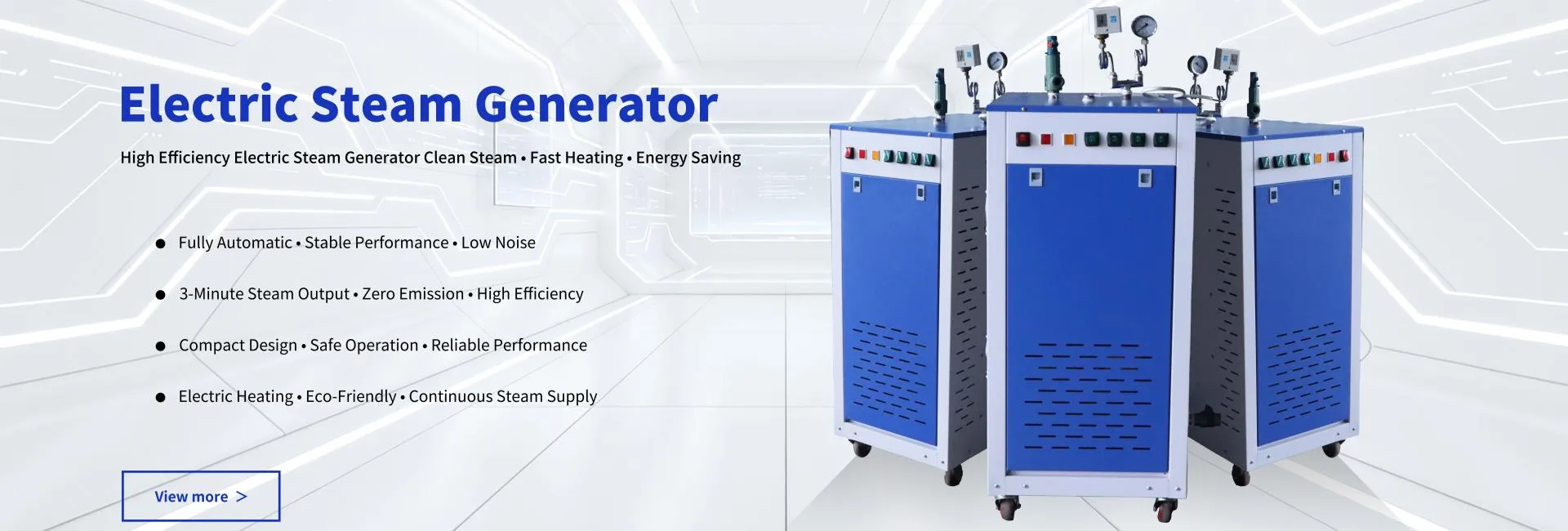
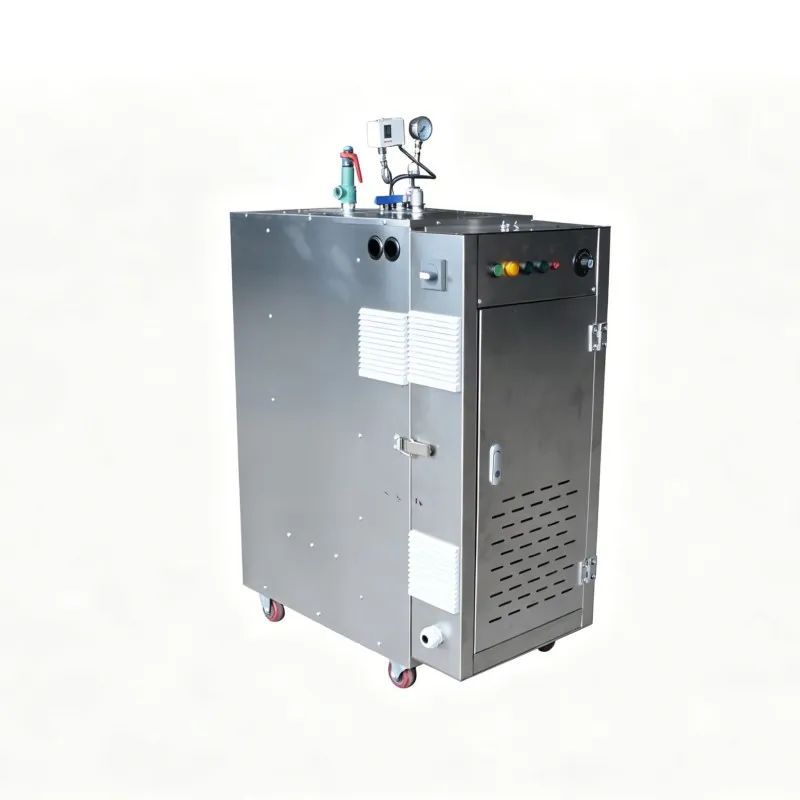
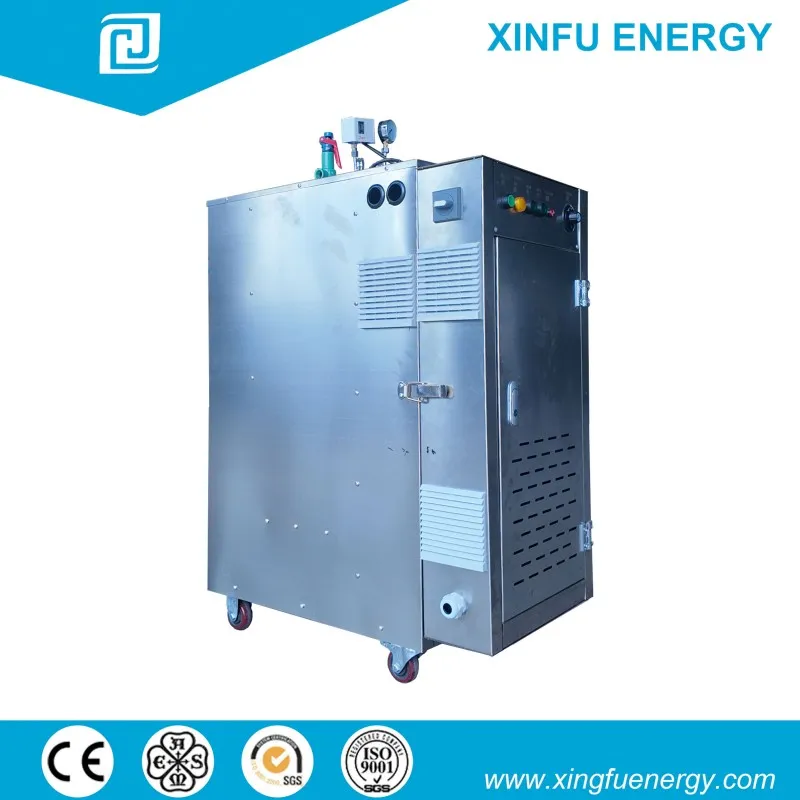
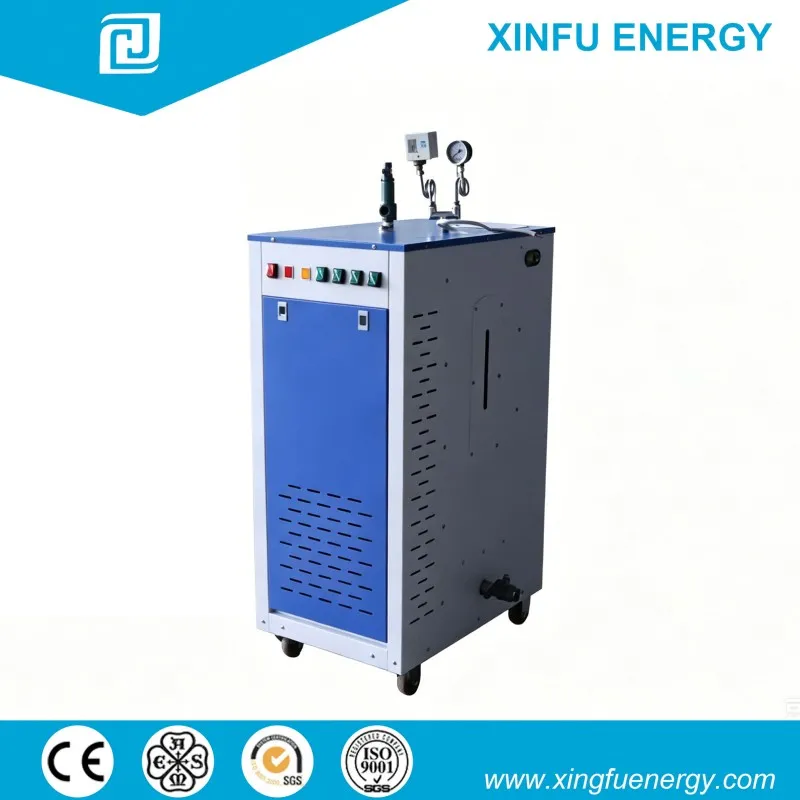
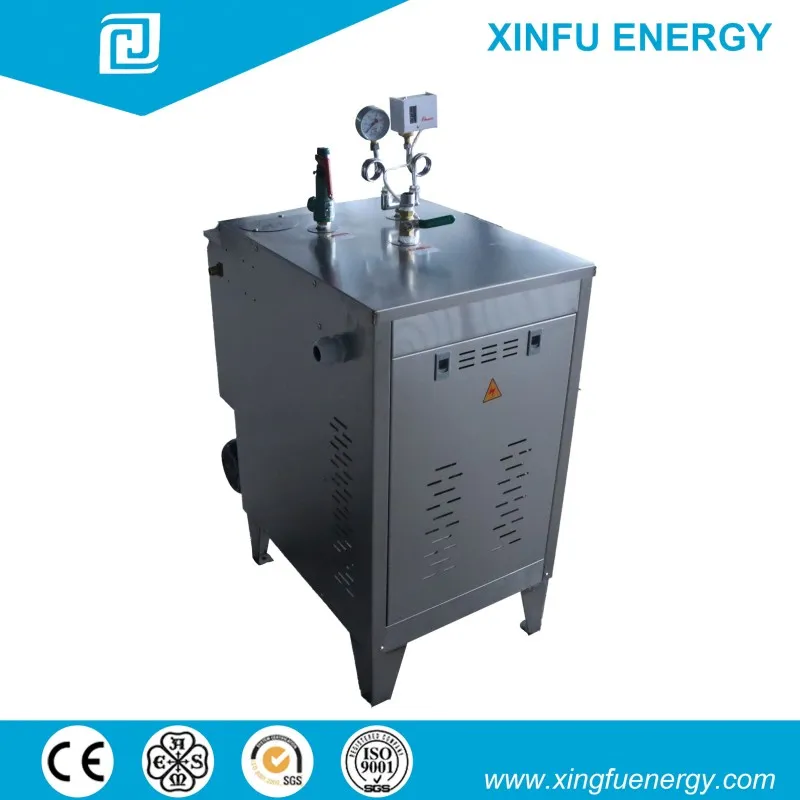
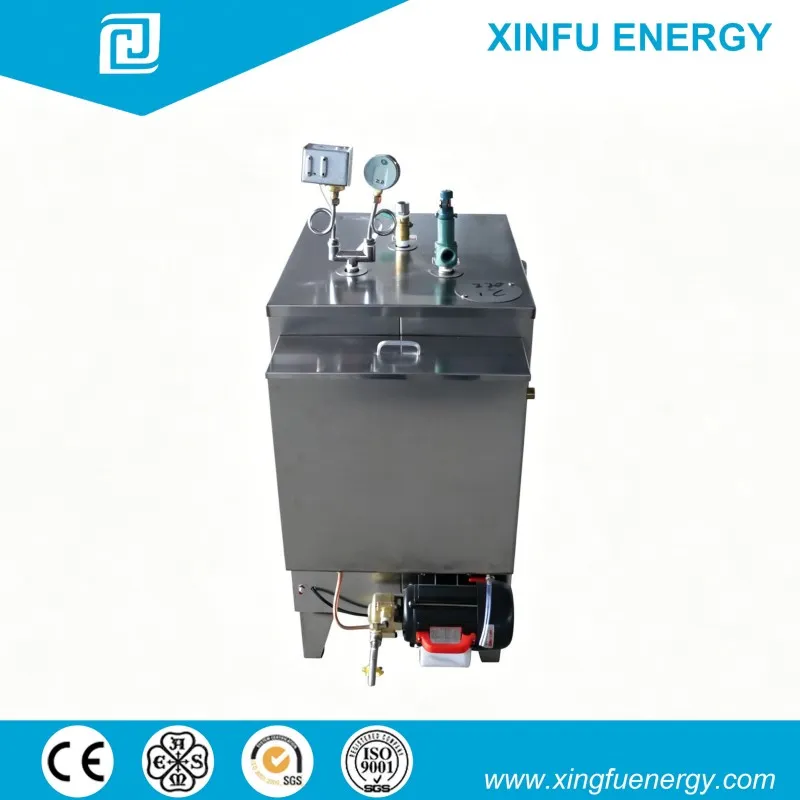
Electric steam generator price in 2026 varies significantly based on capacity, pressure ratings, and automation levels. For industrial applications, entry-level compact units (50-100 kg/h) typically range from $3,500 to $8,000, while mid-range commercial systems (500-1000 kg/h) cost between $15,000 and $35,000. Large-scale industrial boilers exceeding 2 tons/hour often start at $50,000, with custom high-pressure configurations reaching higher brackets. Factory-direct quotes eliminate distributor markups, offering savings of 15-25%. This guide details current pricing structures, technical specifications, and procurement strategies to help you secure the most competitive factory-direct rates for your specific operational needs.
Understanding Electric Steam Generator Pricing in 2026
The market for electric steam generation has evolved rapidly. As global industries shift toward decarbonization, the demand for efficient, zero-emission steam solutions has surged. In 2026, the electric steam generator price is no longer just about the hardware cost; it reflects a complex interplay of raw material costs, semiconductor availability for control systems, and energy efficiency standards.
Unlike traditional fossil-fuel boilers, electric models offer precise temperature control and instant steam production. However, this technological advantage comes with a different pricing structure. Buyers must evaluate not only the initial purchase price but also the total cost of ownership (TCO), including installation, electrical infrastructure upgrades, and long-term maintenance.
Factory-direct purchasing has become the preferred method for B2B buyers. By bypassing regional distributors and trading companies, enterprises can access transparent pricing and customized engineering support. This approach ensures that the equipment matches exact process requirements, avoiding the costs associated with over-specification or under-performance.
Key Factors Influencing Current Market Rates
Several dynamic factors drive the volatility and baseline of electric steam generator prices in 2026. Understanding these elements allows procurement managers to negotiate better terms and forecast budgets accurately.
Raw Material Costs: The price of stainless steel (particularly grades 304 and 316L used in pressure vessels) and copper for heating elements fluctuates with global commodity markets. In 2026, supply chain stabilization has moderated some spikes, but high-grade alloys remain a significant cost driver.
Component Quality: The core of any electric steam generator is its heating element and control system. Units using imported Siemens, Schneider, or ABB components command a premium due to their reliability and longevity. Generic alternatives lower the upfront price but increase failure risks.
Regulatory Compliance: Stricter environmental and safety regulations in North America, Europe, and Asia require manufacturers to invest in advanced certification processes (ASME, CE, PED). These compliance costs are inherently built into the final unit price.
Customization Levels: Standard off-the-shelf models are cheaper. However, industries like pharmaceuticals or food processing often require sanitary finishes, specific valve configurations, or integrated PLC systems, which increase manufacturing time and cost.
The Value of Vertically Integrated Manufacturing
When evaluating the electric steam generator price, it is crucial to consider the manufacturer’s capability to deliver quality and consistency. Companies with vertically integrated operations—controlling everything from R&D and design to manufacturing and logistics—are better positioned to offer competitive factory-direct pricing without compromising on quality.
A prime example of this model is Qingdao Xingfu Energy Equipment Ltd. Founded in 2010 and headquartered in Qingdao, China, Xingfu has established itself as a high-tech leader in the energy equipment sector. With over 14 years of continuous industry experience, the company combines traditional manufacturing capabilities with technological innovation to serve clients in more than 30 countries, including markets in Europe, Asia, and beyond.
Xingfu’s approach directly impacts the value proposition for buyers. Operating a massive 70,500-square-meter production base with dedicated workshops, the company employs a robust technical team where 21% of staff are technical experts, including certified engineers and welders. This depth of expertise allows for rigorous quality control at every stage, from the selection of stainless steel materials to the final assembly of the S-Series automation solutions. Their products, which include fully automated electric steam generators and intelligent steam boilers, are designed to meet international standards such as ISO 9001 and CE certifications, ensuring that the “factory-direct” savings do not come at the expense of safety or reliability.
By choosing a manufacturer with such comprehensive credentials—including Class B boiler manufacturing licenses and Class 1/2 container certifications—buyers can trust that the quoted price reflects a product built for longevity and efficiency, rather than a cut-corner alternative.
Electric Steam Generator Price Breakdown by Capacity
Capacity, measured in kilograms per hour (kg/h) or tons per hour (t/h), is the primary determinant of price. Below is a detailed analysis of pricing tiers for 2026, reflecting factory-direct quotations.
Small-Scale Units (50 kg/h – 200 kg/h)
These compact generators are ideal for laboratories, small laundries, boutique food processing, and pilot plants. They are often plug-and-play units requiring minimal installation effort.
Price Range: $3,500 – $9,000
At this scale, the cost per kilogram of steam capacity is higher due to fixed manufacturing overheads. However, the absolute investment is low. Key features in this tier include:
Single-phase or basic three-phase power options.
Manual or semi-automatic controls.
Compact footprint for easy integration into tight spaces.
Standard stainless steel construction.
For businesses testing electric steam adoption, this tier offers the lowest barrier to entry. It allows operators to validate energy savings without a massive capital expenditure.
Medium-Scale Commercial Units (300 kg/h – 1000 kg/h)
This segment serves hotels, hospitals, medium-sized food factories, and chemical processing lines. These units require robust three-phase power supplies and professional installation.
Price Range: $12,000 – $35,000
The price jump here reflects increased complexity. These systems often feature:
Fully automatic PLC control panels with touch-screen interfaces.
Multi-stage heating element activation to manage power load spikes.
Advanced water treatment integration capabilities.
Higher pressure ratings (up to 10-13 bar).
Efficiency gains become more pronounced in this tier. The ability to modulate power output based on real-time steam demand reduces operational costs, justifying the higher initial electric steam generator price.
Large Industrial Systems (1 t/h – 5 t/h+)
Heavy industry, large-scale sterilization, and district heating applications rely on these high-capacity generators. They are engineered for continuous operation and maximum reliability.
Price Range: $45,000 – $120,000+
Custom engineering is standard in this category. Prices vary widely based on:
Pressure requirements (high-pressure systems require thicker vessel walls and specialized welding).
Redundancy features (dual pump systems, backup controllers).
Integration with existing plant SCADA systems.
Specialized materials for corrosive environments.
For large projects, modular designs are often preferred. Instead of one massive unit, facilities may install multiple smaller generators in parallel. This approach enhances reliability and allows for maintenance without shutting down the entire steam supply.
Capacity Range
Typical Applications
Estimated Price Range (USD)
Key Cost Drivers
50 – 200 kg/h
Labs, Small Laundry, Food Prep
$3,500 – $9,000
Basic controls, compact design
300 – 1000 kg/h
Hospitals, Hotels, Medium Manufacturing
$12,000 – $35,000
PLC automation, multi-stage heating
1 – 2 t/h
Chemical Processing, Large Sterilization
$45,000 – $75,000
High pressure, industrial grade components
2 – 5 t/h+
Heavy Industry, District Heating
$75,000 – $120,000+
Custom engineering, redundancy, SCADA
Technical Specifications Impacting Cost
Beyond capacity, specific technical parameters significantly influence the final quote. Buyers must specify these requirements clearly to avoid unexpected costs during the engineering phase.
Working Pressure and Temperature
Standard electric steam generators operate between 0.7 MPa and 1.0 MPa. However, applications such as autoclaving or chemical reactions may require pressures up to 1.3 MPa or higher. Higher pressure necessitates thicker steel plates, more rigorous welding inspections, and expensive safety valves. Each increment in pressure rating adds approximately 10-15% to the manufacturing cost.
Heating Element Technology
The type of heating element used is critical for both performance and price.
Incoloy 800/840 Elements: These are the industry standard for high-quality generators. They offer excellent resistance to corrosion and scaling, extending service life. They are more expensive than standard stainless steel elements but reduce long-term maintenance costs.
Ceramic Coated Elements: Used in hard water areas, these elements resist scale buildup effectively. They carry a premium price but are essential for regions with poor water quality.
Standard Stainless Steel: Suitable for soft water applications. While cheaper, they may require frequent descaling or replacement if water quality fluctuates.
Control System Sophistication
The “brain” of the generator determines its efficiency and ease of use.
Basic Relay Logic: Found in entry-level models. It is cheap but lacks precision and diagnostic capabilities.
PLC (Programmable Logic Controller): The standard for modern industrial units. PLCs allow for precise pressure control, fault logging, and remote monitoring. Brands like Siemens, Mitsubishi, or Omron add to the cost but ensure reliability.
IoT Connectivity: In 2026, smart connectivity is increasingly common. Generators equipped with Wi-Fi or Ethernet modules for remote monitoring via mobile apps or cloud dashboards command a higher price. This feature enables predictive maintenance, reducing downtime.
Operational Costs vs. Initial Purchase Price
Focusing solely on the initial electric steam generator price can be misleading. A comprehensive financial analysis must include operational expenditures (OPEX). Electric generators often have a higher upfront cost than gas boilers but offer lower operating costs in specific scenarios.
Energy Efficiency Analysis
Electric steam generators boast thermal efficiencies of 98-99%, compared to 80-85% for typical gas boilers. Nearly all electrical energy is converted into heat, with minimal loss. In contrast, gas boilers lose significant energy through flue gases.
However, electricity prices per kWh are generally higher than natural gas per therm. The break-even point depends on local utility rates. In regions with favorable industrial electricity tariffs or time-of-use pricing, electric generators can be cheaper to operate, especially when paired with thermal storage systems.
Maintenance and Lifecycle Costs
Electric generators have fewer moving parts than combustion boilers. There are no burners, fuel pumps, or exhaust systems to maintain. This simplicity translates to lower annual maintenance contracts.
No Annual Combustion Testing: Electric units do not require emissions testing or chimney inspections, saving thousands of dollars annually in regulatory compliance fees.
Extended Component Life: With proper water treatment, heating elements can last 3-5 years. Control systems rarely fail if protected from power surges.
Reduced Downtime: Faster startup times mean less wasted energy during warm-up phases. Instant steam availability improves process efficiency.
Environmental Compliance Savings
As carbon taxes and emissions penalties increase globally, the zero-emission nature of electric steam becomes a financial asset. Companies avoiding carbon credits or penalty fees can offset the higher initial equipment cost within 2-3 years.
How to Get the Best Factory-Direct Quote
Securing a competitive electric steam generator price requires strategic procurement. Factory-direct sourcing eliminates middlemen, but it demands clear communication and technical preparedness.
Prepare a Detailed Request for Quotation (RFQ)
Vague inquiries lead to generic, inflated quotes. Provide manufacturers with precise data:
Steam Demand Profile: Specify peak and average steam usage (kg/h). Include variability patterns (e.g., intermittent vs. continuous).
Pressure Requirements: Define the exact working pressure needed at the point of use, accounting for pipeline losses.
Power Supply Details: Confirm available voltage (380V, 400V, 480V, etc.) and frequency (50Hz/60Hz). Mention if transformer upgrades are feasible.
Water Quality Data: Provide a recent water analysis report. Hardness, conductivity, and pH levels determine the necessary pre-treatment system and element type.
Space Constraints: Share layout drawings to ensure the proposed unit fits within the designated area, including clearance for maintenance.
Evaluate Total Package Value
Do not compare unit prices in isolation. Consider the entire package:
Warranty Terms: Look for comprehensive warranties covering both the pressure vessel and electrical components. A 2-year warranty is standard; 3-5 years indicates manufacturer confidence.
Spare Parts Availability: Ensure critical spares (contactors, sensors, elements) are readily available or included in the initial shipment.
Technical Support: Assess the manufacturer’s ability to provide remote troubleshooting and on-site commissioning support.
Shipping and Incoterms: Clarify whether the price is EXW (Ex Works), FOB (Free on Board), or DDP (Delivered Duty Paid). Hidden logistics costs can erode savings.
Negotiate Based on Volume and Long-Term Partnership
Manufacturers value long-term relationships. If you plan to purchase multiple units or anticipate future expansions, leverage this potential for better pricing. Bulk orders often qualify for volume discounts. Additionally, agreeing to standardized models across your facilities can simplify inventory management and reduce costs.
Common Mistakes When Buying Electric Steam Generators
Avoiding these pitfalls can save significant time and money during the procurement and installation phases.
Undersizing the Unit
One of the most frequent errors is selecting a generator based on average rather than peak demand. Steam systems must handle maximum load. Undersizing leads to pressure drops, process inconsistencies, and premature equipment failure due to continuous max-load operation. Always size for peak demand plus a 10-15% safety margin.
Ignoring Water Treatment
Electric generators are sensitive to water quality. Scaling on heating elements reduces efficiency and causes burnout. Skipping or skimping on water softening or reverse osmosis (RO) systems is a false economy. The cost of replacing elements far exceeds the investment in proper water treatment.
Overlooking Electrical Infrastructure Costs
High-capacity electric generators draw significant current. Existing facility transformers may not handle the additional load. Failing to assess electrical capacity upfront can result in costly transformer upgrades or service interruptions. Always consult with a qualified electrical engineer before finalizing the purchase.
Neglecting Installation Requirements
Proper installation is crucial for safety and performance. This includes correct piping slopes for condensate return, adequate ventilation for control cabinets, and proper grounding. DIY installations or unqualified contractors can void warranties and create safety hazards.
Application-Specific Pricing Considerations
Different industries have unique requirements that affect the final electric steam generator price.
Food and Beverage Industry
Hygiene is paramount. Generators for this sector often require sanitary stainless steel finishes, electropolished surfaces, and compliance with FDA or EHEDG standards. These features increase manufacturing costs but are non-negotiable for safety compliance.
Pharmaceutical and Healthcare
Strict validation protocols (IQ/OQ/PQ) are required. Documentation, traceability of materials, and precise control accuracy drive up costs. Pure steam generators, which use distilled water to prevent contamination, are significantly more expensive than standard industrial units due to their complex double-tube sheet design and monitoring systems.
Textile and Laundry
These applications involve large, fluctuating loads. Durability and rapid response are key. Systems here often prioritize robust construction over high-precision controls. Modular setups are common to handle variable daily loads efficiently.
Concrete Curing and Construction
Portability and ruggedness are essential. Mobile electric steam generators for curing concrete must withstand harsh site conditions. Prices here include heavy-duty frames and protective enclosures. Simplicity of operation is valued over advanced automation.
FAQ: Electric Steam Generator Pricing and Selection
What is the average lifespan of an electric steam generator?
With proper maintenance and water treatment, a high-quality electric steam generator can last 15-20 years. Heating elements typically need replacement every 3-5 years, depending on water quality and usage intensity. The pressure vessel itself, if maintained correctly, can last the entire lifecycle of the unit.
Are there hidden costs in factory-direct quotes?
While factory-direct quotes are transparent, buyers should account for shipping, import duties, taxes, and installation costs. Some manufacturers may exclude electrical connection kits or water treatment systems from the base price. Always request a detailed breakdown of what is included in the quote.
Can I retrofit an existing gas boiler to electric?
Retrofitting is generally not feasible or cost-effective. Gas boilers and electric generators have fundamentally different designs. It is usually more economical and safer to replace the old unit with a new electric steam generator designed for electrical operation.
How does voltage affect the price?
Standard voltages (380V/400V/480V) are most cost-effective. Custom voltage requirements or rare frequencies may require specialized transformers or components, increasing the price. Ensure your facility’s power supply matches the manufacturer’s standard offerings to avoid customization fees.
Is financing available for factory-direct purchases?
Many manufacturers offer financing options or partner with leasing companies to facilitate large purchases. This can help manage cash flow by spreading the cost over time. Inquire about lease-to-own programs or installment plans during negotiations.
Step-by-Step Guide to Procuring Your Electric Steam Generator
Follow this structured approach to ensure a smooth purchasing process and optimal pricing.
Audit Your Steam Needs: Calculate your exact steam consumption profile. Identify peak loads and average usage. Determine the required pressure and temperature.
Assess Infrastructure: Verify your electrical capacity and water quality. Consult with engineers to identify any necessary upgrades.
Request Quotes from Multiple Manufacturers: Contact at least three reputable factory-direct suppliers. Provide them with identical specifications to ensure comparable quotes.
Evaluate Technical Proposals: Review the proposed designs, component brands, and efficiency ratings. Do not just look at the price; assess the value.
Negotiate Terms: Discuss payment terms, delivery timelines, warranty coverage, and after-sales support. Ask for discounts on bulk orders or early payment.
Verify Certifications: Ensure the manufacturer holds relevant certifications (ASME, CE, ISO) for your region. Request documentation proofs.
Finalize Contract: Clearly define deliverables, acceptance criteria, and penalty clauses for delays. Ensure all verbal agreements are written into the contract.
Plan Installation and Commissioning: Schedule professional installation. Arrange for factory technicians to commission the unit and train your staff.
Why Choose Factory-Direct Sourcing in 2026?
The shift towards factory-direct purchasing is driven by the need for transparency and customization. In 2026, digital communication tools allow seamless collaboration between buyers and manufacturers, regardless of distance. Video calls, virtual factory tours, and real-time document sharing build trust and ensure alignment.
By dealing directly with the manufacturer, you gain access to engineering expertise that distributors may lack. You can customize features to fit your exact process, avoiding the compromises inherent in off-the-shelf products. Furthermore, direct communication speeds up problem resolution and spare parts procurement.
Cost savings are substantial. Distributors typically add 20-40% markup to cover their overheads and profit margins. Factory-direct pricing removes this layer, allowing you to invest those savings into higher-quality components or additional safety features.
Conclusion: Making the Right Investment Decision
The electric steam generator price in 2026 reflects a mature, technology-driven market. While initial costs may appear higher than traditional alternatives, the long-term benefits of efficiency, low maintenance, and environmental compliance make electric steam a compelling choice for modern industries.
Success lies in looking beyond the sticker price. Evaluate the total cost of ownership, prioritize quality components, and leverage factory-direct relationships for customization and support. By understanding the technical nuances and market dynamics, you can secure a solution that delivers reliable steam, operational savings, and competitive advantage.
Whether you are upgrading an existing system or designing a new facility, careful planning and informed procurement are key. Focus on reliability, efficiency, and supplier partnership. The right electric steam generator is not just an expense; it is a strategic asset that powers your productivity.
Ready to optimize your steam production? Contact our engineering team today for a customized quote and technical consultation. Discover how our factory-direct solutions can meet your specific industrial needs.